5 Kitchen Accent Wall Ideas That Feel Bold, Not Overwhelming
Your kitchen works hard every day, but does it inspire you? If your cooking space feels a little flat or uninspired, you’re not alone. Many homeowners crave a change without committing to a full renovation.
That’s where accent wall ideas kitchen come into play. A single painted or decorated wall can completely shift the mood of your room, adding personality, depth, and visual interest. Whether you love bold color, subtle texture, or something totally unique, an accent wall gives you creative freedom without overwhelming your entire space.
The best part? You don’t need to hire a professional or break the bank. With a weekend, some supplies, and a little confidence, you can create a kitchen that feels fresh, personal, and entirely yours.
Table of Contents
What You’ll Need to Get the Look
Creating a kitchen accent wall doesn’t require a long shopping list, but having the right materials on hand makes the process smoother and more enjoyable.
Here’s what you’ll typically need:
– Paint or wallpaper in your chosen color or pattern
– Painter’s tape for clean, sharp edges
– Drop cloths to protect countertops and floors
– Paint rollers, brushes, and trays
– A sturdy ladder or step stool
– Primer if you’re covering a dark or glossy surface
– Sandpaper or a sponge for prep work
– Cleaning supplies to wipe down walls before starting
If you’re going beyond paint, consider these creative materials:
– Peel-and-stick wallpaper for renters or commitment-phobes
– Reclaimed wood planks for rustic warmth
– Shiplap boards for farmhouse charm
– Tile or backsplash panels for a polished look
– Stencils or vinyl decals for pattern without permanence
Choose materials that fit your skill level and your kitchen’s style. You don’t need to master carpentry or spend a fortune to make a big impact.
Finding Your Style and Season
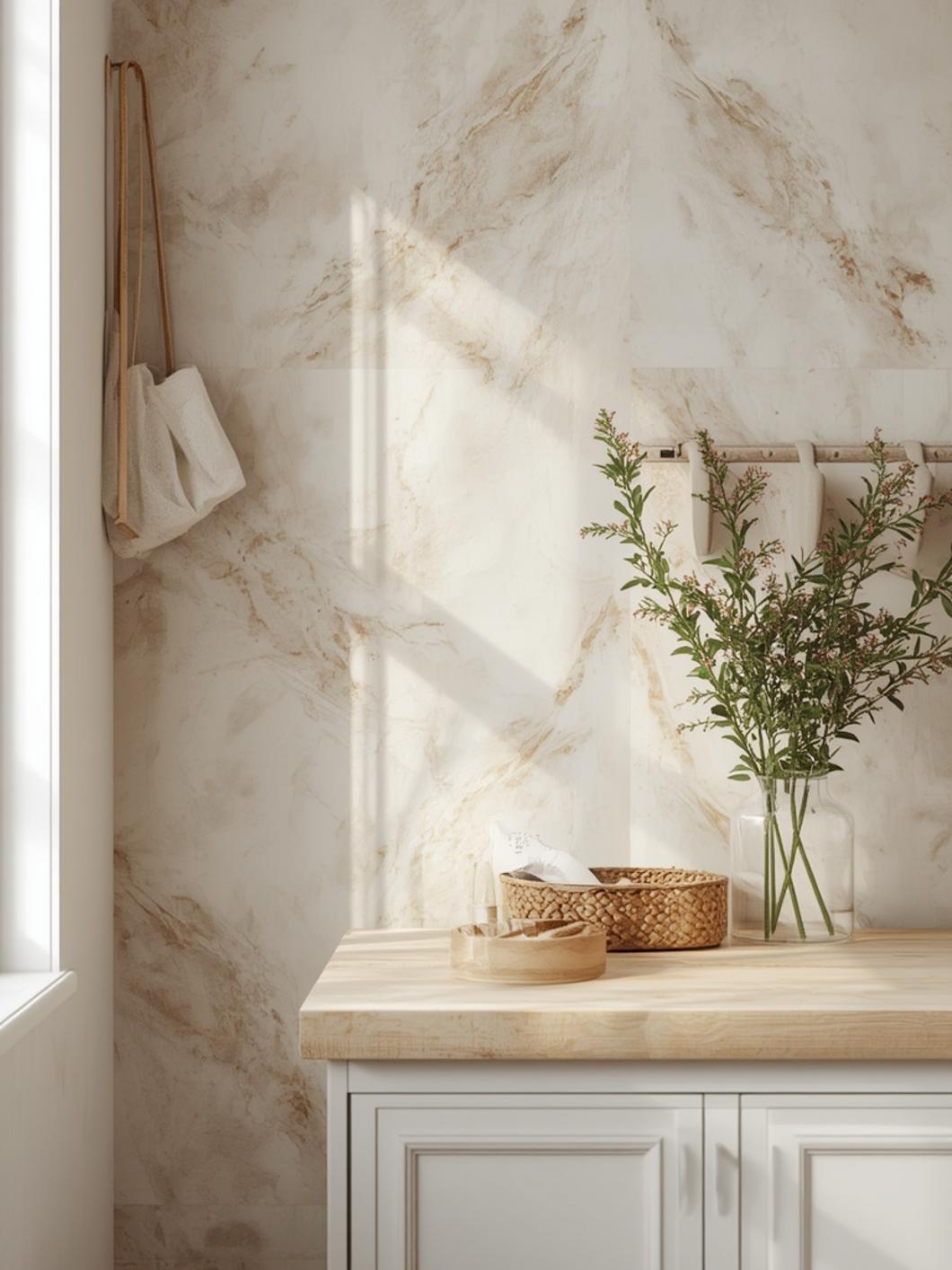
Think about the mood you want your kitchen to have. Do you crave calm and cozy, or bold and energizing? Your accent wall should reflect how you want to feel when you’re cooking, eating, or gathering with loved ones.
Color plays a huge role here. Deep blues and greens create a serene, grounded vibe, while warm oranges and yellows bring energy and cheer. Neutrals like charcoal, taupe, or soft gray offer sophistication without drama.
Timing matters too. Spring and summer are ideal for painting projects because you can open windows for ventilation and faster drying. Fall is perfect for richer, moodier tones that match the season’s cozy energy.
If you’re renting or hesitant about permanent changes, peel-and-stick options give you flexibility. You can test a look, change it seasonally, or take it with you when you move.
Think about your kitchen’s natural light as well. A north-facing kitchen with cooler light can handle warmer accent colors, while a sun-drenched south-facing space looks stunning with cooler, more muted tones.
7 Ideas to Try in Your Home
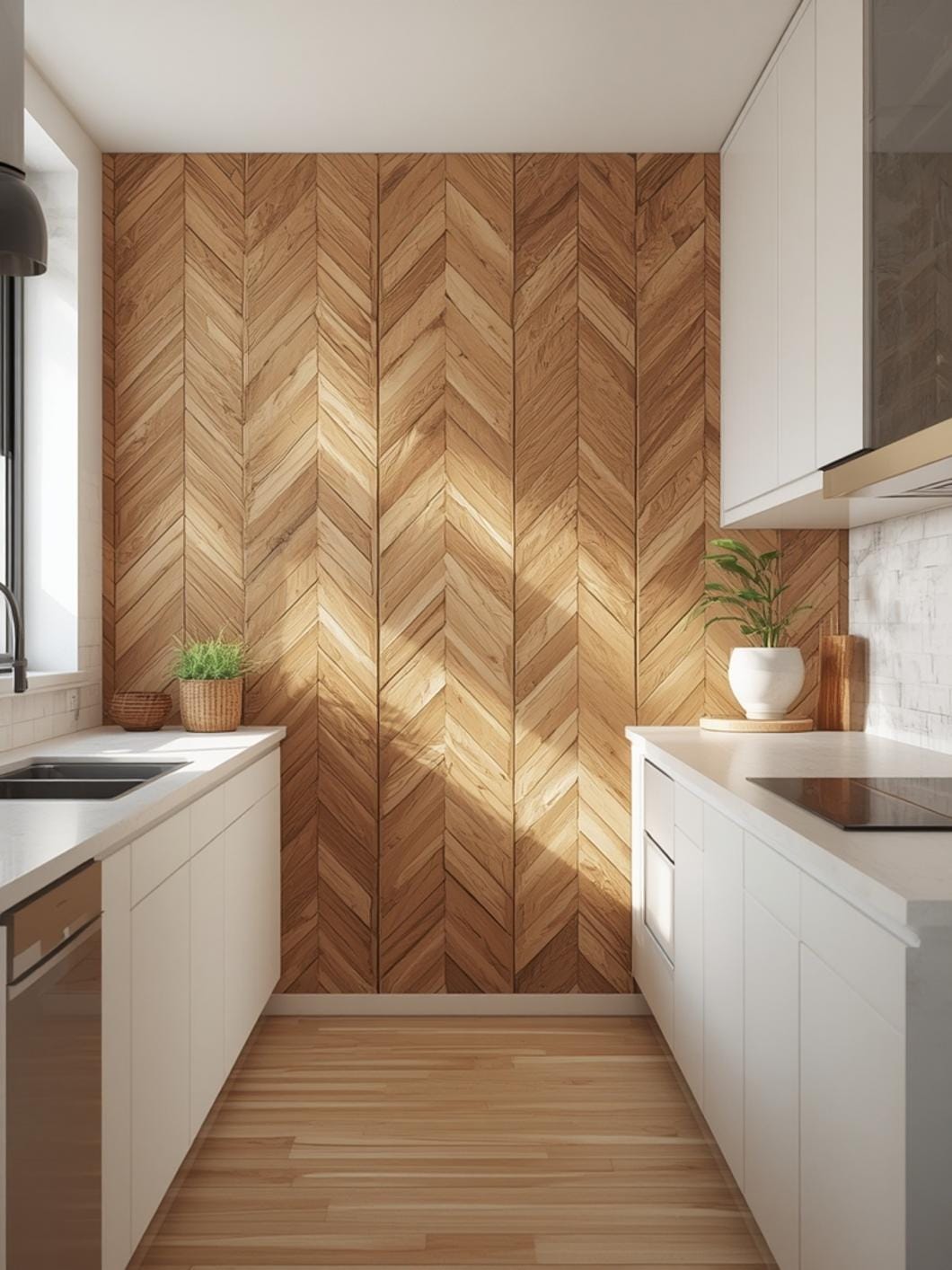
Ready to explore your options? Here are seven inspiring how to paint an accent wall in a kitchen approaches that work in real homes.
1. Deep Navy or Forest Green
Rich, saturated colors add instant drama without feeling overwhelming. Paint the wall behind your dining nook or the one opposite your sink. Pair it with white cabinets and brass hardware for a classic, elevated look.
2. Warm Terracotta or Clay
Earthy tones bring warmth and character, especially in kitchens with natural wood or vintage-inspired decor. This works beautifully in kitchens with open shelving, where dishes and glassware can pop against the color.
3. Chalkboard Paint
Turn a wall into a functional piece of art. Use it for grocery lists, meal planning, or letting kids draw while you cook. Black chalkboard paint is classic, but you can also find it in gray, green, or navy for a softer effect.
4. Peel-and-Stick Geometric Wallpaper
Patterns add energy and visual interest without paint. Geometric designs, especially in black and white or muted pastels, work well in modern or Scandinavian-style kitchens. Apply it to a single wall for maximum impact.
5. Shiplap or Wood Plank Wall
If you love texture, horizontal wood planks create a cozy, farmhouse feel. Paint them white for a clean look, or leave them natural for rustic warmth. This works especially well behind open shelves or a breakfast bar.
6. Bold Black
Yes, black can work in a kitchen. It’s dramatic, modern, and surprisingly versatile. Balance it with plenty of white cabinetry, natural light, and reflective surfaces like stainless steel or glass.
7. Soft Blush or Sage
For a gentler approach, try a muted pastel. Blush pink adds warmth and femininity, while sage green feels fresh and calming. These colors pair beautifully with marble countertops and gold or brass fixtures.
Each of these ideas can be adapted to your kitchen’s size, layout, and existing finishes. Start with the wall that naturally draws your eye when you walk into the room.
Benefits of Adding an Accent Wall
An accent wall isn’t just about aesthetics. It changes how your kitchen feels every single day.
First, it defines your space. In open-concept homes, an accent wall helps separate the kitchen from the living or dining area without needing physical barriers. It creates visual boundaries that make each zone feel intentional.
Second, it hides imperfections. If one wall has minor dings, uneven texture, or old damage, a bold color or pattern camouflages those flaws better than plain white paint ever could.
Third, it boosts your mood. Color psychology is real. Walking into a kitchen with a thoughtfully chosen accent wall can make you feel more energized, creative, or calm depending on the shade you choose.
Finally, it adds value without major expense. Buyers love kitchens with personality, and an accent wall shows that the home has been cared for and thoughtfully designed. It’s a small investment with a big return.
Tips, Alternatives, and Styling Advice
You don’t need a huge budget to create a stunning accent wall. Here’s how to approach it at different price points.
Budget-Friendly Option
Stick with paint. A gallon of quality paint costs around $30 to $50 and covers one wall easily. Choose a semi-gloss or satin finish for easy cleaning in a kitchen environment.
Mid-Range Option
Try peel-and-stick wallpaper or removable decals. These range from $40 to $100 per roll and offer endless pattern options. They’re perfect for renters or anyone who likes to change things up every few years.
Premium Option
Install shiplap, reclaimed wood, or ceramic tile. These materials cost more upfront (typically $200 to $500 including supplies), but they add texture and longevity. Hire help if you’re not confident with tools.
Small Space Adaptation
In a tiny kitchen, use your accent wall to create the illusion of height. Paint a narrow wall or the area above your cabinets in a bold color. Vertical stripes or a tall, narrow wallpaper pattern can make your ceiling feel higher.
Balance is key. If your accent wall is dark or busy, keep your other walls, cabinets, and decor lighter and simpler. Let the accent wall be the star without competing elements.
Common Mistakes to Avoid
Even a simple project can go sideways if you skip important steps. Here’s what to watch out for.
Skipping the primer
Many homeowners think they can skip primer, especially if they’re painting a light color. Primer ensures even coverage, better adhesion, and truer color payoff, especially over darker or glossy surfaces.
Choosing the wrong finish
Flat or matte paint looks beautiful but shows every grease splatter and handprint. Use satin or semi-gloss finishes in kitchens for easy cleaning and durability.
Painting in poor lighting
Always test your color in the actual space with natural and artificial light before committing. Paint a large sample swatch and observe it at different times of day.
Ignoring the ceiling and trim
If your accent wall meets the ceiling or trim, decide whether you’ll paint those too or leave them white. Inconsistent edges look unfinished and sloppy.
Overloading the wall with decor
Your accent wall is the decor. Don’t cover it with too many pictures, shelves, or knick-knacks. Let the color or pattern breathe and make its statement.
Maintenance and Upkeep Tips
Once your accent wall is complete, keeping it looking fresh is easy with a little routine care.
Wipe down painted walls every few weeks with a damp microfiber cloth to remove cooking grease and dust. Avoid harsh chemicals that can dull the finish or cause discoloration.
For wallpaper, gently dust with a dry cloth or use a barely damp sponge for sticky spots. Never scrub too hard, especially on peel-and-stick materials.
If you notice chips or scuffs on painted walls, keep a small amount of leftover paint for touch-ups. A quick dab with a small brush makes imperfections disappear.
Wood or shiplap walls may need occasional dusting and a light wipe-down with wood cleaner. Avoid soaking the wood, which can cause warping or damage over time.
Inspect your accent wall every few months. Kitchens are high-traffic, high-moisture spaces, so catching small issues early prevents bigger problems later.
Bringing Your Kitchen to Life
Your kitchen should be more than functional. It should feel like you. An accent wall gives you the power to make a bold statement or add a subtle touch of personality, all on your own timeline and budget.
Whether you go bold with navy, soft with sage, or creative with peel-and-stick patterns, this one change can completely shift how your kitchen looks and feels. You don’t need to wait for a full remodel to fall in love with your space again.
Ready to explore more ways to make your home uniquely yours? DecorKingdom has hundreds of ideas waiting to inspire your next project.
FAQs
What is the best wall to use as an accent wall in a kitchen?
Choose the wall that naturally draws attention when you enter the room. This is often the wall behind a dining area, the one with open shelving, or the wall opposite your main work zone. Avoid walls dominated by appliances or cabinets, as they won’t showcase your accent well.
Can I use dark colors in a small kitchen?
Absolutely. Dark colors add depth and sophistication, even in small spaces. Balance a dark accent wall with lighter cabinets, countertops, and plenty of lighting. The contrast actually makes the room feel more intentional and designed.
How long does it take to paint a kitchen accent wall?
Most homeowners can prep, paint, and clean up in one weekend. Expect about two to three hours for prep and taping, two hours for the first coat, and another two hours for the second coat. Drying time between coats is usually two to four hours.
Is peel-and-stick wallpaper durable enough for a kitchen?
Yes, especially if you choose a wipeable or washable version. Peel-and-stick wallpaper holds up well in kitchens as long as it’s not directly behind the stove or sink where it’s exposed to constant moisture and heat. It’s perfect for accent walls in dining nooks or opposite work zones.
Do I need to repaint my whole kitchen if I add an accent wall?
No. That’s the beauty of an accent wall. You can leave your other walls as-is and still create a fresh, updated look. Just make sure your accent color complements your existing paint, cabinets, and decor for a cohesive feel.
—
Meta Title: 7 Stunning Accent Wall Ideas Kitchen Styles 2026
Meta Description: Transform your cooking space with bold accent wall ideas kitchen styles. Easy DIY tips, color inspiration, and budget-friendly options inside.