How to Choose Living Room Accent Chairs
You’ve finally arranged your sofa and coffee table just right, but something still feels off. Your living room looks complete, yet it lacks that finishing touch that pulls everything together and makes guests say “wow.”
That’s exactly where a Living Room Accent Chairs Guide becomes your best friend. These statement pieces do more than provide extra seating—they add personality, balance your layout, and create cozy conversation zones that make your space feel intentionally designed. Whether you’re working with a spacious open-concept room or a cozy apartment living area, the right accent chair transforms your room from ordinary to magazine-worthy.
Let’s walk through everything you need to know to choose, place, and style accent chairs that truly belong in your home.
Table of Contents
Key Terms and Elements to Know
Before you start shopping or rearranging furniture, let’s clarify what makes an accent chair different from your everyday seating.
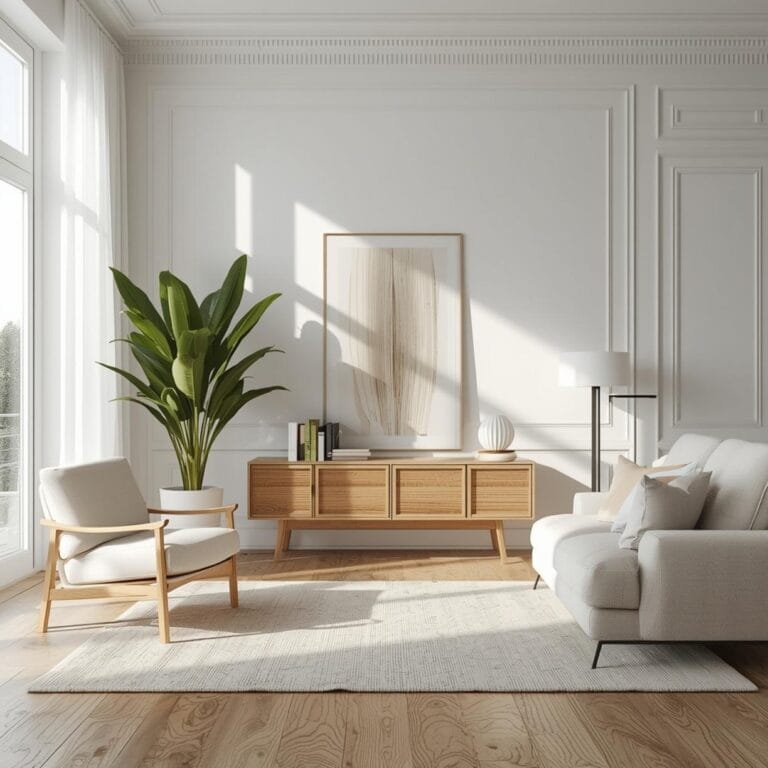
Accent chairs are standalone pieces designed to complement—not match—your main seating. They add visual interest through color, pattern, texture, or shape. Think of them as jewelry for your living room.
Scale refers to how the chair’s size relates to your other furniture and room dimensions. A chair that’s too large overwhelms a small space, while one that’s too petite gets lost in a big room.
Sight lines matter more than you’d think. These are the natural paths your eyes follow when entering or moving through the room. Strategic chair placement enhances flow rather than blocking it.
Arm styles dramatically change a chair’s footprint. Armless or low-arm designs work beautifully in tight spaces, while high wingback styles make bold statements in larger rooms.
Upholstery weight affects both durability and appearance. Heavier fabrics like velvet and linen blends stand up to daily use, while lighter materials like cotton work well for less-trafficked rooms.
You’ll also want to know about seat depth—how far back the cushion extends. Standard is 20-22 inches, but deeper seats (24+ inches) feel more loungy, while shallower ones suit formal settings better.
Common Misconceptions to Clear Up First
Many homeowners think accent chairs must perfectly match their sofa. This outdated rule actually makes rooms feel flat and uninspired. Your accent chair should coordinate with your overall color scheme while offering contrast in pattern, texture, or style.
Another myth? That you need a massive room for accent chairs. Even the smallest living rooms benefit from a thoughtfully chosen chair—it’s all about proportion and placement, not square footage.
Some people worry that buying just one chair looks incomplete or odd. Actually, a single statement chair often works better than a pair, especially in asymmetrical or eclectic designs. Two identical chairs can feel too formal or hotel-like unless that’s specifically your aesthetic.
You might also believe accent chairs are purely decorative. While they certainly add visual appeal, quality accent chairs serve as legitimate daily seating for reading, conversation, or extra spots during gatherings.
Finally, don’t assume expensive always means better. Plenty of mid-range options offer excellent comfort and durability—you’re paying for design and materials, not necessarily longevity.
How It Works in Real Homes
Let’s look at how accent chairs actually function in different living room scenarios, so you can picture what works for your space.
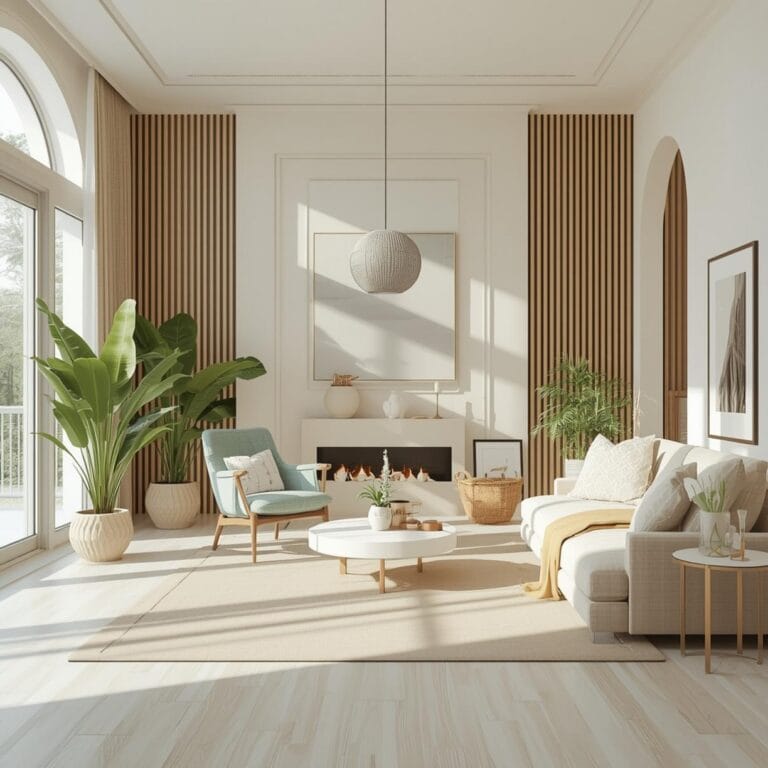
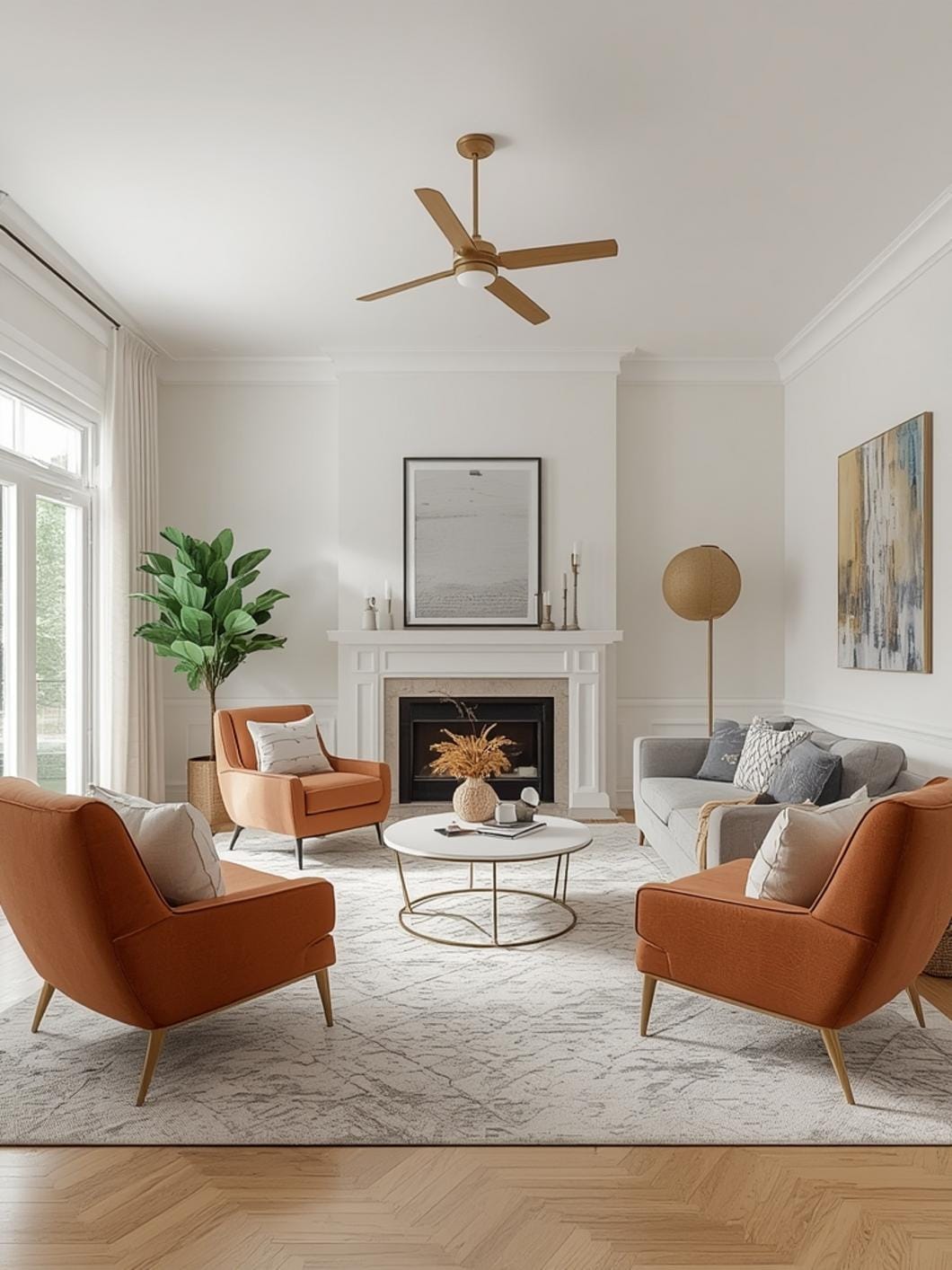
In conversation groupings, accent chairs face sofas or other seating at slight angles. This creates an intimate zone perfect for chatting without everyone sitting in a rigid row. Position them 8-10 feet from your sofa for comfortable conversation distance that doesn’t require shouting.
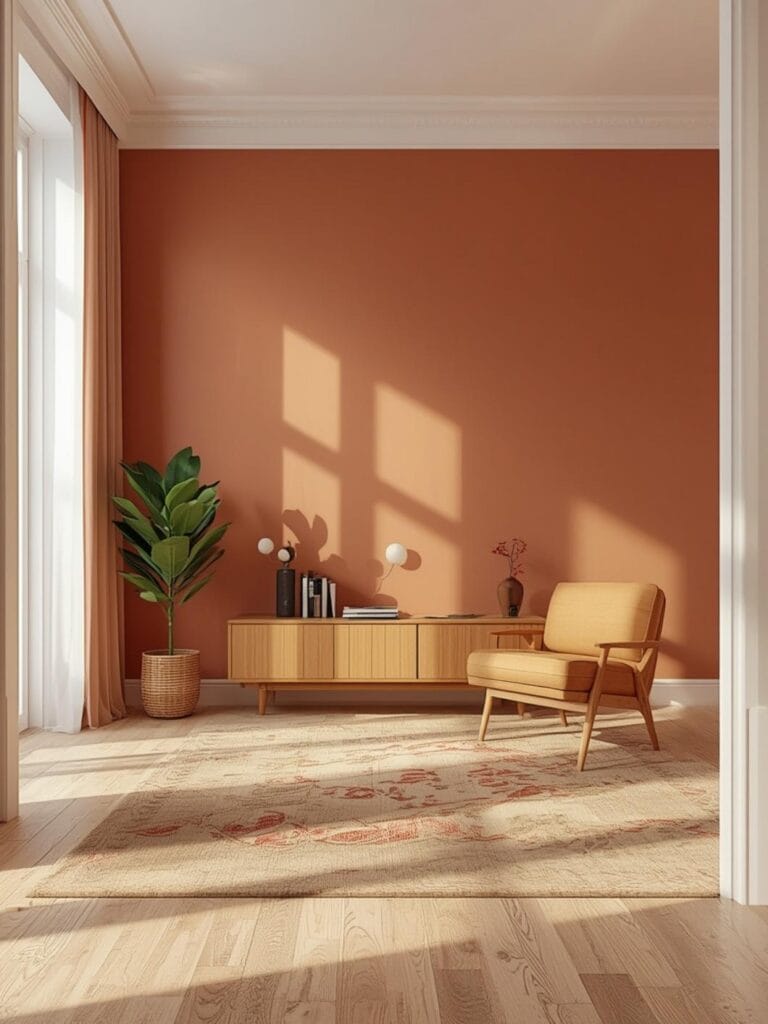
As reading nooks, a single accent chair near a window or lamp becomes your personal retreat. Add a small side table and good lighting, and you’ve created a dedicated space for morning coffee or evening books without requiring a separate room.
For small living rooms, How to choose accent chairs for small living rooms depends largely on visual weight and placement. Choose chairs with exposed legs rather than skirted bases—this shows floor space and makes rooms feel larger. Position them diagonally in corners to maximize usable space while adding depth.
In open-concept layouts, accent chairs help define the living area boundary without actual walls. Place them at the edge of your rug or perpendicular to your sofa to signal where the living zone ends and dining or kitchen space begins.
For awkward empty corners, a stylish accent chair with a floor lamp creates an intentional vignette rather than leaving dead space. This works especially well in L-shaped rooms or areas with challenging architectural features
As desk chairs crossover, compact accent chairs without arms can pull double duty in multipurpose rooms. They provide living room seating when needed but tuck under a console table or desk when you need workspace.
In transitional spaces, an accent chair in your entryway or hallway visible from the living room extends your design aesthetic beyond the main seating area, making your home feel cohesive and thoughtfully designed.
Benefits and Advantages
The right accent chair does so much more than fill empty floor space—it genuinely improves how you live in and enjoy your home.
First, accent chairs create flexible seating without the commitment of a sectional. When you host gatherings, you have comfortable spots for everyone. When it’s just you, the room doesn’t feel cavernous or overstuffed.
They also inject personality into neutral rooms effortlessly. If you’ve invested in a classic sofa in beige or gray, a patterned or colorful accent chair lets you experiment with trends without replacing major pieces.
Accent chairs improve room balance and proportion. A room with only a sofa often feels bottom-heavy or lopsided. Adding a chair on the opposite side creates visual equilibrium that feels instinctively right.
These pieces also define functional zones in open spaces. Whether you’re separating living from dining or creating a reading corner, a well-placed chair establishes purpose without construction or permanent changes.
From a practical standpoint, accent chairs give you options for different activities. Some evenings you want to curl up on the sofa, others you prefer sitting more upright with good back support—variety matters for comfort.
They’re also remarkably adaptable as your needs change. Move an accent chair to your bedroom when you redecorate, slide it into a guest room, or reposition it seasonally for better light or traffic flow.
Tips, Alternatives, and Styling Advice
Budget-friendly option: Look for armless slipper chairs or simple barrel designs in solid colors. These typically cost $200-400 and work beautifully when you add personality through throw pillows. Target, West Elm’s sale section, and Wayfair clearance offer solid options at this price point.
Mid-range option: Expect to invest $500-900 for quality construction with comfortable cushioning. At this level, you’ll find interesting details like nailhead trim, tufted backs, or sophisticated patterns. This sweet spot balances style and durability for daily use.
Premium option: Chairs above $1,000 typically feature hardwood frames, eight-way hand-tied springs, and designer fabrics. These heirloom pieces last decades and offer superior comfort. Consider this investment if the chair will get heavy use or serves as your room’s focal point.
For small spaces, choose chairs with narrow profiles and visible legs. Armless designs or those with slim track arms take up 6-8 inches less width than traditional club chairs. Light colors and simple patterns also help chairs blend rather than overwhelm compact rooms.
Style mixing tip: Pair traditional sofas with modern accent chairs for collected charm, or soften contemporary spaces with vintage-inspired chairs. The key is matching one element—maybe color, wood tone, or scale—so the mix feels intentiona
Pattern pairing: If your sofa is patterned, choose a solid accent chair in a color pulled from that pattern. If your sofa is solid, this is your chance for a bold geometric, floral, or striped chair.
Common Mistakes to Avoid
Choosing style over comfort happens when a chair photographs beautifully but feels terrible to sit in for more than five minutes. Always test seat depth, cushion firmness, and back support—if it’s uncomfortable in the store, it won’t magically improve at home.
Ignoring traffic patterns creates daily frustration when you constantly bump into chair arms or have to squeeze past. Leave at least 30 inches between furniture pieces for comfortable walkways, and avoid placing chairs where they block natural movement through the room.
Buying before measuring leads to chairs that are too large for the space or comically small next to your sofa. Measure your available floor space and compare it to chair dimensions including arms—add a few inches on each side for breathing room.
Matching metals and woods exactly makes rooms feel sterile and showroom-like. Your accent chair’s wood tone or metal legs don’t need to precisely match other furniture—they should coordinate within the same color family (all warm or all cool tones).
Pushing furniture against walls actually makes rooms feel smaller and less inviting. Float your accent chair a few inches from the wall to create depth, improve visual flow, and give yourself access to behind-the-chair styling with a console table or floor lamp.
Maintenance and Upkeep Tips
Keep your accent chair looking fresh with simple weekly care. Vacuum upholstery using your vacuum’s brush attachment to remove dust, pet hair, and crumbs before they work into the fabric. This two-minute habit prevents buildup that makes fabric look dull and worn.
Rotate cushions monthly if they’re reversible. This distributes wear evenly and prevents permanent body impressions from forming in your favorite sitting spot. Fluff and reshape cushions after each use for the same reason.
Treat spills immediately by blotting—never rubbing—with a clean white cloth. Work from the outside of the stain toward the center to prevent spreading. For most fabrics, a mixture of mild dish soap and water works well, but always test in an inconspicuous area first.
Protect chairs from direct sunlight, which fades fabric over time. If your chair sits near a bright window, consider UV-blocking window film or simply rotate the chair seasonally so the same area isn’t constantly exposed.
Check and tighten any visible screws or bolts every few months. Chairs naturally loosen with regular use, and staying ahead of this prevents wobbly legs or structural issues down the road.
For professional cleaning, most upholstered chairs benefit from expert attention every 18-24 months depending on use. This removes deep-set dirt and oils that regular vacuuming can’t reach.
Bringing It All Together
Your accent chair should feel like the piece that’s been missing all along—the element that finally makes your living room feel complete and uniquely yours. Trust your instincts on comfort and style, but use these guidelines to ensure your choice works practically in your specific space.
Remember that great design happens in layers over time, not all at once. If you find the perfect chair but aren’t sure about accent pillows or throw blankets yet, that’s completely fine—those details can come later.
Ready to discover more ways to make your living room a space you truly love? Explore more inspiration and practical advice here at DecorKingdom, where beautiful, livable design is always the goal.
FAQs
Do accent chairs need to match my sofa?
No, accent chairs should coordinate with your sofa but not match it exactly. Choose a chair that pulls a color from your room’s palette or complements your sofa’s style while offering contrast in pattern, texture, or shape. This creates visual interest and prevents your room from looking too matchy.
How far should an accent chair be from a sofa?
Position accent chairs about 8-10 feet from your sofa for comfortable conversation distance. If you’re creating a tight conversation grouping, you can go slightly closer (6-7 feet), but avoid placing chairs so close that people feel crowded or so far that conversation becomes difficult.
Can I put two different accent chairs in one room?
Absolutely—mixing two different accent chairs adds personality and prevents your room from looking too staged. Choose chairs that share at least one common element like color, style era, or leg finish so they feel intentionally paired rather than randomly mismatched.
What’s the best accent chair style for a small living room?
Look for armless chairs, slim-profile designs, or styles with exposed legs that show floor space underneath. Avoid bulky club chairs or overstuffed recliners that visually consume too much space. Lighter colors and simple patterns also help chairs blend into compact rooms rather than overwhelm them.
How do I know if an accent chair is good quality?
Check the frame material (hardwood is best), lift the chair to gauge weight (heavier usually means sturdier construction), and examine how cushions attach (removable cushions with zippers indicate quality). Sit in it and shift your weight—quality chairs feel solid without creaking or wobbling.
—
Meta Title: Living Room Accent Chairs Guide: Expert Tips 2026
Meta Description: Find the perfect accent chair for your space. Our Living Room Accent Chairs Guide covers sizing, placement, and styling for every budget.