5 Ways to Add an Accent Wall in Your Kitchen Without a Full Remodel
Your kitchen probably feels a little predictable right now. The cabinets are fine, the countertops work, but something’s missing — that one spot that makes you stop and smile every time you walk in. You’re not imagining it. Your kitchen needs personality, and accent wall ideas for kitchen spaces can deliver exactly that without tearing anything out or spending a fortune.
An accent wall transforms one surface into the star of the room. It draws the eye exactly where you want it to go and gives your kitchen a designer look without hiring a designer. Whether you’re working with a galley kitchen or an open-concept space, the right accent wall makes everything else fall into place.
The best part? You don’t need construction skills or a big budget to make this happen.
Table of Contents
What You’ll Need to Get the Look
The materials you choose depend entirely on which style speaks to you. Start with the basics that work for nearly every accent wall project:
Paint and prep supplies:
– One or two gallons of quality paint in your chosen color
– Painter’s tape, drop cloths, and a roller with extra sleeves
– Primer if you’re covering a dark color or working with raw drywall
Alternative surface treatments:
– Peel-and-stick wallpaper in bold patterns or textures
– Reclaimed wood planks or shiplap panels
– Removable tile decals for a backsplash effect
Decorative enhancements:
– Floating shelves to display cookbooks or plants
– Picture ledges for rotating seasonal decor
– Small mirrors or art pieces to layer with the accent color
You’ll also want a step stool, good lighting while you work, and a friend to help you stand back and confirm the color looks right from every angle. Don’t skip that last part — what looks perfect up close can read completely different from across the room.
Finding Your Style and Season
Choosing an accent wall isn’t just about picking a color you like. Think about the mood you want every single morning when you’re making coffee or every evening when you’re cooking dinner.
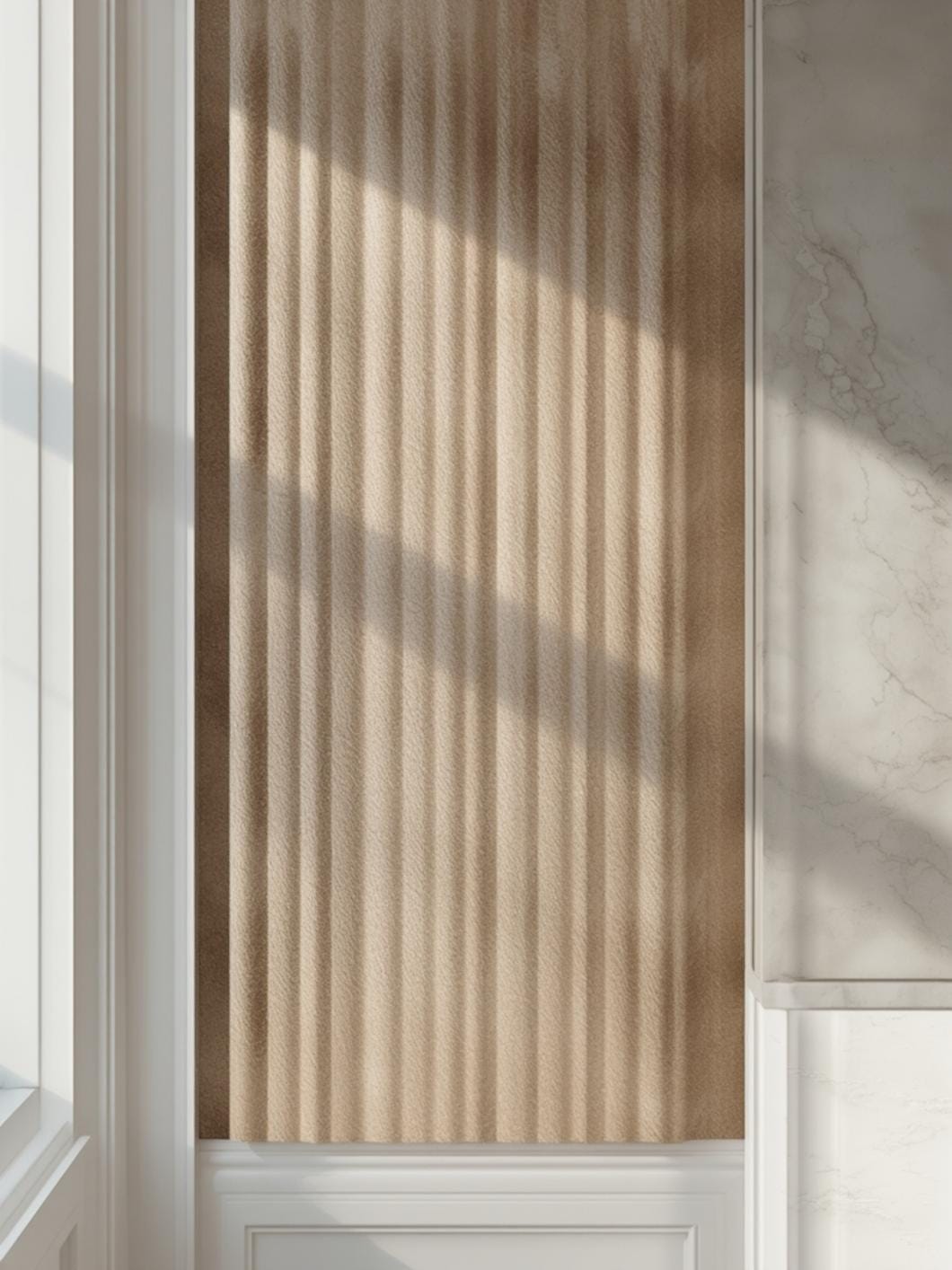
Seasonal inspiration matters more than you’d think. Deep navy or forest green feels cozy in fall and winter, while coral or sage green brings energy during spring and summer. If you love changing things up, consider a neutral accent wall in charcoal or warm beige that you can accessorize differently throughout the year.
Consider your kitchen’s natural light. A wall that gets morning sun can handle darker, moodier colors because the light will balance them out. A wall that stays dim most of the day needs lighter tones or reflective surfaces to keep the space from feeling closed in.
Match the moment to your lifestyle. If you’re hosting holidays at your house this year, a bold accent wall creates the perfect backdrop for gathering. If you’re finally nesting after a move, a softer accent wall makes the space feel instantly like home.
Your kitchen’s architecture also gives you clues. The wall behind your stove or sink usually makes the strongest accent wall because it’s already a focal point. If you have open shelving on one wall, that’s another natural candidate because the accent color will peek through between your dishes and glasses.
7 Ideas to Try in Your Home
1. Classic deep color behind open shelving
Paint the wall behind your shelves in navy, charcoal, or hunter green. The dark background makes white dishes and glassware pop like they’re in a showroom. This works especially well in kitchens with white or light wood cabinets because the contrast feels intentional and clean.
2. Warm terracotta or rust tones
Earthy colors bring instant warmth to kitchens that feel too stark or modern. Terracotta pairs beautifully with brass hardware, wooden cutting boards, and greenery. If you’re wondering how to paint an accent wall in a small kitchen, this color family is forgiving because it adds depth without making the room feel smaller.
3. Two-tone horizontal split
Divide your wall horizontally about three feet up from the floor. Paint the bottom half in a darker shade and the top in white or cream. This vintage-inspired look adds visual interest without overwhelming the space, and it’s surprisingly easy to tape off and execute yourself
4. Textured wallpaper for instant dimension
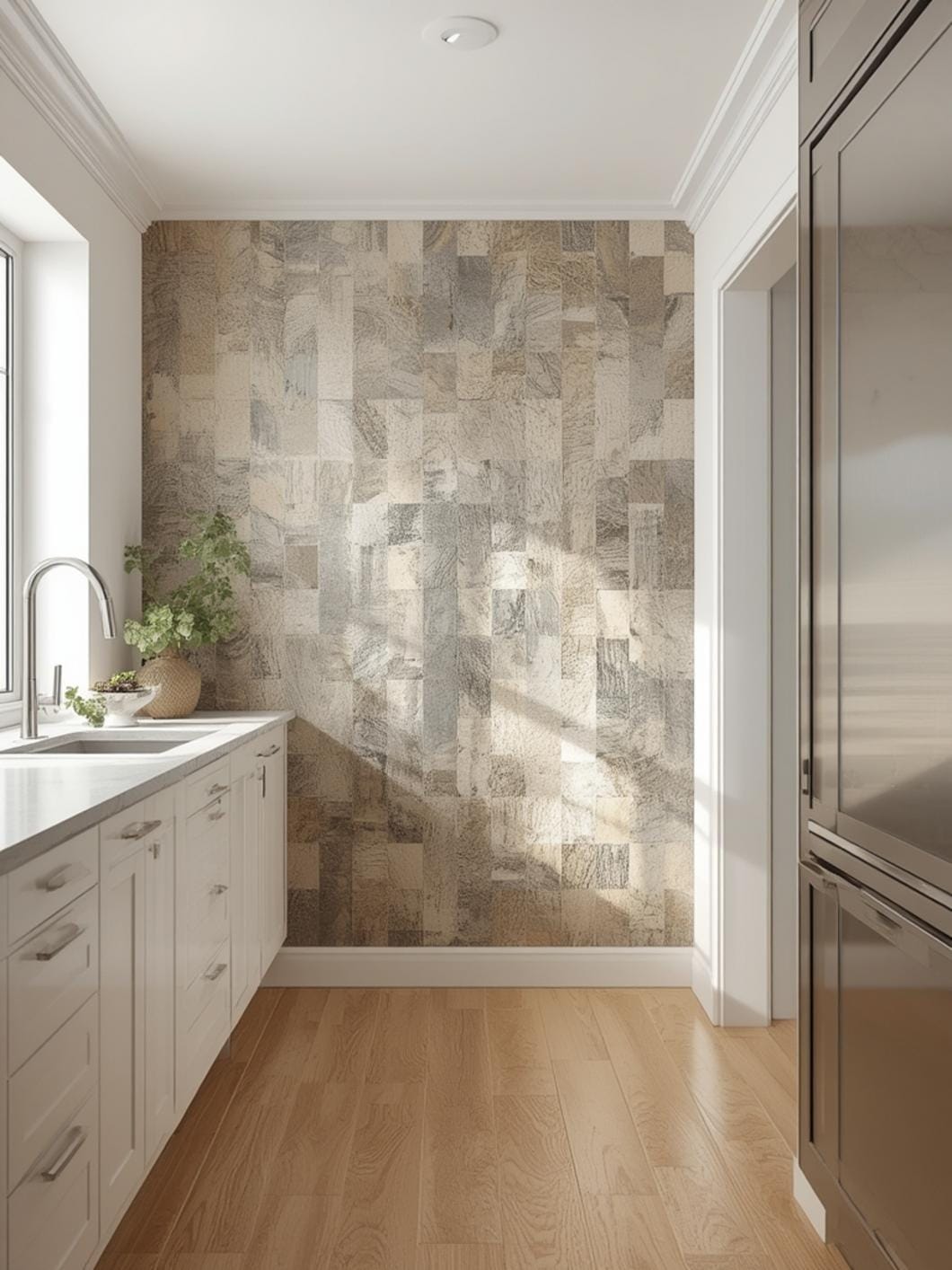
Peel-and-stick wallpaper with subtle texture — think linen weave or grasscloth — creates an accent wall that feels expensive and custom. It installs in an afternoon and removes cleanly when you’re ready for something new. Look for patterns with a small repeat so seams blend easily.
5. Painted geometric pattern
Use painter’s tape to create a modern geometric design in two or three coordinating colors. Hexagons, vertical stripes, or a grid pattern all work beautifully. This option takes patience and precision, but the result looks like custom millwork for the cost of a few paint samples.
6. Reclaimed wood or shiplap
Real wood adds warmth and texture that paint alone can’t match. Install horizontal planks directly over your existing drywall using construction adhesive and finishing nails. Leave the wood natural, whitewash it, or stain it to match your floors. This works especially well on the wall behind a breakfast nook or dining table.
7. Bold jewel tone for maximum drama
Emerald green, sapphire blue, or deep plum makes a statement that elevates your entire kitchen. These colors work best on walls with minimal interruptions — no windows or doors breaking up the surface. Pair them with gold or brass accents and plenty of white elsewhere in the room to keep things balanced.
8. Soft sage or muted blue-green
If bold feels like too much, try a whisper-soft accent in sage, sea glass, or dusty blue. These colors feel calming and fresh without competing with your cabinets or countertops. They’re perfect for small kitchens because they add color while keeping the space feeling open and airy.
Benefits of Adding an Accent Wall
An accent wall gives your kitchen an instant focal point. Instead of your eye wandering around the room looking for somewhere to land, it goes straight to the feature you created. That sense of intention makes the whole space feel more designed and put-together.
You’ll love how much personality comes from one simple change. An accent wall lets you bring in a color you love without committing to it everywhere. Maybe you’ve always wanted a moody kitchen but can’t imagine dark cabinets — an accent wall gives you that drama in just the right dose.
The impact on your daily mood is real. Color affects how we feel in a space, and the right accent wall can make your kitchen feel energizing in the morning or cozy at night. You’ll notice yourself spending more time in the room simply because it feels good to be there.
Accent walls also solve practical problems. They can visually balance an awkward layout, draw attention away from elements you can’t change right now, or make a small kitchen feel larger by adding depth. Plus, they’re one of the most budget-friendly updates that actually looks expensive.
Tips, Alternatives, and Styling Advice
Budget-friendly option: Use paint in a bold color you already love. A single gallon costs $30 to $50 and covers one wall easily. Add DIY floating shelves made from reclaimed wood for under $40 in materials. The whole project comes in under $100 and takes a weekend.
Mid-range option: Invest in quality peel-and-stick wallpaper with a pattern that feels special. Budget $150 to $250 for enough wallpaper to cover one standard kitchen wall. Pair it with matching or complementary paint on the adjacent walls to tie everything together.
Premium option: Install real wood planking or custom shiplap for $300 to $600, depending on your wall size and wood choice. Add integrated lighting under open shelves or along the top edge for another $100 to $200. The result looks custom and architectura
Small space adaptation: In a tiny kitchen, paint just the wall behind your stove or sink rather than a full wall. Use a lighter, brighter version of your accent color to avoid making the space feel cramped. Incorporate mirrors or metallic accents nearby to bounce light around.
If you’re renting, stick with removable options like peel-and-stick wallpaper or lean large-scale art against the wall instead of mounting it. You can also use washi tape to create geometric patterns that peel off cleanly when you move.
Common Mistakes to Avoid
Choosing a color without testing it first. Paint looks completely different on your wall than it does on a tiny chip at the store. Buy sample sizes and paint large swatches on poster board that you can move around the room and view in different light throughout the day.
Painting the wrong wall. The accent wall should be the one you see when you enter the room, not a random side wall. It should feel like a natural focal point, usually the wall behind your main work area or eating space.
Ignoring the undertones in your existing finishes. If your cabinets have warm oak tones, a cool gray accent wall will clash. If your countertops have blue undertones, a warm terracotta might not play nicely. Hold your paint sample next to your permanent fixtures before committing.
Skipping the primer. Primer ensures your accent color looks true and covers evenly, especially if you’re going dark over light or covering a bold existing color. Skipping it means you’ll need extra coats and the color might never look quite right.
Forgetting to prep the surface properly. Wash the wall, fill any holes, and sand rough spots before you start. Imperfections that seem minor now will be glaringly obvious once you’ve painted a bold color over them.
Maintenance and Upkeep Tips
Kitchens get messy, and your accent wall will face grease splatters, steam, and occasional spills. Choose semi-gloss or satin paint rather than flat if your accent wall is near the stove — these finishes wipe clean easily with a damp cloth.
Clean your painted accent wall every few weeks with warm water and a drop of dish soap. Avoid harsh chemicals that can dull the finish or cause discoloration. A microfiber cloth works perfectly for this and won’t leave lint behind.
If you’ve installed wallpaper, wipe it gently with a barely damp cloth as needed. Most modern peel-and-stick wallpapers are durable, but avoid scrubbing or using too much water. For wood accent walls, dust regularly and treat them with wood polish or conditioner every six months to keep the finish looking fresh.
Touch up paint scuffs immediately with leftover paint you’ve saved in a small jar. Scuffs become harder to cover if you wait, and the paint color can shift slightly over time due to light exposure. Keep your painter’s tape too — it makes touch-ups cleaner and easier.
Watch for signs that your accent wall needs refreshing. If the color starts looking faded or dated after a few years, don’t be afraid to repaint or try a new style. One of the best things about accent walls is that they’re easy to change when your taste evolves.
Bringing Your Kitchen to Life
Your kitchen doesn’t need a full renovation to feel brand new. An accent wall creates that moment of visual interest you’ve been craving, and it does it on your timeline and budget. You’ve learned which styles work in different spaces, how to choose the right wall, and how to avoid the mistakes that trip up most first-timers.
Now comes the fun part — picking your color, gathering your supplies, and watching your kitchen transform over a weekend. The space you use every single day is about to feel completely different, and you made it happen yourself.
Ready for more ways to refresh your home? Explore DecorKingdom for hundreds of ideas that help you create spaces you love living in.
FAQs
What color should I paint an accent wall in a small kitchen?
Light to medium tones work best in small kitchens because they add color without closing in the space. Soft sage, dusty blue, warm gray, or light terracotta all create visual interest while keeping the room feeling open. Avoid very dark colors unless the wall gets excellent natural light, or use them only behind open shelving where they won’t dominate.
Can I put wallpaper on a kitchen accent wall?
Yes, and peel-and-stick wallpaper is perfect for kitchens because it’s wipeable and removable. Choose vinyl or vinyl-coated options that can handle moisture and occasional splashes. Keep wallpaper away from areas directly behind the stove where heat and grease buildup could damage it over time. A wall behind a dining nook or next to the refrigerator works beautifully.
Should my kitchen accent wall match my cabinets?
Your accent wall should complement your cabinets, not match them exactly. If you have white cabinets, nearly any color works as an accent. With wood cabinets, choose colors that share similar undertones — warm accent colors with warm wood, cool accent colors with cool-toned wood. The accent wall should feel intentional and harmonious, not like you grabbed random colors.
How do I choose which wall to accent in an open kitchen?
Pick the wall you see most often when you’re in the main living area or the one that naturally draws your eye. In open-concept kitchens, this is usually the wall behind the stove, the wall behind a breakfast bar, or a short wall that defines the kitchen zone. Avoid accenting a wall that’s mostly covered by tall cabinets or appliances.
Do I need to paint the whole wall or can I do a partial accent?
Both work beautifully depending on your style. A full wall-to-wall accent makes a bold statement and clearly defines the feature. A partial accent — like just the area between countertop and cabinets, or a horizontal stripe around the room — creates interest while feeling less dramatic. In very small kitchens, a partial accent often feels more proportional than covering an entire wall.
—
Meta Title: 45+ Accent Wall Ideas for Kitchen Spaces (2026 Guide)
Meta Description: Transform your kitchen with accent wall ideas for kitchen spaces. Paint tips, colors, materials & easy DIY styles any homeowner can create.