The Best Garage Tool Organizer for Your Home in 2026
Your garage probably tells a story. Screwdrivers scattered across the workbench, hammers hiding under old paint cans, and that one wrench you can never find when you need it. Sound familiar?
Finding the best garage tool organizer can turn that chaos into a space where every tool has a home and you can actually park your car again. Whether you’re hanging a picture frame or tackling weekend projects, having your tools visible and accessible changes everything about how you use your garage.
The right organizer doesn’t just clear clutter—it gives you back time, reduces frustration, and makes your garage feel more like a functional room rather than a storage disaster zone.
Table of Contents
What You’re Actually Comparing
When you’re shopping for a garage tool organizer, you’re really comparing different systems that work in completely different ways. Understanding these differences helps you choose what fits your space and habits.
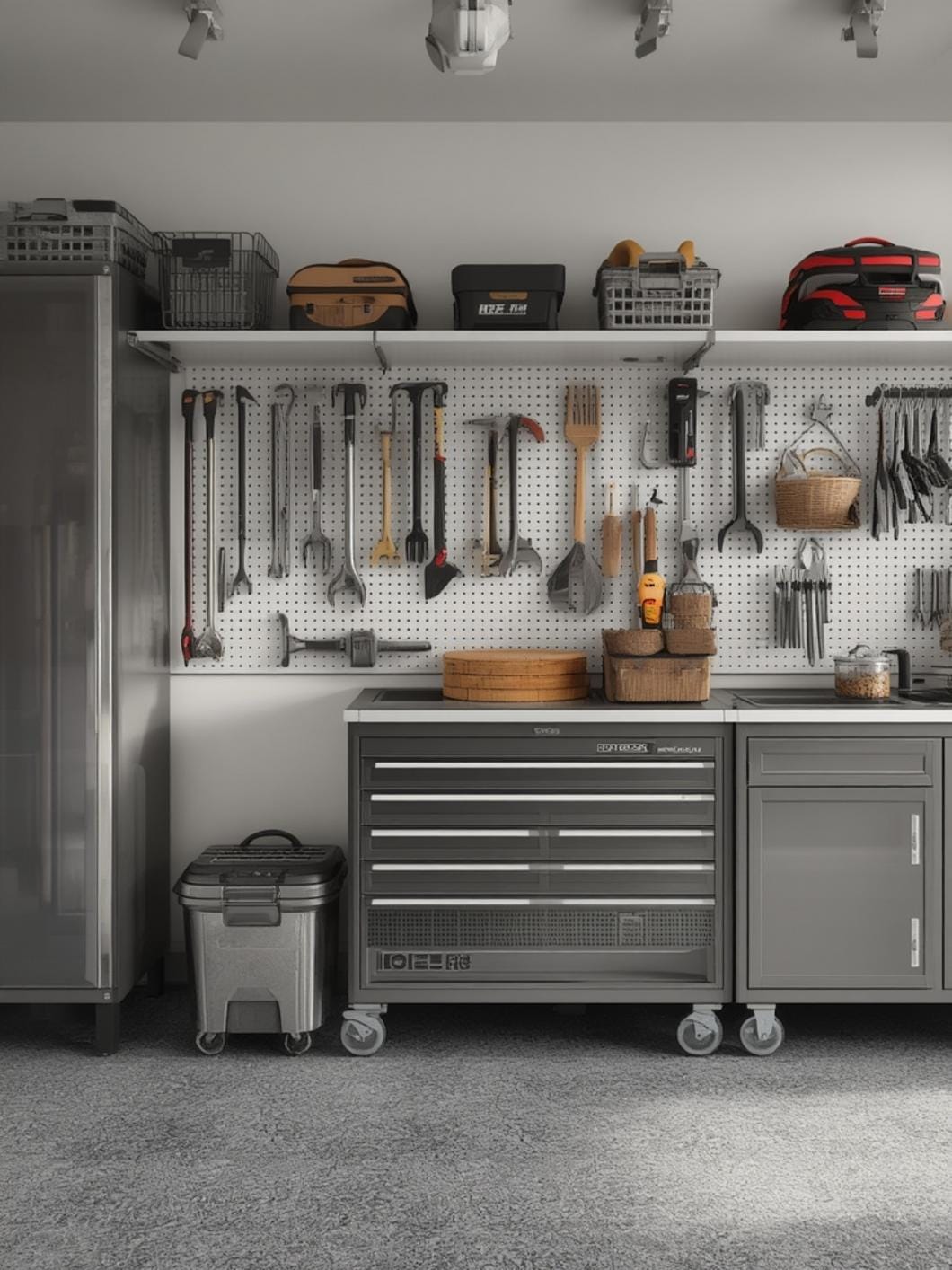
Wall-mounted pegboard systems use hooks and holders that you can rearrange anytime. These work beautifully for frequently-used hand tools you want to grab quickly. They keep everything visible at eye level and transform blank walls into functional storage.
Cabinet and drawer systems hide your tools behind closed doors or in sliding drawers. These create a cleaner, more finished look and protect your tools from dust and humidity. They’re ideal if you want your garage to look neat from the street or if you’re storing smaller items that would get lost on open shelving.
Magnetic strips and rails hold metal tools against the wall using strong magnets. They’re perfect for smaller spaces and create an almost floating effect that looks surprisingly modern. Screwdrivers, pliers, and wrenches stay put without any hooks or holders.
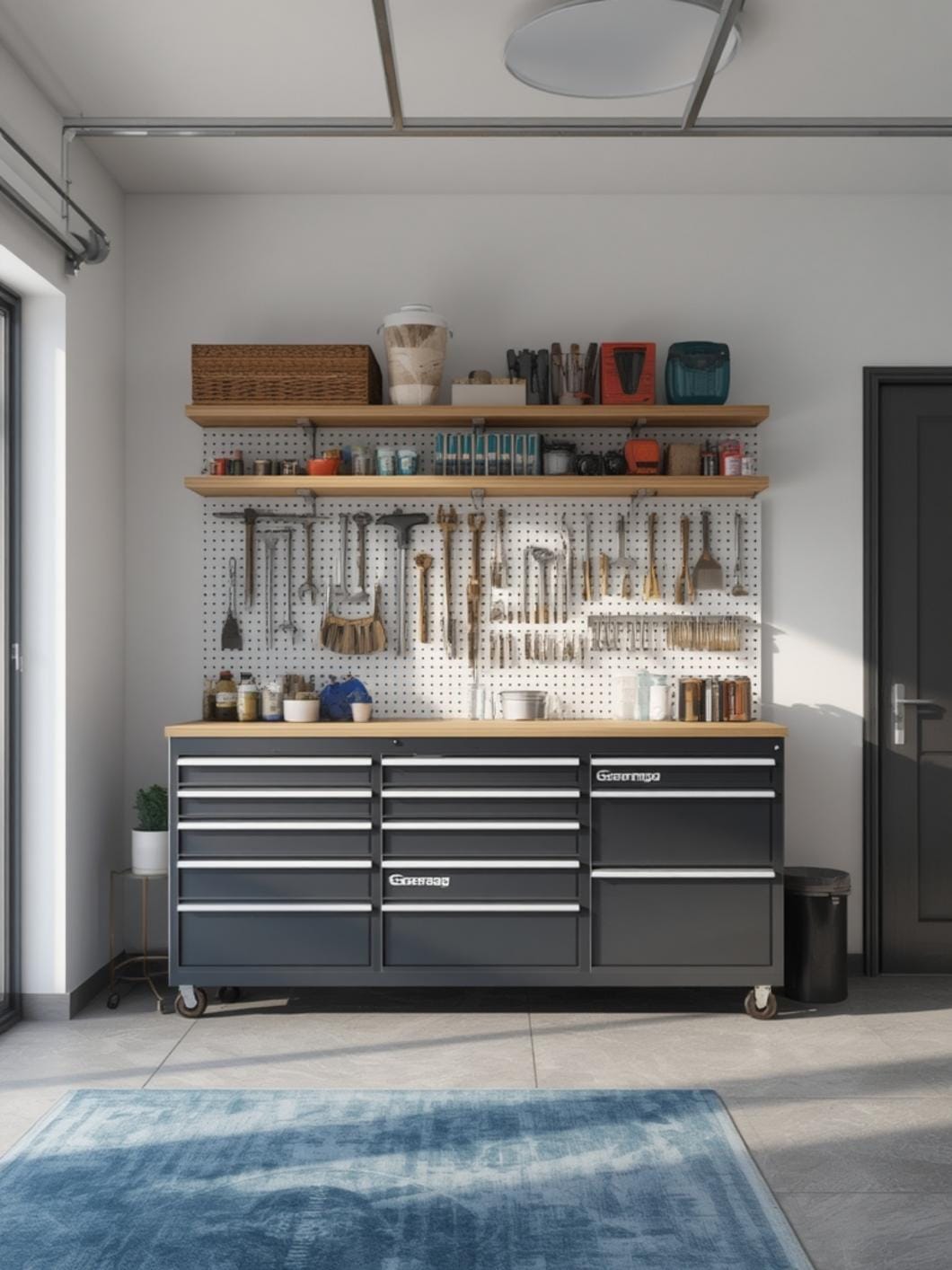
Mobile workbenches with built-in storage combine a work surface with drawers and shelves underneath. You can wheel these around your garage and even take them outside for larger projects. They’re especially useful if you don’t have a permanent workbench area.
Overhead storage racks mount to your ceiling and hold bulkier items like power tools in their cases. These free up wall and floor space but work best for items you don’t need daily access to.
How to Decide Before You Buy
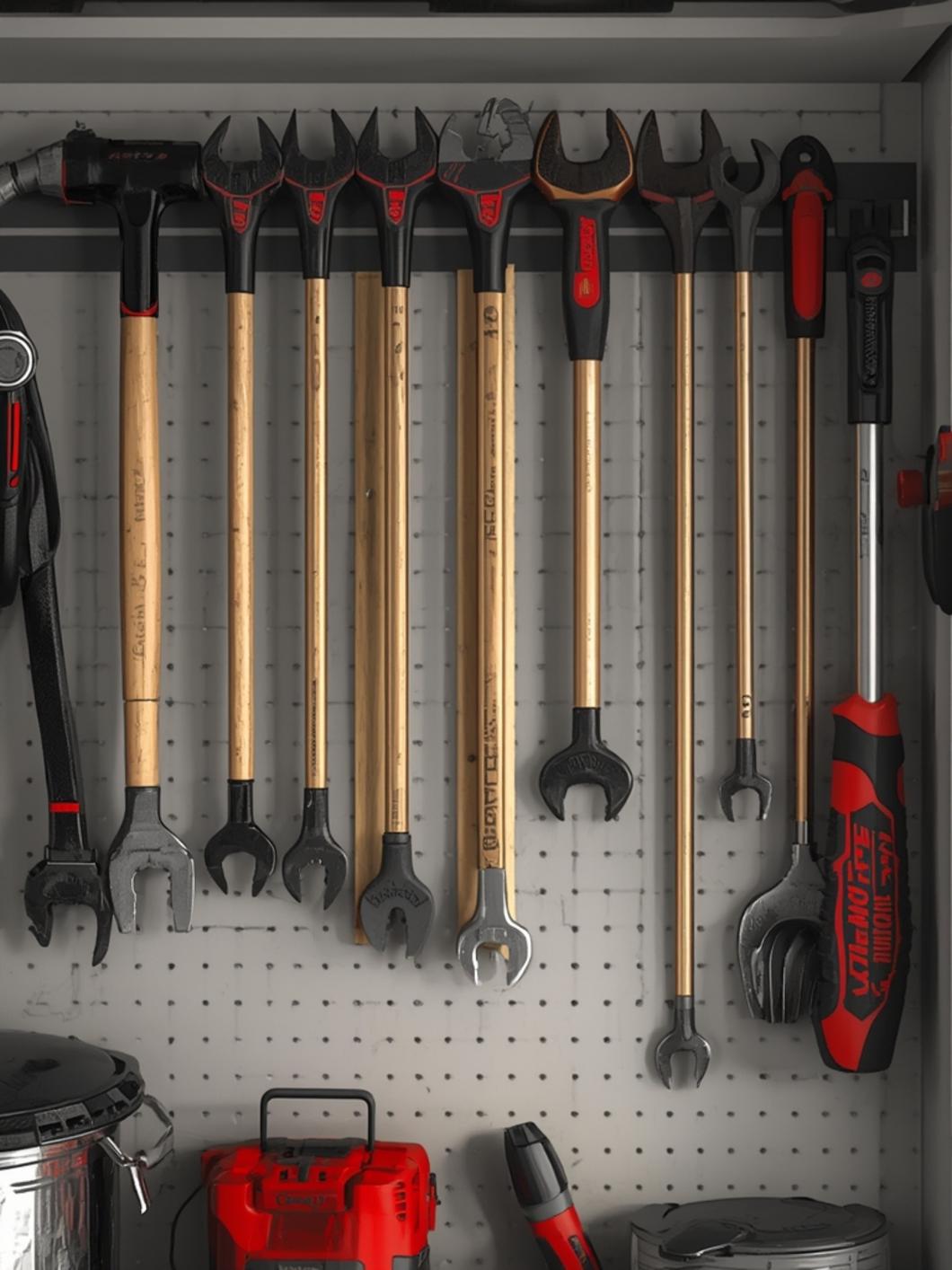
Think about your actual tool collection before committing to any system. Walk into your garage right now and count how many hand tools you have versus power tools versus gardening equipment. This honest inventory tells you whether you need more shallow storage for screwdrivers or deeper storage for drills and sanders.
Consider who uses these tools regularly. If multiple family members grab tools throughout the week, you need a system where everything is clearly visible and easy to return. Open pegboards or clear-labeled drawers work better than deep bins where tools pile on top of each other.
Your garage wall material matters more than you might think. Drywall requires anchors and studs for heavier systems, while concrete or brick walls need special mounting hardware. Measure your available wall space and note where studs are located before shopping.
Budget wisely by thinking long-term. A basic pegboard system might cost $50 to get started, while a full cabinet system could run $500 or more. However, a quality system you install once beats replacing cheap organizers every few years when they sag or break.
Think about your future tool purchases too. If you’re gradually building your collection, choose a system that expands easily. Pegboards let you add more hooks anytime, while fixed shelving might box you in.
Side-by-Side Comparison
Installation Complexity
Pegboard systems win here for most homeowners. You mount the board to wall studs, and everything else simply hooks on without tools. The garage tool organizer installation guide for pegboards usually fits on a single page because the process is straightforward—find studs, drill pilot holes, hang the board, add hooks.
Cabinet systems require more planning and precision. You’re mounting multiple pieces that need to line up perfectly, which takes patience and a level. Most homeowners can handle this over a weekend, but it’s definitely an all-day project rather than an afternoon one.
Magnetic strips install quickly with just a few screws, making them the fastest option. However, you need to find studs or use heavy-duty anchors because these strips hold surprising weight once loaded with tools.
Visibility and Access
Open pegboards and magnetic strips let you see every single tool at a glance. You know immediately what you have and where it lives. This visual access speeds up projects because you’re not digging through drawers searching for that one Allen wrench.
Cabinet systems require opening doors and pulling drawers, which adds steps to grabbing tools. However, this works beautifully if you prefer a clean, uncluttered look or if your garage faces the street and you want things looking tidy.
Overhead racks keep items completely out of sight, which helps or hurts depending on your preference. They’re brilliant for seasonal items but frustrating for anything you use weekly.
Space Efficiency
Wall-mounted systems of any type maximize vertical space without claiming floor area. They’re essential in smaller garages where every square foot of floor space matters for parking or moving around.
Mobile workbenches take up floor space but offer flexibility. You can roll them against a wall when not in use or position them in the center of your garage as a work island during projects.
Overhead racks utilize completely unused ceiling space, which is genius for bulky items. Just make sure you can safely reach them without a wobbly ladder.
Durability Over Time
Metal pegboards outlast pressed wood versions by years. They don’t sag under tool weight and handle garage humidity without warping. Quality metal cabinet systems similarly last decades with minimal maintenance.
Plastic organizers work fine for lightweight tools but crack in temperature extremes. Garages that freeze in winter or bake in summer need tougher materials.
Cost Analysis
Basic pegboard setups start around $50-75 for an 8-foot section with hooks. Mid-range cabinet systems run $200-400 for a decent starter set. High-end modular garage systems from specialty manufacturers can reach $1000+ for a full wall.
Magnetic strips sit in the budget-friendly category at $15-30 each, making them perfect for testing the organizing waters before committing to bigger systems.
Benefits Beyond Organization
The right garage tool organizer gives you something more valuable than tidy walls—it gives you confidence. When you can find exactly what you need in seconds, you’re more likely to tackle those small home repairs instead of letting them pile up on your mental to-do list.
Organized tools last longer because they’re not banging against each other or getting buried under other items. Saw blades stay sharp, measuring tapes don’t get kinked, and drill bits don’t disappear into the void. You stop rebuying tools you already own but can’t locate.
Your garage transforms from a space you avoid into one you actually enjoy using. Many homeowners report spending more time on hobbies and projects once their garage feels functional and pleasant rather than chaotic.
Safety improves dramatically too. Sharp tools stored properly can’t accidentally cut you when you’re searching for something else. Heavy items mounted securely won’t topple onto toes or dent car doors.
Budget-Friendly Through Premium Options
Budget Choice: DIY Pegboard Wall ($50-100)
A single 4×8 pegboard sheet mounted on furring strips creates impressive storage without breaking your budget. Add a variety pack of hooks and bins, and you have an adaptable system that grows with your needs. This works brilliantly in rental homes too since you’re only making a few mounting holes.
Mid-Range Choice: Modular Cabinet Set ($300-500)
Two or three wall-mounted cabinets with adjustable shelves give you the clean look of closed storage with room to organize by project type. Look for models with soft-close doors and heavy-duty hinges that will survive daily use. This option makes sense if you have a mixed collection of hand tools, power tools, and supplies.
Premium Choice: Custom Garage System ($800-1500)
Professionally-designed modular systems with matching cabinets, workbenches, and overhead storage create a showroom look while offering maximum functionality. These systems often include specialty features like power strips, locking doors, and integrated lighting. Worth considering if your garage doubles as a serious workshop or if you’re preparing to sell your home.
Small Space Adaptation: Vertical Magnetic and Pegboard Combo ($75-150)
When floor space is limited, combine a narrow pegboard section with magnetic strips above and below it. This creates three layers of storage in a compact footprint. Add a fold-down workbench that mounts to the wall, and you have a complete workshop that practically disappears when not in use.
Common Mistakes to Avoid
Skipping the stud finder when mounting heavy systems. Drywall alone won’t support loaded pegboards or cabinets—you’ll end up with everything crashing down. Always locate studs and use appropriate anchors for your wall type.
Organizing tools by type instead of by project. Grouping all screwdrivers together sounds logical but wastes time during actual projects. Try organizing by task—keep painting tools together, plumbing supplies together, and so on.
Mounting pegboards flush against the wall. Pegboards need spacers behind them so hooks can actually hook through the holes. Use furring strips or special pegboard spacers to create the necessary gap.
Buying organizers before measuring your tools. That drawer system looks perfect until you realize your largest wrench doesn’t fit. Measure your bulkiest items first, then shop for storage that accommodates them comfortably.
Placing frequently-used tools out of reach. Your everyday screwdriver shouldn’t require a step stool. Reserve high storage for seasonal items and keep daily tools at comfortable arm level.
Maintenance and Upkeep Tips
Wipe down your pegboard or magnetic strips monthly with a dry cloth to prevent dust buildup. Garage dust combines with humidity to create grime that makes tools harder to grab and return.
Check mounting hardware twice a year, especially after seasonal temperature swings. Expansion and contraction can loosen screws over time. A quick tightening session takes five minutes and prevents bigger problems.
Rearrange your organizer as your tool collection changes. Don’t let empty hooks multiply or tools pile up without proper homes. Adjust your system every few months to match your current reality.
Clean cabinet tracks and drawer slides annually with a vacuum attachment and dry brush. Garage dirt accumulates in these channels and makes drawers stick. A little preventive maintenance keeps everything gliding smoothly.
Touch up any scratches or rust spots on metal organizers before they spread. A quick coat of matching spray paint protects your investment and keeps everything looking sharp.
Wrapping Up Your Tool Organization
The best garage tool organizer is ultimately the one you’ll actually use every single day. Whether that’s a simple pegboard that shows everything at a glance or a sophisticated cabinet system that makes your garage look like a showroom, choosing based on your real habits matters more than following trends.
Start with one wall or section rather than trying to organize your entire garage at once. Success in one area motivates you to tackle the next, and you’ll learn what works for your specific space and tools.
Ready to explore more ways to make your garage work harder for you? Check out more practical garage organization ideas and inspiration here at DecorKingdom.
FAQs
What is the easiest garage tool organizer to install by yourself?
Magnetic strips are the absolute easiest for a solo installation—just locate a stud, drill a few holes, and screw the strip to the wall. Pegboard systems come in second place and typically take an afternoon to mount and customize with hooks. Both options require only basic tools you probably already own.
How do I organize garage tools in a small space?
Focus on vertical storage using wall-mounted magnetic strips, narrow pegboards, or shallow cabinets that don’t jut far into the room. Overhead ceiling racks work brilliantly for bulkier items you don’t grab daily. Consider fold-down work surfaces that disappear when not in use to maximize your floor space.
Should I choose open pegboard or closed cabinet storage?
Choose pegboards if you want quick visual access to your tools and don’t mind the more utilitarian look. Pick cabinets if you prefer a cleaner appearance, need dust protection, or want to lock tools away from kids. Many homeowners successfully combine both—cabinets for power tools and chemicals, pegboards for hand tools you grab constantly.
Can garage tool organizers work in spaces without drywall?
Absolutely—concrete, brick, and cinder block walls all support garage organizers with the right mounting hardware. You’ll need masonry bits and concrete anchors instead of standard wood screws, but the installation process is similar. Metal studs also work fine with appropriate toggle bolts or snap toggles rated for the weight you’re hanging.
How much weight can pegboard systems actually hold?
Quality metal pegboard properly mounted to studs can handle 50-100 pounds spread across the board. The key is distributing weight evenly and using the right hooks—heavier tools need double-peg hooks rather than single-peg versions. Tempered hardboard pegboards hold less weight and work better for lighter hand tools only.
—
Meta Title: Best Garage Tool Organizer Systems Compared (2026 Guide)
Meta Description: Find the best garage tool organizer for your space. Compare pegboards, cabinets & magnetic systems with real pros, cons & installation tips.