7 Accent Wall Ideas to Make Your Office Feel More Productive
Your home office should inspire you every time you walk in. Maybe right now it feels flat, uninspiring, or just like another boring room in your house. You spend hours there working, creating, and thinking — shouldn’t it feel more energizing?
An accent wall can completely change the vibe of your workspace without requiring a full renovation. Whether you’re working with a tiny corner desk or a dedicated room, accent wall ideas for office spaces give you endless ways to add personality, color, and visual interest. The best part? Most of these ideas are weekend-friendly projects that won’t break the bank.
Your office accent wall becomes the focal point that pulls your entire workspace together. It sets the mood, helps define zones in multipurpose rooms, and gives you something beautiful to look at during those long video calls.
Table of Contents
What You’ll Need to Get the Look
The materials you’ll need depend on which accent wall style speaks to you. Here’s what most homeowners keep on hand for popular office accent wall projects:
Paint and Color Supplies:
– Quality interior paint in your chosen accent color
– Painter’s tape for crisp lines
– Paint rollers and brushes
– Drop cloths to protect your floor and furniture
– Primer if you’re making a dramatic color change
Textural Elements:
– Peel-and-stick wallpaper in geometric or botanical patterns
– Wood planks or shiplap panels
– Cork tiles for a functional pin-up wall
– Fabric panels for sound absorption
Decorative Additions:
– Floating shelves to style against your accent wall
– Artwork or photo frames
– Task lighting to highlight the wall
– Plants that complement your color choice
Basic Tools:
– Level for keeping lines straight
– Measuring tape
– Pencil for marking
– Ladder or step stool
You don’t need everything on this list. Pick the materials that match your chosen style and your comfort level with DIY projects.
Finding Your Style and Season
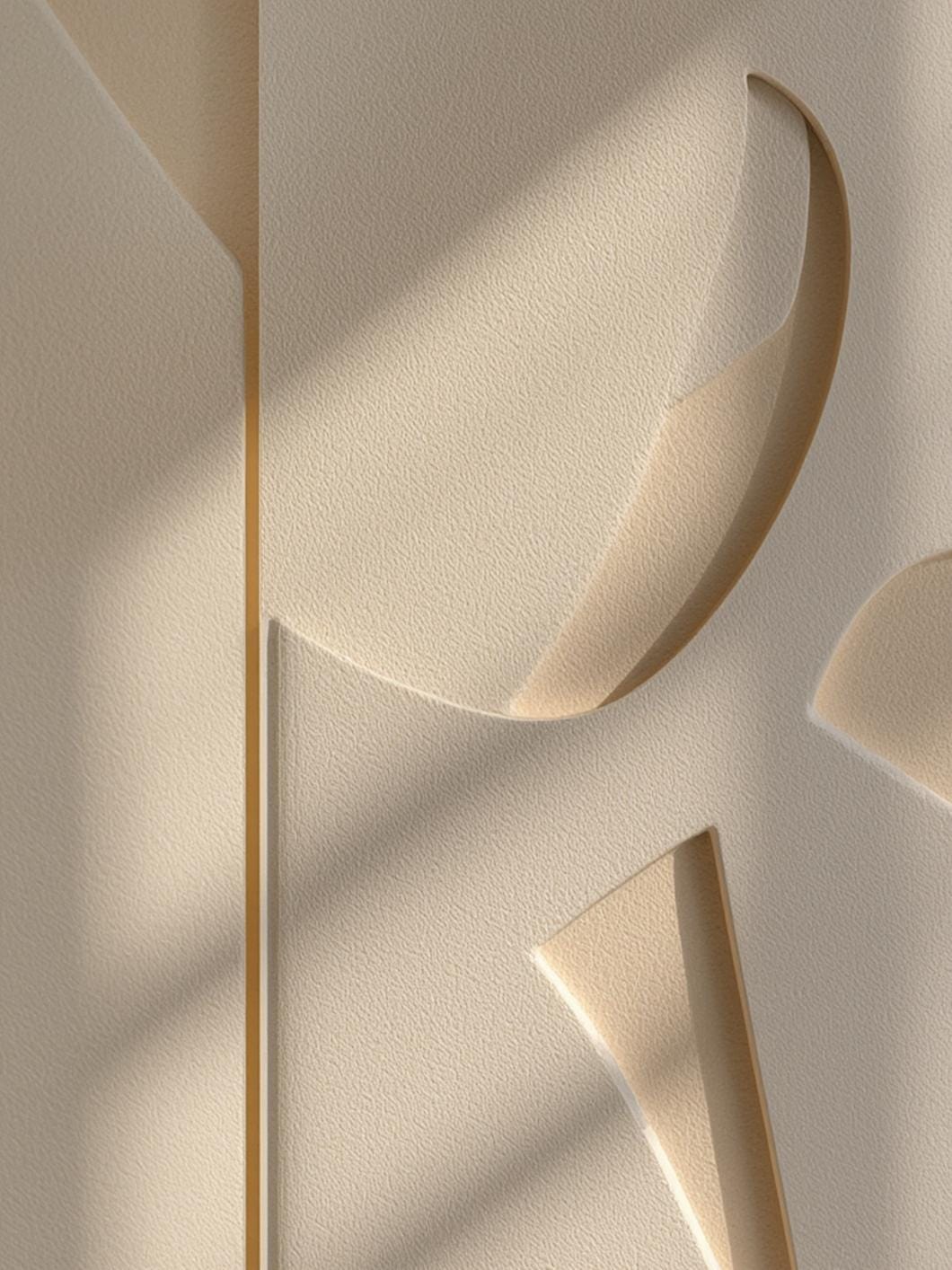
Timing your accent wall project around your work schedule makes the whole process smoother. Most people tackle this on a long weekend when they can move furniture away from the wall and let paint dry properly.
Consider your office’s natural lighting throughout the day. A bold dark accent wall looks stunning with plenty of natural light but can feel cave-like in a basement office. Test paint samples on your wall and observe them at different times — morning light hits differently than afternoon sun.
Seasonal considerations matter too. Spring and summer offer better ventilation for paint fumes with open windows. Fall brings cozy vibes perfect for warm, rich accent colors. Winter might inspire you toward energizing brights to combat gray skies.
Think about your work style and mood needs. Creative professionals often love bold, inspiring colors. If you need calm focus, softer tones work better. Your accent wall should support how you actually work, not just look pretty in photos.
Budget planning helps too. Paint projects run $50–$150 for most home offices. Wallpaper ranges from $30–$200 depending on quality. Wood accent walls cost more at $200–$500 but create dramatic impact.
7 Ideas to Try in Your Home
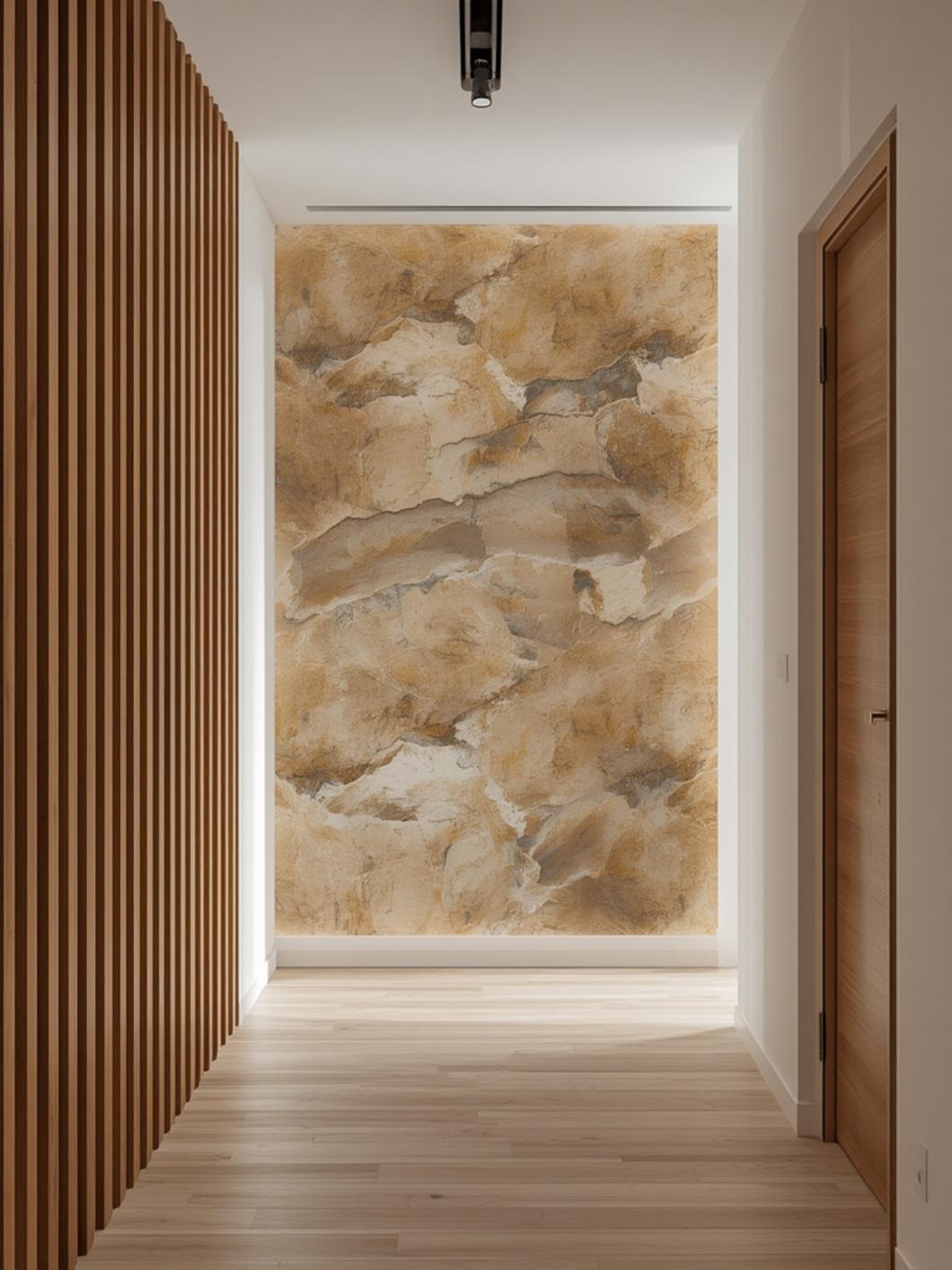
Deep Navy or Forest Green
Rich, saturated jewel tones create a sophisticated backdrop for your workspace. Navy blue pairs beautifully with brass or gold desk accessories, while forest green brings an organic, grounded feeling. These colors photograph wonderfully on video calls and make white furniture pop.
Paint the wall behind your desk so it’s visible during video meetings. The depth adds visual interest without overwhelming your space.
Geometric Paint Patterns
Create custom wall art with painter’s tape and two coordinating paint colors. Triangles, hexagons, or simple stripes add movement and energy. This approach works especially well in modern or contemporary offices.
Start with a base color, let it dry completely, then tape off your pattern. How to paint an accent wall in a small office space using geometric patterns involves planning your design to scale — larger patterns work better in small rooms than tiny, busy ones.
Natural Wood Planks
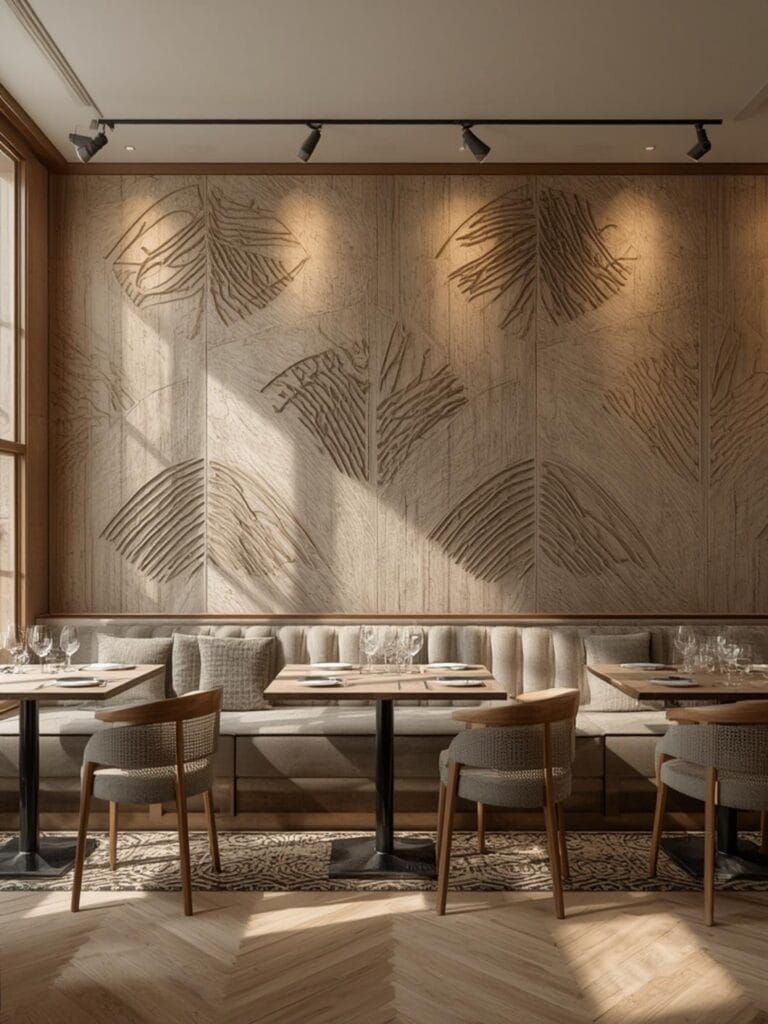
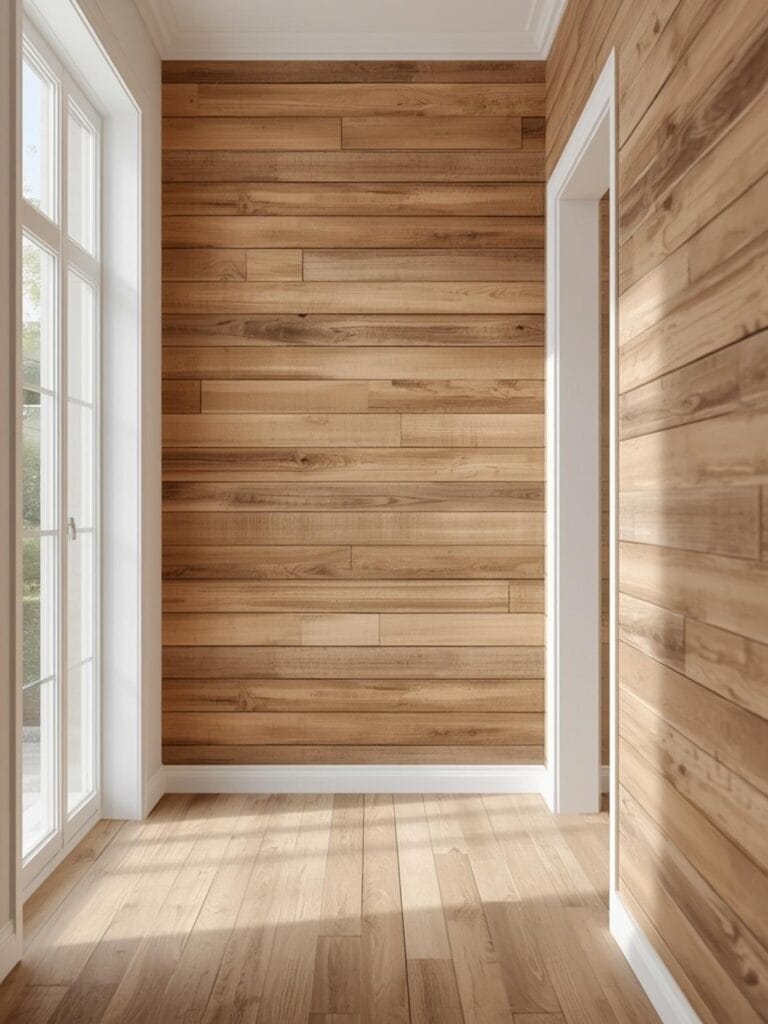
Horizontal shiplap or vertical board-and-batten styling brings warmth and texture. Wood tones create a Scandinavian-inspired calm that’s perfect for focused work. This works beautifully behind floating shelves where you can display books and decorative objects.
The natural grain patterns mean no two walls look identical, giving your office true character.
Moody Charcoal or Black
Don’t fear dark walls in a home office. Charcoal or matte black creates drama and makes your space feel intentionally designed. This bold choice works surprisingly well in small offices because it adds depth rather than closing in the space.
Balance the darkness with plenty of task lighting and light-colored furniture. Add brass or copper accents for warmth.
Removable Wallpaper Gallery
Peel-and-stick wallpaper gives you commitment-free pattern play. Botanical prints, abstract watercolors, or classic stripes transform your wall in an afternoon. Renters especially love this option since it removes cleanly.
Choose patterns with some visual breathing room. Busy, small-scale patterns can feel chaotic in a workspace where you need focus.
Two-Tone Color Block
Split your wall horizontally with two complementary colors. Paint the bottom third or half in a deeper tone and the top in a lighter shade. This vintage-inspired technique adds architectural interest to plain walls.
Use a level and painter’s tape to create a perfectly straight line where the colors meet. The division point typically works best at desk height or about 32–36 inches from the floor.
Cork or Fabric Panel Wall
Functional accent walls serve double duty. Cover your wall in cork tiles to create a massive inspiration board, or upholster panels in linen or felt for sound absorption. These textural options work beautifully in shared spaces where you need to minimize noise.
Pin up project ideas, family photos, or rotating artwork without putting holes in the wall.
Benefits of Adding an Office Accent Wall
Your accent wall does more than look good in photos. It creates a clear focal point that helps your brain shift into work mode when you enter the space. This psychological boundary matters especially when your office shares space with a bedroom or living area.
Color impacts mood and productivity. Energizing colors like coral or sunny yellow can boost creativity, while calming blues and greens support focused concentration. You’re choosing the emotional atmosphere of your workspace every day.
Accent walls increase your home’s perceived value too. Real estate professionals note that well-designed home offices photograph beautifully and appeal to today’s remote workers. Your accent wall shows intention and style.
The visual interest helps during video calls. Instead of a blank, boring background, you’re presenting a curated, professional space. Colleagues and clients notice the difference, even if they can’t quite name what makes your office look more polished.
Practically speaking, accent walls hide imperfections. That wall with the weird texture or the spot where the previous homeowner hung something? Paint it a bold color or cover it with wallpaper and suddenly those flaws disappear.
Tips, Alternatives, and Styling Advice
Budget-Friendly Approach
A single gallon of quality paint creates a stunning accent wall for $30–$50. Choose a color at least three shades darker or lighter than your other walls for real impact. Matte finishes hide wall imperfections better than glossy.
Mid-Range Option
Peel-and-stick wallpaper or painted geometric patterns land in the $100–$200 range. These options give you more visual complexity than plain paint while staying DIY-friendly. Look for wallpaper samples so you can test patterns before committing to full rolls.
Premium Choice
Custom wood installations or professional wallpaper hanging run $300–$600 but create magazine-worthy results. Real wood planks add architectural value to your home. Professional installers ensure perfect pattern matching and bubble-free application.
Small Space Adaptation
In compact offices, accent walls actually make spaces feel larger by adding depth. Choose the wall behind your desk rather than a side wall. This draws the eye forward rather than emphasizing narrow dimensions. Vertical stripes or patterns pull the eye upward, making low ceilings feel taller.
Lighter accent colors expand small spaces visually while still providing color interest. Soft sage, pale blush, or warm cream create impact without overwhelming.
Common Mistakes to Avoid
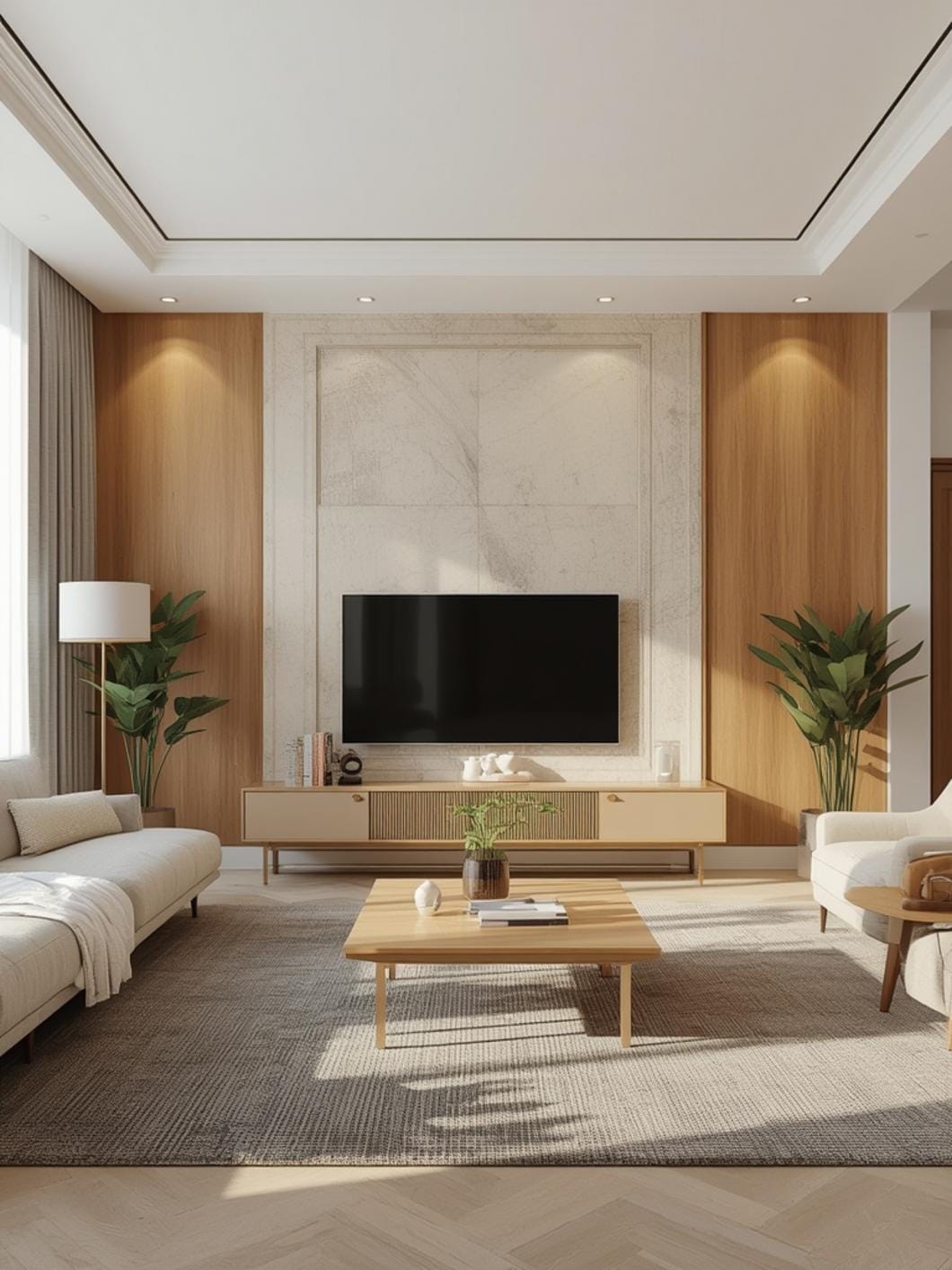
Choosing the Wrong Wall
Many homeowners paint the first wall they see when entering rather than the wall that makes visual sense. Pick the wall behind your desk or the one opposite your door so you can actually enjoy looking at it while working.
Skipping the Sample Test
Paint looks completely different in your specific lighting than it does on a tiny paint chip at the store. Buy sample sizes and paint large swatches directly on your wall. Live with them for several days before committing.
Forgetting About Furniture Scale
Your accent wall should enhance your workspace, not compete with it. If you have a large bookshelf or gallery wall planned, a busy patterned accent might create visual chaos. Save bold patterns for walls with minimal furniture.
Ignoring Your Video Background
Position your desk so your accent wall appears behind you on video calls, not beside you or out of frame. Test your camera angle before committing to your wall choice.
Rushing the Prep Work
Clean walls, proper primer, and quality painter’s tape make the difference between amateur and professional-looking results. Spend time on preparation even though it feels tedious. Your finished wall will thank you with crisp lines and even color.
Maintenance and Upkeep Tips
Accent walls need minimal maintenance once installed. Dust painted walls every few months with a microfiber cloth. Most modern paints resist scuffing, but keep a small amount of touch-up paint for the inevitable desk chair bump.
Wallpapered accent walls clean easily with a slightly damp cloth for most spills. Avoid scrubbing, which can damage the pattern or loosen edges. Address any lifting corners immediately with wallpaper adhesive before they become bigger problems.
Wood accent walls benefit from occasional dusting and very rare conditioning with wood cleaner. The natural patina that develops over time adds character, so don’t over-maintain them.
Cork walls need the gentlest care. Vacuum with a brush attachment to remove dust from the textured surface. Avoid hanging heavy items that might tear the cork.
Repaint painted accent walls every 5–7 years to keep colors vibrant. The rest of your office walls can go longer between repaints since they get less visual focus.
Conclusion
Your home office accent wall changes everything about how your workspace feels and functions. Whether you choose bold paint, warm wood, or playful pattern, you’re creating a focal point that inspires you daily.
Start with your favorite idea from this list and adapt it to your unique space and style. Your perfect office is just one accent wall away.
Ready to transform more of your home? Explore more inspiring ideas and practical guides at DecorKingdom.
FAQs
What is the best color for an office accent wall?
The best color depends on your work style. Blues and greens promote calm focus, perfect for analytical work. Warm yellows and corals boost creativity and energy. Deep navy or charcoal creates sophisticated drama. Test samples in your actual lighting before deciding.
Can I create an accent wall in a rental office?
Absolutely. Removable peel-and-stick wallpaper is your best friend as a renter. It applies easily, looks professional, and removes without damage when you move. Many landlords also allow paint if you return the walls to the original color before leaving.
How do I choose which wall should be my accent wall?
Pick the wall behind your desk or the one you see most when working. In video call setups, choose the wall that appears in your camera background. Avoid walls with windows, which already serve as visual focal points.
Do accent walls make small offices look smaller?
Not if you choose wisely. Light to medium accent colors actually add depth to small spaces. Paint the farthest wall from the door to pull the eye through the room. Avoid very dark colors only if your office has limited natural light.
How long does it take to paint an accent wall?
Most homeowners complete an office accent wall in 4–6 hours including prep, painting, and cleanup. Add drying time between coats, usually 2–4 hours. Plan for a full weekend day, or split the project across two evenings if you’re painting after work.
—
Meta Title: 2026 Accent Wall Ideas for Office Spaces That Inspire
Meta Description: Transform your workspace with stunning accent wall ideas for office spaces. From bold paint to wood planks, find your perfect style today.