How to Choose Dining Room Chairs and Accessories
You walk into your dining room and immediately feel something’s off. Maybe the chairs don’t quite match the vibe you’re going for, or perhaps they’re too bulky for your space. The table looks bare, and you’re not sure what accessories would pull it all together without making it feel cluttered.
Choosing the right Dining Room Chairs & Accessories can completely change how your dining area looks and feels. It’s not just about having somewhere to sit during meals—it’s about creating a space where family gatherings feel warm, dinner parties impress your guests, and even solo morning coffee feels special.
The good news? You don’t need a complete overhaul or a massive budget to make your dining room work better for your life. With the right combination of seating and carefully chosen accessories, you can create a dining space that’s both beautiful and genuinely functional for your household.
Table of Contents
What You’ll Need to Get the Look
Creating a cohesive dining room requires thoughtful selection of both seating and decorative elements. Here’s what you should consider having on hand:
Seating Options:
– Dining chairs (matching set or mix-and-match styles)
– Bench seating for one or both sides
– Host and hostess chairs for table ends
– Chair cushions or seat pads for added comfort
Table Accessories:
– Table runner or placemats
– Centerpiece bowl or tray
– Candleholders or table lamp
– Fresh flowers or greenery arrangements
– Cloth napkins and napkin rings
Additional Elements:
– Area rug sized appropriately for your space
– Wall art or mirror above a buffet or sideboard
– Storage pieces like a bar cart or credenza
– Lighting fixture appropriate to your ceiling height
– Window treatments that complement your style
Finding Your Style and Season
Your dining room should reflect how you actually use the space throughout the year. A family with young children needs different solutions than empty nesters who host formal dinner parties.
Consider your everyday reality first. If you eat breakfast at this table every morning, you want chairs that are comfortable enough for lingering over coffee. If the dining room doubles as homework central, durability matters more than pristine upholstery.
Seasonal changes offer natural opportunities to refresh your accessories without buying new furniture. Spring might call for lighter linens and fresh florals, while fall invites richer textures and deeper colors. This approach keeps your space feeling current without constant investment.
Think about your most common dining scenarios. Casual weeknight dinners need easy-to-clean surfaces and comfortable everyday seating. Holiday gatherings might require extra chairs that can be stored away. Understanding these patterns helps you make smarter purchasing decisions that serve your actual lifestyle.
7 Ideas to Try in Your Home
Mix-and-Match Seating with Unified Accessories
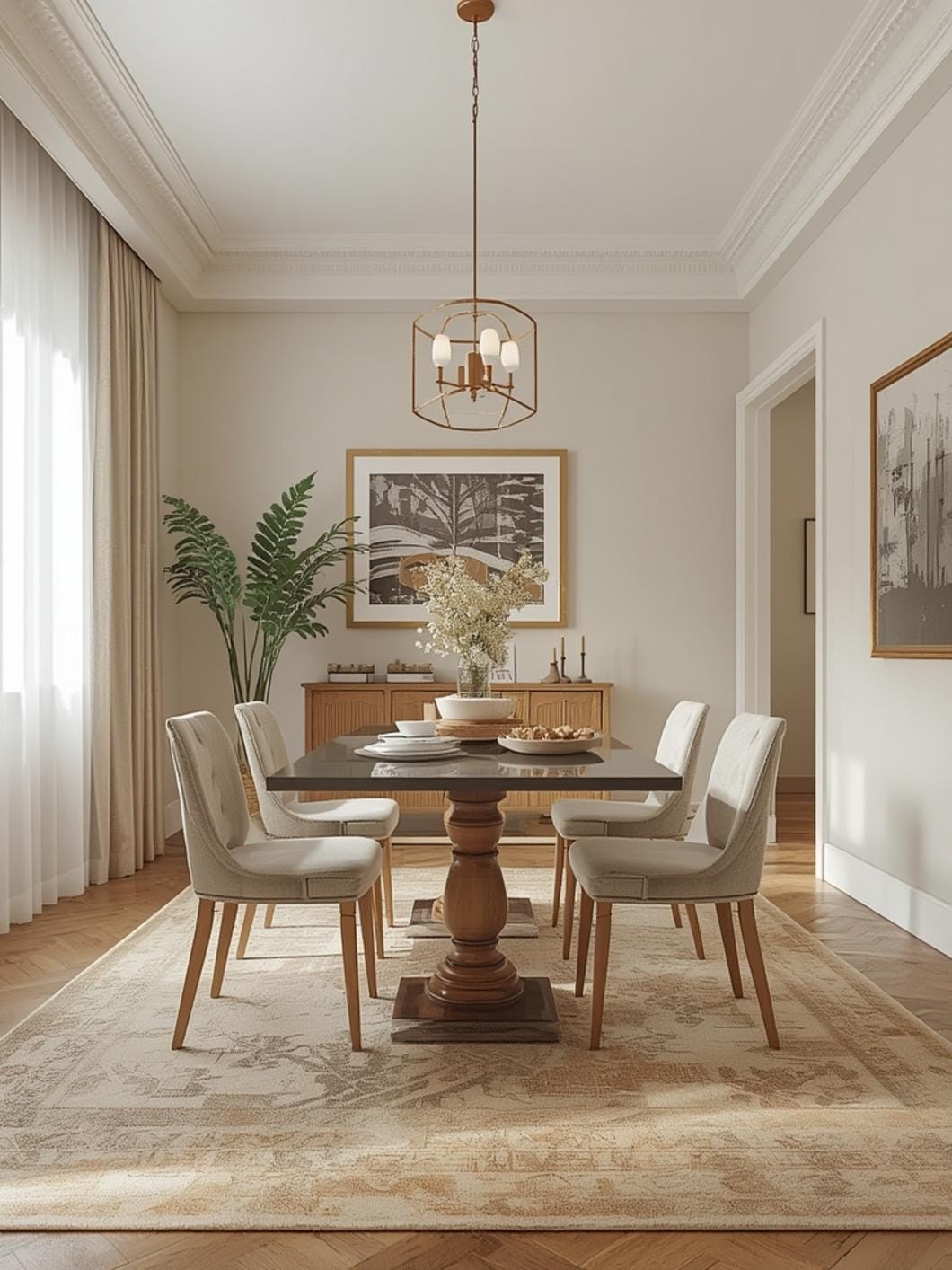
Choose different chair styles but connect them through a common element like finish color or fabric tone. Add matching seat cushions across all chairs to create visual cohesion. Place a textured table runner down the center and use simple white dishes to let the varied seating shine.
Bench Seating with Strategic Chair Placement
Position a bench along one side of your table and individual chairs on the other. This How to choose dining chairs for small spaces solution maximizes seating capacity while maintaining an open feel. Add throw pillows to the bench that pick up accent colors from your rug or window treatments.
Statement Host Chairs at Table Ends
Use upholstered or distinctly styled chairs at each table end while keeping side seating simpler. This creates visual hierarchy and makes your dining setup feel intentionally designed rather than just functional. Complement with a dramatic centerpiece that draws the eye to the table’s center.
Slipcover Transformation
Cover basic chairs with seasonal slipcovvers that you can change throughout the year. Choose neutral everyday covers and keep a special set for entertaining. Add a coordinating table runner and switch out your centerpiece to match—instant refresh without storage headaches.
Minimalist Seating with Bold Accessories
Keep chairs sleek and simple in metal or wood, then make accessories the star. Use a dramatic light fixture above the table, colorful artwork on the walls, and a striking centerpiece. This approach works beautifully in smaller spaces where bulky upholstered chairs would overwhelm.
Layered Texture Approach
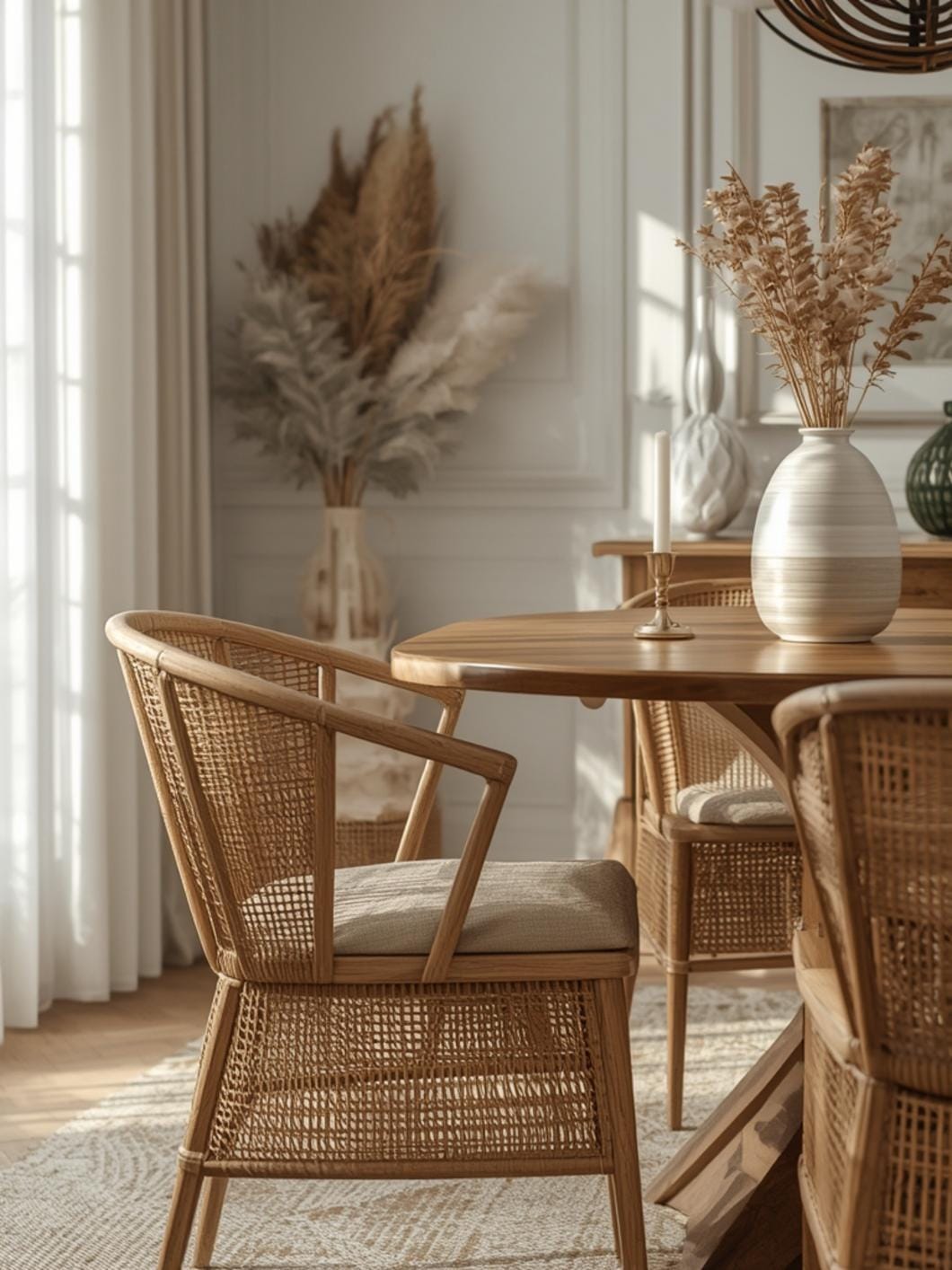
Combine different materials throughout the space—rattan chairs with linen cushions, a jute rug underfoot, wooden candleholders, and ceramic serving pieces. Keep colors neutral but vary the textures for depth and interest. This creates warmth without visual clutter.
Compact Dining Setup with Multi-Functional Pieces
Choose armless chairs that tuck completely under the table when not in use. Add a narrow console against the wall that serves as both storage and serving surface. Use vertical wall space for decorative elements rather than crowding the tabletop—floating shelves can display beautiful serving pieces that aren’t needed daily.
Benefits Beyond Just Having a Place to Sit
The right dining chairs and accessories do more than complete a room—they actively improve how you experience your home. Comfortable seating encourages people to linger after meals, turning quick dinners into quality conversation time with family.
Well-chosen accessories make hosting feel effortless rather than stressful. When you have coordinating pieces that work together, setting a beautiful table takes minutes instead of requiring frantic shopping trips before guests arrive.
Investing in quality seating pays off in unexpected ways. Chairs that support your back properly make working from the dining table more comfortable. Easy-to-clean materials mean you’re not anxious about normal family life happening around your furniture. Stylish pieces you genuinely love make everyday moments feel special rather than mundane.
Your dining space often serves multiple purposes beyond eating. It’s where kids do homework, where you sort mail, where you work on hobbies. Furniture and accessories that acknowledge this reality make your home work better for your actual life, not just for theoretical dinner parties.
Tips, Alternatives, Styling Advice
Budget-Friendly Option:
Start with simple wood or metal chairs from big-box stores and upgrade them with affordable seat cushions tied to the back. Keep accessories minimal—a simple runner, some thrifted candleholders, and grocery store flowers in a pretty vase create polish without expense. Focus on one statement element like an eye-catching centerpiece bowl.
Mid-Range Option:
Invest in quality chairs with good bones—solid wood frames or durable metal construction. Add upholstered seat cushions in a performance fabric that handles real life. Build your accessory collection gradually, adding coordinated pieces as budget allows. A good area rug grounds the entire space and justifies the investment.
Premium Option:
Choose fully upholstered chairs with excellent support and beautiful fabric that elevates the entire room. Commission custom cushions if needed for perfect fit and finish. Invest in heirloom-quality accessories—hand-thrown ceramic pieces, artisan-made candleholders, and a statement light fixture. These pieces grow with you through moves and style evolution.
Small Space Adaptation:
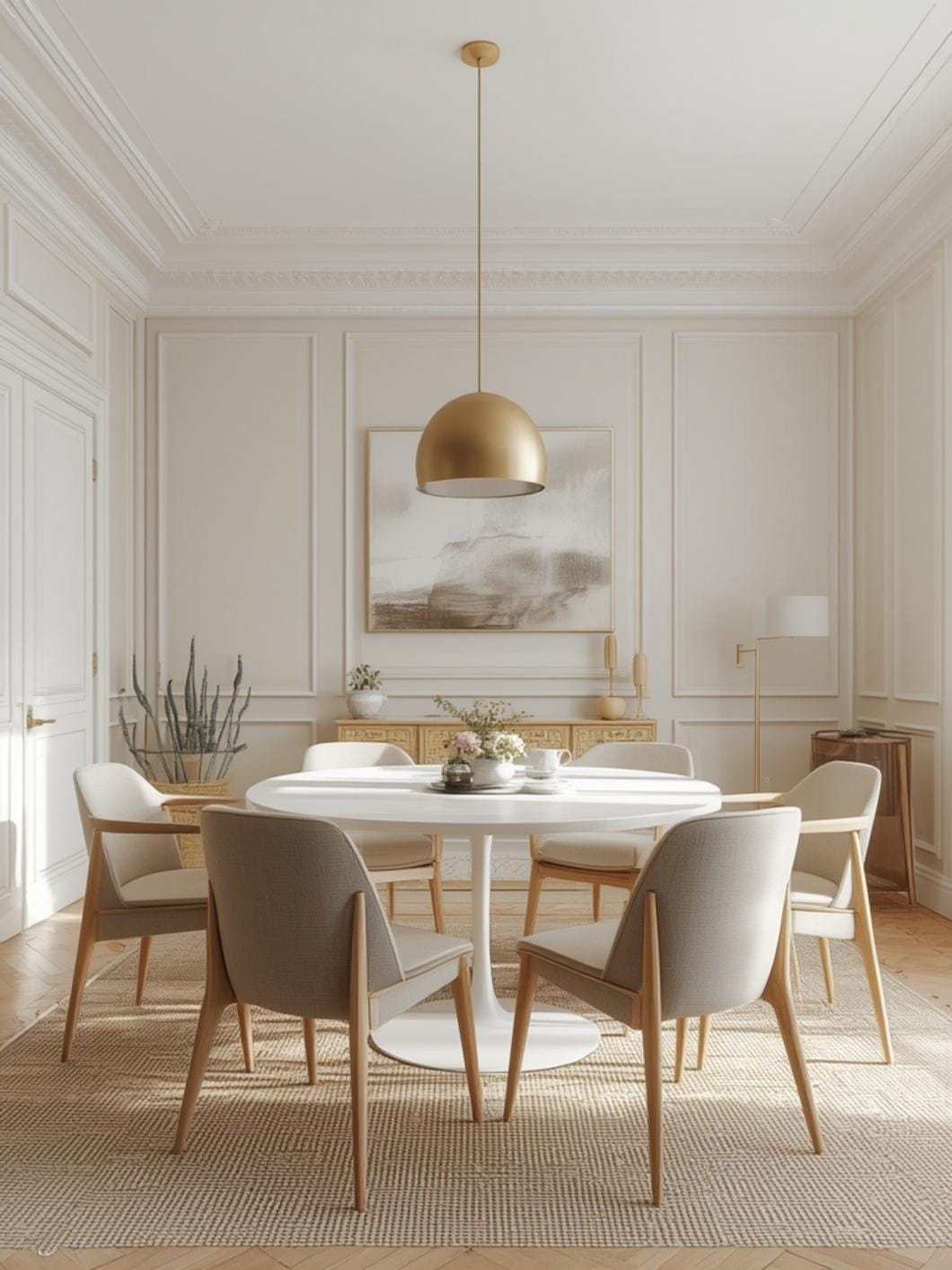
Prioritize chairs without arms so they tuck completely under the table. Choose glass or acrylic chair styles that don’t create visual weight. Keep accessories confined to the table itself rather than adding buffets or sideboards. Use wall-mounted solutions for storage and serving pieces. A small round table often works better than rectangular in tight spaces, and you can seat more people than you’d expect.
Common Mistakes to Avoid
Choosing chairs based only on looks without considering comfort. Sit in chairs for at least five minutes before buying—you’ll discover whether the seat depth works for your height and if the back provides adequate support.
Buying a complete matching set when your space or budget calls for flexibility. Start with four quality chairs and add more gradually, or mix in a bench that can move to other rooms when not needed for dining.
Overcrowding your table with too many accessories that prevent actually using the space. Keep everyday table styling minimal—one low centerpiece maximum—and reserve elaborate settings for special occasions when you’ll remove everything before serving.
Selecting an area rug that’s too small for the space. Your rug should extend at least 24 inches beyond the table on all sides so chairs remain on the rug even when pulled out—anything smaller looks awkward and creates a tripping hazard.
Ignoring scale when mixing different chair styles. Even when intentionally mismatching, seat heights should be within an inch of each other, and proportions should feel balanced around the table to avoid a haphazard appearance.
Maintenance Beyond the Initial Setup
Protect your investment with simple regular care. Vacuum upholstered chairs weekly to prevent dust from settling into fabric. Wipe wood and metal frames with appropriate cleaners monthly to maintain finish quality.
Address spills immediately regardless of fabric protection treatments. Blot rather than rub, working from the outside of the stain inward. Keep a small stash of touch-up pens or markers that match your chair finishes for quick scratch coverage.
Rotate chair positions every few months if some get more use than others. This distributes wear evenly and prevents uneven fading from sunlight exposure. Flip reversible seat cushions regularly to maintain even compression.
Protect table surfaces with trivets, coasters, and placemats during everyday use. This prevents the heat marks, water rings, and scratches that make you wish you’d been more careful. Store special occasion accessories properly between uses—wrap candleholders to prevent tarnishing and fold linens with tissue paper to avoid permanent creases.
Tighten chair hardware annually even if nothing seems loose yet. This preventive step catches problems before they become wobbly safety hazards. Most chairs need nothing more than a screwdriver and five minutes per chair.
Creating a Dining Space That Works for Your Life
Your dining room should support how you actually live, not some magazine-perfect ideal that doesn’t match your reality. The best chair and accessory choices are ones that make daily life easier while looking beautiful.
Start with the seating that fits your space and comfort needs, then layer in accessories that reflect your personal style. Remember that your dining room evolves with you—what works now might shift as your household changes, and that’s completely normal.
Ready to explore more ways to make every room in your home work beautifully? DecorKingdom has hundreds of practical ideas waiting to inspire your next project.
FAQs
How many dining chairs do I actually need?
Plan for one chair per household member plus two extras for guests. If space is tight, consider a bench on one side that seats more people than individual chairs would. You can always borrow chairs from other rooms for larger gatherings rather than keeping extras permanently at the table.
Should my dining chairs match my table exactly?
Not necessarily—mixing finishes creates visual interest and helps you find chairs that actually fit your budget and comfort needs. The key is choosing chairs that complement the table’s style and scale rather than matching finish color perfectly. Many beautiful dining rooms intentionally combine different wood tones.
What’s the right height difference between chair seat and table?
Aim for 10-12 inches between the chair seat and table underside for comfortable dining. Standard dining tables sit 28-30 inches high, which pairs with chairs that have 18-20 inch seat heights. Always measure before buying, especially if your table is custom or antique.
Can I use outdoor dining chairs inside?
Absolutely, especially if you love the modern or industrial look. Many outdoor chairs offer easy-clean surfaces perfect for families. Just ensure they’re comfortable enough for longer sitting periods—outdoor furniture sometimes prioritizes weather resistance over cushioning, so test them first.
How do I keep white or light-colored dining chairs clean with kids?
Choose performance fabrics specifically designed for high-traffic areas, or select chairs with removable, washable slipcovers. Wipeable faux leather also works well for family dining. Alternatively, embrace darker colors or patterns that hide minor stains better while still looking intentional and stylish.
—
Meta Title: Dining Room Chairs & Accessories: Fresh Ideas 2026
Meta Description: Choose perfect dining room chairs & accessories for your space. Get style tips, smart shopping advice & solutions for every budget.