5 Living Room Accent Wall Ideas for an Open-Concept Space
Your living room feels a little flat. Maybe the furniture is great, the lighting is fine, but something’s missing — that one bold feature that makes people stop and say “wow.” You’ve scrolled through photos of stunning spaces and wondered how they got that designer look without tearing down walls or buying all new furniture.
The answer is simpler than you think. Accent wall living room ideas give you instant impact without the hassle of a full remodel. One well-chosen wall can add depth, personality, and focus to your entire room — and you don’t need contractor-level skills to pull it off.
Whether your style leans modern and moody or bright and cheerful, the right accent wall turns your living room from “fine” into “finished.” Ready to see how?
Table of Contents
What You’ll Need to Get the Look
Creating an accent wall isn’t about buying a truckload of supplies. Most approaches use materials you can pick up in a weekend shopping trip or order online with confidence.
For painted accent walls:
– Premium interior paint (1–2 gallons depending on wall size)
– Painter’s tape and drop cloths
– Quality brushes and roller kit
– Primer if painting over dark colors
For textured or decorative walls:
– Peel-and-stick wallpaper or traditional wallpaper
– Wood planks or reclaimed boards for shiplap looks
– Stone veneer panels for rustic texture
– Panel molding for dimensional detail
Supporting decor elements:
– Wall art that complements your accent color
– Floating shelves to enhance the focal wall
– Coordinating throw pillows and blankets
– Area rug that ties the room together
Most of these materials work for renters too. Removable wallpaper and command strips let you create impact without losing your security deposit.
Finding Your Style and Season
Your accent wall should feel intentional, not random. Think about the mood you want your living room to create and when you’re most likely to spend time there.
Consider your natural light situation first. Rooms with southern exposure can handle deeper, moodier colors without feeling like a cave. North-facing rooms benefit from warmer tones that counter the cooler natural light.
Seasonal timing matters more than you’d think. Starting this project in spring or fall gives you moderate temperatures and open windows for ventilation if you’re painting. Summer heat can make paint dry too quickly, creating visible lap marks. Winter’s closed-up house means fumes linger longer.
Your furniture arrangement also influences timing. Plan your accent wall project before buying new furniture if possible. It’s much easier to match pillows to a wall than repaint a wall to match existing pillows you love.
Budget roughly 4–6 hours for a painted accent wall from start to finish, including prep and cleanup. Wallpaper takes 6–8 hours for first-timers. Wood plank walls need a full weekend. Don’t rush — this wall is the first thing people notice when they walk into your room.
7 Ideas to Try in Your Home
Deep Jewel Tones Behind Your Sofa
Rich emerald green, sapphire blue, or burgundy creates instant sophistication. Paint the wall directly behind your sofa to anchor your seating area. These colors make neutral furniture pop and work beautifully with brass or gold accents. If you’re wondering how to choose the right accent wall color for small rooms, jewel tones actually work — they create depth rather than closing in the space when you limit them to one wall.
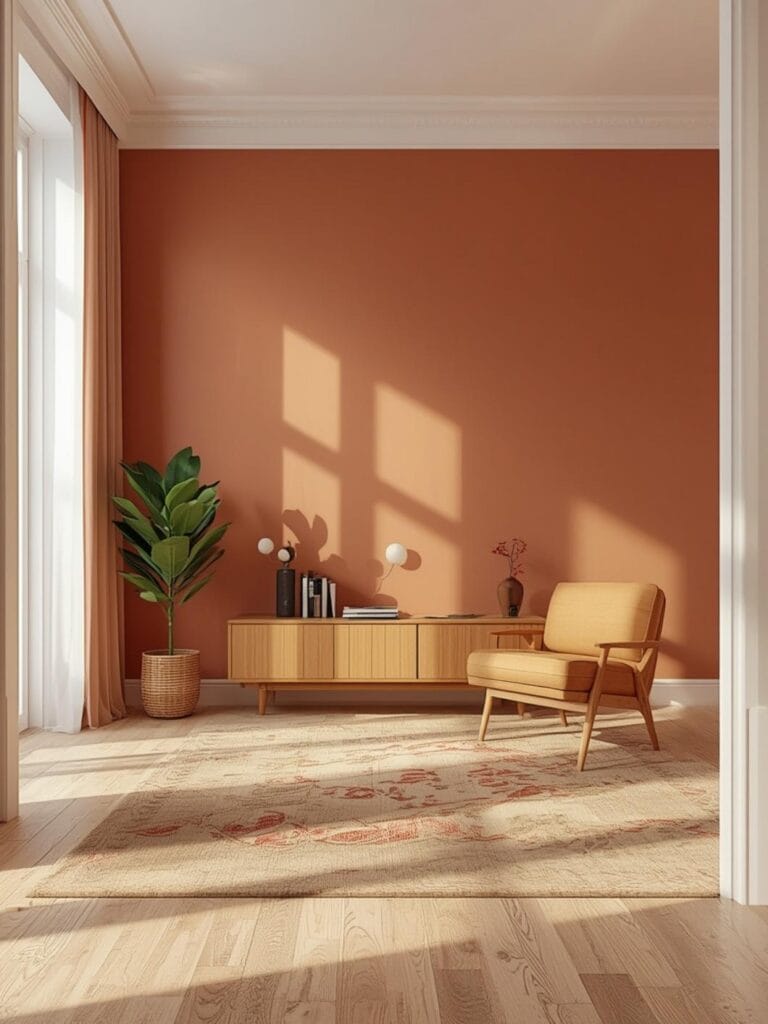
Warm Terracotta for Cozy Vibes
This earthy orange-red brings warmth without the intensity of true red. It pairs perfectly with natural wood tones, cream sofas, and plenty of greenery. Terracotta reads as sophisticated rather than trendy, so you won’t tire of it in two years. Consider this shade for the wall opposite your windows to balance cooler natural light.
Charcoal Gray for Modern Drama
A near-black charcoal wall adds instant edge to contemporary spaces. It makes white trim look crisp, highlights gallery walls beautifully, and creates the perfect backdrop for colorful artwork. Balance the darkness with plenty of layered lighting — table lamps, floor lamps, and wall sconces prevent the room from feeling gloomy.
Peel-and-Stick Wallpaper for Pattern Lovers
Modern removable wallpaper comes in hundreds of patterns, from subtle textures to bold florals. This option works perfectly for renters or commitment-phobes. Choose geometric patterns for modern spaces, botanical prints for traditional rooms, or textured grasscloth patterns for organic warmth. The beauty here is easy switching when your style evolves.
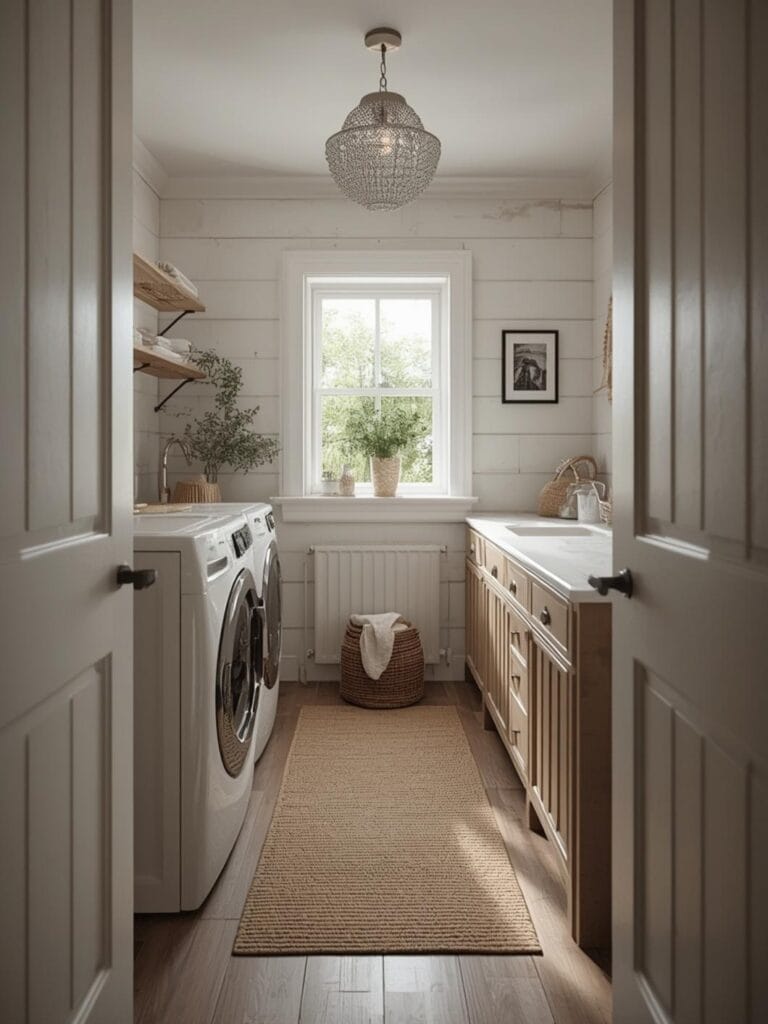
Shiplap or Wood Plank Walls for Texture
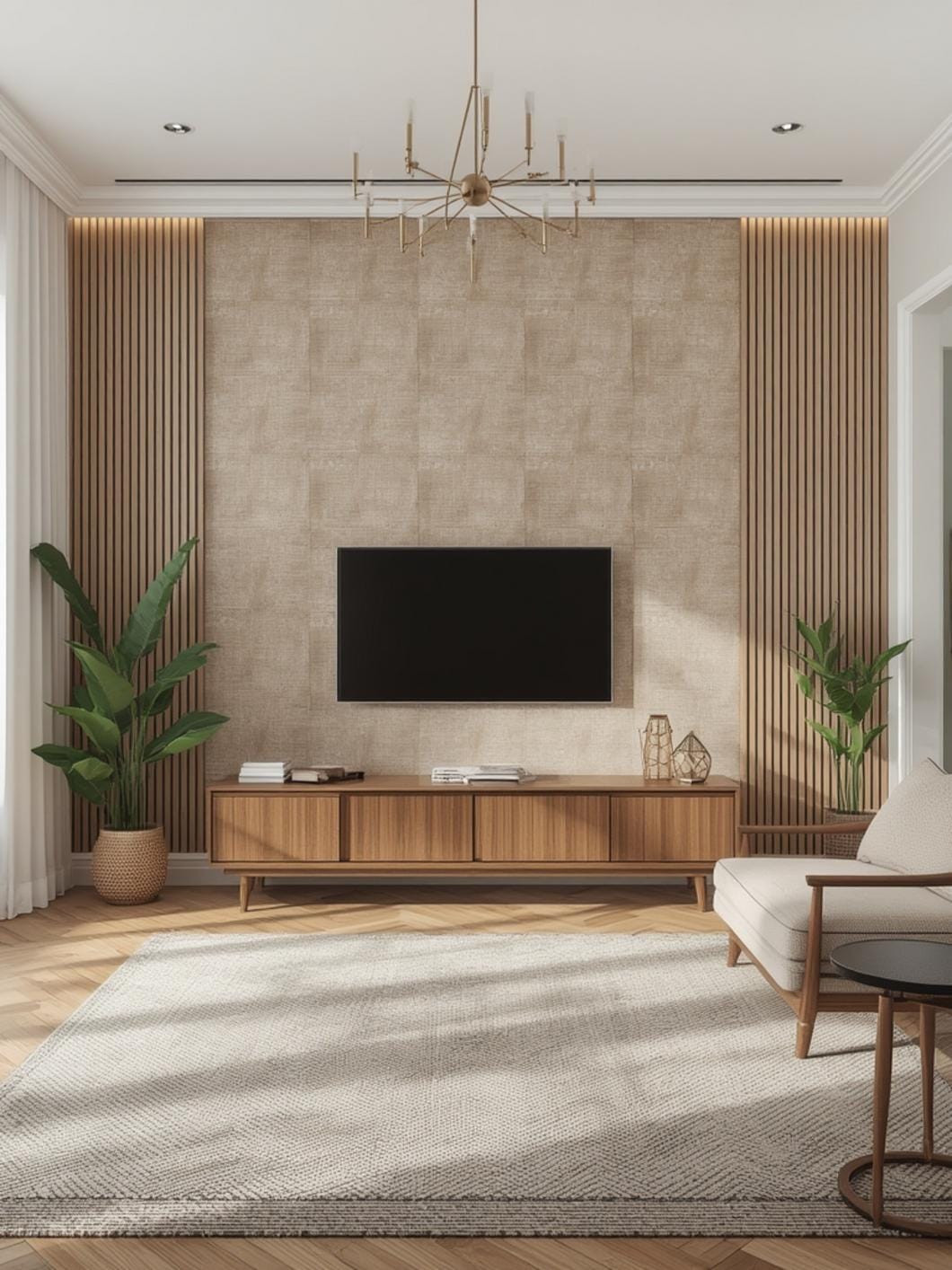
Horizontal wood planks add architectural interest and warmth. Paint them white for farmhouse charm, stain them natural for rustic appeal, or go dark for moody sophistication. This approach works especially well on fireplace walls or behind built-in shelving. The texture catches light throughout the day, creating visual interest even in neutral colors.
Soft Sage Green for Calming Spaces
This muted green-gray hybrid feels fresh without screaming for attention. It pairs beautifully with blush pink accents, warm wood furniture, and brass hardware. Sage works in both modern and traditional spaces, making it a safe choice if your style skews eclectic. It’s particularly lovely in rooms where you want to feel relaxed and grounded.
Bold Navy Behind Open Shelving
Paint the wall behind floating shelves in deep navy, then style the shelves with white dishes, books, and decorative objects. The contrast makes everything on the shelves pop visually. This trick adds perceived depth to the wall and draws the eye upward, making ceilings feel taller. Navy reads as neutral enough to live with long-term but still provides that punch of color you’re craving.
Benefits Beyond Just Looking Good
An accent wall delivers more than visual appeal. It actually changes how you experience your living room daily.
It creates a natural focal point that tells your eye where to look first. Without one, rooms can feel scattered — your attention bounces between the TV, the windows, and the furniture with no clear hierarchy. A strong accent wall anchors the space and makes furniture arrangement decisions easier.
Color psychology affects your mood more than you realize. Warm tones like terracotta and rust make spaces feel cozier and encourage conversation. Cool tones like navy and sage promote calm and focus. Choosing your accent color based on how you want to feel in the room makes your home work for you emotionally.
It’s the most budget-friendly room transformation available. For the cost of a few gallons of paint, you get a completely different room. Compare that to new furniture, flooring, or window treatments. You get maximum impact for minimum investment, which matters when you’re improving your home gradually.
Accent walls make small spaces feel larger when done right. Painting the far wall in a room deeper than the other walls creates perceived depth. Your eye registers the color recession and interprets it as additional space. This optical trick works better than any furniture rearrangement.
Budget-Friendly to Premium Options
Budget-Friendly: DIY Paint ($50–$100)
Choose a rich color in standard interior paint and tackle the project yourself over a weekend. This approach costs the least and gives you full creative control. Stick with one gallon of paint, basic supplies, and your own labor. The results look professionally done when you take time with proper prep and clean lines.
Mid-Range: Removable Wallpaper ($150–$300)
Peel-and-stick wallpaper costs more than paint but offers pattern and texture you can’t get with a paint roller. Most accent walls need two or three rolls depending on ceiling height. Installation takes patience but no special skills. This option works brilliantly for renters since it removes cleanly without wall damage.
Premium: Custom Wood Plank Wall ($400–$800)
Real wood or high-quality wood-look panels create lasting architectural detail. You’ll spend more on materials, and installation takes longer, but the three-dimensional texture adds value to your home. This investment pays off if you’re staying put for several years. The wall becomes a permanent feature rather than something you might paint over eventually.
Small Space Adaptation:
In compact living rooms, choose your accent wall carefully. Paint the shortest wall rather than the longest to avoid overwhelming the space. Keep the color medium-toned rather than extremely dark. Alternatively, take the accent wall only partway up and add picture rail molding at the break — this creates interest without the commitment of floor-to-ceiling color.
Common Mistakes That Ruin the Effect
Painting too many walls and losing the “accent” entirely. The whole point is creating one standout wall, not a color-drenched room. Stop at one wall. If you love the color that much, add it through accessories and artwork instead. The restraint is what makes the wall special.
Choosing the wall with the most windows or doors. Accent walls work best on uninterrupted surfaces where your eye can take in the full color impact. A wall chopped up with openings dilutes the effect. Pick the wall behind your main furniture piece or your longest solid wall.
Forgetting to test the color in your actual lighting. Paint colors look completely different in store lighting versus your living room at 3pm versus 8pm. Buy sample pots and paint large poster boards. Tape them to your wall and observe them for several days before committing to gallons of paint.
Skipping proper prep work to save time. Paint over dirty walls, skip the primer, or ignore that small hole — and your beautiful accent wall will look homemade in the worst way. Take the extra two hours to clean, patch, sand, and prime properly. The finished result is worth the patience.
Matching everything too perfectly to the accent wall. Your throw pillows don’t need to be the exact same navy as your wall. In fact, they shouldn’t be. Use complementary colors and tones that harmonize rather than match. Perfect matching looks forced and catalog-staged rather than collected and personal.
Keeping Your Accent Wall Fresh
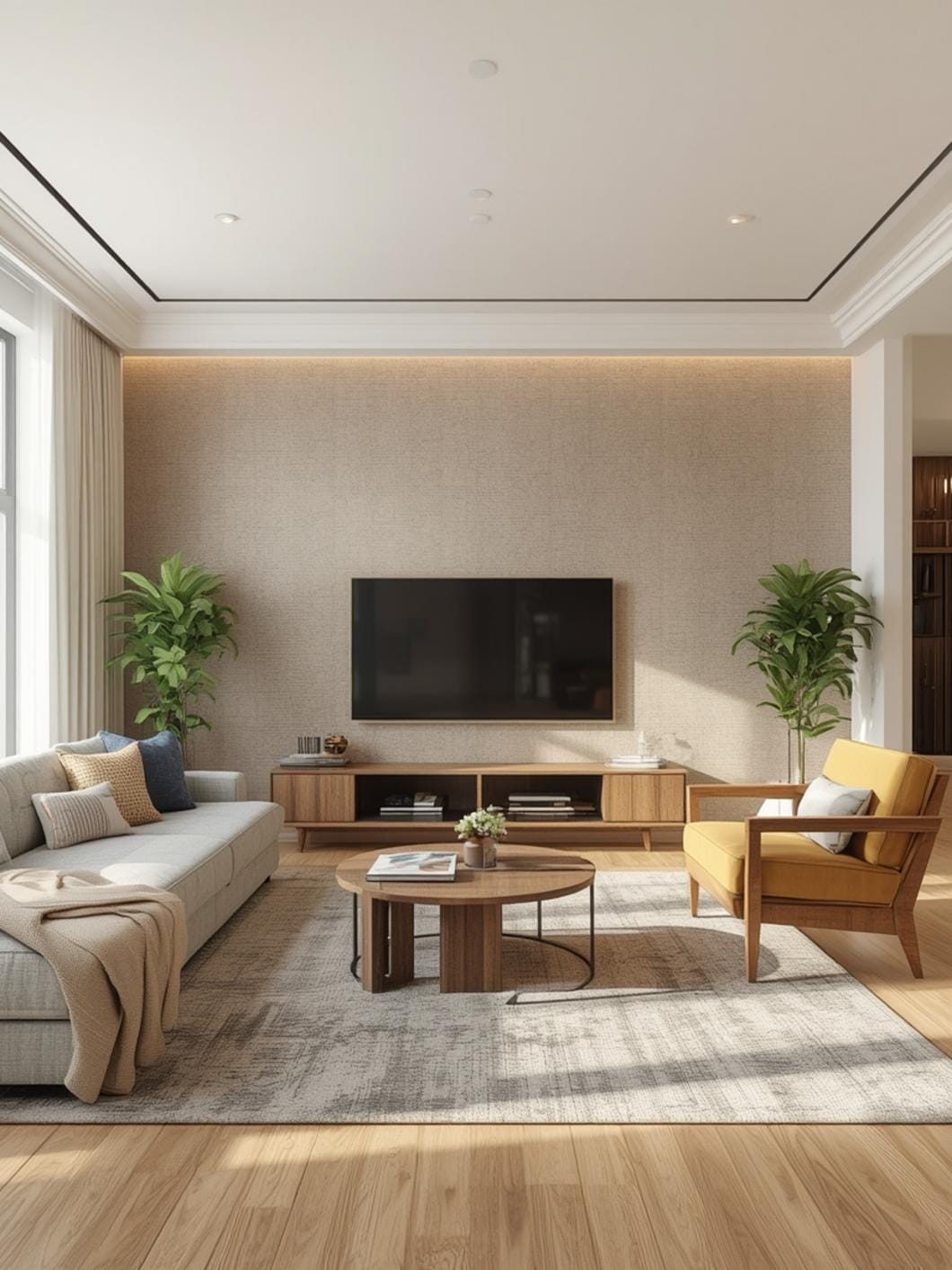
Painted accent walls need remarkably little maintenance. Dust them monthly with a microfiber cloth on an extension pole. Touch up scuffs immediately with leftover paint — store a small jar labeled with the color name and finish type.
For washable paint finishes, wipe marks gently with a damp cloth and mild soap. Avoid scrubbing too hard, which can create shiny spots in matte paint. Keep your leftover paint for at least two years for easy touch-ups.
Wallpapered accent walls hold up well with gentle care. Vacuum them monthly with a soft brush attachment to prevent dust buildup in textured patterns. Most modern wallpapers handle light spot-cleaning with a barely damp cloth. Never saturate the paper or scrub aggressively.
Wood plank walls need occasional dusting and very rare conditioning if you used natural stained wood. Wipe spills immediately to prevent staining. Sealed or painted wood planks are practically maintenance-free beyond regular dusting.
Rotate your wall art seasonally to keep the wall feeling fresh without repainting. Simply changing what hangs on your accent wall gives you a new look twice a year.
Make Your Living Room Unforgettable
Your living room deserves that one bold element that pulls everything together. An accent wall gives you designer impact without the designer price tag or the commitment of a full room repaint.
Whether you go moody and dramatic or soft and serene, the right accent wall turns your living room into a space people remember. Choose the wall that makes sense for your furniture layout, test your color properly, and trust yourself to make a bold choice.
Ready to explore more ways to elevate your living spaces? Head back to DecorKingdom for hundreds of ideas that help you create a home you love walking into every single day.
FAQs
Which wall should be the accent wall in my living room?
Choose the wall behind your main seating area or the wall you see first when entering the room. This is typically the wall behind your sofa or the fireplace wall if you have one. Avoid walls with lots of windows, doors, or other interruptions that break up the color impact. The best accent walls are solid, uninterrupted surfaces that let the color or pattern shine.
Do accent walls make small living rooms look smaller?
Not when done correctly. Painting the farthest wall from the entrance in a deeper color actually creates the illusion of depth, making the room feel larger. The key is keeping the other three walls light and choosing medium to deep tones rather than pure black. Avoid painting the longest wall in a narrow room, which can make the space feel more cramped.
Can I do an accent wall if I’m renting?
Absolutely. Removable peel-and-stick wallpaper is designed specifically for renters and removes cleanly without damaging walls. Some landlords also allow painting if you repaint white before moving out. Check your lease first, then choose solutions that won’t cost you your security deposit. Temporary options now look just as good as permanent ones.
Should my accent wall match my furniture or contrast with it?
Contrast usually works better than matching. If you have a gray sofa, choose an accent wall color that complements gray rather than another shade of gray. Think jewel tones, warm earth tones, or rich navy. The wall should make your existing furniture look better, not compete with it or disappear into it.
How long does a painted accent wall really last before needing a refresh?
With quality paint and proper application, your accent wall should look great for 5–7 years in a living room with normal use. High-traffic areas near doorways might need touch-ups sooner. The color might start feeling dated before the paint actually fails, which is fine — changing accent wall colors is an easy way to refresh your whole room without major renovation.
—
Meta Title: Accent Wall Living Room Ideas That Wow in 2026
Meta Description: Transform your space with stunning accent wall living room ideas. Get bold color tips, budget options, and style inspiration today.