7 Square Panel Accent Wall Ideas for a Modern Grid Look
You’ve been staring at that blank wall in your living room for months now, knowing it needs something special but not quite sure what. Maybe you’ve scrolled through design inspiration until your eyes glazed over, or maybe you’re just tired of the same old plain paint job everyone else has.
Square accent wall ideas bring structure, personality, and serious style to any room without requiring a design degree or a massive budget. Whether you’re drawn to bold geometric grids, soft checkerboard patterns, or modern blocked color schemes, square designs work beautifully in every home style from farmhouse to contemporary.
The best part? You don’t need to hire anyone or learn complicated techniques to make these looks happen in your own space.
Table of Contents
What You’ll Need to Get the Look
Creating a stunning square accent wall starts with gathering the right supplies. You won’t need anything fancy or hard to find—most of these items are available at your local paint or home improvement store.
Paint and Application Tools:
– Interior paint in 2-4 coordinating colors (satin or eggshell finish works best)
– Quality paint brushes (2-inch angled brush for edges)
– Small foam rollers for clean, smooth squares
– Painter’s tape (FrogTape or similar brand holds the sharpest lines)
– Paint tray and liners
Measuring and Layout Tools:
– Measuring tape
– Pencil for light marking
– Level (a laser level makes this even easier)
– Yardstick or straight edge
– Optional: chalk line for larger squares
Room Prep Items:
– Drop cloths to protect your floors
– TSP cleaner or mild soap for wall prep
– Spackling compound if you have holes to fill
– Fine-grit sandpaper
– Primer if you’re going significantly darker or covering bold colors
Your color choices matter more than you might think. Neutrals like soft grays, warm taupes, and creamy whites create subtle sophistication. Bolder homeowners love pairing navy with gold, emerald with blush, or even black with crisp white for maximum drama.
Finding Your Style and Season
Square accent walls work year-round, but certain styles shine in different seasons and settings. Understanding when and where to use specific patterns helps you create a cohesive look that feels intentional rather than random.
Spring and Summer Vibes:
Think lighter, airier square patterns during warmer months. Soft pastels in checkerboard arrangements bring freshness to bedrooms and nurseries. Geometric squares in sea glass blues and sandy beiges work beautifully in coastal-inspired spaces. These lighter palettes reflect natural light and make rooms feel more spacious during bright, sunny days.
Fall and Winter Warmth:
As temperatures drop, richer square patterns create cozy atmosphere. Deep jewel tones arranged in blocked patterns add warmth to living rooms and dining spaces. Charcoal, burgundy, and forest green squares bring sophistication perfect for entertaining season. These darker schemes also hide wear better in high-traffic areas during muddy winter months.
Room-Specific Timing:
Bedrooms benefit from square accent walls during your usual spring cleaning or when you’re already swapping out bedding. Living rooms look fresh when you tackle the project before holiday hosting. Home offices transform beautifully during that motivation surge in January when everyone’s setting new goals.
Budget planning matters too. Simple two-tone checkerboard patterns cost as little as $40-60 in materials for a standard 10×10 wall. Complex multi-color geometric designs with metallic accents might run $150-200. Most homeowners complete these projects over one weekend—Saturday for taping and first coats, Sunday for second coats and cleanup.
7 Ideas to Try in Your Home
Classic Checkerboard:
The timeless two-tone checkerboard never goes out of style. Alternate squares of white and soft gray for understated elegance, or go bold with black and white for vintage diner vibes. This pattern works exceptionally well in kitchens, mudrooms, and kids’ playrooms. Keep squares between 12-18 inches for balanced proportions that don’t overwhelm smaller walls.
Ombre Square Gradient:
Create visual magic by arranging squares in a gradient from light to dark. Start with your palest shade at the top and gradually transition through medium tones to your darkest color at the bottom. This technique adds height to rooms with low ceilings and creates a custom look that feels incredibly high-end. Choose 4-6 shades within the same color family for the smoothest transition.
Random Color Block:
Forget perfect patterns and embrace organized chaos instead. Paint squares in varying sizes using 3-4 coordinating colors scattered across your wall in an intentionally random arrangement. This modern approach works beautifully in creative spaces like home offices, craft rooms, and teen bedrooms. The irregular pattern adds energy without feeling too structured or formal.
Metallic Grid Accent:
Add luxury with metallic paint in a grid pattern over a solid base color. Paint your wall in a rich navy, charcoal, or forest green, then use painter’s tape to create a grid of squares. Fill alternating squares with gold, copper, or silver metallic paint for sophisticated shimmer. This elevated look transforms dining rooms and primary bedrooms into designer-worthy spaces.
Subtle Tone-on-Tone:
Not ready for bold contrast? Try squares in different sheens of the same color. Paint your base wall in matte finish, then create squares using satin or semi-gloss in the identical shade. The subtle texture variation catches light beautifully and adds dimension without overwhelming neutral spaces. Perfect for minimalist homes where you want interest without color commitment.
Geometric Half-Wall:
Who says accent walls need to cover the entire surface? Create a modern look by painting geometric squares only on the bottom half of your wall, stopping at chair rail height. This grounded approach works wonderfully in entryways and hallways where you want impact without making the space feel smaller. How to paint geometric patterns on accent walls becomes much more manageable when you’re working with less square footage too.
Corner-to-Corner Diagonal:
Break the grid by rotating your squares 45 degrees for diamond-shaped patterns. This dynamic approach draws the eye across the wall and makes rectangular rooms feel more spacious. The diagonal orientation requires more careful measuring and taping, but the striking result is worth the extra effort. This works especially well behind beds or sofas where you want a true focal point.
Large-Scale Blocks:
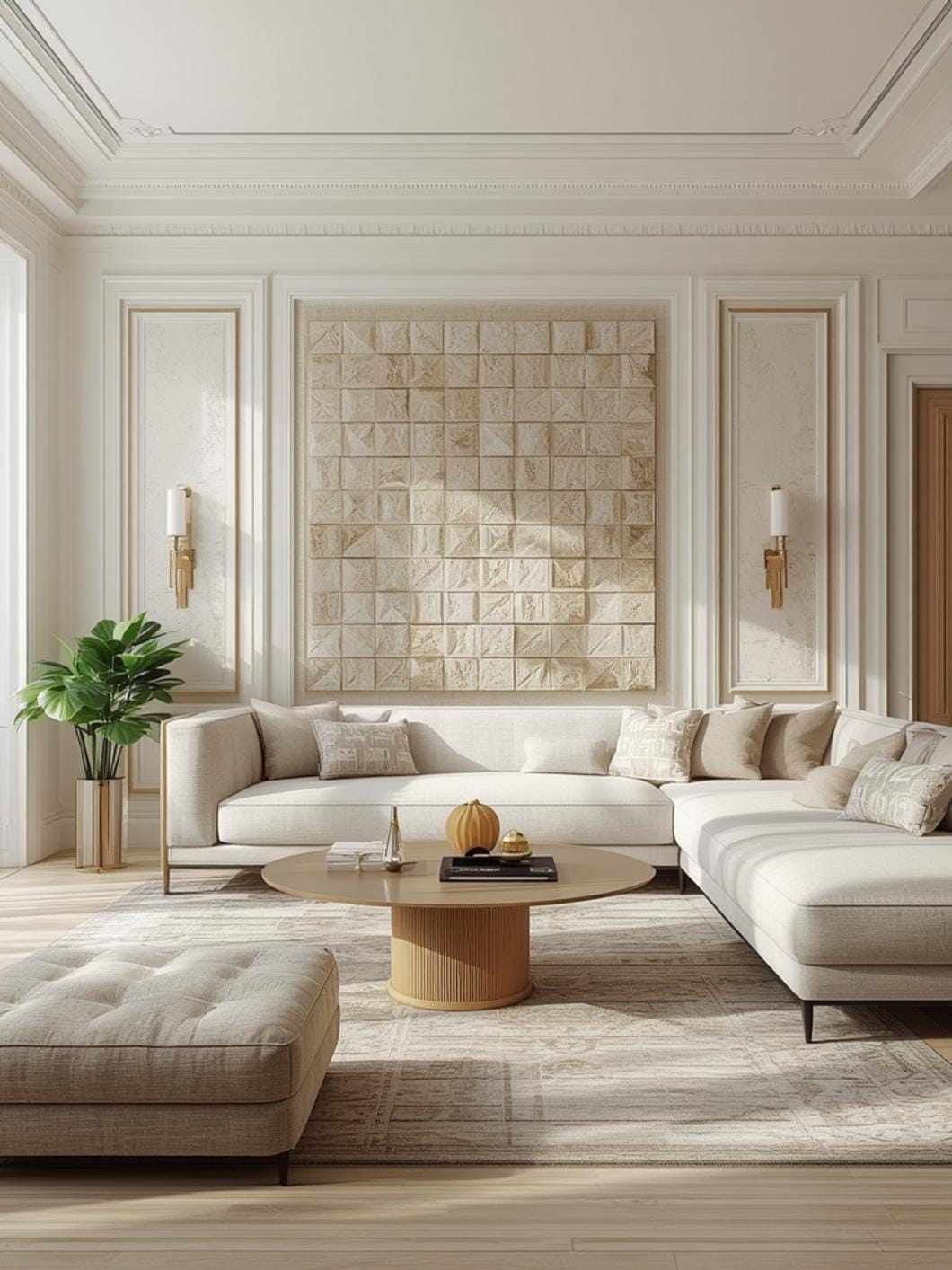
Skip tiny squares entirely and paint oversized blocks instead. Think 24-36 inch squares in a simple four-square or nine-square arrangement. This approach feels gallery-like and modern, especially when you use a curated palette of sophisticated neutrals or bold jewel tones. Larger squares also mean less taping work and faster completion for busy homeowners.
Mixed Material Squares:
Combine painted squares with other finishes for added texture. Paint most of your grid, but fill select squares with grasscloth wallpaper, wood planks, or even fabric panels. This mixed-media approach creates custom wall art that no one else will have. It works beautifully in eclectic or boho-style homes where texture matters as much as color.
Benefits Your Home Will Love
Square accent walls deliver far more than just good looks. These geometric patterns solve real decorating challenges while adding personality that makes your house feel uniquely yours.
The structured grid naturally draws attention exactly where you want it. Place a square accent wall behind your bed and suddenly your bedroom feels like a boutique hotel. Use it behind your dining table and every dinner feels a little more special. That focal point effect means other walls can stay simple, saving you time and money on decorating.
These patterns also work magic with room proportions. Vertical arrangements of rectangles make ceilings appear higher. Horizontal patterns make narrow rooms feel wider. The geometric repetition creates visual rhythm that makes spaces feel more put-together and intentional, even when the rest of your furniture is a collected mix.
For homeowners who get bored easily, square accent walls offer flexibility. Hate your color choices in six months? Simply paint over specific squares rather than redoing the entire wall. Want to refresh for a new season? Swap out just a few key squares in your pattern for an instant update.
The structured design also provides built-in coordination for the rest of your room. Pull colors from different squares for your throw pillows, artwork, and accessories. Your decor automatically feels cohesive because you’re working from an established palette already on display.
Tips, Alternatives, and Styling Advice
Budget-Friendly Approach:
Start with just two paint colors in a simple checkerboard or four-square pattern. Use paint you already have for some squares if the colors coordinate. Skip metallic paints and stick with standard interior paint in satin finish. Borrow or rent a laser level instead of buying one. Total investment: $40-70 for a stunning transformation.
Mid-Range Investment:
Invest in three carefully chosen colors that complement your existing furniture. Add one metallic accent color for select squares. Purchase a quality laser level you’ll use for future projects. Spend time creating a more complex geometric arrangement with varying square sizes. Budget: $100-150 for a custom designer look.
Premium Experience:
Work with a professional color consultant to create a perfect palette. Use high-end paint brands with superior coverage and durability. Include wallpaper or textured panels in select squares for mixed-media dimension. Add subtle lighting to highlight the geometric pattern at night. Investment: $250-400 for a truly one-of-a-kind accent wall.
Small Space Solutions:
In tight quarters, use smaller squares (8-10 inches) to keep the pattern proportional to your wall size. Stick with lighter colors to maintain airiness. Consider painting squares only on a partial wall section to avoid overwhelming the room. A well-planned geometric accent actually makes small rooms feel more intentional and designed rather than cramped.
Style Coordination:
Modern homes shine with high-contrast squares in black, white, and one bold accent color. Farmhouse spaces love soft neutrals in cream, greige, and warm white. Bohemian rooms embrace jewel tones with metallic touches. Coastal designs work beautifully with blues, greens, and sandy neutrals in organic patterns.
Common Mistakes to Avoid
Skipping the primer: Painting geometric patterns directly over dark or bold existing colors leads to uneven coverage and endless additional coats. Always prime first when making dramatic color changes, or you’ll spend twice the time and money fixing streaky squares.
Using cheap painter’s tape: Bargain tape bleeds underneath and creates fuzzy edges that ruin the crisp geometric look. Invest in quality tape designed for clean paint lines, and your squares will look professionally sharp instead of homemade.
Removing tape too soon: Peeling tape off wet paint pulls up your hard work and creates ragged edges. Wait until paint is dry to the touch but not fully cured (about 1-2 hours), then remove tape at a 45-degree angle for perfect lines.
Forgetting to measure from center: Starting your square pattern from one corner often leaves awkward partial squares at the opposite end. Measure and mark your center point first, then work outward in both directions for balanced, professional-looking symmetry.
Choosing too many colors: More than four colors in one geometric pattern usually looks chaotic rather than intentional. Stick to 2-3 main colors plus one optional metallic or accent shade for cohesive impact that doesn’t overwhelm.
Maintenance and Upkeep Tips
Square accent walls need minimal maintenance to stay gorgeous for years. The geometric pattern actually helps hide minor scuffs better than solid painted walls because the eye focuses on the overall design rather than individual imperfections.
Dust your accent wall every few months using a microfiber cloth or soft duster. The paint edges where different colors meet can collect dust over time, so pay special attention to those seams. A quick wipe-down keeps colors looking fresh and vibrant.
For cleaning, use a barely damp cloth with mild soap and water on any smudges or marks. Test in an inconspicable corner first to ensure your paint finish can handle moisture. Satin and eggshell finishes clean more easily than flat paint, which is why they work best for these accent walls.
Touch-ups become incredibly easy with square patterns. Keep leftover paint labeled by color, and you can repaint individual squares as needed. Kids’ rooms especially benefit from this—when little hands leave marks, you simply repaint that one square rather than the entire wall.
Every 3-5 years, consider refreshing just a few key squares in your pattern with a trending accent color. This simple update keeps your accent wall current without starting completely from scratch. The modular nature of square designs makes them the most adaptable accent wall choice for evolving style preferences.
Your New Favorite Wall Awaits
Square accent walls bring structure, style, and personality to any room in your home. From classic checkerboards to modern color blocks, these geometric patterns work with every decorating style and skill level.
The beauty of this approach is its flexibility—start simple with two colors if you’re new to painting, or challenge yourself with complex multi-color grids once you’re comfortable. Either way, you’ll create a custom focal point that makes your space feel intentionally designed and uniquely yours.
Ready to transform that blank wall? Browse more inspiring accent wall ideas on DecorKingdom for the perfect look for every room in your home.
FAQs
What size should squares be on an accent wall?
Most squares work best between 12-18 inches for standard walls in average-sized rooms. Smaller spaces look better with 8-10 inch squares to keep proportions balanced. Larger rooms or high ceilings can handle squares up to 24-36 inches without overwhelming the space. Measure your wall dimensions and divide evenly to avoid awkward partial squares at the edges.
How many colors should I use for a geometric accent wall?
Two to three colors create the most cohesive, professional look for most homes. You can add one metallic or bold accent color as a fourth option if you want extra dimension. Using more than four colors typically looks chaotic rather than intentional unless you’re going for an eclectic gallery wall vibe in a creative space.
Do I need special paint for geometric accent walls?
Regular interior paint works perfectly fine—no special products required. Satin or eggshell finishes give you the best combination of durability and cleanability while maintaining a beautiful appearance. Flat paint shows fewer imperfections but cleans less easily, while semi-gloss highlights any wall flaws but wipes clean effortlessly.
How long does it take to paint a square accent wall?
Most homeowners complete square accent walls over one weekend. Saturday typically covers taping, first coats, and partial second coats. Sunday handles final coats, tape removal, and cleanup. Simple two-color checkerboards take less time than complex multi-color geometric patterns, but even intricate designs rarely require more than 12-15 hours of total work time.
Can I paint geometric squares over wallpaper?
Painting over wallpaper is possible but not recommended for geometric patterns. The wallpaper texture shows through paint and creates uneven surfaces that ruin the clean lines of square designs. Remove wallpaper completely first, repair any wall damage, prime, and then paint your geometric pattern for professional-looking results that last.
—
Meta Title: 7 Square Accent Wall Ideas That Transform Any Room 2026
Meta Description: Square accent wall ideas that bring style and structure to every room. Get geometric pattern inspiration plus simple painting tips for stunning results.