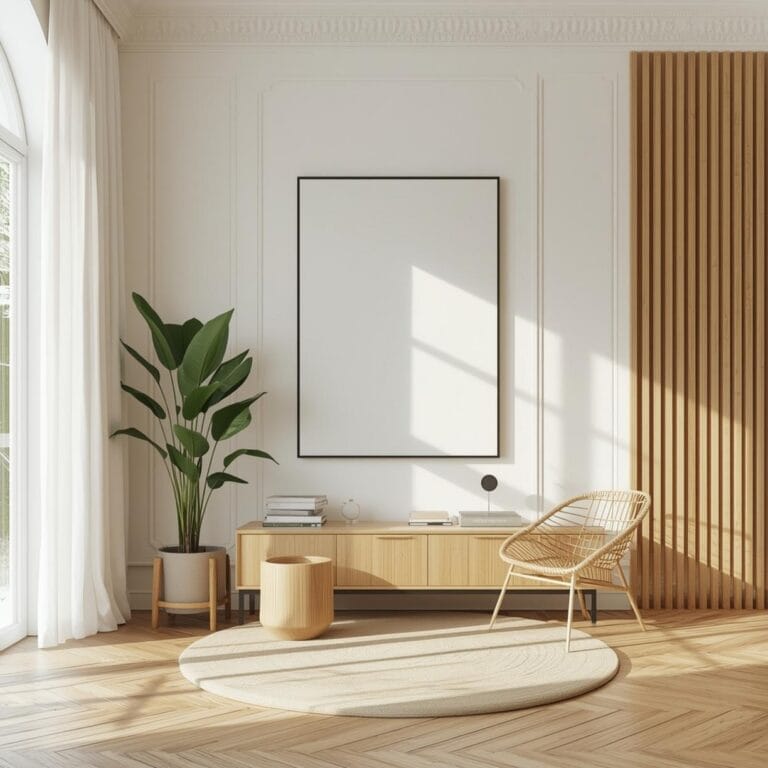
7 Acoustic Panel Accent Wall Ideas That Look as Good as They Sound
You walk into a room and something feels flat. The furniture is great, the lighting works, but the walls just sit there doing nothing. That’s where an accent wall changes everything.
Panel accent wall ideas have become one of the easiest ways to add depth, texture, and personality to any room without a full renovation. Whether you’re drawn to the classic warmth of wood panels or the sleek lines of modern molding, the right paneling turns a plain wall into the focal point your space has been missing.
The best part? You don’t need to be a contractor to make it happen. With the right approach and a free weekend, your walls can go from forgettable to unforgettable.
Table of Contents
What You’ll Need to Get the Look
The materials for your panel accent wall depend entirely on the style you’re after. Here’s what most homeowners work with:
Wood-Based Options:
– Shiplap boards (real wood or MDF)
– Tongue-and-groove planks
– Reclaimed barn wood
– Cedar or pine boards
Modern Panel Materials:
– Picture frame molding
– Board and batten trim
– Decorative 3D wall panels
– Paintable MDF panels
– Plywood cut into geometric shapes
Essential Installation Supplies:
– Measuring tape and level
– Construction adhesive
– Finishing nails or brad nailer
– Wood filler
– Primer and paint
– Sandpaper (120 and 220 grit)
– Caulk and caulking gun
You’ll also want painter’s tape, drop cloths, and a pencil for marking. Most of these items live at your local hardware store, and you probably already own half of them.
Finding Your Style and Season
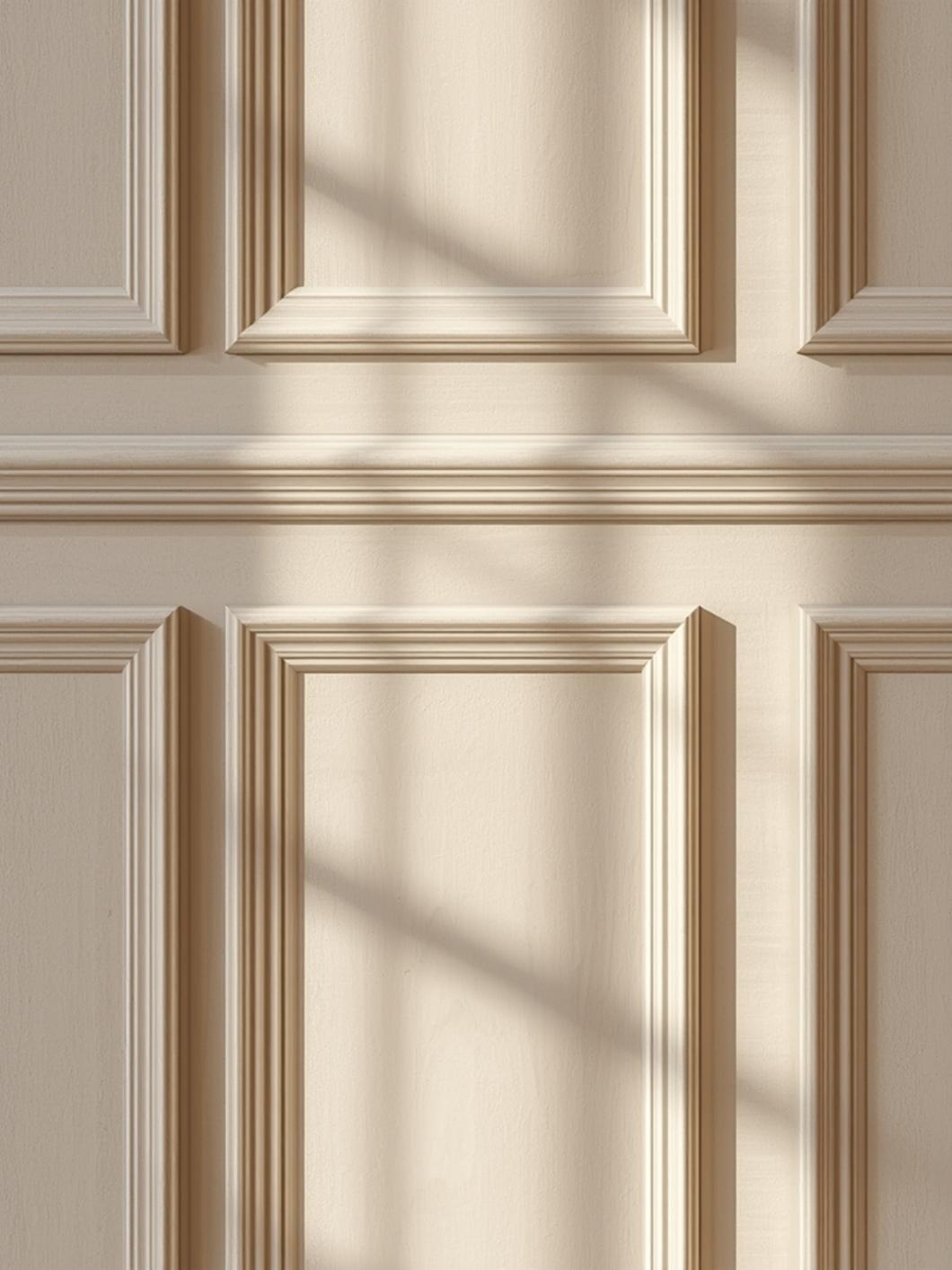
The beauty of panel accent walls is how adaptable they are to your personal style and the season you’re decorating for.
Cozy Fall and Winter Vibes:
Natural wood tones bring warmth during colder months. Horizontal shiplap in honey oak or walnut creates that cabin feeling without leaving the suburbs. Pair it with textured throws and warm lighting for maximum comfort.
Fresh Spring and Summer Energy:
White or light gray painted panels keep things bright and airy. Vertical board and batten gives height to rooms, making summer spaces feel open and breathable. Add plants and light linens to complete the look.
Year-Round Versatility:
Dark painted panels (navy, forest green, charcoal) work beautifully in any season. They ground a space and make artwork pop. Change your decor seasonally while the wall anchors everything together.
Most homeowners tackle this project during spring or fall when you can open windows while paint dries. Budget about $150–$600 depending on materials and room size.
7 Ideas to Try in Your Home
1. Classic Horizontal Shiplap
This is the style that started it all. Horizontal boards with small gaps between them create clean lines and work in literally any room. Paint them white for farmhouse charm or go bold with a deep color for drama. If you’re wondering how to install shiplap accent wall panels, the process is surprisingly straightforward—start at the bottom, use a level religiously, and work your way up row by row.
2. Vertical Board and Batten
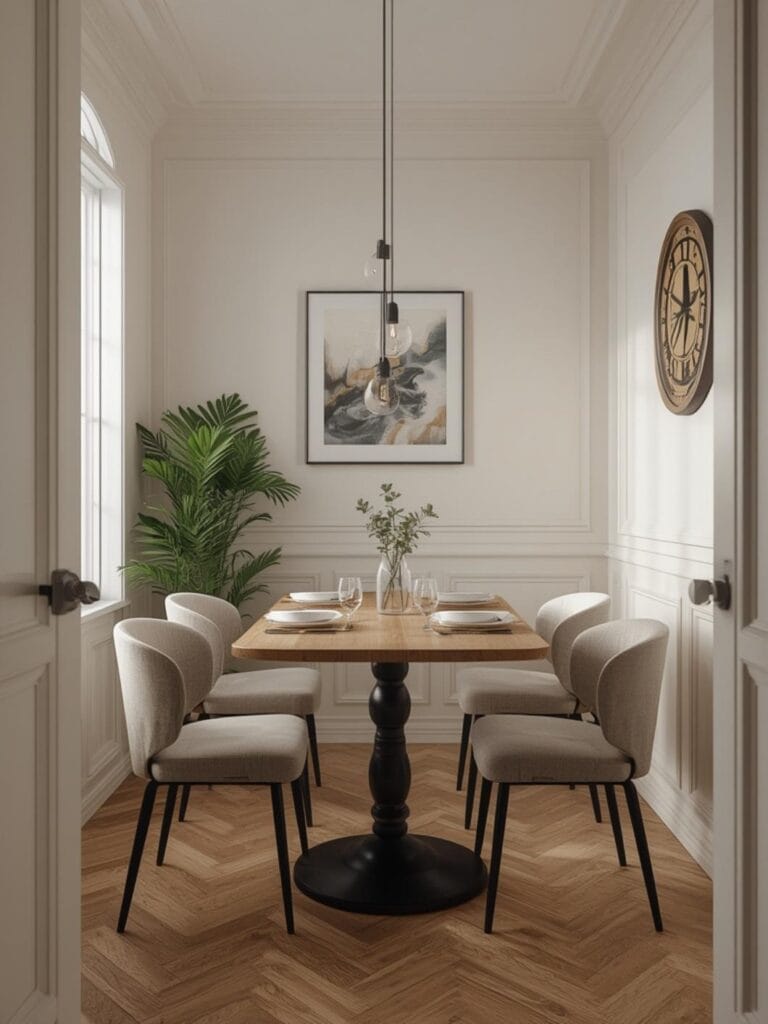
Vertical panels with trim pieces covering the seams add instant elegance. This works beautifully in dining rooms and entryways where you want a more formal feel. Space the battens evenly (typically 16–24 inches apart) and paint everything one color for a cohesive look.
3. Geometric Panel Designs
Create visual interest with squares, rectangles, or hexagonal patterns using simple trim pieces. Map out your design with painter’s tape first to visualize the spacing. This modern approach works perfectly behind a bed or sofa.
4. Reclaimed Wood Feature Wall
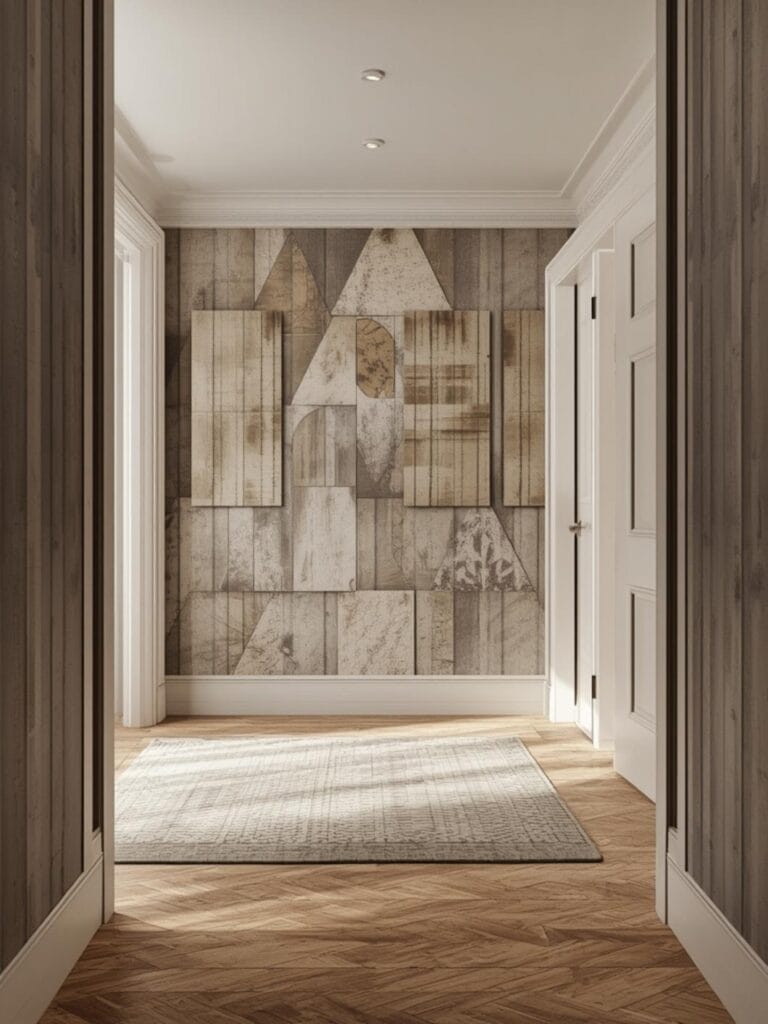
Mix different widths and tones of weathered wood for an organic, collected-over-time appearance. The variation in color and texture means each wall is one-of-a-kind. Seal it properly to prevent splinters and preserve that rustic character.
5. Half-Wall Wainscoting
Panel the bottom third or half of your wall, then paint the top section a complementary color. This works wonders in hallways, bathrooms, and kids’ rooms where you want durable, washable surfaces at hand level.
6. Herringbone or Chevron Patterns
Angle your panels for a dynamic look that draws the eye. This takes more planning and precise cuts, but the impact is worth it. Keep the rest of the room’s decor simple so the wall remains the star.
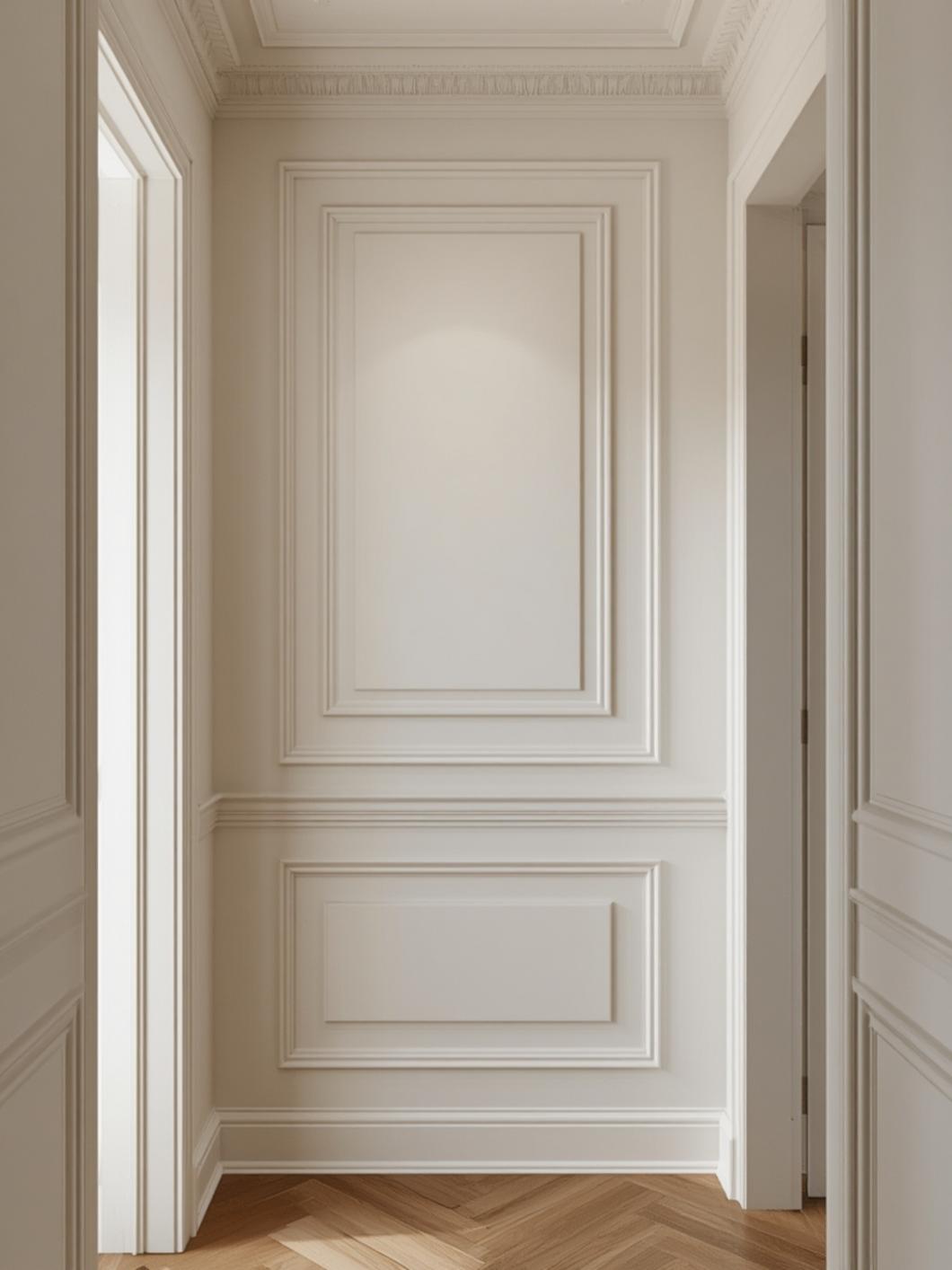
7. Picture Frame Molding Grid
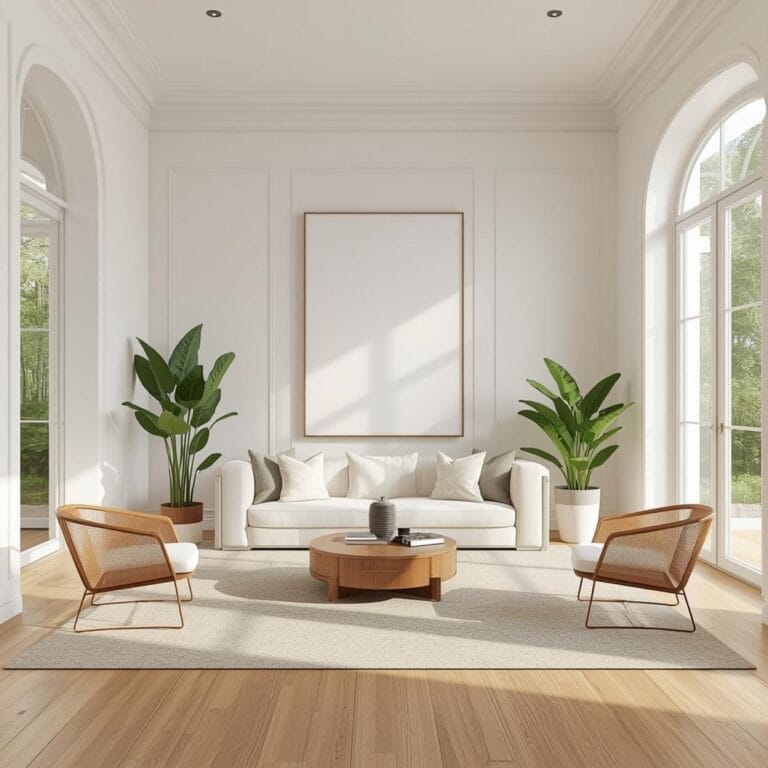
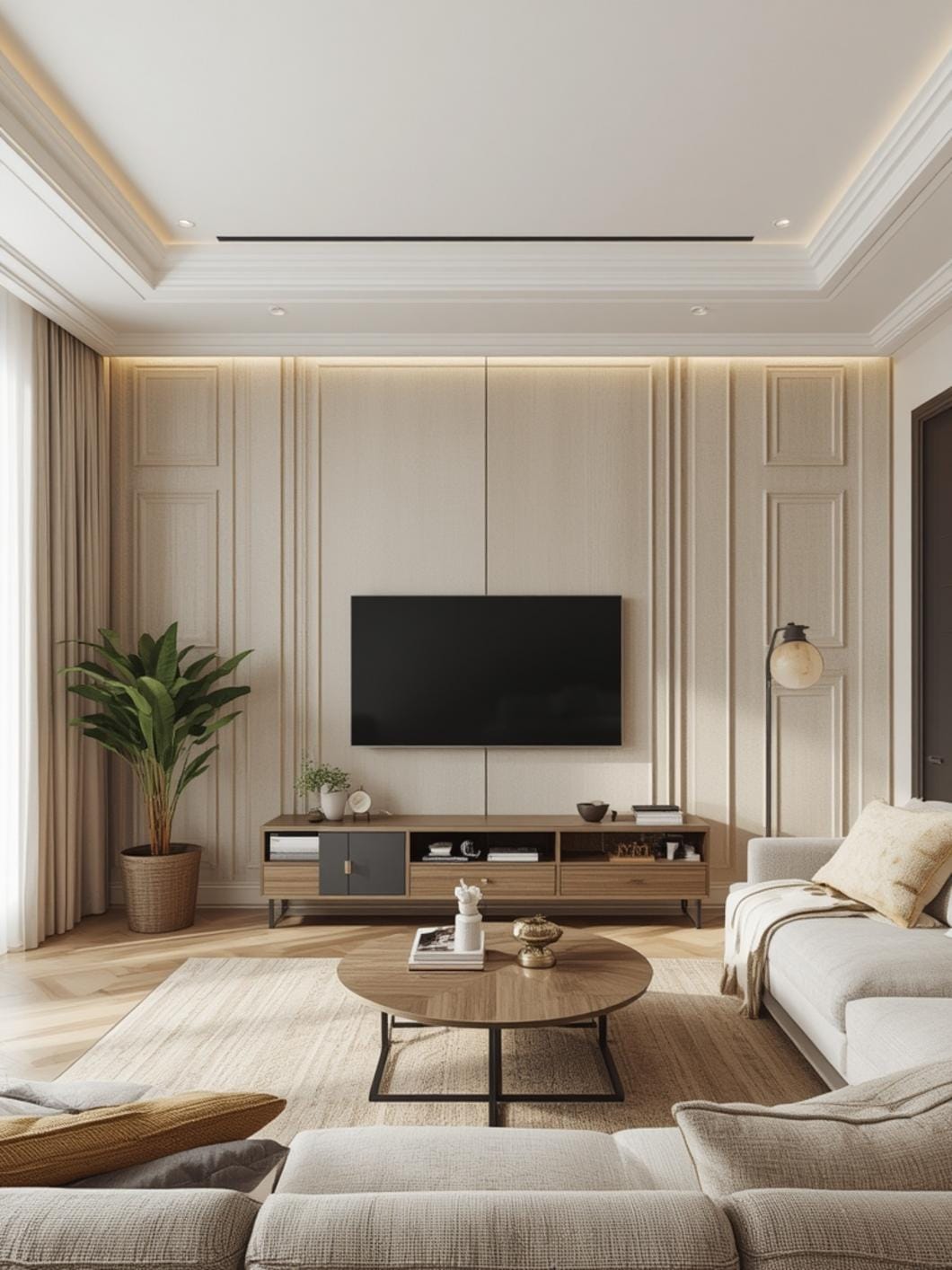
Use flat trim to create raised rectangles across your wall. Paint everything one color for sophistication or contrast the frames with the wall behind them. This traditional approach brings architectural detail to new construction homes that lack character.
Benefits of Adding Panel Accent Walls
The practical advantages go beyond just looking great in photos.
Hides Wall Imperfections
Older homes with cracked plaster or uneven drywall get a fresh start. The panels cover sins you’d otherwise need to repair, saving time and money on wall prep.
Increases Perceived Home Value
Buyers notice upgraded details. Panel accent walls signal that a home has been thoughtfully maintained and updated. They photograph beautifully for listings too.
Defines Spaces Without Walls
In open-concept homes, an accent wall creates visual separation between living zones. The paneled area behind your dining table establishes that as its own distinct space.
Improves Acoustics Subtly
Wood and thick panels absorb some sound, reducing echo in rooms with hard flooring. It won’t replace acoustic panels, but it helps.
Easy to Change Later
Unlike wallpaper that fights you during removal, panels can be painted over or removed relatively easily if your style evolves. You’re not locked into one look forever.
Tips, Alternatives, and Styling Advice
Budget-Friendly Approach ($150–$300):
Use thin plywood strips painted white to mimic shiplap. MDF trim pieces cost pennies per foot and paint beautifully. Shop the clearance lumber section for wood with character at bargain prices.
Mid-Range Option ($300–$600):
Invest in pre-primed pine boards or quality MDF shiplap panels. These cut cleanly, install smoothly, and paint like a dream. Add a custom color from a designer paint line for a pulled-together finish.
Premium Upgrade ($600+):
Reclaimed wood, cedar, or custom-milled panels make a statement. Hire a finish carpenter for perfect installation if you want museum-quality results. Add integrated lighting behind the panels for extra drama.
Small Space Adaptation:
In tiny rooms, run panels horizontally to make walls appear wider, or vertically to add height. Use lighter colors to prevent the space from feeling closed in. Panel just one wall—doing all four overwhelms small rooms.
Common Mistakes to Avoid
Skipping the Level
Eyeballing panel placement leads to crooked lines you’ll notice forever. Use a 4-foot level on every single board and check as you go.
Forgetting About Outlets and Switches
You’ll need to remove cover plates and possibly use outlet extenders if your panels add thickness. Measure twice, cut once, and test-fit around electrical boxes before securing anything permanently.
Using the Wrong Adhesive
Regular craft glue won’t hold. Construction adhesive specifically designed for wood is essential, especially on textured walls. Nails alone aren’t enough—the adhesive does most of the work.
Not Acclimating Wood
Bring wood materials into the room 48 hours before installation. Wood expands and contracts with humidity, and acclimating prevents gaps or buckling later.
Painting After Installation Only
Prime and paint your panels before attaching them when possible. You’ll get better coverage and won’t need to tape off the adjacent wall. Touch up nail holes and seams after installation.
Maintenance and Upkeep Tips
Panel accent walls need less maintenance than you’d think.
Regular Dusting:
Use a microfiber cloth or duster monthly to prevent buildup in grooves and gaps. A handheld vacuum with a brush attachment works great too.
Spot Cleaning:
Wipe marks with a slightly damp cloth and mild soap. Avoid harsh cleaners that can damage paint or wood finish. Dry thoroughly to prevent water damage.
Annual Touch-Ups:
Keep leftover paint for quick touch-ups on scuffs and dings. A small artist’s brush makes this easy. Check caulk lines annually and re-caulk any gaps that appear as the house settles.
Wood Panel Care:
If you used unsealed wood, apply furniture polish or wood conditioner once or twice a year. This prevents drying and keeps the natural color rich.
Watch for Moisture:
In bathrooms or basements, check periodically for signs of moisture damage. Proper ventilation prevents most issues, but catching problems early saves your investment.
Make Your Walls Matter
Panel accent walls give you that custom, high-end look without the custom, high-end price tag. The transformation happens in a weekend, but the impact lasts for years.
Whether you go classic with shiplap, modern with geometric designs, or rustic with reclaimed wood, your walls finally become part of the conversation. They set the mood, define your style, and make every room feel more intentional.
Ready to give your walls the upgrade they deserve? Browse more inspiration and practical advice here at DecorKingdom to find your perfect look.
FAQs
What type of paneling is easiest for beginners to install?
Horizontal shiplap or simple board and batten are the most forgiving for first-timers. The repetitive pattern is straightforward, mistakes hide easily, and you don’t need complex cuts. Start with a small wall like a powder room to build confidence.
Can I install panel accent walls over textured walls?
Yes, but smoother surfaces work better. Heavy texture might prevent adhesive from bonding properly. You can skim coat textured walls first, or use slightly longer nails and extra adhesive to compensate. Test a small section first.
How do I choose which wall to panel?
Panel the wall you see first when entering the room, the wall behind your bed or sofa, or the shortest wall in a long narrow room. Avoid walls with lots of windows, doors, or outlets that complicate installation.
Do painted panels hold up with kids and pets?
Absolutely. Use semi-gloss or satin paint which wipes clean easily. The durability actually surpasses regular drywall. Scuffs and dings are easily touched up, and the texture hides minor wear better than flat walls.
Should all my panels be the same width?
For shiplap and board and batten, consistent width creates clean lines. For reclaimed wood looks, mixing widths adds character. Decide based on your style—formal spaces benefit from uniformity while casual rooms can handle variety.
—
Meta Title: Panel Accent Wall Ideas That Transform Any Room (2026)
Meta Description: Discover stunning panel accent wall ideas for every style. From shiplap to geometric designs, create custom looks this weekend.