How to Choose the Perfect Accent Wall Behind Your Wood Stove
Your wood stove radiates warmth and charm, but does the wall behind it do it justice? Many homeowners struggle to create a backdrop that feels both fire-safe and beautifully intentional, leaving the focal point of the room looking unfinished or bland.
Accent wall behind wood stove ideas can completely transform how your living space feels. The right materials, colors, and textures turn a functional heating appliance into a stunning design feature that anchors your entire room. Whether you love rustic farmhouse vibes or sleek modern aesthetics, the wall behind your wood stove deserves thoughtful attention.
This guide walks you through style inspiration that works in real homes, helping you choose surfaces and colors that elevate your space while meeting safety requirements. You’ll discover looks that suit every budget and decorating personality.
Table of Contents
What You’ll Need to Get the Look
Creating a standout accent wall behind your wood stove involves choosing the right non-combustible materials and decorative finishes. Here’s what most homeowners consider:
Heat-resistant wall materials:
– Natural stone tiles (slate, granite, soapstone)
– Brick veneer or exposed brick
– Ceramic or porcelain tile
– Metal panels (copper, stainless steel, corrugated steel)
– Fiber cement board as a base
Decorative finishes:
– High-heat paint in matte or satin finish
– Textured plaster or stucco over approved backing
– Wood-look ceramic tiles for rustic appeal without fire risk
– Mixed-material combinations (stone bottom, painted top)
Styling elements:
– Floating wood mantel or beam (installed at code-compliant distance)
– Wall-mounted accessories on cooler sections
– Baskets or firewood storage that complements your wall finish
– Artwork or mirrors positioned safely away from heat zones
Remember that clearance requirements vary based on your stove model. Always check your manufacturer’s guidelines before finalizing material choices and placement.
Finding Your Style and Season
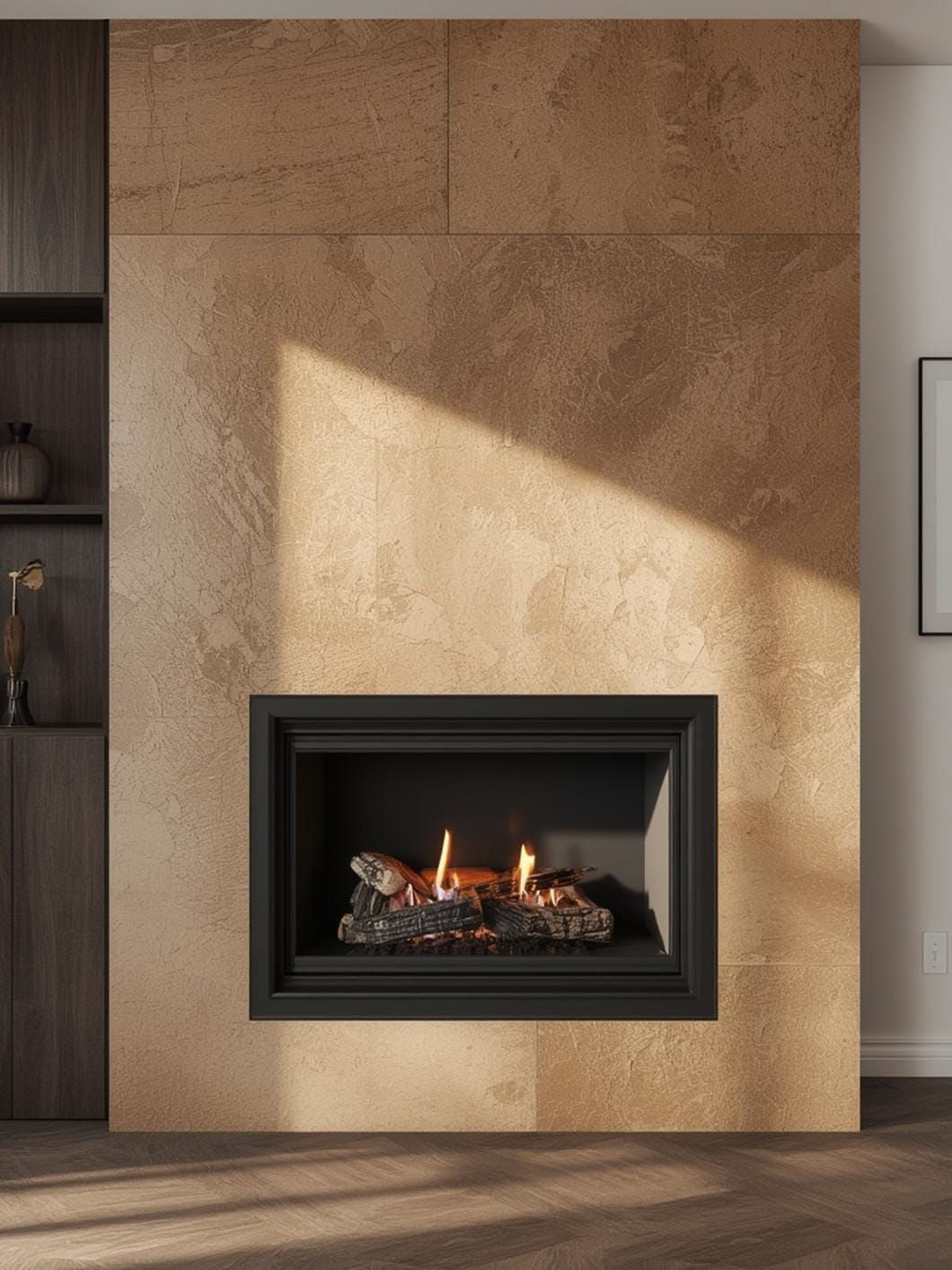
Choosing your accent wall style works best when you consider your home’s existing mood and how you use the space throughout the year.
Seasonal considerations matter more than you’d think. In cozy fall and winter months, darker stone or brick creates an intimate, cabin-like atmosphere that makes those evenings by the fire feel extra special. Come spring and summer when the stove sits dormant, lighter materials keep the space from feeling heavy or oppressive.
Your room’s natural light plays a huge role. North-facing rooms with limited daylight benefit from lighter stone or painted surfaces that reflect whatever light enters. South-facing spaces can handle dramatic dark brick or charcoal-painted walls without feeling like a cave.
Think about your entertaining style too. If your living room serves as party central during holidays, a statement wall with mixed textures or metallic accents becomes a conversation starter. For quiet family evenings, simpler materials in neutral tones create calming backdrops that don’t compete for attention.
The beauty of planning an accent wall is that you can preview different looks virtually or with sample boards before committing. Gather inspiration images, order tile samples, and observe how different colors feel in your specific lighting throughout the day.
7 Ideas to Try in Your Home
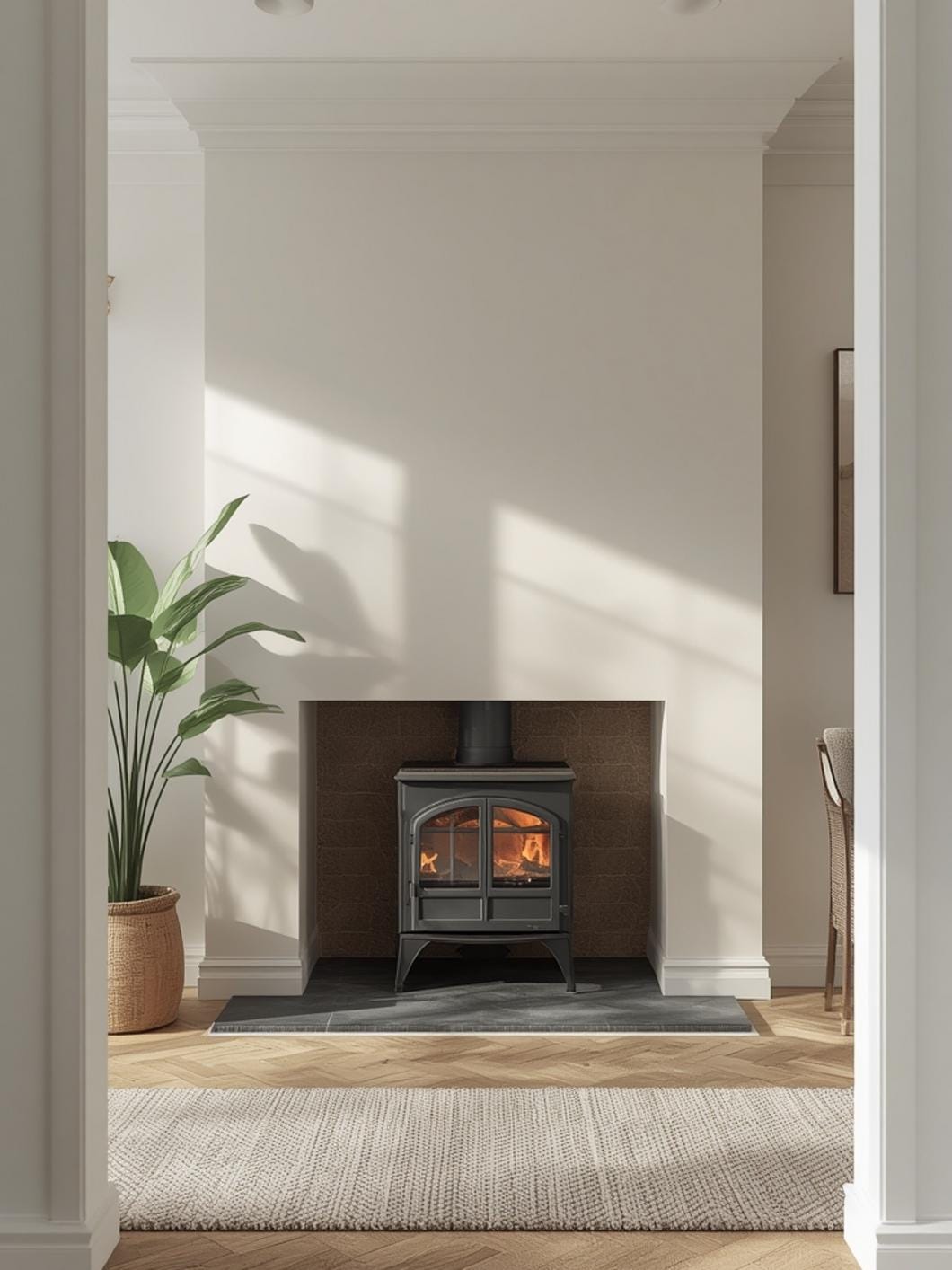
These design approaches work in real homes and adapt to different budgets and skill levels. Each creates visual impact while keeping safety front and center.
Floor-to-ceiling natural stacked stone creates instant drama and texture. Gray, tan, or charcoal ledgestone brings an organic element that pairs beautifully with wood stove hardware. The varied depths and shadows add dimension that flat walls simply can’t match. This look works especially well in great rooms with high ceilings where the stone can really shine.
Painted brick in soft white or warm greige gives you farmhouse charm without the rustic darkness. If you have existing brick, painting it transforms the entire feel while maintaining that timeless texture. This approach makes smaller rooms feel airier and more modern while keeping character intact.
Herringbone-pattern ceramic tile in subway or plank format adds sophisticated movement to your accent wall. Choose matte black for moody drama, creamy white for bright Scandinavian vibes, or terracotta for Mediterranean warmth. The diagonal pattern draws the eye upward, making standard-height ceilings feel taller.
Horizontal shiplap-look tile gives you the beloved farmhouse wood aesthetic without any fire risk. Wood-look porcelain planks installed horizontally create that shiplap visual everyone loves, but they’re completely heat-safe. How to make a small living room with a wood stove feel larger with wall color often comes down to choosing light shiplap-style tiles that reflect light and create horizontal lines that widen your space visually.
Dark slate tile with a matte finish offers understated elegance perfect for modern or transitional homes. The near-black surface makes your stove’s flames look even more vibrant by contrast, and the natural variation in slate keeps the wall from feeling flat or boring.
Mixed materials with stone base and painted upper section lets you get creative with proportions. Install stone or tile from floor to about 4-5 feet high, then transition to painted drywall above. This approach saves money while still giving you that luxe look where it matters most—around the stove itself.
Corrugated metal panels in bronze or pewter bring industrial edge to contemporary spaces. The reflective quality brightens the room, and the subtle texture catches light beautifully. This works particularly well in open-concept homes with modern kitchens where metal accents already appear.
Each of these ideas can be customized with your choice of grout color, tile size, or paint shade. The goal is creating a backdrop that makes your wood stove look like it always belonged there.
Benefits That Go Beyond Good Looks
An intentional accent wall behind your wood stove does so much more than simply look pretty in photos.
You create a true focal point that anchors your furniture arrangement. Instead of wondering where to position your sofa or how to arrange your seating, the accent wall naturally draws everything toward it. Your room gains instant purpose and flow.
Heat-resistant materials protect your home while adding value. These aren’t just decorative choices—they’re functional investments that future buyers will appreciate. A well-executed accent wall shows you’ve maintained your home thoughtfully.
Your daily living experience improves when your favorite spot looks beautiful. Every time you curl up with a book or gather with family around the fire, you’ll feel that quiet satisfaction that comes from a space that truly works. Good design affects your mood more than you realize.
The right accent wall also makes decorating the rest of your room easier. Once you establish that strong backdrop, choosing paint colors, furniture finishes, and accessories becomes more straightforward because you have a clear starting point.
Budget-Friendly to Luxury Options
You can create a stunning accent wall at almost any price point by choosing materials strategically.
Budget-friendly approach: Paint over existing drywall with high-heat resistant paint in a bold color, then add a few rows of affordable ceramic subway tile directly behind the stove. This gives you heat protection where it’s critical and visual interest without a full wall treatment. Expect to spend $150-400 for a dramatic improvement.
Mid-range option: Cover the entire wall in standard ceramic or porcelain tile in your chosen pattern and color. This provides complete protection and professional-looking results. DIY-savvy homeowners can tackle this over a weekend, or hire a tiler for quality installation. Budget $600-1,500 depending on tile choice and wall size.
Premium investment: Install natural stone like stacked ledgestone or large-format slate tiles professionally, adding custom details like a reclaimed wood beam mantel. This creates a showstopping feature that becomes your home’s signature element. Expect $2,000-4,500 for materials and skilled installation.
Small space adaptation: In compact living rooms, extend your accent wall only 2-3 feet beyond the stove on each side rather than wall-to-wall. This creates focus without overwhelming the space. Pair with light grout and pale colors to maintain openness.
Remember that even premium materials often cost less than you’d think when you’re covering just one wall. Shop remnant stone pieces or overstock tiles for significant savings on high-end looks.
Common Mistakes to Avoid
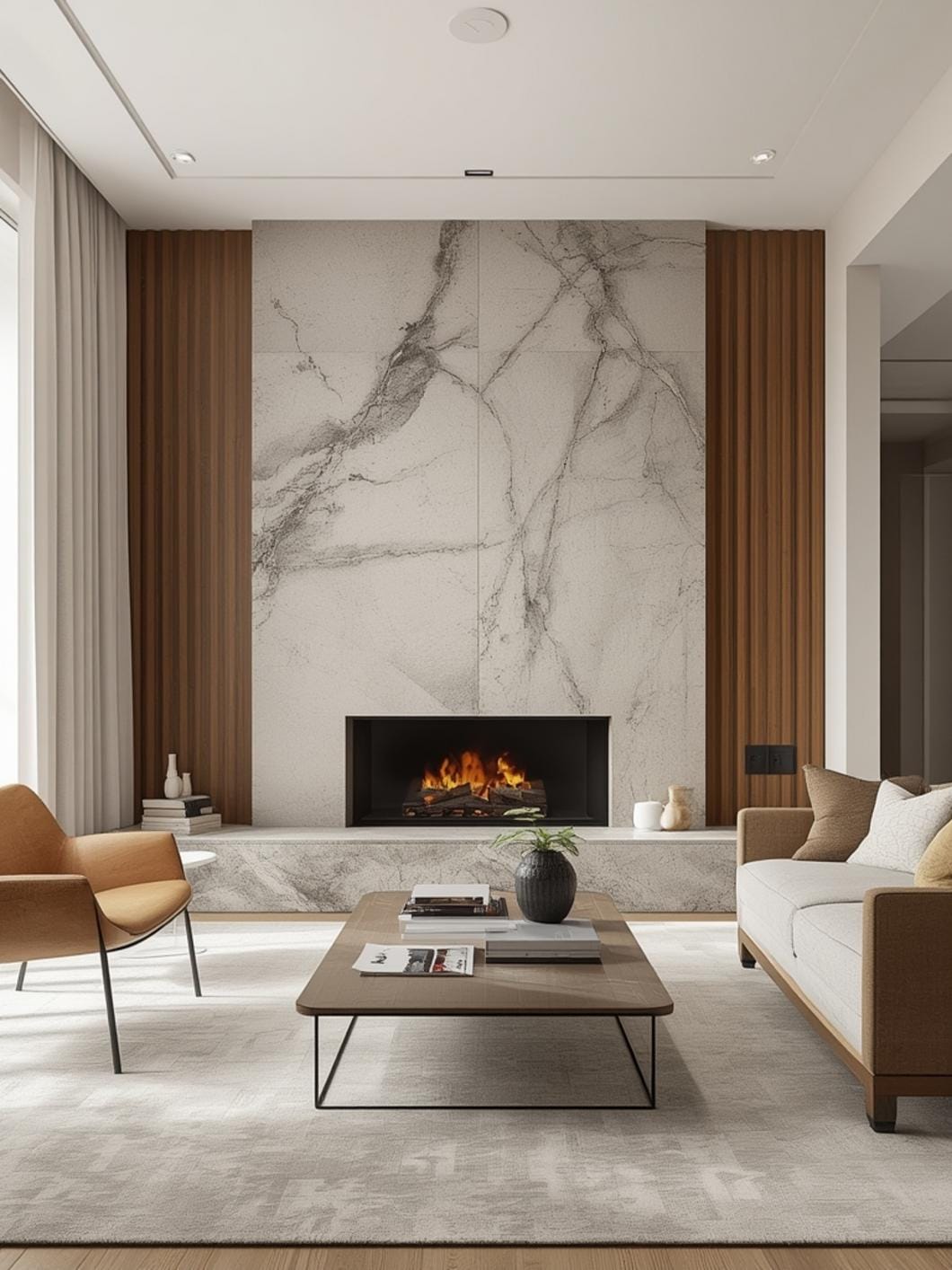
Choosing combustible materials too close to your stove creates serious fire hazards. Always verify that your selected materials meet local building codes and manufacturer clearance requirements before purchasing anything.
Forgetting about the ceiling creates an unfinished look that stops your eye abruptly. Extend your accent wall fully to the ceiling, or create an intentional transition point with molding or a color change that feels deliberate.
Selecting tiny tiles for a large wall makes installation tedious and can look busy. Larger-format tiles (12×24 inches or bigger) create a more sophisticated look and install faster, giving you better results with less grout to maintain.
Ignoring your room’s existing undertones leads to clashing colors that never quite work. If your floors and furniture lean warm, choose accent wall materials with similar warm undertones. Cool-toned rooms need cool stone or paint colors.
Installing materials yourself without proper backing or adhesive causes safety issues and early failure. Heat-resistant installations require specific substrates and adhesives—cutting corners here means redoing the entire project when tiles start falling.
Keeping Your Accent Wall Beautiful
Maintaining your wood stove accent wall takes minimal effort when you follow these simple practices.
Dust or vacuum stone and brick surfaces monthly using a soft brush attachment. The textured surfaces trap dust and cobwebs more than flat walls, but regular attention keeps them looking fresh.
Wipe tile walls with a damp microfiber cloth weekly during heating season to remove any ash residue or soot that might accumulate. For tougher buildup, use a pH-neutral cleaner designed for your specific tile material.
Inspect grout lines once a year and touch up any cracks or gaps immediately. This prevents moisture infiltration and maintains the protective barrier your wall provides. Grout pens make small touchups incredibly easy.
Check painted surfaces each spring for any discoloration or heat damage. While high-heat paint should hold up beautifully, catching any issues early means a quick touchup rather than a full repaint.
Metal panels need the least maintenance—just occasional dusting and a gentle wipe with appropriate metal cleaner to maintain their finish and prevent oxidation.
Make Your Wood Stove the Star It Deserves to Be
Your wood stove already provides comfort and warmth throughout the cold months. Giving it a thoughtfully designed accent wall backdrop elevates it from functional appliance to true design feature that defines your space.
Whether you choose the rustic charm of stacked stone, the clean lines of herringbone tile, or the modern edge of painted brick, you’re creating a focal point that makes your house feel more like home. The right materials and colors work together to showcase your stove while expressing your personal style.
Ready to explore more ways to make your living spaces beautiful and functional? DecorKingdom offers hundreds of design ideas and practical tips for every room in your home.
FAQs
Can I use real wood shiplap behind my wood stove?
Real wood is combustible and shouldn’t be installed within clearance zones specified by your stove manufacturer, typically 36 inches or more. Instead, use wood-look ceramic or porcelain plank tiles that give you the shiplap aesthetic without any fire risk. These tiles are indistinguishable from real wood at a glance but remain completely safe.
What’s the best wall color to make a small room with a wood stove look bigger?
Light, cool-toned colors like soft gray, pale blue-gray, or creamy white reflect more light and visually push walls outward, making compact spaces feel more open. Pair light wall colors with horizontal tile patterns or shiplap-look materials to create width. Avoid dark colors directly behind the stove in small rooms as they can make the space feel closed-in.
Do I need a professional to install a stone accent wall behind my wood stove?
While experienced DIYers can tackle this project, professional installation ensures proper heat-resistant backing, correct adhesive application, and code compliance. Stone is heavy and requires secure mounting, especially for stacked ledgestone that extends floor-to-ceiling. If you’re unsure about any aspect of the installation, hiring a qualified tile setter provides peace of mind.
How far should my accent wall extend beyond the wood stove?
Your accent wall should extend at least 12-18 inches beyond each side of your stove to create visual balance and proper framing. In larger rooms, extending the accent wall fully from corner to corner creates the most dramatic impact. For smaller spaces, stopping the accent wall 2-3 feet beyond the stove on each side prevents overwhelming the room.
Can I add a wood mantel above my wood stove on the accent wall?
Yes, but only if installed at the minimum clearance distance specified by your stove manufacturer, usually 18-24 inches or more above the stove top. Many homeowners add a floating beam or mantel shelf on the cooler upper portion of their accent wall for visual interest and seasonal decorating. Never place combustible materials within restricted clearance zones.
—
Meta Title: Accent Wall Behind Wood Stove Ideas That Wow (2026)
Meta Description: Transform your wood stove into a stunning focal point with accent wall wall behind wood stove ideas that blend safety and style beautifully.