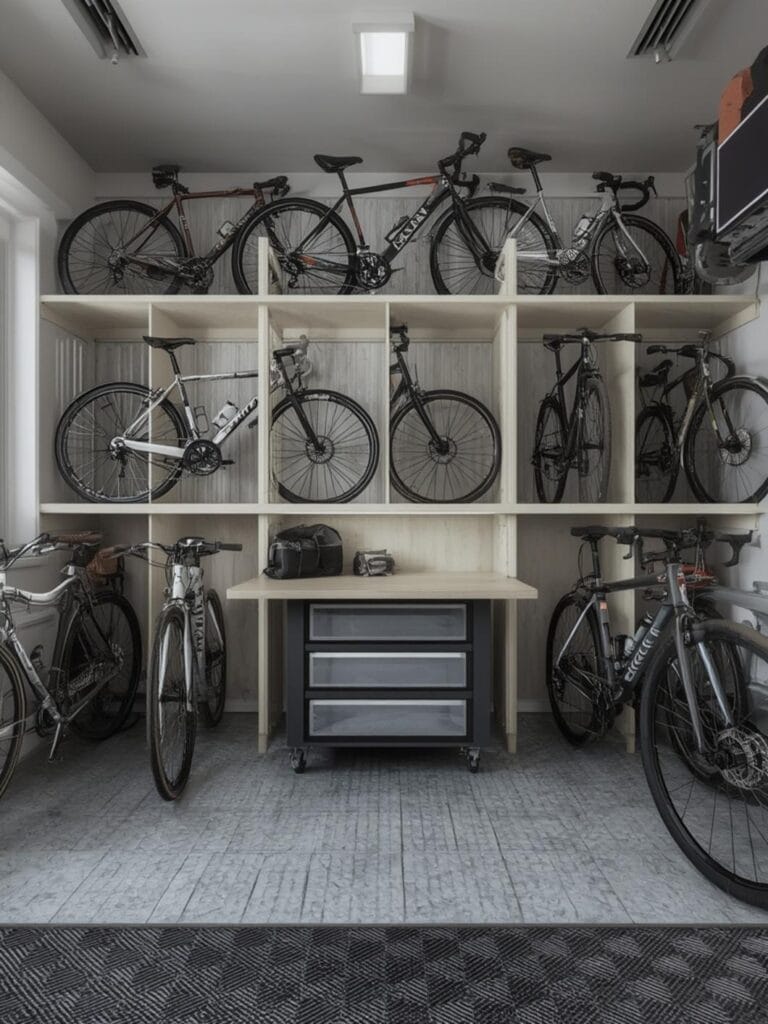
How to Organize Garage Clutter in 5 Simple Steps
Your garage should be more than a dumping ground for everything that doesn’t fit inside your house. You deserve a space where you can actually park your car, find your tools when you need them, and maybe even enjoy a weekend project without tripping over last year’s holiday decorations.
If you’re ready to reclaim that square footage and make your garage work for you, you’re in the right place. Learning how to organize garage clutter doesn’t require a complete overhaul or a massive budget—just a thoughtful approach and some simple systems that actually work.
The best part? Once you get organized, maintaining that order becomes surprisingly easy. You’ll wonder why you lived with the chaos for so long.
Table of Contents
Materials & Decor Elements
Before you start moving things around, gather these essential items to create a functional garage organization system:
Storage containers and bins:
– Clear plastic bins with lids for seasonal items and holiday decorations
– Stackable heavy-duty containers for tools and hardware
– Label maker or permanent markers for identification
– Open baskets for frequently accessed items
Wall-mounted solutions:
– Pegboard panels and hooks for tool storage
– Heavy-duty shelving units (metal or industrial-grade plastic)
– Bike hooks or wall-mounted racks
– Magnetic strips for small metal tools
Floor and overhead storage:
– Freestanding metal shelving units
– Rolling storage carts for flexible organization
– Overhead ceiling racks for rarely used items
– Tool chests or workbenches if you have space
Organizing supplies:
– Broom and mop holders
– Sports equipment organizers
– Extension cord storage reels
– Small parts organizers with drawers
You don’t need to buy everything at once. Start with the basics and add specialized storage as you identify specific needs in your space.
Timing / Project Planning
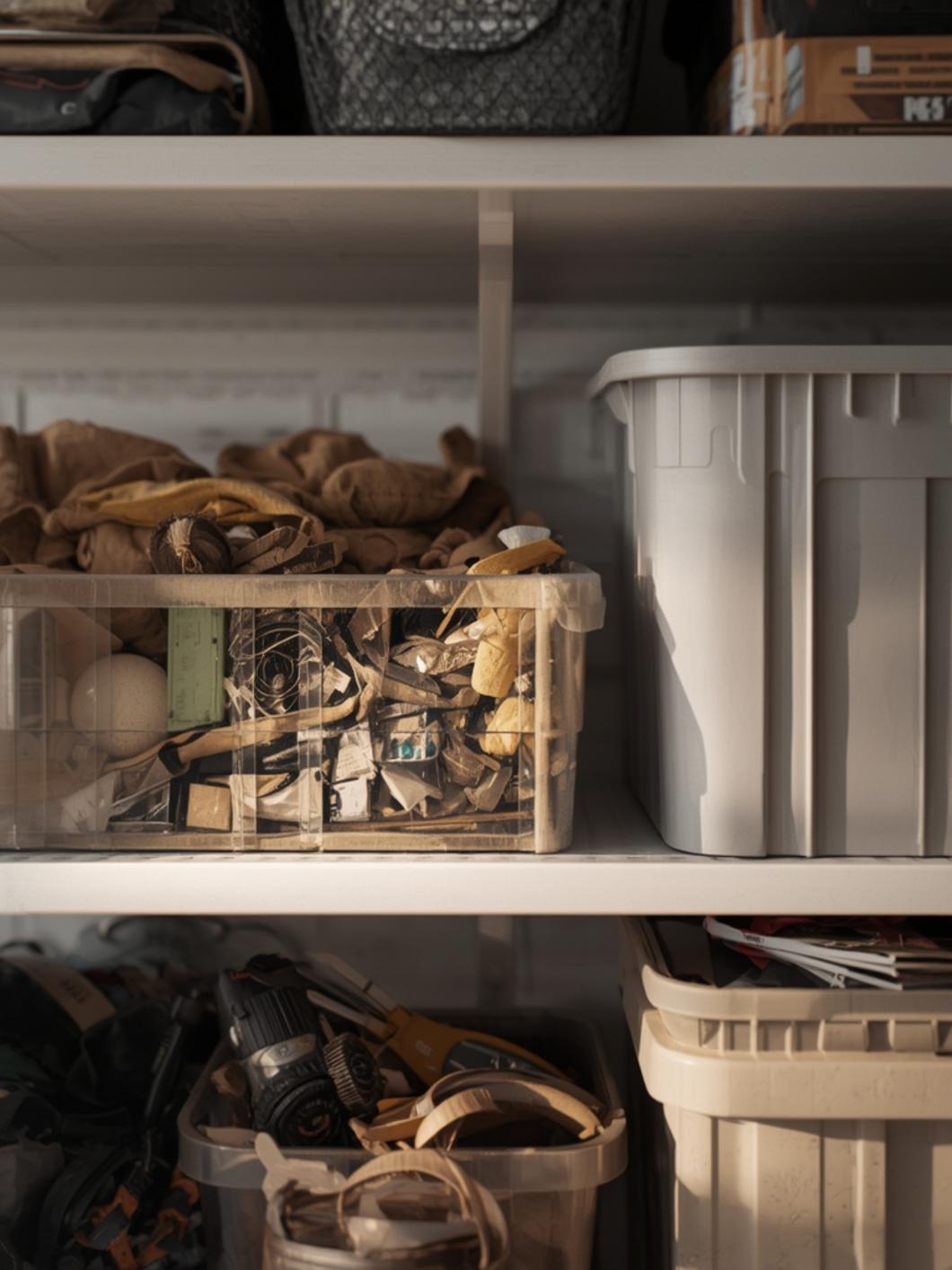
Set aside a full weekend for your initial garage organization project. Saturday can be your sorting and purging day, while Sunday focuses on implementing your new storage systems.
Spring and fall are ideal times for this project because the weather is comfortable enough to work with the garage door open. You’ll also want to check the forecast and choose a dry weekend—you’ll likely need to move items onto your driveway temporarily.
Budget planning:
– Basic organization (bins, labels, hooks): $150–300
– Mid-range with shelving units: $400–600
– Complete system with overhead storage: $800–1,200
Consider tackling this project in phases if budget is a concern. Start with wall storage and basic bins this month, then add overhead racks or a workbench system later.
Plan for this project to take 8–12 hours total, depending on how much clutter you’re dealing with and the size of your garage. Don’t rush it—thorough sorting now prevents re-cluttering later.
Step-by-Step Instructions
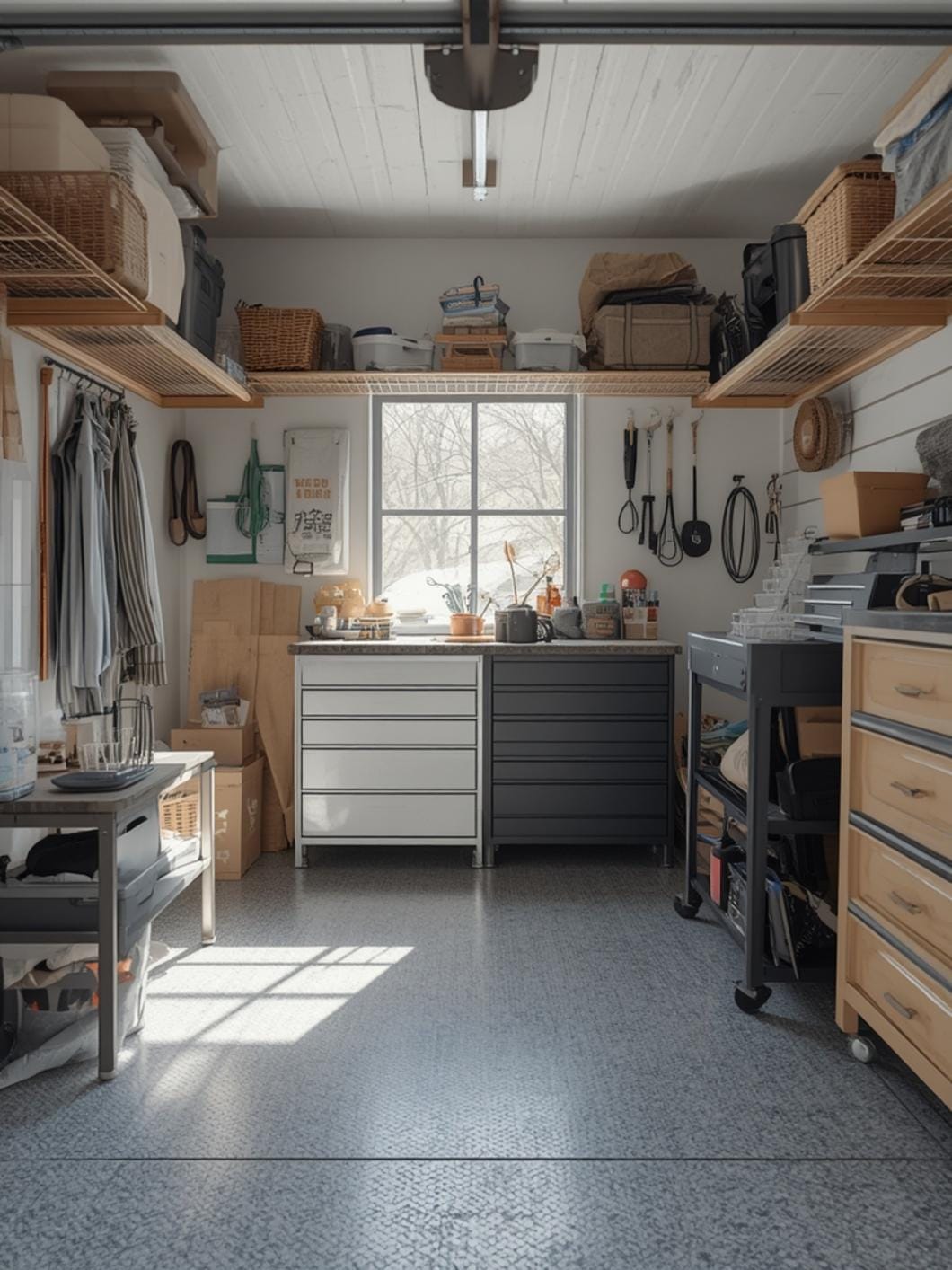
1. Empty everything out completely
Pull every single item out of your garage and onto your driveway or lawn. This seems extreme, but seeing the empty space helps you visualize your storage potential. It also forces you to handle each item individually, making purging decisions easier.
Group similar items together as you remove them—sports equipment in one area, tools in another, holiday decorations together. This initial sorting saves time in later steps.
2. Deep clean the empty space
Sweep away years of accumulated dust, dirt, and cobwebs. Wipe down existing shelving units if you’re keeping them. Check for any pest issues or moisture problems that need addressing before you bring items back inside.
This is also your chance to spot any maintenance issues like cracks in the floor or walls that need attention. A clean slate makes the organization process feel more rewarding.
3. Sort items into four categories
Create four distinct piles: Keep and use regularly, Keep but rarely use, Donate/sell, and Trash. Be honest about what you actually use—if you haven’t touched something in two years, you probably don’t need it taking up valuable garage space.
The “rarely use” category includes seasonal items and sentimental pieces you’re not ready to part with. These can go in harder-to-reach storage areas like overhead racks.
4. Measure and plan your zones
Before installing any garage storage systems for small spaces, measure your available wall space, ceiling height, and floor area. Sketch a simple layout dividing your garage into zones: tool area, sports equipment, seasonal storage, and automotive supplies.
Keep frequently used items at eye level and within easy reach. Reserve overhead and back wall storage for seasonal decorations and rarely needed items.
5. Install wall-mounted storage first
Start with pegboard and hooks on your most accessible wall space. This creates vertical storage that keeps your floor clear. Mount heavy-duty shelving units next, making sure they’re securely anchored to wall studs.
Magnetic strips work beautifully for organizing small metal tools, keeping them visible and accessible. Install these near your workbench or tool zone for maximum efficiency.
6. Set up floor and overhead systems
Place freestanding shelving units where you’ve planned them, ensuring they’re stable and level. If you’re adding overhead ceiling racks, follow the manufacturer’s instructions carefully and don’t overload them—these are perfect for lightweight seasonal items but not for your heaviest storage bins.
Rolling carts offer flexible storage that you can move around as needed. Position them near your work areas for convenience.
7. Organize items back into designated zones
Return items to your garage according to your zone plan, placing everything in its new designated spot. Use clear bins for items you need to identify quickly, and label everything—your future self will thank you.
Store seasonal items together by season, keeping current-season items more accessible. Group all sports equipment together, all automotive supplies together, and all tools in their designated area.
Benefits / Advantages
An organized garage transforms your daily routine in ways that extend far beyond just finding your tools faster. You’ll actually enjoy spending time in this space instead of dreading every trip to find something.
Your car finally fits inside where it belongs, protected from weather and potential break-ins. This alone can extend your vehicle’s life and reduce maintenance costs over time.
The mental clarity that comes with an organized space shouldn’t be underestimated. Walking into a tidy garage reduces stress and makes you feel more in control of your home environment.
You’ll save money by avoiding duplicate purchases because you couldn’t find something you already owned. Those misplaced tools and supplies hiding in the chaos represent real dollars that could have been saved.
An organized garage also adds real value to your home if you ever decide to sell. Buyers consistently rank garage storage as a highly desirable feature, and a well-organized space photographs beautifully in listings.
Finally, you gain usable square footage for hobbies and projects. Many homeowners discover they have room for a workbench, exercise equipment, or hobby space once the clutter is under control.
Tips, Alternatives, Styling Advice
Budget-friendly approach:
Start with basic wire shelving units and plastic bins from discount stores. Use simple pegboard from hardware stores and basic hooks. You can create an effective system for under $200 if you shop smart and prioritize essentials first.
Repurpose items you already own, like old bookcases for storage or coffee cans for organizing small hardware. DIY solutions often work just as well as expensive specialized systems.
Mid-range investment:
Invest in quality metal shelving units that will last decades and can hold substantial weight. Add specialty storage like bike hooks, sports equipment organizers, and a simple workbench. Budget around $500–700 for a comprehensive system that covers all your needs.
This level allows for better organization accessories like drawer units for small parts and more attractive storage containers that make the space feel finished.
Premium organization:
Consider custom garage storage systems with adjustable shelving, built-in workbenches, and coordinated cabinets. Slatwall systems offer incredible flexibility and can be reconfigured as your needs change. These premium solutions run $1,500 and up but create a truly custom space.
High-end systems often include powder-coated finishes that look sharp and resist rust in damp garage environments. They’re an excellent long-term investment if you plan to stay in your home.
Small space adaptation:
When working with a single-car garage or limited space, vertical storage becomes even more critical. Maximize every inch of wall space with floor-to-ceiling shelving units. Overhead storage racks utilize that often-wasted ceiling space for seasonal items.
Consider a fold-down workbench that mounts to the wall and folds away when not in use. Rolling storage carts can tuck into corners and pull out when needed, making the most of tight quarters.
Common Mistakes to Avoid
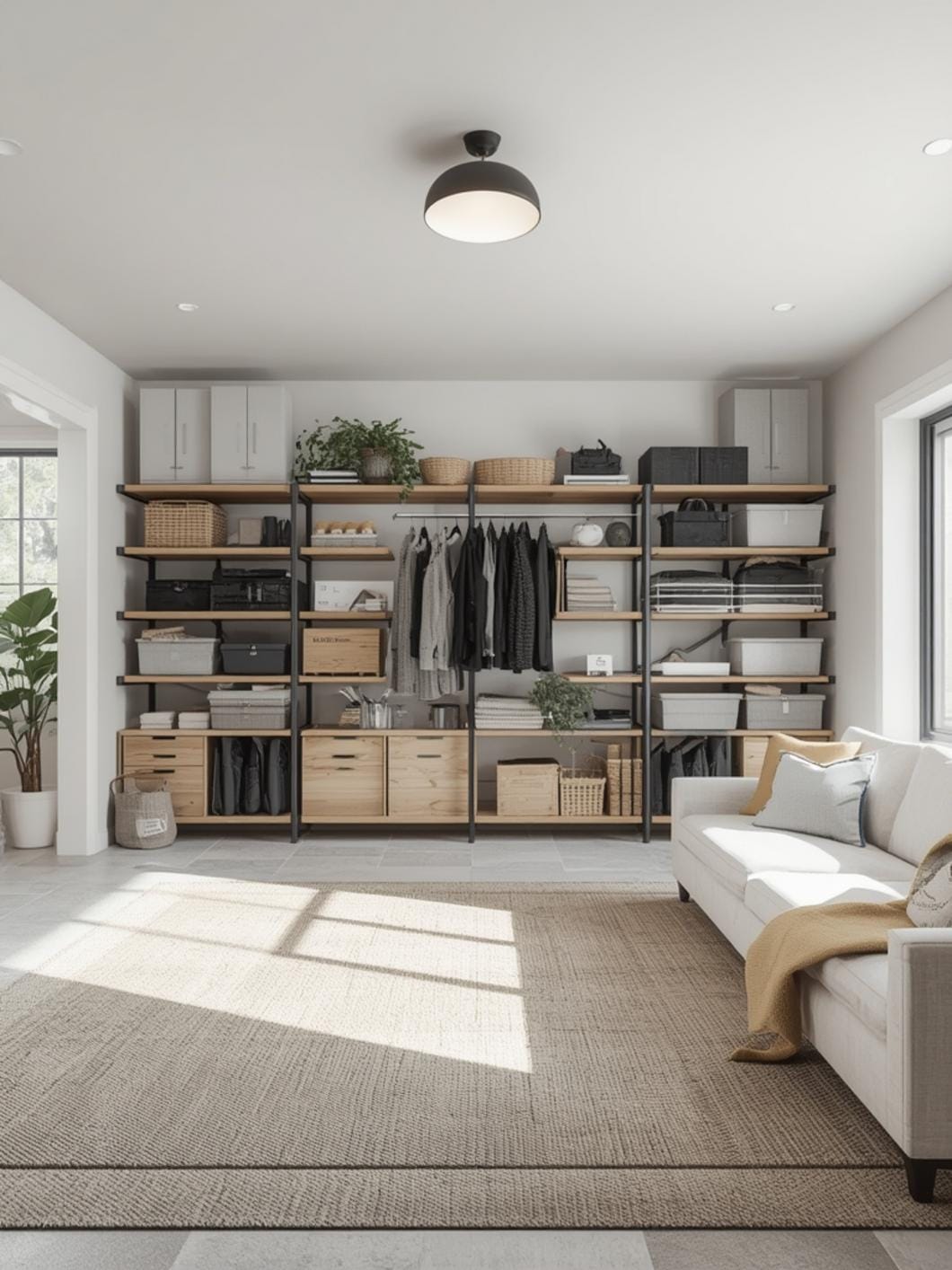
Buying storage solutions before sorting through items. You’ll waste money on containers and systems you don’t actually need. Always purge first, then shop based on what you’re actually keeping.
Creating storage zones that don’t match how you use your garage. If you bike regularly, don’t put your bike hooks behind the lawn mower. Place frequently used items in the most accessible locations and design your zones around your real routines.
Storing everything in opaque containers to hide the clutter. You’ll forget what’s inside and end up buying duplicates or never finding what you need. Use clear bins for better visibility, or label everything meticulously if you prefer solid containers.
Overloading shelves and overhead racks beyond their weight capacity. This creates serious safety hazards and can damage your storage systems. Always follow manufacturer weight limits and distribute heavy items across multiple shelves rather than concentrating them in one spot.
Failing to leave room for future additions and seasonal changes. Your storage needs will evolve over time. Leave some empty shelf space and extra hooks so you’re not back to square one when you acquire new items or your hobbies change.
Maintenance / Upkeep Tips
Schedule a quick 15-minute garage maintenance session every month to keep clutter from creeping back in. Put away any items that have migrated from their designated spots and do a fast sweep of the floor.
Do a seasonal deep-clean four times a year when you rotate seasonal items in and out of storage. This is the perfect time to reassess what you’re keeping and purge items you no longer use.
Make it a household rule that every item removed from the garage must be returned to its designated spot immediately after use. This simple habit prevents the gradual slide back into chaos.
Wipe down shelving units and storage containers occasionally to prevent dust buildup. Check wall-mounted systems periodically to ensure everything remains securely fastened—garage door vibrations can loosen hardware over time.
Keep a donation box in your garage permanently. When you come across something you no longer need, toss it in the box right away. When the box fills up, make a donation run.
Conclusion
Creating an organized garage is one of the most practical home improvements you can tackle as a homeowner. The process might feel overwhelming at first, but breaking it down into manageable steps makes it completely doable in a single weekend.
The key is committing to the initial purge and being honest about what you actually need to keep. Once you have proper storage systems in place and everything has a designated home, maintaining that organization becomes second nature.
Ready to tackle more home organization projects? Explore more practical tips and inspiration at DecorKingdom to make every space in your home more functional and beautiful.
FAQs
How long does it take to organize a garage from start to finish?
Plan for a full weekend—typically 8 to 12 hours total depending on the size of your garage and amount of clutter. Sorting and purging usually takes longer than the actual organizing, so don’t rush through the decision-making process. Breaking the project into one day for sorting and one day for implementing storage systems makes it feel more manageable.
What’s the best way to store paint cans in the garage?
Store paint cans on sturdy shelving units away from direct sunlight and extreme temperature fluctuations. Keep them tightly sealed and store them upside down to create an airtight seal that prevents the paint from drying out. Label each can with the room and date it was used, and dispose of any paint that’s more than two years old or has separated beyond mixing.
Should I organize my garage by category or by frequency of use?
Use a combination of both strategies for the most functional system. Group items by category (all tools together, all sports equipment together), but then place those categories based on how often you use them. Keep frequently accessed items at eye level and in easy-to-reach locations, while storing rarely used items on high shelves or overhead racks.
How can I keep my garage organized when I have kids with lots of sports equipment?
Create a dedicated sports zone with individual storage bins or cubbies for each child. Use open baskets or mesh bags for balls so they’re easy to grab and return. Install low hooks or racks that kids can reach themselves to encourage them to put equipment away. Make the system so simple that putting things away takes less effort than leaving them on the floor.
What items should never be stored in an unheated garage?
Never store paint, batteries, or canned goods in an unheated garage where temperatures drop below freezing or rise above 90°F. Propane tanks and gasoline should only be stored in garages with proper ventilation and away from any heat sources. Electronics, photographs, and important documents can be damaged by temperature extremes and humidity, so keep these items inside your climate-controlled home instead.
—
Meta Title: How to Organize Garage Clutter Fast in 2026 (Weekend Guide)
Meta Description: Learn how to organize garage clutter this weekend with smart storage zones, simple systems, and no contractor help needed. Reclaim your space today!