
Smart Garage Organization That Actually Works for Real Families
Your garage probably started with good intentions. Maybe you had a few labeled bins and a clear floor when you first moved in. But somewhere between the seasonal decorations, sports equipment, and that treadmill you swear you’ll use again, it turned into a space you avoid opening.
You’re not alone. Most garages become the catch-all for everything that doesn’t have a home inside. The good news? Garage organization doesn’t require a complete overhaul or a professional organizer. With the right approach and some practical systems, you can reclaim that space and actually enjoy using it.
Your garage can become a functional extension of your home where everything has its place and you can find what you need in seconds. Whether you’re storing tools, holiday decorations, or outdoor gear, there’s a simple system that works for your specific needs.
Table of Contents
Materials & Decor Elements
Getting your garage organized starts with having the right storage pieces. You don’t need everything at once, but these essentials will make a real difference:
– Heavy-duty shelving units (metal or resin for durability)
– Clear storage bins with lids (various sizes for different items)
– Pegboard panels or slatwall systems
– Hooks in multiple sizes (J-hooks, utility hooks, bike hooks)
– Wall-mounted brackets and rails
– Label maker or waterproof labels
– Ceiling-mounted storage racks for seasonal items
– Rolling tool chest or workbench with storage
– Magnetic strips for small metal tools
– Broom and tool holders
For a cohesive look, choose storage in a unified color scheme. Gray, black, and industrial metal finishes tend to hide dirt better than white or light colors. If your garage has windows or good lighting, you can get away with lighter storage colors that make the space feel bigger.
Quality matters more than quantity here. One solid shelving unit will serve you better than three flimsy ones that sag under weight. Look for pieces rated to hold at least 200 pounds per shelf if you’re storing heavier items like paint cans or power tools.
Timing / Project Planning
Spring and fall are ideal times to tackle garage organization. The weather is mild enough to work comfortably with the garage door open, and you’re naturally switching out seasonal items anyway.
Plan for a full weekend to do this right. Day one focuses on sorting and purging, while day two handles installing systems and putting everything back. Trying to rush through it in a few hours usually means you’ll give up halfway through and end up with a bigger mess.
Budget-wise, expect to spend anywhere from $300 to $1,500 depending on your garage size and current state. A single-car garage with basic needs sits at the lower end, while a two-car garage needing comprehensive storage systems hits the higher range.
Don’t buy all your storage solutions before you sort. You might discover you need more bins than shelving, or that vertical storage would work better than floor units. Sort first, measure your sorted categories, then shop for the right storage pieces.
Consider starting with one zone at a time if a full garage overhaul feels overwhelming. Organize your tools one weekend, tackle sports equipment the next, and finish with seasonal decorations. Progress builds momentum better than perfection.
Step-by-Step Instructions
Empty Everything Out
Pull everything out of your garage onto the driveway or lawn. Yes, everything. This feels dramatic, but you can’t organize around existing clutter. You need to see your blank canvas and every item you own.
Group similar items together as you remove them. Create piles for tools, sports equipment, gardening supplies, holiday decorations, automotive products, and anything else that emerges. This sorting process often reveals duplicates you didn’t know you had.
Make Ruthless Decisions
Go through each pile and sort items into keep, donate, sell, or trash. Be honest about what you actually use. Those skis from 2015 that you haven’t touched? Time to let them go. The half-empty paint cans from three houses ago? Dispose of them properly.
Apply the one-year rule: if you haven’t used it in the past year and can’t identify a specific upcoming need, it goes. This single rule will probably clear out 30-40% of your garage contents.
Install Wall Systems First
Wall-mounted garage storage systems are your secret weapon for maximizing space. Install these before you start putting items back. Pegboards work beautifully for tools, while slatwall systems offer more flexibility for changing storage needs.
Mount these systems to wall studs for proper support. Use a stud finder to locate them, then mark with painter’s tape. Most wall systems come with specific mounting hardware designed to handle heavy loads when properly installed.
Focus on the walls you use most. The wall facing your garage door and the side walls near your entrance get the most traffic and should house your most-accessed items.
Add Shelving Strategically
Place your tallest shelving units along the back wall or sides where they won’t interfere with parking. Leave at least 36 inches of clearance around your car doors so you can actually get in and out comfortably.
Install shelving at varying heights based on what you’re storing. Heavy items like bulk paper towels or cases of water belong on lower shelves. Lighter seasonal items can go up high. Medium-weight frequently-used items should sit at waist to shoulder height.
Create Zones
Designate specific areas for different categories. Your tool zone might include pegboard, a workbench, and a rolling tool chest. Your sports zone could feature wall-mounted bike hooks, ball storage, and equipment bags on hooks.
Keep zones logical based on how you use items. Gardening supplies should live near the door you exit to your yard. Automotive products work well near where you park. Holiday decorations can take up less accessible spaces since you only need them annually.
Utilize Vertical Space
Most garages waste the space between the top of the car and the ceiling. Overhead ceiling racks are perfect for seasonal decorations, camping gear, or luggage. These fold-flat items store beautifully in bins on ceiling racks where they’re out of the way but still accessible with a step ladder.
Wall space above your garage door offers another overlooked storage opportunity. Shallow shelving here works great for things like pool floats, folding chairs, or other flat items you use occasionally.
Label Everything
Clear bins are helpful, but labels make the system foolproof. Label each bin on the front and at least one end so you can identify contents from multiple angles. Use broad categories rather than ultra-specific ones to give yourself flexibility.
Create a simple inventory list on your phone noting where categories live. “Holiday decorations – overhead rack, bins 1-4” saves you from pulling down every bin to find what you need.
Benefits / Advantages
A well-organized garage does more than just look tidy. You’ll actually use the items you own instead of forgetting about them buried in a corner. Finding your holiday decorations takes minutes instead of hours, and you stop buying duplicates because you can’t find the original.
Your car might actually fit inside again. Parking in the garage protects your vehicle from weather, reduces interior temperature extremes, and adds security. These benefits alone can extend your car’s life and maintain its value.
The mental relief is surprisingly powerful. Walking into an organized garage feels calm instead of stressful. You’re not confronted with visual chaos every time you need something.
An organized garage often motivates organization in other areas of your home. The same systems and thinking that work here translate beautifully to basements, attics, and closets. Success builds momentum.
Tips, Alternatives, Styling Advice
Budget-Friendly Approach
Start with basic wire shelving units from home improvement stores and simple hooks. Use cardboard boxes temporarily while you save for clear bins. A piece of plywood with painted pegboard squares creates an inexpensive tool organization system.
Repurpose items you already own. Old bookcases work fine for garage storage. Coffee cans mounted to a board organize small hardware. PVC pipes cut and mounted create holders for tools with long handles.
Mid-Range Option
Invest in modular storage systems that grow with your needs. Combination slatwall and shelf systems offer flexibility to reconfigure as your storage needs change. Quality clear bins with gasket lids protect contents from dust and pests.
Add a basic workbench with built-in storage and a rolling tool chest. These pieces provide workspace and storage in one, making your garage more functional for projects.
Premium Investment
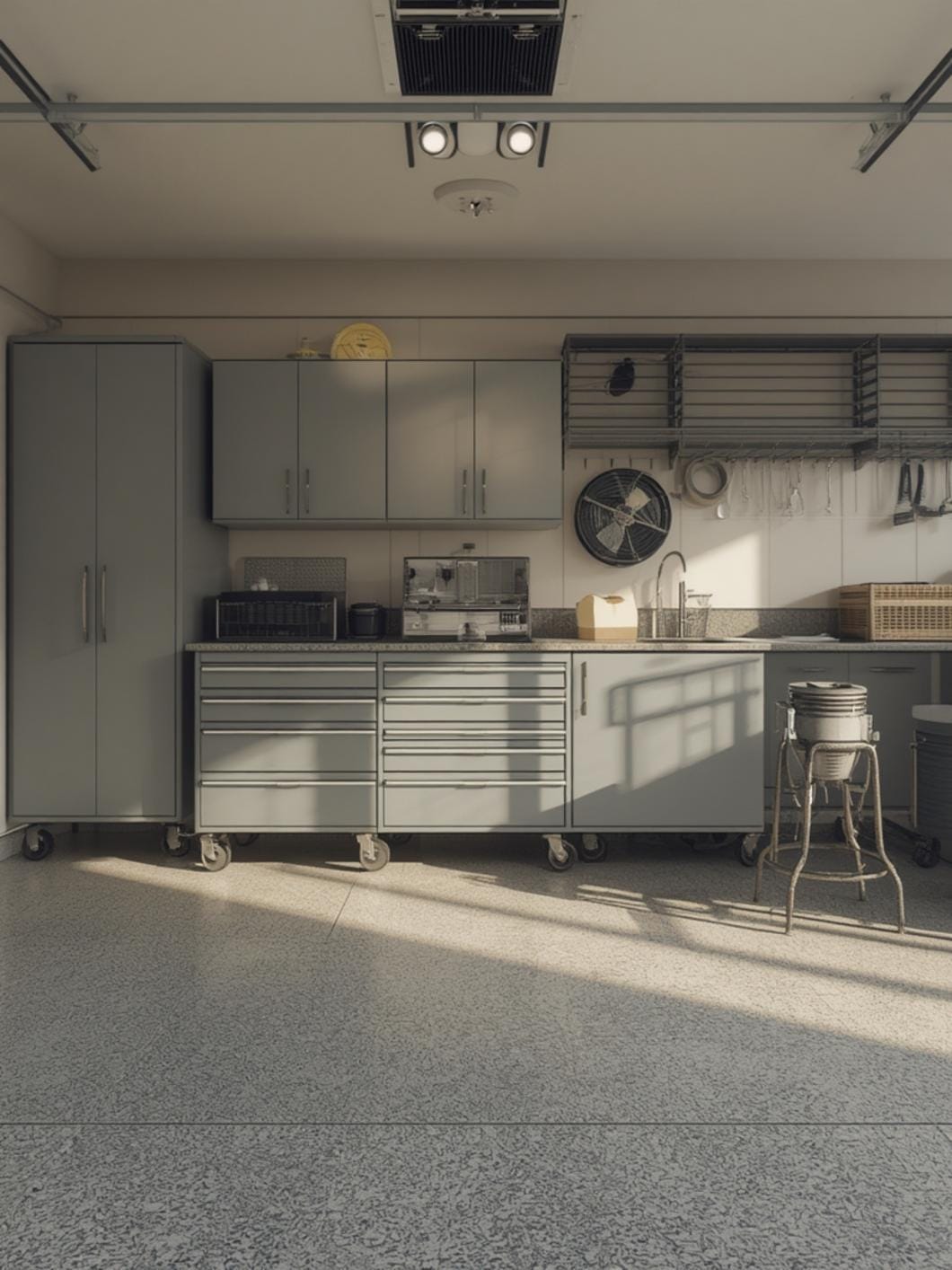
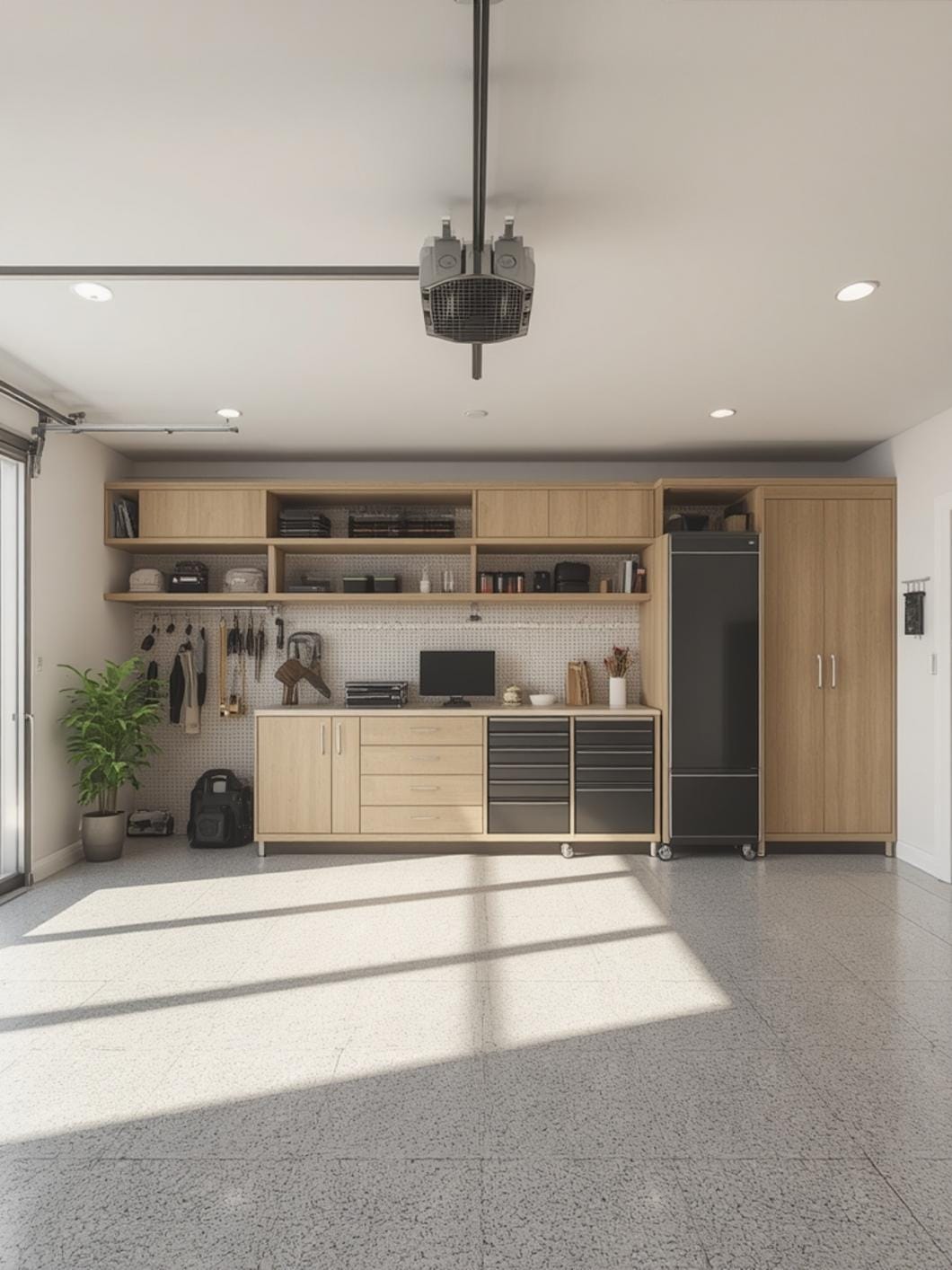
Custom cabinet systems transform your garage into a showroom-worthy space. Powder-coated steel cabinets resist dents and scratches while looking sharp. Integrated lighting, built-in charging stations, and specialty organizers for specific hobbies create a truly personalized space.
Epoxy floor coating not only looks professional but makes cleaning easier and brightens the space by reflecting light. Combined with a comprehensive wall storage system, this approach maximizes every square inch.
Small Space Adaptation
Single-car garages require extra creativity. Focus heavily on vertical storage and use the ceiling aggressively. Magnetic strips on walls hold tools without requiring dedicated hooks or pegboard space.
Fold-down workbenches save floor space while still providing a work surface when needed. Store only what you truly use regularly, and be more aggressive about purging items you can borrow or rent occasionally.
Common Mistakes to Avoid
Buying storage before sorting leads to wrong sizes and wasted money. Always sort completely first, then measure your categories before shopping for storage solutions.
Blocking access to frequently-used items with seasonal storage creates daily frustration. Keep seasonal items in the least accessible spots and everyday items within easy reach.
Using cheap storage that breaks under weight costs more in the long run. Those flimsy plastic shelves that sag or crack mean replacing them and reorganizing everything again within a year.
Forgetting to leave car clearance turns your organized garage back into outdoor parking. Measure your car dimensions plus door swing radius, then plan storage around that footprint.
Failing to maintain the system undoes all your hard work. Organization isn’t one-and-done, it requires putting things back in their designated spots and reassessing twice a year.
Maintenance / Upkeep Tips
Schedule a quick 15-minute garage reset every weekend. Put away items that migrated during the week and wipe down high-touch surfaces. This small habit prevents the slow slide back into chaos.
Do a seasonal deep review every spring and fall. Swap out seasonal items, reassess what you’re actually using, and purge anything that’s outlived its purpose. This twice-yearly check keeps your system current with your actual needs.
Vacuum or sweep your garage monthly, even if it looks clean. Dust and dirt accumulate quickly in garages and create a grimy film on everything. Clean storage areas work better and look more inviting.
Check your storage systems for stability every few months. Tighten any loose mounting hardware and adjust shelves that have shifted. Catching small issues prevents bigger problems later.
Involve everyone in your household in the organization system. If family members don’t know where things go, they can’t put them back correctly. A five-minute tour of your new system saves countless hours of reorganizing.
Conclusion
Your garage can be the functional, organized space you’ve always wanted. The key is creating systems that match how you actually live, not some Pinterest-perfect ideal that doesn’t fit your reality.
Start with one weekend, sort ruthlessly, and invest in quality storage that fits your specific needs. The time you spend organizing now pays back every single day when you can find what you need immediately.
Ready to tackle other problem areas in your home? Explore more practical organization solutions and home improvement ideas at DecorKingdom that make everyday life easier and more beautiful.
FAQs
How do I organize a garage with no storage space?
Focus on vertical and overhead storage to maximize limited floor space. Wall-mounted systems and ceiling racks let you store items without sacrificing parking room. Purge aggressively to reduce what needs storing in the first place.
What’s the best way to organize tools in a garage?
Pegboard or slatwall systems with hooks keep tools visible and easily accessible. Group tools by function rather than size, so all your measuring tools live together and all your cutting tools share a zone. Outline each tool’s spot with paint or marker to make returns obvious.
How do I keep my garage organized long-term?
Create a “one in, one out” rule where bringing something new into the garage means removing something else. Schedule seasonal reviews to reassess what you’re storing and adjust systems as needs change. Make sure everyone in your household knows where things belong.
Should I use clear or colored storage bins in my garage?
Clear bins let you see contents without opening them, which saves time and effort. However, colored bins can help with category coding if you prefer a visual system where blue equals camping gear and red equals holiday decorations. Choose based on what helps you find things faster.
How much does it cost to organize a two-car garage?
Expect to spend between $500 and $2,000 depending on your storage needs and quality preferences. Basic shelving and bins sit at the lower end, while comprehensive wall systems with cabinets and specialty organizers reach the higher range. You can phase purchases over several months to spread costs.
—
Meta Title: Garage Organization Ideas That Work in 2026 | DecorKingdom
Meta Description: Transform your cluttered garage into organized space with practical systems. Smart garage organization tips for real families.