How to Choose Living Room Coffee Table Sets
Your living room is the heart of your home, where family gathers and memories unfold. But when your furniture feels disconnected or your space looks incomplete, it’s hard to create that warm, inviting atmosphere you’re dreaming of. That’s where Living Room Coffee Table Sets come in—they tie everything together and make your space feel intentionally designed rather than thrown together.
Coffee table sets typically include a coffee table paired with matching end tables or nesting tables. They create visual harmony and make furniture shopping so much easier since you don’t have to hunt for pieces that coordinate. Whether your style leans traditional, modern, or somewhere beautifully in between, the right set can transform how your living room looks and functions every single day.
Table of Contents
What You’ll Need to Get the Look
Creating a beautifully styled living room with a coffee table set requires more than just the furniture itself. Here’s what you’ll want to have on hand:
Furniture pieces:
– Coffee table set (main table plus coordinating side tables or nesting tables)
– Sofa or sectional as your anchor piece
– Accent chairs or a loveseat
– Area rug that defines your seating zone
Styling accessories:
– Coffee table books or magazines
– Decorative tray for corralling smaller items
– Candles or decorative objects with varying heights
– Small potted plant or fresh flowers
– Coasters that complement your style
Functional additions:
– Table lamp for each end table
– Storage baskets if your set includes lower shelves
– Remote control organizer
– Throw pillows and blankets for the seating
The beauty of a matched set is that it eliminates the guesswork. You’ll spend less time second-guessing whether pieces work together and more time enjoying your finished space.
Finding Your Style and Season
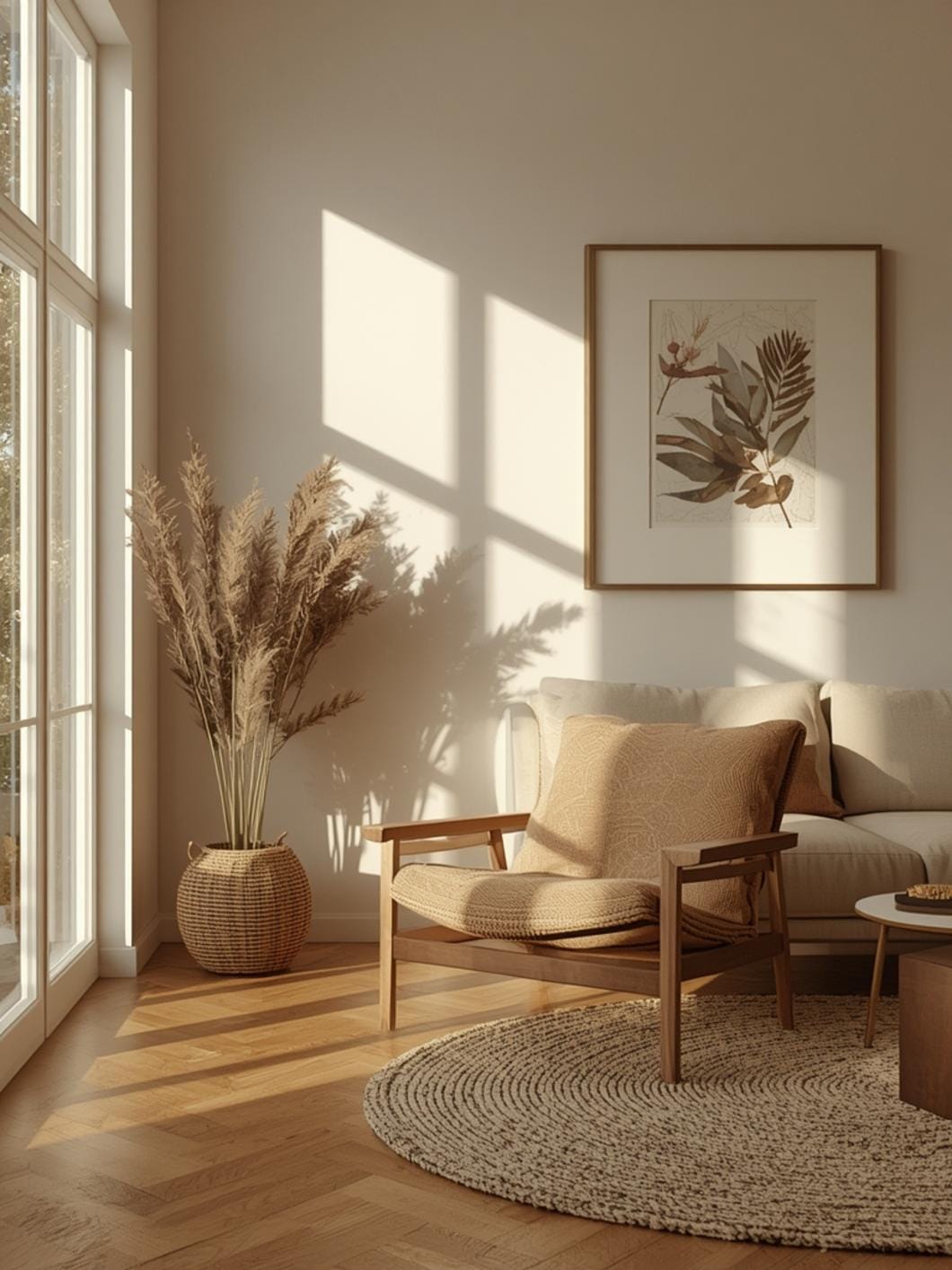
Choosing the right coffee table set isn’t just about what looks good—it’s about what fits your lifestyle right now. Consider when you’ll use these pieces most and what mood you want to create in your home.
Seasonal considerations matter more than you’d think. If you’re shopping in spring or summer, you might gravitate toward lighter wood tones and glass surfaces that feel airy and fresh. Fall and winter often call for richer woods and warmer finishes that create cozy vibes when the days grow shorter.
Think about your daily routine too. Do you have young kids who need sturdy surfaces for snacks and art projects? Look for sets with durable finishes and rounded edges. Are you an entertainer who loves hosting game nights? Consider sets with larger surface areas and maybe a nesting design that gives you flexibility when guests arrive.
Your home’s architectural style should guide your selection as well. A modern farmhouse looks stunning with rustic wood sets featuring metal accents, while a sleek contemporary space shines with glass and chrome combinations. Don’t fight against your home’s natural character—work with it.
Budget and timeline play into this decision too. Coffee table sets can range from a few hundred dollars to several thousand, so knowing your price point before you start shopping saves heartache later. If you’re furnishing a new home, prioritize quality over speed—a well-made set will serve you for years.
7 Ideas to Try in Your Home
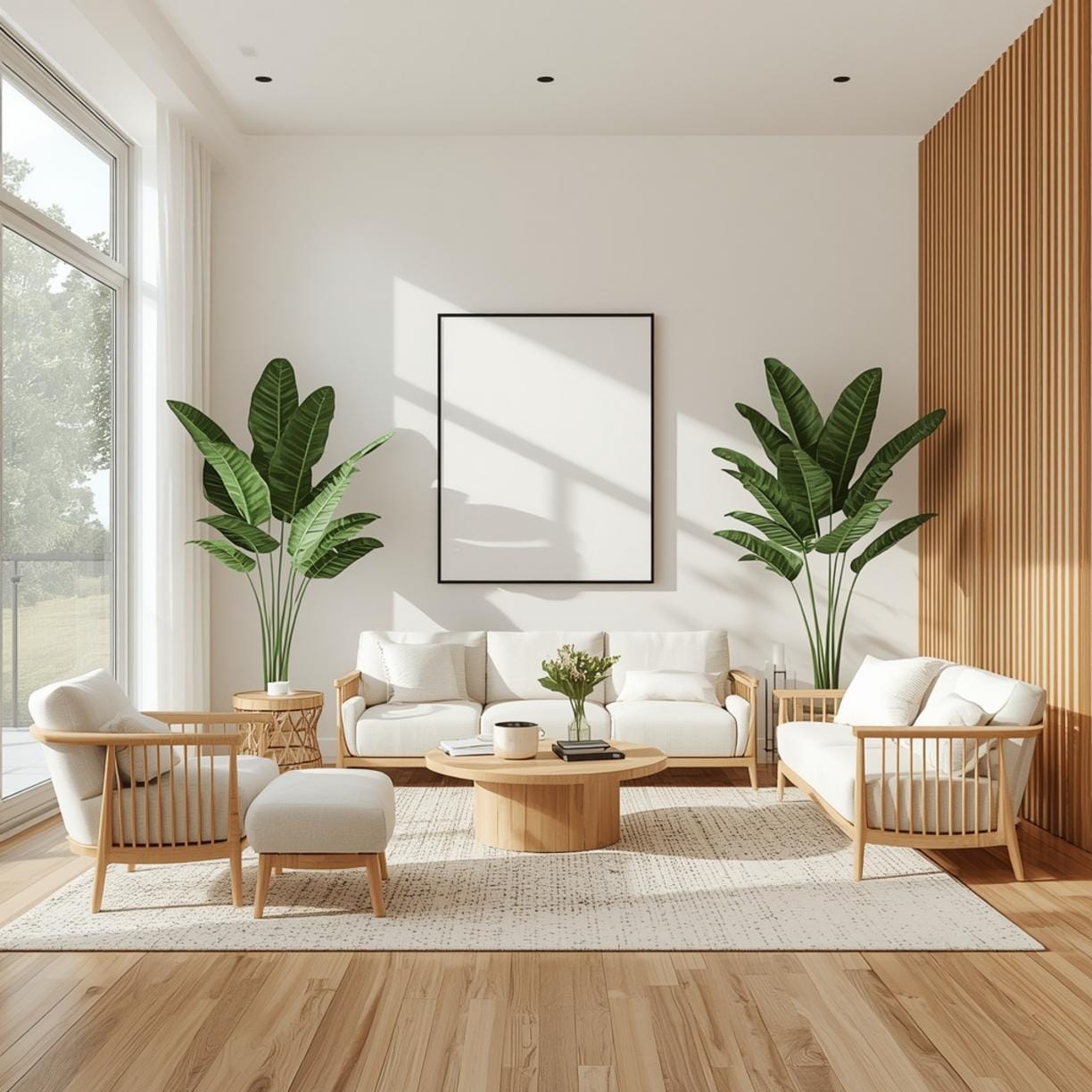
Ready to bring your vision to life? Here are inspiring ways to arrange and style coffee table sets that work in real homes just like yours.
1. The Classic Triangle Layout
Position your coffee table centered in front of the sofa with matching end tables flanking each side. This timeless arrangement creates balance and makes How to arrange living room furniture around a coffee table feel intuitive and natural. Leave about 18 inches between the coffee table and sofa for comfortable movement.
2. The Conversation Corner
Float your furniture away from the walls to create an intimate seating area. Place the coffee table at the center with your sofa and chairs arranged in a U-shape around it. The end tables sit beside chairs rather than the sofa, encouraging face-to-face conversation.
3. The Nesting Table Solution
Choose a set with nesting tables that tuck under the main coffee table when not in use. Pull them out when you need extra surface space for entertaining, then slide them back to open up floor space for everyday living. This works beautifully in apartments and smaller living rooms where flexibility matters.
4. The Sectional Setup
With a sectional sofa, place your coffee table in the open area created by the L-shape. Position one end table at the open end of the sectional and use the second as a plant stand or lamp table elsewhere in the room.
5. The Dual-Purpose Design
Select a coffee table set where the pieces include storage features like drawers or shelves. Style the top surfaces beautifully while using the hidden storage for remotes, magazines, and everyday clutter. The matching end tables provide similar concealed storage that keeps your space looking magazine-worthy.
6. The Symmetrical Statement
Create drama with perfect symmetry by placing identical table lamps, plants, or decorative objects on each end table. Mirror the styling with a carefully curated center display on the coffee table. This formal approach works especially well in traditional homes.
7. The Eclectic Mix
While your tables match each other, mix up the styling on each surface. One end table might hold a modern lamp and books, while the other showcases a vintage clock and family photos. The coffee table becomes your creative centerpiece with an unexpected arrangement that reflects your personality.
Benefits of Choosing Coordinated Sets
Investing in a coffee table set rather than individual pieces brings advantages that go beyond just good looks.
Design cohesion happens instantly. You don’t need an interior designer’s eye to create a pulled-together space. The manufacturer has already done the hard work of ensuring the pieces complement each other in scale, proportion, and finish.
Shopping becomes so much simpler. Instead of visiting multiple stores or scrolling through hundreds of options trying to match wood tones and styles, you make one decision and you’re done. This saves hours of shopping time and eliminates the stress of wondering if pieces will look good together.
Your room feels more spacious and organized. Matching pieces create visual flow that helps the eye move smoothly through the space rather than stopping at jarring transitions. This makes even smaller living rooms feel more open and intentional.
Resale value holds better. Complete sets often maintain their value better than individual pieces because buyers appreciate the convenience of purchasing coordinated furniture. If you ever decide to upgrade, you’ll likely find your set easier to sell.
Tips, Alternatives, and Styling Advice
Not every budget or space works the same way, so here are options at different price points plus smart adaptations.
Budget-friendly option: Look for coffee table sets made from engineered wood with laminate finishes. These affordable sets often mimic expensive wood grains beautifully and hold up well with proper care. You’ll typically spend $200-$400 for a complete three-piece set.
Mid-range option: Solid wood sets in oak, pine, or acacia offer durability and timeless appeal. Many feature mixed materials like wood and metal that add visual interest. Expect to invest $500-$1,200 for quality that lasts a decade or more with basic maintenance.
Premium option: High-end sets in walnut, marble, or designer glass provide heirloom quality and distinctive style. These investment pieces typically range from $1,500-$3,500 but become the foundation of your living room design for years to come.
Small space adaptation: Choose a coffee table set where the end tables are compact or have nesting functionality. Consider a coffee table with a lift-top feature that provides hidden storage while maintaining a streamlined appearance. Stick with lighter colors and materials like glass that create visual breathing room.
Multipurpose approach: Select sets where the end tables can serve double duty as nightstands in bedrooms or entry console replacements. This flexibility means you’re not locked into one configuration as your needs change over time.
Common Mistakes to Avoid
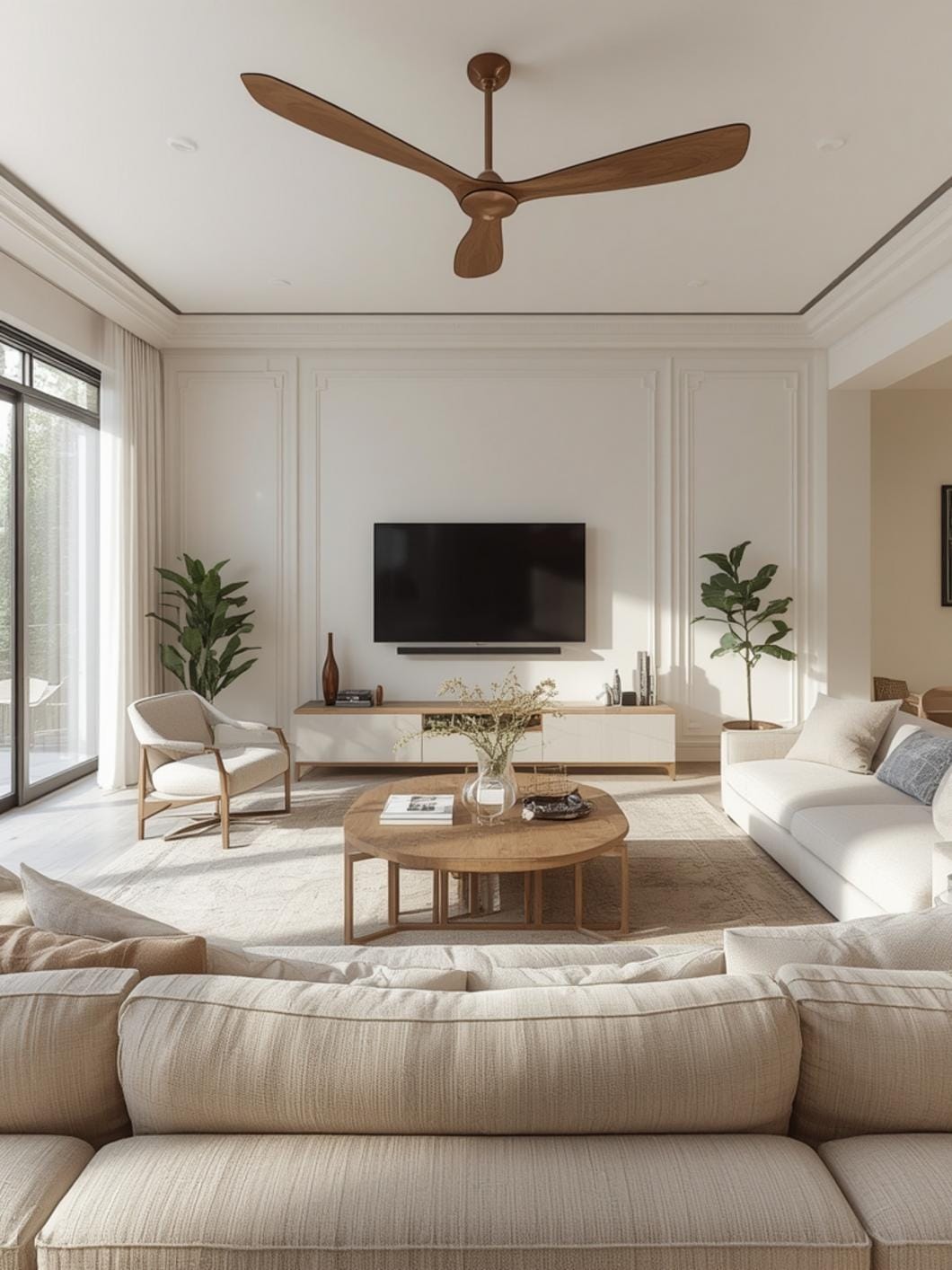
Even with a coordinated set, homeowners make predictable mistakes that diminish the impact. Here’s what to watch for.
Choosing the wrong size for your sofa. Your coffee table should be about two-thirds the length of your sofa—anything smaller looks lost, anything larger overwhelms. Measure your sofa before shopping and bring those dimensions with you.
Ignoring traffic patterns through the room. Leaving less than 18 inches between furniture pieces creates a cramped feeling and stubbed toes. Plan your layout on paper first, accounting for how people actually move through your living room daily.
Over-styling every surface. Just because you have three tables doesn’t mean every inch needs decoration. Leave some negative space so the eye can rest and the beautiful table surfaces can show through.
Forgetting about height relationships. Your coffee table should sit level with or slightly lower than your sofa cushions for comfortable reach. End tables typically match the height of your sofa arms, making it easy to set down drinks or reach for a book.
Neglecting the area rug size. Your rug should be large enough that at least the front legs of all furniture pieces sit on it. Too small a rug makes furniture look like it’s floating awkwardly in the space rather than anchored together.
Maintenance and Upkeep Tips
Keeping your coffee table set looking showroom-fresh doesn’t require professional help—just consistent, simple care.
Dust weekly with a microfiber cloth. This prevents buildup that can dull finishes over time. For wood surfaces, dust in the direction of the grain to avoid scratching.
Use coasters and placemats religiously. Water rings and heat marks are the top complaints from coffee table owners. Make it easy on yourself by keeping coasters on each table and gently reminding family and guests to use them.
Clean spills immediately with a damp cloth. The longer liquids sit, especially on wood or upholstered surfaces, the more likely they’ll leave permanent marks. Keep a small stash of microfiber cloths nearby for quick cleanup.
Polish wood tables every few months. Use a quality furniture polish appropriate for your table’s finish. This restores shine and adds a protective layer against daily wear. Always test in an inconspicuous spot first.
Tighten hardware annually. Screws and bolts naturally loosen over time with regular use. A quick check with a screwdriver once a year keeps wobbles at bay and extends the life of your set.
Rotate decorative items seasonally. This isn’t maintenance exactly, but moving accessories around prevents uneven fading from sunlight and keeps your tables looking intentionally styled rather than forgotten.
Bringing It All Together
Living room coffee table sets simplify decorating while elevating your entire space. They create the cohesive, intentional look that makes your home feel like the welcoming retreat you’ve been craving.
Whether you choose a budget-friendly starter set or invest in premium pieces that’ll last decades, the key is selecting what works for your real life—not just what looks good in photos. Consider how you actually use your living room, who shares the space with you, and what makes you feel most at home.
Ready to explore more ways to make your living room the best room in your house? Browse DecorKingdom for inspiration, practical tips, and design ideas that work in real homes like yours.
FAQs
What size coffee table set works best for a small living room?
For smaller spaces, choose a coffee table around 36-40 inches long with compact end tables no wider than 18 inches. Nesting tables work beautifully because you can tuck them away when you need extra floor space. Glass or acrylic materials also create the illusion of more room while still giving you functional surface area.
Should my coffee table set match my TV stand and other living room furniture?
Your coffee table set doesn’t need to match exactly, but it should coordinate in style and tone. If your TV stand is modern black, a coffee table set in black or complementary grey works well. Mixing different wood tones is fine as long as they share a similar warmth level—don’t pair cool ash with warm cherry, for example.
How much should I expect to spend on a quality coffee table set?
Quality sets typically range from $400-$1,200 depending on materials and construction. You can find budget options starting around $200, but they may not last as long. Investing in the $600-$800 range usually gets you solid construction that withstands daily family use for many years.
Can I buy pieces from a coffee table set separately if I don’t need all of them?
Many furniture retailers sell individual pieces from their sets, though you might pay slightly more per item than buying the complete set. This works well if you only need a coffee table now and want to add matching end tables later, or if your room layout only requires two pieces instead of three.
What’s the best material for coffee table sets in homes with kids and pets?
Look for durable finishes like sealed hardwood, engineered wood with scratch-resistant laminate, or metal frames with tempered glass. Avoid soft woods that dent easily and very dark or very light finishes that show every mark. Rounded edges add safety, and lower shelves give you storage for toys that keeps surfaces clear.
—
Meta Title: Living Room Coffee Table Sets: Complete 2026 Guide
Meta Description: Transform your space with the perfect Living Room Coffee Table Sets. Expert styling tips, layout ideas, and budget options for every home.