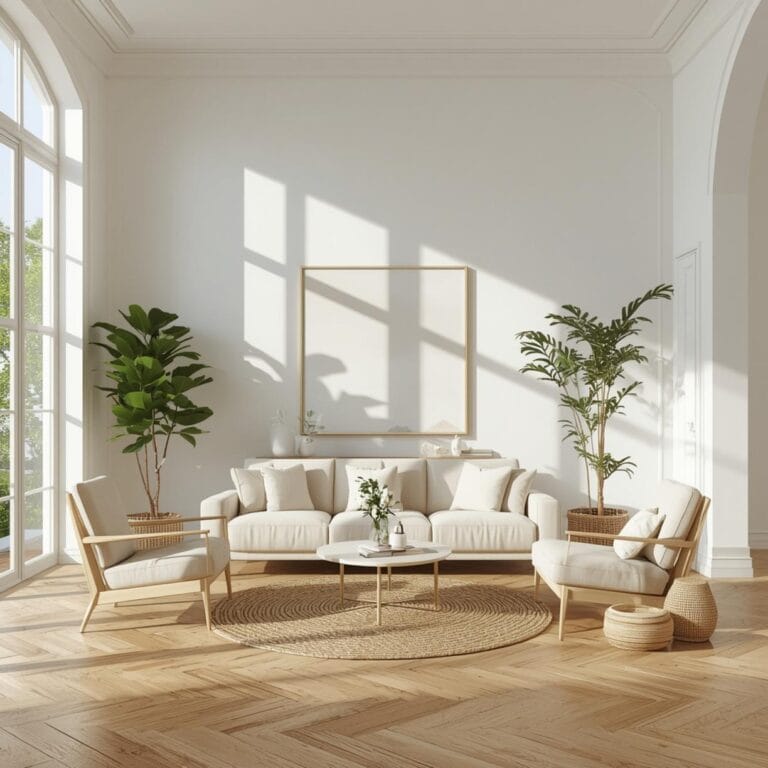
How to Choose Nebraska Furniture Mart Dining Room Sets
You walk into your dining room and feel…underwhelmed. The table doesn’t match the chairs. The whole setup feels mismatched, and you’re not sure where to start fixing it. You want a cohesive, beautiful space where family dinners and holiday gatherings feel special, but coordinating furniture pieces on your own feels overwhelming.
That’s exactly why Nebraska Furniture Mart Dining Room Sets have become so popular with homeowners across the country. They take the guesswork out of creating a pulled-together dining room by offering curated collections that already work beautifully together.
Whether you’re furnishing your first home or refreshing a tired dining space, understanding what makes these sets work—and how to personalize them—will help you create a room you absolutely love.
Table of Contents
Key Terms and Elements to Know
Before you start shopping, it’s helpful to understand what actually comes in a typical dining set and what options you’ll encounter:
Standard Set Components:
– Dining table (rectangular, round, or square)
– Matching dining chairs (usually 4, 6, or 8)
– Optional bench seating
– Coordinating buffet or sideboard
– China cabinet or hutch (in formal sets)
Common Materials:
– Solid wood (oak, maple, cherry, walnut)
– Engineered wood with veneer finishes
– Metal bases with wood or glass tops
– Upholstered chair seats and backs
Style Categories:
– Traditional (ornate details, rich wood tones)
– Modern farmhouse (rustic textures, clean lines)
– Contemporary (sleek, minimal designs)
– Industrial (metal accents, reclaimed looks)
– Transitional (blend of classic and modern)
Finish Options:
– Natural wood stains (light, medium, dark)
– Painted finishes (white, gray, black)
– Two-tone combinations
– Distressed or weathered looks
Understanding these elements helps you articulate what you want and recognize quality when you see it.
Common Misconceptions to Clear Up First
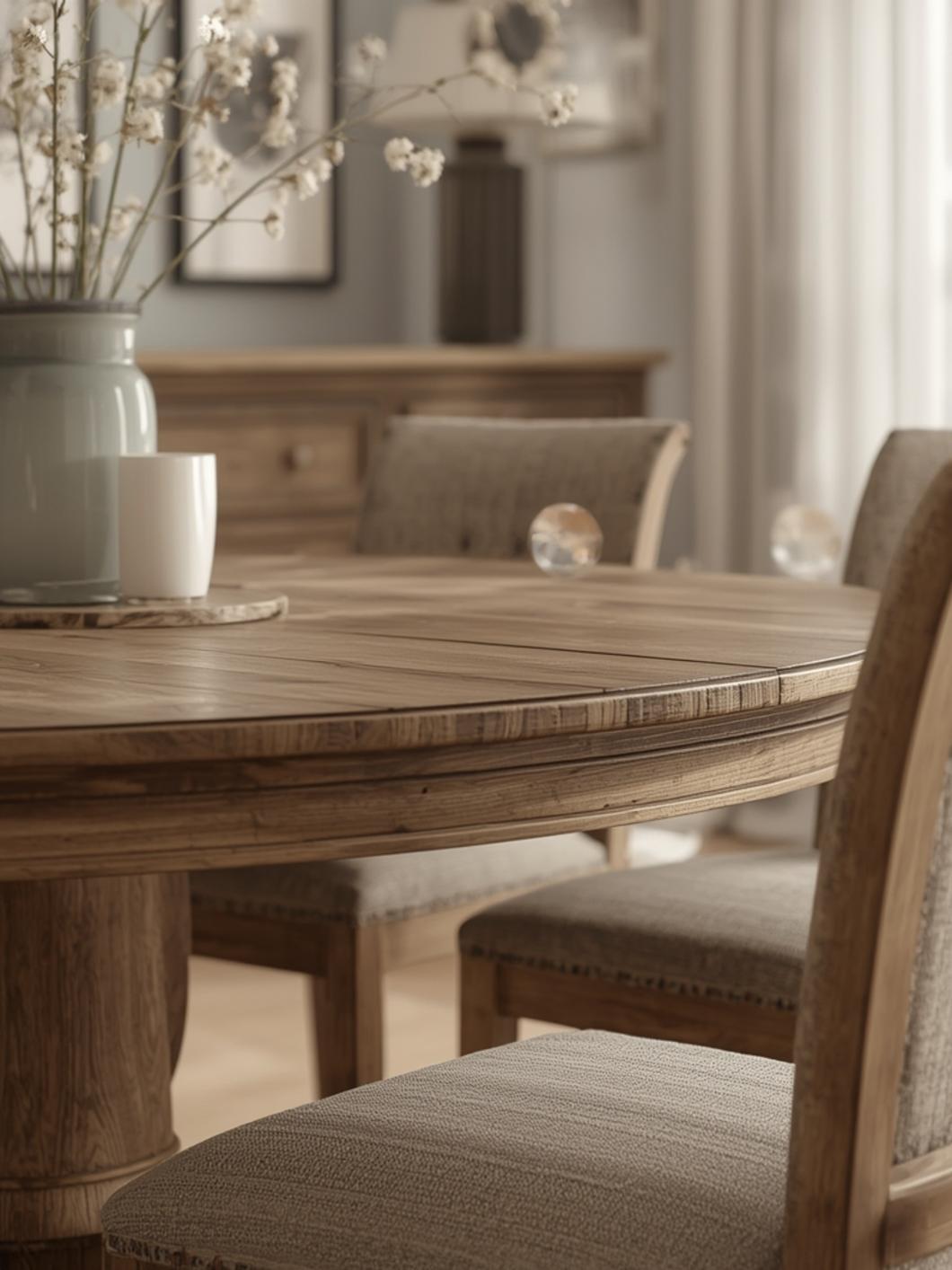
Many homeowners approach dining room furniture with outdated ideas that can actually limit their options and satisfaction.
Misconception: Everything must match perfectly. Modern design actually celebrates thoughtful mixing. Your chairs don’t need to be identical twins with your table—they just need to share common elements like wood tone, style era, or scale. This is where How to mix and match dining room furniture styles becomes an essential skill that gives you so much more flexibility.
Misconception: Bigger sets are always better value. A seven-piece set might seem like a deal, but if you only need seating for four and don’t have room for a buffet, you’re paying for furniture that crowds your space. Buy what fits your actual lifestyle and room dimensions.
Misconception: Formal dining sets are too fancy for everyday use. Today’s formal sets often feature durable finishes and comfortable seating designed for daily life. The line between formal and casual has blurred significantly, giving you more versatile options.
Misconception: You’re stuck with the exact set configuration. Many retailers, including Nebraska Furniture Mart, allow you to customize set components. You might swap out two chairs for a bench, choose a different size table, or skip the hutch entirely.
Misconception: Quality only comes at premium prices. Construction quality matters more than price tag. A well-built mid-range set with solid joinery will outlast a expensive set with poor craftsmanship. Understanding construction basics helps you spot real value.
Clearing these misconceptions opens up possibilities you might have dismissed too quickly.
How It Works in Real Homes
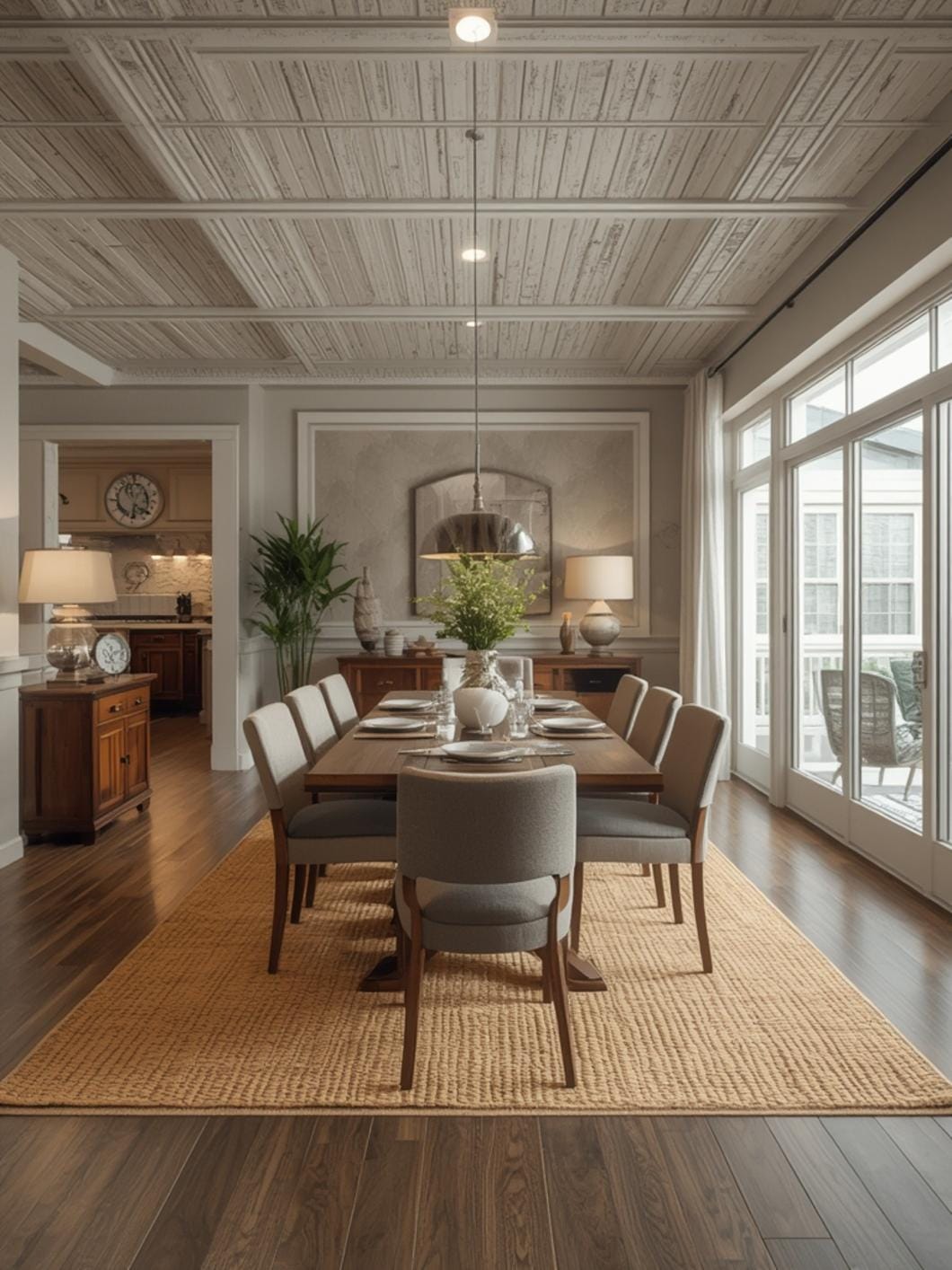
Understanding how dining sets function in actual living spaces helps you make smarter choices for your home.
Scale and Proportion in Action:
Your dining set needs to fit your room dimensions, not just physically squeeze in. A good rule homeowners follow: leave at least 36 inches between the table edge and walls or other furniture. This creates comfortable circulation space. A family with a 12×14 dining room found their dream eight-person table felt cramped once installed because they hadn’t accounted for chair clearance when pulled out. They exchanged it for a six-person table and suddenly the room felt spacious and inviting.
Daily Living with Different Styles:
Traditional sets with ornate chair backs look stunning but consider how they feel during long dinners. Are the seats comfortable without cushions? Can you wipe down carved details easily when kids are involved? A couple who chose a farmhouse set with simple lines and wipeable surfaces reported their dining room became the homework hub they’d hoped for—because cleaning up was effortless.
Material Performance Over Time:
Solid wood tables develop character with use—small scratches and dings tell your family’s story. Engineered wood with quality veneer resists moisture better but can’t be refinished as easily. Glass tops show every fingerprint but create an airy feel in small spaces. Understanding these real-world trade-offs helps you choose materials that match your tolerance for upkeep and your aesthetic preferences.
The Mixed Furniture Reality:
Mixing dining furniture styles successfully happens when you identify one unifying element. One homeowner paired a rustic wood table with modern metal chairs—the connection was the warm wood chair seats that echoed the table’s tone. Another combined a glass-top contemporary table with vintage wooden chairs painted in a cohesive color. The key is intentional connection, not accidental mismatch.
Seasonal Flexibility:
Homeowners who think ahead choose sets that adapt to different occasions. Tables with leaves extend for holiday gatherings. Benches tuck completely under tables when not needed. Upholstered chairs in neutral fabrics accept seasonal pillow changes for easy refreshes.
Room Function Evolution:
Your dining room might serve multiple purposes. Families use dining tables for homework, crafts, and work-from-home setups. Sets with durable finishes that resist water rings and scratches perform better in these multi-use scenarios. A finish that shows every mark will frustrate you within weeks if your dining space doubles as a family activity center.
The best dining set for your home isn’t necessarily the most beautiful in the showroom—it’s the one that fits how you actually live.
Benefits of Choosing Complete Dining Sets
Investing in a coordinated dining set delivers advantages that go beyond just having somewhere to eat meals.
Instant Cohesion: You get a designer-curated look without the uncertainty of mixing pieces yourself. Everything already coordinates in scale, proportion, and finish. This matters especially if you’re not confident in your decorating skills or simply want the decision made for you.
Time Savings: Shopping for individual pieces—hunting for the perfect table, then finding chairs that work, then a buffet that coordinates—eats up weekends. A complete set gives you back that time for actually enjoying your home.
Budget Clarity: Set pricing eliminates the creeping budget expansion that happens when buying pieces separately. You know the total investment upfront, making financial planning straightforward.
Cohesive Resale Value: When you eventually move or upgrade, complete matching sets often sell faster than individual pieces. Buyers appreciate the convenience of a ready-made dining solution.
Reduced Decision Fatigue: Furniture shopping involves countless micro-decisions. Pre-coordinated sets eliminate dozens of choices about finish matching and style compatibility, reducing the mental exhaustion that leads to poor impulse decisions.
Professional Proportion: Designers carefully scale set components to work together. Chair heights suit table heights. Buffet proportions balance table size. These professional ratios are hard to replicate when mixing brands and pieces.
Your dining room becomes a space that feels intentionally designed rather than gradually accumulated.
Tips, Alternatives, and Styling Approaches
Different budgets and preferences require different approaches to dining room furniture.
Budget-Friendly Approach:
Start with a quality table and simple chairs from a Nebraska Furniture Mart value collection. Add a secondhand buffet or sideboard you refresh with paint to coordinate. This hybrid approach invests your money where you use it most—the table and seating—while saving on accent pieces. Many families successfully blend one new set piece with thrifted accessories.
Mid-Range Sweet Spot:
Choose a complete five- or seven-piece set in a transitional style that won’t feel dated in five years. Transitional designs blend traditional and contemporary elements, giving you longevity. Add personality with lighting, rugs, and wall art rather than through the furniture itself. This approach balances quality with flexibility.
Premium Investment:
Select solid wood construction in a timeless style with details you love running your hand across. These sets become furniture you’ll use for decades and possibly pass down. Consider extra chairs or a coordinating bench purchased at the same time to ensure perfect finish matching years later when the exact stain formula might change.
Small Space Strategy:
Round or oval tables eliminate sharp corners and maximize seating in tight quarters. Benches tuck completely underneath when not in use. Glass or acrylic tables and chairs create visual lightness. Measure carefully and consider scale-appropriate sets designed specifically for apartments and smaller homes.
Large Room Approach:
Bigger spaces need substantial furniture to avoid looking empty. Rectangular tables anchor long rooms effectively. Add a large buffet or hutch on one wall to balance the visual weight. Don’t go too small just to leave empty floor space—properly scaled furniture makes large rooms feel intentional rather than vacant.
Mix-and-Match Method:
If you love the table from one set but prefer different chairs, many retailers accommodate custom configurations. Ensure the chair seat height works with your chosen table height—a common oversight. The right height lets diners rest arms comfortably with elbows at table level.
The approach you choose should reflect both your budget and how long you plan to keep the furniture.
Common Mistakes to Avoid
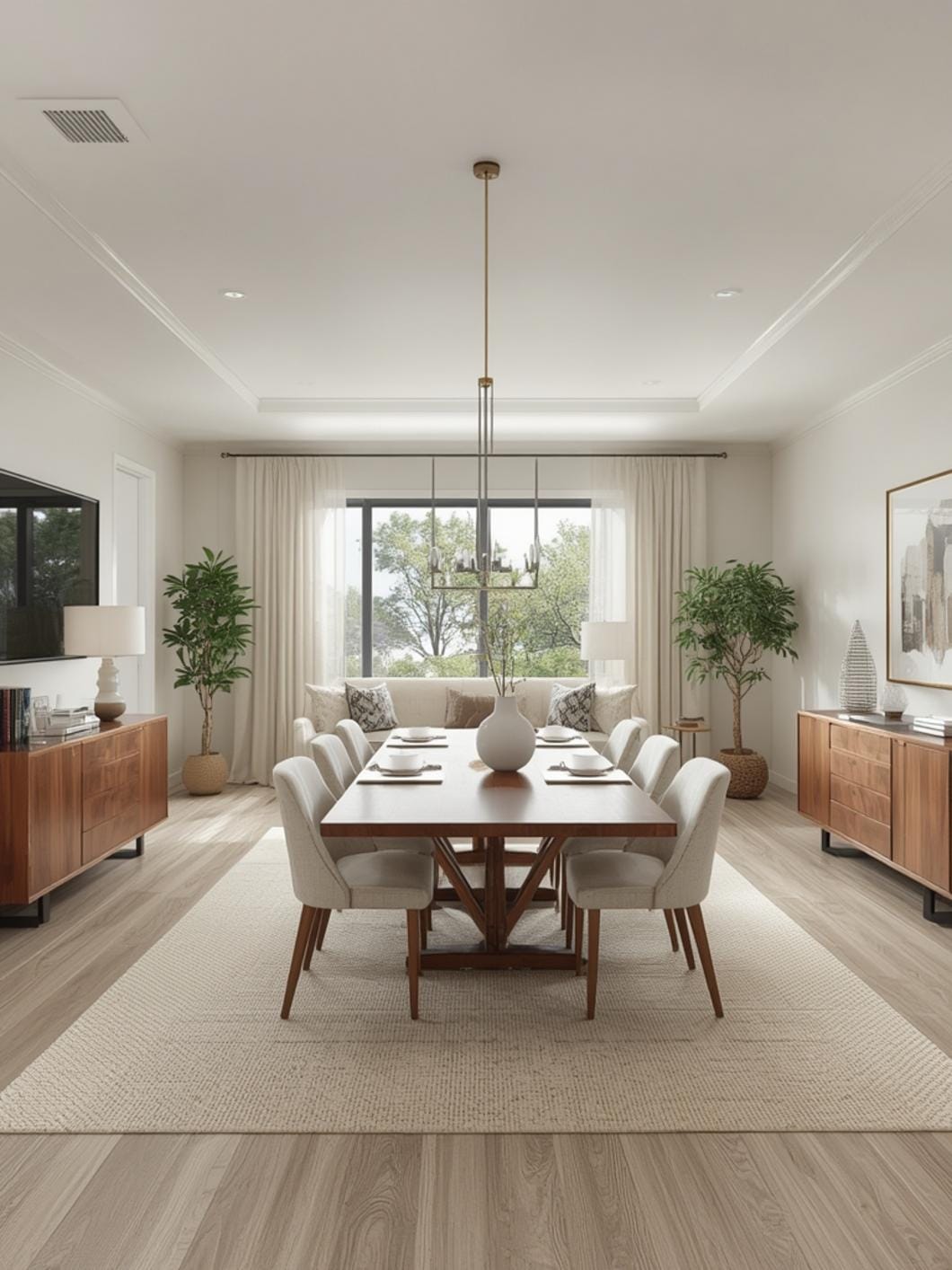
Even with pre-coordinated sets, homeowners make predictable errors that diminish their satisfaction.
Ignoring actual measurements. Showroom floors make everything look smaller than it is because of high ceilings and vast open spaces. Always measure your dining room and map out furniture placement before buying. Use painter’s tape on your floor to outline the table footprint and pulled-out chair space.
Choosing style over comfort. That gorgeous chair with the sculptural back might look amazing but feel terrible during a two-hour dinner party. Sit in the chairs for several minutes in the store—lean back, shift positions, test armrests. Your back will thank you later.
Forgetting about chair clearance. Tables fit through doors, but fully pulled-out chairs need 24 to 30 inches of clearance behind them for people to sit comfortably. Measure the distance from table edge to walls or other furniture to ensure adequate space.
Mismatching formality levels. A super casual farmhouse table looks odd with a fancy crystal chandelier. A sleek modern set clashes with heavy traditional window treatments. Make sure your dining furniture coordinates with your room’s overall style language.
Skipping finish samples. Wood tones and paint colors look different under your home’s lighting than under showroom lights. Request small finish samples to view in your actual dining space before committing to large furniture pieces.
Being aware of these pitfalls helps you navigate furniture shopping with confidence.
Maintenance and Upkeep Tips
Proper care extends your dining set’s beauty and lifespan significantly.
Daily Habits:
Wipe spills immediately before they penetrate finishes. Use coasters under all glasses to prevent water rings. Place trivets or hot pads under serving dishes to avoid heat damage. These small habits prevent most common damage.
Weekly Cleaning:
Dust with a soft microfiber cloth following the wood grain direction. For routine cleaning, slightly dampen your cloth with water only—most furniture doesn’t need cleaning products every week. Dry immediately with a second cloth to prevent moisture sitting on the finish.
Monthly Care:
Use furniture polish or conditioner formulated for your specific finish type. Apply sparingly with a soft cloth, buff to a shine, and remove excess. Over-polishing actually attracts more dust, so less is more.
Seasonal Deep Cleaning:
Move the table away from walls to access all sides. Vacuum chair crevices and under cushions. Check chair joints for looseness and tighten screws if needed. Inspect table leaves and extension mechanisms, cleaning tracks and applying furniture wax if they stick.
Protection Strategies:
Use a table pad or thick tablecloth for messy crafts and homework sessions. Rotate chair positions periodically so wear patterns distribute evenly. Keep dining furniture away from heating vents and direct sunlight to prevent finish fading and wood drying.
Damage Response:
Address scratches promptly with touch-up markers or wax sticks in matching colors. For deeper gouges, consider professional furniture repair before the damage spreads. Water marks often respond to gentle rubbing with mayonnaise or toothpaste—yes, really—followed by thorough cleaning and polishing.
Consistent simple maintenance beats occasional intensive restoration every time.
Conclusion
Creating a dining room you love comes down to choosing furniture that matches both your style and your real daily life. Nebraska Furniture Mart dining room sets offer that rare combination of cohesive design and practical functionality that makes decorating decisions easier and results more satisfying.
Whether you choose a complete matching set or thoughtfully mix pieces, understanding quality construction, appropriate scale, and your actual needs will guide you to furniture that serves your family beautifully for years. Your dining room has the potential to become your home’s gathering heart—the right furniture makes that happen.
Ready to explore more ideas for creating your dream home? DecorKingdom offers inspiration and practical advice for every room in your house.
FAQs
How do I know what size dining set I need?
Measure your room and subtract six feet from both length and width to get your maximum table dimensions. This ensures the 36-inch clearance needed around the table. For seating, allow 24 inches of table edge per person. A family of four comfortably uses a 36×60 inch table, while six people need at least 36×72 inches.
Can I add chairs to my set later if I need more seating?
Yes, but finish matching becomes tricky as wood stain formulas and paint batches change over time. If you think you’ll expand seating, buy extra chairs when you purchase the set, even if you store them temporarily. Many retailers also offer bench seating you can add later as an alternative to matching chairs perfectly.
Are extension tables worth the extra cost?
Extension tables offer tremendous flexibility for homes that host gatherings occasionally but prefer a smaller footprint daily. The mechanism should operate smoothly with one person, and leaves should store conveniently. If you host holiday dinners or dinner parties more than twice yearly, the extension feature typically proves worthwhile.
What’s the difference between solid wood and veneer dining sets?
Solid wood consists of real wood throughout and can be refinished multiple times, making it an heirloom investment. Veneer places a thin layer of real wood over engineered wood core, offering consistent appearance at lower cost but limited refinishing options. Both can last decades with proper care—the choice depends on your budget and long-term furniture plans.
How can I make a traditional dining set look more casual?
Style your traditional set with relaxed elements: use linen table runners instead of formal tablecloths, add a casual centerpiece like fresh flowers in a simple vase, choose everyday dishes over fine china, and skip the matching chair cushions for a more laid-back feel. Mixing in one or two different chair styles also instantly relaxes a formal set’s look.
—
Meta Title: Nebraska Furniture Mart Dining Room Sets Guide 2026
Meta Description: Nebraska Furniture Mart Dining Room Sets make decorating easy. Find your perfect style, size, and budget with our complete homeowner guide.