How to Choose Rug Sizes for Living Room
You’ve found the perfect sofa, arranged your furniture just right, and chosen a gorgeous paint color. But something still feels off. Your living room looks incomplete, maybe even a bit awkward.
The missing piece? A rug that actually fits your space. Getting the size wrong can make your furniture look like it’s floating or crammed together. The good news is that choosing the right rug size doesn’t have to be complicated.
This Rug Sizes for Living Room (Complete Guide) will walk you through everything you need to know to pick the perfect rug dimensions for your space, whether you’re working with a cozy apartment or a sprawling great room.
Table of Contents
Key Terms and Elements to Know
Before you start measuring and shopping, let’s clarify what you’re actually working with:
– Area rug dimensions: Standard sizes include 5×7, 6×9, 8×10, 9×12, and 10×14 feet
– Rug pad: A cushioned underlayer that prevents slipping and extends rug life
– Furniture arrangement: How your sofa, chairs, and coffee table relate to each other
– Traffic flow: The pathways people use to walk through your room
– Visual anchoring: Using the rug to define and unite your seating area
– Clearance space: The gap between your rug edge and walls or other furniture
– Layering rugs: Placing smaller rugs over larger ones for added texture and interest
Understanding these basics will help you make confident decisions as you shop. You’ll also avoid the common trap of choosing a rug based solely on pattern or color without considering how it fits your room’s layout.
Common Misconceptions to Clear Up First
Many homeowners believe bigger is always better when it comes to rugs. That’s not true. A rug that’s too large can overwhelm a small room and make it feel cramped rather than luxurious.
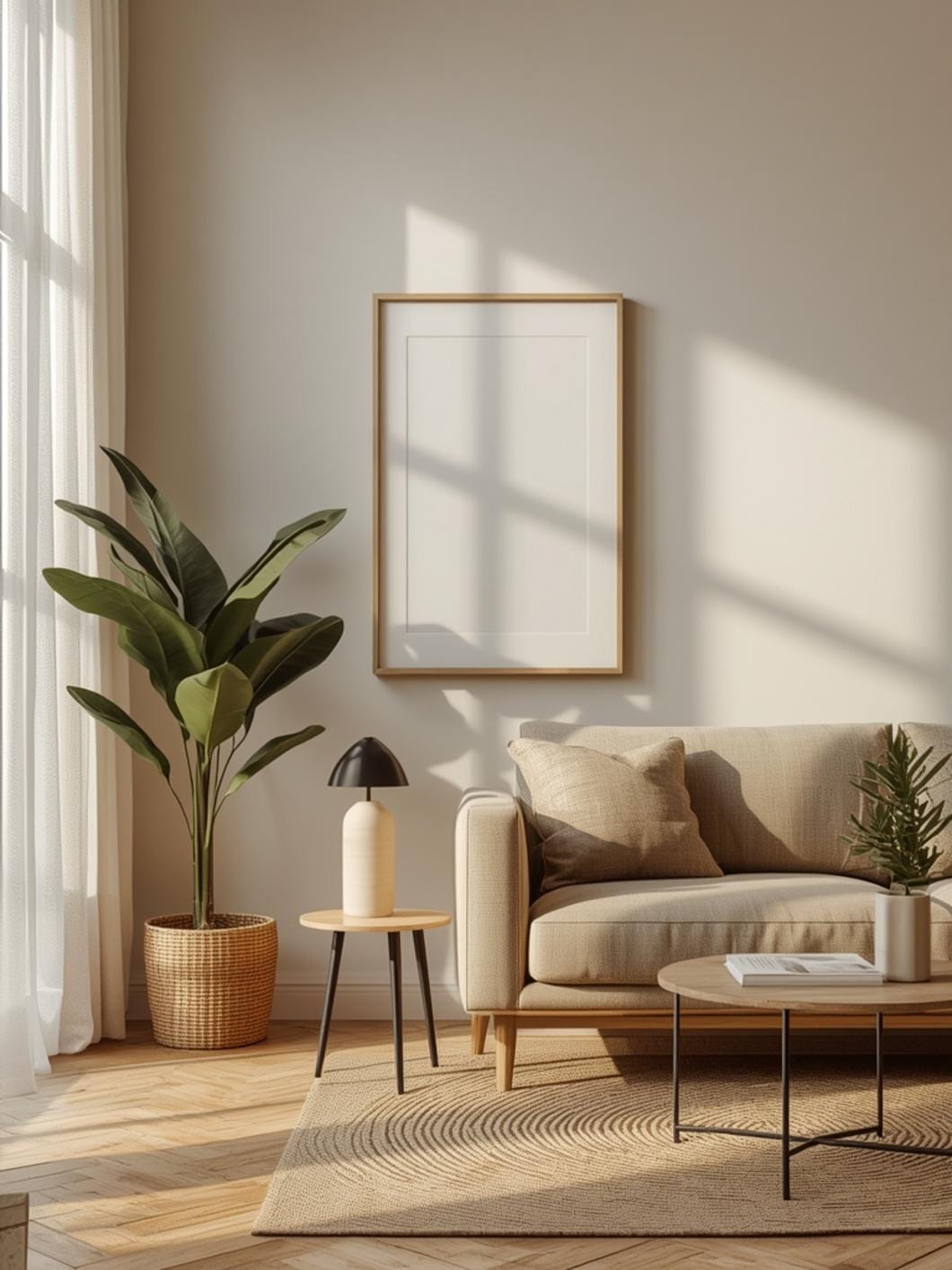
Another myth? That all furniture legs must be on the rug. While this works beautifully in larger spaces, smaller rooms often look better with just the front legs of sofas and chairs resting on the rug. This creates connection without requiring an enormous rug.
Some people think you should leave equal space on all sides between the rug and walls. In reality, 12 to 18 inches of bare floor around your rug usually looks most balanced. Too much exposed floor makes your rug look like a postage stamp.
You might also assume that standard rug sizes will automatically work for your room. Every living room has unique proportions and furniture arrangements. What works in a showroom might not work in your home.
Finally, many believe that measuring once is enough. Your furniture arrangement affects which rug size works best, so you’ll want to measure multiple configurations if you’re considering rearranging.
How It Works in Real Homes
Let’s talk about how to measure your living room for the right rug placement in a way that actually makes sense for everyday homeowners.
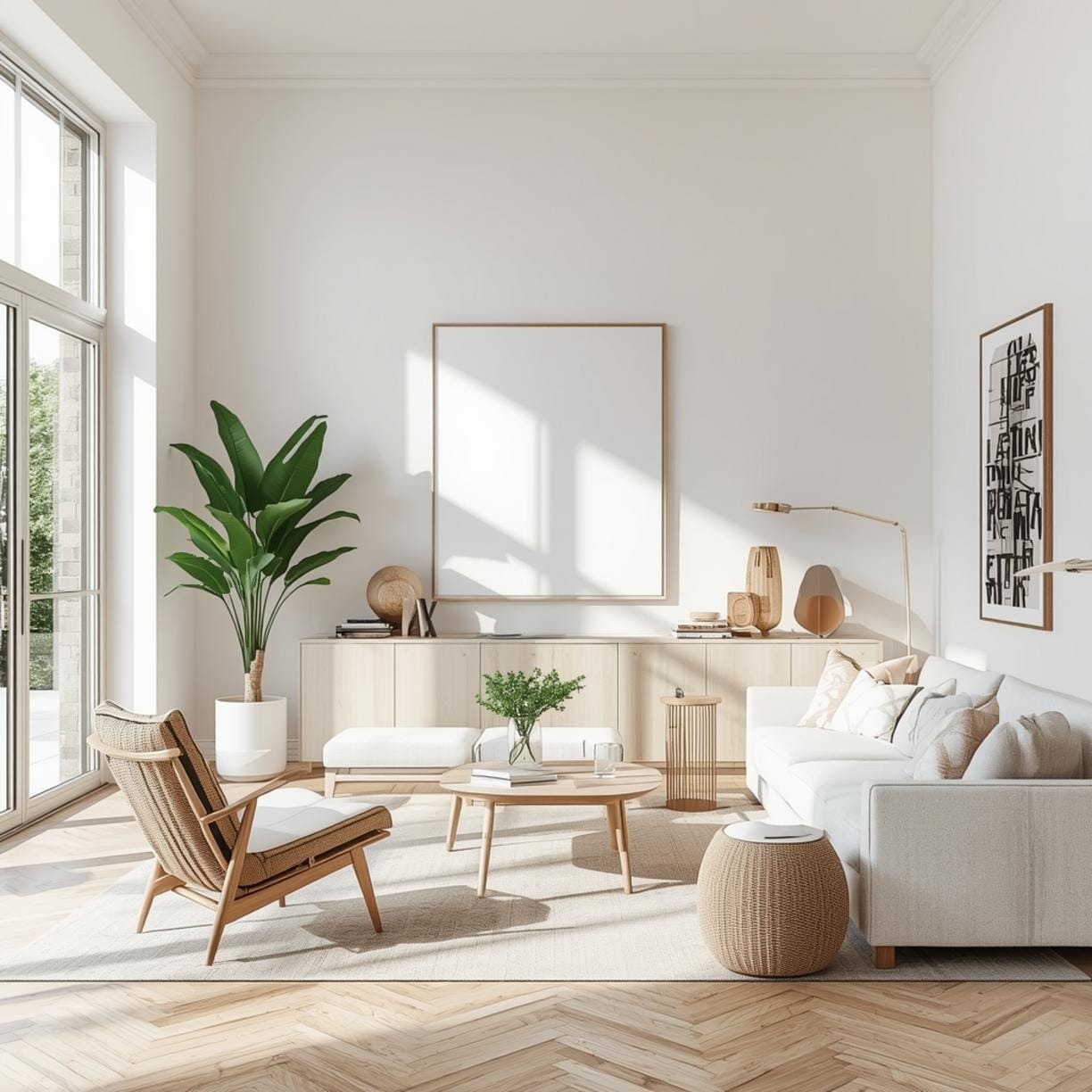
Start by measuring your seating area. Use a tape measure to find the length and width of the space your furniture occupies. Include your sofa, chairs, and coffee table in this measurement. Add 24 inches to both dimensions if you want all furniture legs on the rug.
Map out your furniture footprint. Measure from the front edge of your sofa to the front edge of chairs across from it. This tells you the minimum rug length needed to connect your seating. Then measure the width of your arrangement from the outer edge of one piece to the outer edge of another.
Consider your room size. Measure your entire living room and subtract 24 to 36 inches from both length and width. This gives you the maximum rug size that will leave appropriate clearance from walls. Your ideal rug falls somewhere between this maximum and your furniture footprint minimum.
Test with painter’s tape. Before you buy, outline your proposed rug size on the floor using blue painter’s tape. Live with this outline for a few days. Walk around it, sit on your furniture, and see if it feels right. This simple trick prevents expensive mistakes.
Account for doorways and transitions. Make sure your rug doesn’t block doors or create tripping hazards where your living room meets other spaces. Measure door swings and mark where hallways begin.
Factor in your coffee table. Your coffee table should sit entirely on the rug with at least 18 inches of rug extending beyond it on all sides. Measure your coffee table and add 36 inches to both dimensions to find the minimum rug size for this guideline.
Match your layout style to your rug size. In conversation areas where furniture faces each other, you’ll need a larger rug than in spaces where furniture lines the walls. Measure based on your actual arrangement, not an ideal you saw in a magazine.
Benefits of Getting Rug Sizes Right
When you choose the correct rug size, your living room instantly feels more pulled together. Everything looks intentional rather than randomly placed. Your furniture appears to belong together as a cohesive set.
The right rug size makes your room feel larger rather than smaller. This happens because proper proportions create visual balance. Your eye moves smoothly across the space instead of getting stuck on awkward gaps or cramped arrangements.
You’ll also notice improved comfort and acoustics. A properly sized rug absorbs sound and feels wonderful underfoot. Your living room becomes quieter and cozier, perfect for relaxing after a long day.
From a practical standpoint, correct rug sizing protects your flooring from furniture dents and scratches. It also defines clear traffic patterns, which keeps your space organized and functional.
The emotional impact shouldn’t be underestimated either. Walking into a well-proportioned room with the right rug size brings genuine satisfaction. You’ll feel proud to invite guests over and confident in your decorating choices.
Rug Size Options for Every Budget and Space
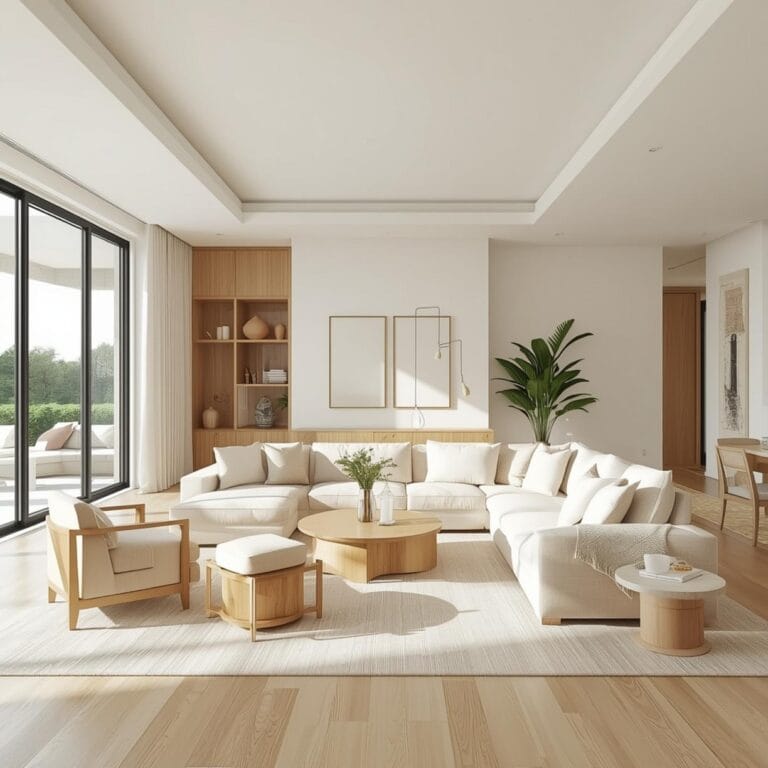
Budget-friendly approach: Start with a 5×7 rug for small living rooms or awkward spaces. Position it in front of your sofa with just the front legs on the rug. This costs less and works beautifully in apartments or starter homes. You can always layer a smaller accent rug on top later for more coverage.
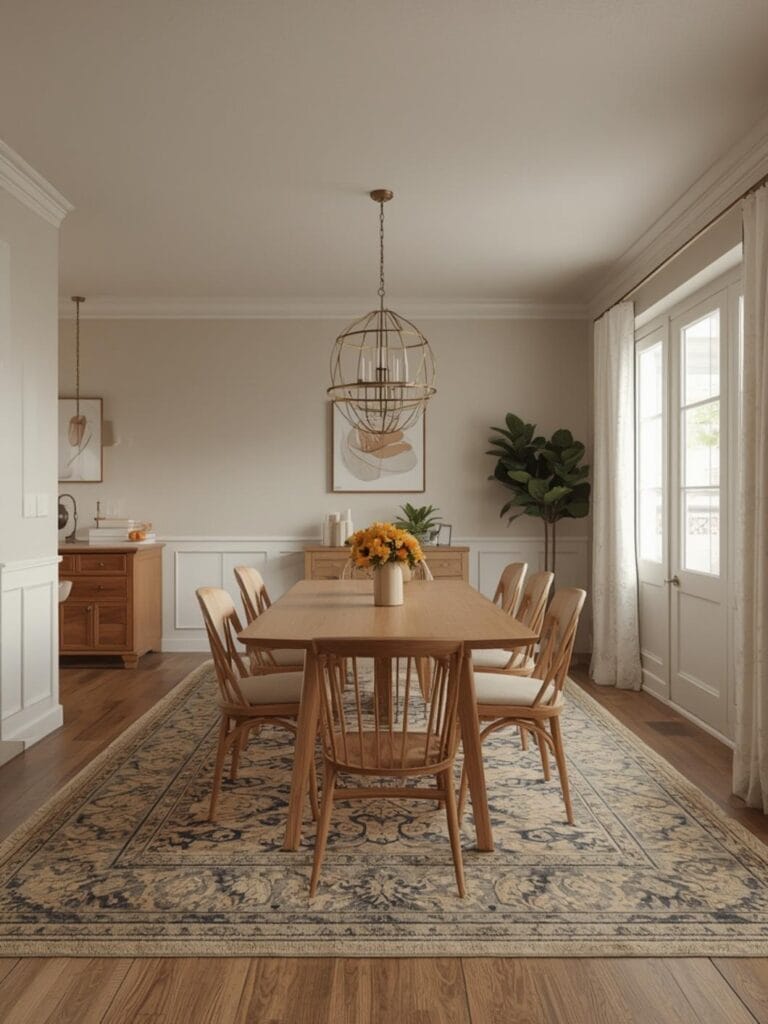
Mid-range solution: An 8×10 rug fits most standard living rooms perfectly. This size accommodates a sofa and two chairs with all front legs on the rug. You’ll pay more than for a small rug, but this size offers the best balance of coverage and cost for typical spaces.
Premium investment: Go with a 9×12 or larger if your living room exceeds 300 square feet. This allows all furniture legs to rest comfortably on the rug. While pricier, larger rugs make spacious rooms feel luxurious and complete. Consider this option if you’re planning to stay in your home long-term.
Small space adaptation: In rooms under 150 square feet, try a 4×6 or 5×7 rug placed entirely in front of your sofa. Keep furniture legs off the rug completely. This prevents the space from feeling crowded while still defining your seating area.
Open concept solution: For open floor plans, use your rug to zone your living area. Choose a size that fits your seating arrangement without extending into dining or kitchen spaces. Measure carefully where one zone ends and another begins.
Common Mistakes to Avoid
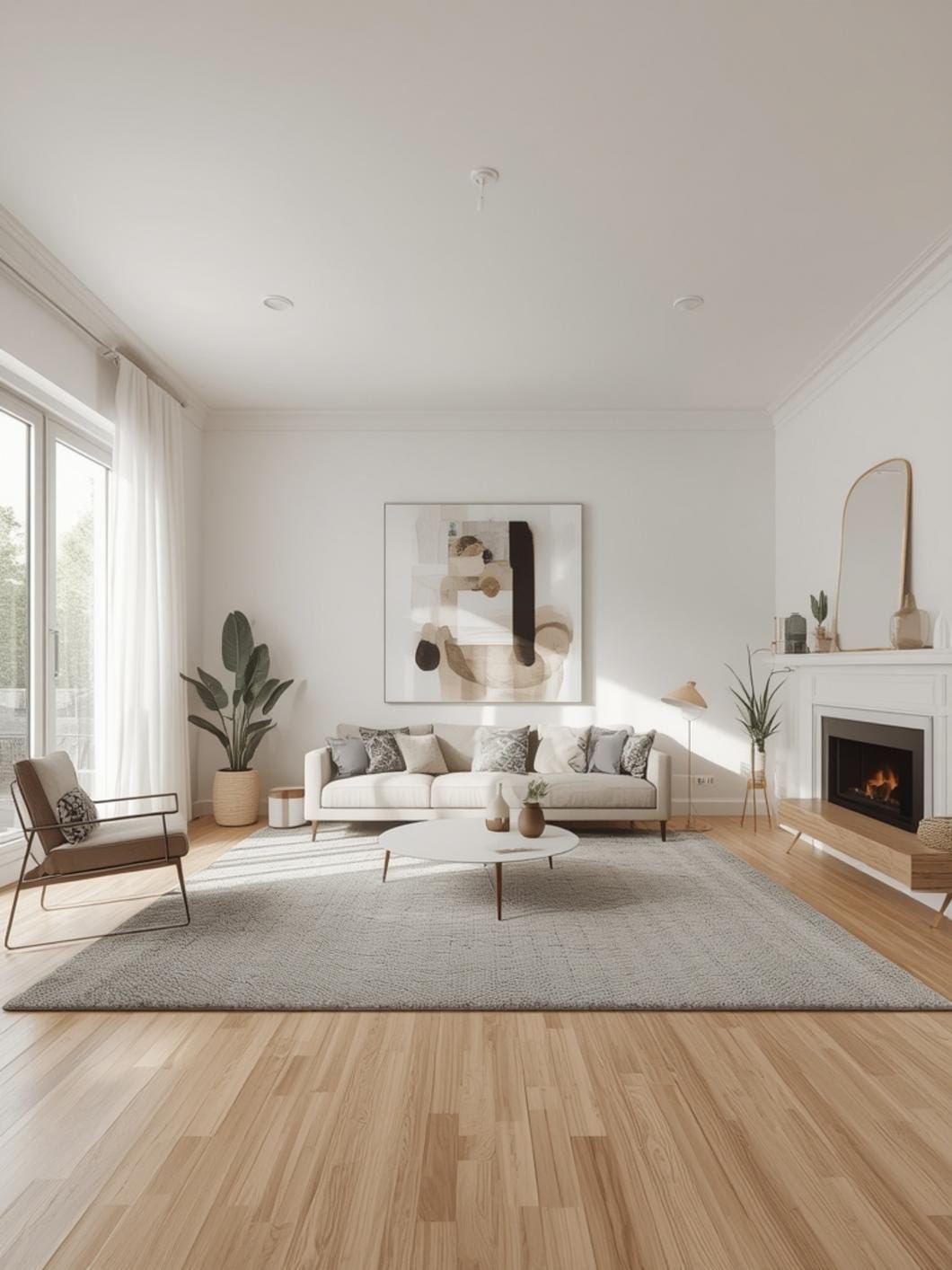
Choosing a rug that’s too small makes your furniture look disconnected and your room feel choppy. Always size up rather than down when you’re between two rug sizes.
Forgetting to measure the coffee table leads to awkward proportions where your table hangs off the edge. Measure your coffee table first and ensure it sits completely on the rug with room to spare.
Ignoring furniture placement when selecting size means you might end up with a rug that doesn’t work with how you actually arrange your space. Measure based on your real furniture layout, not an imaginary one.
Blocking doorways or creating trip hazards happens when you don’t account for traffic flow. Make sure your rug ends at least 6 inches before any doorway begins.
Buying online without measuring first results in rugs that don’t fit your space. Always measure and tape out dimensions on your floor before clicking purchase, no matter how perfect that online photo looks.
Maintenance Tips for Long-Lasting Rugs
Vacuum your rug weekly using a vacuum without a beater bar if you have a delicate weave. This removes dirt before it settles deep into fibers. Focus on high-traffic areas in front of your sofa and between furniture pieces.
Rotate your rug every three to six months to ensure even wear. This prevents permanent indentations from furniture legs and sun fading in spots near windows. Simply turn it 180 degrees during your seasonal cleaning.
Address spills immediately by blotting rather than rubbing. Use a clean white cloth and work from the outside in to prevent spreading. For tough stains, use a mixture of mild dish soap and water, but test in an inconspicuous spot first.
Keep a quality rug pad underneath to prevent slipping and extend your rug’s life. The pad should be slightly smaller than your rug on all sides. Replace pads every few years as they compress and lose effectiveness.
Have your rug professionally cleaned every 12 to 18 months if it sees heavy use. For lighter traffic areas, every two years works fine. Professional cleaning removes deep dirt that regular vacuuming misses.
Your Living Room Deserves the Perfect Rug
Choosing the right rug size transforms your living room from a collection of furniture into a warm, inviting space you’ll love spending time in. Take your time measuring, consider your layout carefully, and don’t be afraid to size up when in doubt.
Ready to explore more ways to make your living room beautiful and functional? Check out our other guides on DecorKingdom for inspiration, practical tips, and real solutions for your home.
FAQs
What size rug do I need for a 12×12 living room?
For a 12×12 living room, an 8×10 rug typically works best. This leaves 12 to 24 inches of bare floor around the edges, which creates balanced proportions. If your furniture arrangement is larger or you prefer all legs on the rug, consider a 9×12 instead.
Should all furniture legs be on the rug in a living room?
Not necessarily. In larger rooms, having all furniture legs on the rug looks polished and cohesive. In smaller spaces, placing just the front legs of sofas and chairs on the rug works beautifully and requires a smaller, more affordable rug.
How far should a rug extend beyond a sofa?
Your rug should extend at least 6 to 12 inches beyond each side of your sofa. This creates visual balance and ensures the rug doesn’t look too small. If you have end tables flanking your sofa, the rug should extend beyond those as well.
Can a rug be too big for a living room?
Yes, a rug can be too large if it leaves less than 12 inches of bare floor between the rug edge and walls. This makes the room feel cramped and overwhelms the space. Always leave some exposed flooring to frame your rug properly.
What’s the most popular living room rug size?
The 8×10 rug is the most popular size for living rooms because it fits most standard spaces perfectly. It accommodates typical furniture arrangements with front legs on the rug while leaving appropriate clearance from walls. This size offers the best value and versatility for average homes.
—
Meta Title: Rug Sizes for Living Room Guide 2026 (Perfect Fit!)
Meta Description: Choose the perfect rug size for your living room with our complete guide. Learn measurement tips and avoid common sizing mistakes today.