7 Foyer Accent Wall Ideas That Make a Lasting First Impression
Your foyer is the first thing you and your guests see when entering your home. It sets the tone for everything that follows, yet so many foyers feel bland or overlooked. If your entryway lacks personality, a well-designed accent wall can transform it into a memorable welcome space.
Foyer accent wall ideas range from bold paint colors and textured wallpaper to wood paneling and gallery walls. The right choice depends on your home’s style, the size of your space, and how much visual impact you want to create. Even a small change can make your foyer feel intentional and inviting.
The best part? Most of these ideas don’t require professional help. With a weekend and some creativity, you can give your entryway the wow factor it deserves.
What You’ll Need to Get the Look
The materials for your foyer accent wall depend entirely on which style you choose. Here’s what you might use across different approaches:
Paint and Color:
– Premium interior paint in your chosen finish (matte, eggshell, or satin)
– Painter’s tape for crisp lines
– Paint rollers and brushes
– Drop cloths to protect your floors
Wallpaper and Wall Coverings:
– Peel-and-stick or traditional wallpaper
– Smoothing tool for application
– Level and measuring tape
– Utility knife for trimming edges
Architectural Elements:
– Wood planks or shiplap boards
– Panel molding or trim pieces
– Wood stain or paint for finishing
– Picture frame molding for a classic look
Decorative Accents:
– Mirrors in various shapes and sizes
– Picture frames for a gallery wall
– Floating shelves for display
– Hooks or pegs for functional style
Choose materials that complement your existing decor. If your home leans traditional, consider panel molding or classic wallpaper patterns. For modern spaces, geometric paint designs or sleek wood panels work beautifully.
Finding Your Style and Season
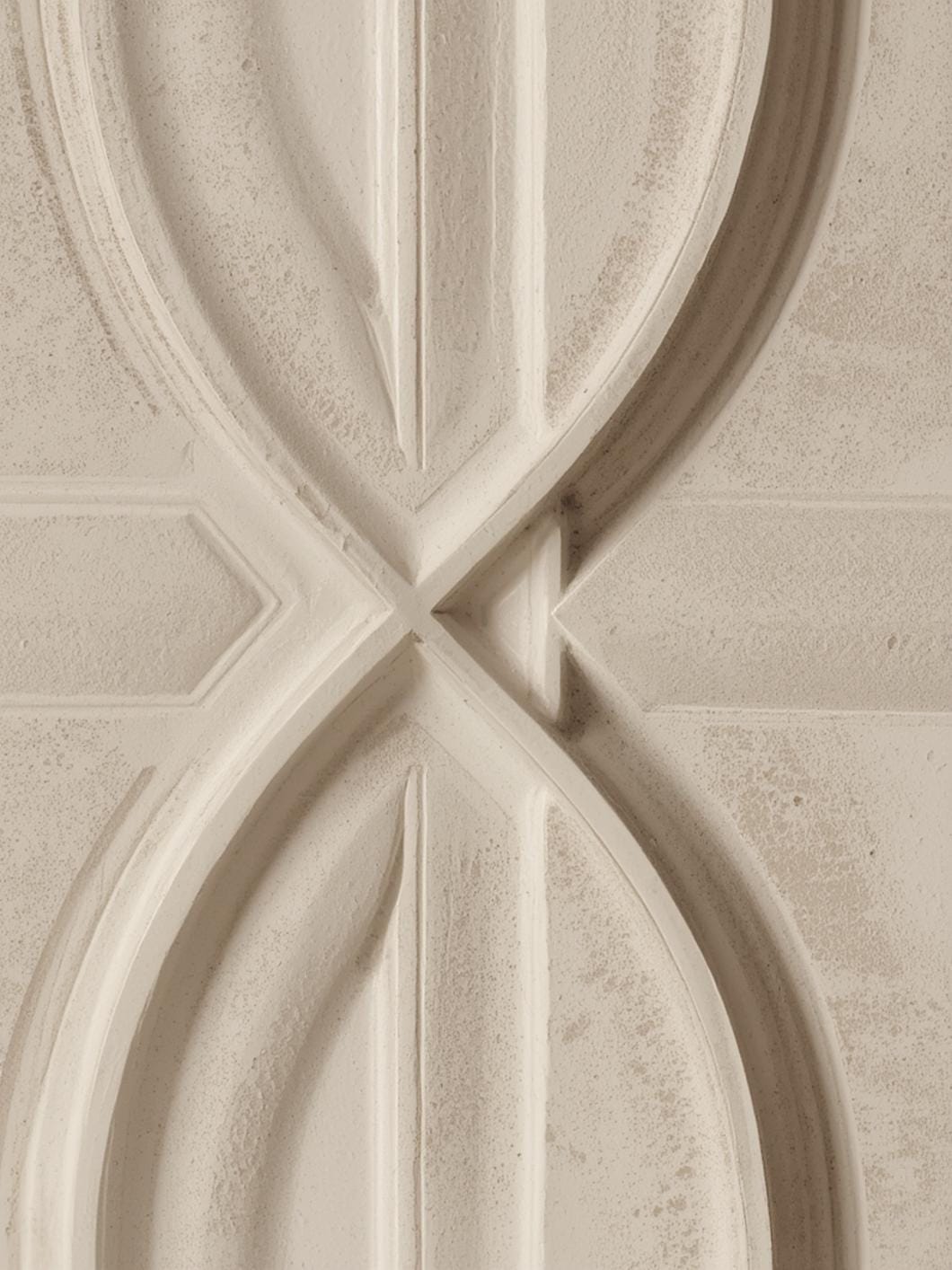
Your foyer accent wall should reflect both your personal style and work with your home’s natural light. Consider when you’ll use your space most and what mood you want to create.
Style Considerations:
Think about your home’s overall aesthetic. A coastal home might embrace light blue shiplap or whitewashed wood. A farmhouse style could feature board-and-batten with a warm neutral palette. Contemporary homes often shine with bold geometric patterns or moody dark colors.
Your foyer’s size matters too. Dark, dramatic walls can make a large foyer feel cozy and intimate. In a small entryway, lighter colors with vertical elements help create the illusion of height and space.
Seasonal Thinking:
Spring and summer are ideal for lighter, airier accent walls. Consider soft pastels, crisp whites, or natural wood tones that bring outdoor freshness inside. These seasons also offer better ventilation if you’re painting.
Fall and winter welcome richer, deeper tones. Navy blues, forest greens, or charcoal grays create warmth and sophistication. These months are perfect for tackling indoor projects when you’re spending more time at home anyway.
Lighting Matters:
Natural light dramatically affects how colors appear. A north-facing foyer receives cooler light, so warm paint colors help balance it. South-facing entryways get plenty of warm light and can handle cooler tones beautifully.
Test your chosen color or material in your actual space before committing. Paint large poster boards and observe them at different times of day.
7 Ideas to Try in Your Home
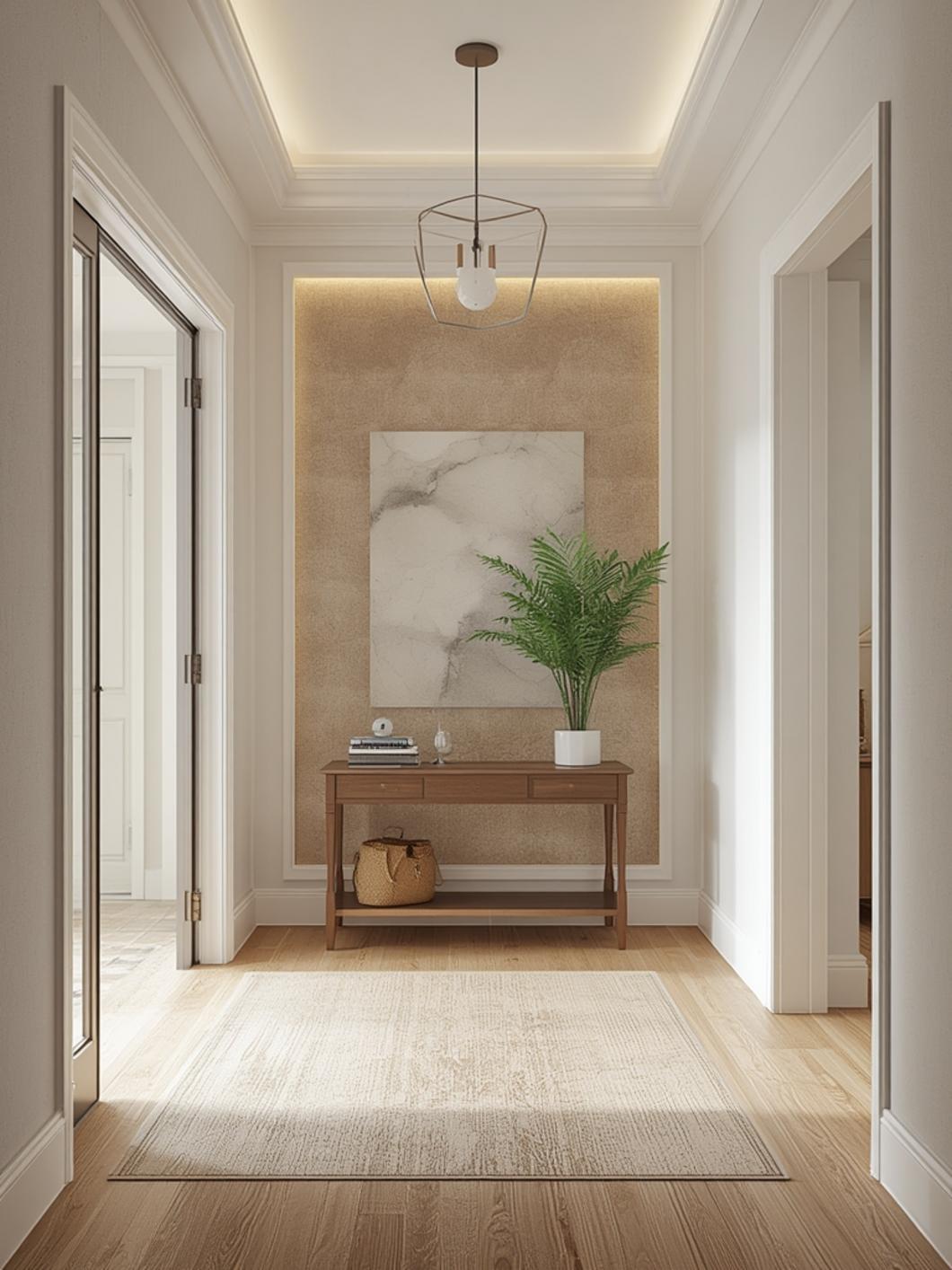
Here are inspiring accent wall approaches that work in real homes. Each creates a different mood and serves different design goals.
1. Deep Jewel Tones
Navy, emerald, or burgundy paint creates instant drama. These colors work especially well in foyers with white trim and natural wood floors. The contrast makes architectural details pop. How to choose the best paint color for a small foyer starts with considering your lighting and testing samples for at least 48 hours before deciding.
Pair jewel tones with brass or gold light fixtures for an elevated look. Add a statement mirror to reflect light and prevent the space from feeling too dark.
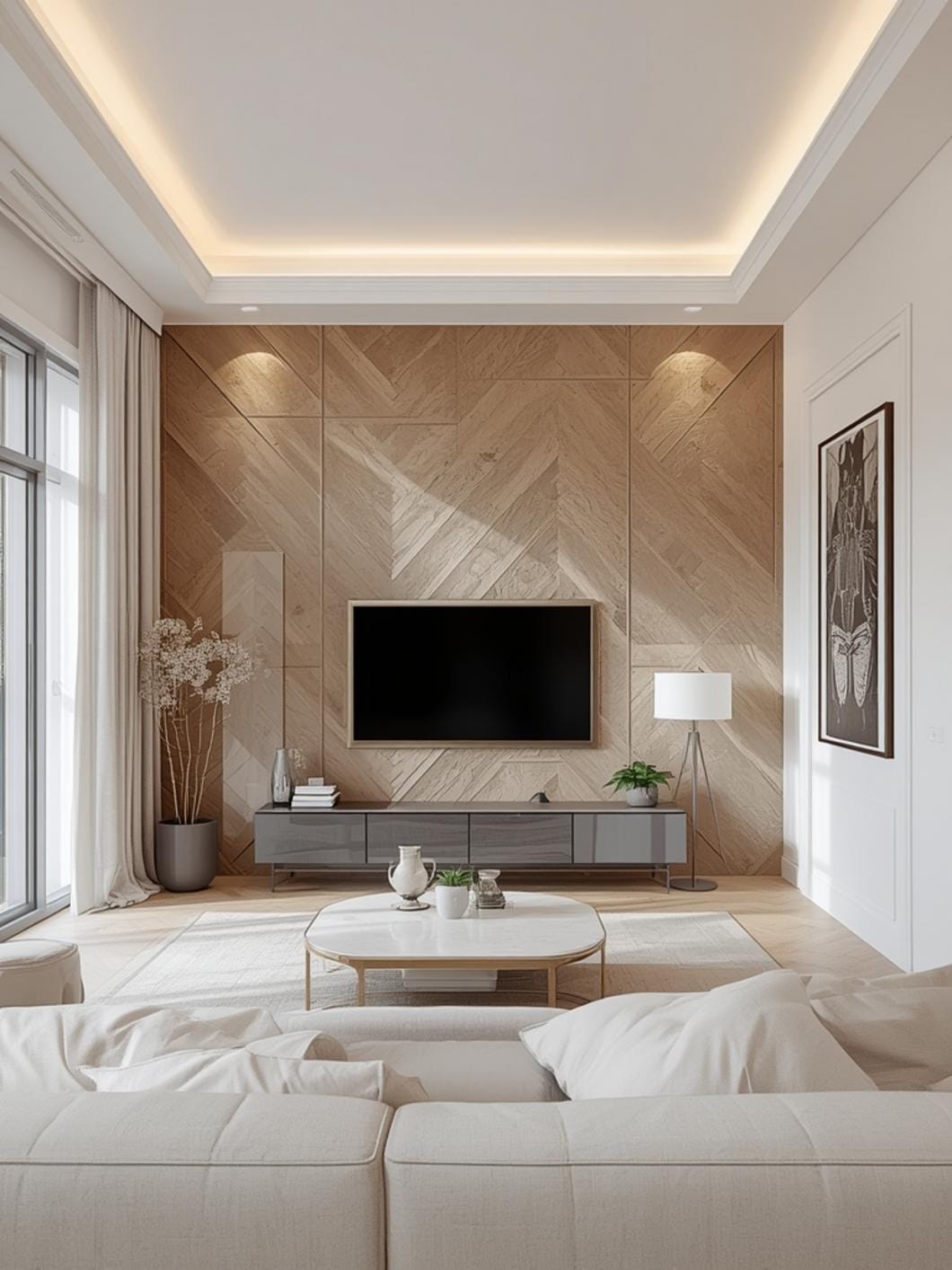
2. Horizontal Wood Planks
Natural or painted wood planks running horizontally make your foyer feel wider and more modern. White-painted planks create a clean Scandinavian vibe, while stained wood adds warmth and texture.
This look works beautifully behind a console table or bench. The horizontal lines draw the eye across the space, making narrow entryways feel more proportional.
3. Textured Wallpaper
Grasscloth, linen, or embossed wallpaper adds sophisticated texture without overwhelming color. These materials catch light beautifully and add subtle visual interest that paint alone can’t achieve.
Textured wallpaper is especially smart in high-traffic foyers because it hides minor scuffs and imperfections better than flat paint. Choose neutral tones for timeless appeal or bold patterns for personality.
4. Board and Batten
This classic treatment uses vertical boards to create a panel effect. Painted all one color, it adds architectural interest while keeping the look cohesive. The vertical lines make ceilings appear higher too.
Board and batten works in both traditional and modern homes depending on your spacing and proportions. Wider spacing feels contemporary, while narrower divisions look more traditional.
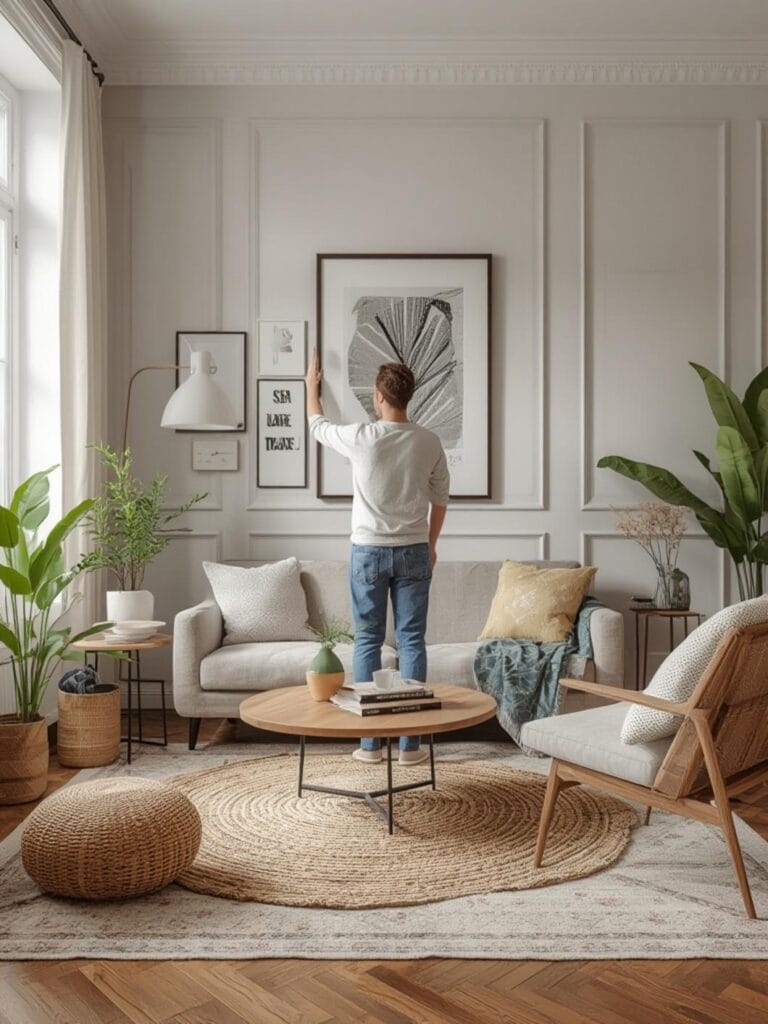
5. Gallery Wall Arrangement
Turn your accent wall into a curated collection of art, photographs, and mirrors. This approach adds personality and tells your story right at the entrance.
Mix frame sizes and styles but keep a cohesive color palette. Black frames create a modern gallery feel, while mixed metals add eclectic charm. Leave some breathing room between pieces so each element stands out.
6. Two-Tone Paint Division
Split your wall horizontally with two complementary colors. The bottom third in a darker shade adds visual weight and hides wear, while the upper portion in a lighter color keeps the space feeling open.
Use chair rail molding or painter’s tape to create a clean division line. This technique is budget-friendly and makes a strong style statement with minimal materials.
7. Stone or Brick Accent
Exposed brick or stone veneer creates texture and character, especially in homes with rustic or industrial style. If your home doesn’t have real brick, peel-and-stick brick panels offer a convincing alternative.
Keep the rest of your foyer simple when using stone or brick. These materials make such a strong statement that minimal additional decor works best.
Benefits of a Foyer Accent Wall
An accent wall in your foyer delivers both aesthetic and practical advantages. It transforms what’s often a pass-through space into a designed moment.
Creates Immediate Impact:
Your accent wall becomes an instant focal point that welcomes guests and sets expectations for the rest of your home. It shows thoughtfulness and attention to design before anyone steps further inside.
Defines the Space:
In open-concept homes, an accent wall helps separate your entryway from adjacent rooms. It creates visual boundaries without adding physical barriers.
Hides Imperfections:
Textured treatments, darker colors, and busy patterns naturally camouflage wall imperfections, scuffs from shoes and bags, and everyday wear that happens in high-traffic areas.
Increases Perceived Value:
A well-executed accent wall makes your entire home feel more finished and intentional. This matters both for your own enjoyment and if you ever decide to sell.
Allows Bold Choices:
One wall gives you freedom to experiment with colors or patterns you might hesitate to use throughout a room. It’s a low-risk way to try something adventurous.
Easy to Update:
Unlike renovating your entire entryway, an accent wall is relatively simple to change. This flexibility lets you refresh your style as trends evolve or your taste changes.
Styling Advice for Every Budget
Budget-Friendly Option:
Paint remains the most affordable accent wall solution. Choose one bold color and use painter’s tape to create geometric patterns or simple stripes. A single gallon of quality paint costs $30-50 and covers about 400 square feet.
Removable wallpaper samples work beautifully in small foyers. Many retailers sell single rolls perfect for accent walls at $30-80, and installation requires no special skills.
Mid-Range Option:
Real wood planks or quality wallpaper fall into the $200-500 range for materials. Shiplap boards, panel molding kits, and designer wallpapers at this price point offer noticeable quality improvements.
Consider peel-and-stick wall panels that mimic expensive materials. These cost more than paint but less than real wood or stone, and they install easily over a weekend.
Premium Option:
Custom millwork, reclaimed wood, or luxury wallpaper can run $800-2000 including materials. These options create stunning, truly unique results that become conversation pieces.
Professional installation makes sense at this budget level. The investment in expert application ensures your premium materials look their absolute best.
Small Space Adaptation:
In tiny foyers, avoid busy patterns that overwhelm. Instead, use vertical elements like board and batten or vertical planks to draw the eye upward. Light colors with subtle texture keep small spaces from feeling cramped.
Consider an accent wall that continues up the staircase if your foyer opens to stairs. This creates flow and makes the small footprint feel intentional rather than limiting.
Common Mistakes to Avoid
Choosing the Wrong Wall:
Many homeowners default to the wall facing the front door, but this isn’t always the best choice. Select the wall you see when entering from outside, which creates immediate impact and frames your entryway properly.
Ignoring Existing Architecture:
Your accent wall should work with your home’s features, not fight them. Avoid covering beautiful original molding or placing patterns where they compete with stair railings or doorways.
Skipping the Sample Step:
Colors and materials look completely different in your specific lighting than in stores or online. Always test samples in your actual foyer for several days before committing to the full project.
Going Too Busy:
In small foyers especially, large-scale patterns or too many competing elements create chaos. Choose one strong statement and keep surrounding elements simple to let your accent wall shine.
Forgetting About Scale:
Tiny patterns disappear in large foyers, while oversized patterns overwhelm small spaces. Match your pattern scale to your room size, and remember that vertical elements change how height feels.
Maintenance and Upkeep Tips
Keep your foyer accent wall looking fresh with minimal effort. Different materials require different care approaches.
Painted Walls:
Wipe down painted accent walls every few months with a slightly damp microfiber cloth. For scuffs, use a magic eraser gently to avoid removing paint. Keep a small amount of your original paint for touch-ups, especially near doorways and corners where bags and coats create wear.
Wallpapered Walls:
Dust wallpaper monthly with a soft duster or vacuum brush attachment. Most modern wallpapers can handle light spot-cleaning with a damp cloth, but test in an inconspicuous area first. Avoid excessive moisture, which can loosen adhesive.
Wood Walls:
Dust wood planks regularly and occasionally wipe with wood cleaner appropriate for your finish. Sealed or painted wood needs less maintenance than raw wood, which may require periodic re-oiling or sealing.
Textured Surfaces:
Grasscloth, brick, and other textured materials trap dust more than smooth surfaces. Vacuum monthly with a soft brush attachment. Avoid wet cleaning unless specifically recommended for your material.
Place a quality doormat both outside and inside your entrance. This simple step reduces the dirt and moisture that reach your accent wall, significantly extending time between deep cleanings.
Making Your Entryway Unforgettable
A thoughtfully designed accent wall turns your foyer from forgettable to remarkable. Whether you choose bold color, natural texture, or architectural detail, you’re creating a welcome that reflects your style and sets the tone for your entire home.
Start by identifying which approach matches both your aesthetic and your skill level. Remember that successful design comes from confidence in your choices, not from following every trend.
Ready to discover more ways to elevate your home’s first impression? Explore DecorKingdom for hundreds of inspiring ideas that help you create spaces you’ll love coming home to.
FAQs
What color should I paint my foyer if it has no windows?
Choose lighter colors with warm undertones to prevent a windowless foyer from feeling cave-like. Soft creams, warm grays, or pale yellows reflect artificial light beautifully. Add excellent lighting fixtures and consider a glossy or satin paint finish that bounces more light around the space.
Can I use dark paint in a small foyer without making it feel smaller?
Yes, dark colors can actually make small foyers feel more intentional and cozy rather than cramped. The key is balancing dark walls with light floors, bright lighting, and a large mirror to reflect light. Keep clutter minimal so the dark color creates drama rather than closing in the space.
How do I choose between wallpaper and paint for my accent wall?
Paint offers easier application and simpler changes later, plus it costs less for most projects. Wallpaper provides patterns and textures impossible to achieve with paint and often hides wall imperfections better. If you’re renting or like frequent changes, choose paint or removable wallpaper. For a more permanent, textured look, traditional wallpaper wins.
Should my foyer accent wall match colors used in adjacent rooms?
Your accent wall should coordinate with nearby spaces but doesn’t need to match exactly. Pull one color from your living room or hallway and use it as your foyer accent for cohesion. Alternatively, use the same color family in different shades, or choose a complementary color that bridges the spaces without copying them.
How high should I extend an accent wall in a two-story foyer?
In a two-story foyer, extend your accent wall treatment to the full height for maximum impact. Stopping partway up creates an awkward, unfinished look. If budget or effort is a concern, paint or wallpaper the full height but add dimensional elements like board and batten or wood planks only on the lower portion where they’re most visible.
—
Meta Title: Foyer Accent Wall Ideas That Welcome You Home (2026)
Meta Description: Transform your entryway with stunning foyer accent wall ideas from paint colors to wood planks. Find your perfect style today.