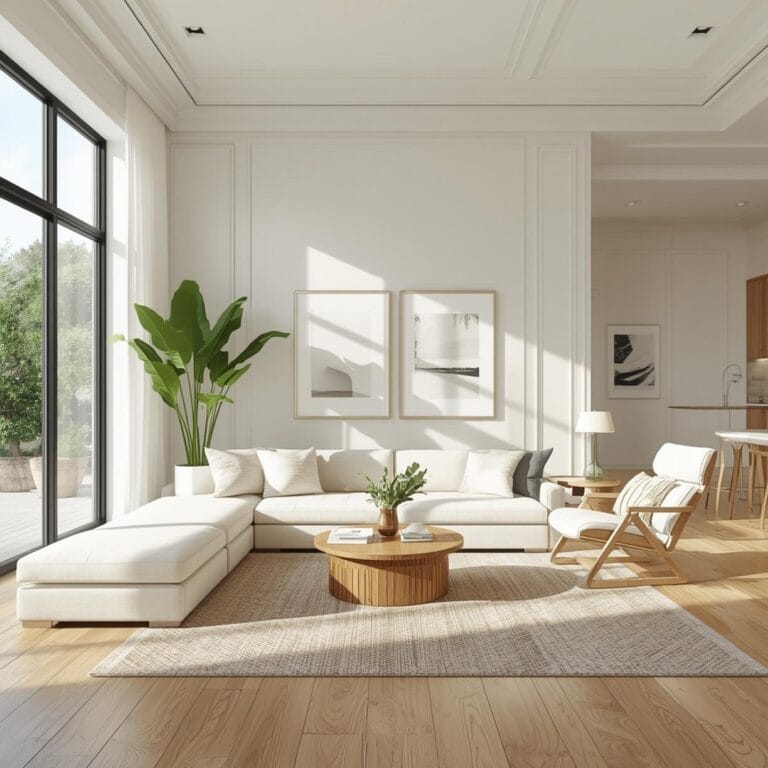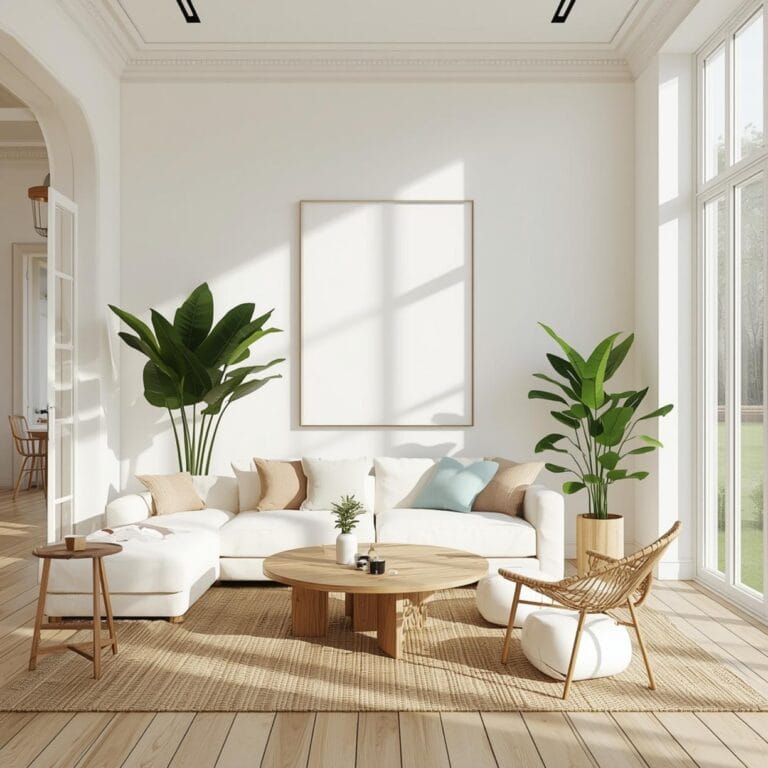
How to Choose Living Room Rugs Like a Pro
Table of Contents
You walk into your living room and something feels off. The furniture looks great, the paint color is perfect, but the room still feels incomplete or oddly disjointed. More often than not, the missing piece is a well-chosen rug that ties everything together.
A Living Room Rugs Guide helps you understand that rugs aren’t just decorative extras—they’re foundational elements that define conversation areas, add warmth underfoot, and bring visual harmony to your space. The right rug transforms a collection of furniture into a cohesive, inviting room.
Whether you’re starting fresh or updating an existing space, choosing a rug involves more than picking a pattern you love. Size, placement, material, and style all work together to either elevate your room or throw it off balance.
Key Terms and Elements to Know
Before you start shopping, it’s helpful to understand the basic rug types and materials you’ll encounter:
Natural fiber rugs include jute, sisal, and seagrass. These bring organic texture and work beautifully in casual or coastal-inspired spaces. They’re durable but can feel rough underfoot.
Wool rugs offer softness, durability, and natural stain resistance. They’re investment pieces that last for decades with proper care. Wool handles high-traffic areas better than most materials.
Synthetic rugs made from polypropylene, polyester, or nylon are budget-friendly and easy to clean. They’re perfect for homes with kids and pets. Modern synthetics have come far in mimicking natural textures.
Viscose and silk rugs deliver luxurious sheen and soft hand feel. They’re best suited for low-traffic areas since they’re more delicate and prone to showing wear patterns.
Hand-tufted versus hand-knotted matters for longevity. Hand-knotted rugs are more expensive but can last generations. Hand-tufted rugs offer good quality at more accessible prices.
Pile height refers to how tall the fibers are. Low pile (under half an inch) works better for high-traffic areas and under furniture. High pile feels plush but shows footprints and vacuum marks more easily.
Common Misconceptions to Clear Up First
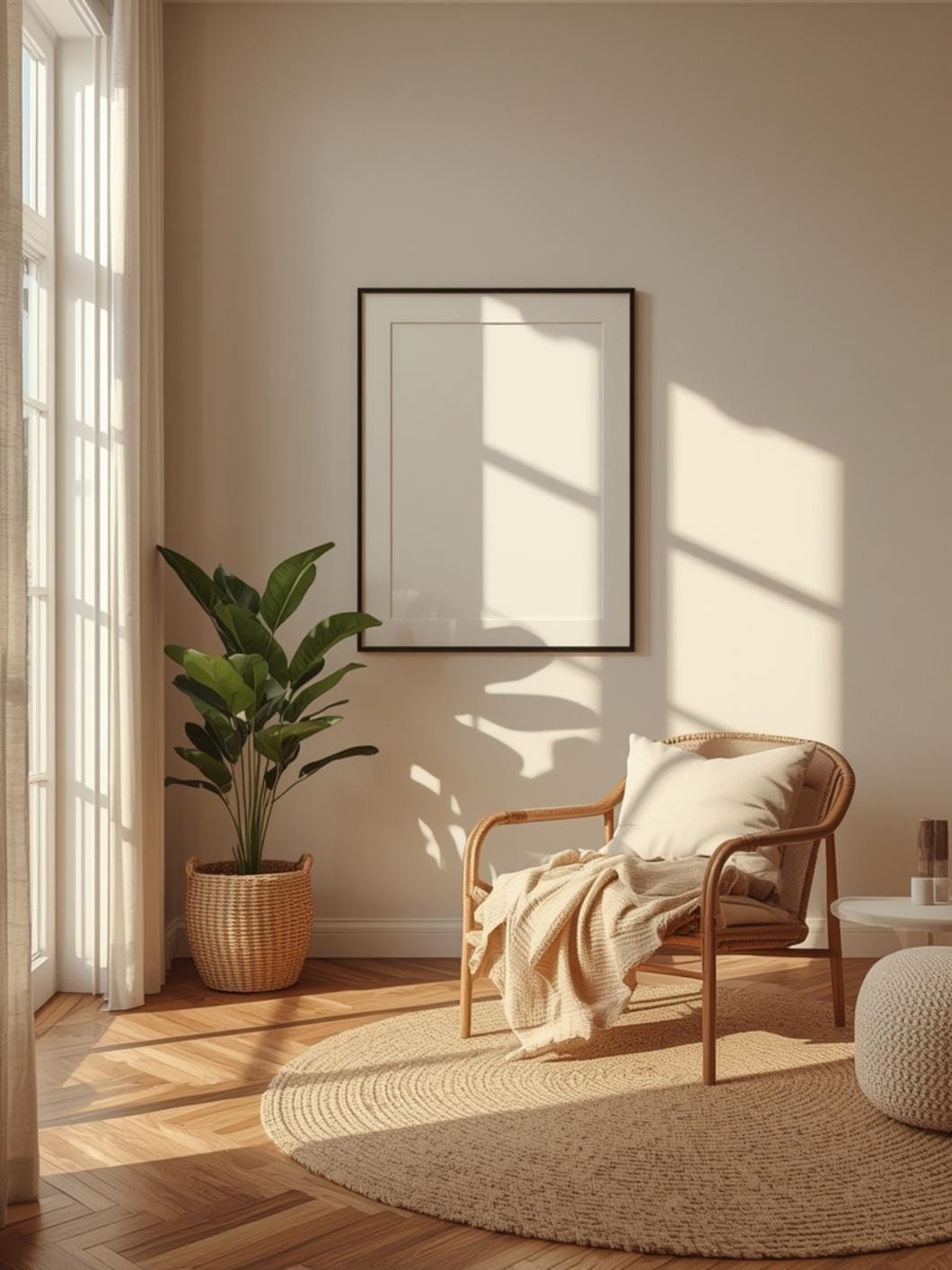
Many homeowners make their rug selection harder than it needs to be by believing common myths that don’t actually apply to real living spaces.
Misconception: All furniture legs must sit fully on the rug. In reality, you have three good options—all legs on, front legs only on, or no legs on with the rug floating in the center. The “front legs on” approach is the most popular and often looks the most balanced.
Misconception: Patterned rugs make small rooms feel smaller. Actually, the right pattern can add depth and interest without overwhelming your space. Size matters more than pattern when it comes to making a room feel cramped.
Misconception: You need matching rugs throughout your home. Your living room rug should coordinate with your overall style but doesn’t need to match rugs in other rooms. Each space can have its own personality while maintaining a cohesive feel through color families or complementary patterns.
Misconception: Light-colored rugs are impossible to keep clean. Modern stain-resistant treatments and regular vacuuming make light rugs perfectly practical. Many synthetic light-colored rugs actually hide certain types of dirt better than dark ones.
Misconception: Layering rugs is just a design trend. Layering a smaller decorative rug over a larger neutral one is a timeless technique that adds dimension and lets you change your look seasonally without buying an entirely new large rug.
How It Works in Real Homes
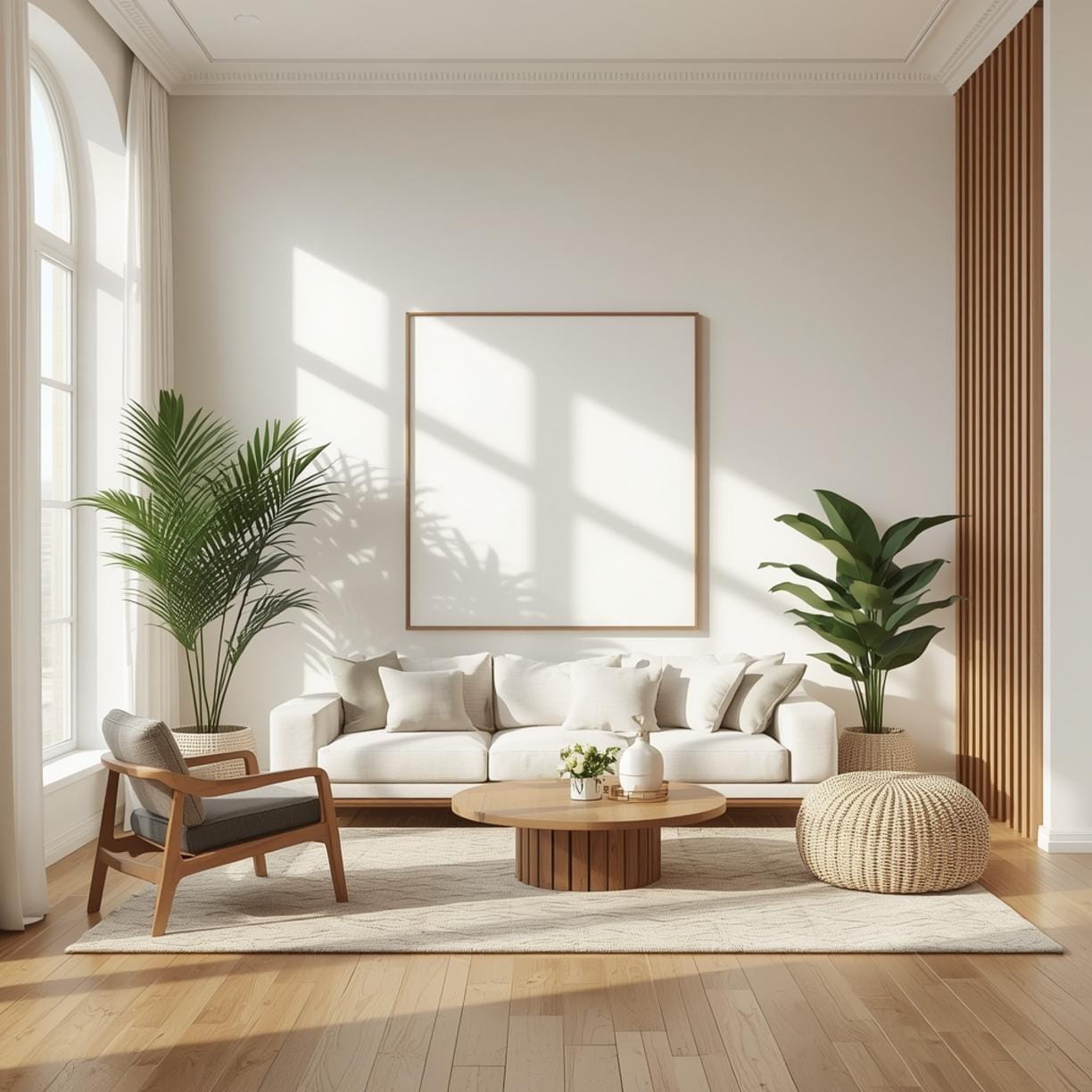
Understanding How to choose the right rug size for your living room makes the difference between a room that feels pulled together and one that feels disconnected or awkwardly proportioned.
Start by measuring your conversation area. This includes your sofa, chairs, coffee table, and the walking space around them. Most living rooms work best with an 8×10 or 9×12 rug. Smaller spaces might use a 5×7 or 6×9, while large open-concept rooms might need a 10×14 or larger.
Create a layout template on your floor. Use painter’s tape to mark the exact dimensions of rugs you’re considering. Live with these tape outlines for a few days. Walk around them, move furniture into position, and see how the proportions actually feel in your daily life.
Apply the furniture placement rule that matches your room size. In smaller living rooms (under 200 square feet), you might choose the floating arrangement with no furniture on the rug. Mid-size rooms (200-300 square feet) look best with front furniture legs on the rug. Larger rooms (over 300 square feet) can accommodate all furniture legs sitting completely on the rug.
Leave consistent borders around your rug. Plan for 10-18 inches of bare floor between your rug edge and the walls. This border frames the rug and prevents the space from feeling cramped. If your furniture sits against walls, the rug should stop at least 6 inches before the furniture base.
Consider your coffee table relationship. Your coffee table should sit completely on the rug with 12-18 inches of rug visible beyond each side. This ensures the table feels anchored and makes the arrangement look intentional.
Account for door swings and traffic patterns. Make sure your rug doesn’t interfere with door openings or create tripping hazards in main walkways. Sometimes adjusting your rug placement by just a few inches makes a huge functional difference.
Test your sight lines from multiple angles. Sit on your sofa, stand in the doorway, and look from adjacent rooms. The rug should create a visual anchor that draws your eye into the space rather than creating awkward gaps or overwhelming the room.
Benefits of Getting Your Rug Choice Right
The right rug does so much more than simply cover your floor—it fundamentally changes how your living room feels and functions every single day.
It defines your conversation zone. A well-placed rug creates an invisible boundary that makes your seating area feel intentional and intimate. Your eyes naturally read the rug borders as the limits of the gathering space, which makes furniture arrangements feel purposeful.
It improves room acoustics dramatically. Hard flooring surfaces bounce sound around, creating echo and making your room feel cold. Rugs absorb sound waves, making conversations easier and reducing the harsh quality that all-hard-surface rooms often have.
It protects your flooring investment. High-traffic areas show wear over time. A quality rug takes the daily impact, extending the life of your hardwood, tile, or luxury vinyl underneath. Replacing a worn rug costs far less than refinishing floors.
It adds essential warmth and comfort. The tactile experience of stepping onto a soft rug instead of cold, hard flooring changes how welcoming your space feels. This matters especially in the morning and evening when you’re barefoot.
It provides design flexibility. Changing your rug is much easier than repainting walls or replacing furniture. This gives you the freedom to refresh your look seasonally or as your style evolves, without major renovation investments.
Tips, Alternatives, and Styling Advice
Budget-friendly option: Look for polypropylene rugs in classic patterns. These synthetic rugs offer excellent durability and easy cleaning at accessible price points. Many look remarkably similar to natural fiber rugs at a fraction of the cost. Machine-made traditional patterns in the 8×10 size typically range from $150-$400.
Mid-range option: Choose hand-tufted wool rugs or wool-blend options. These deliver genuine quality and comfort while remaining reasonably priced. You’ll find beautiful options in this category from $600-$1,200 for standard living room sizes. These rugs will genuinely last 10-15 years with normal care.
Premium option: Invest in hand-knotted wool or silk rugs. These heirloom-quality pieces can last generations and often appreciate in value. Expect to spend $2,000-$5,000+ for living room sizes. Consider vintage or antique rugs in this category for unique character and established quality.
Small space adaptation: Use a 5×7 rug with the front legs of your furniture resting on it. Alternatively, try a round rug (5-6 feet diameter) to soften angular small rooms. The circular shape often makes tight spaces feel less boxy and creates the illusion of more floor space.
Layering technique: Place a smaller vintage or colorful rug over a larger neutral jute or sisal base. This gives you design flexibility and protects the decorative top rug from the heaviest wear. You can swap the top layer seasonally while keeping the neutral base year-round.
Common Mistakes to Avoid
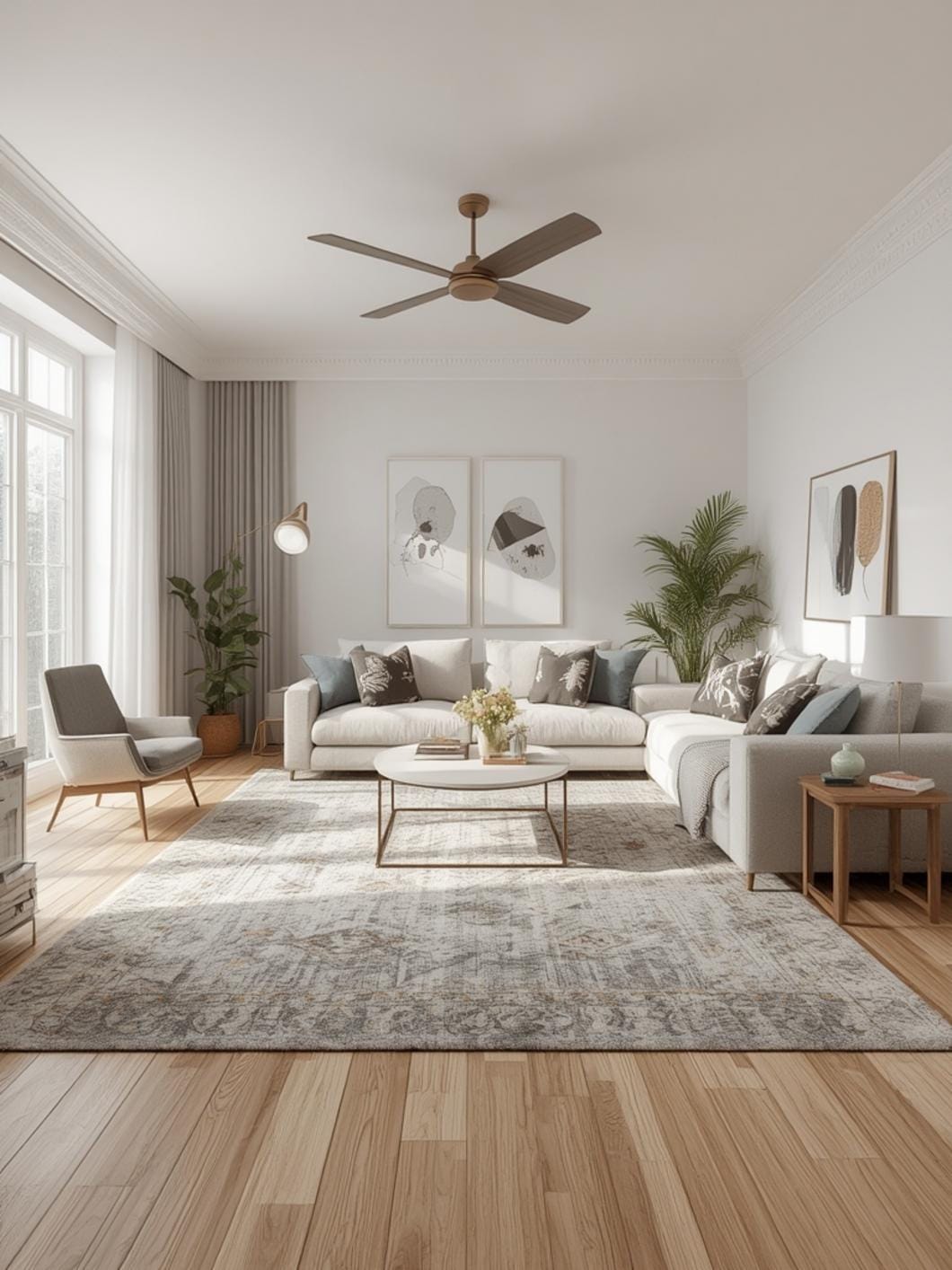
Choosing a too-small rug for your space. This makes your furniture look like it’s floating awkwardly and fragments your room instead of unifying it. Always size up rather than down when you’re between sizes—a slightly larger rug almost always looks more intentional.
Placing furniture completely off the rug. Unless you’re deliberately choosing the floating arrangement, at least your front furniture legs should anchor on the rug. Completely separated furniture makes the rug look like an afterthought rather than a foundational design element.
Ignoring rug pad importance. Skipping the rug pad leads to slipping, bunching, and premature wear on both your rug and floor. Invest in a quality non-slip pad that’s slightly smaller than your rug dimensions for the best performance and safety.
Matching your rug too perfectly to one piece of furniture. This creates a flat, catalog-staged look rather than a layered, collected feel. Instead, pull secondary colors from your sofa or choose a complementary pattern that coordinates without matching exactly.
Forgetting about your room’s natural light. Colors look completely different in north-facing rooms versus south-facing ones. Bring home samples and look at them in your actual space at different times of day before committing to a large investment.
Maintenance and Upkeep Tips
Regular vacuuming is your most important maintenance task. Run your vacuum over high-traffic areas twice weekly and the entire rug weekly. This prevents dirt from settling deep into fibers where it causes premature wear.
Rotate your rug 180 degrees every six months. This distributes wear evenly and prevents permanent traffic patterns from forming in front of your sofa. Set a reminder on your phone for when you change your clocks—it’s an easy habit to maintain.
Address spills immediately by blotting (never rubbing) with a clean white cloth. Work from the outside of the spill toward the center to prevent spreading. For most common spills, plain water and gentle pressure removes the stain before it sets.
Deep clean your rug professionally every 12-18 months. This removes embedded dirt that vacuuming can’t reach and refreshes the fibers. Many rug cleaning services offer pickup and delivery, making this easier than you might expect.
Use furniture coasters or cups under heavy furniture legs. These small additions distribute weight and prevent permanent divots in your rug pile. They’re especially important for pieces that never move, like your sofa or bookcase.
Bring Your Living Room Together
Your living room rug serves as the foundation that makes everything else in your space feel intentional and cohesive. Getting the size right, choosing materials that fit your lifestyle, and placing it properly under your furniture creates that pulled-together look you’re after.
Remember that your perfect rug balances practical needs with aesthetic goals. The most beautiful rug in the world won’t work if it’s the wrong size or too delicate for your actual life.
Start with your measurements, be honest about your lifestyle and maintenance preferences, and trust your instincts. Explore more room-by-room decorating guides at DecorKingdom to create a home that truly reflects your style.
FAQs
What size rug do I need for a 12×15 living room?
For a 12×15 living room, an 8×10 or 9×12 rug typically works best with front furniture legs on the rug and 10-18 inches of bare floor showing around the edges. If you prefer all furniture legs on the rug, consider a 10×14 size. Always measure your actual furniture arrangement before buying.
Can I put a rug over carpet in my living room?
Yes, layering a rug over carpet works beautifully and is a great way to define spaces in open layouts or add pattern to neutral carpet. Choose a low-pile rug and use a non-slip rug pad designed for carpet-to-rug applications. Make sure the top rug contrasts enough in texture or color to look intentional.
How much should I expect to spend on a good quality living room rug?
For an 8×10 rug, budget $300-$800 for solid quality that will last 5-10 years with proper care. Hand-tufted wool rugs in this size range from $600-$1,200, while budget-friendly polypropylene options start around $150-$400. Premium hand-knotted rugs begin at $2,000 and can exceed $5,000.
Should my rug match my sofa or my walls?
Your rug should coordinate with your overall color scheme but doesn’t need to match any single element exactly. Pull a secondary or accent color from your room rather than matching your dominant sofa color. This creates depth and visual interest rather than a flat, too-matched look.
How do I keep my rug from sliding on hardwood floors?
Always use a high-quality non-slip rug pad that’s cut slightly smaller than your rug dimensions. Look for pads specifically designed for hardwood that won’t damage or discolor your floors. Replace your pad every few years as the grip naturally decreases with age and wear.
—
Meta Title: Living Room Rugs Guide: Perfect Size & Style Tips 2026
Meta Description: Choose the perfect rug size and style with this Living Room Rugs Guide. Get expert tips on placement, materials, and avoiding costly mistakes.