Small Laundry Room Sink Ideas That Actually Fit (Without a Full Remodel)
Your laundry room is cramped, and every time you need to hand-wash a delicate sweater or rinse out a muddy shoe, you’re stuck at the kitchen sink. You’ve been dreaming of adding a utility sink, but the space feels impossibly tight. The good news? Small laundry room sink ideas don’t require tearing down walls or sacrificing your storage.
With the right sink style and a bit of smart planning, you can fit a functional wash station into even the tiniest laundry nook. Whether you’re working with a closet-sized space or a narrow galley layout, there’s a sink solution that won’t overwhelm your room.
This guide walks you through practical sink options, styling tips, and realistic planning so you can finally add that utility sink you’ve been wanting.
Table of Contents
What You’ll Need to Get the Look
Before you start shopping, it helps to know what pieces actually make up a small laundry sink setup. Here’s what you’ll need to pull together a functional and stylish wash station.
Essential Components:
– Wall-mounted or freestanding utility sink (18–24 inches wide)
– Compact faucet with pull-down or gooseneck spout
– P-trap and drain assembly
– Supply line hoses (hot and cold)
– Wall brackets or cabinet base (depending on sink style)
Optional Upgrades:
– Built-in drying rack or ribbed basin surface
– Soap dispenser or apron-front accessories
– Splash guard panel or small backsplash tile
– Under-sink storage basket or tension rod for cleaning supplies
Most homeowners find that sticking with a simple wall-mount or drop-in sink keeps costs down and installation straightforward. If you’re working with extremely limited space, consider a corner sink or one with a single-bowl design to maximize every inch.
Finding Your Style and Season
Timing matters less with laundry upgrades than with other home projects, but thinking through your style and daily routine will help you choose the right sink. If you do a lot of hand-washing or have kids who track in mud, a deeper basin makes sense. If you mostly use the sink for spot-treating stains, a shallow model with a wide opening works better.
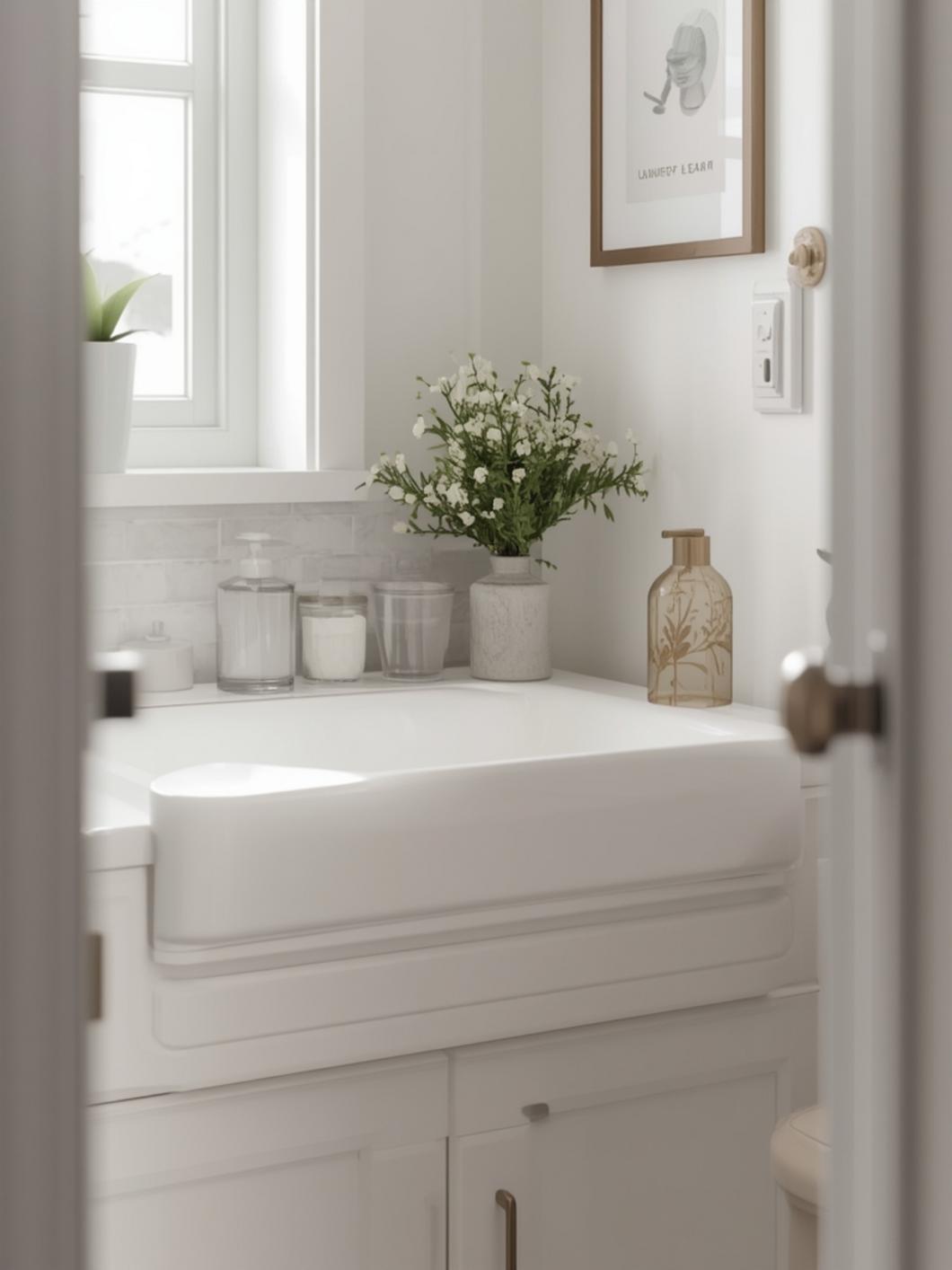
Consider your laundry room’s overall vibe. Farmhouse-style apron sinks bring warmth and character, while sleek stainless steel models fit modern or industrial spaces. White ceramic or acrylic basins feel clean and timeless, blending into almost any decor style.
If you’re planning a laundry refresh in early spring or fall, you’ll have an easier time finding contractors (if you need plumbing work) and better availability on popular sink models. But honestly, this is a project you can tackle any time of year without worrying about weather or seasonal delays.
7 Ideas to Try in Your Home
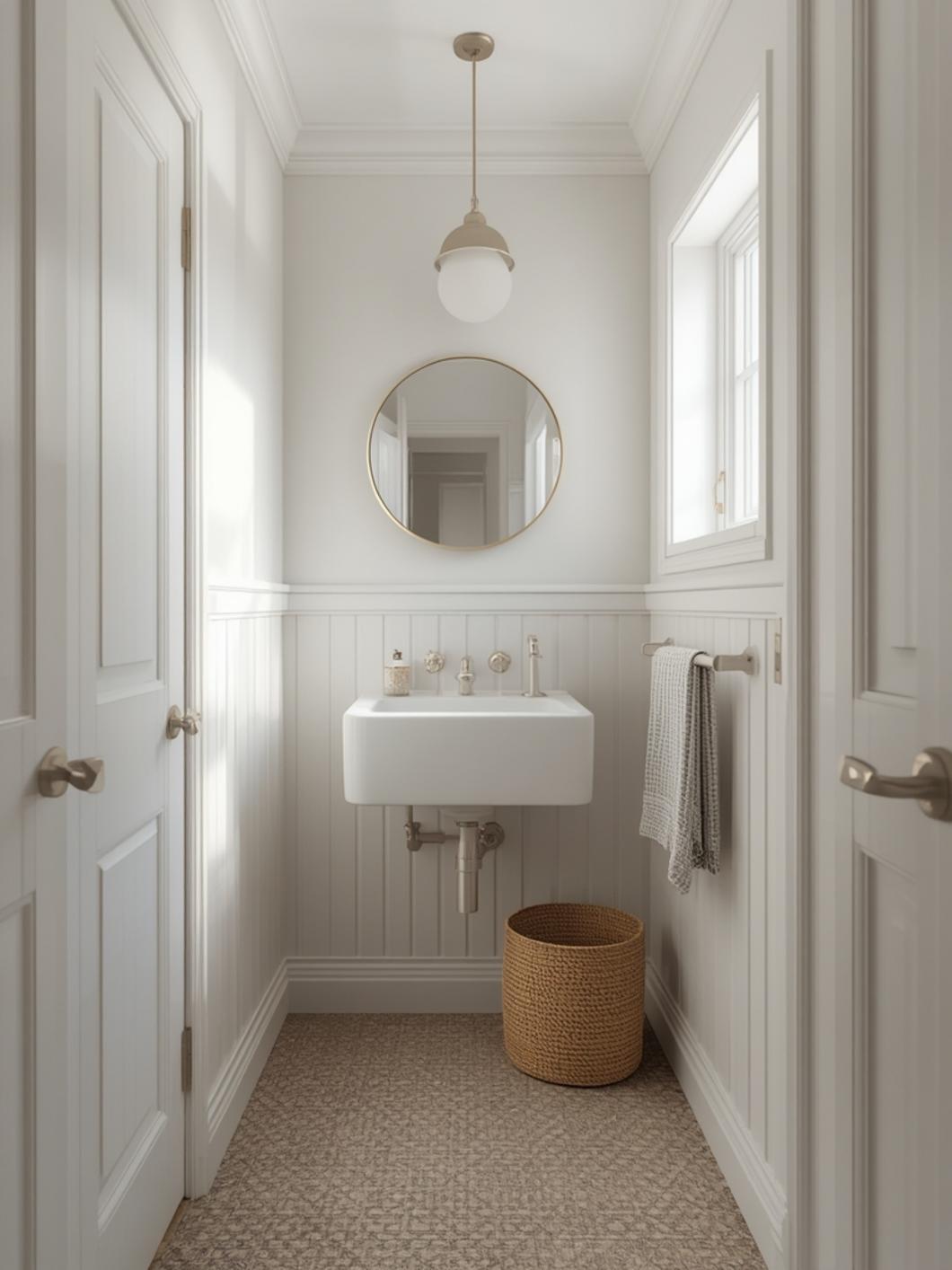
Here are seven smart ways to add a sink to your small laundry room without losing precious space or style. Each approach works for different layouts and budgets.
1. Wall-Mounted Sink with Open Shelving Below
Mount a compact 20-inch sink directly to the wall and skip the bulky cabinet. Install floating shelves or a wire basket underneath for supplies. This keeps the floor clear and makes your room feel more spacious. Perfect for narrow galley laundries where every inch of floor space counts.
2. Corner Sink with Custom Countertop
Tuck a small corner sink into an unused angle of your laundry room. Pair it with a triangular or L-shaped countertop to create a mini folding station. This setup works beautifully in square or L-shaped laundry rooms where corners often go to waste.
3. Drop-In Sink on Top of Front-Load Washer
If your washer and dryer sit side by side, build a simple countertop over both and drop a sink into one end. You’ll gain folding space and a wash basin in one smart move. Make sure the countertop is sturdy enough to support the sink’s weight when filled with water.
4. Farmhouse Apron Sink with Vintage Cabinet Base
Choose a small farmhouse sink (around 18–22 inches) and set it into a salvaged cabinet or vintage washstand. This brings tons of character to country or cottage-style laundry rooms. The cabinet below provides hidden storage for detergent and stain removers.
5. Stainless Steel Bar Sink in Closet Laundry
For closet-sized laundries, a bar sink (about 15 inches wide) offers just enough function without overwhelming the space. Mount it on a short stretch of countertop next to your stackable washer-dryer unit. The small footprint leaves room for a hamper or basket storage.
6. Integrated Sink and Countertop Unit
Look for all-in-one laundry sink kits that include the basin, countertop, and cabinet base as one piece. These typically measure 24–30 inches wide and offer the easiest installation. They’re ideal if you want a polished look without custom carpentry work.
7. Pull-Out Sink Drawer Under Counter
Install a pull-out sink drawer beneath an existing countertop or between washer and dryer units. When you need it, slide it out; when you don’t, tuck it away. This ultra-compact solution works for laundry rooms where permanent fixtures would feel cramped. While this is the most complex idea here, it’s worth exploring if space is at an absolute premium.
A compact utility sink installation guide will walk you through the basics of hooking up water lines and drainage, but always call a licensed plumber if you’re uncomfortable with any part of the process. Most homeowners can handle swapping out a sink once the plumbing is in place, but new installations often need professional help to ensure proper drainage and avoid leaks.
Benefits of Adding a Small Laundry Sink
A utility sink transforms how you handle everyday messes. Instead of hauling dirty garden gloves or paint-splattered brushes to your kitchen, you have a dedicated spot for all the grimy tasks you’ve been avoiding.
Hand-washing delicates becomes effortless when you have a proper basin with a faucet at the right height. No more awkward bending over the bathtub or balancing items in a shallow kitchen sink. You’ll also find yourself pre-treating stains more consistently when the setup is convenient and accessible.
Beyond the practical perks, a well-chosen sink adds resale value. Homebuyers notice thoughtful laundry room upgrades, especially when they see functional features in small spaces. Even a simple wall-mount sink signals that the home has been cared for and updated.
Tips, Alternatives, and Styling Advice
Budget-Friendly Option:
Choose a basic white acrylic wall-mount sink (around $50–$100) and pair it with a simple chrome faucet. Skip the cabinet and use a tension rod underneath for hanging spray bottles and brushes. This minimal setup costs under $200 and takes just a few hours to install if your plumbing is already roughed in.
Mid-Range Option:
Invest in a stainless steel drop-in sink with a built-in drying rack ($150–$300) and set it into a laminate countertop. Add a pull-down faucet for easier rinsing and a small cabinet base for storage. Total cost typically runs $500–$800 including materials and basic plumbing updates.
Premium Option:
Go for a farmhouse-style fireclay sink ($300–$600) with a solid wood cabinet base and high-arc bridge faucet. Add tile backsplash and butcher-block countertops for a designer look. Expect to spend $1,200–$2,000 for this level of finish, but the result feels custom and elevates your entire laundry room.
Small Space Adaptation:
If your laundry room is truly tiny, consider a 15-inch round bar sink mounted in the corner. Pair it with a single-handle faucet and wall-mounted soap dispenser to keep the counter clear. Every inch matters in these spaces, so measure twice before committing to any sink dimensions.
Common Mistakes to Avoid
Choosing a sink that’s too deep for the space.
A 12-inch-deep basin might seem practical, but in a tight laundry room it can block cabinet doors or make the counter feel cramped. Stick with 6–8 inch depths for most small spaces.
Forgetting about faucet clearance.
That gorgeous high-arc faucet won’t work if your sink sits under a shelf or cabinet. Always measure vertical clearance before you buy, leaving at least 18 inches from the sink bottom to any overhead obstruction.
Skipping the splash guard.
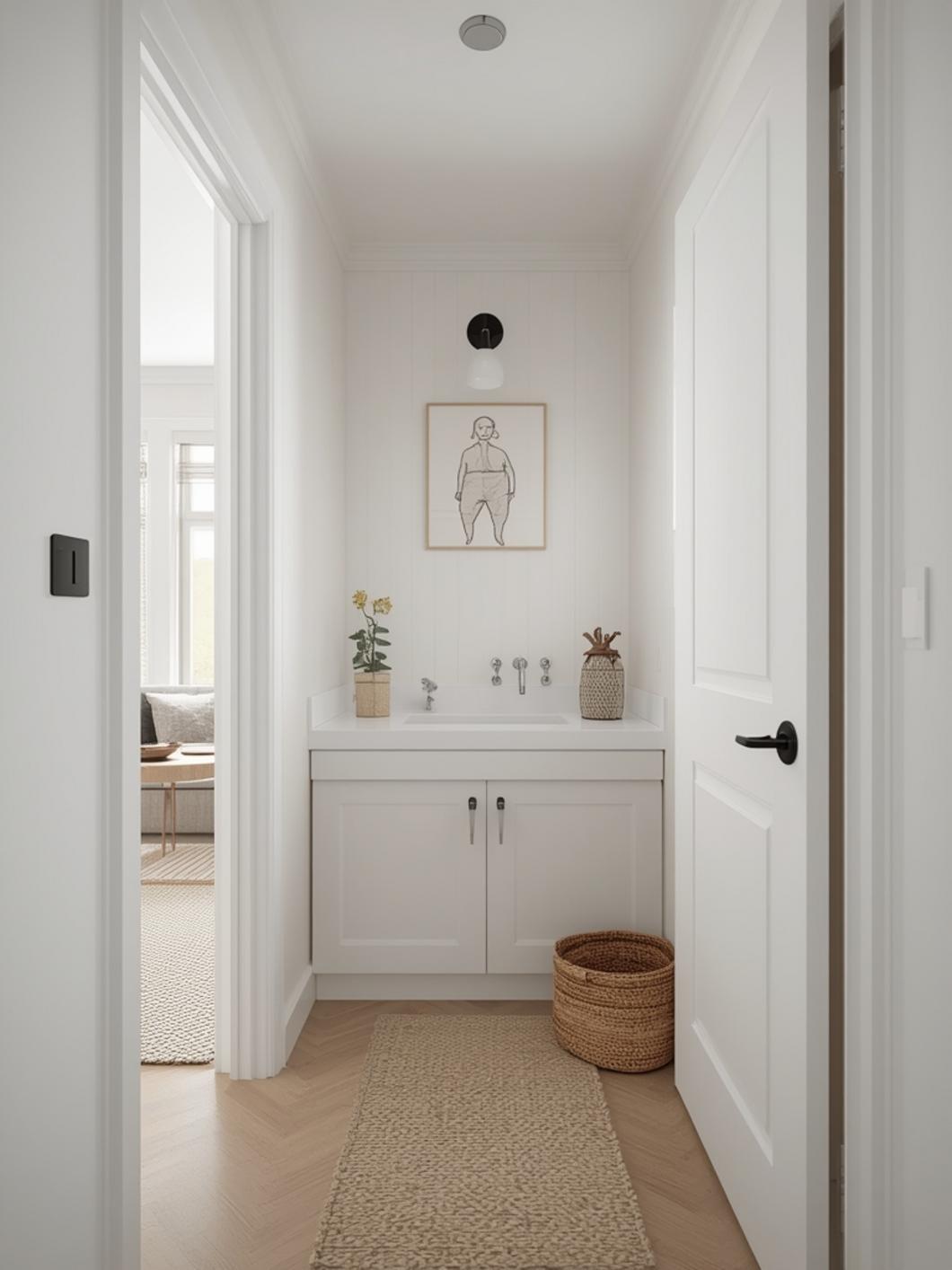
Even small sinks create splatter when you’re scrubbing muddy shoes or rinsing out buckets. Install a small backsplash or peel-and-stick tile panel behind the sink to protect your walls from water damage.
Installing the sink too far from the washer.
If your sink sits across the room from your washer, you’ll constantly drip water across the floor when moving wet items. Position it within arm’s reach of your machines for the most functional layout.
Ignoring ventilation around the sink area.
Damp laundry rooms develop mildew quickly, especially around sinks. Make sure your space has adequate airflow, whether from a window, exhaust fan, or door left open during use.
Maintenance and Upkeep Tips
Clean your utility sink weekly with a mild all-purpose cleaner and soft cloth. Stainless steel sinks benefit from occasional buffing with mineral oil to maintain their shine, while white acrylic basins need regular scrubbing to prevent dingy buildup.
Check under the sink every few months for signs of leaks or moisture. Tighten any loose connections right away and replace worn washers before they cause bigger problems. A small drip can lead to mold or water damage if ignored.
Clear your drain regularly by flushing it with hot water and a bit of dish soap. Avoid harsh chemical drain cleaners in utility sinks since they can damage plastic P-traps. If you notice slow drainage, a simple plunger usually does the trick.
Wipe down your faucet after each use to prevent hard water spots and mineral buildup. If you live in an area with very hard water, consider installing an inexpensive inline filter to extend the life of your faucet and keep it looking new.
Wrapping Up Your Laundry Sink Project
Adding a sink to your small laundry room doesn’t have to mean sacrificing space or breaking your budget. With the right style and placement, even the tiniest laundry nook can accommodate a functional wash station that makes daily tasks easier.
Start by measuring your available space carefully and choosing a sink that fits both your physical layout and your design style. Whether you go with a budget-friendly wall-mount or splurge on a farmhouse basin, the key is picking something you’ll actually use and enjoy.
Ready to explore more ways to maximize your laundry room? Browse DecorKingdom for more space-saving ideas and styling inspiration that work in real homes.
FAQs
What’s the smallest utility sink size that’s still functional?
Bar sinks around 15 inches wide work well for basic tasks like hand-washing and pre-treating stains. They fit into tight corners and narrow countertops without overwhelming tiny laundry rooms. Anything smaller than 12 inches becomes difficult to use for most household tasks.
Can I install a laundry sink myself or do I need a plumber?
If your laundry room already has plumbing connections roughed in, you can likely swap out a sink yourself with basic tools. Installing new plumbing lines or moving drain locations requires a licensed plumber to ensure proper slope, venting, and code compliance.
Do I need hot and cold water for a laundry sink?
Most utility sinks benefit from both hot and cold connections for versatility, but cold-only setups work if you’re primarily using the sink for rinsing or pre-soaking. Hot water makes hand-washing delicates and cleaning greasy items much easier.
How much does it cost to add a sink to a small laundry room?
A basic wall-mount sink with simple plumbing runs $200–$500 if connections already exist. Installing new plumbing and a mid-range sink typically costs $800–$1,500. High-end custom installations with tile work and premium fixtures can reach $2,000–$3,000.
What’s the best sink material for a laundry room?
Stainless steel resists stains and scratches while handling heavy use without chipping. Acrylic sinks cost less but can scratch more easily. Fireclay farmhouse sinks look beautiful and last forever but come at a premium price point.
—
Meta Title: Small Laundry Room Sink Ideas That Actually Fit (2026)
Meta Description: Discover smart small laundry room sink ideas for tight spaces. From wall-mount to farmhouse styles, find the perfect fit without remodeling.