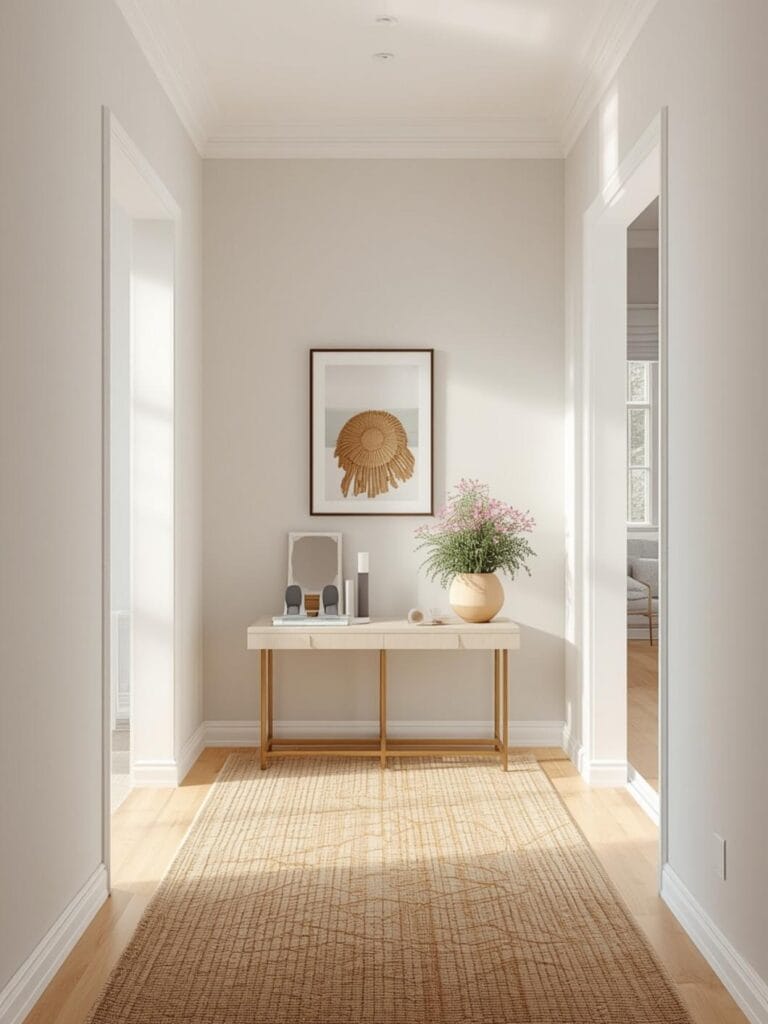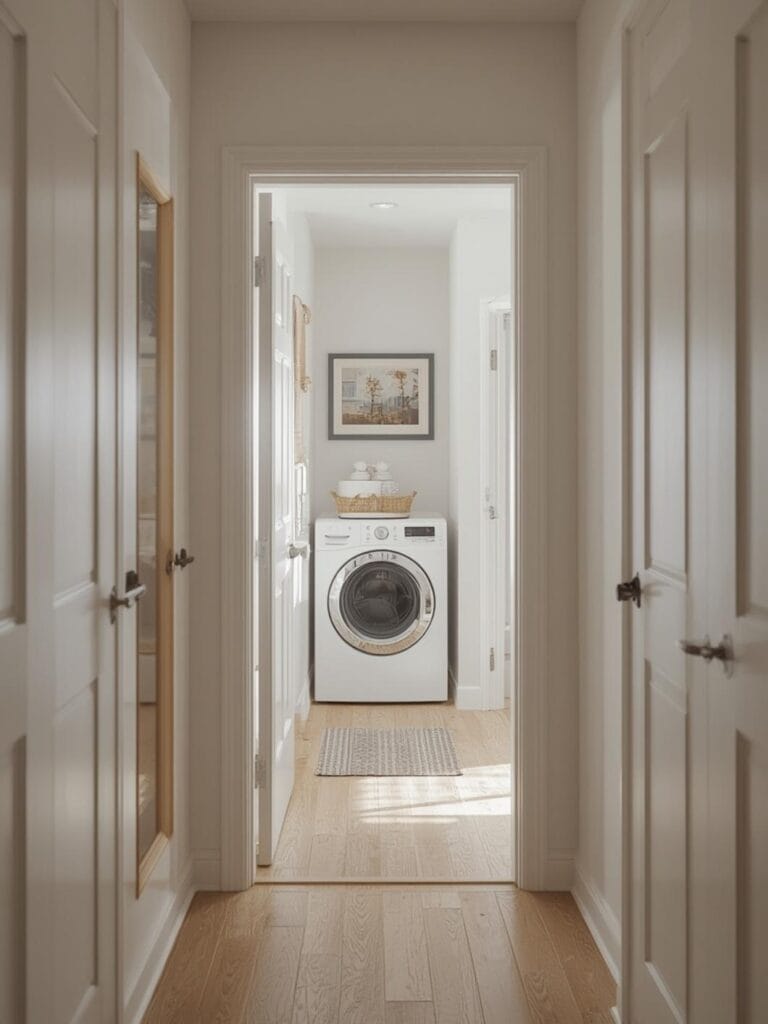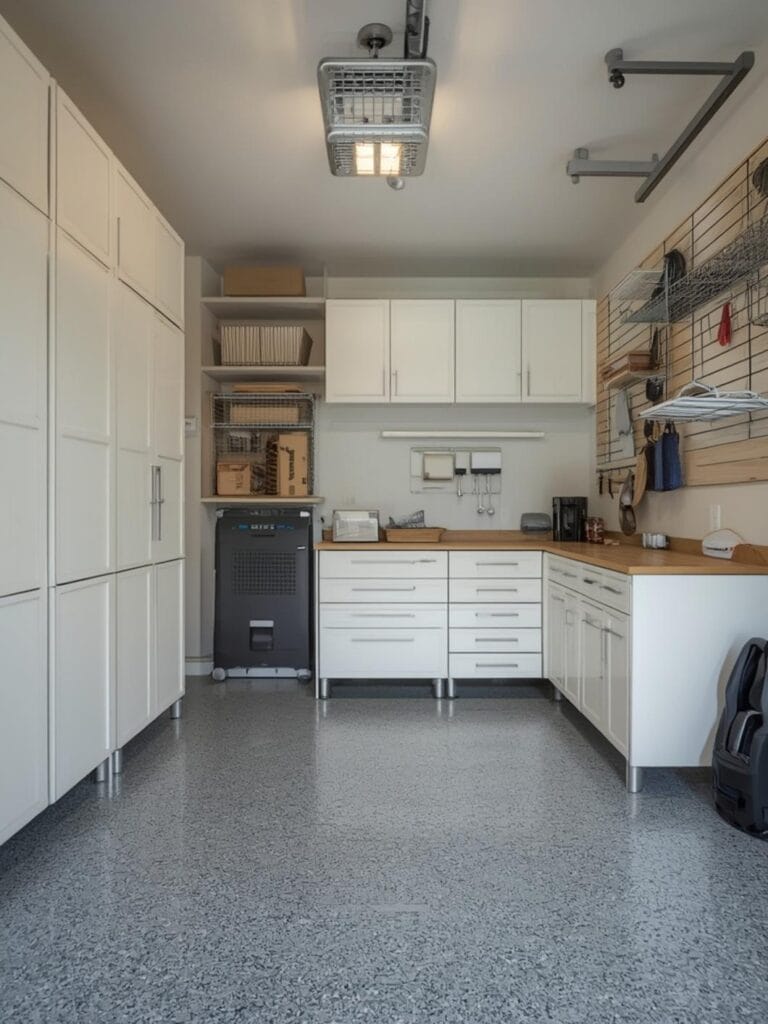
Transform Your Entryway with Smart Mudroom Pantry Ideas
You walk through the door with grocery bags, backpacks, shoes, and coats — and there’s nowhere to put anything. Your entryway becomes a dumping ground, and you’re constantly searching for keys or snacks before heading out again.
What if your mudroom could do double duty? Combining mudroom storage with pantry organization creates a hardworking space that handles everything from winter boots to breakfast bars. Mudroom pantry ideas blend the best of both worlds, giving you a functional drop zone that also keeps everyday essentials within arm’s reach.
Whether you’re working with a dedicated room or just a narrow hallway, smart design choices can turn chaos into calm. You deserve an entryway that actually works for your family’s busy life.
Table of Contents
What You’ll Need to Get the Look
Creating a mudroom pantry doesn’t require a complete renovation. The right combination of storage pieces and organizational tools makes all the difference in how your space functions and feels.
Start with sturdy shelving units that can handle both shoe storage and canned goods. Look for adjustable shelves so you can customize the height based on what you’re storing. Open shelving works beautifully for items you grab frequently, while closed cabinets hide clutter and keep bulk pantry items dust-free.
Hooks are non-negotiable — install them at different heights for adults and kids. Heavy-duty wall hooks support winter coats and backpacks, while smaller hooks work for keys and reusable shopping bags.
Storage containers and baskets bring visual order to the space. Clear bins let you see pantry items at a glance, while woven baskets soften the look and corral scarves, gloves, or dog leashes. Label everything so family members know exactly where things belong.
A bench with built-in storage serves triple duty: seating for putting on shoes, hidden storage for seasonal items, and a landing spot for grocery bags while you unload. Choose one with a cushion for comfort and style.
Add a small utility cart or rolling island if you have floor space. This mobile storage can hold lunch-making supplies, pet food, or gardening tools — whatever your household needs most. Roll it out of the way when you need more room.
Lighting matters more than you might think. Battery-operated LED strips under shelves illuminate dark corners and make it easier to find what you need. A small table lamp or wall sconce adds warmth and makes the space feel intentional rather than utilitarian.
Finding Your Style and Season
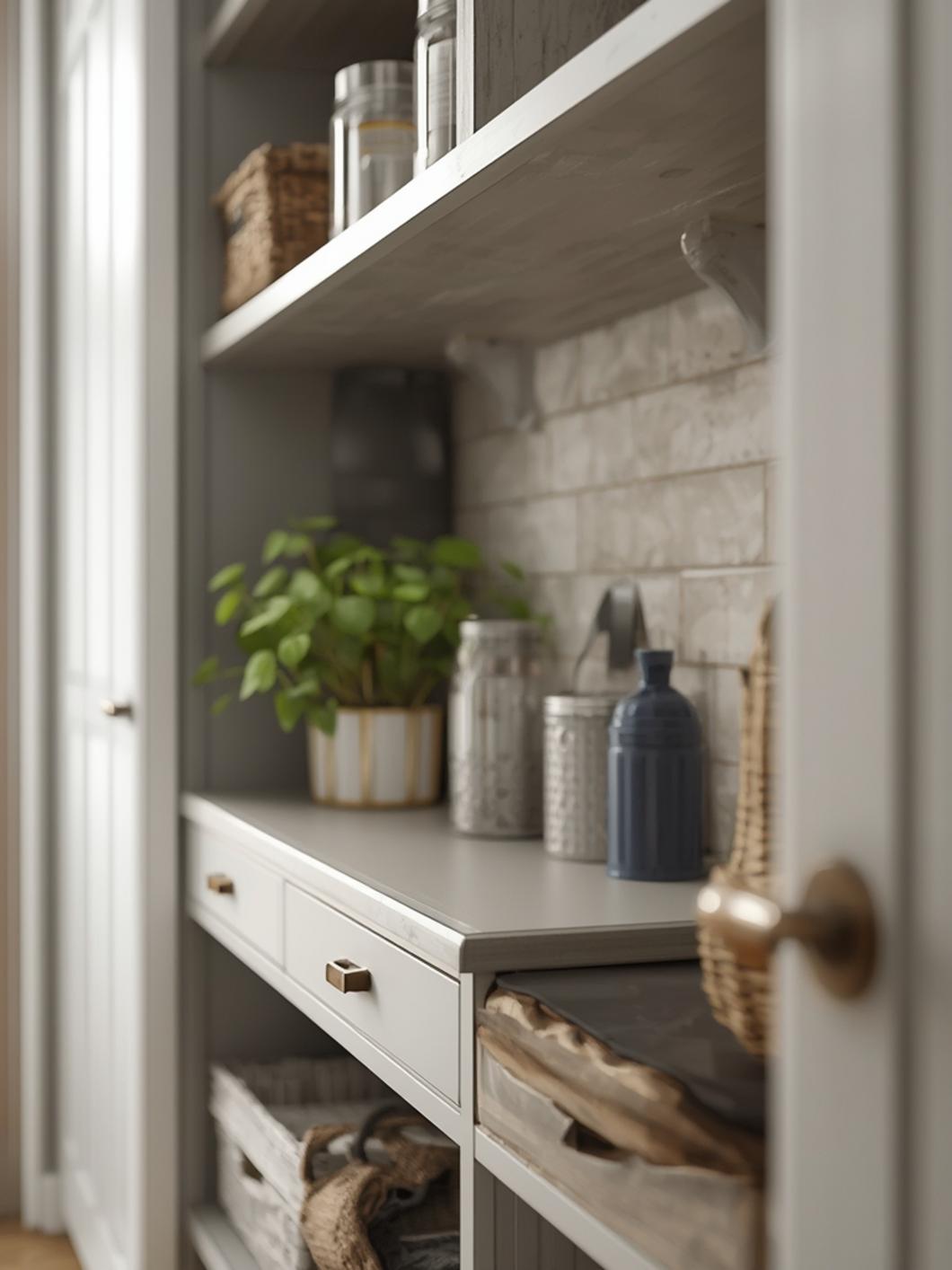
Your mudroom pantry should reflect how your family actually lives. Think about your daily routines and seasonal needs before committing to a specific design approach.
Spring and summer call for lighter, more open storage solutions. You’ll want easy access to sunscreen, sports equipment, and picnic supplies. Swap out winter boot trays for sandal storage and create a designated spot for farmers market bags.
Fall brings back-to-school chaos and holiday prep. This is when your mudroom pantry earns its keep. Set up a homework station with snack access nearby, and dedicate shelf space to baking supplies for upcoming gatherings.
Winter demands serious coat and boot storage plus extra pantry space for comfort foods. Dark, cozy evenings mean you’ll appreciate that hot chocolate station near the door. Consider how much indoor drying space you need for wet winter gear.
Your aesthetic preferences matter too. Farmhouse style loves open shelving with vintage crates and wire baskets. Modern minimalists prefer sleek cabinets with hidden storage and monochromatic containers. Traditional homes suit built-in cabinetry with classic hardware and neutral tones.
Match your mudroom pantry style to the rest of your home for visual flow. If your kitchen features white shaker cabinets, echo that look in your entryway. Glass-front cabinets create continuity between spaces while showing off pretty pantry packaging.
7 Ideas to Try in Your Home
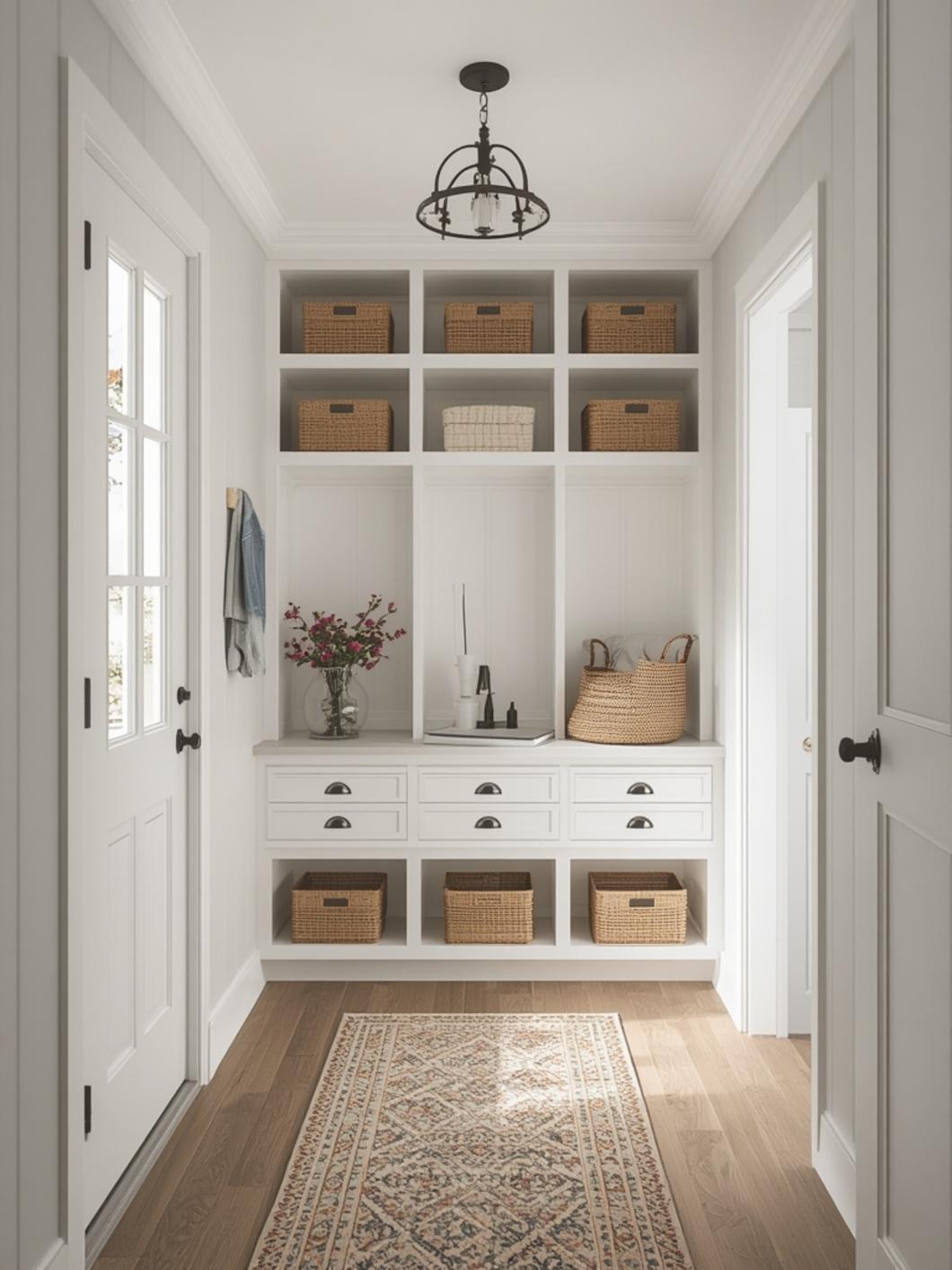
Floor-to-Ceiling Storage Wall
Install tall shelving units that maximize vertical space from floor to ceiling. Designate the lower shelves for shoes and bins, middle shelves for frequently used pantry items, and upper shelves for seasonal storage or bulk goods. This approach gives you serious storage capacity even in a narrow footprint. Paint the backing board a bold color to make the whole wall feel like an intentional design feature rather than just storage.
Cubbies with Pantry Drawers
Individual cubbies for each family member keep personal items contained, while pull-out pantry drawers below hold snacks, pet supplies, or cleaning products. Each person gets a hook above their cubby for coats and bags. This system teaches kids to maintain their own space while how to maximize small mudroom storage space through multi-functional design. Label each cubby with names or photos for younger children.
Sliding Barn Door Pantry
Hide your pantry storage behind a sliding barn door that saves space and adds rustic charm. Mount narrow shelves on the wall for canned goods, snacks, and lunch supplies, then close the door to maintain a clean look in your entryway. The open side of your mudroom handles coats and shoes with traditional hooks and benches.
Corner Command Center
Awkward corner spaces transform into hardworking zones with the right approach. Install corner shelving for pantry items, add a small desk surface for mail and keys, and hang a bulletin board above for schedules and reminders. Tuck a narrow trash bin underneath for junk mail and recyclables. This creates a drop zone that truly manages everything coming in and out of your home.
Pegboard Wall System
Mount a large pegboard painted to match your walls, then customize the storage configuration with hooks, baskets, and small shelves. Hang coats and bags on sturdy hooks while small baskets hold granola bars, dog treats, or sunscreen. Rearrange the system seasonally to accommodate changing needs. This flexible approach adapts as your family grows and routines shift.
Under-Bench Pantry Pullouts
Install deep drawers beneath your mudroom bench for hidden pantry storage that pulls out smoothly. These work perfectly for bulk paper goods, cases of drinks, or pet food bags. The bench top remains clear for sitting and bag-dropping, while serious storage hides below. Add cushions or pillows to make the bench inviting and disguise the storage underneath.
Open Shelf Cafe Station
Create a grab-and-go breakfast or coffee station on open shelving near your door. Stock it with travel mugs, protein bars, instant oatmeal packets, and coffee pods. Add a small tray for keys and sunglasses on the counter below. This setup prevents morning bottlenecks in your kitchen while getting everyone out the door faster. Include a small water bottle station so family members can hydrate on their way out.
Benefits of Combining Mudroom and Pantry Functions
Your entryway becomes dramatically more efficient when it handles multiple household needs. No more running to three different rooms to pack lunches or gather everything before leaving. Everything your family grabs on the go lives in one convenient spot.
Morning routines flow more smoothly when snacks, bags, and coats occupy the same zone. Kids can pack their own snacks while putting on shoes, building independence and speeding up departure times. You’ll spend less time herding everyone toward the door when the space does the organizational work for you.
The psychological benefit of an organized entryway ripples through your entire home. Coming home to order rather than chaos shifts your mood instantly. Guests see your most organized space first, creating a positive impression before they even step into your main living areas.
Combining functions saves serious square footage in homes where every inch counts. You eliminate the need for a separate pantry closet by incorporating those items into existing mudroom storage. This frees up space elsewhere for the activities and rooms that matter most to your family.
Grocery unloading becomes effortless when your pantry storage lives right by the door. No more carrying heavy bags through the entire house — you can sort and store items immediately. Perishables go straight to the kitchen while shelf-stable items stay in the mudroom pantry, reducing steps and effort.
Storage Solutions at Every Budget
Budget-Friendly Approach
Wire shelving units from home improvement stores cost under $100 and hold substantial weight. Add inexpensive plastic bins and baskets from discount stores to corral smaller items. Use adhesive hooks instead of drilling into walls, and repurpose mason jars or shoeboxes for organizing small pantry items. A simple bench from a secondhand store gains storage capacity with baskets tucked underneath.
Mid-Range Investment
Invest in one quality storage system like a modular closet organizer adapted for mudroom-pantry use, typically ranging from $300-600. These systems include a mix of shelves, drawers, and hanging space that you can configure to your exact needs. Add custom labels, matching baskets from home stores, and a comfortable bench cushion you sew yourself or order online. Under-shelf baskets and drawer dividers maximize every inch.
Premium Solution
Custom built-ins designed specifically for your space run $2,000-5,000 depending on size and finishes. A carpenter creates storage that fits your ceiling height, awkward corners, and specific family needs perfectly. Include features like pull-out drawers with soft-close mechanisms, built-in charging stations, and LED lighting strips. Choose hardwood with professional paint or stain that coordinates with your home’s trim and cabinetry.
Small Space Adaptation
Narrow hallways require slim-profile solutions. Mount a pegboard on one wall for vertical storage and hang a narrow console table (only 8-10 inches deep) for pantry baskets underneath. Use the wall space above the console for floating shelves. Over-door organizers hold surprising amounts without taking floor space — dedicate one to shoes and another to snacks. A fold-down wall-mounted table provides temporary surface space when needed, then disappears against the wall.
Common Mistakes to Avoid
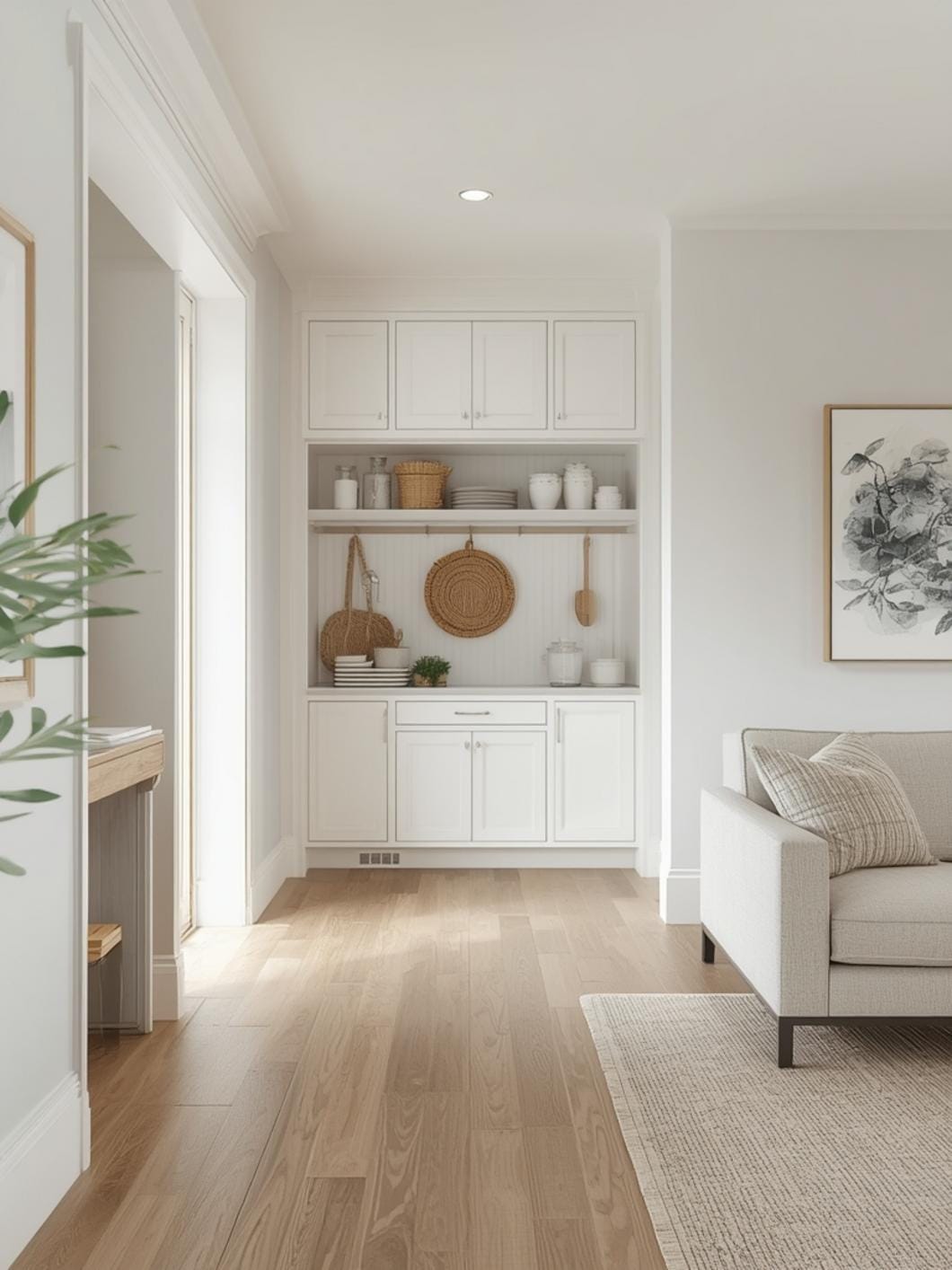
Installing shelves too high makes daily access frustrating and wastes your most convenient storage zones. Keep everyday items between knee and shoulder height, reserving high shelves only for seasonal or rarely used items.
Choosing style over function leaves you with beautiful storage that doesn’t actually work for your lifestyle. Make sure bins and baskets are easy to pull out and put back, and that doors open fully without bumping into walls or furniture.
Forgetting about maintenance creates hidden messes that overwhelm you later. Leave enough space between items for cleaning, and choose materials that wipe down easily when muddy shoes or spilled snacks make their inevitable appearance.
Overlooking ventilation in closed pantry areas leads to stale odors and potential moisture problems. Install a small battery-operated fan or ensure cabinet doors have ventilation holes, especially if storing items that can develop odors like pet food or shoes.
Skipping the labeling step means your organizational system only works for you. Other family members won’t maintain systems they don’t understand, so clear labels help everyone put things back where they belong, keeping your mudroom pantry functional long-term.
Keeping Your Mudroom Pantry Fresh
Wipe down shelves monthly with a damp microfiber cloth and mild all-purpose cleaner. This prevents dust buildup and keeps food storage areas sanitary. Empty each section completely when cleaning so you can reach back corners and check for expired items.
Rotate your pantry stock every season using the first-in, first-out method. Move older items to the front and place new purchases behind them. This prevents waste and ensures you’re actually using what you store instead of letting things expire in the back of deep shelves.
Refresh your mudroom elements with the weather. Swap boot trays for sandal storage in summer, replace heavy storage baskets with lighter ones, and adjust what you keep accessible based on current activities. This seasonal reset keeps the space relevant to how you’re actually living.
Vacuum or sweep the floor weekly since mudrooms see heavy foot traffic and tracked-in debris. A small handheld vacuum works perfectly for quick daily cleanups. Place a durable, washable rug at the entrance to catch dirt before it spreads through the space.
Check hooks and hardware every few months to ensure weight-bearing pieces remain secure. Tighten any loose screws and reinforce mounting if needed. Overloaded hooks eventually pull away from walls, so redistribute weight before problems develop.
Making Your Mudroom Pantry Work for You
Your entryway has the potential to be the hardest-working square footage in your entire home. When you thoughtfully combine mudroom storage with pantry organization, you create a space that supports your family’s real routines instead of fighting against them.
Start with one or two ideas from this article that address your biggest pain points. You don’t need to tackle everything at once — even adding one set of hooks and a basket of granola bars improves your daily experience.
Explore more practical storage solutions and beautiful home ideas at DecorKingdom, where we help you create spaces that work as well as they look.
FAQs
How deep should mudroom pantry shelves be?
Shelves between 12-16 inches deep work best for most mudroom pantry combinations. This depth accommodates standard pantry items like cereal boxes and canned goods while leaving enough room to see everything without items getting lost in the back. Shoe storage needs only 10-12 inches, so you can vary depth on different shelves based on what you’re storing in each section.
Can I add pantry storage to an existing mudroom without major construction?
Absolutely — freestanding shelving units, wall-mounted systems, and modular closet organizers transform existing mudrooms without requiring contractor work. Use furniture-grade pieces that don’t need permanent installation, or mount floating shelves with heavy-duty brackets. Even adding a rolling cart provides instant pantry storage that you can move around as needs change.
What pantry items work best in a mudroom location?
Store grab-and-go items like granola bars, individual chip bags, juice boxes, and travel snacks that family members need when heading out the door. Pet food and supplies make sense here if you walk dogs daily. Bulk paper products, cleaning supplies for quick cleanups, and reusable shopping bags all belong in mudroom pantry storage since you use them coming and going.
How do I keep pantry items fresh in a mudroom that gets cold in winter?
Avoid storing temperature-sensitive items like chocolate, crackers, or canned goods that might freeze if your mudroom isn’t climate-controlled. Stick with items that handle temperature fluctuations well, or insulate one cabinet section for foods. Use the mudroom pantry primarily for non-food items during extreme weather months, moving food storage to interior spaces.
What’s the best way to organize a mudroom pantry with multiple kids?
Assign each child their own cubby or shelf section at their height level, clearly labeled with their name. Stock their personal space with their preferred snacks, water bottle, and small gear. Create a family section on middle shelves for shared items like first aid supplies or sunscreen. This system prevents arguments and teaches kids to manage their own belongings while keeping communal items accessible to everyone.
—
Meta Title: 45+ Mudroom Pantry Ideas That Maximize Space (2026)
Meta Description: Smart mudroom pantry ideas combining storage & style. Get 7 budget-friendly designs that organize shoes, coats, and snacks in one functional space.