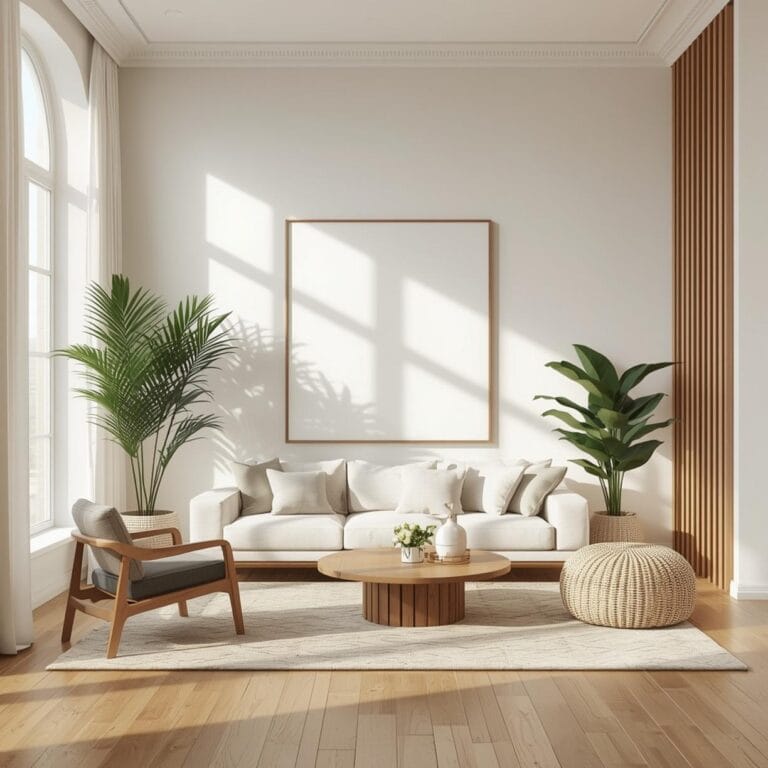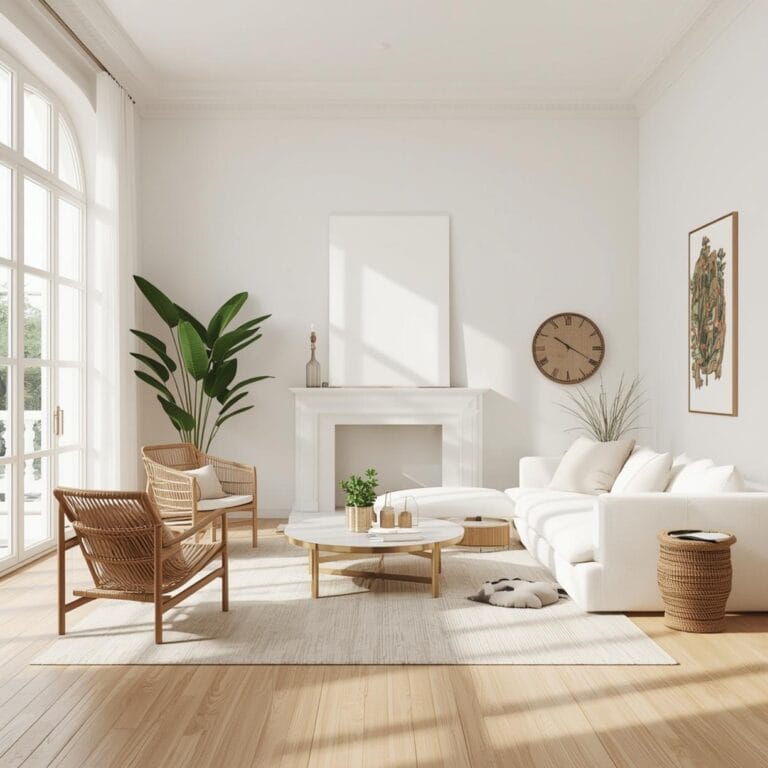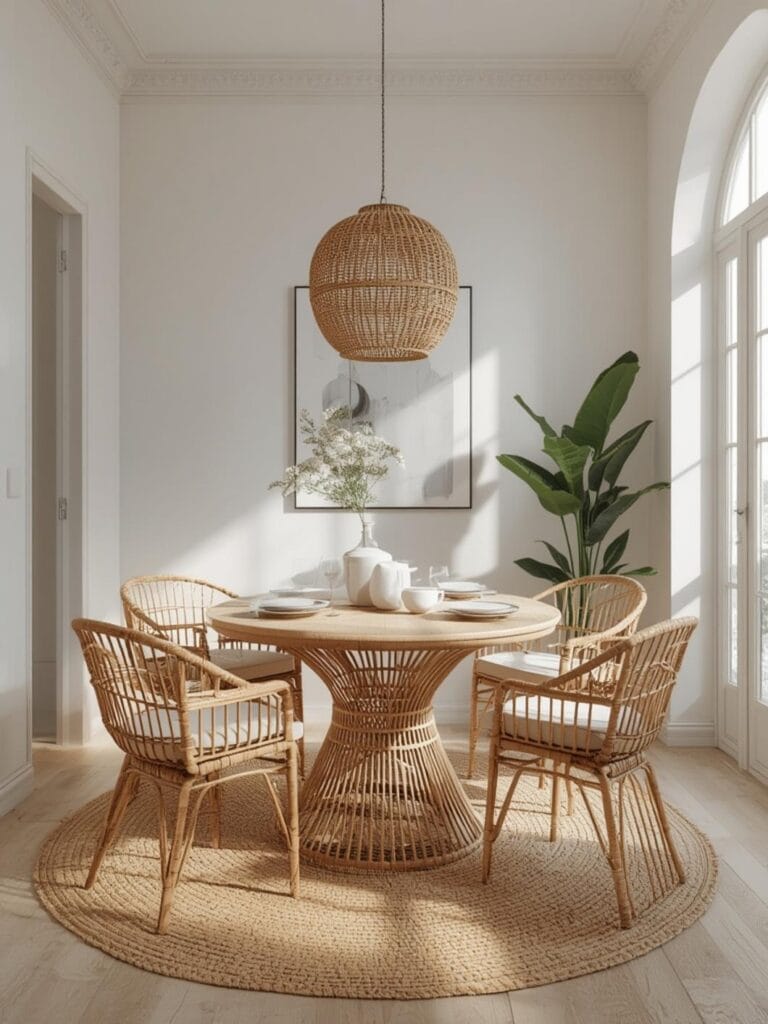
How to Choose Round Rugs in Your Living Room
You’ve probably walked into a living room and felt instantly drawn to it—without quite knowing why. Chances are, the magic came from thoughtful design choices, and one of the most underrated? Round rugs in living room spaces. These softly curved floor coverings break up the sharp lines of rectangular furniture and architectural features, creating a sense of flow and warmth that rectangular rugs simply can’t match.
If you’ve been staring at your current rug setup wondering why the room still feels a bit off, or if you’re redesigning your space from scratch, round rugs might be the missing piece. They work beautifully under coffee tables, in conversation areas, and especially in open concept homes where defining zones without closing them off is key.
Let’s explore how to choose, place, and style round rugs so your living room feels as welcoming as it looks.
Table of Contents
What You’ll Need to Get the Look
Before you start shopping, think about the elements that will work alongside your round rug to create a cohesive look:
– The rug itself: Choose a size that fits your furniture arrangement—typically 5–8 feet in diameter for living rooms
– Furniture with curves: Round coffee tables, drum ottomans, or curved sofas echo the rug’s shape beautifully
– Layering pieces: A larger rectangular or square base rug if you’re experimenting with layered looks
– Anchoring furniture: Your sofa, armchairs, or sectional should relate to the rug’s placement
– Complementary textures: Think woven baskets, ceramic vases, or soft throw pillows that balance the rug’s material
– Lighting fixtures: Pendant lights or arc floor lamps with rounded shades reinforce the circular motif
The beauty of round rugs is their versatility. Whether your style leans modern minimalist, bohemian eclectic, or classic traditional, you’ll find options in jute, wool, cotton, or synthetic blends that fit your vision and budget.
Finding Your Style and Season
Round rugs work year-round, but certain styles and materials shine in different seasons and moods. Consider these timing factors when planning your purchase:
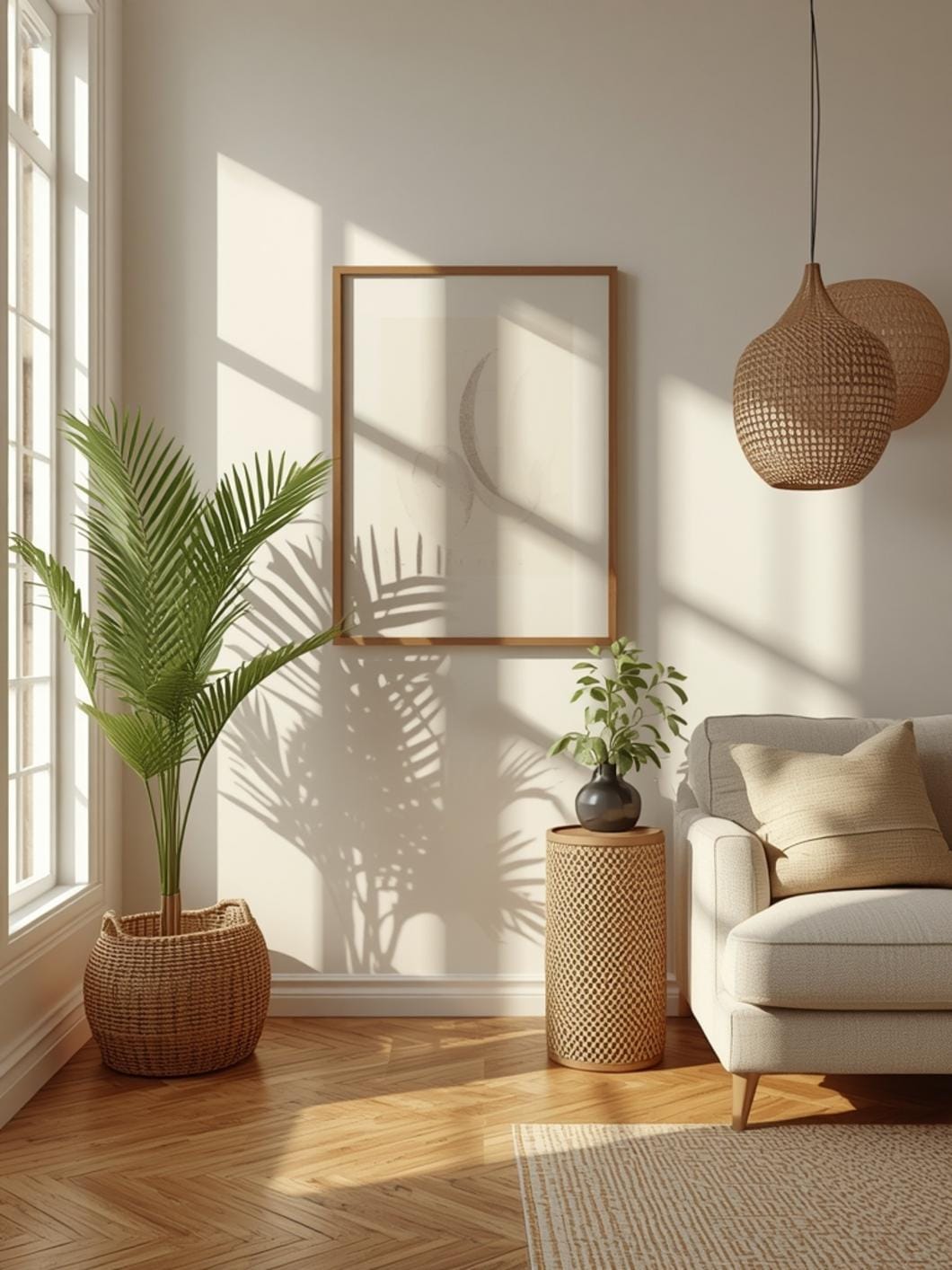
Seasonal considerations: Natural fiber rugs like jute and sisal feel fresh and breezy for spring and summer spaces. Plush wool or shag round rugs add warmth and coziness perfect for fall and winter months.
Room evolution: If you’re furnishing a new home, start with the rug first—it’s easier to build your color palette around it than to find the perfect rug later. In an established room, use the rug as your refresh piece when you’re ready for a style update without replacing major furniture.
Lifestyle timing: Families with crawling babies or toddlers learning to walk often gravitate toward round rugs because there are no sharp corners to bump into. They’re also ideal when you’re hosting more gatherings and want to create intimate conversation circles.
Think about how your living room functions throughout the day. Morning coffee spots, afternoon reading nooks, and evening entertaining zones can all benefit from the soft definition a round rug provides.
7 Ideas to Try in Your Home
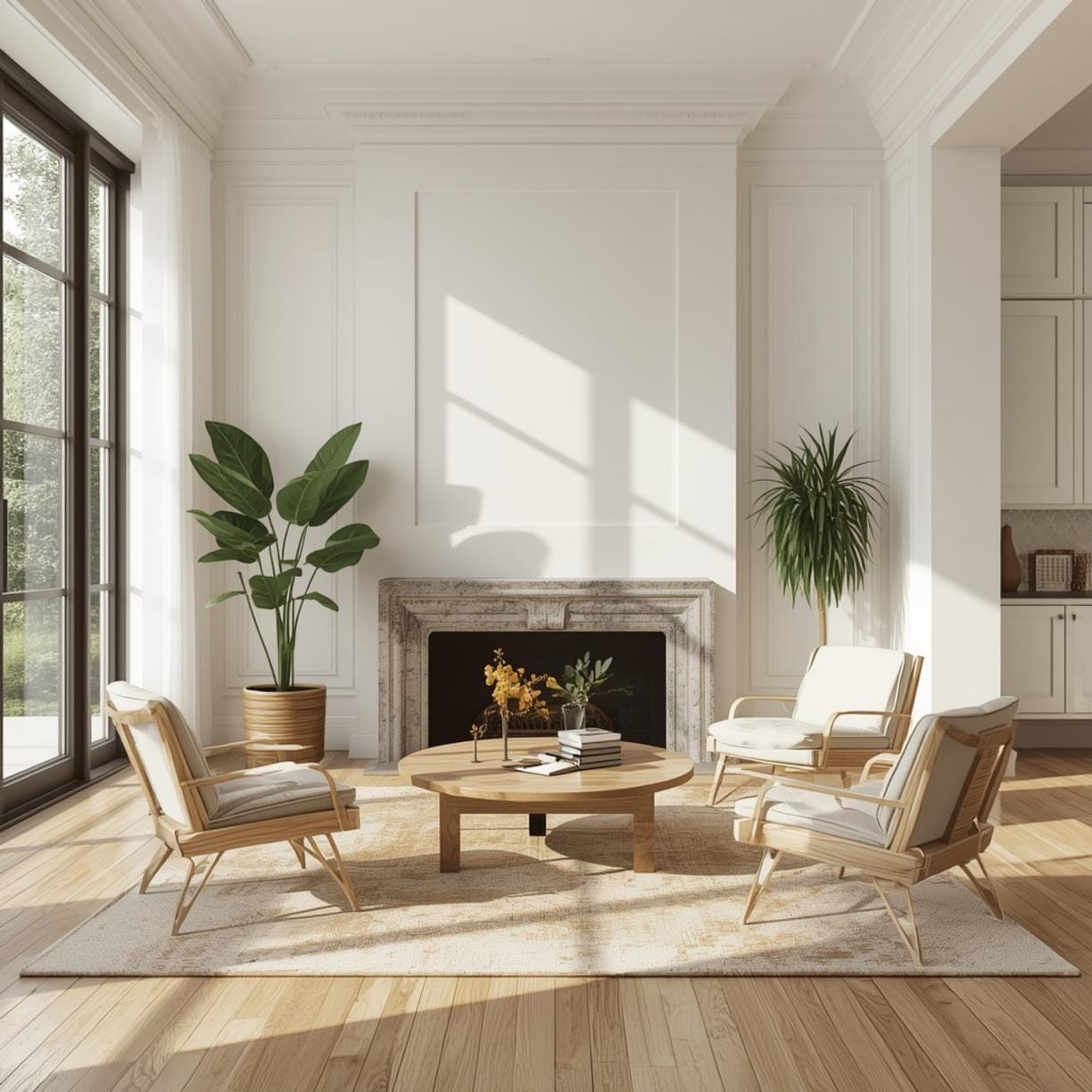
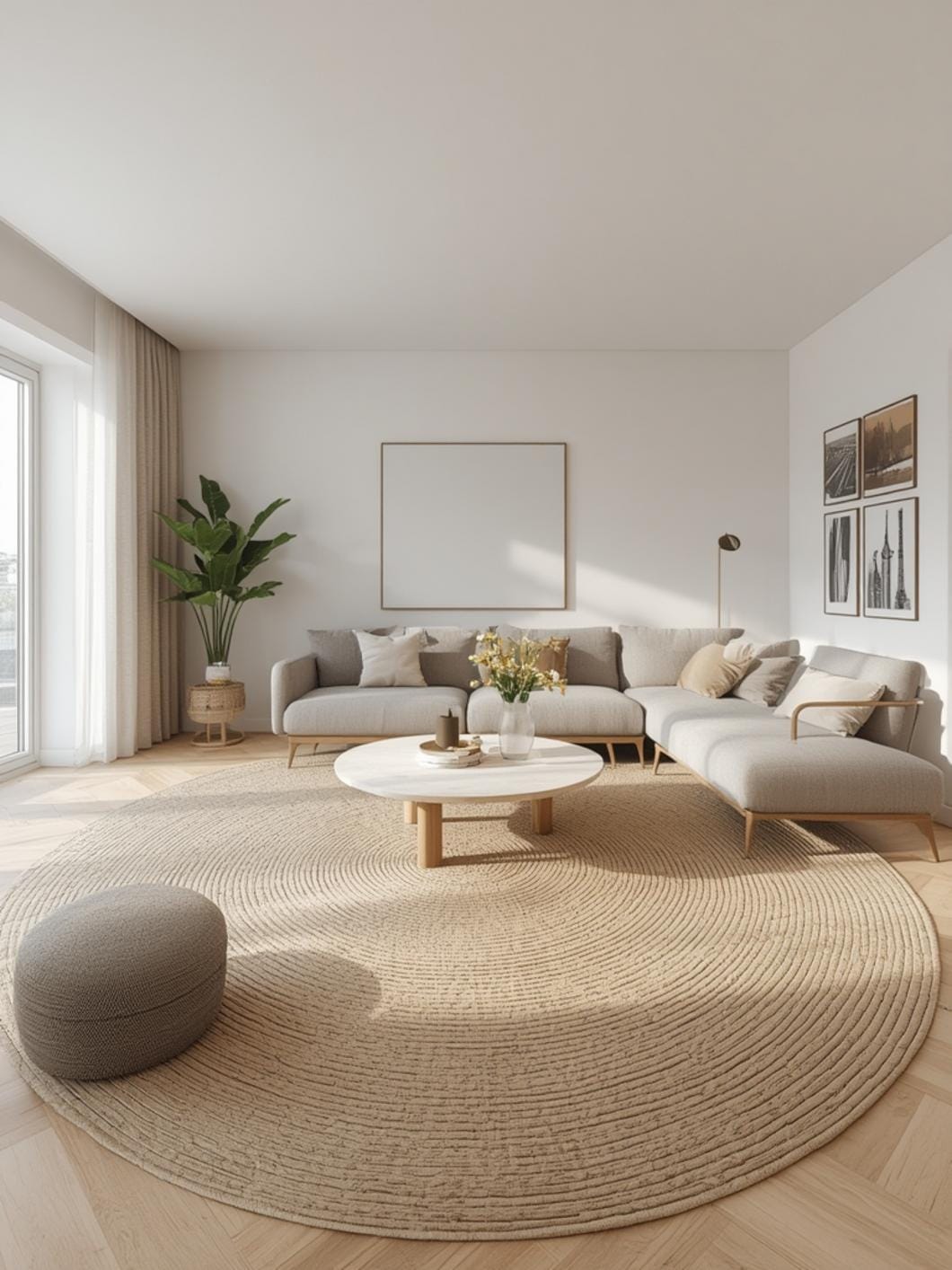
Centered under a round coffee table: This classic approach creates perfect symmetry. Choose a rug that extends 18–24 inches beyond the table’s edge so your feet rest comfortably on the rug when you’re seated on the sofa.
Floating in an open floor plan: Place a round rug in the center of your seating arrangement with all furniture legs off the rug. This works wonderfully in loft-style spaces where you want to define the living zone without blocking sightlines.
How to layer round rugs in open concept spaces: Start with a large rectangular jute or neutral rug as your base, then place a smaller, patterned round rug on top where your coffee table or seating area centers. This technique visually separates your living area from dining or kitchen zones while maintaining flow. The contrast in shapes adds unexpected visual interest that makes the space feel curated and intentional.
In front of a fireplace: A round rug positioned before your hearth softens the rigid lines of the mantel and fireplace surround. It creates a cozy gathering spot that feels naturally inviting.
Defining a reading corner: Tuck a smaller round rug (4–5 feet) under an accent chair and side table to carve out a dedicated relaxation zone. This works especially well in large living rooms that need multiple functional areas.
Under a sectional sofa: Yes, really! A large round rug (8 feet or more) can anchor an L-shaped sectional beautifully. Position it so the rug peeks out from under the sofa on all sides, creating a defined conversation pit.
Layered in a boho gallery: For free-spirited styles, layer multiple smaller round rugs in varying sizes and patterns. Let them overlap slightly to create a collected-over-time look that feels personal and artistic.
Benefits That Go Beyond Beautiful
Round rugs deliver practical advantages that improve your daily living experience in ways you might not expect.
Safer for families: Without corners to trip over, round rugs reduce hazards for young children, elderly family members, and anyone navigating the room in low light. The smooth perimeter is gentler on bare feet and easier to vacuum around.
Better traffic flow: In open concept homes, round rugs guide movement naturally around the space rather than creating rigid pathways. People instinctively walk around curves rather than cutting across corners, which helps preserve the rug’s condition longer.
Acoustic improvement: The soft, continuous surface of a round rug helps absorb sound in ways that hard floors can’t. You’ll notice conversations feel more intimate and less echo-prone, especially in high-ceilinged rooms.
Visual balance: If your living room is dominated by straight lines—built-in shelving, rectangular windows, linear furniture—a round rug provides the organic contrast your eye naturally seeks. It makes the entire space feel more harmonious and less boxy.
Tips, Alternatives, and Styling Advice
Budget-friendly option: Look for machine-washable cotton round rugs in the 5–6 foot range. Brands like Ruggable offer stylish patterns under $200 that you can actually throw in the washing machine when life happens. These work perfectly for young families or first apartments.
Mid-range option: Invest in a hand-woven jute or wool blend round rug in the $300–600 range. These natural materials age beautifully, develop character over time, and work across multiple decor styles as your taste evolves. The durability means you’ll enjoy them for years.
Premium option: Consider a hand-knotted wool round rug with intricate patterns or a vintage-inspired design. These heirloom-quality pieces ($800+) become focal points that anchor your entire design scheme. Think of them as functional art that appreciates in character, if not always in monetary value.
Small space adaptation: In tight living rooms or studio apartments, use a 4-foot round rug to create distinct zones without overwhelming the room. Position it entirely within your seating area rather than trying to fit furniture around it.
Color coordination: Pull colors from other room elements rather than introducing entirely new hues. If you have blue throw pillows, choose a round rug with blue accents to create cohesion.
Common Mistakes to Avoid
Choosing too small a size: A tiny round rug can look like an afterthought floating in space. The solution? Go at least 6 feet in diameter for most living rooms, larger if your space allows.
Forgetting rug pads: Round rugs need non-slip pads even more than rectangular ones because they lack corners for furniture to anchor. Use a quality pad cut specifically for round rugs to prevent shifting and bunching.
Mixing too many competing circles: If you already have round mirrors, circular wall art, and curved furniture, adding a round rug might tip into visual chaos. Balance circular elements with linear pieces like rectangular shelving or angular side tables.
Ignoring pile height: High-pile shag round rugs look luxurious but make furniture placement tricky—chair and table legs sink unevenly. Opt for low-to-medium pile if you’re placing furniture directly on the rug.
Placing it under just one furniture leg: Either commit to all front furniture legs on the rug or none at all. Having just one sofa leg on the edge creates an unstable, awkward look that throws off the entire arrangement.
Maintenance and Upkeep Tips
Round rugs actually require slightly different care than rectangular ones, but nothing complicated.
Rotate regularly: Every three months, rotate your round rug 90 degrees to ensure even wear patterns. This is especially important under coffee tables where the same spot gets constant foot traffic. The circular shape makes rotation simple—no need to move heavy furniture.
Vacuum with the grain: For natural fiber round rugs like jute or sisal, vacuum in circular motions following the rug’s shape rather than back and forth. This prevents fiber damage and removes dirt more effectively from the weave pattern.
Address spills immediately: Blot (never rub) spills from the outside edge toward the center to prevent spreading. Keep a clean cloth and mild dish soap solution handy for quick response to accidents.
Deep clean annually: Most round rugs benefit from professional cleaning once yearly, especially high-traffic pieces. For washable options, follow manufacturer instructions and air dry flat rather than hanging, which can distort the shape.
Protect from direct sunlight: UV rays fade round rugs just like rectangular ones. Use window treatments during peak sun hours or rotate the rug’s position seasonally if your living room has strong natural light.
Bring It All Together
Round rugs in living room spaces create the kind of welcoming atmosphere that makes everyone want to sit down and stay awhile. Whether you’re defining zones in an open floor plan, softening a room full of hard angles, or simply refreshing your space with an unexpected shape, these circular beauties offer both style and function.
Start with your room’s measurements and existing furniture arrangement, then choose a size and style that complements rather than competes with your current design. Don’t be afraid to experiment with placement before committing—living with a rug in different positions for a few days helps you discover what feels right for your unique space.
Ready to explore more ways to make your living room the heart of your home? Browse our complete collection of living room design inspiration at DecorKingdom for ideas that fit your style and budget.
FAQs
What size round rug should I get for my living room?
For most standard living rooms, choose a round rug between 6–8 feet in diameter. The rug should extend at least 18 inches beyond your coffee table on all sides so furniture legs can rest partially on it, or be large enough that all seating is clearly defined within its circle. Smaller spaces work well with 5-foot rounds, while large, open living areas can handle 9-foot or larger rugs.
Can I put a round rug under a rectangular sofa?
Absolutely! This combination creates beautiful contrast and works especially well with L-shaped sectionals. Position the round rug so it extends beyond the sofa’s front edge by at least 18 inches, allowing your feet to rest on the rug when seated. Make sure the rug is proportionally large enough—at least 8 feet in diameter for full-sized sofas—so it doesn’t look like an afterthought.
Do round rugs make a room look smaller?
Actually, the opposite is often true. Round rugs can make rooms feel larger because the eye follows the continuous curve rather than stopping at corners. They create a sense of flow that opens up space rather than boxing it in. Just make sure you choose an appropriately sized rug—too small will have the shrinking effect you’re trying to avoid.
How do I keep a round rug from moving around?
Always use a rug pad specifically cut for round rugs—these provide grip that prevents shifting and bunching. Look for pads labeled “non-slip” or “gripper” rather than just cushioning pads. Place furniture strategically with at least some legs resting on the rug to add weight and stability, and vacuum the pad occasionally to maintain its grip.
What’s the best material for a round living room rug?
That depends on your lifestyle! Wool offers durability and natural stain resistance for busy families. Jute and sisal add casual texture but can be scratchy underfoot. Cotton works well for washable, budget-friendly options. Synthetic blends resist fading and moisture, making them practical for high-traffic areas or homes with pets. Consider how you’ll use the space and what maintenance level you’re comfortable with.
—
Meta Title: Round Rugs in Living Room: Stunning Ideas 2026
Meta Description: Transform your space with round rugs in living room designs. Expert placement tips, sizing guide, and styling ideas for cozy, flowing spaces.