
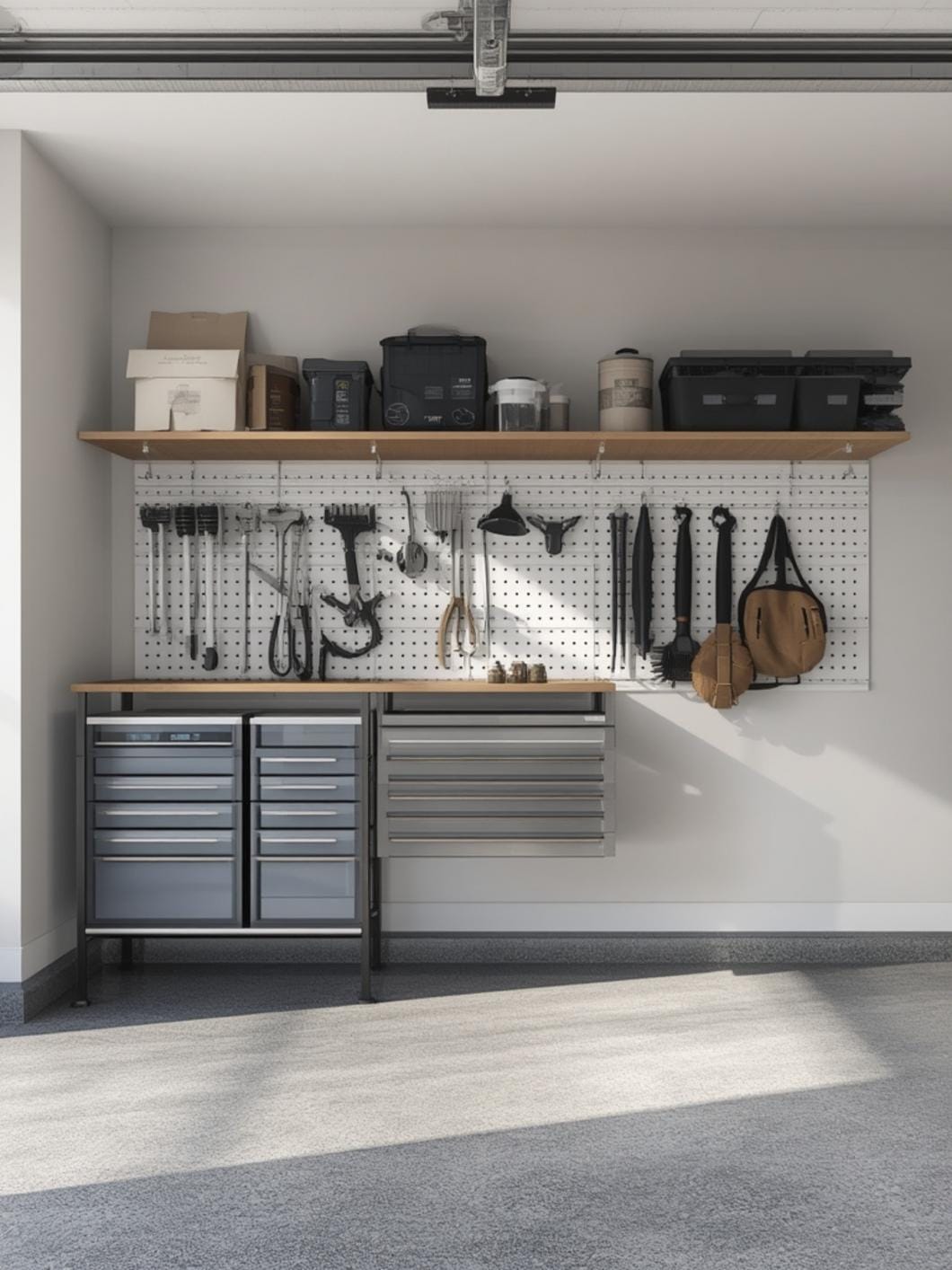
How to Choose the Best Garage Wall Organizer
Your garage probably holds more than you’d like to admit. Tools mix with holiday decorations, sports equipment shares space with paint cans, and somehow you still can’t find what you need. A best garage wall organizer can turn that chaos into a system that actually works for your daily life.
The right wall organizer doesn’t just clear floor space. It puts everything at eye level where you can see it, grab it, and put it back without thinking twice. You’ll walk into your garage and feel calm instead of overwhelmed.
This guide walks you through everything you need to know before buying, from choosing between systems to getting it mounted securely on your wall.
Table of Contents
What You’re Actually Comparing
Different garage wall organizers work better for different homes and habits. Here’s what you’re really deciding between:
Slatwall panels feature horizontal grooves that accept various hooks and baskets. These panels cover large wall sections and give you flexibility to move accessories around as your needs change.
Pegboard systems use evenly spaced holes across the entire board. You can place hooks anywhere, making them incredibly adaptable. They come in metal, wood, or plastic versions at different price points.
Track systems mount horizontal rails to your wall with brackets that slide along the track. You can adjust bracket positions without creating new holes, which protects your wall over time.
Modular grid systems connect individual metal or plastic panels that interlock. You start small and expand as needed, building your organization system gradually.
Wall-mounted shelving with integrated hooks combines storage surfaces with hanging options. These work well when you need both enclosed storage and quick-access hanging space.
The material matters as much as the style. Steel systems handle heavy power tools but cost more. Resin options resist moisture better in humid climates. Wood pegboard looks warm and traditional but needs sealing in damp garages.
How to Decide Before You Buy
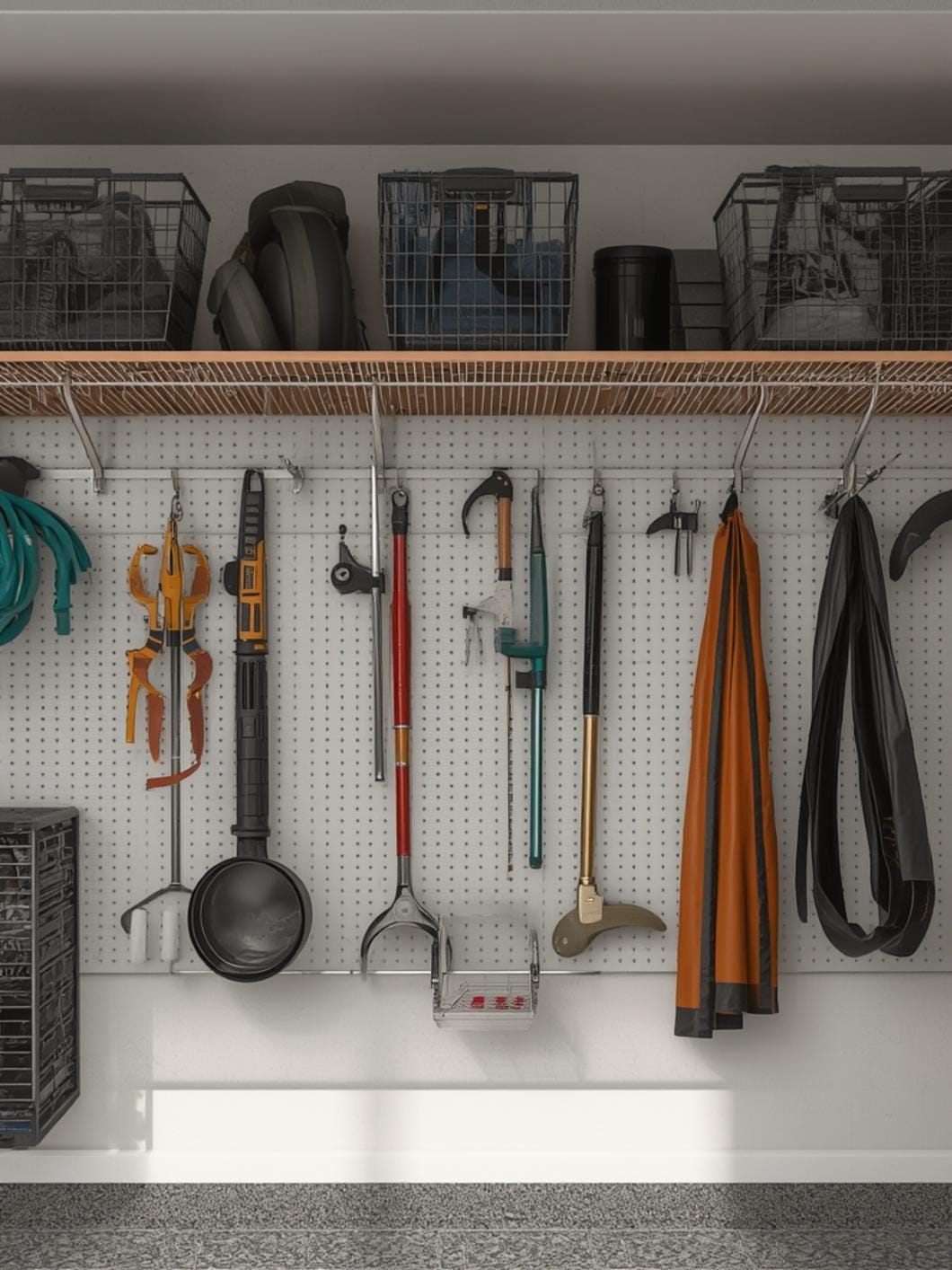
Start by measuring your available wall space and the items you need to store. Your measurements should include height, width, and the depth items will extend from the wall when hung.
Consider what you’re actually hanging. Long-handled tools like rakes need different hooks than small hand tools. Heavy items such as ladders require stronger mounting than lightweight gardening gloves.
Check your garage wall construction before buying anything. Most organizers mount to studs for maximum strength. If you have drywall, you’ll need to locate studs or use heavy-duty anchors rated for your heaviest items.
Think about your climate and garage conditions. An unheated garage in a humid area needs moisture-resistant materials. Direct sunlight through garage windows can fade or warp certain plastics over time.
Budget realistically for the complete system. The main panels might seem affordable until you add the hooks, baskets, and accessories you actually need. Calculate the total cost including all hanging components.
Plan for future changes in what you store. Kids grow and sports equipment changes. Hobbies evolve. The most flexible systems let you reconfigure without buying all new components.
Side-by-Side Comparison
Installation Difficulty
Pegboard systems win for simplicity if you’re comfortable using a drill. You mount the board to furring strips or directly to studs, then hang your hooks immediately. Most homeowners complete installation in under two hours.
Slatwall panels require precise horizontal alignment to ensure accessories fit properly. The grooves must line up perfectly across multiple panels. This takes more time and patience but results in a cleaner look.
Track systems demand accuracy in the horizontal mounting but are forgiving once installed. You mount the tracks level, then adjust everything else by sliding. This garage wall organizer installation guide approach works well if you’re nervous about getting placement perfect the first time.
Modular grid systems connect individual panels that snap or screw together. You can start with just a few panels to test the system. Installation grows more complex as you add panels since everything must align correctly.
Weight Capacity
Steel track systems handle the most weight, often supporting 50 pounds or more per bracket. These work for heavy power tools, full paint cans, and even bicycles when you add the right accessories.
Heavy-duty pegboard with metal construction supports moderate weight well. Expect 25-35 pounds per hook when properly mounted to studs. Wooden pegboard handles less weight, typically maxing out around 20 pounds per hook.
Slatwall panels vary dramatically by quality. Commercial-grade slatwall handles serious weight, while budget residential versions may sag under heavy items. Always check the manufacturer’s weight ratings before hanging your heaviest equipment.
Flexibility and Reconfiguration
Pegboard offers unlimited positioning options since you can place hooks in any hole pattern. You’ll reorganize easily as seasons change or your storage needs shift.
Track systems excel when you want to adjust frequently without tools. Brackets slide along the track and lock in place with simple mechanisms. You can move a hook holding your snow shovel to make room for garden tools without any drilling.
Slatwall accessories pop in and out of the grooves quickly. You can completely redesign your layout in minutes. The limitation comes from the fixed groove spacing, which restricts vertical positioning options.
Aesthetic Appeal
Slatwall looks the most finished and modern, especially in neutral colors that complement your garage walls. The horizontal lines create visual calm even when fully loaded with items.
Pegboard delivers classic workshop character. Metal versions in bright colors add personality, while natural wood creates warmth. The visible hole pattern creates texture that some homeowners love and others find busy.
Track systems practically disappear when installed, letting your organized items take center stage. The minimal visual footprint works beautifully in garages that double as workshops or hobby spaces.
Cost Comparison
Budget pegboard systems start around $40 for basic 4×8 foot coverage but require additional framing. Premium metal pegboard with accessories can reach $200-300 for the same coverage.
Mid-range slatwall panels run $150-250 for similar coverage. You’ll spend another $100-200 on the hooks, baskets, and accessories needed for complete functionality.
Track systems typically cost $200-400 for quality installation covering 8 feet of wall. The higher initial investment pays off in durability and weight capacity over years of use.
Benefits That Transform Your Daily Routine
Walking into an organized garage changes your morning routine. You grab what you need in seconds instead of searching through piles. No more being late because you couldn’t find your bike pump or work gloves.
Wall organization protects your belongings from damage. Items hung properly don’t get crushed under boxes or knocked over by opening car doors. Your tools and equipment last longer when stored correctly.
Reclaiming floor space lets you actually park your car in the garage again. Many homeowners gain enough room to add a workbench or create space for kids’ outdoor toys without the constant clutter chaos.
Safety improves dramatically when sharp tools and chemicals hang securely out of reach. You reduce tripping hazards and keep dangerous items away from curious kids and pets.
The mental clarity of an organized space extends beyond just finding things faster. Many homeowners report feeling more motivated to tackle projects when their workspace feels functional and under control.
Smart Options at Every Price Point
Budget-Friendly Approach
Start with a 4×4 foot section of metal pegboard and basic hook assortment for under $75. Mount it in your most-used area and expand as budget allows. This lets you test the system before committing to your entire garage.
Plastic slatwall panels cost less than premium versions but still offer decent functionality. Pair them with basic accessories and upgrade individual components as needed.
Mid-Range Sweet Spot
Quality slatwall panels with a starter accessory pack run $300-400 for 8 feet of coverage. This price point delivers good durability, attractive finish, and enough accessories to get fully organized.
Heavy-duty metal pegboard systems at this level include powder-coated finish that resists rust. You get commercial-grade hooks that won’t bend under weight.
Premium Investment
Professional-grade track systems with extensive accessory collections cost $500-800 but deliver showroom quality. These systems handle extreme weight and look beautiful enough for garages that guests see.
Custom-color slatwall with designer accessories creates a garage that rivals your home’s interior style. The investment makes sense if your garage functions as a workshop, gym, or hobby space where you spend significant time.
Small Space Solutions
Narrow vertical panels work in tight spaces between garage doors and corners. A 2-foot-wide slatwall section can organize all your garden tools without overwhelming a small garage.
Corner-specific organizers maximize awkward spaces that usually go to waste. L-shaped configurations turn dead corners into useful storage zones.
Mistakes That Cost Time and Money
Many homeowners mount their organizer too high, making top hooks practically unusable. Install your system so the highest items you’ll hang daily sit at comfortable reaching height, typically around 6 feet for most people.
Skipping the stud finder leads to sagging panels or complete system failure. Always locate and mount to wall studs for any system, especially when hanging heavy equipment. The extra 10 minutes finding studs prevents disaster.
Buying the base system without calculating accessory needs leaves you with a beautiful panel and nothing to hang. Make a list of every item you’re organizing before purchasing to ensure you get enough hooks, baskets, and holders.
Installing before organizing means you might place your system in the wrong location. Sort through your items first, group like things together, then decide where each zone belongs on your wall.
Over-tightening mounting hardware can crack panels or strip screw holes in your wall. Snug is secure—you don’t need to muscle everything down with maximum force.
Keeping Your System Working Smoothly

Check mounting hardware every 6 months, especially after seasonal changes when temperature and humidity fluctuate. Tighten any loose screws before they become bigger problems.
Wipe down panels quarterly with a damp cloth to remove dust and garage grime. This simple cleaning prevents buildup that can interfere with hook placement and makes your space feel fresh.
Reorganize seasonally to keep your most-used items accessible. Move winter equipment forward in fall, then swap for gardening tools in spring. This rotation keeps your system working with your life instead of against it.
Inspect hooks and accessories for wear annually. Bent hooks or cracked baskets compromise safety. Replace damaged accessories immediately rather than risking dropped tools or collapsed storage.
Consider adding labels to baskets and designated zones, especially if multiple family members use the garage. Clear labeling prevents the slow creep back to chaos when everyone knows exactly where things belong.
Your Next Steps Toward a Better Garage
Choosing the right garage wall organizer comes down to matching the system to your actual habits and belongings. The perfect system for your neighbor might frustrate you daily if it doesn’t fit how you use your garage.
Start by measuring your space and listing what you need to store. Compare systems based on weight capacity for your heaviest items, flexibility for future changes, and budget for complete functionality including all accessories.
Browse more practical storage solutions and organization inspiration at DecorKingdom to create the functional, beautiful spaces your home deserves.
Frequently Asked Questions
Can you install a garage wall organizer without finding studs?
You can use heavy-duty drywall anchors rated for the weight you’re hanging, but mounting to studs always provides superior strength and security. For heavy tool storage, studs are essential. Light items like gardening gloves may work with quality anchors, but you’re always safer mounting to the structural wall framing.
How much weight can a typical garage wall organizer hold?
Weight capacity varies dramatically by system and quality. Budget pegboard handles 10-20 pounds per hook, while heavy-duty steel track systems support 50+ pounds per bracket when properly mounted to studs. Always check manufacturer specifications and install according to their guidelines for maximum safety.
Do garage wall organizers work in unfinished garages with concrete walls?
Concrete walls actually work wonderfully with the right mounting hardware. Use concrete anchors or tapcon screws designed specifically for masonry. The solid wall provides excellent support for heavy-duty systems. Just ensure you use masonry-specific installation hardware rather than wood-stud mounting supplies.
What’s the difference between commercial and residential garage organizers?
Commercial systems use heavier gauge materials and stronger construction to handle daily professional use and heavier equipment. Residential versions balance adequate strength with lower cost for typical home storage needs. If you’re storing extremely heavy equipment or commercial tools, commercial-grade systems justify the extra expense.
Can you paint garage wall organizers to match your space?
Metal and wood organizers accept paint well when properly prepared and primed. Plastic and vinyl systems generally don’t paint successfully. If color matters to you, look for systems available in your preferred finish rather than planning to paint. Many manufacturers offer multiple color options that eliminate the need for DIY painting.
—
Meta Title: Best Garage Wall Organizer Systems Compared (2026 Guide)
Meta Description: Compare top garage wall organizers for your home. Find the perfect system for your space, budget, and storage needs with this complete guide.