7 Ways to Create a Masculine Home Office
You’ve been working from your kitchen table for months now, and it’s time for a change. Your laptop deserves better than competing with coffee mugs and yesterday’s mail. You want a workspace that feels strong, focused, and genuinely comfortable — a room that reflects who you are without needing to explain itself.
Masculine home office ideas aren’t about following rigid rules or creating a bachelor pad. They’re about designing a space where you can think clearly, work productively, and feel at home in your own style. Whether you’re carving out a corner in your bedroom or converting an entire spare room, the right approach makes all the difference.
Your office should feel like your territory. That means choosing materials, colors, and furniture that support how you actually work — not just how offices look in catalog photos.
Table of Contents
What You’ll Need to Get the Look
Creating a masculine workspace starts with selecting the right foundational pieces and finishing touches. These elements work together to build a cohesive environment that feels both professional and personal.
Furniture essentials:
– A solid wood or metal desk with adequate surface area (60 inches wide minimum for dual monitors)
– An ergonomic leather or mesh office chair in black, brown, or charcoal
– Industrial-style shelving units or built-in bookcases
– A credenza or filing cabinet for hidden storage
Materials and finishes:
– Dark-stained wood (walnut, espresso, or ebony)
– Brushed metal accents in bronze, black, or gunmetal
– Leather desk accessories and seating
– Concrete or stone decorative elements
– Matte black hardware and fixtures
Decor elements:
– Framed maps, architectural drawings, or vintage advertisements
– A quality desk lamp with Edison bulbs or industrial styling
– Area rug in geometric patterns or solid neutral colors
– Window treatments in linen or canvas fabrics
– Sculptural bookends or desk organizers
The key is choosing pieces that feel substantial and built to last. Avoid anything too glossy, ornate, or overly decorative — you want clean lines and honest materials.
Finding Your Style and Season
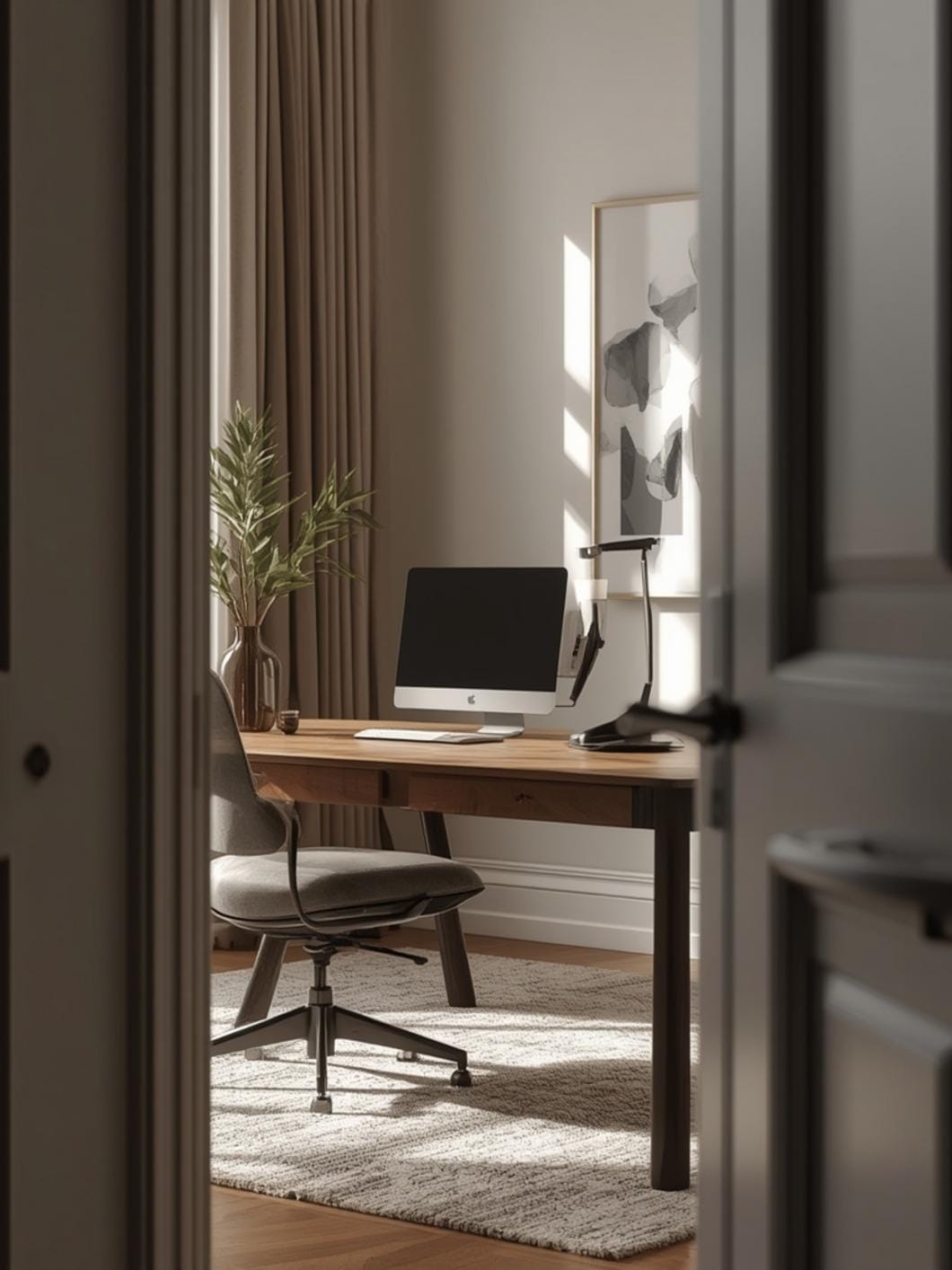
Your office design should reflect both your personal aesthetic and the practical realities of when you’ll use the space most. Understanding these factors helps you make smarter choices about everything from color temperature to furniture placement.
Consider your natural lighting first. If your office faces north or gets limited sunlight, warmer wood tones and strategic lighting become essential. South-facing rooms can handle darker colors without feeling cave-like. This isn’t just about mood — it’s about creating a space where you can actually see your work clearly throughout the day.
Think about seasonal comfort too. Leather chairs feel amazing in fall and winter but might stick to your back during summer months. If you’re in a warmer climate, consider perforated leather or high-quality mesh alternatives that maintain the masculine aesthetic without the discomfort.
Your work style matters more than trends. If you’re on video calls constantly, position your desk so the camera catches your best angle with an interesting background — not a window that turns you into a silhouette. If you primarily do focused solo work, orientation toward natural light beats the perfect camera angle every time.
The best time to redesign your office is actually during a slow work period, not when you’re in the middle of a major project. Give yourself a weekend to set everything up properly so you’re not working around moving boxes during a critical deadline.
7 Ideas to Try in Your Home
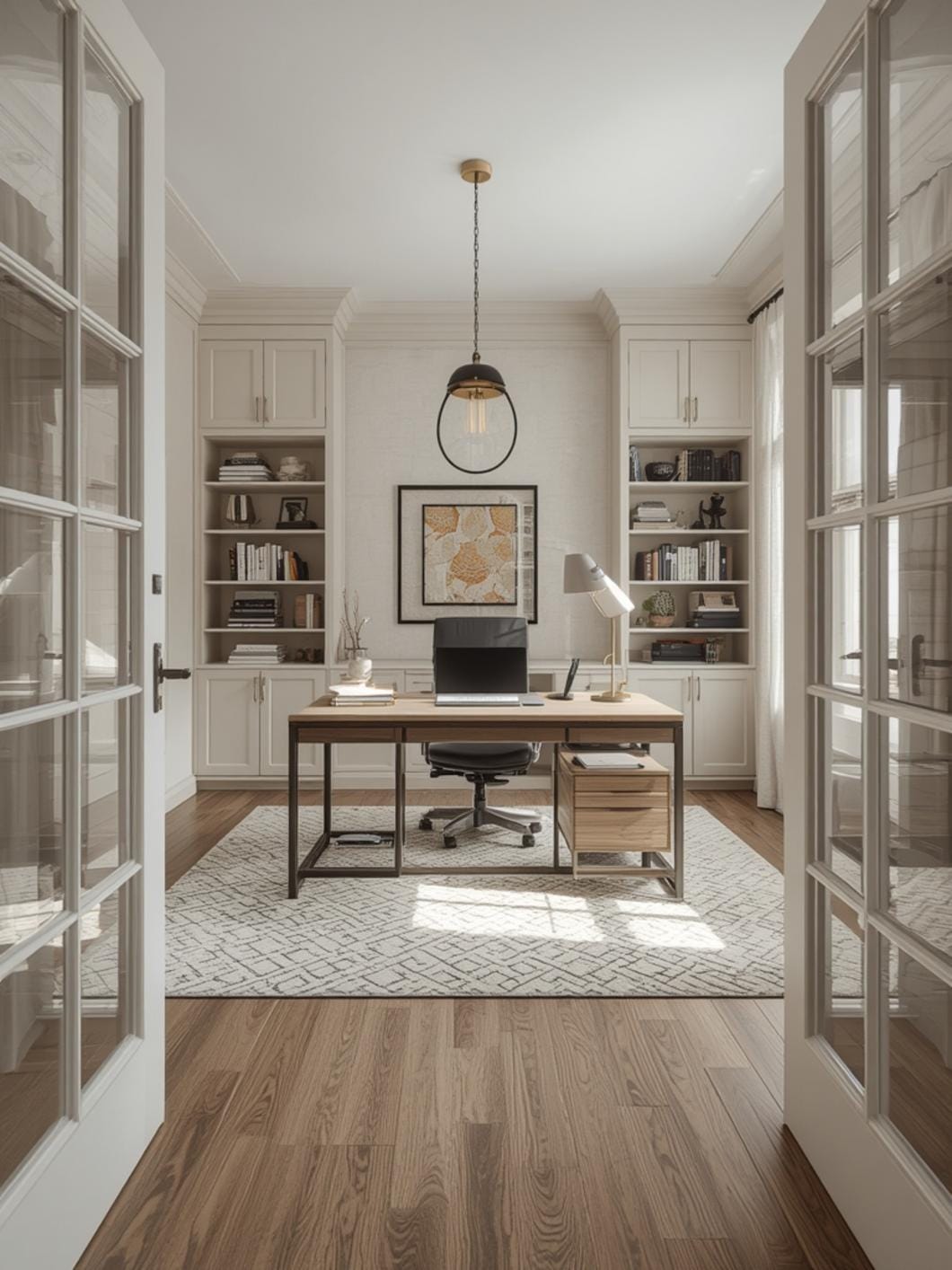
Transform your workspace with these practical approaches that work in real homes. Each idea can stand alone or combine with others to create your ideal environment.
The Industrial Workshop Approach: Install pipe shelving against exposed brick or concrete walls. Choose a reclaimed wood desktop supported by black iron legs. This style works brilliantly in lofts or converted spaces and brings immediate character to bland rooms. Add vintage factory lighting and metal storage bins to complete the look.
Modern Minimalist Command Center: Go completely dark with charcoal walls, a floating black desk, and concealed storage. This men’s office furniture selection guide principle emphasizes quality over quantity — invest in one exceptional chair and one perfect desk rather than filling the room with mediocre pieces. Keep surfaces completely clear except for your computer and one sculptural object.
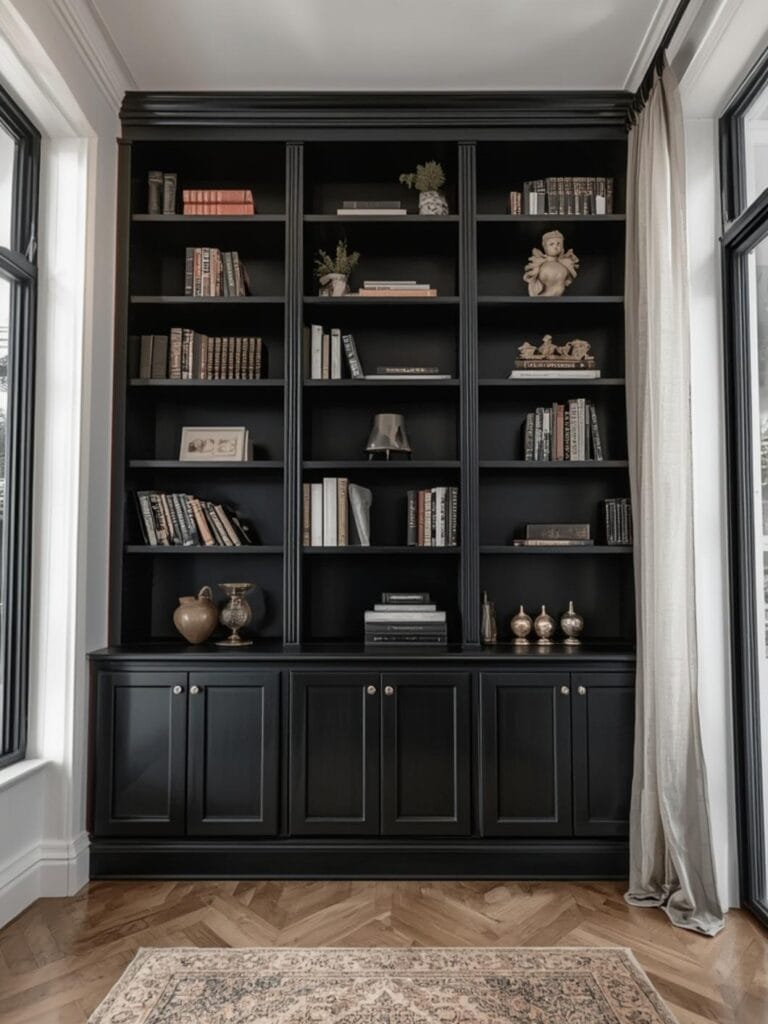
Library Study Aesthetic: Floor-to-ceiling dark wood bookshelves create an impressive backdrop for video calls and provide legitimate storage for reference materials. A traditional banker’s lamp with green glass shade adds classic masculinity without feeling dated. This approach works especially well in older homes with architectural detail.
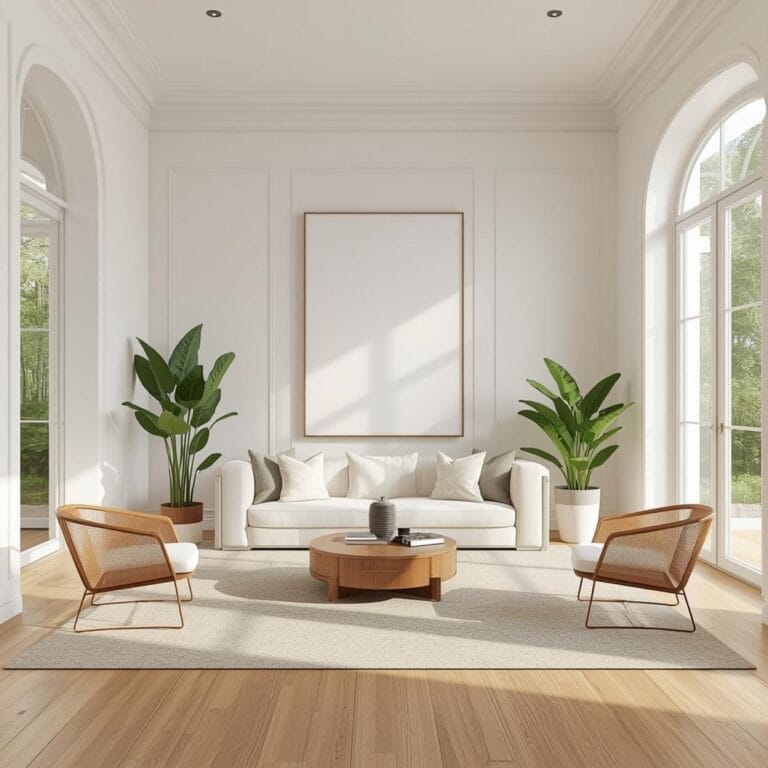
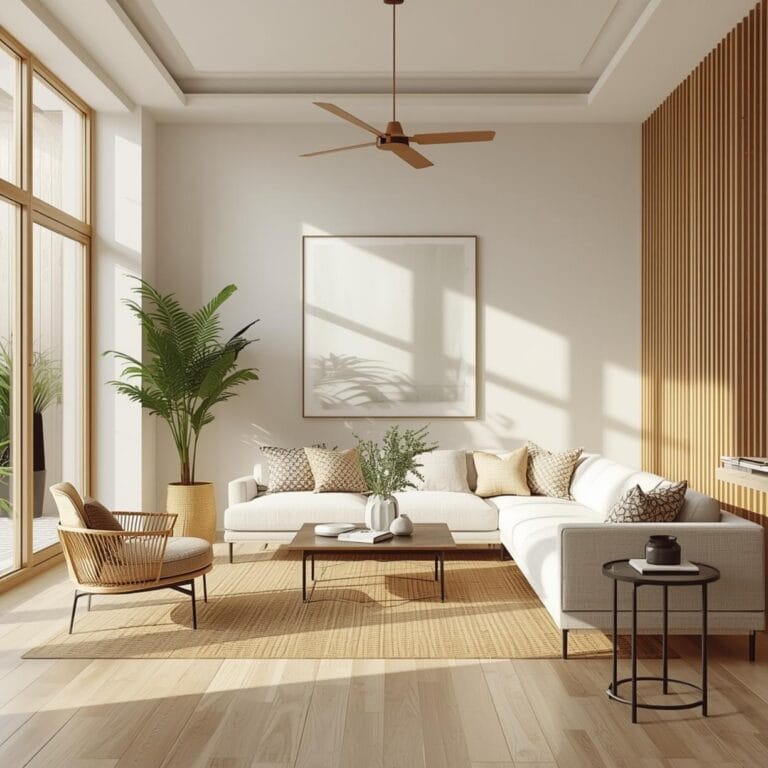
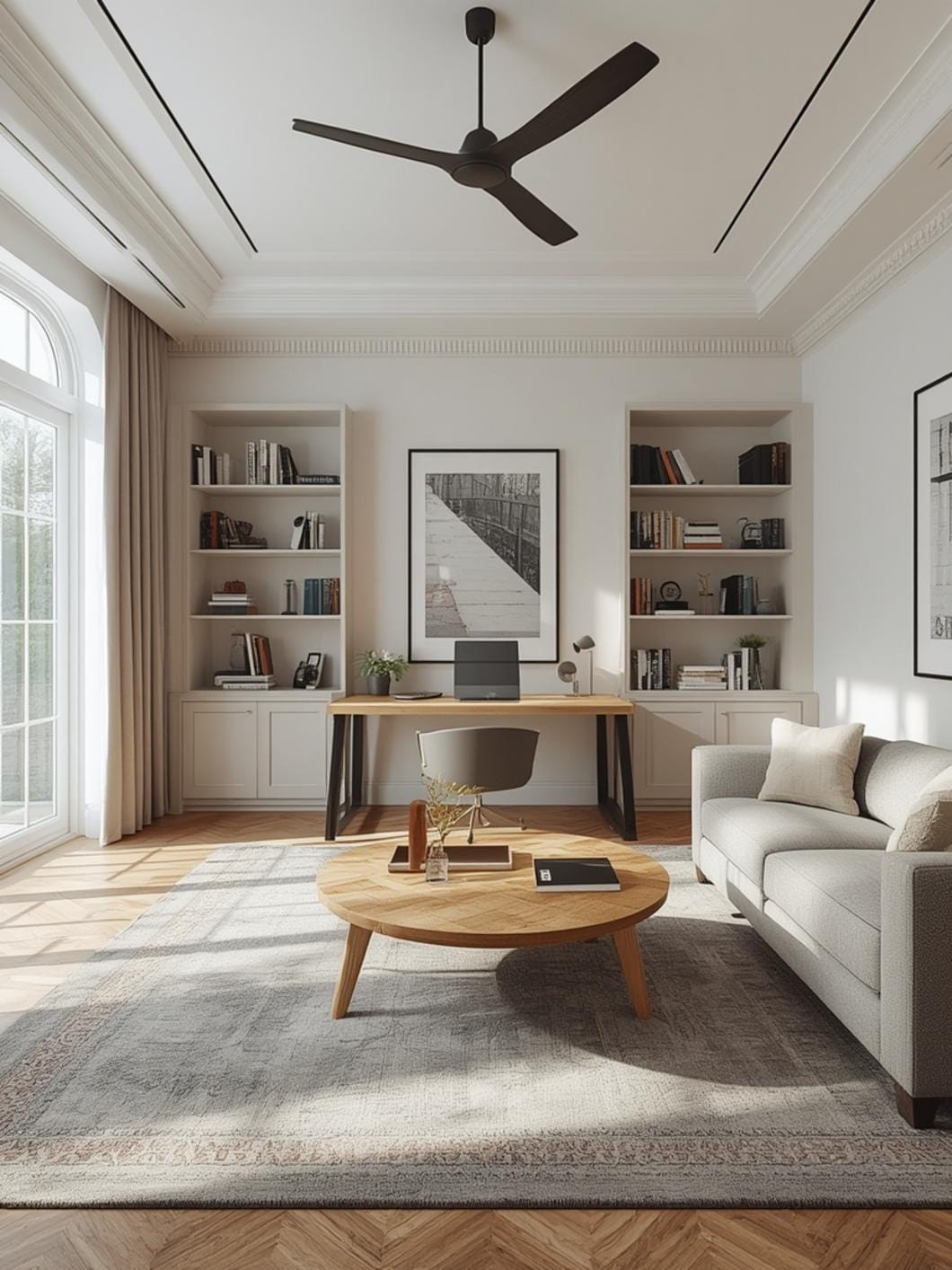
Scandinavian Simplicity with Edge: Light wood furniture doesn’t have to feel soft. Choose blonde oak or ash with strong geometric lines, pair it with white walls, and add black metal accents through lighting and hardware. This style maximizes natural light while maintaining a masculine feel through angular shapes and restrained decoration.
The Executive Club Room: Rich mahogany or cherry wood furniture, a vintage globe, and framed maps create a timeless authority. This isn’t about pretension — it’s about surrounding yourself with quality pieces that improve with age. A Persian or Oriental rug grounds the space and adds sophistication without fussiness.
Tech-Forward Minimalism: Cable management becomes your primary design principle here. Mount monitors on articulating arms, hide all cords through desk grommets, and choose wireless peripherals. The masculine element comes from precision and control — everything has its exact place, and the space feels like a professional studio.
Rustic Lodge Hybrid: Combine raw wood beams, stone accents, and leather furniture with modern technology. This works beautifully in homes with existing architectural character or when you’re converting a basement or garage. The contrast between natural materials and sleek electronics creates unexpected visual interest.
Each approach can be scaled to your available space and budget. The unifying principle is intentionality — every item earns its place through function, aesthetics, or both.
Benefits You’ll Actually Notice
A well-designed masculine office transforms how you experience your workday. You’ll feel the difference immediately when you sit down each morning.
Mental clarity improves in organized spaces. When your environment feels intentional rather than accidental, your brain doesn’t waste energy processing visual clutter. You can focus on actual work instead of subconsciously cataloging everything wrong with your surroundings.
Your confidence shows up differently on video calls. There’s a tangible difference between appearing in front of a blank wall versus a thoughtfully designed backdrop. Colleagues and clients pick up on these details even if they can’t articulate why your space feels more professional.
Physical comfort directly impacts productivity. The right chair and desk height prevent the afternoon energy crash that comes from fighting your furniture. When your body isn’t complaining, your mind can stay engaged for longer stretches.
Separation between work and life becomes clearer. Walking into a dedicated office space — even if it’s just a corner of a room — creates a mental transition that scattered kitchen-table work never provides. You’re more present during work hours and more able to disconnect when you leave.
The return on investment isn’t just financial. It’s the daily experience of working in a space that supports rather than hinders what you’re trying to accomplish.
Smart Choices for Every Budget
Your budget shouldn’t limit your style — it just changes your timeline and priorities. Start with these options based on what you can invest now.
Budget-friendly foundation (under $800 total): Buy a solid-core door from a home improvement store and mount it on adjustable sawhorses or IKEA drawer units. This creates a massive desk surface for under $150. Invest the rest in a quality used office chair from a reputable brand. Add floating shelves made from stained pine boards and black brackets. Skip the area rug initially and focus on function first.
Mid-range setup ($1,500-$3,000): Purchase a proper desk from West Elm or Room & Board during their semi-annual sales. Allocate $600-$800 for a new ergonomic chair with good lumbar support. Add quality window treatments to control light, invest in task lighting, and include a few carefully chosen decorative elements. This budget allows for cohesive design without compromise on essential comfort.
Premium investment ($5,000+): Commission a custom desk that fits your exact specifications and room dimensions. Choose a designer chair like Herman Miller or Steelcase. Add custom built-in shelving that maximizes your wall space. Incorporate premium materials like marble desktop sections, integrated USB charging, and professional lighting systems. This level includes everything you need without requiring future upgrades.
Small space adaptation: Wall-mounted fold-down desks work brilliantly when square footage is limited. Choose one with built-in storage that disappears when closed. Vertical shelving draws the eye upward and makes the room feel larger. Skip the area rug in tight quarters — it visually fragments the space and makes it feel more cramped.
No matter your budget, prioritize ergonomics over aesthetics when forced to choose. A $200 desk with a $500 chair beats the reverse every time.
Common Mistakes to Avoid
Buying the desk before measuring your equipment. You need to know your monitor dimensions, keyboard layout, and how much surface area your actual work requires before selecting furniture. Measure twice, buy once — or you’ll be returning a desk that looked perfect online but can’t fit your dual monitors.
Ignoring lighting until everything else is set up. Overhead lighting alone creates harsh shadows and eye strain. Plan for three types of lighting from the start: ambient (overhead), task (desk lamp), and accent (shelf lighting). Install dimmer switches so you can adjust brightness throughout the day.
Choosing style over ergonomics for your chair. That industrial metal stool might look amazing, but eight hours of sitting reveals its true nature. Your chair is the single piece you interact with most — spend accordingly and prioritize adjustability over appearance.
Mounting your monitor at the wrong height. Your screen should sit at or slightly below eye level when you’re sitting naturally. Too high causes neck strain, too low creates shoulder problems. Use monitor arms or a proper stand instead of stacking books underneath like a temporary solution.
Forgetting about cord management until cables take over. Plan your power outlet locations and cable routing before finalizing your desk position. A beautiful masculine office loses its impact when tangled cables dominate every sight line. Invest in cable raceways, velcro ties, and under-desk management trays from day one.
Keeping Your Space Sharp
Maintaining a masculine office requires less effort than you’d think. The key is building simple routines into your existing schedule rather than planning marathon cleaning sessions.
Weekly surface maintenance takes five minutes. Wipe down your desk with a microfiber cloth every Friday before you finish work. Dust leather chairs with a slightly damp cloth to prevent cracking. This prevents buildup that requires aggressive cleaning later.
Quarterly deep organization prevents chaos. Set a calendar reminder every three months to sort papers, reorganize drawers, and evaluate what’s earning its place in your space. Remove items you haven’t touched since the last review. This keeps your office from gradually accumulating clutter that undermines the clean aesthetic you created.
Annual furniture care preserves your investment. Condition leather chairs once a year using products designed for furniture, not car interiors. Touch up wood scratches with matching stain pens. Tighten all screws and bolts on your desk and shelving — they loosen over time from daily use.
Monitor your air quality casually. Open windows regularly to prevent stuffiness, especially if you’re in your office for long stretches. If you notice dust accumulating quickly, check your HVAC filters. Poor air circulation makes even the best-designed office feel uncomfortable.
The materials you’ve chosen — wood, leather, metal — actually improve with age when properly maintained. They develop character rather than just showing wear, which is exactly the point of masculine design.
Make Your Office Work for You
Your workspace should feel like the best room in your home, not the one you tolerate for a paycheck. The right masculine office design creates a foundation for better work, clearer thinking, and genuine daily satisfaction.
Start with one area that bothers you most — maybe it’s the lighting, maybe it’s the uncomfortable chair, maybe it’s the visual chaos. Fix that first, then build from there. You don’t need to transform everything overnight.
Explore more practical design ideas and real-home inspiration at DecorKingdom, where we help you create spaces that actually work for how you live.
FAQs
What colors work best for a masculine home office?
Deep neutrals form the foundation — charcoal gray, navy blue, forest green, and various browns from tan to espresso. These colors create focus without distraction. Add black or dark bronze accents through hardware and lighting fixtures. If you want color beyond neutrals, burnt orange or deep burgundy work as accent walls without overwhelming the space.
How much should I spend on a quality office chair?
Plan to invest $400-$800 for a chair that will last a decade and support your body properly. Used Herman Miller or Steelcase chairs offer premium ergonomics at reduced prices — check office liquidation sales or authorized resellers. Your chair matters more than your desk because you interact with it constantly throughout every workday.
Can I create a masculine office in a small apartment?
Absolutely, and small spaces often create better masculine aesthetics because they force intentional choices. Use a wall-mounted fold-down desk that disappears when not in use. Install floating shelves above the desk instead of freestanding bookcases. Choose one statement piece like a quality leather chair rather than multiple mediocre items. Dark walls actually work well in small offices because they create cozy focus rather than trying to fake more space.
What’s the difference between masculine and industrial office styles?
Masculine describes the overall feeling — strong, focused, uncluttered — while industrial is one specific aesthetic approach that achieves that feeling. You can create a masculine office using mid-century modern furniture, traditional library styling, or minimalist Scandinavian design. Industrial style specifically uses raw materials like exposed brick, metal pipes, and reclaimed wood to achieve its look.
Should I match my office style to the rest of my home?
Your office should feel connected to your home but can be more distinct than other rooms. If your house is bright and coastal, your office can still use darker colors and heavier materials — it’s a workspace with different functional needs. Keep one element consistent, like wood tone or metal finish, so the transition doesn’t feel jarring when someone walks past the doorway.
—
Meta Title: Masculine Home Office Ideas That Actually Work (2026)
Meta Description: Transform your workspace with masculine home office ideas that combine style and function. Design tips for real homeowners, not contractors.