How to Choose Home Office Ideas for Maximum Productivity
Your dining table is covered in papers. Your laptop charger snakes across the living room floor. Your back aches by 2 p.m. because you’ve been hunched over the sofa armrest for three hours straight.
Sound familiar? The shift to working from home caught many of us off guard, and that makeshift workspace just isn’t cutting it anymore. You deserve a dedicated spot that helps you focus, supports your body, and actually looks good in your home. Whether you’re converting a spare bedroom or carving out a corner of your living room, these home office ideas will help you create a space that works as hard as you do.
The good news? You don’t need a massive budget or a contractor on speed dial. With the right furniture, thoughtful lighting, and a few smart organizational tricks, you can transform any area into a productive and stylish workspace.
Table of Contents
What You’ll Need to Get the Look
Creating a functional home office starts with the essentials and builds from there. Here’s what you’ll need:
Furniture basics:
– A desk that fits your space and work style (standing, traditional, or L-shaped)
– An ergonomic chair with lumbar support and adjustable height
– Storage solutions like floating shelves, filing cabinets, or bookcases
– A side table or cart for printer and supplies
Lighting elements:
– A desk lamp with adjustable brightness
– Floor lamp for ambient lighting
– Curtains or blinds to control natural light and reduce screen glare
Tech and accessories:
– Monitor stand or laptop riser to bring screen to eye level
– Wireless keyboard and mouse for better positioning
– Cable management boxes or clips
– Power strip with surge protection
Decor touches:
– Area rug to define the workspace
– Wall art or inspirational prints
– Plants for air quality and visual interest
– Desk organizers in matching materials
The key is choosing pieces that serve double duty. A beautiful bookcase organizes supplies while adding visual warmth. A stylish desk lamp illuminates your work and acts as a sculptural accent when you’re done for the day.
Finding Your Style and Season
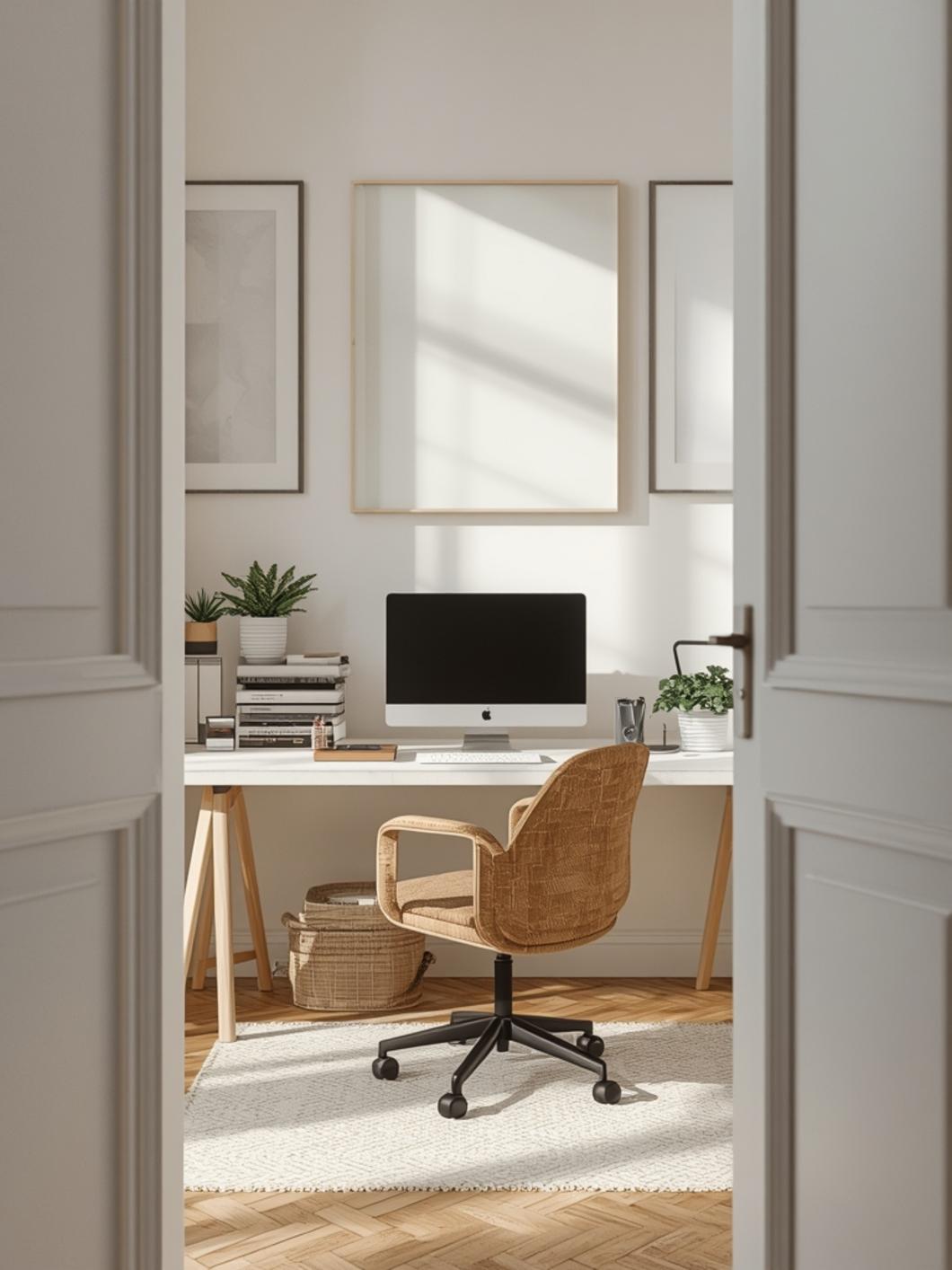
Your home office should inspire you the moment you walk in. Think about the mood you want to create and how your workspace fits into the rest of your home’s aesthetic.
Consider your existing decor style. If your home leans modern, continue that theme with clean-lined furniture and minimal accessories. If you love traditional design, incorporate wood tones and classic desk lamps. Your office doesn’t need to match perfectly, but it should feel like it belongs.
Think about natural light patterns. Does morning sun flood the room, or do you work primarily in the afternoon? Position your desk perpendicular to windows to minimize glare on your screen while still enjoying natural light. Save the sunniest corner for a reading chair or plant display.
Plan for seasonal flexibility. You’ll use this space year-round, so consider how the room feels in different seasons. A desk near a window is lovely in spring but might be too cold in winter. can help you control temperature and light throughout the year.
Your workspace will evolve as you discover what helps you focus best. Starting with a neutral foundation makes it easy to swap accessories and adjust as your needs change.
7 Ideas to Try in Your Home
1. The Corner Command Center
Transform an unused corner into a productivity powerhouse with a floating corner desk. Mount it at exactly 28-30 inches high so your elbows rest at 90 degrees when typing. Add floating shelves above for vertical storage and keep the floor clear underneath to stretch your legs. This setup works beautifully in bedrooms, living rooms, or even large hallways.
2. The Closet Conversion
Remove closet doors and turn that space into a compact office nook. Install a desk surface at the proper height, add task lighting above, and use the existing shelving for storage. When you’re done working, simply close the doors to hide everything away. This approach is perfect for maintaining work-life boundaries in small homes.
3. The Dual-Purpose Guest Room
Position your desk against one wall and a daybed or sleeper sofa against the opposite wall. Choose furniture in coordinating finishes so the room feels cohesive rather than cluttered. Store office supplies in attractive baskets that tuck under the bed. This way, guests never feel like they’re sleeping in your office.
4. The Natural Light Haven
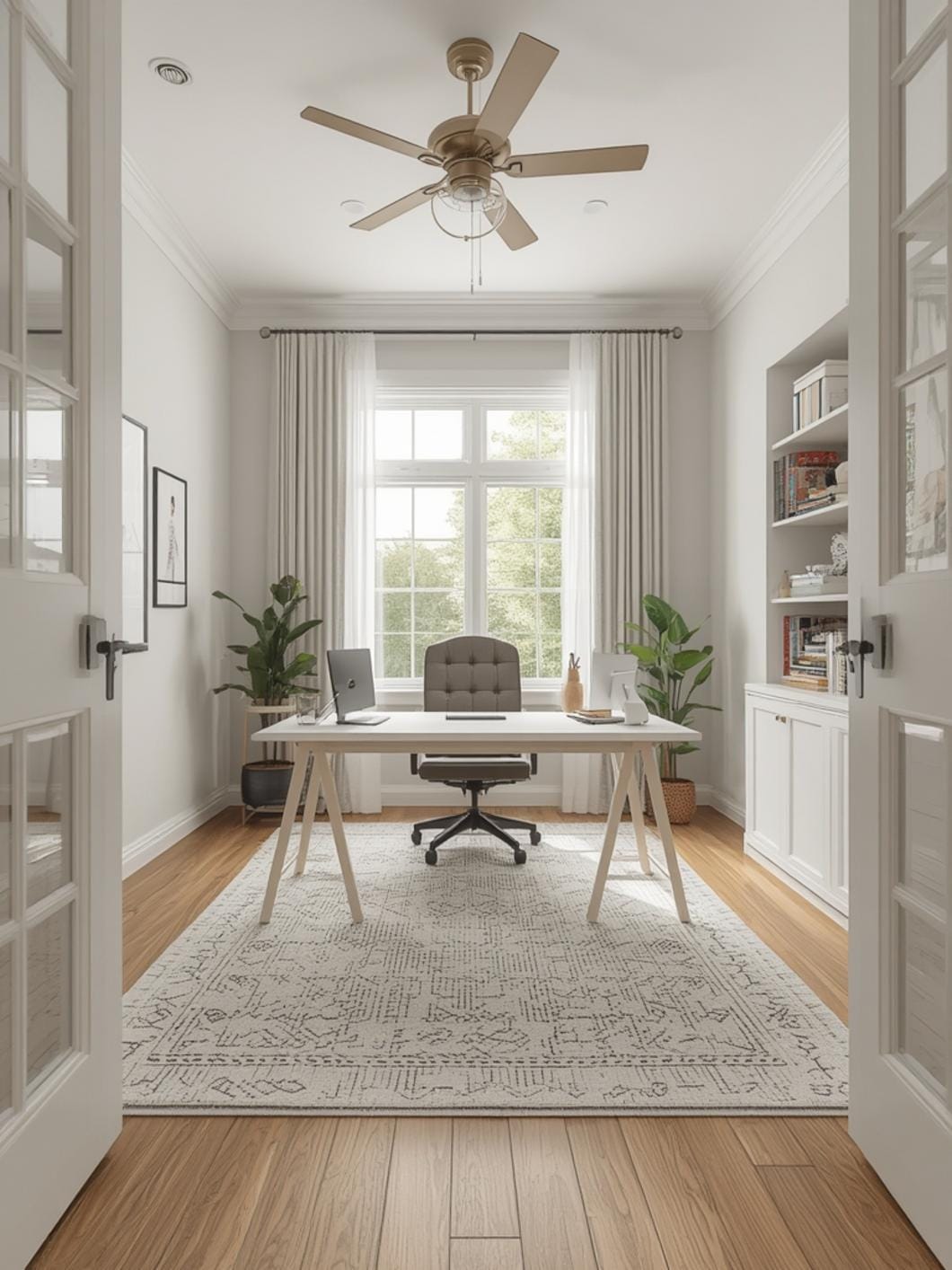
Place your desk perpendicular to the largest window in the room. This gives you gorgeous views without screen glare. Knowing how to set up an ergonomic workspace at home means positioning your monitor at arm’s length with the top of the screen at or slightly below eye level. Add sheer curtains to diffuse harsh afternoon sun while keeping the space bright and airy.
5. The Standing Desk Solution
Alternate between sitting and standing throughout the day by investing in an adjustable-height desk. Start with 20-30 minutes of standing each hour and gradually increase as your body adapts. Place an anti-fatigue mat underneath to reduce foot strain. This setup is particularly helpful if you deal with back pain from sitting too long.
6. The Bookshelf Backdrop
Position your desk in front of a wall of built-in or standalone bookcases. This creates an impressive video call background while providing abundant storage for work materials and decorative objects. Arrange books by color for visual impact or mix in framed photos and plants to break up the rows.
7. The Minimalist Floating Setup
Mount a simple floating desk and a single shelf above it. Keep only your laptop, a small plant, and one desk organizer on the surface. This streamlined approach works wonderfully in small spaces and forces you to maintain good organizational habits. Everything you need is within reach, but nothing feels cluttered.
Each of these approaches prioritizes both function and style, proving that a productive workspace doesn’t have to sacrifice beauty.
Benefits That Go Beyond Your To-Do List
A thoughtfully designed home office delivers advantages that ripple through your entire day. The most immediate benefit is physical comfort. When your chair supports your lower back and your screen sits at the right height, those afternoon headaches and shoulder tension often disappear.
Mental clarity follows physical comfort. Walking into a dedicated workspace signals your brain that it’s time to focus. You’re not fighting for space among breakfast dishes or trying to ignore the laundry pile in your peripheral vision. This psychological separation helps you concentrate during work hours and truly disconnect when you’re done.
Your productivity naturally increases when everything has a home. No more hunting for that important document or untangling charging cables. Reaching for your stapler or notebook becomes automatic, keeping you in flow rather than breaking concentration every few minutes.
The aesthetic benefits matter more than you might think. A beautiful workspace genuinely lifts your mood on challenging days. Looking up from your screen to see artwork you love or a plant you’re nurturing provides small moments of joy throughout your workday. These visual pleasures transform your office from a place you have to be into a place you actually want to spend time.
Budget-Friendly Ways to Upgrade Your Workspace
On a tight budget: Start with a simple table desk from a furniture store and add a cushioned dining chair with good back support. Use wall-mounted shelves or repurposed bookcases for storage. Desk lamps and small plants from discount stores add personality without breaking the bank. Focus your money on the chair since that’s where you’ll spend most of your time.
Mid-range investment: Purchase a quality ergonomic chair with multiple adjustment points and a sturdy desk with built-in drawers. Add a monitor arm to free up desk space and position your screen perfectly. Include proper task lighting and a few organizational tools like drawer dividers and desktop organizers. This level of investment typically ranges from $800-1500 and creates a workspace that will serve you well for years.
Premium setup: Invest in a fully adjustable sit-stand desk, a high-end ergonomic chair, and custom storage solutions. Add smart lighting that adjusts throughout the day, acoustic panels to reduce echo on video calls, and high-quality materials like solid wood surfaces and metal accents. A cable management system keeps everything looking clean. This approach runs $2500+ but delivers a truly professional-grade home office experience.
Small space strategies: Choose a wall-mounted fold-down desk that disappears when not in use. Opt for a rolling cart instead of a full filing cabinet. Use vertical space aggressively with tall, narrow shelving units. A laptop stand with external keyboard takes up less surface area than a traditional desktop computer setup. offers even more ideas for making the most of limited square footage.
Remember that you can start with basics and upgrade over time as your budget allows. Your chair and desk height matter most for daily comfort, so prioritize those purchases first.
Common Mistakes to Avoid
Pushing your desk against the wall. This limits your ability to position your monitor correctly and makes cable management nearly impossible. Pull your desk at least a few inches away from the wall so cords can drop down behind it cleanly.
Relying solely on overhead lighting. Ceiling lights create harsh shadows on your workspace and contribute to eye strain. Add a desk lamp that illuminates your work surface without creating glare on your screen.
Choosing a chair based on looks alone. That trendy mid-century desk chair might photograph beautifully, but if it lacks lumbar support and height adjustment, you’ll regret it by day three. Sit in chairs before buying them or at minimum, read reviews from people who use them for full workdays.
Ignoring cord management from the start. Tangled cables look messy and create tripping hazards. Use cable clips, sleeves, or boxes from day one rather than telling yourself you’ll deal with it later. Future you will be grateful.
Positioning your desk facing a busy area. Setting up your workspace to face a hallway or main living area means constant visual distractions. Face a wall or window instead, even if it means rearranging other furniture to make room.
Keeping Your Workspace Fresh and Functional
Your home office needs regular attention to stay organized and comfortable. End each workday with a five-minute reset: file papers, wipe down your desk, and return supplies to their homes. This daily habit prevents clutter from accumulating and ensures you start each morning with a clean slate.
Deep clean your workspace monthly. Dust your monitor, keyboard, and shelves. Vacuum under your desk and chair. Wipe down surfaces with appropriate cleaners. This maintenance protects your equipment and keeps your space feeling fresh.
Evaluate your setup quarterly. Are you experiencing new aches or pains? Is your storage system still working? Your needs change over time, and your workspace should adapt accordingly. Adjust your chair height, monitor position, or organizational tools as needed.
Refresh your decor seasonally to keep your space inspiring. Swap artwork, change out your desk accessories, or add seasonal plants. These small updates prevent your office from feeling stale without requiring major investment or disruption.
Check your chair’s mechanisms every few months. Tighten any loose screws and ensure height adjustments still work smoothly. If your chair uses a gas lift, it may need replacing after several years of daily use. Addressing small maintenance issues prevents larger problems down the road.
Creating Your Perfect Productive Space
Your home office should work for your unique needs and reflect your personal style. Whether you’re setting up a dedicated room or carving out a corner of your kitchen, the principles remain the same: prioritize ergonomics, maximize natural light, and choose pieces that inspire you.
Start with the basics and build from there. You don’t need everything perfect on day one. Focus on creating a comfortable space where you can actually get work done, then refine the details over time as you discover what helps you focus best.
Ready to transform more of your home into spaces you love? Explore more practical decorating advice and inspiration at DecorKingdom, where we help everyday homeowners create beautiful, functional rooms without the contractor bills.
FAQs
What’s the ideal desk height for a home office?
Your desk should allow your elbows to rest at a 90-degree angle when your feet are flat on the floor. For most people, this means a desk height of 28-30 inches. If your desk is too tall, add a footrest. If it’s too short, use bed risers or blocks under the legs to raise it.
How much does it cost to set up a basic home office?
A functional home office starts around $300-500 for a basic desk, decent chair, and simple lighting. A mid-range setup with ergonomic furniture and better storage runs $800-1500. Premium setups with adjustable desks and high-end chairs can exceed $2500. Focus your budget on the chair and desk first since those impact your daily comfort most.
Can I create a home office without a spare room?
Absolutely. Corner setups, closet conversions, and even wide hallways can accommodate compact workspaces. Wall-mounted fold-down desks work beautifully in multi-purpose rooms. The key is choosing furniture scaled to your space and establishing clear boundaries so your workspace feels separate even if it shares a room with other activities.
What’s the best lighting for a home office?
Layer three types of lighting: natural light from windows, ambient light from floor or ceiling fixtures, and task lighting from a desk lamp. Position your desk perpendicular to windows to minimize screen glare while enjoying daylight. Choose LED bulbs in the 3000-4000K range for comfortable, productive lighting that doesn’t cause eye strain.
How do I stay focused working from home with family around?
Physical boundaries help even when you can’t have a separate room. Use a room divider or position your desk facing away from high-traffic areas. Establish “work hours” with your household and use headphones as a visual signal that you’re concentrating. A door that closes, even if it’s just a closet office, provides valuable psychological separation.
—
Meta Title: 50 Home Office Ideas That Boost Productivity (2026)
Meta Description: Transform any space into a productive workspace with these home office ideas. Get ergonomic setups, storage solutions & style tips.