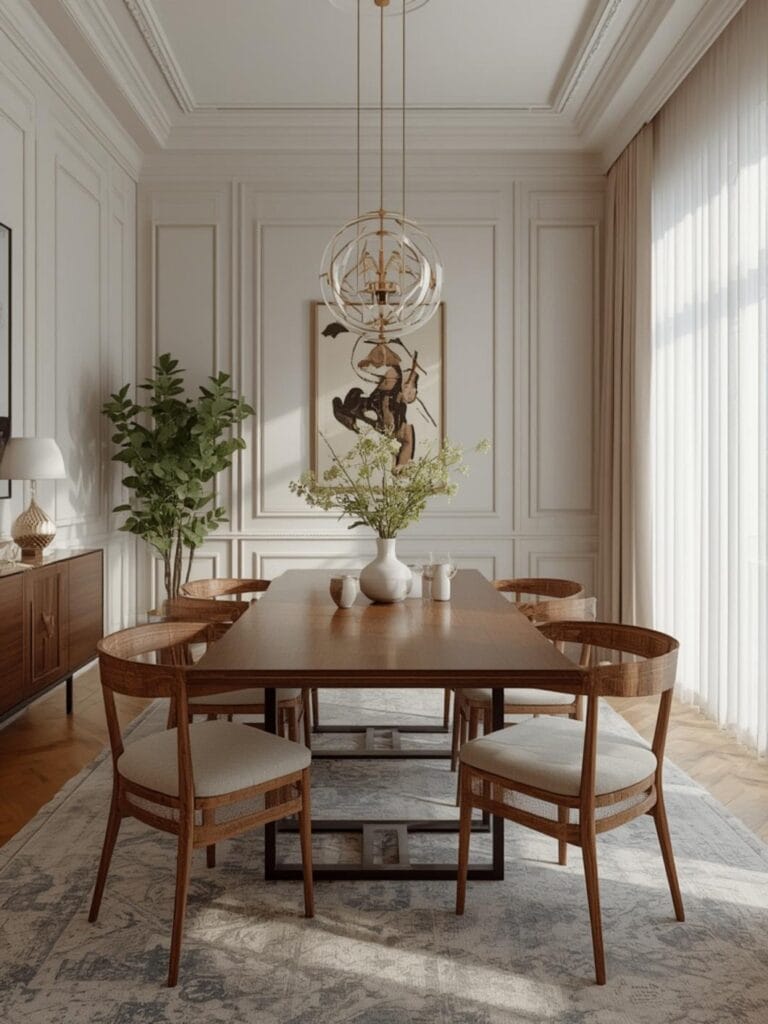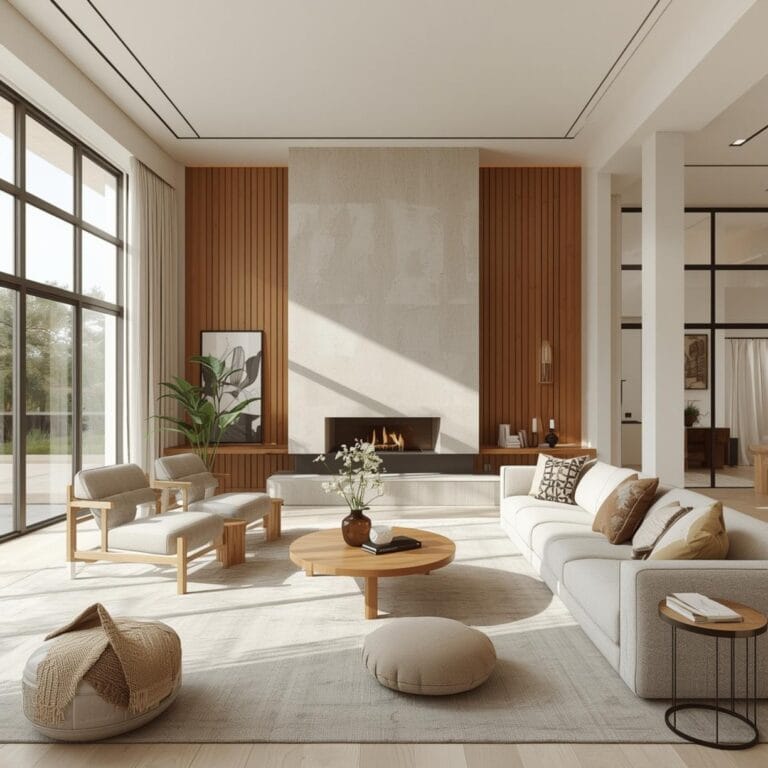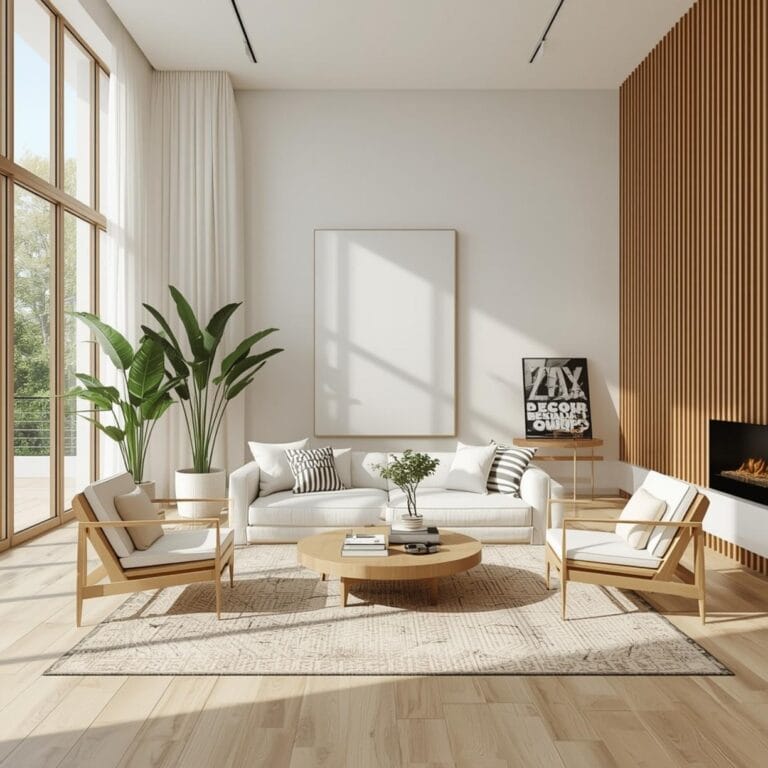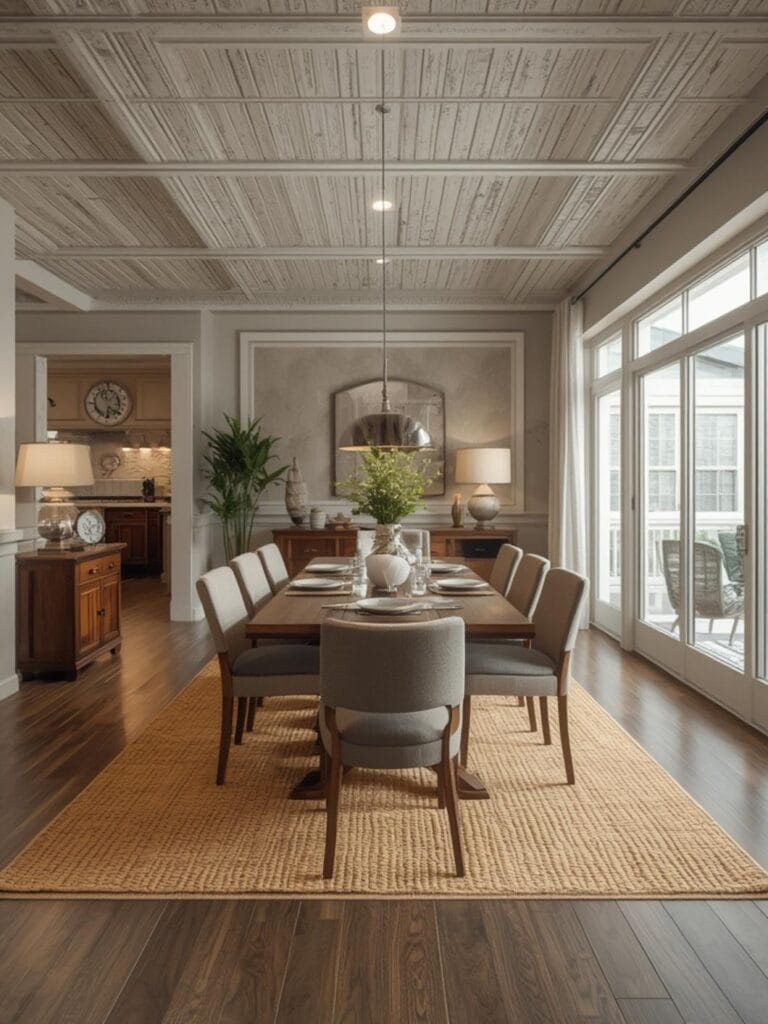
How to Choose Gray and Beige Living Room Ideas
You’ve been staring at those dark walls for months now, and you’re craving something lighter. Something softer. Something that doesn’t make your living room feel like a cave every time you walk in.
Gray and Beige Living Room Ideas are having a moment right now, and for good reason. This color duo creates a calm, sophisticated space that works with almost any decor style you already own.
If you’re nervous about making the leap from dark, dramatic colors to something more neutral, you’re not alone. The key is blending warm beige with cool gray so your room feels balanced instead of boring.
Table of Contents
What You’ll Need to Get the Look
Before you start shopping, here’s what goes into creating a beautiful gray and beige living room:
Paint and Wall Colors:
– Warm beige paint for main walls (look for names with “linen,” “sand,” or “wheat”)
– Soft gray paint for accent walls or trim
– Off-white ceiling paint to keep things bright
Furniture Pieces:
– Beige or oatmeal upholstered sofa
– Gray accent chairs or loveseat
– Natural wood coffee table in walnut or oak tones
– Light-colored media console or sideboard
Textiles and Soft Goods:
– Gray throw pillows in various textures (linen, velvet, knit)
– Beige or cream area rug with subtle pattern
– Layered throw blankets in both colors
– Linen or cotton curtains in warm white or soft gray
Decorative Accents:
– Mixed metal finishes (brass and black work beautifully)
– Natural elements like woven baskets or ceramic vases
– Greenery in white or gray planters
– Framed art with both gray and beige tones
The beauty of this palette is how forgiving it is. You don’t need to match everything perfectly because the colors naturally complement each other.
Finding Your Style and Season
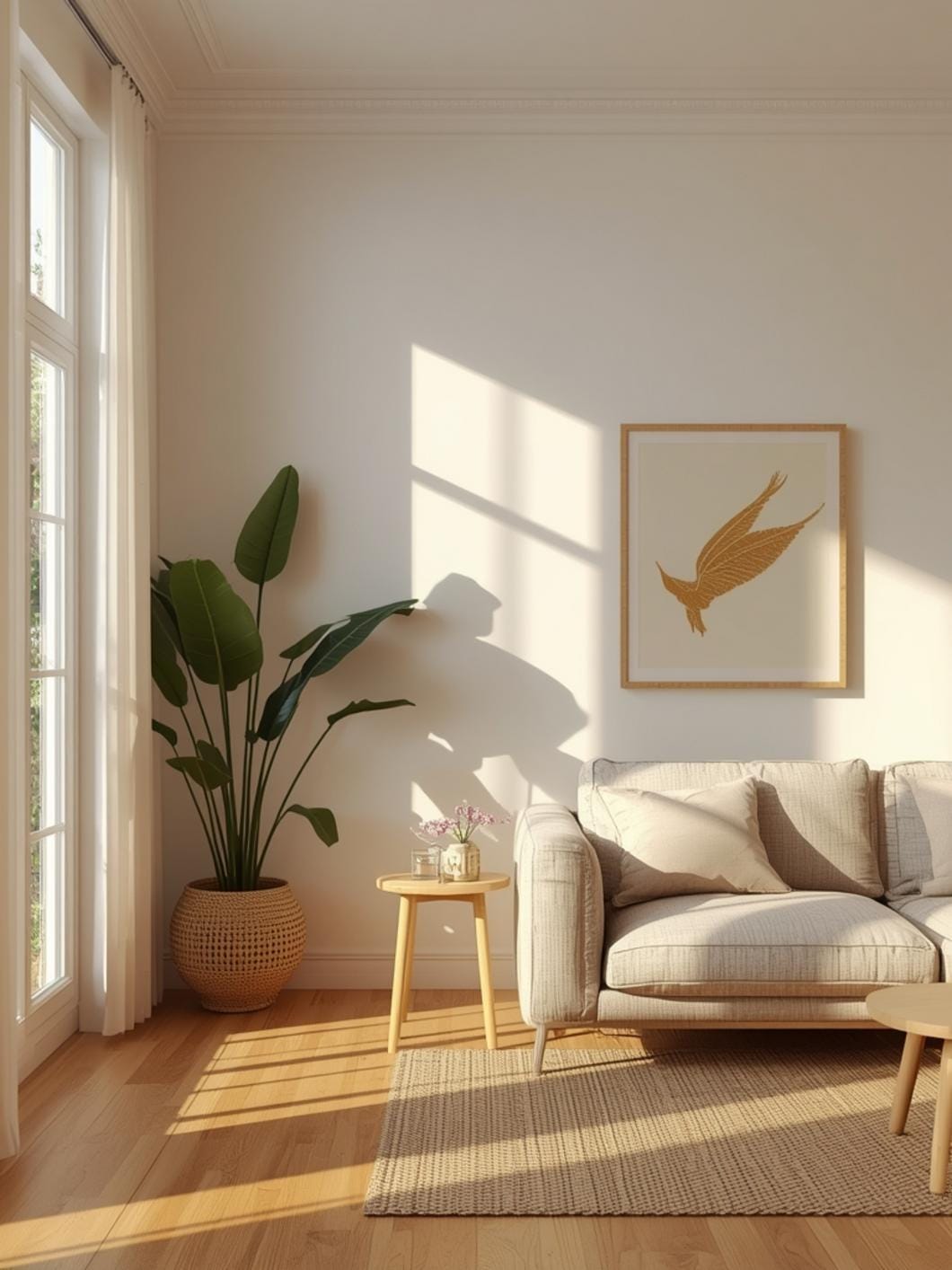
Timing matters less with neutral colors than you might think. Gray and beige work year-round, but the way you layer them changes with the seasons.
Spring and Summer Approach:
During warmer months, lean heavier into beige and cream tones. Add white accents and keep gray as your secondary color. This creates an airy, light-filled space that feels fresh when the sun is streaming through your windows.
Open curtains wide, swap heavy throws for linen ones, and display fresh flowers in light-colored vases.
Fall and Winter Approach:
When the weather cools, bring in more gray and deeper beige tones. Layer chunky knit throws, add darker gray pillows, and consider a plush area rug in charcoal gray with beige patterns.
This shift makes your living room feel cozy without abandoning the neutral palette you’ve created.
Lighting Considerations:
If your room gets limited natural light, use more beige than gray. Rooms with lots of windows can handle a 50-50 split. North-facing rooms benefit from warm beige walls with gray accents, while south-facing rooms can go slightly cooler.
Test paint samples on your walls at different times of day before committing. Colors look completely different at 9 AM versus 7 PM.
7 Ideas to Try in Your Home
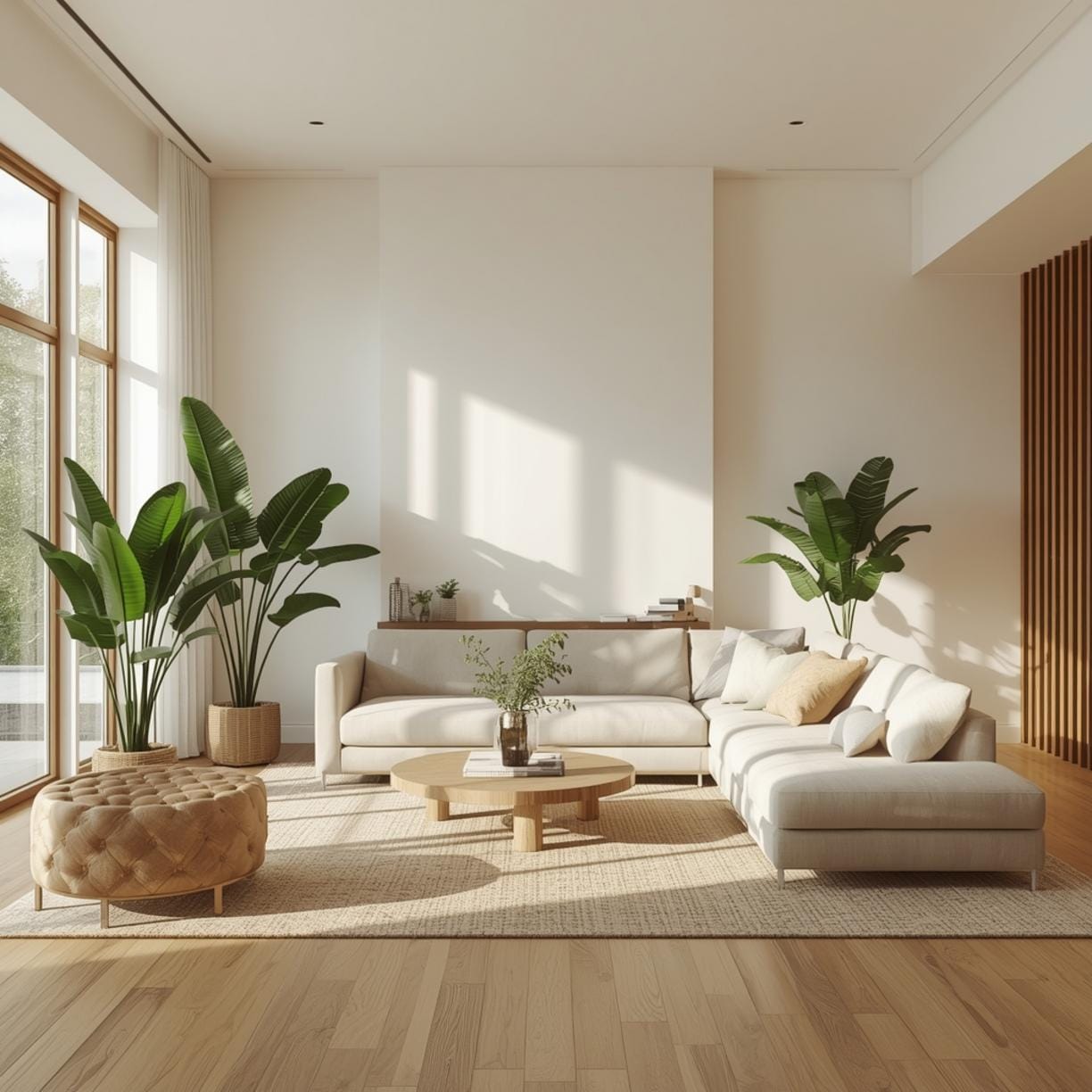
Let’s walk through specific looks you can create, from subtle to statement-making. How to transition from dark to neutral living room colors becomes much easier when you have a clear vision.
Idea 1: The Gradual Transition Wall
Start with one accent wall painted in a soft greige (that’s gray-beige). Keep your other walls white or cream for now. Add gray and beige throw pillows to your existing furniture. This gives you the new color story without overwhelming your space all at once.
It’s perfect if you’re nervous about commitment or want to test the palette before painting the entire room.
Idea 2: Beige Base with Gray Drama
Paint all walls a warm beige, then add one charcoal gray accent wall behind your sofa or TV. Layer in a light gray area rug and beige furniture. The contrast creates visual interest while keeping the room feeling open and inviting.
This approach works beautifully in larger living rooms that can handle a darker accent without feeling cramped.
Idea 3: Monochromatic Greige Layers
Choose several shades of greige from light to medium-dark. Use the lightest on walls, medium tones in your sofa and curtains, and the darkest in throw pillows and artwork frames. This creates depth without introducing stark contrasts.
It’s incredibly soothing and sophisticated, especially in modern or minimalist spaces.
Idea 4: Natural Texture Focus
Keep walls neutral beige and add texture through materials rather than color variations. Think chunky gray knit throws, woven beige baskets, raw wood furniture, and linen curtains in both colors. The texture creates visual interest even though the color palette is calm.
This works especially well in Scandinavian or coastal-inspired spaces.
Idea 5: The Two-Tone Furniture Mix
Choose a beige sofa and gray accent chairs, or vice versa. Keep walls neutral and let your furniture create the color story. Add a patterned area rug that includes both colors to tie everything together.
This approach gives you flexibility to change your look later by swapping throw pillows and accessories.
Idea 6: Architectural Division
If you have chair rail molding or wainscoting, paint below the line in gray and above in beige. Or paint ceiling trim and crown molding in soft gray with beige walls. This creates architectural interest and makes standard builder-grade rooms feel more custom.
It’s a subtle way to introduce both colors without full commitment to either.
Idea 7: The Warm Gray Approach
Choose a warm gray with brown undertones for your walls (avoid anything too blue or purple). Layer in sandy beige furniture, cream curtains, and warm wood accents. This keeps the cool-toned benefits of gray while maintaining a cozy, inviting atmosphere.
Test this carefully because warm grays can look taupe in certain lighting, which might be exactly what you want.
Benefits of a Gray and Beige Palette
This color combination does more than just look pretty on Pinterest. It genuinely improves how your living room functions in daily life.
Stress Reduction and Calm:
Neutral tones naturally lower visual stress. When you walk into a gray and beige living room after a chaotic day, your nervous system actually relaxes. There’s science behind why hotel rooms often use these colors.
You’ll notice you feel more at ease watching TV, reading, or just sitting on your sofa.
Versatility Across Decor Styles:
These colors work with everything from farmhouse to modern to traditional. If you change your decor style in three years, you won’t need to repaint. Just swap accessories and you’re done.
Resale Value Protection:
Neutral living rooms appeal to more potential buyers. While you might love navy walls right now, future buyers might not. Gray and beige give you sophistication without alienating anyone’s taste.
It’s decorating insurance that still looks beautiful.
Easy to Maintain:
Light neutral colors show less dust than dark walls. Beige upholstery hides minor stains better than white. Gray doesn’t show wear as obviously as pure white or cream.
You spend less time stressing about keeping everything pristine.
Tips, Alternatives, and Styling Advice
However you budget or style your home, there’s a version of this palette that works.
Budget-Friendly Option:
Start with inexpensive beige paint and one gray accent wall. Add throw pillows from discount stores in both colors. Use what you already own and just layer in neutral accessories gradually. A beige throw from a home goods store and gray pillow covers instantly shift the color story.
Even $200 can create a noticeable transformation.
Mid-Range Option:
Invest in quality paint for all walls and one statement furniture piece in either gray or beige. Maybe that’s a beautiful beige linen sofa or a gorgeous gray accent chair. Build the rest of your room around that anchor piece with mid-priced textiles and accessories.
This gives you one quality item that lasts while keeping overall costs reasonable.
Premium Option:
Choose designer paint colors with complex undertones, invest in a custom beige sectional, and layer in high-end gray velvet chairs. Add silk blend curtains, a hand-knotted area rug in both colors, and original artwork that incorporates your palette.
The result is a living room that looks professionally designed and feels luxurious.
Small Space Adaptation:
In small living rooms, use beige as your dominant color (about 70%) with gray as accent (30%). This keeps the space feeling open while adding sophistication. Avoid dark charcoal grays that can make tight spaces feel smaller.
Use mirrors with gray frames to reflect light and visually expand the room.
Common Mistakes to Avoid
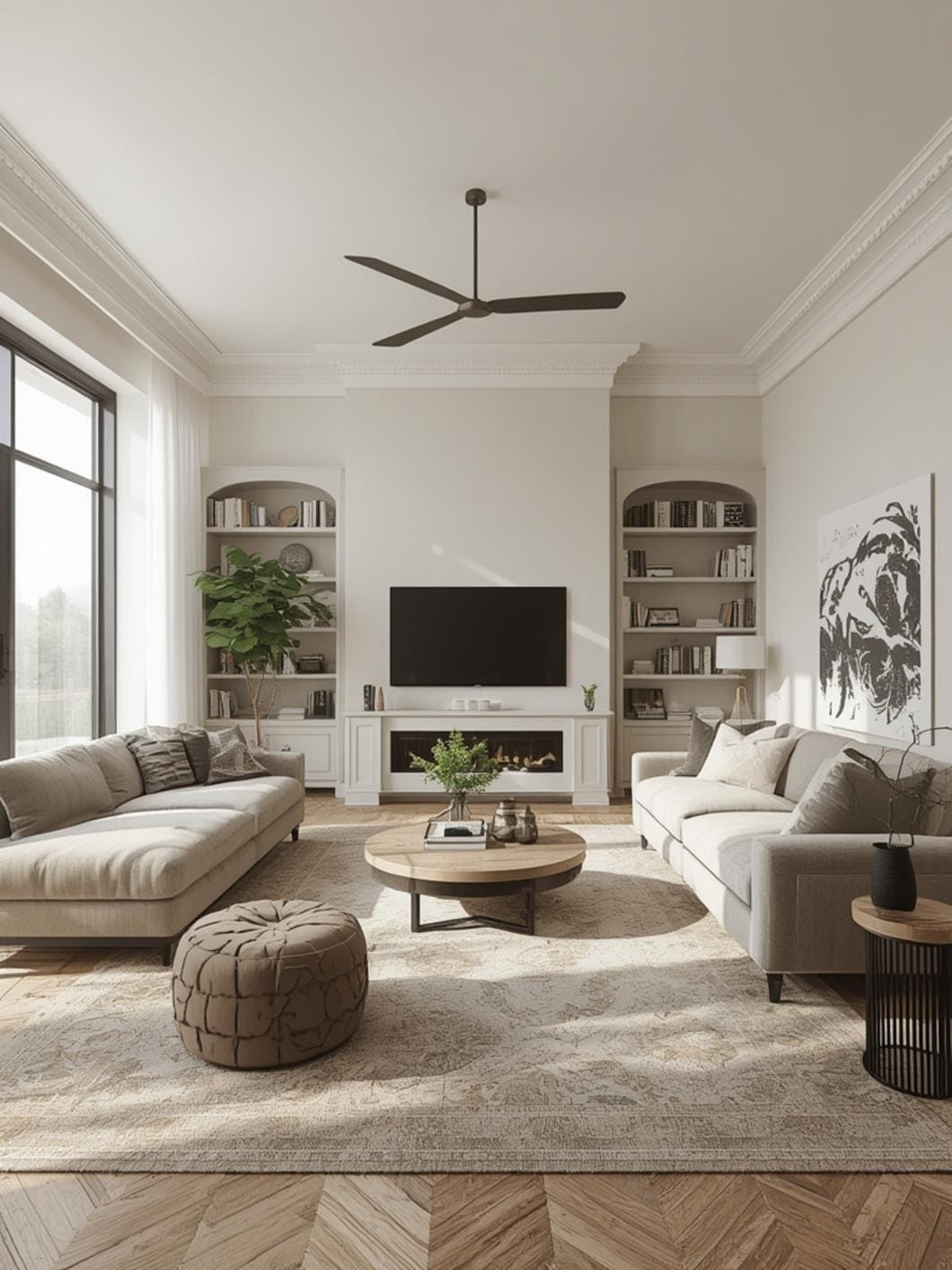
Even with forgiving neutral colors, certain missteps can make your living room fall flat.
Going Too Matchy-Matchy:
Don’t use the exact same shade of beige everywhere or your room will look one-dimensional. Vary your tones from light cream to deeper tan, and include multiple shades of gray from dove to charcoal.
Forgetting Undertones:
Not all grays work with all beiges. Cool blue-gray can clash with warm yellow-beige. Test samples side by side before committing to make sure undertones complement each other instead of fighting.
Skipping the Contrast:
All-light or all-medium tones create a washed-out look. Include at least one darker element like charcoal gray pillows or a deep taupe throw to anchor the space visually.
Ignoring Texture:
Flat, smooth surfaces in neutral colors look boring. Layer in texture through woven baskets, chunky knits, nubby linen, smooth velvet, and rough wood to create visual interest without adding more color.
Painting Without Testing:
Gray especially looks completely different depending on your lighting. A beautiful warm gray in the store can turn purple or blue on your walls. Always test large swatches in your actual room for at least two days.
Maintenance and Upkeep Tips
Keeping your gray and beige living room looking fresh doesn’t require professional help.
Wall Touch-Ups:
Keep leftover paint labeled and stored properly. Touch up scuffs and marks as soon as you notice them because neutral colors show dirt more than you’d expect, especially around light switches and doorways.
Fabric Care:
Vacuum beige upholstery weekly to prevent dirt from settling into fibers. Treat spills immediately with a damp cloth and mild soap. Gray fabrics can show lint, so keep a lint roller handy for quick cleanups.
Seasonal Refreshing:
Twice a year, wash all throw pillow covers, curtains, and throws. Neutral colors can yellow or gray over time from dust accumulation. This keeps everything looking crisp and fresh.
Rug Maintenance:
Rotate your area rug every six months to even out wear patterns. Vacuum weekly and have it professionally cleaned annually. Neutral rugs hide some dirt but still need regular care to maintain their original color.
Bringing It All Together
Gray and beige living rooms offer the perfect balance between style and practicality. You get a sophisticated, calming space that works with your life instead of against it.
Start with one idea from this guide that speaks to you, test your paint colors carefully, and build the room in layers. You don’t need to do everything at once.
Ready to explore more ways to refresh your living space? DecorKingdom has dozens of room inspiration guides waiting for you.
Frequently Asked Questions
What shade of gray goes best with beige in a living room?
Warm grays with slight brown or taupe undertones pair beautifully with beige. Avoid cool grays with blue undertones unless your beige also leans cool. Test samples together on your wall because lighting dramatically affects how these colors interact in your specific space.
Can I use gray and beige together if my living room is small?
Absolutely, just use beige as your dominant color and gray as an accent. This keeps the space feeling open while adding sophistication. Stick to lighter shades of both colors and avoid heavy patterns that can overwhelm a small room.
How do I keep a gray and beige living room from looking boring?
Layer in plenty of texture through different fabrics like linen, velvet, and knits. Add varying shades of both colors rather than using one flat tone. Include natural elements like wood and plants, plus at least one darker accent to create visual depth.
Should I paint my trim gray or beige in a neutral living room?
If your walls are beige, paint trim in soft white or light gray for subtle contrast. If your walls are gray, off-white or cream trim works beautifully. Avoid matching trim exactly to wall color because you lose architectural definition and the room can look flat.
What’s the 60-30-10 rule for gray and beige living rooms?
Use 60% of your dominant color (usually beige walls and large furniture), 30% of your secondary color (gray accent chairs, curtains, or rug), and 10% accent color (this could be deeper versions of gray or beige, or a small pop of another color like green in plants). This creates balanced, professional-looking color distribution.
—
Meta Title: Gray and Beige Living Room Ideas That Work in 2026
Meta Description: Transform dark walls to calm neutrals. 7 gray and beige living room ideas with styling tips that actually work for real homes.