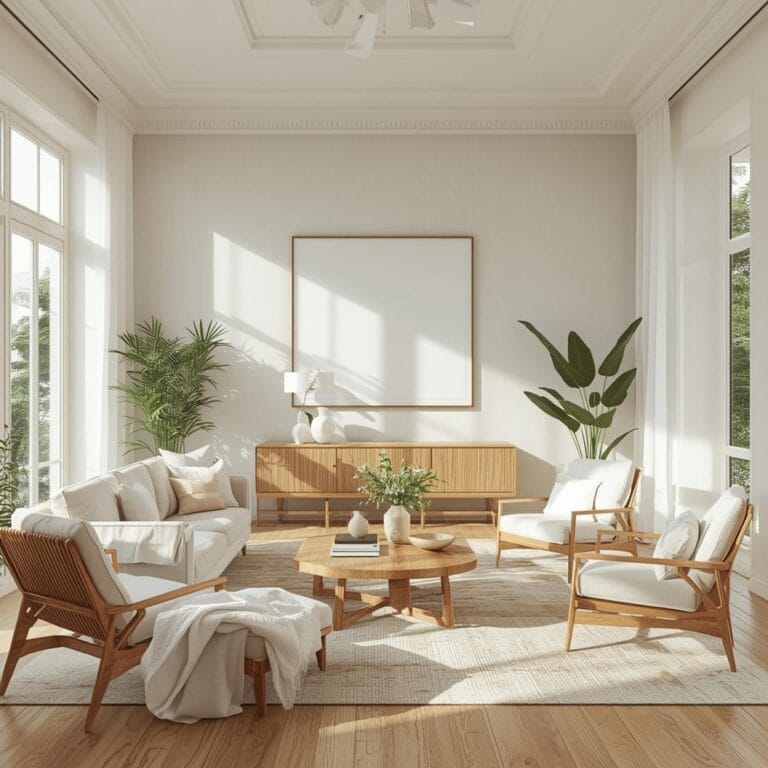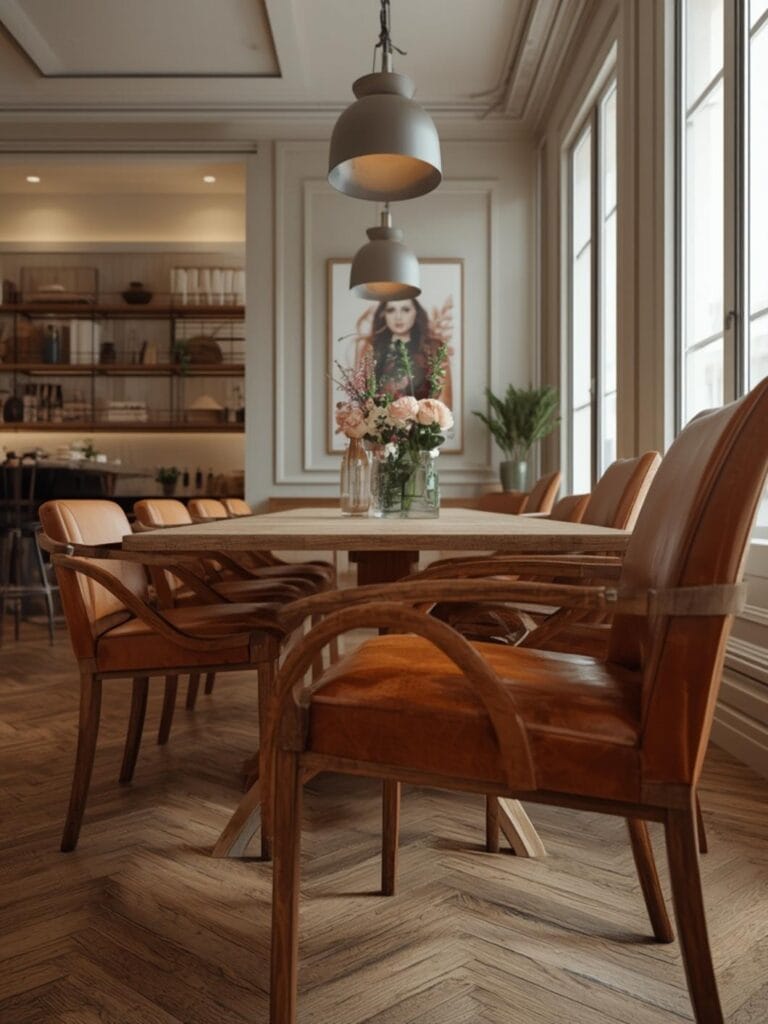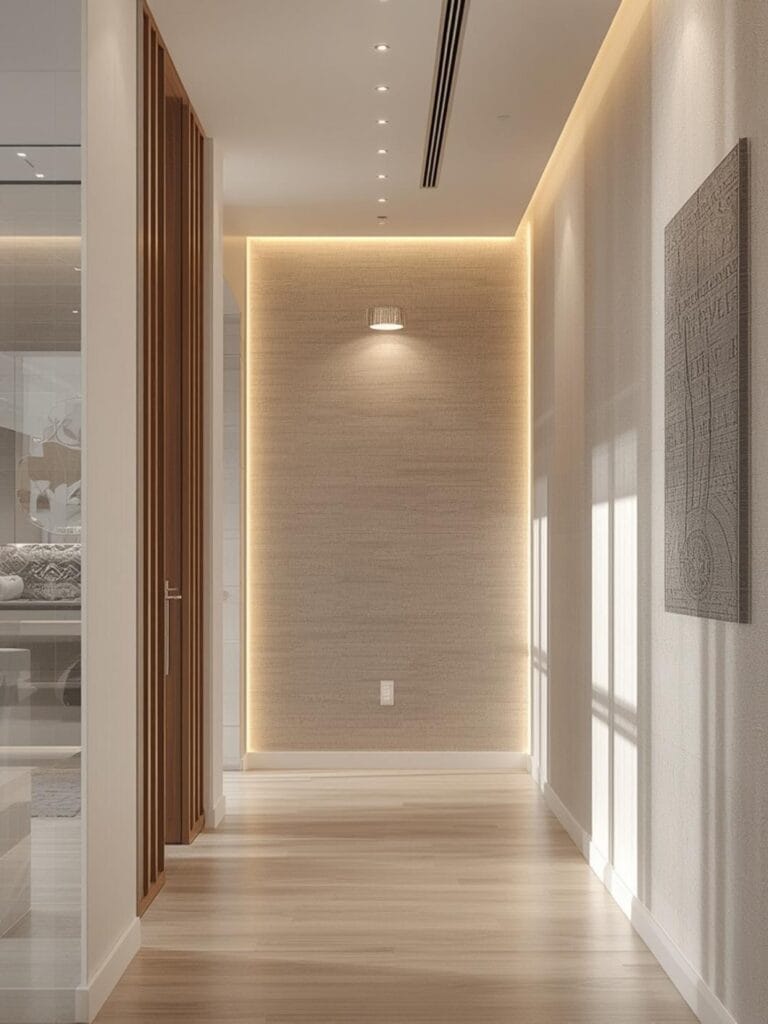
How to Choose Living Room Lighting & Electronics
You’ve probably stood in your living room at some point and thought, “This just doesn’t feel right.” Maybe the overhead light is too harsh for movie nights, or you’re squinting to read on your couch because there’s not enough light where you need it.
Living Room Lighting & Electronics are the unsung heroes of a space that actually works for your life. When done well, they disappear into the background while making everything you do — from hosting friends to unwinding after work — feel effortless and comfortable.
The good news? You don’t need to rewire your entire home or hire an electrician to create a living room that looks magazine-worthy and functions beautifully for real life. Let’s walk through how to bring together lighting and electronics in a way that makes your space feel intentional, warm, and completely yours.
Table of Contents
Key Terms and Elements to Know
Before you start shopping or rearranging, it helps to understand what pieces actually create a well-lit, functional living room.
Ambient lighting is your room’s overall illumination — usually from ceiling fixtures, recessed lights, or wall sconces. This is your foundation layer that makes the space usable and safe to move around in.
Task lighting includes floor lamps, table lamps, and reading lights that help you do specific activities like reading, working on a laptop, or folding laundry.
Accent lighting adds drama and visual interest — think picture lights, uplights behind plants, or LED strips that highlight architectural details.
Dimmers let you control the mood and intensity of your lights without changing bulbs or fixtures. They’re one of the simplest upgrades that make the biggest difference.
Smart plugs and bulbs give you control over your lighting and electronics from your phone or voice assistant, making it easy to set scenes for different times of day.
Cable management solutions like cord covers, cable boxes, and velcro ties keep all those electronics looking tidy instead of creating visual clutter.
Common Misconceptions to Clear Up First
Many homeowners think that one central ceiling light is enough for a living room. The truth is, a single overhead fixture creates harsh shadows and doesn’t give you flexibility for different activities or moods throughout the day.
Another common belief is that more lights automatically mean better lighting. Actually, it’s about having the right type of light in the right places. Three well-placed lamps will always beat six randomly positioned ones.
You might also assume that electronics need to be hidden completely to look good. In reality, thoughtfully displayed electronics — like a beautiful sound system or a well-mounted TV — can be part of your room’s design rather than something to hide.
Some people worry that smart home technology is complicated or requires professional installation. Most smart bulbs and plugs simply screw in or plug in exactly where your old ones did, and they connect to your phone in minutes.
Finally, there’s a misconception that lighting design is expensive and requires all-new fixtures. You can dramatically improve your space by simply adding lamps, changing bulb temperatures, or repositioning what you already own.
How It Works in Real Homes
Let’s look at how real homeowners create spaces that work beautifully without calling in professionals.
Sarah’s City Apartment: She has one ceiling fixture but added a tall floor lamp behind her sectional and a table lamp on her console table. With dimmers on both lamps, she can create bright light for cleaning or soft ambiance for dinner parties. Her TV is mounted at eye level with a simple cable raceway painted to match her wall.
The Martinez Family’s Suburban Home: They positioned a reading lamp next to each end of their sofa, placed an uplight behind a fiddle leaf fig to add height visually, and use smart bulbs in all fixtures. How to layer lighting in a living room for ambiance and function became clear when they realized they could set “movie mode” (just the uplight), “family time” (all lamps at 70%), and “cleaning mode” (everything at 100%) with their phone.
Tom’s Bachelor Pad: He started with harsh overhead recessed lights and added three simple elements: warm-temperature bulbs (2700K instead of the cool white he had), a dimmer switch for his main lights, and two plug-in wall sconces flanking his TV. The combination eliminated the cave-like feeling his living room had before.
The Chen Family’s Open-Concept Space: They use lighting to define their living area within a larger room. A statement pendant over their coffee table creates a “ceiling” for the seating area, while floor lamps at opposite corners fill in any dark spots. They keep electronics on a low console, using a decorative basket to corral remotes and charging cables.
Each of these homes proves that you don’t need extensive renovations. You need a clear understanding of how you actually use your space and a willingness to experiment with placement and combinations.
Benefits That Actually Matter in Daily Life
The right lighting and electronics setup makes your living room feel like it was designed specifically for your life, not just decorated to look pretty in photos.
You’ll notice that you naturally use your space more. When you have good task lighting, you’ll actually sit down to read that book instead of scrolling on your phone. When your TV is at the right height with minimal glare, movie nights become something you look forward to instead of just tolerate.
Your mood and energy levels improve throughout the day. Bright, cool light in the morning helps you wake up and focus. Warm, dimmed light in the evening helps you relax and unwind. Being able to control this makes a real difference in how you feel at home.
Guests always comment on rooms with layered lighting. It feels sophisticated and intentional without looking like you tried too hard. The space photographs better too, which matters when you’re sharing your home on social media or listing it for sale someday.
Your electricity bills often go down when you switch from always-on overhead lights to lamps you can control individually. You’re only lighting what you’re using, and LED bulbs in those lamps use a fraction of the energy older fixtures consume.
Maintenance becomes simpler because you can easily change a bulb in a table lamp or adjust a dimmer setting without calling anyone or climbing a ladder.
Budget-Friendly Through Premium Approaches
Budget-Conscious (Under $200 total): Start with three identical table or floor lamps from a home goods store. Place them strategically around your room and use warm LED bulbs (2700K). Add a few plug-in dimmers and use zip ties or cord covers to manage cables. Keep your electronics simple with a basic streaming device and tidy cables behind your TV with adhesive clips.
Mid-Range Investment ($200-$600): Upgrade to better quality lamps with adjustable arms or three-way bulbs for flexibility. Install smart bulbs in your existing fixtures so you can control everything from your phone. Add one or two accent lights like an uplight or picture light. Invest in a cable management box and matching basket for remotes. Consider a sound bar that mounts cleanly under your TV.
Premium Experience ($600-$1500): Invest in statement lighting pieces like an arc floor lamp or designer table lamps that become room features. Use a complete smart home system with motion sensors and scheduling. Add specialized task lighting like adjustable reading lights mounted to your wall. Create a dedicated media console with built-in cable management and consider professional-grade speakers that mount flush to your walls or ceiling.
The beautiful thing about lighting and electronics is that you can start small and build up over time. Every addition makes a noticeable difference.
For small living rooms, focus on vertical space. Tall floor lamps in corners provide light without taking up floor space. Wall-mounted sconces free up table surfaces. Mount your TV to eliminate the need for a large entertainment center.
Common Mistakes and How to Fix Them
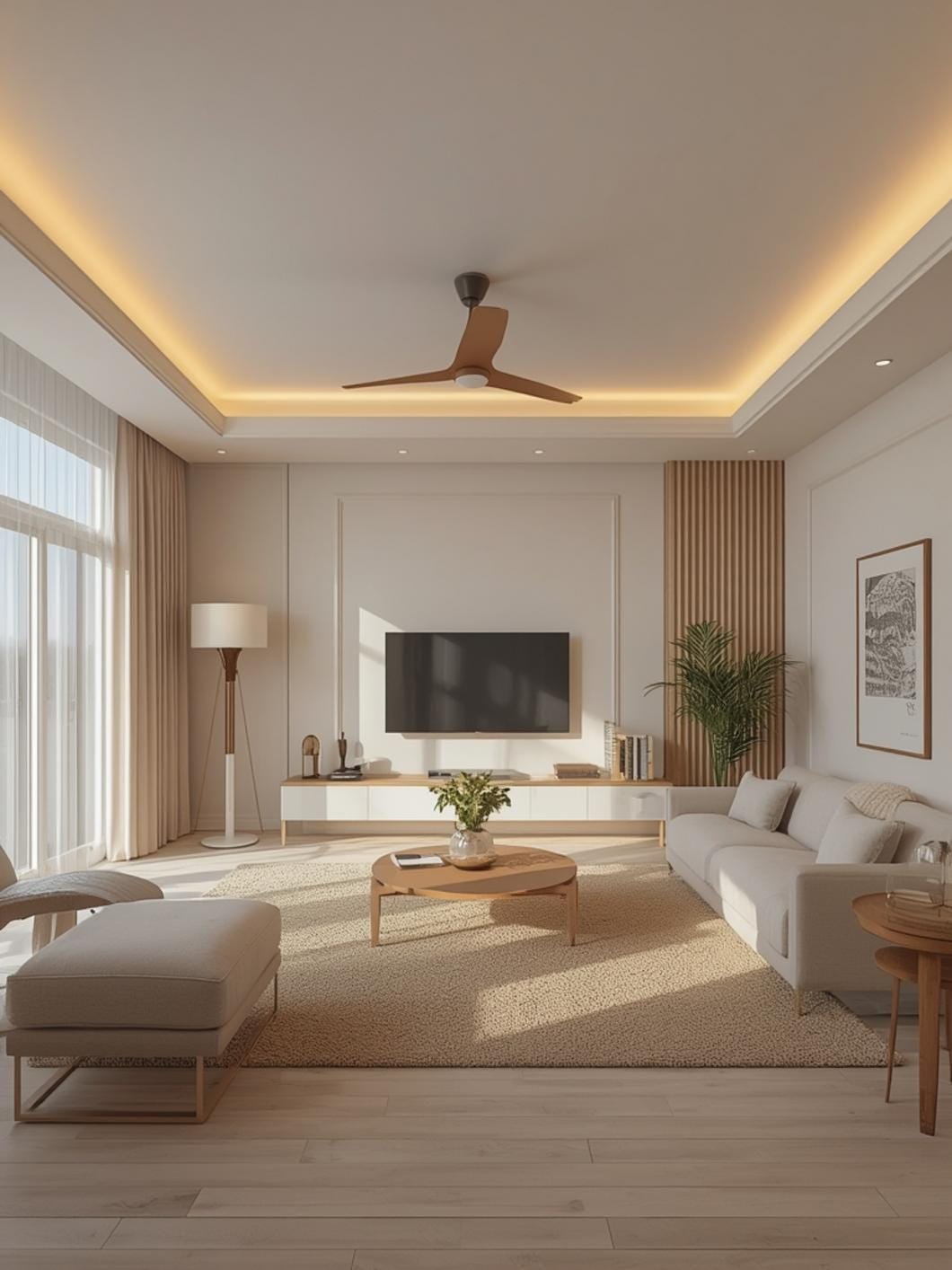
Many people place all their lamps against walls, creating a ring of light around the room’s perimeter with darkness in the middle. Instead, position at least one light source near the center of your seating area, like a floor lamp behind a sofa or a table lamp on a side table between chairs.
Homeowners often mount TVs too high because they think it should go above the fireplace mantel. The center of your screen should be at eye level when you’re seated, which is usually much lower than you think — typically around 42 inches from the floor to the center of the screen.
Using only cool white or daylight bulbs (5000K+) makes your living room feel like an office instead of a home. Stick with warm white (2700K-3000K) for the main living areas, saving cooler temperatures for task-focused spaces like home offices.
Buying all your lamps in different styles, heights, and finishes creates visual chaos even when the lighting itself is good. Choose two or three lamp styles maximum and repeat them throughout the room for a cohesive look.
Forgetting about window treatments means you’ll have glare on your TV screen during certain times of day and difficulty controlling light levels. Add curtains, shades, or blinds that let you adjust natural light to work with your artificial lighting.
Simple Maintenance You Can Handle
Dust your bulbs and lamp shades every couple of weeks when you’re doing regular cleaning. A microfiber cloth works perfectly and makes a surprising difference in how much light actually reaches your room.
Wipe down TV screens and electronics monthly with a slightly damp microfiber cloth designed for screens. Never spray cleaner directly onto electronics.
Check your lamp cords every few months for any fraying or damage. Replace any lamp with a damaged cord immediately — this is one area where safety comes before style.
Vacuum behind and under your entertainment center quarterly to prevent dust buildup around electronics and outlets. This also gives you a chance to tighten any cables that have worked loose.
Replace LED bulbs when they start flickering or dimming noticeably. While LEDs last much longer than old incandescent bulbs, they don’t last forever, and one dying bulb can make your whole room feel dingy.
Update smart home app software when prompted. These updates often improve performance and add new features that make your lighting even easier to control.
Making It Happen in Your Home
Creating a living room with beautiful, functional lighting and electronics isn’t about following rules or buying expensive fixtures. It’s about understanding how you actually use your space and making small, intentional choices that support your daily life.
Start by assessing what you have now and identifying the gaps. Where do you struggle to see? What activities feel uncomfortable? Then add one or two solutions at a time, living with each change before adding the next.
The DecorKingdom blog has dozens more ideas for creating a home that works beautifully for your real life. Explore our other guides to find inspiration for every room in your house.
FAQs
How many lamps should I have in a living room?
Most living rooms benefit from three to five light sources beyond the overhead fixture. A good starting point is one reading lamp per seating area, plus one ambient floor lamp and one accent light. The exact number depends on your room size and how you use the space.
What color temperature bulbs should I use in my living room?
Choose bulbs between 2700K and 3000K for a warm, inviting glow that’s flattering to skin tones and makes the space feel cozy. Avoid bulbs labeled “daylight” or “cool white” in living spaces as they create a harsh, clinical feeling.
Where should I place floor lamps in my living room?
Position floor lamps behind or beside seating areas where you need task lighting for reading or other activities. Corner placement works well for ambient lighting. Avoid putting floor lamps in walkways or where their cords could become tripping hazards.
How high should I mount my TV above the floor?
Mount your TV so the center of the screen sits at eye level when you’re seated in your usual viewing spot, typically 42-48 inches from the floor. If you’re mounting above a low console, the bottom of the TV should be just a few inches above the furniture.
Do I really need smart bulbs or are regular LEDs fine?
Regular LED bulbs work perfectly well and cost much less. Smart bulbs add convenience if you want to control lighting from your phone, set schedules, or create lighting scenes for different activities. Start with regular LEDs and upgrade to smart bulbs later if you want the extra features.
—
Meta Title: Living Room Lighting & Electronics Guide 2026
Meta Description: Master Living Room Lighting & Electronics with layering tips that create ambiance and function. Simple upgrades any homeowner can do today.