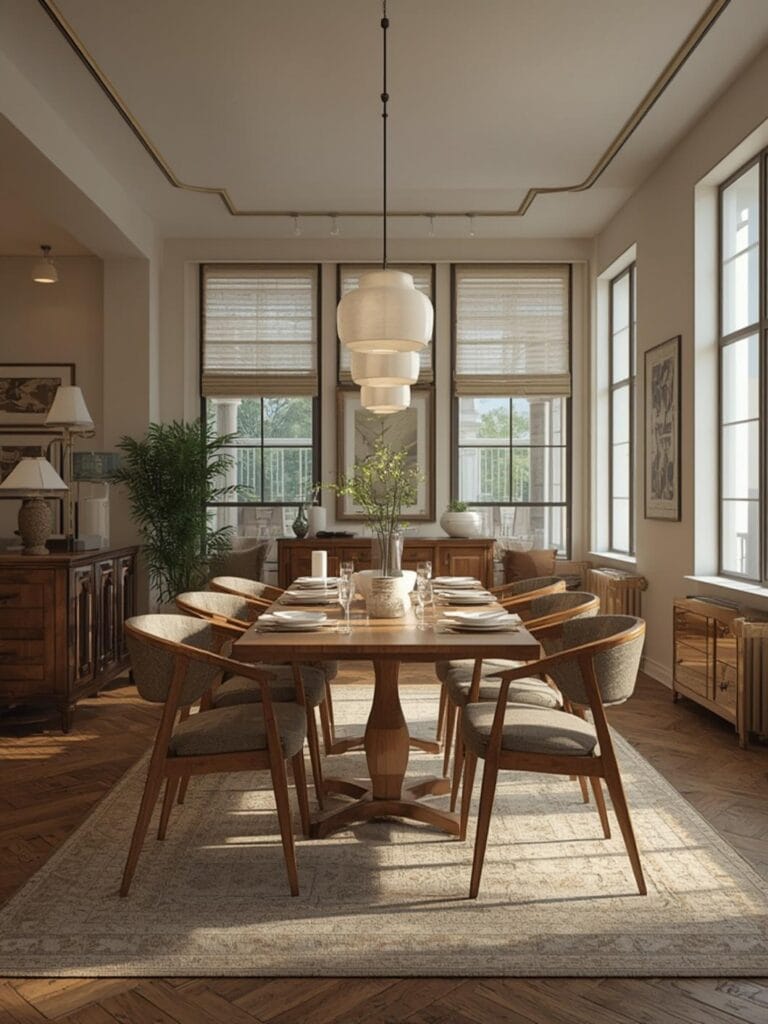
How to Choose Living Room with Large Windows
Table of Contents
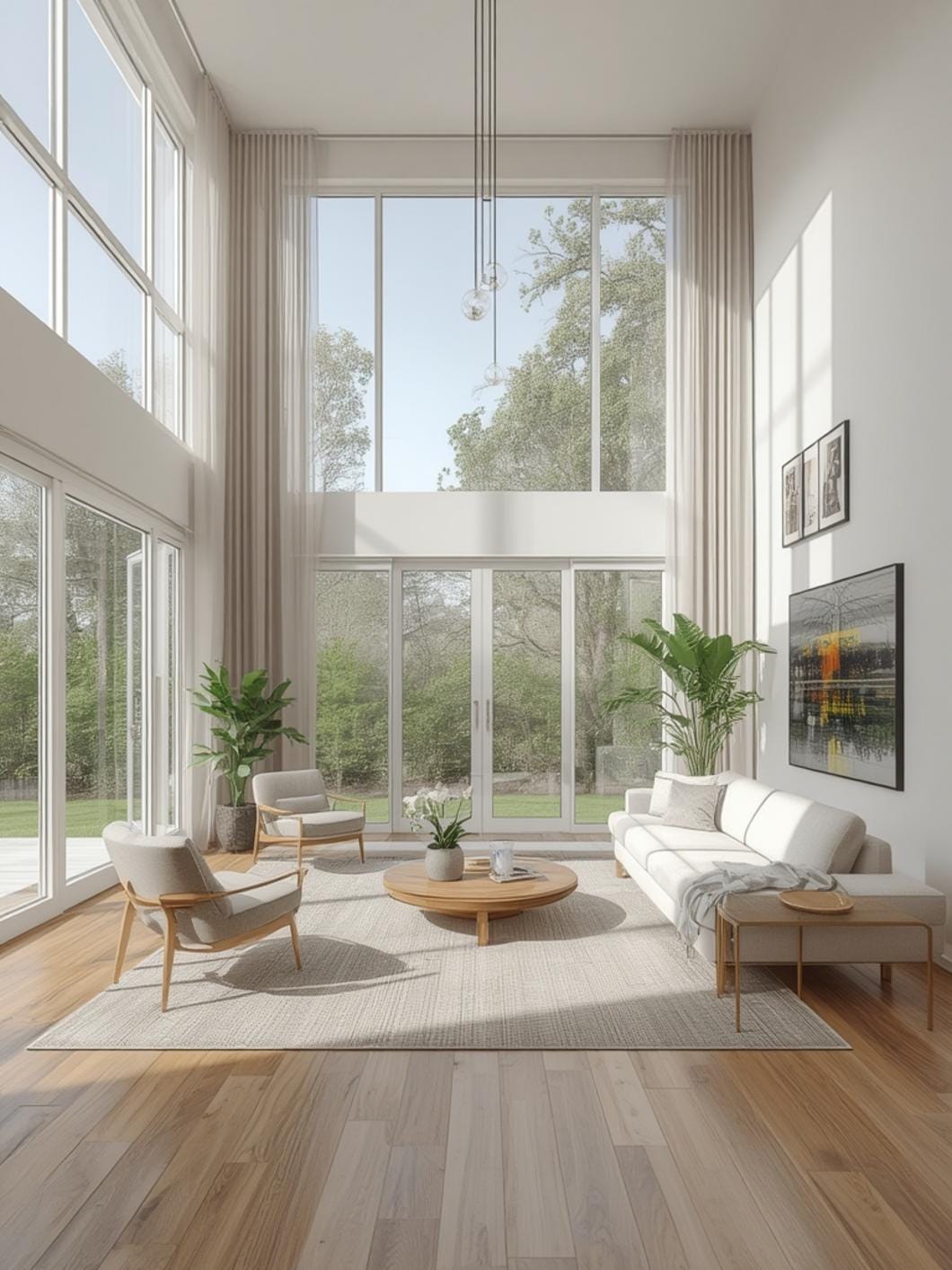
Have you ever walked into a room flooded with sunlight and felt your mood instantly lift? There’s something magical about how natural light changes the way we experience our homes. If you’re lucky enough to have a Living Room with Large Windows, you’re sitting on design gold — but making the most of all that gorgeous daylight requires more than just pulling back the curtains.
Large windows can be both a blessing and a challenge. They offer stunning views and energy-saving brightness, but they also bring concerns about glare, furniture fading, and privacy. The good news? With the right approach, you can create a space that feels airy, welcoming, and perfectly balanced throughout the day.
Whether your windows face a quiet garden or a bustling street, this guide will help you embrace natural light while solving common design dilemmas. Let’s explore how to make your sun-filled living room work beautifully for your lifestyle.
What You’ll Need to Get the Look
Creating a stunning naturally-lit living room starts with choosing pieces that complement rather than compete with your windows. Think of your furnishings as supporting actors that let the light take center stage.
For window treatments, consider sheer linen curtains in ivory or soft gray that filter harsh rays while preserving your view. Layered options work beautifully — install light-filtering roller shades behind flowing drapes so you can adjust throughout the day. Roman shades in natural fabrics offer a cleaner look if you prefer streamlined style.
Furniture selection matters more than you might think:
– Low-profile sofas and chairs that won’t block sightlines
– Glass or acrylic coffee tables that seem to disappear
– Light-colored upholstery in fabrics treated for UV resistance
– Open-legged furniture pieces that maintain visual flow
Your color palette should enhance the brightness. Soft whites, warm creams, pale blues, and gentle greens all reflect light beautifully without overwhelming the space. Add texture through woven throws, natural fiber rugs, and linen pillows to prevent the room from feeling flat.
Mirrors become strategic tools in sun-filled spaces. A large mirror positioned perpendicular to your windows bounces light deeper into the room without creating uncomfortable glare.
Finding Your Style and Season
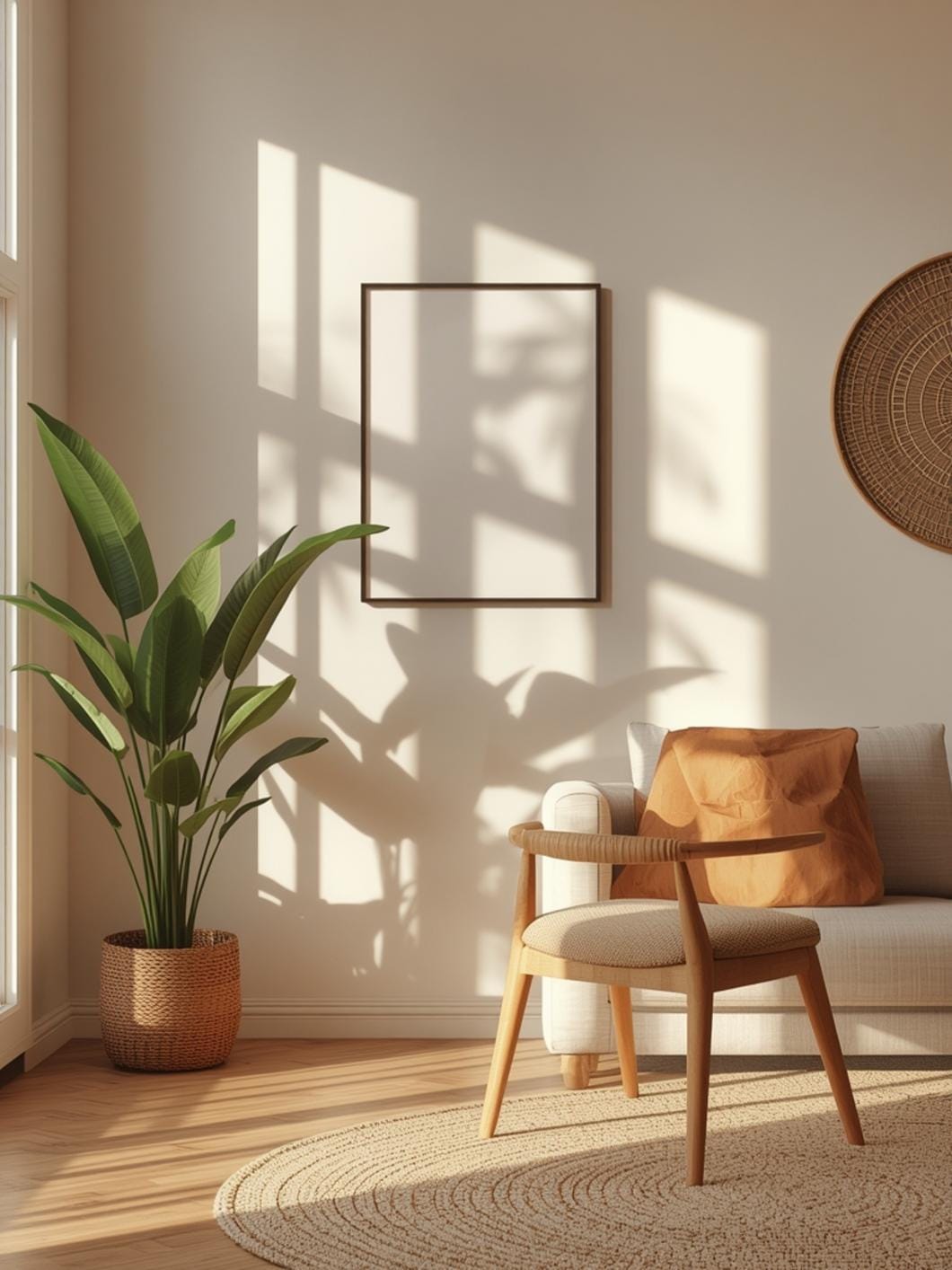
The beauty of designing around abundant natural light is how your room transforms with the seasons. Understanding these shifts helps you create a space that feels right year-round.
Spring and summer bring intense, direct sunlight that can feel harsh by mid-afternoon. This is when you’ll appreciate those layered window treatments most. The longer days also mean you’ll use artificial lighting less, making it the perfect time to assess whether your current setup actually serves your evening needs.
Fall offers the most flattering natural light — lower sun angles create that coveted golden-hour glow that lasts for hours. Your furniture and decor will look their absolute best during these months, making autumn an ideal time for family photos or hosting gatherings.
Winter presents different opportunities. While days are shorter, the quality of light becomes crisp and clear. Snow outside acts like a natural reflector, brightening your space even on overcast days. This is when you’ll want cozy textures that make the most of your limited daylight hours.
Consider how you actually use your living room throughout the day. Morning coffee by the window? Afternoon reading sessions? Evening movie watching? Your answers should guide your furniture placement and window treatment choices.
7 Ideas to Try in Your Home
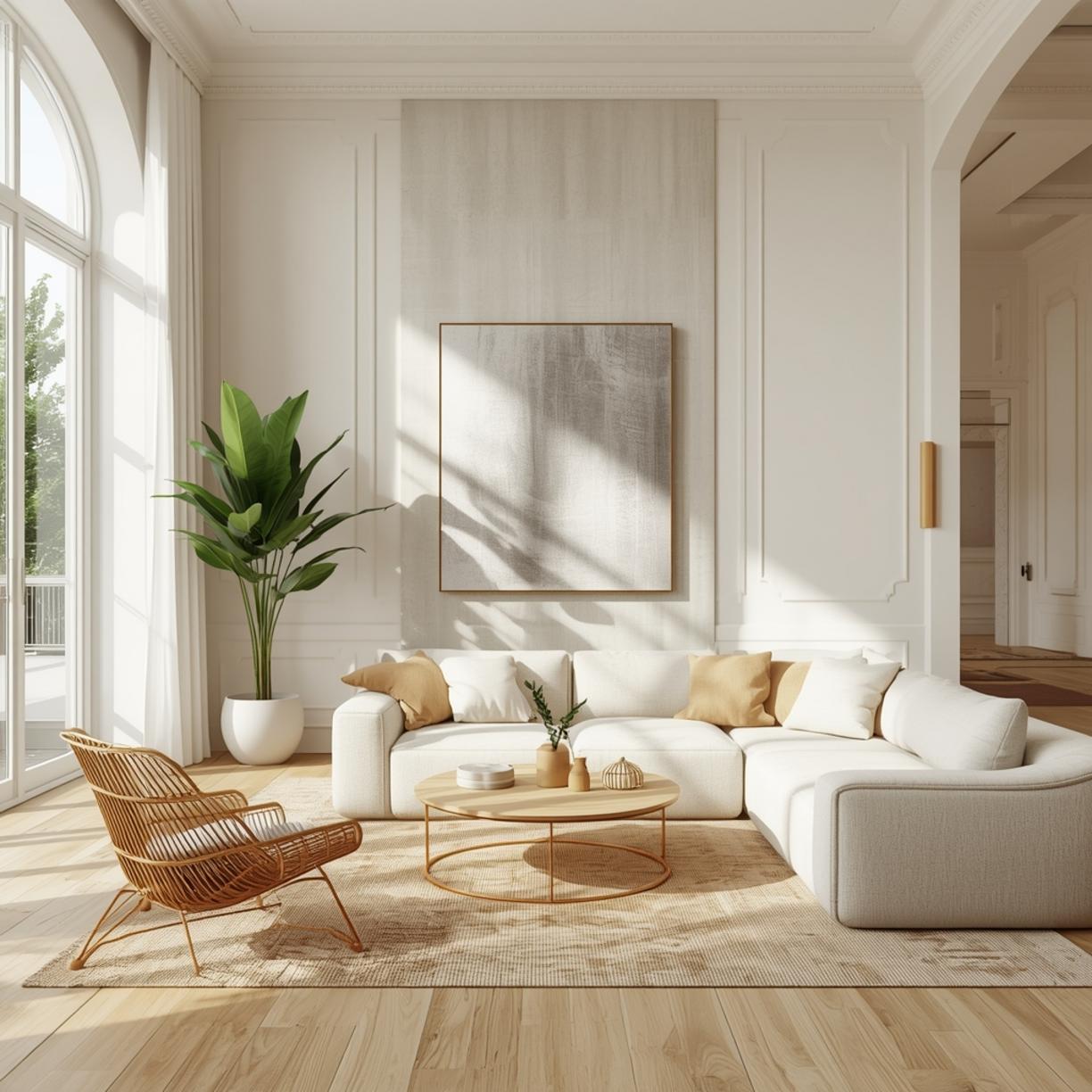
Let’s explore specific Natural light living room design ideas that work beautifully in real homes. Each approach solves common challenges while maximizing your space’s potential.
The Layered Neutral Sanctuary creates depth without competing with your views. Start with warm white walls, then layer in beige, taupe, and soft gray through furniture and textiles. Add dimension with varied textures — a chunky knit throw, smooth leather accent chair, and nubby linen pillows. The natural light highlights these subtle differences throughout the day.
The Strategic Color Block uses one bold wall perpendicular to your windows as an anchor. Paint it a rich terracotta, deep navy, or forest green — the saturated color will glow beautifully in natural light while giving your eyes a place to rest. Keep everything else light and airy for balance.
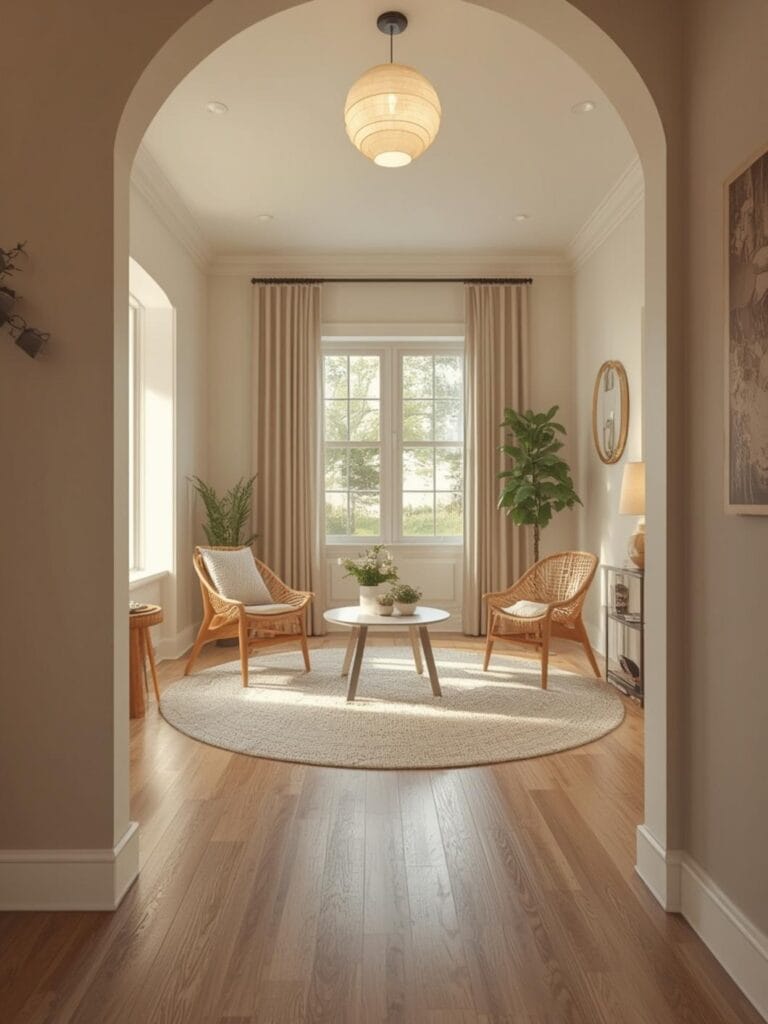
The Indoor-Outdoor Flow blurs the line between your living room and the view beyond. Choose furniture in natural materials like rattan, teak, or bamboo. Add potted plants that echo what’s outside your windows. Use the same flooring material or color from your patio inside to create seamless continuity.
The Cozy Reading Nook takes advantage of that perfect spot where morning light pools. Position a comfortable armchair at an angle to avoid glare, add a small side table, and install a floor lamp for evening reading. can help you create this inviting corner.
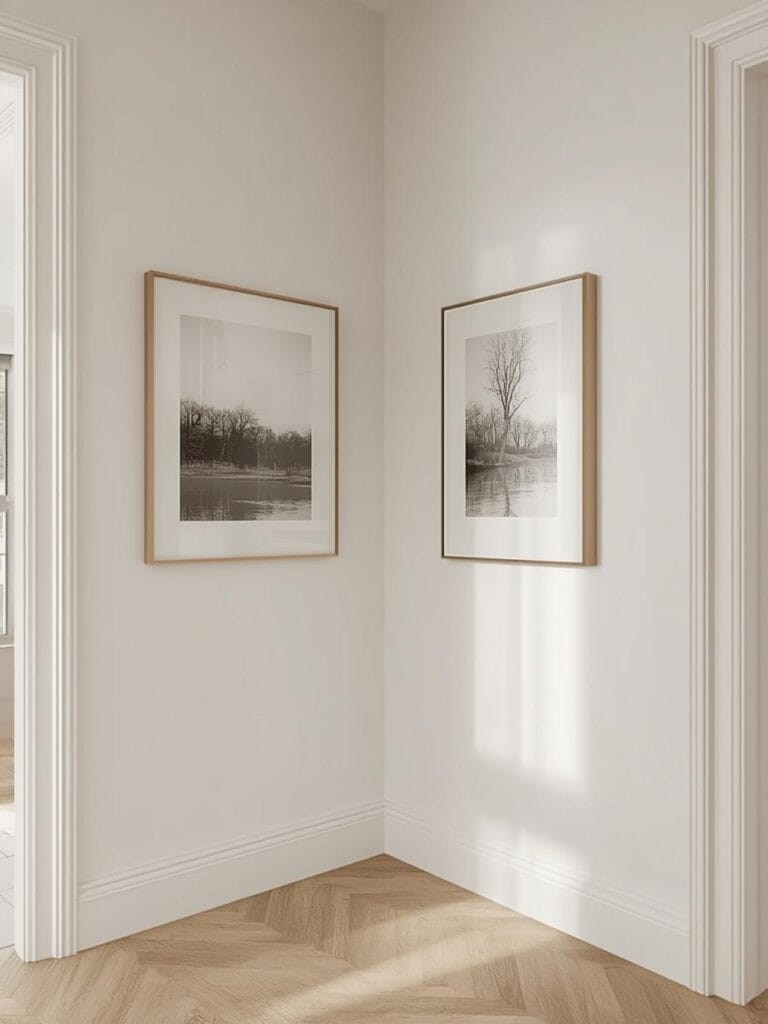
The Gallery Wall Approach uses your bright space to showcase artwork properly. Hang pieces on walls adjacent to windows rather than directly opposite — this prevents glare on glass while ensuring proper illumination. Choose frames with non-reflective glazing for best results.
The Minimalist Showcase lets your windows become the main attraction. Keep furniture low and sparse, stick to a monochromatic palette, and use just a few carefully chosen accessories. The abundance of natural light provides all the visual interest you need.
The Family-Friendly Flex Space acknowledges that beautiful rooms must also function for real life. Choose performance fabrics in light colors, add washable area rugs, and use attractive storage baskets to corral toys and clutter. Your windows still shine, but the space works hard for your household.
Benefits of Designing Around Natural Light
Living with abundant natural light offers advantages that extend far beyond aesthetics. Your daily life improves in ways both obvious and subtle.
The health benefits are significant. Natural light regulates your circadian rhythm, helping you sleep better at night and feel more alert during the day. It also provides vitamin D exposure and has been shown to reduce symptoms of seasonal affective disorder.
Your energy bills drop noticeably when you rely less on artificial lighting. During peak sunlight hours, you might not need any lights at all. This adds up to real savings over time, especially with energy costs continuing to rise.
The psychological boost shouldn’t be underestimated. Bright, naturally-lit spaces simply make people happier. Your living room becomes a place where family and friends naturally gather, drawn by the welcoming atmosphere that only real sunlight can create.
Natural light also makes your home feel larger. The way sunlight highlights architectural details and creates shifting shadows throughout the day adds depth and dimension that artificial lighting can’t replicate. Your investment in furniture and decor shows its true colors rather than the distorted hues created by bulbs.
Smart Solutions for Every Budget
You don’t need to spend a fortune to make the most of your bright living room. Start with what matters most to you and build from there.
Budget-Friendly Foundation: Focus on paint and fabric first. A fresh coat of light-reflecting paint costs under $100 and makes an immediate impact. Swap heavy curtains for affordable white sheers from home stores. Rearrange existing furniture to better embrace your windows rather than hiding from them. Add inexpensive mirrors from discount retailers to multiply your light.
Mid-Range Refresh: Invest in quality window treatments with both sheer and blackout options. Budget $300-600 for custom or semi-custom solutions that fit your windows properly. Replace one major furniture piece with something in a light, UV-resistant fabric. Add a statement area rug in natural fibers that defines your seating area while complementing the brightness.
Premium Transformation: Consider motorized window shades that adjust automatically based on sun position and time of day. Upgrade to designer furniture built with sun-exposed rooms in mind. brings both style and practical features like built-in UV protection. Install UV-filtering window film that protects your furnishings without sacrificing your view.
Small Space Adaptation: Large windows in compact rooms can feel overwhelming if not handled carefully. Use furniture with exposed legs to maintain visual openness. Mount curtain rods higher and wider than the window frame to create the illusion of larger windows and taller ceilings. Choose one statement piece rather than multiple small items that create clutter in the bright light.
Common Mistakes to Avoid
Even experienced decorators make these errors when designing around large windows. Learn from their missteps to save yourself time and frustration.
Placing furniture directly in front of windows blocks your view and wastes valuable floor space. Instead, angle seating to face the windows or position pieces perpendicular to them so you can enjoy the view while seated.
Ignoring UV damage until it’s too late leads to faded upholstery, damaged artwork, and bleached flooring. Protect your investment from day one with UV-filtering treatments on windows or choose fabrics and materials rated for sun exposure.
Using only sheer curtains without layering options leaves you squinting during bright afternoons and struggling with privacy at night. Install at least two types of window treatments so you can adjust based on conditions and time of day.
Choosing dark furniture that absorbs light creates a cave-like feeling despite your beautiful windows. Opt for lighter finishes and upholstery that reflect and enhance the natural brightness instead of fighting against it.
Forgetting about glare on screens makes watching TV or working on laptops frustrating during certain times of day. Position electronics where direct sunlight won’t hit screens, or install adjustable shades that let you control light precisely where you need it.
Keeping Your Sun-Filled Space Beautiful
Maintaining a naturally-lit living room requires slightly different care than darker spaces, but the routines are simple enough to become second nature.
Windows themselves need regular attention. Clean them monthly inside and out for maximum light transmission — you’d be surprised how much brightness you lose to dusty glass. Use a mixture of white vinegar and water for streak-free results, or invest in a quality squeegee for professional-looking clarity.
Window treatments collect dust quickly in sunny rooms. Vacuum sheer curtains weekly using your upholstery attachment, and wash them every few months according to care labels. For heavier drapes, professional cleaning once or twice yearly keeps them looking fresh.
Rotate your furniture seasonally to prevent uneven fading. Move pieces a few feet in different directions every three to four months so sun exposure stays distributed. This simple habit extends the life of your upholstery significantly.
Check your plants weekly, as sunlit rooms create different growing conditions than you might expect. Windows can create hot spots that dry out soil faster, while other corners might stay surprisingly cool. Adjust watering schedules based on what each plant actually needs rather than following a rigid routine.
Dust more frequently than you would in darker rooms — bright light reveals every speck. A quick daily pass with a microfiber cloth on surfaces keeps things looking polished without becoming a major chore.
Make the Most of Your Bright Space
Your living room with generous windows offers something many homeowners dream about — a connection to natural light that changes throughout the day and seasons. By choosing furniture and window treatments thoughtfully, protecting your investment from UV damage, and embracing design approaches that enhance rather than block that beautiful brightness, you create a space that serves your family beautifully for years to come.
The key is working with your light rather than against it. Let those windows shine while solving practical challenges with smart solutions that fit your lifestyle and budget.
Ready to explore more ways to make your home both beautiful and functional? DecorKingdom has hundreds of articles filled with real-world advice for homeowners just like you.
FAQs
How do I reduce heat from large windows without losing natural light?
Install cellular or honeycomb shades that trap air and insulate while still filtering light through. You can also apply UV-filtering window film that blocks heat without darkening your room. During summer months, close your window treatments during the hottest afternoon hours, then open them again once the sun moves past your windows.
What furniture colors work best in rooms with lots of natural light?
Light and medium tones work beautifully because natural light brings out their subtle undertones and depth. Soft whites, creams, light grays, pale blues, and warm taupes all look stunning in bright rooms. You can absolutely add darker accent pieces, but make them intentional focal points rather than your primary furniture color.
Can too much natural light damage my furniture and floors?
Yes, UV rays from sunlight will fade fabrics, damage leather, and bleach hardwood floors over time. Protect your investment with UV-filtering window treatments or film, choose sun-resistant materials when possible, and rotate furniture placement every few months. Area rugs help protect flooring in the brightest spots.
Should I avoid dark paint colors if I have large windows?
Not at all — large windows actually give you more freedom with bold colors because you have enough natural light to prevent them from feeling oppressive. Dark accent walls look particularly dramatic when bathed in natural light. Just keep adjacent walls lighter to maintain good balance and prevent the space from feeling closed in.
How do I arrange furniture in a living room dominated by windows?
Create your main seating area facing toward or angled to the windows so you can enjoy the view. Avoid blocking windows with tall furniture backs. Use the wall opposite your windows for media centers or bookcases. Float furniture away from walls if needed to create better conversation areas while keeping sight lines to windows clear.
—
Meta Title: Living Room with Large Windows: 7 Brilliant Ideas (2026)
Meta Description: Transform your Living Room with Large Windows using natural light design ideas that solve glare, fading & privacy while creating beauty.