How to Choose Victorian Living Room Design Elements
Have you ever walked into a historic home and felt instantly transported to another era? That rich, ornate charm doesn’t have to stay in the past. If you love deep colors, luxurious textures, and rooms that feel like they’re telling a story, Victorian Living Room Design might be exactly what your home has been missing.
Victorian style celebrates beauty in every detail—from carved wood furniture to dramatic drapery and jewel-toned walls. But here’s the truth many homeowners don’t realize: you don’t need a century-old mansion to create this look.
With the right pieces and a thoughtful approach, you can bring Victorian elegance into any modern home. Let’s explore how to make it work for your space.
Table of Contents
What You’ll Need to Get the Look
Creating an authentic Victorian atmosphere starts with choosing the right elements. Here’s what forms the foundation of this timeless style:
Furniture pieces:
– Upholstered armchairs with tufted backs and carved wooden legs
– A substantial sofa with rolled arms and ornate detailing
– Dark wood accent tables with decorative trim
– Display cabinets for cherished collectibles
– An ottoman or footstool with fringe details
Fabric and textiles:
– Heavy velvet curtains in burgundy, emerald, or navy
– Damask or brocade upholstery fabric
– Oriental or Persian-style area rugs
– Embroidered throw pillows
– Lace or silk table runners
Decorative accents:
– Gilded mirrors with elaborate frames
– Crystal or brass chandeliers
– Porcelain vases and figurines
– Oil paintings in ornate frames
– Candlesticks and decorative boxes
Color palette essentials:
– Deep jewel tones like ruby red, sapphire blue, and emerald green
– Rich wood stains in mahogany, cherry, or walnut
– Gold and brass metallic accents
– Cream or ivory for balance
The key is layering—Victorians believed more was more when it came to decorating their homes.
Finding Your Style and Season
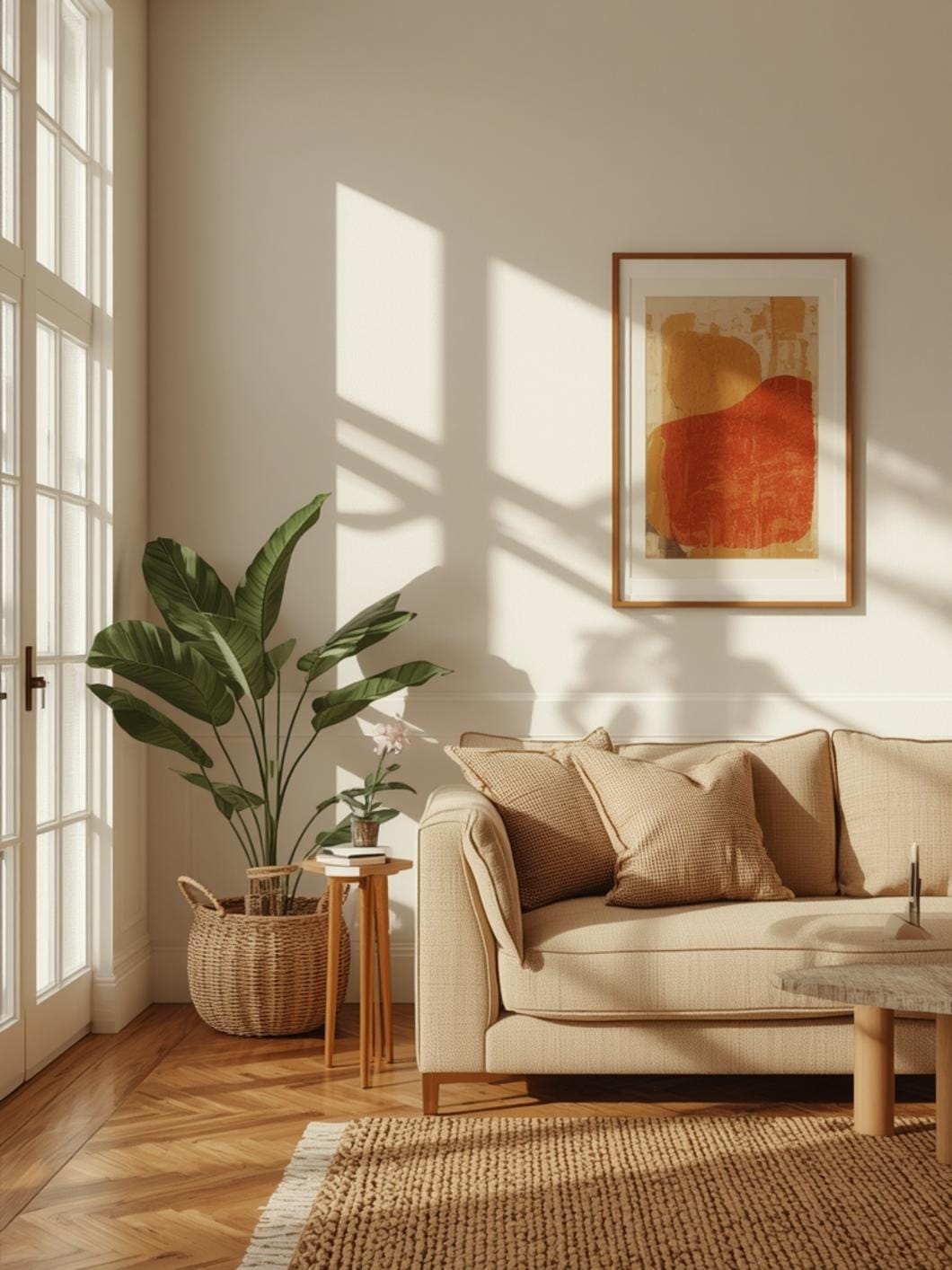
Victorian design isn’t one-size-fits-all. The beauty of this style lies in how you adapt it to your personal taste and lifestyle needs.
Consider your commitment level first. Are you ready to fully embrace the ornate aesthetic, or do you prefer a softer Victorian touch? Some homeowners go all-in with wallpaper, heavy drapes, and multiple layers of pattern. Others prefer what designers call “Victorian light”—just a few statement pieces that nod to the era without overwhelming the space.
Think about your home’s natural light. Victorian rooms traditionally featured darker colors and heavy window treatments, which works beautifully in spaces with generous natural light. If your living room tends toward dim, you might want to lighten your color choices or limit the dark elements to accent pieces.
Season matters for shopping. Estate sales and antique markets peak in spring and fall, making these ideal times to hunt for authentic Victorian furniture at reasonable prices. Winter holidays often bring Victorian-inspired decor into mainstream stores at accessible price points.
Your existing home style can actually work with Victorian elements. Modern farmhouses pair surprisingly well with Victorian accents, and traditional homes naturally welcome this aesthetic.
7 Ideas to Try in Your Home
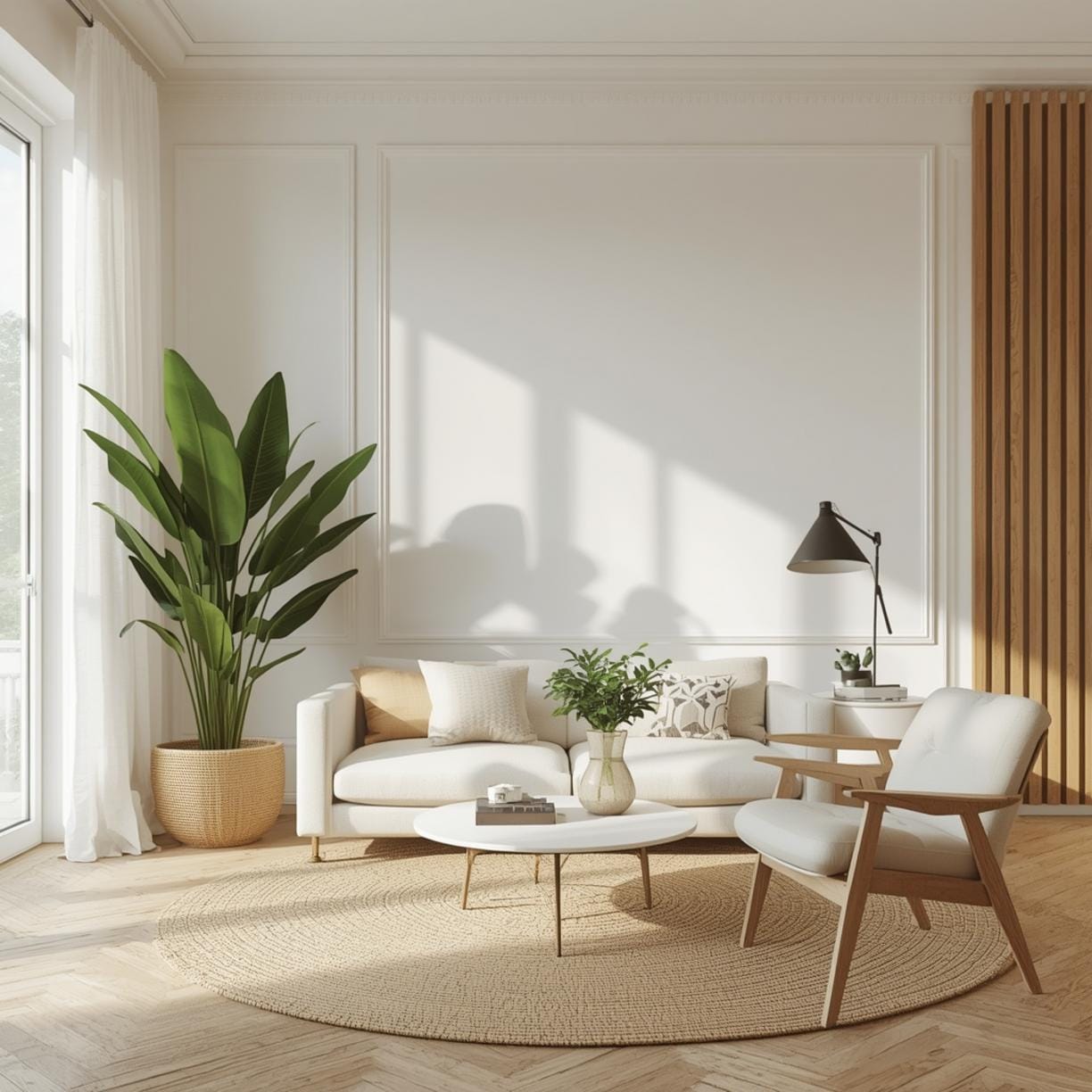
Ready to bring Victorian elegance into your living room? Here are proven approaches that work in real homes today.
Create a conversation corner. Position two velvet armchairs facing each other with a small ornate table between them. This instantly creates a Victorian vignette without overwhelming your entire room. Add a brass floor lamp beside one chair and you’ve captured the essence of the era.
How to incorporate Victorian furniture into modern homes starts with choosing one statement piece. A tufted velvet sofa in a rich jewel tone can anchor your entire room while your other furniture remains contemporary. The contrast actually makes both styles shine.
Layer your windows dramatically. Victorian homes featured elaborate window treatments, and yours can too. Start with sheer lace panels closest to the glass, then add heavy velvet drapes on the outer edges. Use a decorative rod with ornate finials to complete the look.
Build a gallery wall with intention. Collect frames in various sizes—all in gold, brass, or dark wood—and arrange them asymmetrically on one wall. Mix oil paintings, botanical prints, and vintage mirrors. Victorian rooms celebrated visual abundance, and a well-curated gallery wall captures that spirit perfectly.
Embrace the unexpected color combinations. Don’t shy away from pairing deep purple with forest green, or ruby red with navy blue. Victorians loved rich, complex color schemes that modern design often avoids. These combinations create depth and drama that lighter palettes simply can’t achieve.
Introduce pattern on pattern fearlessly. Victorian design thrived on mixing florals with stripes, damask with paisley, and checks with toile. The secret is keeping your colors within the same family. Choose three patterns maximum and distribute them through pillows, upholstery, and window treatments.
Add a reading nook that tells a story. Position a tufted armchair near a window with a small bookshelf beside it. Top the shelf with leather-bound books, a brass magnifying glass, and a porcelain teacup. This creates a vignette that feels transported from another century.
Ground everything with the right rug. An Oriental or Persian-style rug in deep reds and blues ties Victorian elements together beautifully. The intricate patterns complement ornate furniture while the rich colors enhance your jewel-tone palette.
Each of these ideas works independently or together. Start with one that resonates with you and build from there.
Benefits of Victorian Living Room Style
Why do homeowners keep coming back to Victorian design after all these years? The benefits go far beyond just looking beautiful.
Your room gains instant character and sophistication. Victorian pieces carry gravitas that new furniture simply can’t replicate. Walking into a Victorian-inspired living room feels special—like stepping into somewhere that matters.
You create meaningful conversation spaces. Victorian design naturally encourages face-to-face interaction through its furniture arrangements. Those paired armchairs and intimate seating clusters bring people together in ways that modern open-plan layouts often miss.
Your home feels uniquely yours. Mass-produced contemporary furniture makes countless homes look identical. Victorian and vintage pieces ensure your space stands out. No two carved tables or antique mirrors are exactly alike.
You invest in lasting quality. Victorian-era furniture was built to survive generations, and authentic pieces continue proving that today. Even Victorian-inspired new furniture tends toward better construction than flat-pack alternatives.
The style adapts to special occasions beautifully. Victorian rooms naturally dress up for holidays and celebrations. Your everyday decor becomes the perfect backdrop for everything from intimate dinner parties to festive gatherings.
This isn’t just about aesthetics—it’s about creating a living room that genuinely enhances how you experience your home daily.
Tips, Alternatives, and Styling Options
Victorian design works at every budget level. Here’s how to approach it based on what you’re comfortable spending.
Budget-friendly approach: Start with paint and fabric. Deep jewel-tone paint costs the same as any color but transforms your space immediately. Add velvet curtain panels from discount home stores and layer in affordable reproductions from online marketplaces. Focus your antique shopping on small accent pieces like frames, candlesticks, and decorative boxes that won’t break the bank.
Mid-range investment: Purchase one authentic Victorian piece—perhaps an armchair or accent table—from an antique store or estate sale. Combine it with quality reproduction furniture that captures Victorian details like tufting and carved wood. Invest in one statement light fixture, like a chandelier or ornate floor lamp, which dramatically impacts the entire room’s character.
Premium transformation: Source multiple authentic Victorian furniture pieces and have them professionally restored if needed. Commission custom drapery in high-end fabrics with proper lining and trim. Invest in genuine Oriental rugs and original period artwork. Consider architectural elements like crown molding or ceiling medallions to complete the historical authenticity.
Small space solutions: Victorian design actually works beautifully in compact rooms—those era homes often featured cozy parlors. Choose smaller-scale Victorian furniture, focus your pattern on accent pieces rather than large upholstery, and use mirrors strategically to amplify light and space. One statement Victorian piece can transform a small room without overwhelming it.
Modern Victorian fusion: If full Victorian feels too heavy, blend eras intentionally. Pair a sleek modern sofa with Victorian accent chairs. Use contemporary lighting with Victorian furniture. Keep walls neutral and bring Victorian drama through textiles and accessories only.
The beauty of this style lies in its flexibility—you decide how Victorian your living room becomes.
Common Mistakes to Avoid
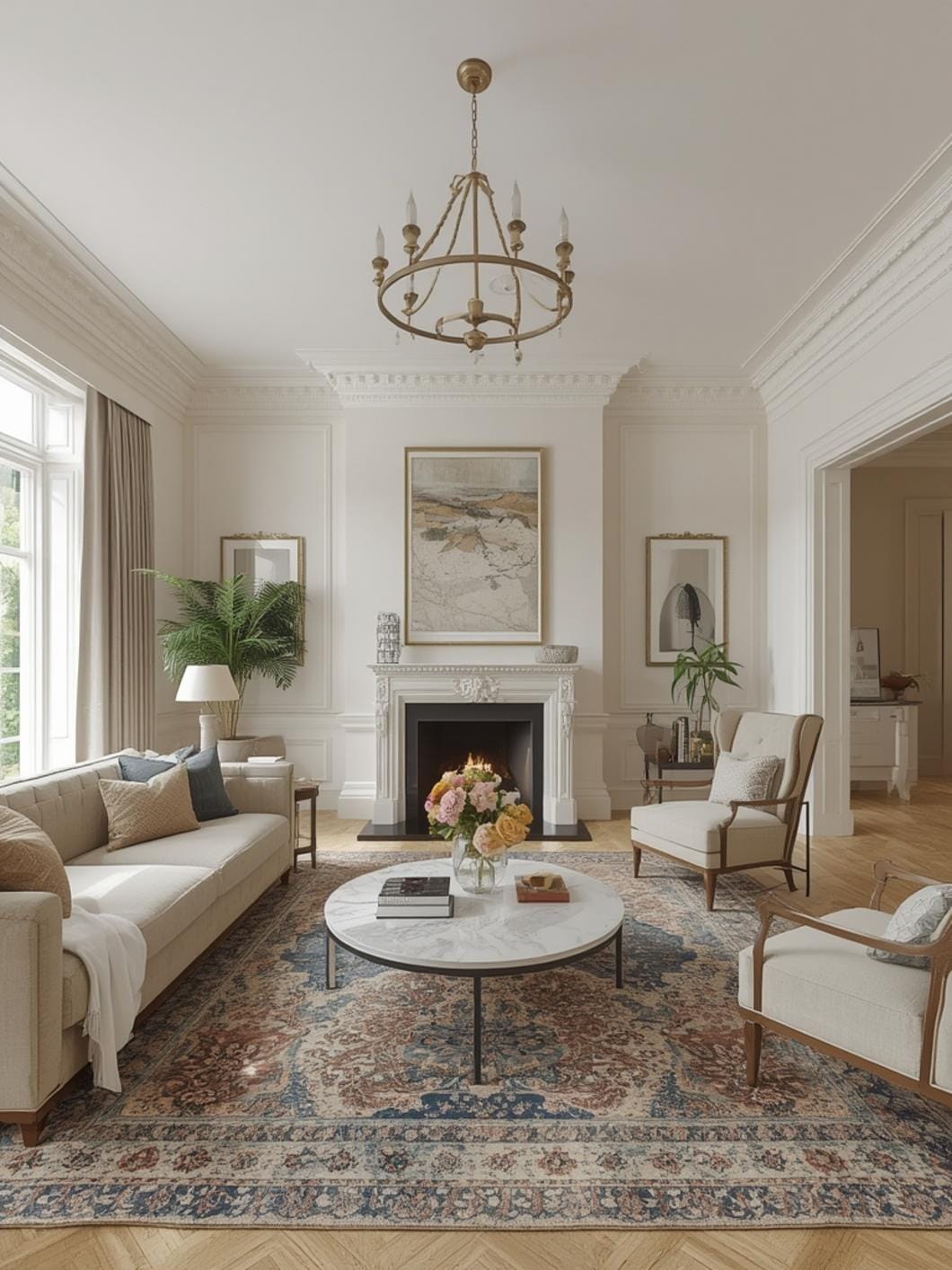
Even experienced decorators stumble when creating Victorian spaces. Here’s what to watch for:
Buying furniture without measuring your space. Victorian pieces tend toward substantial sizing, and an armchair that looked perfect in the antique store might overwhelm your living room. Always measure both your space and any furniture before purchasing, and remember to account for walkway clearance.
Choosing pattern without considering scale. Not all Victorian patterns work at every size. Large damask patterns need substantial wall space or large furniture pieces, while smaller florals work better on accent pillows and smaller chairs. Mix pattern scales rather than using all large or all small designs.
Forgetting about modern comfort needs. Authentic Victorian seating often sacrifices comfort for appearance. If you’re buying antique furniture, test it thoroughly and don’t hesitate to add cushions or have pieces reupholstered with better support. Your living room should look beautiful and feel comfortable.
Skipping the lighting plan.victorian homes used multiple light sources—ambient, task, and accent—which you’ll need to recreate. One overhead fixture won’t cut it. Layer in table lamps, floor lamps, and even candlelight (real or LED) to achieve authentic Victorian atmosphere.
Ignoring your home’s existing architecture. Victorian design looks most authentic in homes with traditional architectural details like crown molding and baseboards. If your home features very contemporary architecture with clean lines and minimal trim, you might want to dial back the Victorian intensity to avoid visual conflict.
Learn from these common pitfalls and your Victorian transformation will go much smoother.
Maintaining Your Victorian Living Room
Victorian-style rooms require slightly more care than minimalist spaces, but the maintenance is manageable for any homeowner.
Dust carved wood furniture weekly. Those beautiful details trap dust quickly. Use a soft brush attachment on your vacuum or a microfiber cloth to clean crevices gently. Follow with appropriate wood polish monthly to maintain the finish.
Vacuum upholstery regularly and rotate cushions. Velvet and brocade fabrics show wear patterns quickly. Vacuum with an upholstery attachment weekly and rotate seat cushions monthly to distribute wear evenly. Address spills immediately by blotting—never rubbing—with a clean cloth.
Protect your textiles from direct sunlight. Those gorgeous heavy curtains and upholstered pieces will fade if exposed to harsh sun. Use sheer underlayers to filter light or consider UV-blocking window film to protect your investment without sacrificing natural light entirely.
Polish metals every few months. Brass and gold accents tarnish over time. Use appropriate metal polish for your specific finishes, testing in an inconspicuous spot first. Many homeowners actually prefer some tarnish for authentic aged appearance.
Professional cleaning pays off. Have upholstered Victorian furniture professionally cleaned every 12 to 18 months. The investment preserves your pieces and removes embedded dirt that regular vacuuming misses.
These simple habits keep your Victorian living room looking stunning for years without requiring excessive effort.
Bringing Victorian Elegance to Life
Victorian living room design offers something increasingly rare in modern homes—genuine character, warmth, and visual richness that makes every day feel a little more special. Whether you’re drawn to the ornate details, the luxurious fabrics, or simply want a living room that stands out from cookie-cutter contemporary spaces, this timeless style delivers.
Start with one element that speaks to you—maybe it’s a velvet armchair, a jewel-tone paint color, or an ornate mirror that catches your eye. Build from there at your own pace, letting your space evolve naturally into the Victorian haven you’ve been envisioning.
Ready to explore more ways to elevate your living spaces? DecorKingdom has inspiration waiting for every room in your home.
FAQs
Is Victorian living room design too dark for modern homes?
Not if you balance it thoughtfully. While Victorian style traditionally features deep colors, you can lighten the palette by using jewel tones as accents rather than covering entire walls. Incorporate plenty of mirrors to reflect light, choose lighter upholstery options like cream or soft gold, and ensure adequate lighting with multiple sources throughout the room.
Can I mix Victorian furniture with what I already own?
Absolutely, and this often creates the most interesting rooms. Victorian pieces actually shine when paired with simpler contemporary furniture—the contrast makes both styles more noticeable. Start by adding one Victorian statement piece to your existing room and build gradually, keeping complementary colors to tie everything together visually.
Where can I find affordable Victorian-style furniture?
Estate sales and online marketplaces offer authentic pieces at reasonable prices, especially if you’re willing to do minor refinishing yourself. Thrift stores occasionally have hidden Victorian gems. For reproduction furniture, check mainstream furniture retailers during their traditional style collections, and don’t overlook online-only brands that specialize in vintage-inspired pieces at accessible price points.
How much does it cost to create a Victorian living room?
Your investment depends entirely on your approach. A budget-conscious transformation focusing on paint, fabric, and small accent pieces might cost $500 to $1,500. A mid-range makeover with some authentic furniture and quality reproductions typically runs $3,000 to $7,000. Premium transformations with multiple authentic antiques and custom elements can exceed $15,000, but you control the pace and budget.
Will Victorian design make my small living room feel cramped?
Only if you overdo it. Victorian parlors were often quite compact, so the style actually adapts well to smaller spaces. Choose smaller-scale furniture, limit pattern to accent pieces, use one large mirror to expand the visual space, and keep heavier elements to one or two statement pieces rather than filling every corner.
—
Meta Title: Victorian Living Room Design Ideas That Work in 2026
Meta Description: Transform your space with Victorian living room design. Get actionable tips for furniture, colors & decor that bring timeless elegance home today.