How to Choose the Perfect Kids Room Asset Pack 3D
Your child’s room is overflowing with toys, books, and clothes — and you’ve run out of places to put anything. You want the space to feel magical and inspiring, not cluttered and stressful.
Creating a kids room asset pack 3d design approach helps you visualize every element before you commit to a layout. This method combines digital planning tools with real-world storage solutions, giving you the power to see exactly how furniture and decor will fit together. You can experiment with colors, textures, and storage systems without moving a single piece of furniture.
The best part? You don’t need design software skills or a huge budget to make this work in your home.
Table of Contents
What You’ll Need to Get the Look
Starting with the right elements makes all the difference when planning a functional kids’ space. These items form the foundation of a room that grows with your child while keeping chaos under control.
Essential furniture pieces:
– Low-height shelving units (24–36 inches tall) for independent access
– Multi-functional bed frame with built-in drawers or trundle storage
– Compact desk or fold-down wall-mounted workspace
– Soft storage bins, baskets, and fabric cubes in coordinating colors
Decorative elements that add personality:
– Wall decals or removable wallpaper for easy updates
– Floating shelves for displaying favorite toys and books
– Soft lighting options like string lights or table lamps
– Area rug to define play zones and add warmth
Organization helpers:
– Clear plastic containers for small toys and craft supplies
– Over-the-door hooks and organizers
– Pegboard or wall-mounted rail systems
– Label maker or printable labels for easy cleanup routines
You probably already own some of these items. The goal is working with what you have while adding strategic pieces that solve specific storage challenges.
Finding Your Style and Season
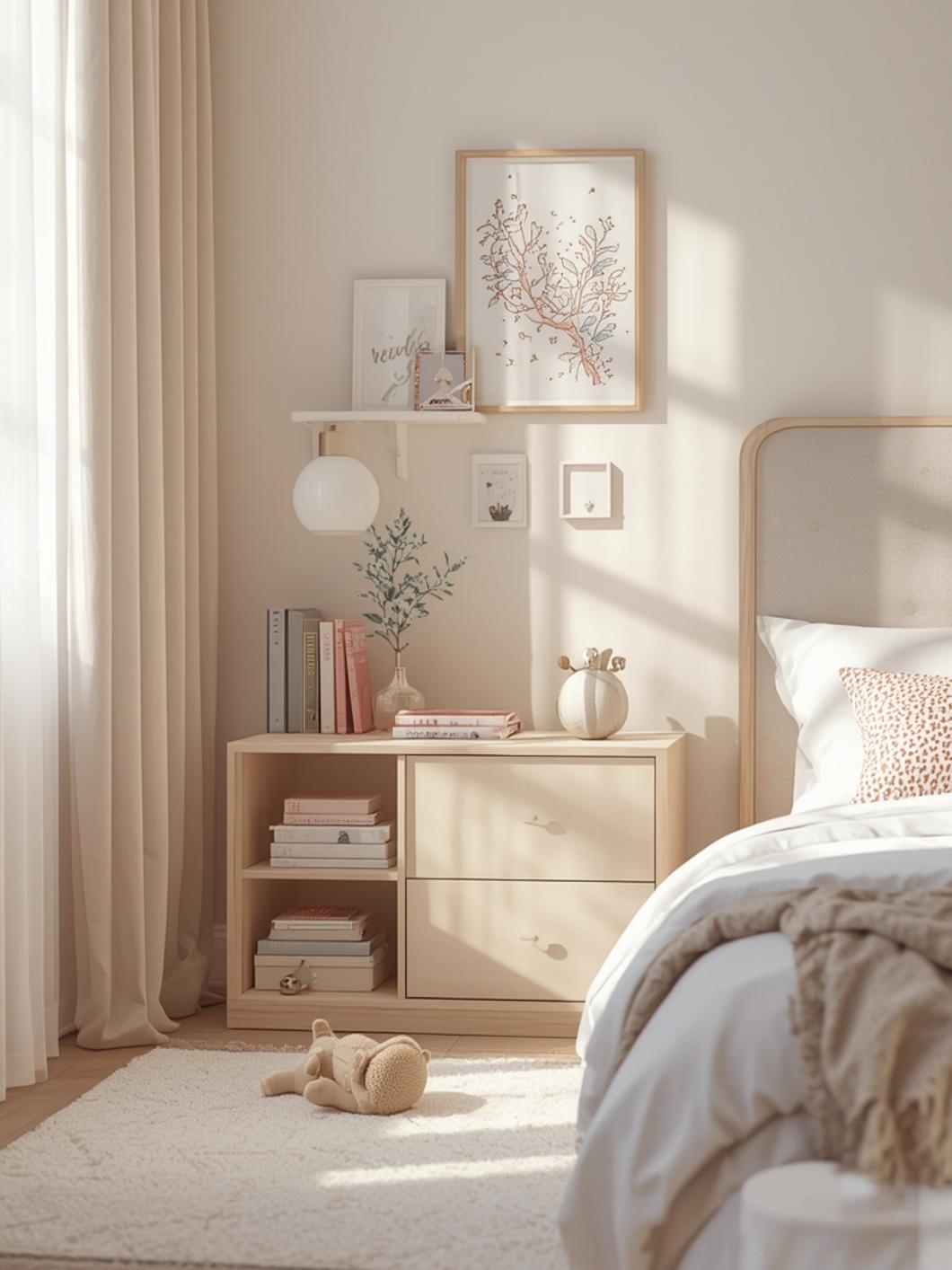
The best time to redesign a kids’ room is during a natural transition — before a new school year, after a birthday, or when your child outgrows their current setup. Spring and early summer work beautifully because you can tackle the project without disrupting homework routines.
Consider your child’s current interests and developmental stage. A room that works for a toddler won’t function the same way for a grade-schooler. Think about what activities happen in this space beyond sleeping — do they build with blocks, draw and paint, or read for hours?
Budget timing matters too. Plan your room refresh around sales events when storage furniture typically goes on discount. Many retailers offer back-to-school promotions in July and August with significant savings on organizational items.
Your own schedule plays a role in success. Set aside at least one full weekend for the initial organization and setup. You’ll need uninterrupted time to sort through belongings, clean thoroughly, and arrange everything thoughtfully.
7 Ideas to Try in Your Home
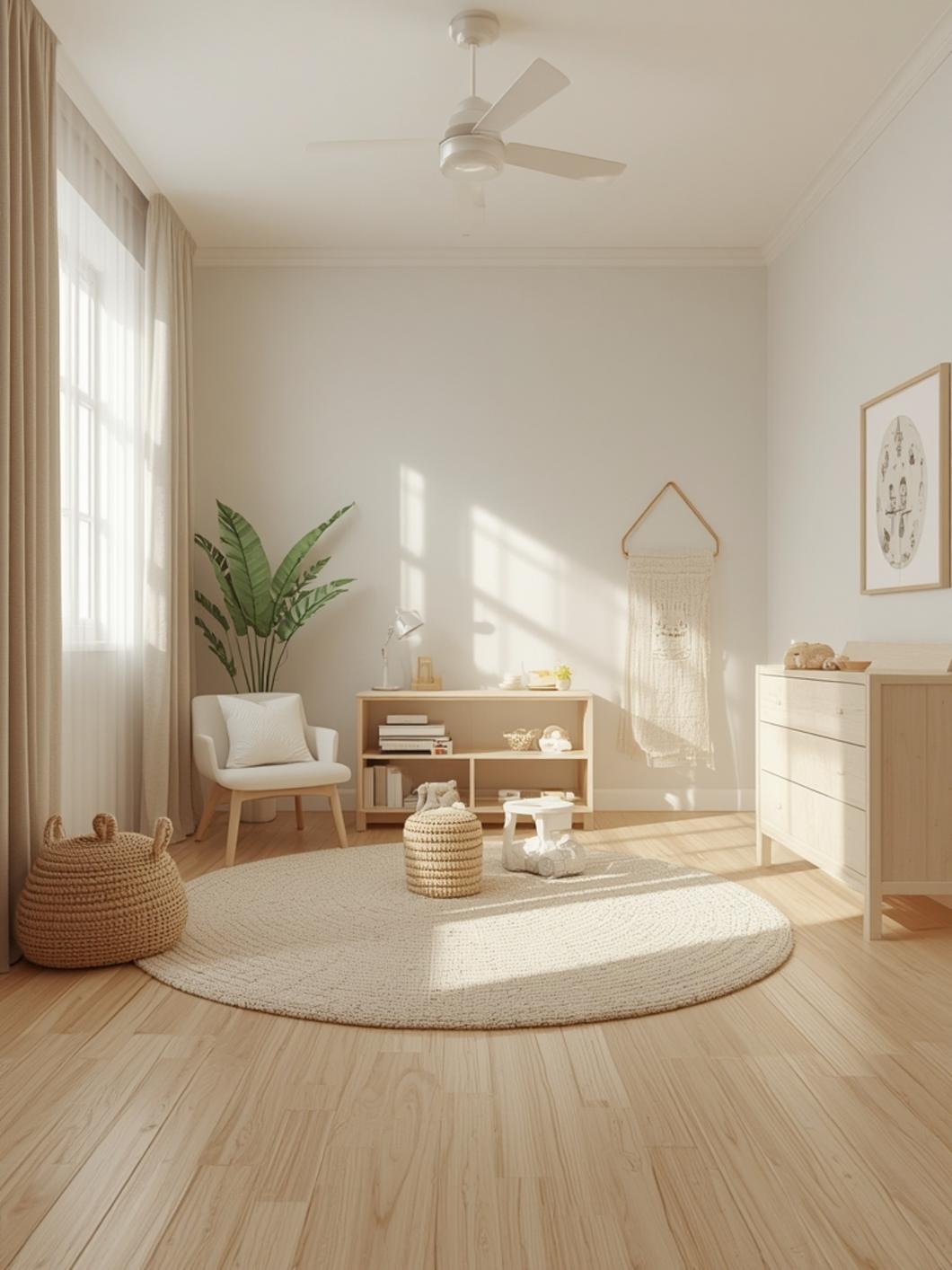
Create vertical storage zones that maximize wall space. Install floating shelves at different heights to display books, small toys, and decorative items. This keeps floor space clear while giving everything a designated home. Use the lowest shelves for items your child accesses daily.
Design a reading nook in an unused corner. Add a floor cushion, small bookshelf, and soft lighting to create a cozy retreat. This dedicated space encourages independent reading time and gives your child a quiet spot to decompress.
Use under-bed storage as your secret weapon. Rolling bins or drawer systems under the bed can hold out-of-season clothes, extra bedding, or toys that aren’t used daily. This is prime real estate in small rooms where every square inch counts.
Implement a toy rotation system with labeled bins. Keep only one set of toys accessible while storing others in a closet. Swap them monthly to maintain interest without overwhelming the space. Label each bin with pictures for pre-readers or words for older kids.
Install a pegboard system for constantly changing needs. These adaptable walls hold everything from art supplies to sports equipment. Rearrange hooks and baskets as interests evolve without making new holes in the walls.
Create activity stations instead of random toy piles. Designate specific areas for different activities — a building zone with blocks, an art corner with supplies, a dress-up station with costumes. This naturally teaches how to organize small children’s bedroom with limited storage space by grouping similar items together.
Use furniture with hidden compartments. Ottoman seats, storage benches, and hollow cube organizers serve double duty. They provide seating or surface space while concealing toys, books, and supplies inside. Your child learns that everything has a place, making cleanup faster and more intuitive.
Benefits / Advantages
A well-organized kids’ room reduces your daily stress dramatically. You’ll spend less time hunting for lost items and nagging about cleanup. Morning routines flow more smoothly when clothes and school supplies have consistent homes.
Your child develops independence and confidence in their own space. When they can find and return items themselves, they build essential life skills. This sense of ownership often leads to better care of belongings and more pride in their environment.
The room grows and adapts without requiring complete overhauls. Modular storage and flexible layouts mean you’re not starting from scratch every few years. You simply adjust the system as needs change, saving both money and effort.
Better organization actually creates more usable play space. When toys have homes and clutter stays controlled, the floor opens up for active play, building projects, and imagination. The room feels larger even though the physical size hasn’t changed.
Tips, Alternatives, Styling Advice
Budget-friendly approach: Start with what you already own and add basic canvas bins from discount stores. Use tension rods in closets to create double-hanging space. Repaint existing furniture instead of buying new pieces. Create DIY labels with cardstock and clear tape.
Mid-range solution: Invest in a quality storage bed frame and matching modular cube system. Add a few specialized organizers like over-the-door shoe holders for small toys. Purchase coordinating fabric bins that elevate the room’s aesthetic while providing function.
Premium option: Choose solid wood furniture with built-in organizational features. Install custom closet systems with adjustable shelving. Add statement lighting and high-quality area rugs that define different zones. Use designer storage bins that blend seamlessly with your decor style.
Small space adaptation: Focus on vertical storage and multi-functional furniture exclusively. Use wall-mounted folding desks and tables. Choose beds with maximum underneath storage or loft styles that free up floor space. Limit toy quantity more strictly to prevent overwhelming the compact area.
Common Mistakes to Avoid
Storing items too high or too low for your child’s reach. Place everyday items at your child’s shoulder height so they can access and return things independently without frustration or danger.
Buying storage containers before sorting belongings. Purge first, then measure and shop for specific storage needs — otherwise you’ll own bins that don’t fit or don’t match what you’re storing.
Creating an organization system that’s too complicated. If putting things away requires multiple steps, your child won’t maintain it — simple is always better than elaborate.
Ignoring your child’s input completely. Kids who help plan their space take more ownership — ask their opinions on colors, themes, and how they want to use different areas.
Filling every available surface and wall. Leave breathing room and blank space so the room doesn’t feel overwhelming — visual rest is just as important as storage capacity.
Maintenance / Upkeep Tips
Build a quick daily reset into your bedtime routine. Spend five minutes each evening returning items to their designated spots. This prevents small messes from becoming overwhelming disasters that require hours to fix.
Schedule seasonal purges every three to four months. Go through clothes, toys, books, and art projects together. Donate items in good condition and recycle or trash broken things. This regular maintenance keeps the system functional without major overhauls.
Adjust storage heights as your child grows. What worked at age three won’t work at age seven. Move shelves and reorganize bins annually to match their changing abilities and interests.
Refresh labels and visual cues when they start looking worn or confusing. Clear, current labels make the difference between a system that works and one that’s ignored. Take new photos or print new words as your child’s reading level improves.
Involve your child in weekly cleanup sessions rather than doing it all yourself. They need to practice the skills and understand the system. Your role shifts from organizer to coach as they learn to maintain their own space.
Conclusion
Creating a functional, beautiful kids’ room combines thoughtful planning with flexible systems that adapt over time. Starting with a clear visualization of your space helps you make smart decisions about furniture placement and storage solutions.
Your investment in organization pays dividends every single day through reduced stress and increased independence. Small changes create ripple effects that transform both the physical space and your daily routines.
Ready to discover more inspiring ideas for every room in your home? Explore DecorKingdom for hundreds of practical design solutions that work in real life.
FAQs
How do I organize toys when my child plays with everything at once?
Use open bins instead of closed containers so your child can see options without dumping everything. Limit the number of toys in rotation at one time. Create broad categories like “building toys” and “pretend play” rather than micro-organizing every single piece.
What’s the best furniture layout for a small rectangular kids’ room?
Place the bed against the longest wall to maximize floor space in the center. Use vertical storage on the opposite wall. Keep the area near the door clear for easy entry and exit. Avoid blocking windows with tall furniture that prevents natural light.
How can I make storage accessible for kids of different ages sharing one room?
Assign separate zones with age-appropriate heights for each child. Use color coding or labels to distinguish ownership. Install storage at multiple levels so each child can reach their belongings independently. Create individual spaces even within shared furniture systems.
Should I organize by toy type or by activity in a kids’ bedroom?
Organize by activity rather than toy type because it matches how kids naturally play. Group art supplies together, building materials together, and dress-up items together. This method makes cleanup more intuitive and encourages focused play time.
How often should I completely reorganize my child’s bedroom storage system?
Do major reorganizations once or twice per year, typically during seasonal transitions or after birthdays. Make minor adjustments monthly as you notice what’s working and what isn’t. Listen to your child’s feedback about accessibility and functionality to guide timing.
—
Meta Title: Kids Room Asset Pack 3D Ideas That Work in 2026
Meta Description: Transform cluttered chaos into organized magic with kids room asset pack 3d planning. Get 7 actionable ideas for small spaces today.