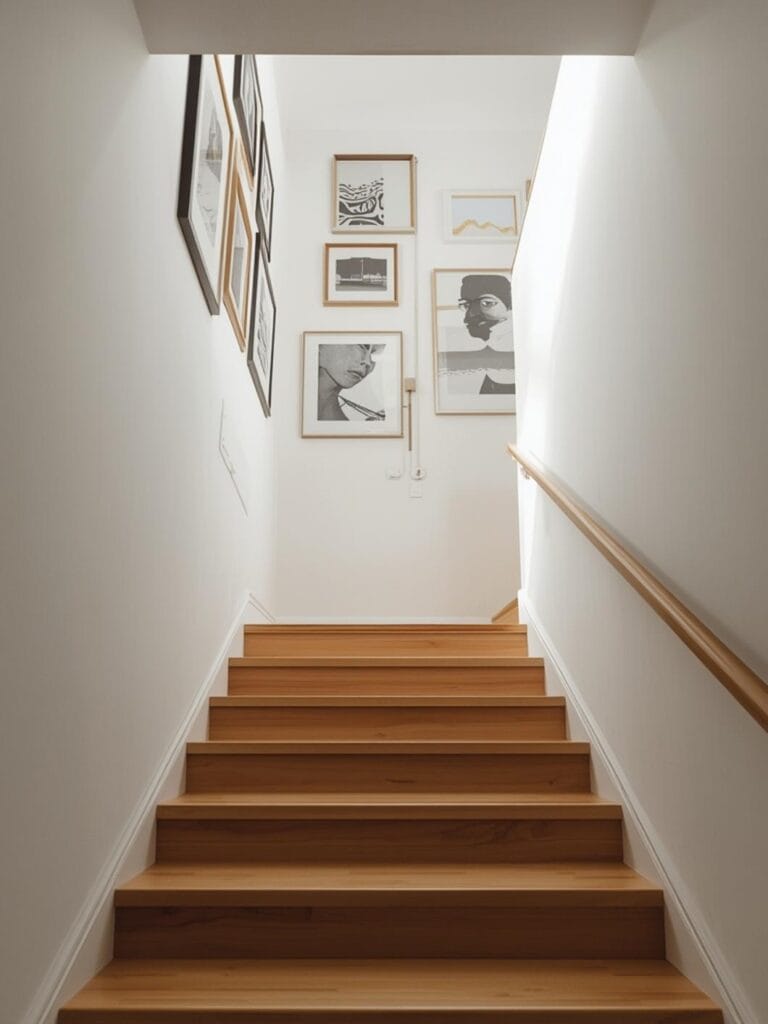
How to Choose Farmhouse Dining Room Sets for Your Home
You walk past your dining room and feel… nothing. The table’s fine, the chairs work, but there’s no warmth, no story, no reason for anyone to linger after dinner. You want a space that feels collected over time, where mismatched chairs feel intentional and every scratch tells a story.
Farmhouse Dining Room Sets bring that effortless, lived-in charm without requiring a century-old country cottage. These pieces blend rustic wood tones, simple lines, and practical design into furniture that actually gets better with age and use.
Whether you’re hosting Sunday dinners or helping kids with homework at the table, the right farmhouse set turns your dining room into the heart of your home. And the best part? You don’t need a massive budget or a design degree to make it work beautifully in your space.
Table of Contents
What You’ll Need to Get the Look
Creating an authentic farmhouse dining room starts with the right foundational pieces and finishing touches:
Core Furniture Pieces:
– Solid wood dining table with visible grain patterns (pine, oak, or reclaimed wood)
– Mix-and-match seating: Windsor chairs, ladder-back chairs, or upholstered benches
– Distressed or natural wood finish (avoid overly glossy or modern finishes)
– Rectangular or trestle-style table base for traditional farmhouse appeal
Lighting and Textiles:
– Wrought iron or black metal chandelier
– Linen or cotton table runners in neutral tones
– Woven placemats or simple cotton napkins
– Vintage-inspired pendant lights or lantern-style fixtures
Decorative Elements:
– Ceramic or stoneware dishes displayed on open shelving
– Fresh greenery in galvanized metal containers
– Wooden bowls or cutting boards as centerpiece bases
– Antique or reproduction farmhouse signs
– Whitewashed or distressed picture frames
Finding Your Style and Season
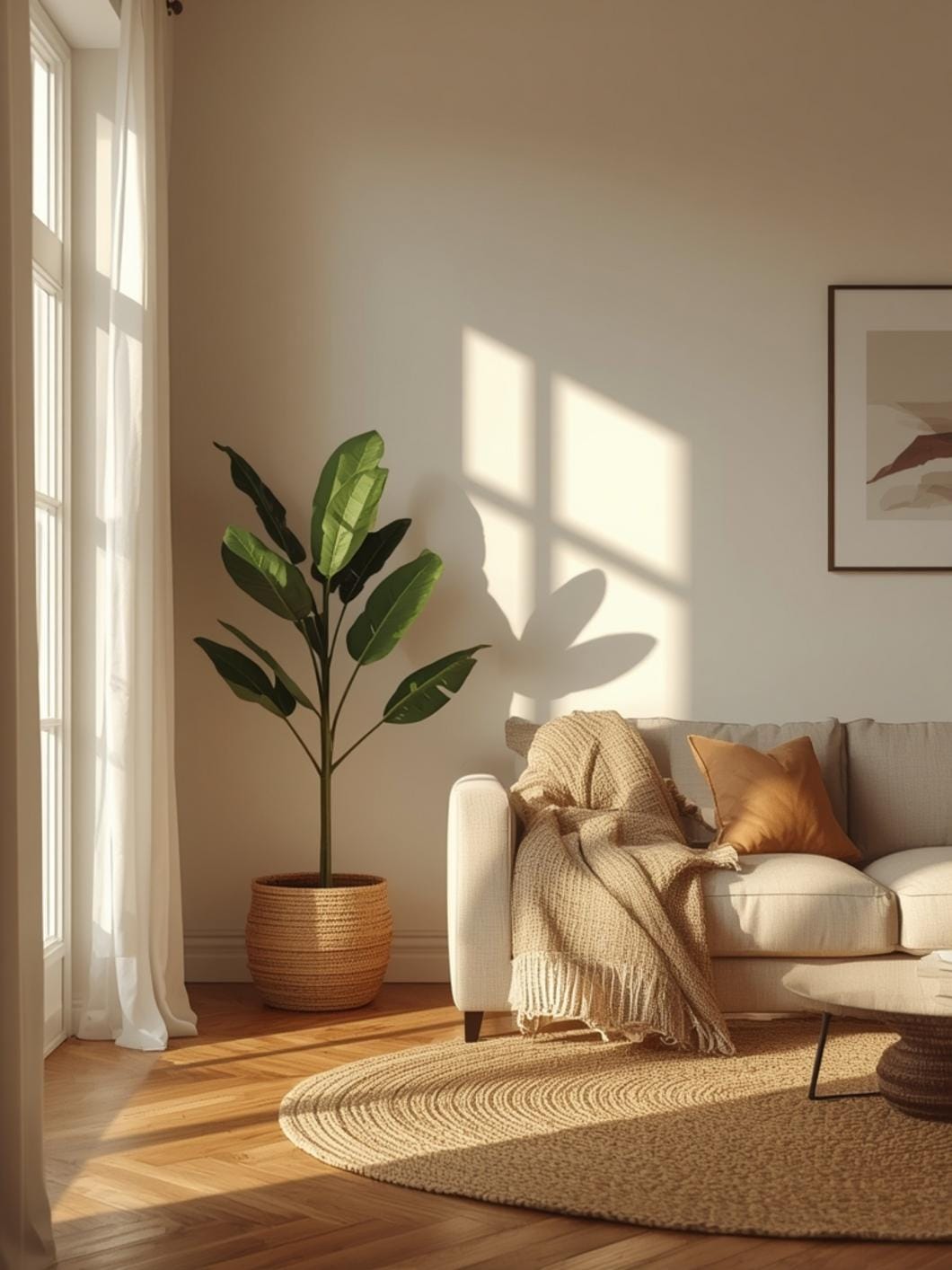
Farmhouse style adapts beautifully to different moods and seasons, which means your dining room can evolve throughout the year without losing its character.
Spring and Summer Vibes:
Lighter wood tones and white-painted finishes feel fresh during warmer months. Add cotton slipcovers to chairs, display wildflowers in mason jars, and swap heavy textiles for airy linen runners. The natural light streaming through windows highlights the grain patterns in your wood furniture.
Fall and Winter Warmth:
Darker stains and richer wood tones create cozy gathering spaces when temperatures drop. Layer in plaid table runners, add wrought iron candle holders, and incorporate seasonal branches or dried wheat stalks. The dining room becomes an inviting refuge that draws everyone together.
Your Personal Touch:
Some homeowners lean toward bright, cheerful farmhouse style with white furniture and pops of color. Others prefer aged, weathered pieces that look like they’ve been passed down through generations. Neither approach is wrong—your dining room should reflect how your family actually lives.
Consider how much daily wear your furniture will face. Families with young children often appreciate darker finishes that hide inevitable scratches, while empty nesters might choose lighter pieces that showcase beautiful wood grain.
7 Ideas to Try in Your Home
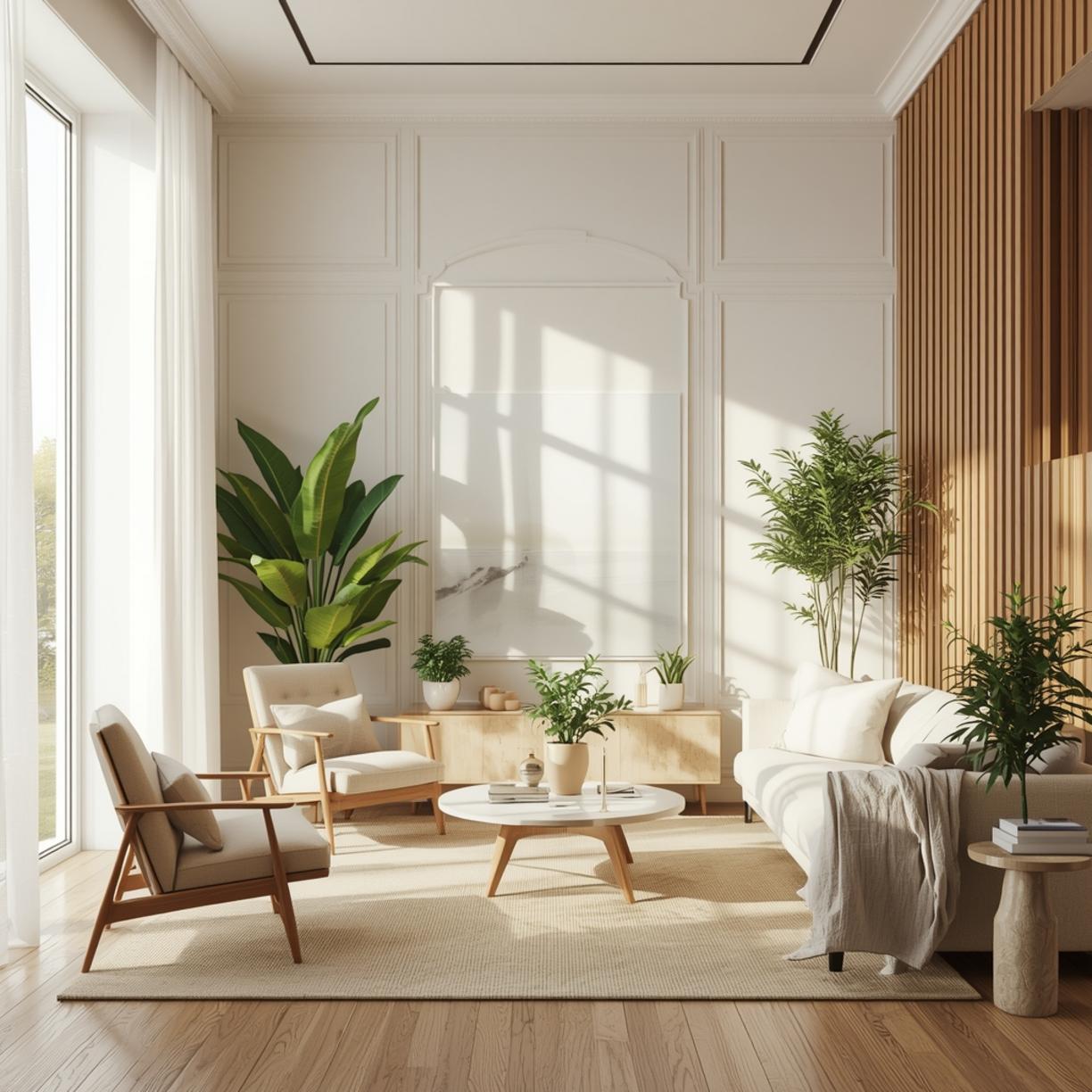
Create a Mix-and-Match Seating Story:
Skip the perfectly matched chair set. Pair four wooden ladder-back chairs with a long upholstered bench on one side. The bench adds comfortable seating for kids while the mixed chairs look intentionally collected. Paint two chairs white and leave two natural wood for even more character.
Build Around a Statement Table:
Choose a solid wood table with a chunky trestle base or turned legs as your foundation. How to style a farmhouse dining room on a budget starts with finding one great piece—whether that’s a refinished vintage table or a new piece with distressed details—and building everything else around it.
Layer Lighting for Atmosphere:
Install a statement chandelier centered above your table, then add battery-operated candles in vintage lanterns along the table itself. The overhead fixture provides necessary light while the candles create ambiance for evening meals. This dual-layer approach adds depth without complicated electrical work.
Use Open Shelving as Your Backdrop:
Mount simple wooden shelves on one wall to display everyday dishes, vintage crocks, and farmhouse decor. Stack white ironstone plates, prop up cutting boards, and tuck in small potted herbs. The shelving serves as both storage and a visual backdrop that reinforces your farmhouse aesthetic.
Anchor with a Textural Runner:
Instead of a full tablecloth, use a burlap, linen, or striped cotton runner down the center. This leaves your beautiful wood table visible while defining the centerpiece area. Change runners seasonally—cream linen for summer, plaid for fall—to refresh the entire room with minimal effort.
Incorporate Vintage Finds Strategically:
Visit flea markets for antique ironstone pitchers, wooden dough bowls, or vintage scales. Use these pieces as centerpiece elements or shelf displays. One authentic vintage piece brings more character than a dozen mass-produced “farmhouse” accessories.
Define the Space with a Natural Fiber Rug:
Anchor your dining set with a jute or sisal rug that extends beyond the table by at least two feet on all sides. The natural texture adds warmth underfoot while protecting floors from chair scrapes. Choose a rug large enough that chairs stay on the surface even when pulled out.
Benefits of Choosing Farmhouse Dining Room Sets
Timeless Style That Ages Gracefully:
Unlike trendy furniture that looks dated in five years, farmhouse pieces actually improve with age. The scratches from family dinners, the patina that develops on metal hardware, the slight variations in wood tone—these “imperfections” add authenticity rather than detracting from beauty.
Versatile Enough for Daily Life:
These aren’t precious showpieces that require coasters and placemats every single time. Farmhouse tables welcome homework sessions, craft projects, and casual weeknight dinners just as warmly as holiday gatherings. Your furniture works for your life, not the other way around.
Creates Natural Gathering Spaces:
Something about farmhouse furniture makes people want to sit down and stay awhile. The sturdy construction feels stable and permanent, while the relaxed aesthetic removes any anxiety about using things “the right way.” Family members naturally gravitate to rooms that feel this welcoming.
Budget-Friendly Style Investment:
Quality farmhouse pieces hold their value because they’re built simply and solidly. You’re paying for good materials and construction rather than fleeting design trends. Many homeowners find they can sell or repurpose farmhouse furniture easily when their needs change.
Tips, Alternatives, and Styling Advice
Budget-Friendly Approach:
Start with an unfinished pine table from a furniture outlet and apply your own stain or paint. Pair it with mismatched secondhand chairs that you paint white or black for cohesion. Add affordable farmhouse touches through textiles—canvas drop cloths make excellent table runners, and thrift store ironstone is widely available.
Mid-Range Option:
Invest in a solid wood table from a reputable furniture retailer and choose complementary seating with some upholstered elements for comfort. Add quality lighting fixtures and a few authentic vintage pieces mixed with new accessories. This approach balances durability with style without breaking the bank.
Premium Investment:
Select handcrafted furniture from artisan makers who use reclaimed barn wood or heritage construction techniques. Commission custom dimensions to fit your exact space, and choose heirloom-quality chairs that can be reupholstered as tastes change. These pieces become family treasures that transfer to the next generation.
Small Space Adaptation:
Round farmhouse tables work beautifully in compact dining areas, providing seating for four without sharp corners. Choose a pedestal base rather than four legs to maximize knee room. Mount a single floating shelf instead of full shelving units, and use a smaller chandelier scaled appropriately for the room.
Common Mistakes to Avoid
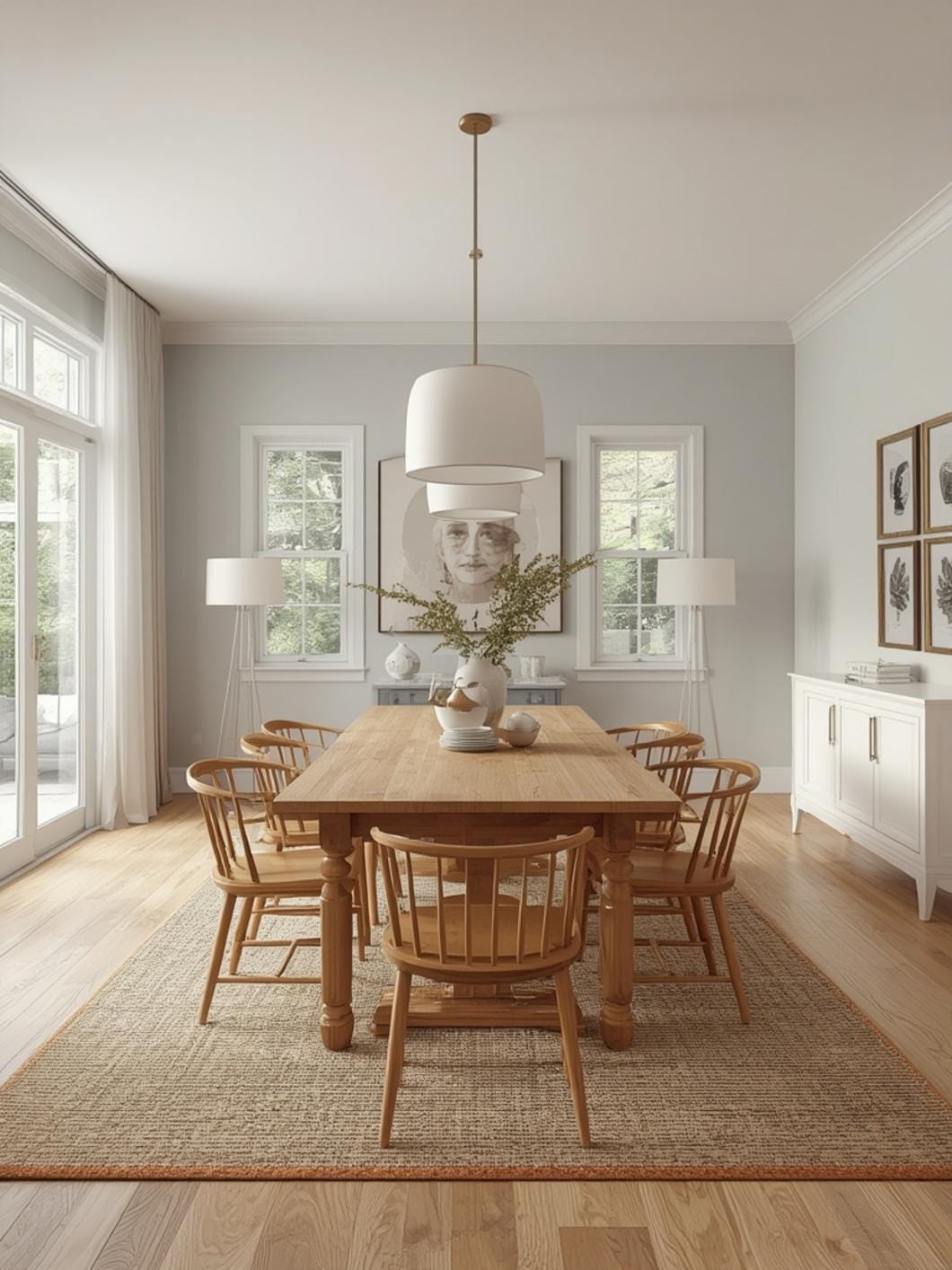
Choosing a Table That’s Too Small:
Many homeowners underestimate how much surface area they actually use during meals. Select a table that allows 24 inches of space per person and extends at least 12 inches beyond where plates sit for serving dishes and elbows.
Mixing Too Many Different Wood Tones:
While farmhouse style embraces some variation, having five different wood finishes in one room creates visual chaos rather than curated character. Stick to two or three complementary tones—perhaps a honey oak table with whitewashed chairs and walnut shelving.
Overdoing the “Distressed” Look:
Furniture that’s artificially beaten up can look forced and inauthentic. Natural wear patterns develop in logical places—chair rungs, table edges, drawer pulls—but random gouges across flat surfaces just look damaged. Choose pieces with subtle aging rather than heavy distressing.
Forgetting About Seating Comfort:
Those beautiful backless benches look charming but become uncomfortable during long dinners. If you include a bench, add cushions or limit it to one side where kids typically sit for shorter periods. Adults appreciate chairs with backs for lingering conversations after meals.
Skipping Proper Rug Sizing:
A too-small rug makes the entire room feel cramped and poorly planned. Measure carefully to ensure your rug extends beyond all chair positions, even when pulled out from the table. This single detail dramatically impacts how cohesive and intentional your dining room appears.
Maintenance and Upkeep Tips
Daily Care:
Wipe your farmhouse table with a soft, slightly damp cloth after meals to remove crumbs and spills. Avoid harsh cleaners that strip the natural finish—mild dish soap and water work perfectly for most messes. Dry thoroughly to prevent water marks on bare wood surfaces.
Seasonal Conditioning:
Apply furniture wax or wood conditioner to unfinished or lightly finished wood pieces every 3-4 months. This protects the wood from drying out while enhancing the natural grain patterns. Use circular motions and buff gently with a clean cloth for a soft sheen.
Protecting the Surface:
Use trivets under hot dishes and coasters under cold beverages to prevent permanent marks. While farmhouse style embraces imperfection, you can prevent unnecessary damage with simple precautions that become second nature quickly.
Chair Maintenance:
Tighten loose chair joints annually by flipping chairs upside down and checking all screws and dowels. Many farmhouse-style chairs use traditional mortise-and-tenon construction that simply needs occasional attention to remain stable for decades.
Metal Hardware Care:
Clean wrought iron light fixtures and hardware with a dry cloth to remove dust. If rust spots appear, gently rub with fine steel wool and apply a thin coat of furniture wax to protect the finish. The slight patina that develops on metal elements adds authentic farmhouse character.
Bringing Farmhouse Warmth Home
Your dining room can become the gathering place you’ve always imagined—where meals slow down, conversations deepen, and everyone feels welcome to pull up a chair. Farmhouse dining room sets provide the foundation for this kind of space through honest materials, practical design, and timeless appeal that only improves over the years.
Start with one solid piece that speaks to you, then build your room around it with layers that reflect how your family actually lives. The beauty of farmhouse style lies in its flexibility and forgiveness—there’s no single “right” way to create a space that feels authentically yours.
Ready to explore more ways to bring farmhouse charm into every room? Browse our complete collection of farmhouse decorating ideas at DecorKingdom.
FAQs
What size farmhouse dining table fits 6 people comfortably?
A rectangular farmhouse table should measure at least 72 inches long and 36 inches wide for six people. This provides 24 inches of space per person on the long sides and accommodates chairs at both ends. Round tables need a 54-inch diameter for comfortable seating around the perimeter.
Can you mix different wood finishes in a farmhouse dining room?
Yes, but limit yourself to two or three complementary tones within the same warmth family. Pair a honey oak table with cream-painted chairs and medium walnut shelving, for example. Avoid combining very dark woods with very light woods in the same immediate space, as this creates jarring contrast.
How do I know if farmhouse chairs are good quality?
Check that all joints feel solid when you gently rock the chair—any wobbling indicates poor construction. Look for mortise-and-tenon joinery or corner blocks rather than simple screws. Quality chairs use hardwoods like oak or maple rather than pine for structural elements, and they feel substantial when you lift them.
Should I choose a bench or chairs for farmhouse dining?
Benches work beautifully for families with young children on one side, paired with individual chairs on the other and at the ends. Adults typically prefer chairs with backs for comfortable dining, especially during longer meals. Consider your household’s needs and how long people typically sit at your table.
How can I make my modern dining room look more farmhouse?
Start by swapping slick modern lighting for a wrought iron or wooden chandelier with Edison bulbs. Add natural fiber textures through a jute rug, linen runners, or woven baskets. Replace glossy finishes with matte or distressed pieces, and incorporate vintage elements like ironstone dishes or antique wooden bowls as centerpieces.
—
Meta Title: Farmhouse Dining Room Sets: Rustic Style Guide 2026
Meta Description: Transform your dining space with Farmhouse Dining Room Sets. Discover budget-friendly styling tips and timeless design ideas that welcome everyone home.