How to Choose the Right Dining Room Table Shapes
Picking out a new dining table should be exciting, but staring at endless options online can make your head spin. Should you go with a classic rectangle, a cozy round, or something more unexpected? The shape of your table does more than just fill the room—it affects how your family gathers, how guests feel welcomed, and whether you can actually move around comfortably.
Dining room table shapes play a huge role in both function and style, yet most homeowners focus only on color or material. The truth is, the right shape can make a cramped room feel spacious or turn an awkward layout into the heart of your home.
This guide walks you through everything you need to know about table shapes, so you can choose one that fits your space, your lifestyle, and your vision for the room.
Table of Contents
Key Terms and Elements to Know
Before we compare shapes, here’s what you’re actually working with when shopping for a dining table:
– Table length and width: The actual dimensions of the tabletop surface
– Clearance space: The amount of open floor space around the table (you’ll want at least 36 inches on all sides)
– Seating capacity: How many people can comfortably sit without bumping elbows
– Base or pedestal style: How the table is supported—legs at the corners, a center pedestal, or trestle design
– Room proportion: How the table size and shape relate to the overall size and layout of your dining area
– Traffic flow: The natural pathways people take to enter, exit, and move around the room
Understanding these elements helps you think beyond just “what looks pretty” and focus on what actually works in your home.
Common Misconceptions to Clear Up First
Many homeowners make assumptions about dining table shapes that can lead to frustration later. Here are the most common myths worth clearing up now.
Round tables are only for small spaces. People assume round tables save space, but they actually require more clearance around them because of their shape. A round table can work beautifully in a larger room, especially if you want to create an intimate dining experience.
Rectangular tables are boring. Just because it’s the most common shape doesn’t mean it lacks personality. The beauty of a rectangular table comes from how you style it and what base design you choose—modern, farmhouse, mid-century, or industrial styles all look stunning in this classic shape.
Square tables seat fewer people. While a small square might only fit four, larger square tables (60 inches or more) can comfortably seat eight and create wonderful conversation dynamics since everyone faces each other equally.
Oval tables are outdated. Oval tables had a moment in the ’90s that wasn’t always flattering, but modern oval designs are sleek, sophisticated, and solve the “hard corner” problem that rectangular tables can have in homes with young children.
How It Works in Real Homes
Now that you understand the basics, here’s how to choose the right dining table shape for your space by looking at real scenarios homeowners face every day.
Rectangular Tables in Long, Narrow Rooms
If your dining area is shaped like a hallway or tucked into a narrow space, a rectangular table follows the natural flow of the room. Picture a 72-inch by 36-inch table in a 12-foot by 10-foot room—it leaves comfortable walking space on the sides and ends while maximizing seating along the length.
This shape also works perfectly if your dining room opens directly into the kitchen or living area, creating a visual line that connects the spaces without blocking sightlines.
Round Tables for Square Rooms
When your dining area is roughly the same length and width, a round table feels balanced and purposeful. A 48-inch round table in a 10-foot by 10-foot space allows equal clearance on all sides and creates a natural gathering spot that encourages conversation.
Round tables also soften the geometry of a boxy room, adding visual interest through their curved lines.
Oval Tables for Flexible Entertaining
Oval tables give you the best of both worlds—the seating capacity of a rectangle with the softer, more approachable feel of a round. They work especially well in homes where you entertain frequently but also need the table to feel intimate for everyday family meals.
A 72-inch oval can seat six comfortably but expand to eight when you add chairs at each curved end. The lack of sharp corners also makes it easier to navigate around in tighter spaces.
Square Tables for Cozy Gatherings
A 40-inch to 48-inch square table creates an intimate, equal-sided dining experience perfect for couples, small families, or anyone who loves the feeling of everyone being close during meals. Square tables work beautifully in breakfast nooks, apartment dining areas, or open-concept spaces where you want to define the dining zone without overwhelming it.
Larger square tables (60 inches or more) make a bold statement in spacious rooms and encourage lively group conversations since no one is seated at a “head” position.
Rectangular Tables with Extensions
If your space is generous and you host dinner parties regularly, a rectangular table with a leaf extension gives you flexibility. Start with a 60-inch table for daily use, then extend it to 84 inches when company arrives.
This option works best when you have a dedicated dining room with enough clearance to accommodate the expanded size without rearranging furniture every time.
Benefits of Choosing the Right Table Shape
Getting the shape right transforms your dining experience in ways you might not expect.
Conversation flows naturally. Round and square tables put everyone at equal distance, making it easier to hear and engage with each person. Rectangular tables work better for larger groups where multiple conversations happen simultaneously.
Your room feels properly proportioned. A table that matches your room’s shape creates visual harmony—the space looks intentional and well-designed rather than awkwardly furnished.
Movement becomes effortless. When you choose a shape that allows proper clearance, you stop bumping into chairs, squeezing past corners, or feeling trapped against the wall. Your dining area actually becomes a pleasant place to spend time.
Seating expands when you need it. The right shape lets you add extra chairs naturally when guests arrive, without the table feeling overcrowded or people feeling squished.
Your style shines through. Different shapes carry different design personalities—modern, traditional, casual, formal—helping you express the exact mood you want in your dining space.
Tips for Different Budgets and Room Sizes
Budget-Friendly Option
Look for simple rectangular tables with clean lines and minimal ornamentation. A basic rectangular shape in a light wood finish or laminate top gives you maximum seating for the lowest price point. You can always dress it up with beautiful chairs, a statement light fixture, or a gorgeous table runner. Expect to spend $300 to $600 for a quality piece that lasts.
Mid-Range Option
In the $800 to $1,500 range, you’ll find well-constructed round and oval tables with interesting base designs. Pedestal bases open up legroom and add architectural interest, while solid wood construction means the table will become a long-term staple in your home. This price point also gets you extension capabilities if you want that flexibility.
Premium Option
Designer tables in unique shapes—rounded squares, racetrack ovals, or rectangular tables with live edges—start around $2,000 and go up from there. At this level, you’re investing in craftsmanship, unique materials like marble or reclaimed wood, and distinctive designs that become focal points in your home.
Small Space Adaptation
If your dining area is tight, consider a small round table (36 to 42 inches) or a narrow rectangular table (30 inches wide instead of 36). Drop-leaf tables that fold down when not in use also work beautifully in compact spaces. The key is leaving at least 30 inches of clearance for chairs to pull out—compromise on table size, not on comfort.
Common Mistakes to Avoid
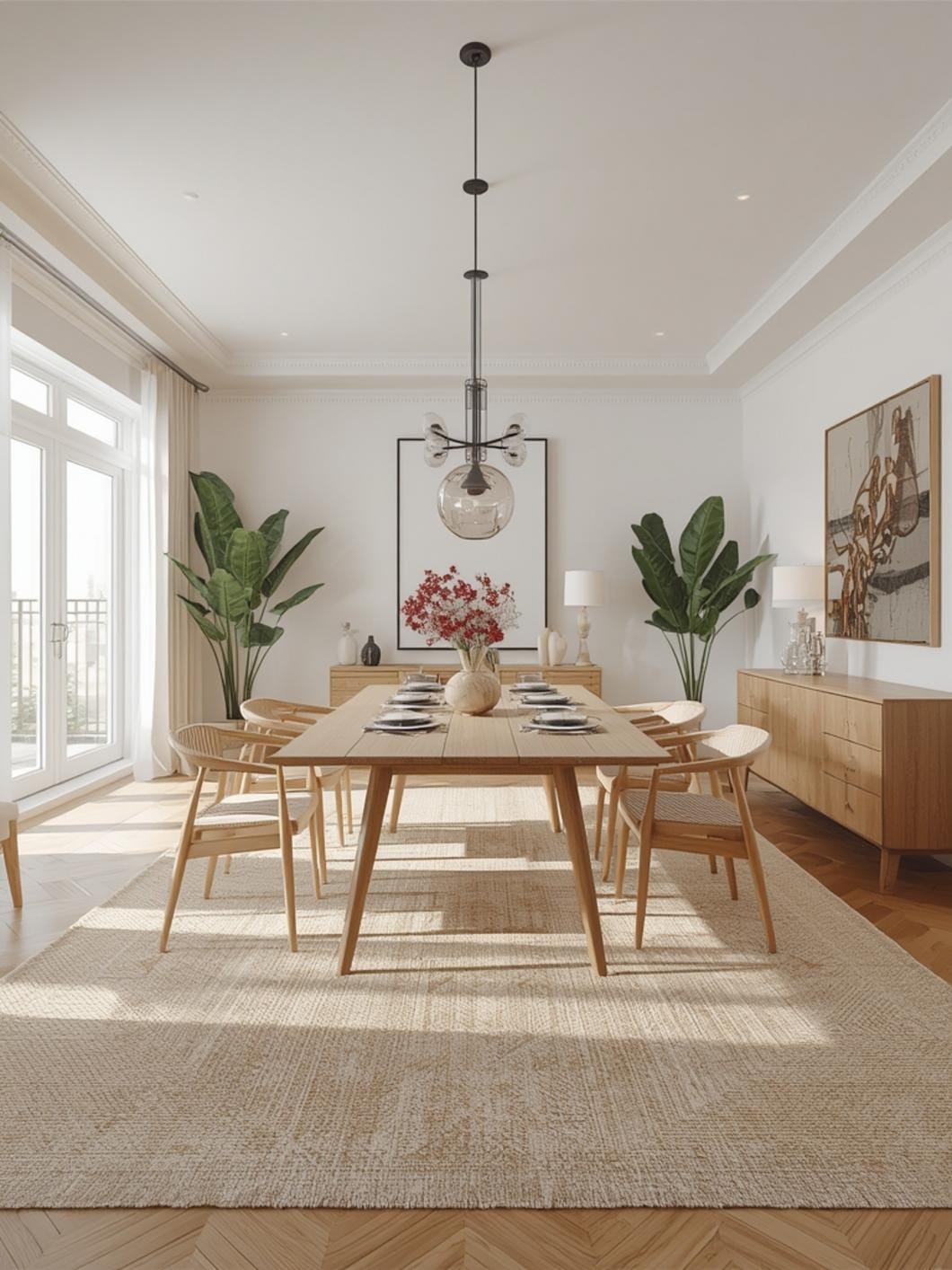
Choosing a table based only on how it looks in the showroom. Showrooms have high ceilings and generous space that make everything look proportionate. Always measure your actual dining area and visualize the table in that specific space before buying.
Forgetting to account for chair depth. Chairs typically add 18 to 24 inches when pulled out from the table. Calculate this into your clearance measurements, or you’ll end up with a table that blocks doorways or presses against walls.
Ignoring your lifestyle and how you actually use the space. If you have young kids who run around during meals, sharp rectangular corners might not be ideal. If you host large holiday gatherings twice a year, a fixed small table will leave you frustrated.
Matching the table shape to existing furniture without considering the room. Just because your living room has a rectangular coffee table doesn’t mean your dining table needs to match. Let the dining room’s dimensions guide your choice.
Buying a table that’s too small because you’re afraid of it feeling crowded. Undersized tables look lost in a room and defeat the purpose of having a proper dining space. It’s better to go slightly larger and ensure comfortable seating than to play it too safe.
Maintenance Tips for Long-Lasting Beauty
Keep your table looking fresh with these simple habits that take just minutes.
Wipe spills immediately. Liquid can seep into wood grain or damage finishes if left sitting. Keep a soft cloth handy and blot spills right away—don’t rub, which can spread the mess and damage the surface.
Use placemats and coasters consistently. Even heat-resistant tables benefit from protection. Placemats catch crumbs and minor scratches, while coasters prevent water rings and heat marks from mugs and glasses.
Dust weekly with a microfiber cloth. Regular dusting prevents buildup that can dull the finish over time. For wood tables, use a slightly damp cloth, then dry immediately. For glass or laminate, a dry cloth usually does the trick.
Avoid harsh cleaners and abrasive scrubbers. Stick to gentle dish soap diluted in water for most cleaning needs. Specialty wood cleaners are fine for occasional deep cleaning, but daily maintenance should be simple and gentle.
Protect from direct sunlight. If your table sits near a window, consider sheer curtains or blinds during peak sun hours. UV rays can fade and damage wood finishes, especially on one side of the table, creating uneven coloring over time.
Conclusion
The shape of your dining table affects everything from daily comfort to how warmly guests feel welcomed in your home. By understanding how different shapes work in various room layouts and matching the choice to your real lifestyle needs, you’ll end up with a table that serves you beautifully for years to come.
Whether you choose the classic versatility of a rectangle, the intimate charm of a round, or the balanced elegance of an oval, the right shape transforms your dining area into a space you’re genuinely excited to use. Ready to explore more ways to make your home feel just right? Browse more inspiring ideas and practical tips here at DecorKingdom.
FAQs
What shape dining table is best for a small room?
A round table typically works best in small square or slightly rectangular rooms because it eliminates corner space and allows better traffic flow. For very narrow spaces, a small rectangular table positioned lengthwise might be your best bet. Aim for at least 30 inches of clearance around all sides for comfortable movement.
How do I know if a rectangular or round table is better for my space?
Measure your room and note its shape. If your dining area is longer than it is wide, a rectangular table usually fits better. If the room is roughly square, a round table creates better balance. Also consider how many people you regularly seat—rectangles accommodate more guests, while rounds feel more intimate for smaller groups.
Can you put a round table in a rectangular room?
Absolutely, and it often looks stunning. A round table in a rectangular room creates interesting visual contrast and can make a long, narrow space feel more balanced. Just ensure the table is proportionate to the room—not so large that it overwhelms the space or so small that it looks lost.
What size table fits in a 10×10 dining room?
A 10×10 room can comfortably fit a 48-inch round table or a 60-inch by 36-inch rectangular table if you maintain 30 to 36 inches of clearance on all sides. This leaves enough room for chairs to pull out and people to walk around comfortably without feeling cramped.
Do oval tables take up less space than rectangular ones?
Not necessarily. Oval and rectangular tables with the same length and width dimensions take up the same floor space. The advantage of an oval is the curved ends, which can make it easier to navigate around the table in tighter spaces and soften the look in a room with lots of straight lines.
—
Meta Title: Dining Room Table Shapes Guide for 2026 Homes
Meta Description: Struggling to pick a table shape? Learn which dining room table shapes work best for your space, lifestyle, and style preferences.