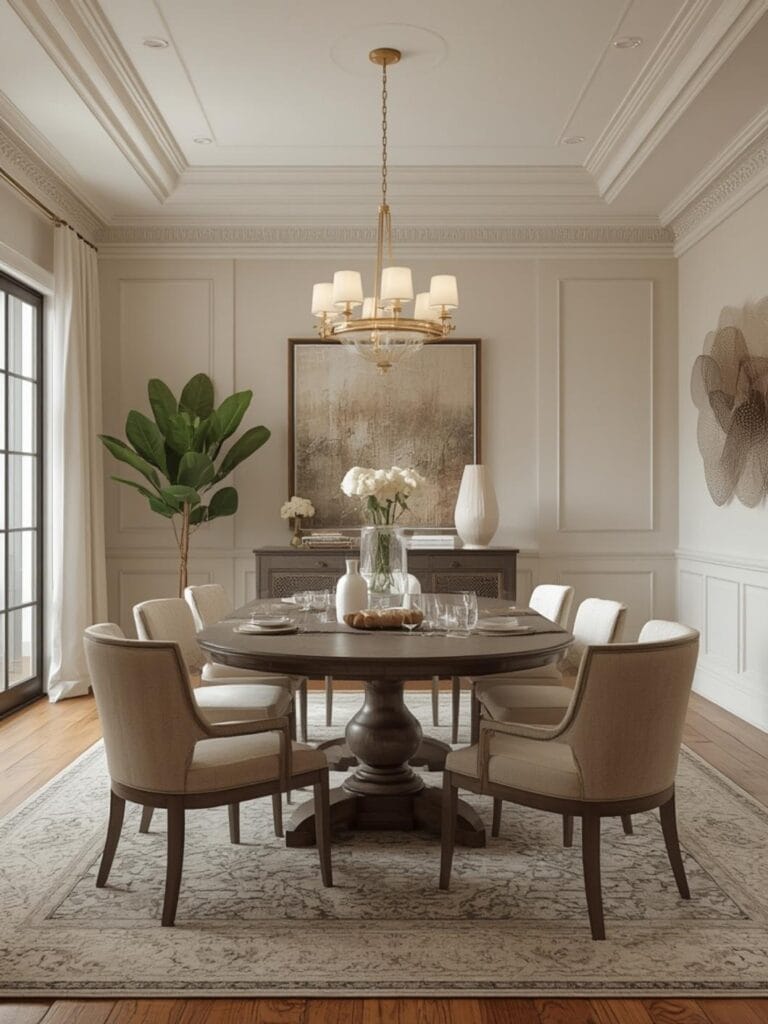
How to Choose Solid Wood Dining Room Table Sets
You walk into your dining room and feel that familiar tug of disappointment. The wobbly particleboard table you bought years ago looks tired, and every scratch tells a story you’d rather forget. You’ve been dreaming of a dining space that feels substantial, warm, and built to last—something you can pass down someday.
That’s exactly what Solid Wood Dining Room Table Sets bring to your home. These aren’t just pieces of furniture. They’re investments in daily life, anchoring family dinners, homework sessions, and holiday gatherings with strength and beauty that only improves with time.
Unlike their composite counterparts, solid wood tables develop character as they age. They can be refinished, repaired, and reimagined for decades, making them the most sustainable choice you can make for your dining room.
Table of Contents
What You’ll Need to Get the Look
Creating a dining room centered around solid wood starts with understanding what makes these pieces special:
Core Furniture:
– Solid wood dining table in oak, walnut, maple, or cherry
– Matching or complementary wood dining chairs (4–8 depending on table size)
– Optional bench seating for a more casual, family-friendly vibe
Decor Elements:
– Linen or cotton table runner that lets the wood grain show through
– Simple ceramic or stoneware dishes that complement the wood tone
– Natural fiber placemats for everyday use
– Statement pendant light or chandelier positioned 30–36 inches above the table surface
– Area rug sized to extend at least 24 inches beyond all sides of the table
Maintenance Supplies:
– Soft microfiber cloths for daily dusting
– Wood-safe cleaner or simple dish soap solution
– Furniture polish or oil specific to your wood finish
– Felt pads for chair legs to prevent scratching
– Coasters and trivets for heat protection
The beauty of solid wood is its versatility. Whether your style leans farmhouse rustic or mid-century modern, there’s a wood species and finish that fits perfectly.
Finding Your Style and Season
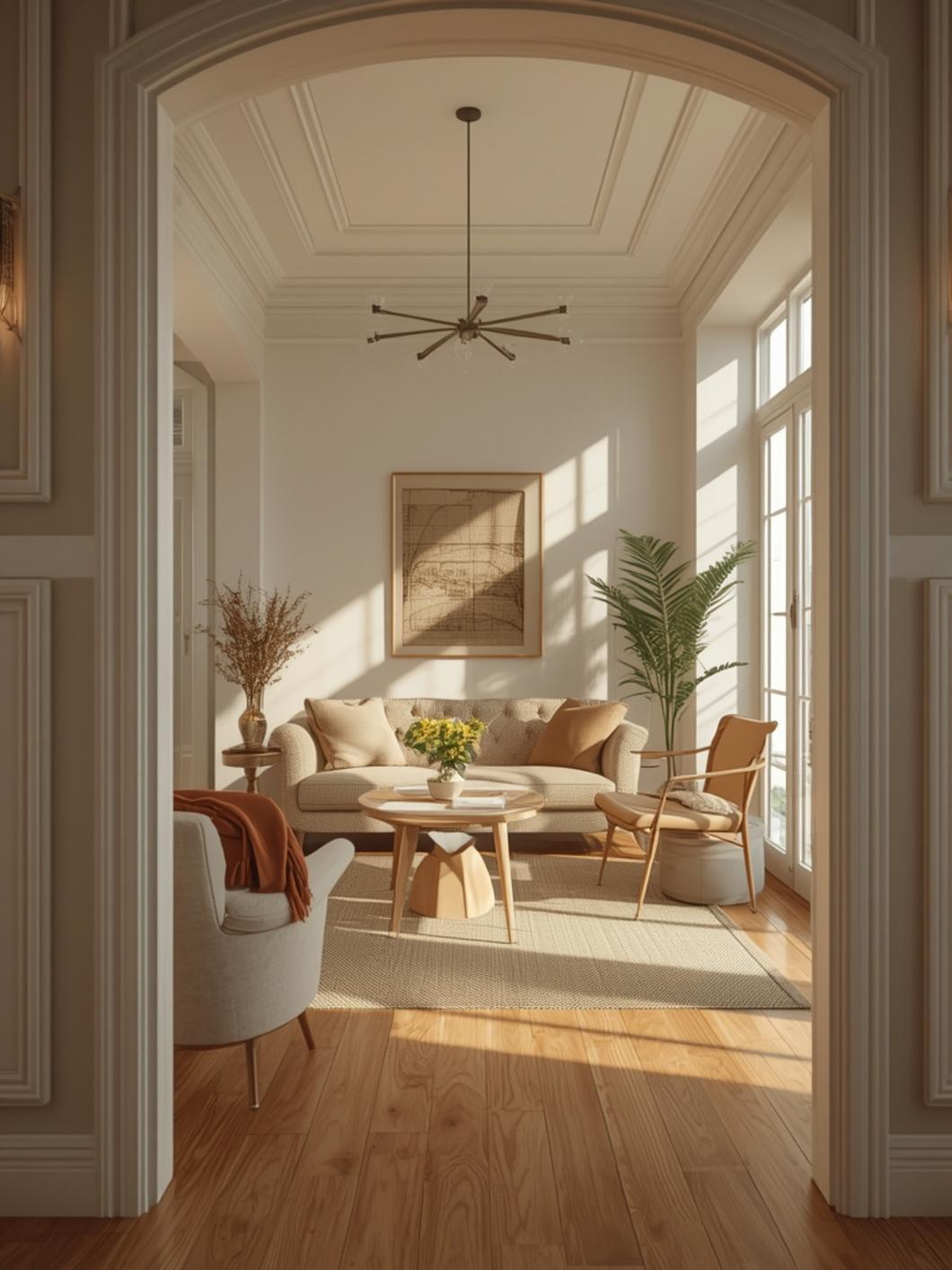
Your choice of solid wood dining set should reflect both your personal style and how your family actually lives. Think about the mood you want to create throughout the year.
Spring and Summer: Lighter woods like maple or ash keep the space feeling bright and airy. Pair them with white or pastel linens and fresh flowers from your garden. The natural grain patterns become conversation pieces when sunlight streams through the windows.
Fall and Winter: Deeper tones like walnut or cherry create instant coziness when temperatures drop. These richer woods look stunning against warm metallics and candlelight during long dinner parties.
Consider your home’s existing architecture too. Original hardwood floors often guide you toward complementary wood tones—matching too closely can feel flat, while contrasting woods add intentional depth.
If you host frequently, look for tables with leaves or extensions. A table that seats six daily but expands to ten for Thanksgiving gives you flexibility without overwhelming your space year-round.
Think about chair comfort seriously. You’ll spend countless hours at this table, so upholstered seats or contoured wooden backs matter more than you might expect.
7 Ideas to Try in Your Home
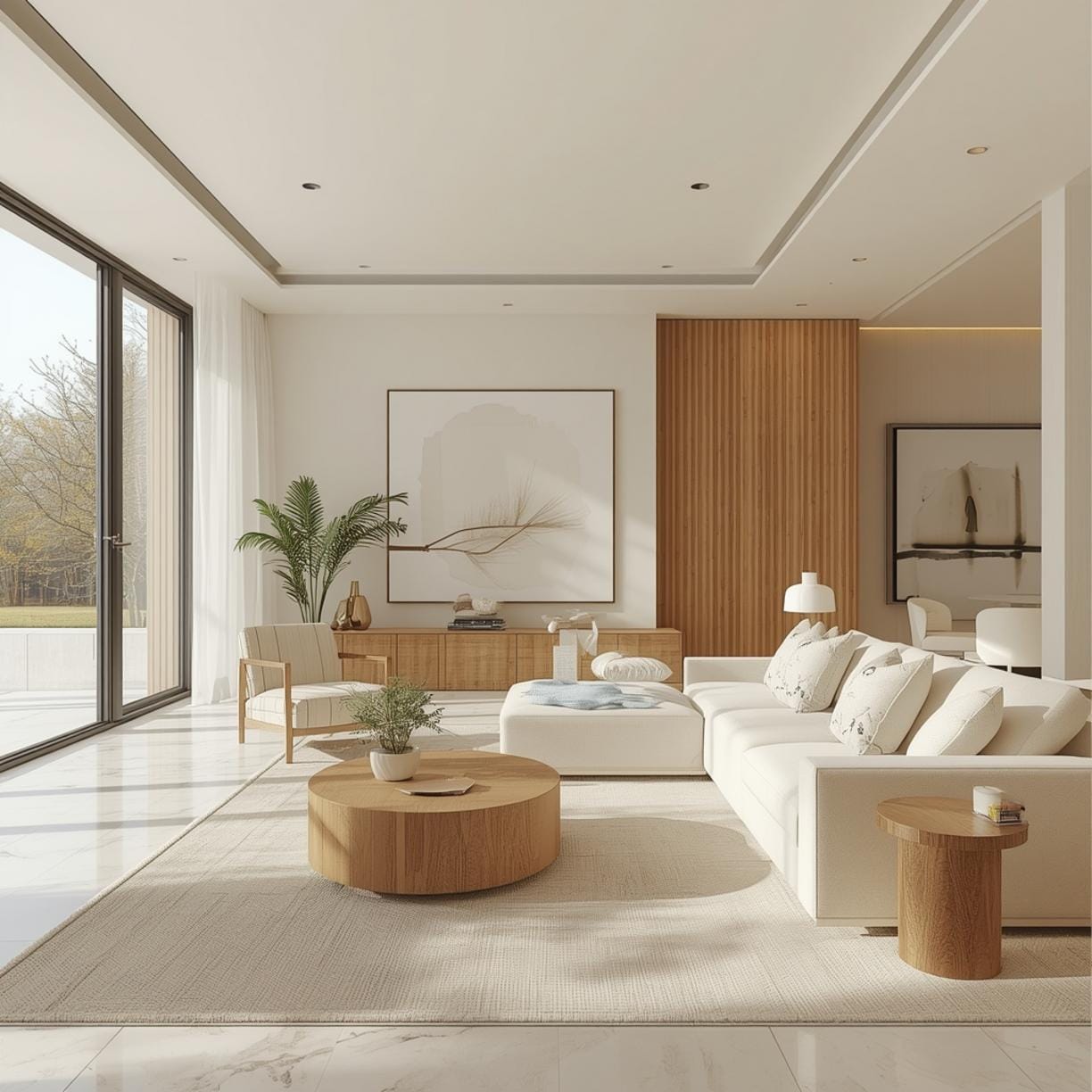
1. The Modern Farmhouse Mix
Choose a chunky oak table with a weathered finish and pair it with mismatched vintage chairs you’ve painted in coordinating neutrals. Add a metal and glass light fixture overhead to balance the rustic wood with contemporary shine. This look feels collected over time rather than bought all at once.
2. Mid-Century Walnut Statement
A sleek walnut table with tapered legs becomes the hero piece in a minimalist dining room. Surround it with molded plastic or upholstered chairs in mustard or burnt orange. Keep the table surface mostly bare to showcase that gorgeous grain pattern—just a low ceramic bowl with fruit as your centerpiece.
3. Traditional Cherry Elegance
Cherry wood’s warm reddish tones anchor a more formal dining space beautifully. Pair your table with upholstered chairs in a classic fabric like damask or velvet. Add a traditional crystal chandelier and built-in china cabinet to complete the timeless look. This setup works especially well in historic homes.
4. Scandinavian Light and Bright
Light ash or maple wood keeps things feeling fresh and uncluttered. Stick with simple lined chairs, possibly with woven seats, and layer in texture through linen napkins and wool throws draped over the backs. A series of pendant lights with exposed bulbs adds that perfect Nordic touch.
5. Industrial Rustic Blend
A thick-plank reclaimed wood table paired with metal-framed chairs creates an edgy, urban vibe. Leave the wood relatively raw-looking to show its history. Add Edison bulb lighting and exposed shelving with metal brackets. This style works wonderfully in lofts or open-concept spaces.
6. Coastal Casual Comfort
A whitewashed or natural oak table feels right at home in beach-inspired spaces. Mix in chairs with woven rope or rattan details. Keep colors soft—think blues, sandy beiges, and crisp whites. This relaxed approach invites lingering over meals and easy entertaining.
7. Grand Traditional with Extensions
For those who love hosting large gatherings, a substantial mahogany or dark oak table with multiple leaves becomes the foundation. Surround it with eight to twelve matching chairs, with two armed chairs at the heads. This creates a proper dining room that handles everything from intimate family dinners to holiday feasts.
Understanding How to maintain and refinish solid wood dining tables keeps any of these styles looking fresh for generations. Regular dusting, immediate spill cleanup, and annual conditioning preserve the finish while preventing damage that requires more intensive repairs.
Benefits That Last a Lifetime
Choosing solid wood for your dining room delivers advantages that compound over years and decades.
Durability You Can Feel
When you run your hand across a solid wood table, you’re touching a single piece of timber, not layers of glue and sawdust. That means it can withstand the daily chaos of family life—spilled juice, dropped forks, homework projects—without falling apart. Minor dents and scratches actually add character rather than looking like damage.
Investment That Appreciates
Unlike flat-pack furniture that loses value the moment you assemble it, quality solid wood pieces often increase in worth over time. You’re not just furnishing a room—you’re acquiring an heirloom. Many families pass these tables through three or four generations.
Refinishing Brings Renewal
When your table starts looking tired in ten or fifteen years, you can sand it down and refinish it to look brand new again. That option simply doesn’t exist with veneer or composite materials. A professional refinish costs a fraction of replacing the entire set.
Health and Environment
Solid wood releases fewer volatile organic compounds than manufactured wood products loaded with adhesives and resins. You’re breathing cleaner air around your dinner table. Plus, sustainably harvested hardwood is genuinely renewable and biodegradable, unlike plastic-based alternatives.
Aesthetic Flexibility
As your style evolves, solid wood adapts beautifully. Paint it, stain it darker, strip it to natural—the options follow your changing tastes. Try doing that with a laminate table and you’ll end up with a mess.
The weight and stability of solid wood also create a sense of permanence in your home that lighter materials simply cannot match. Your dining room feels anchored and intentional.
Budget-Friendly to Premium Options
Budget-Conscious Choice ($800–$1500)
Look for solid pine or rubber wood sets from regional furniture makers. These softer hardwoods cost less but still offer genuine durability and refinishing potential. You might find a simple farmhouse-style table with four ladder-back chairs that serves a young family perfectly. Watch for estate sales where quality older pieces sell for a fraction of retail prices.
Mid-Range Investment ($1500–$3500)
This range opens up popular hardwoods like oak, maple, and ash from established furniture brands. You’ll get better joinery, more finish options, and usually six chairs instead of four. Extension leaves often come standard at this price point, giving you flexibility for hosting. The craftsmanship level means these pieces truly will last decades with basic care.
Premium Heirloom ($3500+)
Walnut, cherry, and exotic hardwoods enter the picture here, often from artisan craftspeople or high-end manufacturers. You’re paying for book-matched grain patterns, hand-rubbed finishes, and construction techniques like mortise-and-tenon joinery that ensure your grandchildren will fight over who inherits this table. Customization options let you specify dimensions, wood species, and finish details.
Small Space Adaptation
If your dining area is tight, consider a solid wood round table instead of rectangular. A 42-inch round comfortably seats four and takes up less visual space than a rectangular equivalent. Drop-leaf tables in solid wood offer another solution—expand them when you’re entertaining, fold them down for daily life. Wall-mounted bench seating on one side maximizes capacity while taking up minimal floor space.
Common Mistakes to Avoid
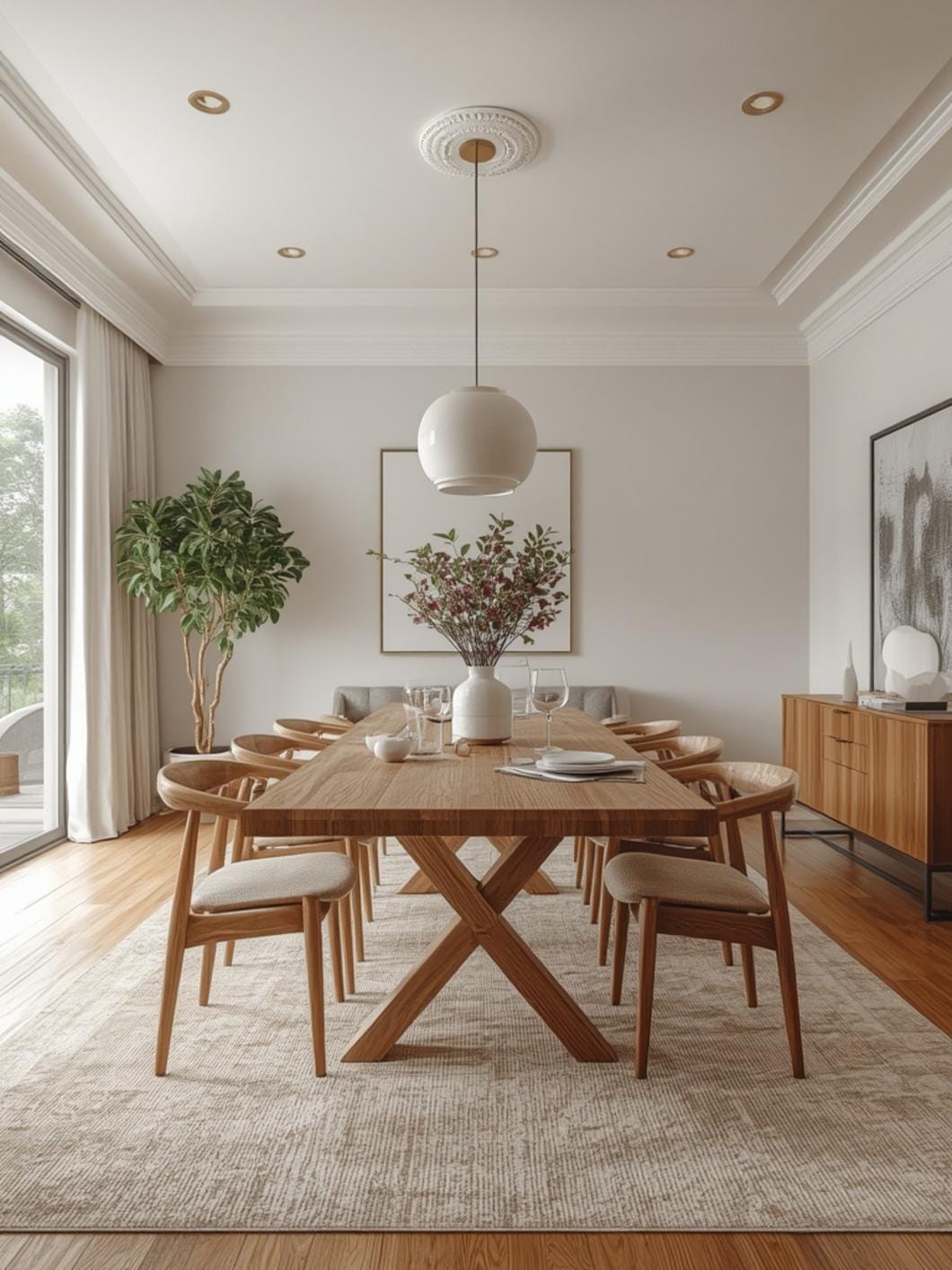
Skipping the Protective Pads
Many homeowners skip felt pads under chair legs, thinking the floor or rug provides enough protection. Within months, you’ll have scratches across your beautiful table from chairs sliding back and forth. Stick self-adhesive felt pads on every chair leg the day your set arrives, and replace them every six months.
Placing Tables Near Heat Sources
Setting your solid wood table directly beside heating vents or radiators causes the wood to dry out, crack, and warp. Maintain at least three feet of distance from any heat source, and use a humidifier during winter months if your home’s air gets very dry.
Using Harsh Chemical Cleaners
Those all-purpose cleaners under your sink can strip the finish right off your wood table. Stick with cleaners specifically labeled for wood furniture, or make your own with a few drops of dish soap in warm water. Always wipe completely dry afterward to prevent water rings.
Ignoring Direct Sunlight
Letting afternoon sun beam directly onto your table day after day fades and damages the finish unevenly. You’ll end up with a strange two-tone effect where your centerpiece sat. Hang sheer curtains or adjust blinds during peak sunlight hours to protect your investment.
Forgetting Seasonal Conditioning
Wood expands and contracts with humidity changes throughout the year. Applying furniture oil or polish every three to four months keeps the wood supple and prevents cracking. Think of it like moisturizing your own skin—the wood needs that nourishment to stay healthy.
Simple Care That Preserves Beauty
Daily maintenance takes just minutes and prevents problems that would cost hundreds to fix professionally.
Quick Daily Habits
Wipe down your table after every meal with a barely damp microfiber cloth, then immediately dry it with a clean towel. This removes food particles and prevents sticky buildup without saturating the wood. Use coasters religiously under all glasses—even cold drinks create condensation that damages finishes.
Weekly Dusting
Once a week, dust the entire table including the legs and any carved details with a dry microfiber cloth. Dust acts like sandpaper over time, so removing it regularly prevents micro-scratches that dull the finish. Pay special attention to grooves and corners where dust accumulates.
Monthly Deep Cleaning
Mix a few drops of mild dish soap in warm water and wring out your cloth until it’s barely damp. Wipe down the entire table, working with the grain, then immediately dry with a clean towel. Follow up with furniture polish applied sparingly with a soft cloth, buffing to a gentle shine.
Quarterly Conditioning
Every three months, apply a quality furniture oil or paste wax according to the product directions. This replenishes moisture in the wood and refreshes the protective finish. Always test in an inconspicuous spot first to ensure it doesn’t darken your specific finish unexpectedly.
Addressing Minor Damage
Small scratches often disappear when you rub them gently with a walnut meat—the natural oils fill and hide the mark. For water rings, try rubbing with a paste of baking soda and water, or use a hair dryer on low heat while buffing with a soft cloth. These home remedies work surprisingly well before you need to call in professionals.
When deeper damage does occur—significant gouges or finish deterioration—that’s when refinishing becomes your best option. A skilled furniture refinisher can sand down the entire surface and reapply stain and protective coats, essentially giving you a brand new table.
Enjoying Your Dining Room for Years to Come
Your dining room anchors your home in ways that go far beyond simple functionality. A solid wood table becomes the stage for your family’s most important moments—birthdays, homework sessions, holiday dinners, late-night conversations over coffee.
Choosing quality solid wood means you’re investing in stability and beauty that outlasts trends and withstands the wear of real life. With the simple maintenance habits outlined here, your table will develop a rich patina that tells your family’s story.
Ready to transform your dining space into something truly special? Explore more inspiring ideas and practical advice at DecorKingdom, where beautiful homes start with smart choices.
Frequently Asked Questions
How do I know if a dining table is actually solid wood or just veneer?
Check the underside of the table and the edges closely. Solid wood shows consistent grain patterns that wrap around edges, while veneer shows a thin layer glued to a different core material. The edge will look like a sandwich with the pretty wood on top. Also, solid wood is noticeably heavier—try lifting one corner to compare weights if you’re shopping in person.
Can I mix different wood types in my dining room?
Absolutely, and it often looks more collected and interesting than matching everything perfectly. The key is balancing tones—pair a warm walnut table with medium oak chairs, or a light maple table with darker wood accents in your buffet. Just avoid mixing more than three different wood species in one room, or it starts feeling chaotic rather than intentional.
How much should I expect to spend on refinishing a solid wood table?
Professional refinishing typically costs between $300 and $800 depending on table size and condition. That might sound steep, but compare it to buying a new quality solid wood table at $1500 to $3500. Refinishing every 15 to 20 years keeps your original investment looking fresh for a fraction of replacement cost, and you preserve the sentimental value of a piece that’s hosted years of family memories.
Will my solid wood table expand and contract with seasons?
Yes, and that’s completely normal. Hardwood responds to humidity changes by expanding slightly in summer and contracting in winter. Quality tables are built with this in mind, using joinery techniques that allow for movement without cracking. You might notice very slight gaps between boards in winter that close up in summer. Maintaining consistent humidity levels in your home—ideally between 35% and 55%—minimizes this natural movement.
What’s the best wood type for families with young children?
Oak and maple are your best bets for kid-friendly durability. They’re harder woods that resist dents better than softer options like pine or cherry. Oak particularly handles abuse well and shows scratches less obviously due to its prominent grain pattern. Whatever wood you choose, accept that a table in an active family home will gain character marks—that’s part of solid wood’s beauty. You can always refinish it later when the kids are grown.
—
Meta Title: Solid Wood Dining Room Table Sets: Timeless Guide 2026
Meta Description: Discover why Solid Wood Dining Room Table Sets outlast trends. Get styling ideas, maintenance tips, and budget options for every home.