How to Choose Boho Living Room Furniture Like a Pro
You walk into your living room and something feels off. The furniture works fine, but there’s no warmth, no personality, no story. You scroll through photos of gorgeous spaces filled with texture and life, wondering how to bring that energy into your own home.
Boho Living Room Furniture might be exactly what you’re missing. This style celebrates individuality through layered textures, natural materials, and pieces that feel collected over time rather than bought all at once. Your living room can become the relaxed, welcoming space you’ve been craving without following a single strict rule.
The beauty of boho style is its forgiving nature. Mix vintage finds with new pieces, layer patterns with confidence, and trust your instincts. Let’s explore how to choose and arrange furniture that brings genuine character to your space.
Table of Contents
What You’ll Need to Get the Look
Creating a boho living room starts with selecting furniture pieces that balance comfort with visual interest. Here’s what works beautifully in this style:
Seating:
– Low-profile sofas in natural fabrics like linen or cotton
– Rattan or wicker chairs with plush cushions
– Floor cushions and poufs in various sizes
– Vintage wooden chairs with carved details
– Hanging swing chairs or hammock seats
Tables:
– Round coffee tables made from reclaimed wood
– Nesting side tables in mixed metals
– Tree stump or live-edge wood accent tables
– Moroccan-style metal tray tables
– Vintage trunk repurposed as a coffee table
Storage and Display:
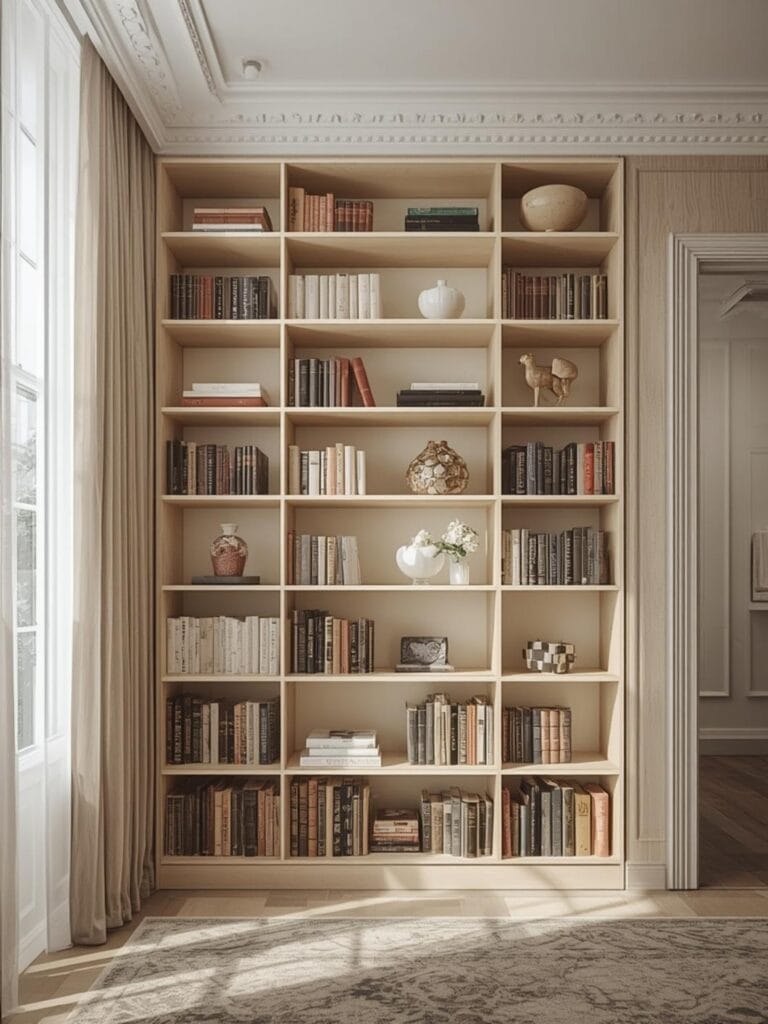
– Open shelving units in natural wood
– Woven baskets for blanket storage
– Ladder shelves for plants and books
– Low media consoles with sliding doors
– Vintage cabinets with distressed finishes
Textiles and Layers:
– Macramé wall hangings and plant holders
– Multiple throw pillows in different patterns
– Woven area rugs layered over jute
– Lightweight curtains in natural fibers
– Cozy throws in earth tones
The key is choosing pieces that feel handcrafted or globally inspired rather than mass-produced and uniform.
Finding Your Style and Season
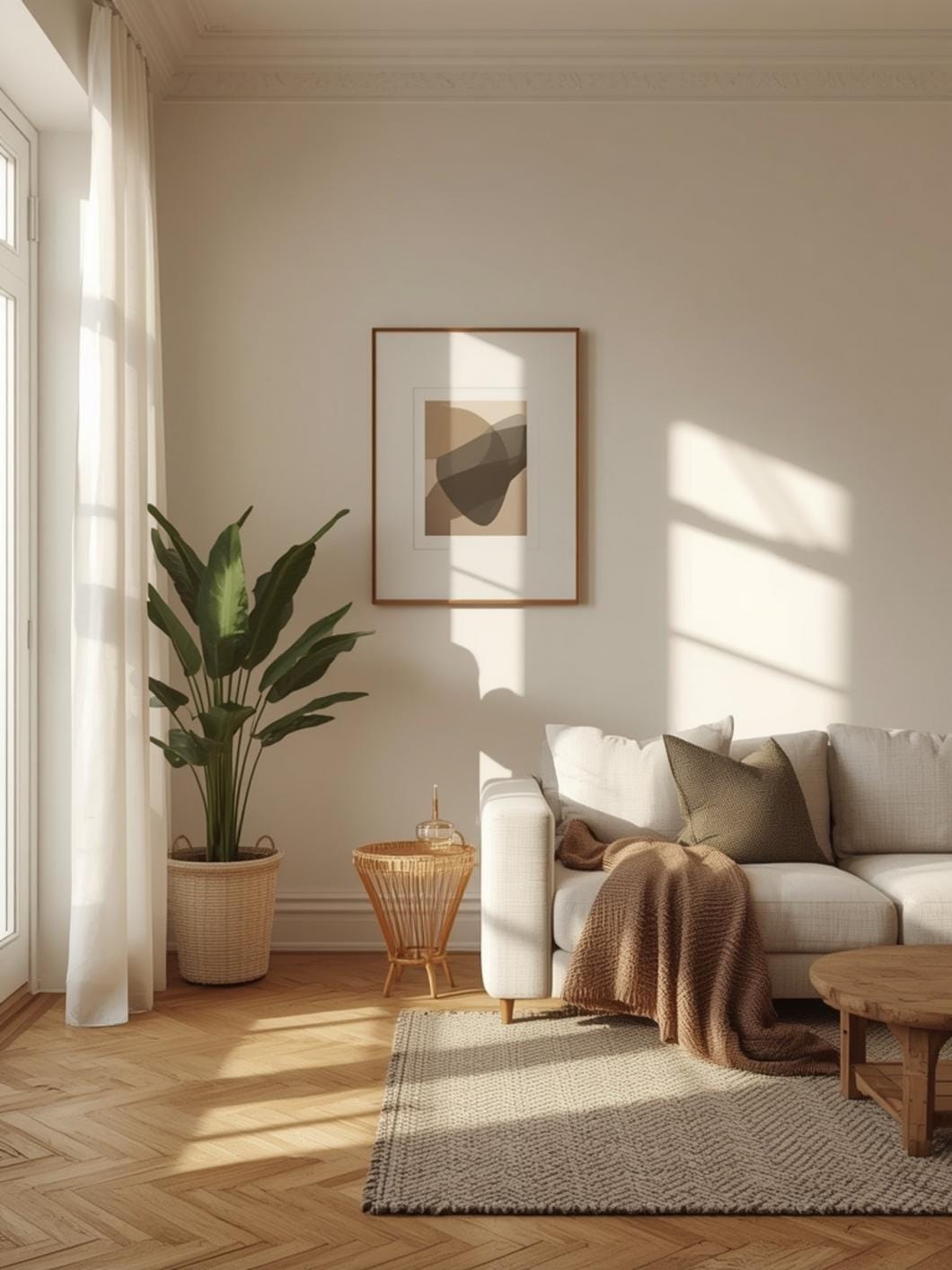
Boho style adapts beautifully to any season and your personal aesthetic preferences. Understanding your direction before shopping saves time and money.
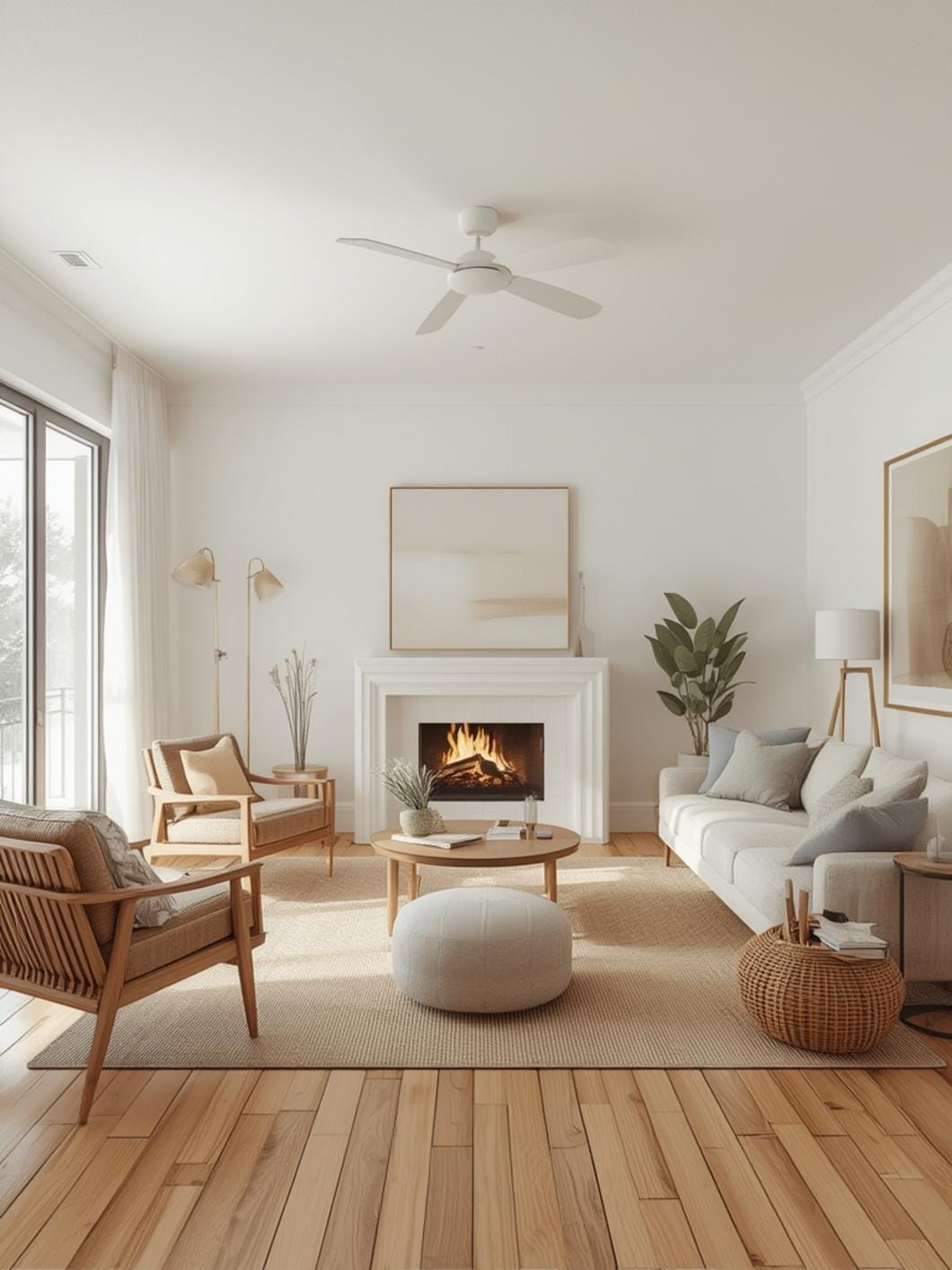
Spring and Summer Boho leans lighter and airier. Think white or cream sofas with bright accent pillows, wicker furniture that brings outdoor vibes inside, and sheer curtains that let natural light flood your space. This version feels breezy and coastal without being literally beach-themed.
Fall and Winter Boho embraces richer tones and heavier textures. Leather sofas with worn patinas, velvet cushions in jewel tones, and chunky knit throws create warmth. Add more layered rugs and deeper wood tones during colder months.
Occasion considerations matter too. If you entertain frequently, prioritize comfortable seating that encourages conversation. Position furniture in circular or U-shaped arrangements rather than lined against walls. For families with young children, choose durable natural materials that hide wear beautifully and avoid delicate vintage pieces.
Budget timeline varies wildly with boho style, which is actually great news. You don’t need to furnish everything at once. Start with one statement piece like a rattan chair or carved wood console, then slowly add layers through thrift stores, estate sales, and handmade finds. This gradual approach looks more authentic than buying a complete set anyway.
Your mood matters most. Boho living rooms should reflect your personality, not catalog perfection.
7 Ideas to Try in Your Home
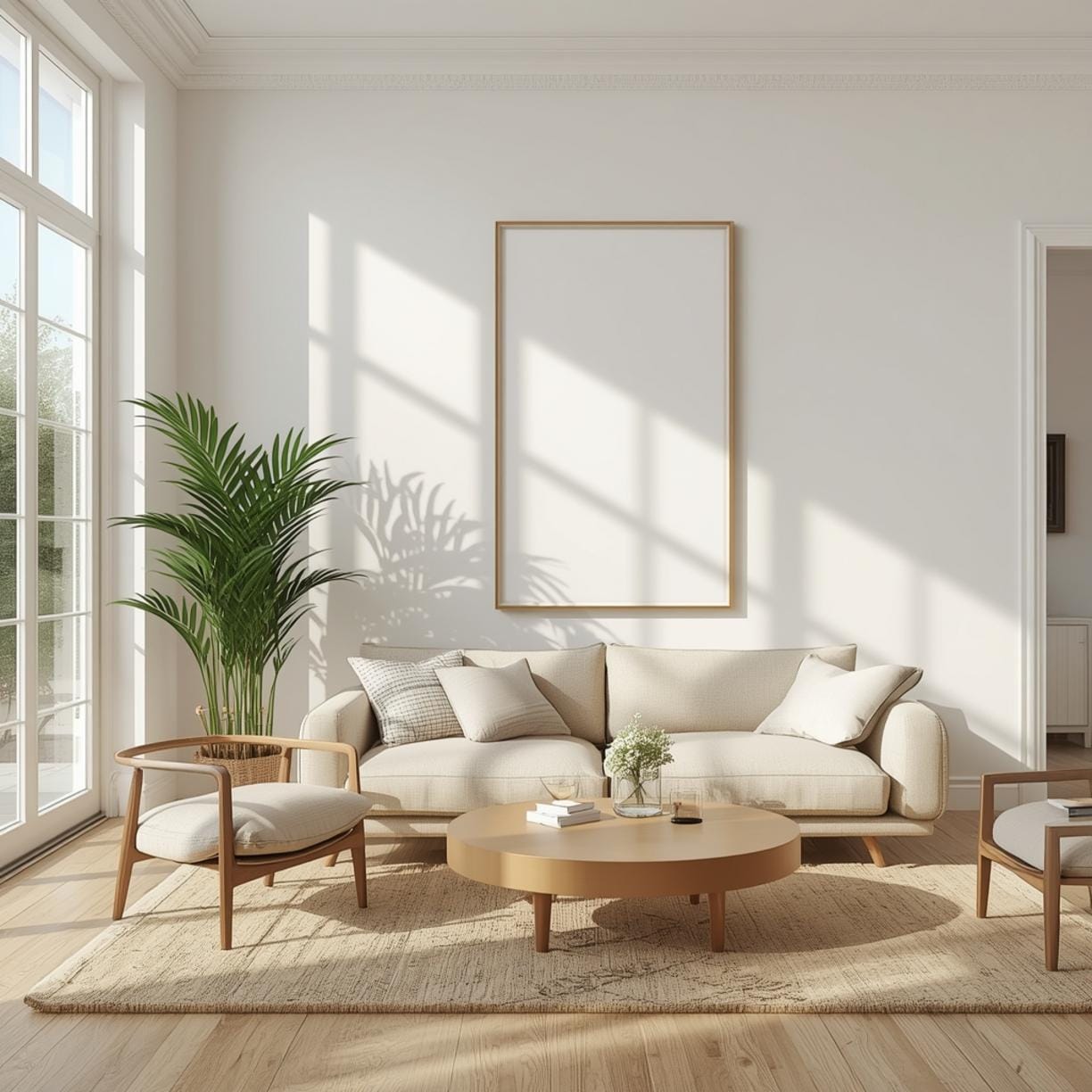
1. Start with a Neutral Base Sofa
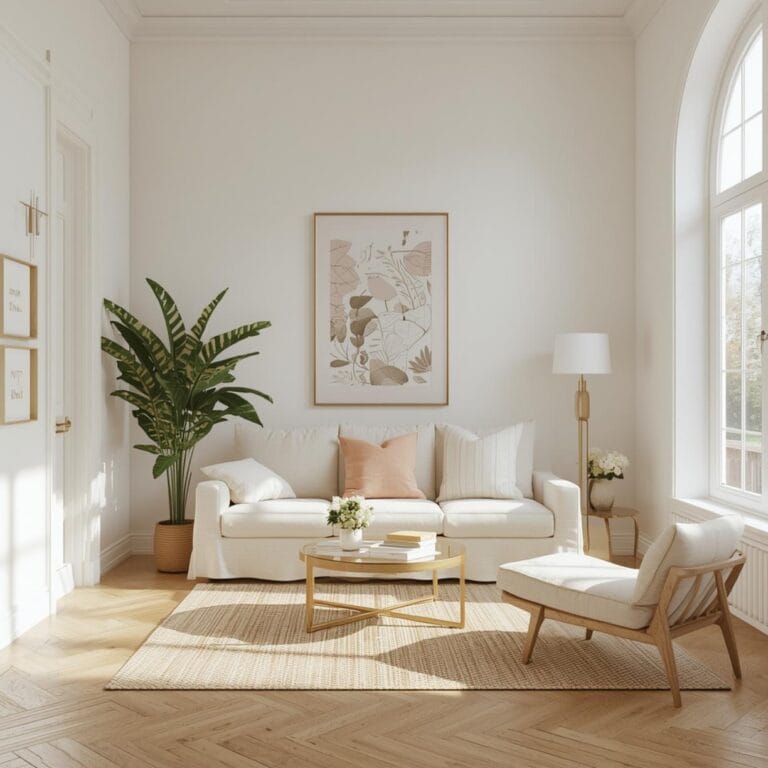
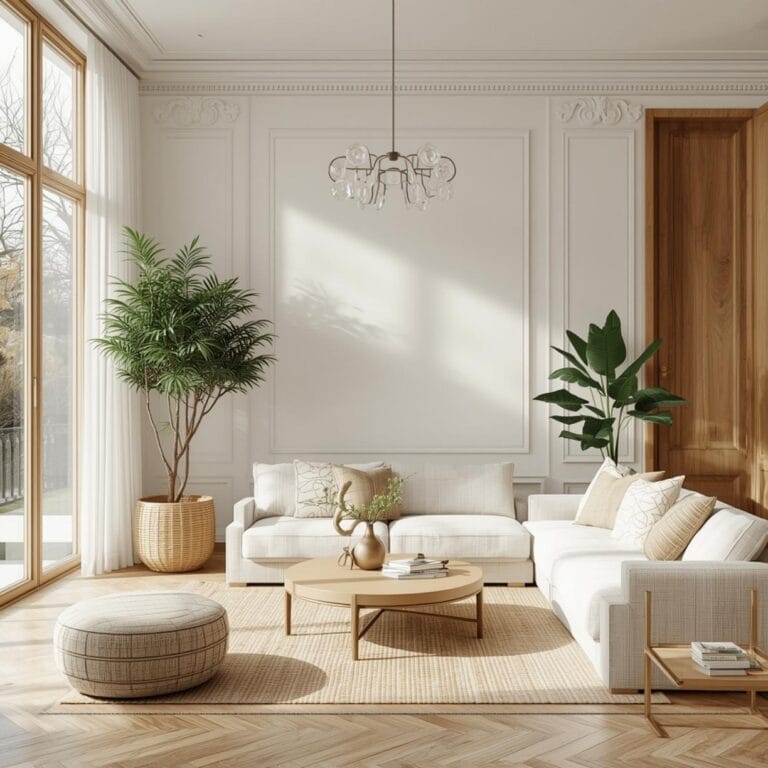
Choose a comfortable sofa in cream, tan, or soft gray. This grounds your room and provides a canvas for colorful textiles. A simple linen sectional or classic three-seater works perfectly. You’ll pile it with patterned pillows and textured throws, so the sofa itself doesn’t need to shout.
Position it away from the wall if space allows. Floating furniture creates better flow and makes rooms feel larger than pushing everything against walls.
2. Layer Two Different Rugs
Place a large jute or sisal rug as your foundation, then layer a smaller vintage Persian or colorful kilim on top. This instantly adds depth and visual interest to your floor. The neutral base rug defines your seating area while the patterned top rug brings personality.
This technique also lets you experiment with colors and patterns without committing to one large expensive rug.
3. Mix Wood Tones and Furniture Eras
Combine a sleek mid-century modern coffee table with a rustic reclaimed wood side table. Add a vintage carved wooden chair next to your contemporary sofa. How to mix boho and minimalist furniture styles starts with this exact approach: pair clean-lined modern pieces with ornate or textured boho elements.
The modern pieces provide structure while boho items add warmth. Neither style overwhelms the other, creating a collected-over-time feeling that looks effortlessly curated.
4. Create a Cozy Floor Seating Zone
Add large floor cushions, poufs, or a low daybed in one corner. This creates an alternative seating area that feels relaxed and unconventional. Stack cushions in different sizes and patterns against the wall for back support.
Floor seating works beautifully for reading nooks, kids’ play areas, or casual gathering spots during parties.
5. Incorporate Natural Materials Everywhere
Choose a rattan armchair, wicker side table, bamboo shelving, and woven baskets. These natural materials bring organic texture that defines boho style. They also lighten the visual weight of your room compared to all-wood or metal furniture.
Mix different natural materials rather than matching everything. A rattan chair looks great next to a wooden coffee table and metal floor lamp.
6. Display Plants on Every Surface
Use your furniture as plant stands. Place trailing pothos on high shelves, stack succulents on coffee tables, and add a fiddle leaf fig next to your sofa. Living greenery makes boho furniture feel more intentional and alive.
Choose plant stands in macramé, wood, or woven baskets that complement your furniture without matching exactly.
7. Add One Unexpected Statement Piece
Include something surprising like a hanging swing chair, vintage Moroccan pouf, peacock chair, or hand-carved wooden bench. This single standout piece gives your room a focal point and conversation starter.
Statement pieces prevent boho rooms from feeling too coordinated or planned. They inject personality and show you followed your own taste.
Benefits of Choosing Boho Living Room Furniture
Your living room becomes instantly more inviting when boho furniture fills the space. This style prioritizes comfort and personality over rigid design rules, making your home feel genuinely lived-in rather than staged.
You’ll actually want to spend time there. Low, comfortable seating with plenty of cushions encourages lounging, reading, and long conversations. Unlike formal furniture that looks better than it feels, boho pieces invite you to kick off your shoes and stay awhile.
Mixing styles becomes easier and more forgiving. That antique side table your grandmother gave you? It fits beautifully. The modern sofa you already own? Perfect. Boho style celebrates eclectic combinations, so you’re not locked into replacing everything to achieve one specific look.
Your space tells your story. Each piece you choose reflects your travels, interests, and discoveries. Your living room becomes a visual autobiography rather than a showroom. Guests see your personality immediately when they walk through the door.
Natural materials improve air quality and mood. Wood, rattan, cotton, and other organic materials create a healthier indoor environment compared to synthetic furniture. They also connect your interior space to nature, which studies show reduces stress and improves wellbeing.
The style ages gracefully. Boho furniture looks better with time. Small scratches, fading, and patina add character rather than signaling it’s time to replace everything. You’re not constantly chasing perfection because imperfection is the point.
Budget-Friendly Options and Styling Advice
Budget-Friendly Approach:
Start with thrifted and secondhand pieces. Estate sales, Facebook Marketplace, and vintage shops overflow with affordable boho furniture. That wooden coffee table missing its original finish? Perfect for your space. Woven chairs with slightly frayed edges? Even better.
Focus your spending on one quality sofa, then fill in with affordable accent pieces. Use floor cushions instead of multiple chairs, DIY your own macramé wall hangings, and repurpose items you already own in new ways.
Mid-Range Approach:
Invest in comfortable upholstered seating and a solid wood coffee table as your foundation pieces. Shop retailers that specialize in globally-inspired furniture for authentic-looking rattan chairs and woven storage.
Mix these mid-range investment pieces with budget finds to balance quality and character. Spend more on items you use daily like sofas and chairs, less on decorative accent tables and storage baskets.
Premium Approach:
Commission custom furniture from local artisans or purchase authentic vintage pieces from reputable dealers. Invest in handwoven textiles directly from makers, solid hardwood furniture that lasts generations, and unique statement pieces.
Premium doesn’t mean pristine. Even at this level, choose pieces with history, texture, and soul over mass-produced luxury items. A hand-carved antique wooden chest has more boho appeal than a designer acrylic coffee table.
Small Space Adaptation:
Choose furniture with dual purposes. An ottoman serves as coffee table and extra seating. Nesting tables tuck away when not needed. Wall-mounted shelves display décor without consuming floor space.
Keep larger furniture light in color and material. A cream linen loveseat and rattan chair take up the same physical space as darker alternatives but feel less heavy visually. Use vertical space for plants and storage instead of spreading horizontally.
Common Mistakes to Avoid
Buying everything at once from the same retailer. Boho style should look collected over time, not purchased in a single shopping trip. Space out your furniture acquisitions and mix sources for authentic character.
Forgetting about scale and proportion. Oversized furniture overwhelms small rooms while tiny pieces get lost in large spaces. Measure your room and furniture carefully before buying, and aim for varied heights to create visual interest.
Matching woods and materials too carefully. Boho thrives on mixing different wood tones, metals, and textures. If every piece looks coordinated, you’ve gone too far toward catalog perfection.
Neglecting comfort for aesthetics. That beautiful vintage chair looks amazing but hurts after ten minutes? Add a cushion or skip it entirely. Boho furniture should function beautifully for actual living, not just photographs.
Overcrowding the space with too many pieces. More isn’t always better. Leave breathing room between furniture groups, maintain clear walking paths, and resist filling every corner. Negative space lets each piece shine and prevents the room from feeling cluttered.
Ignoring your existing architecture. Boho style adapts to different home styles, but work with your space rather than against it. Modern apartments might lean toward cleaner boho minimalism while Victorian homes can handle more ornate vintage pieces.
Keeping Your Boho Furniture Beautiful
Natural materials need different care than synthetic furniture, but maintenance stays simple with regular attention.
Dust woven furniture weekly using a soft brush attachment on your vacuum. This prevents dirt from settling deep into rattan, wicker, and cane. For stubborn dust, use a barely damp cloth and dry immediately to prevent water damage.
Rotate cushions and pillows monthly so they wear evenly. Flip seat cushions every few weeks and switch pillow positions regularly. This extends their life and prevents permanent impressions or fading in one spot.
Condition wooden furniture seasonally with natural oils appropriate for the finish. Wipe down wood pieces with a dry cloth weekly, addressing spills immediately. Avoid chemical cleaners that damage natural finishes over time.
Refresh textiles regularly by shaking out rugs, laundering removable cushion covers, and airing out throws in direct sunlight. Sunlight naturally deodorizes and sanitizes fabrics without harsh chemicals.
Tighten loose connections twice yearly on wooden and wicker furniture. Check joints, screws, and woven sections for wear. Catching small issues early prevents larger repairs later.
Protect furniture from direct sunlight if possible, especially natural fabrics and woods that fade quickly. Use sheer curtains to diffuse harsh rays while maintaining bright, airy spaces.
Create the Living Room You’ll Love Living In
Your boho living room journey starts with just one piece that speaks to you. Maybe it’s a gorgeous rattan chair you spotted at an estate sale or a vintage wooden coffee table you’ve been eyeing online. That single item sets your direction and gives you confidence to keep building.
Remember that the most beautiful boho spaces evolved slowly with intention and patience. Give yourself permission to create a living room that reflects your life right now while remaining open to change as your style develops.
Ready to transform your space with more inspiring ideas? Explore DecorKingdom for hundreds of room-by-room guides that help you design a home you genuinely love.
FAQs
Can boho furniture work in a modern apartment?
Absolutely. Modern spaces actually provide the perfect clean backdrop for boho furniture to shine. Start with minimal modern pieces like a simple sofa, then layer in natural textures, woven chairs, and plants. The contrast between sleek architecture and organic furniture creates a sophisticated, livable balance.
How many patterns can I mix in a boho living room?
Mix as many as you want, but vary the scale. Combine large-scale prints with medium geometric patterns and small detailed designs. Stick to a cohesive color palette even if patterns differ, and include solid pieces to give your eye places to rest between busy sections.
Is all boho furniture low to the ground?
Not necessarily. While floor seating and low sofas are common, boho style includes furniture at various heights. Mix low coffee tables with standard-height bookshelves, tall plants, and vertical wall hangings. Varied heights create visual interest and prevent the room from feeling too horizontal.
What’s the difference between boho and shabby chic furniture?
Boho emphasizes global influences, natural materials, and layered textures in warm earth tones. Shabby chic focuses on distressed painted furniture, soft pastels, and vintage romance with a more feminine aesthetic. Boho feels worldly and eclectic while shabby chic feels cottage-like and nostalgic.
Do I need to buy expensive vintage pieces for authentic boho style?
No. New furniture made from natural materials works perfectly alongside affordable thrifted finds. Focus on texture, warmth, and pieces that feel meaningful to you rather than price tags or authenticity certificates. The most important element is creating a space that reflects your personal story.
—
Meta Title: Boho Living Room Furniture Guide: Ideas for 2026
Meta Description: Transform your space with boho living room furniture that adds warmth and character. Mix styles, textures, and colors for a home you’ll love.