Walnut Dining Room Sets: The Ultimate Guide to Timeless Elegance
You walk into your dining room and something feels off. The furniture looks dated, the wood tones clash with everything, and the whole space just doesn’t reflect the warm, welcoming vibe you want for family dinners and weekend gatherings.
Walnut Dining Room Sets have become one of the most sought-after choices for homeowners who want that perfect blend of sophistication and durability. The rich, chocolate-brown tones with natural grain patterns create an instant focal point that works with almost any decor style.
Whether you’re furnishing your first home or finally upgrading that hand-me-down table you’ve had for years, walnut brings a level of quality and character that cheaper alternatives just can’t match. The natural beauty of this hardwood ages gracefully, making it an investment piece you’ll actually want to pass down someday.
Table of Contents
Key Terms and Elements to Know
Understanding what makes up a quality walnut dining set helps you shop smarter and avoid disappointment. Here’s what you should know before making any purchase:
Solid Walnut vs. Walnut Veneer: Solid walnut means the entire piece is carved from walnut hardwood, while veneer has a thin layer of walnut over less expensive wood. Both can be beautiful, but solid walnut offers better longevity and can be refinished multiple times.
American Black Walnut: This is the premium variety you’ll see most often. It’s harvested domestically and features those gorgeous dark brown hues with occasional lighter sapwood streaks.
Table Shapes: Rectangular tables seat the most people and fit traditional spaces. Round tables encourage conversation and work well in smaller rooms. Oval combines the best of both.
Chair Styles: Upholstered seats add comfort for longer meals. Solid wood seats maintain the cohesive look but might need cushions for extended dinner parties.
Finish Types: Oil finishes penetrate the wood and enhance the natural grain. Polyurethane creates a protective shell that’s more stain-resistant but can look less natural.
Hardware and Joinery: Look for dovetail joints on drawers and mortise-and-tenon joints on table legs. These traditional techniques mean better stability than glued or stapled pieces.
The set typically includes a dining table and matching chairs, but some collections offer coordinating buffets, hutches, or benches for a complete room design.
Common Misconceptions to Clear Up First
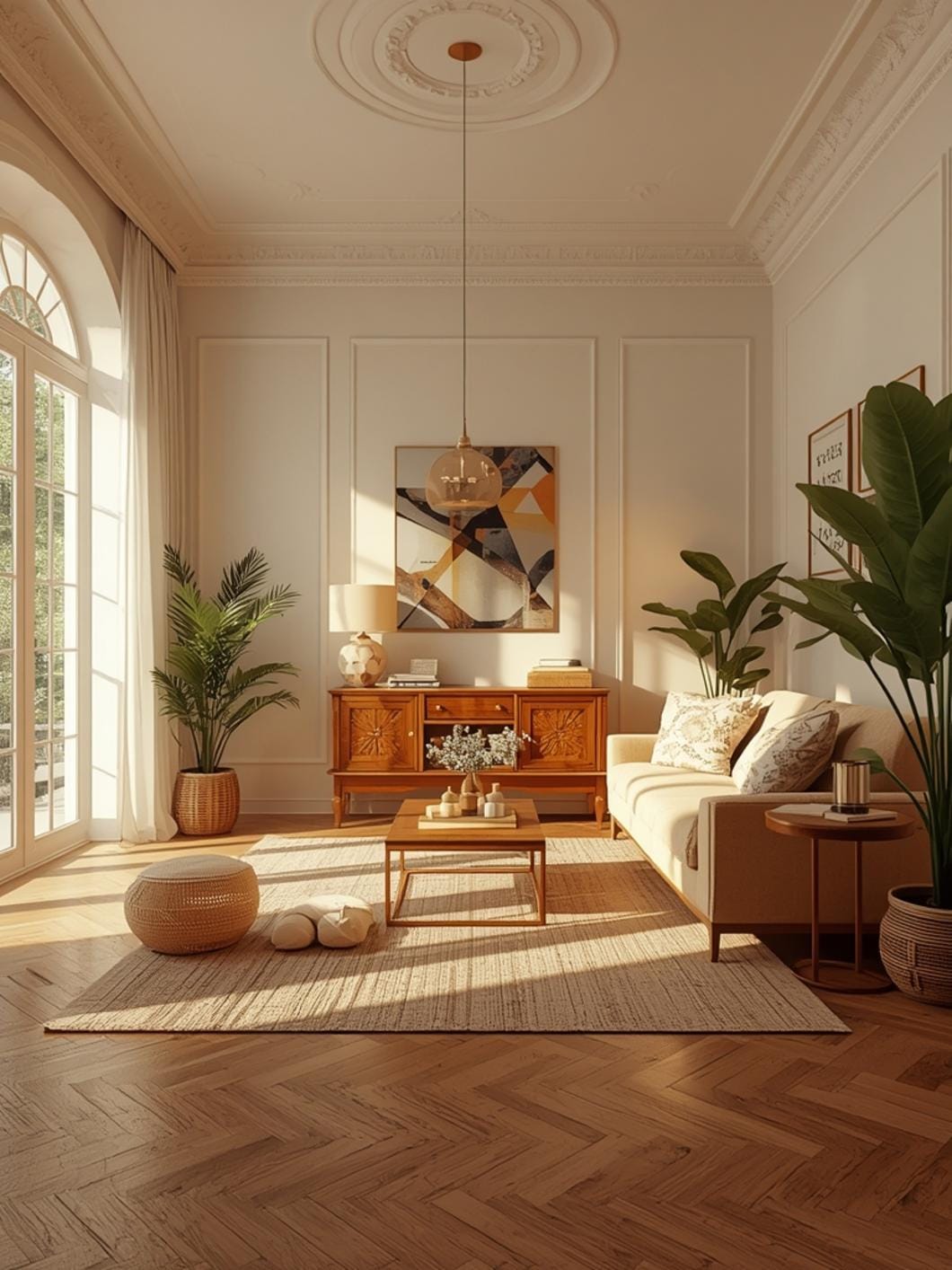
Many homeowners hesitate to buy walnut furniture because they’ve heard things that aren’t quite accurate. Here’s the truth behind common concerns.
Misconception: Walnut is too dark for small spaces. The reality is that walnut’s warmth actually makes small dining areas feel cozier rather than cramped. Pair it with lighter wall colors and good lighting, and the contrast creates depth.
Misconception: It only works in traditional or rustic homes. Walnut is incredibly versatile. Mid-century modern designs famously showcased walnut, and contemporary spaces love it for the organic texture it brings to minimalist schemes.
Misconception: All walnut furniture is expensive. While solid walnut tables can be pricey, walnut veneer options offer the same beautiful appearance at a fraction of the cost. You can find quality sets at various price points depending on construction quality.
Misconception: It requires constant maintenance. Walnut is actually quite low-maintenance compared to lighter woods that show every scratch. The natural oils in the wood help resist minor damage, and the varied grain pattern hides normal wear beautifully.
Misconception: You need to match all your wood tones exactly. Mixing wood finishes is completely acceptable in modern decorating. Walnut pairs beautifully with oak, maple, or even painted furniture as long as you maintain balance throughout the room.
Understanding these facts gives you confidence to choose walnut without worrying about outdated decorating “rules” that don’t actually apply.
How It Works in Real Homes
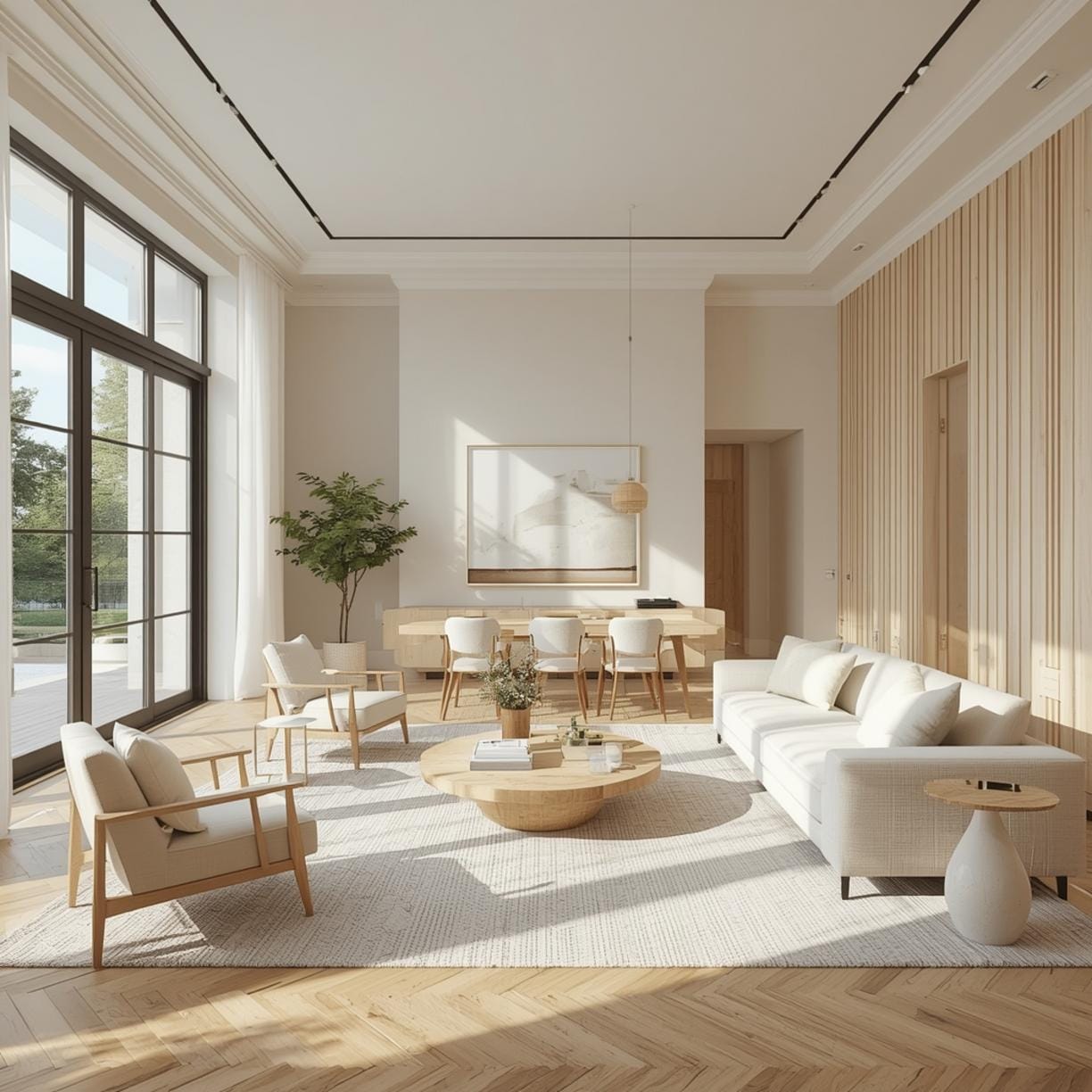
Seeing how walnut dining sets function in actual living spaces helps you visualize the possibilities for your own home.
The Open-Concept Challenge: Sarah in Portland had a dining area that flowed directly into her gray-and-white kitchen. She worried walnut would feel too heavy. Instead, the warm tones created a natural zone definition without needing a physical divider. The wood added the organic element her modern space was missing.
The Family-Friendly Reality: Mike and Jennifer have three kids under ten. They chose a walnut veneer set with a polyurethane finish specifically for durability. After two years of homework sessions, art projects, and daily meals, their table still looks nearly new. The dark color genuinely hides minor scratches better than their previous light oak table ever did.
The Small Space Solution: Emma’s Brooklyn apartment has a dining nook barely big enough for four people. Her round walnut pedestal table eliminates corner bulk, and the single center support means chairs tuck in completely. The rich wood makes the small space feel intentional rather than cramped.
The Rental Transformation: Alex can’t paint his rental’s beige walls, but his walnut dining set instantly upgraded the builder-grade space. Because walnut has inherent visual interest, it carries the room’s style even without other major changes.
How to maintain walnut wood furniture becomes simple when you understand that regular dusting and occasional conditioning are usually sufficient. Most homeowners wipe their tables with a slightly damp microfiber cloth after meals, then use a walnut-specific wood conditioner every three to six months.
The Entertaining Factor: The Martinez family hosts weekly dinner parties. Their extendable walnut table seats six normally but opens to accommodate ten. The extension leaf stores inside the table, so they don’t sacrifice storage space elsewhere. The substantial wood thickness means no wobbling even when fully extended.
The Mixed-Era Approach: Catherine combined her inherited mid-century walnut chairs with a new live-edge walnut table. Because the wood itself matches, the different styles create an collected-over-time look that feels personal rather than matchy-matchy.
Real homes prove that walnut dining sets adapt to various lifestyles, spaces, and aesthetic preferences better than many homeowners initially expect.
Benefits Beyond Just Looking Good
The advantages of choosing walnut extend far beyond surface-level appearance.
Durability That Justifies the Investment: Walnut ranks high on the Janka hardness scale, meaning it resists dents and scratches better than softer woods like pine or cherry. Your table can handle the reality of daily use without looking beat-up after a few years.
Timeless Appeal Protects Resale Value: Design trends come and go, but walnut has remained desirable for decades. If you move, quality walnut furniture holds its value and appeals to potential buyers or can be resold easily.
Natural Warmth Changes Your Room’s Feel: The rich, chocolate tones create an instantly welcoming atmosphere. Walnut makes even casual Tuesday dinners feel a bit special, encouraging families to actually sit down together more often.
Allergen-Friendly Material: Unlike upholstered furniture that traps dust and allergens, solid wood tables wipe clean completely. This matters especially for households with asthma or allergy concerns.
Acoustic Benefits: Wood furniture helps absorb sound rather than reflecting it like glass or metal. Your dining conversations won’t echo in the space, creating a more comfortable auditory environment.
Sustainability Factor: Walnut trees grow relatively quickly for hardwoods, and American sources are typically well-managed. Choosing quality furniture you’ll keep for decades is inherently more sustainable than buying cheap pieces you’ll replace every few years.
Versatility for Future Redecorating: When you eventually want to change your dining room’s style, walnut works with new color schemes. You can repaint walls, change curtains, or swap accessories without needing to replace your furniture investment.
The practical and emotional benefits combine to make walnut dining sets one of the smartest furniture investments for your home.
Tips, Alternatives, and Styling Advice
Finding the right walnut dining set for your budget and space takes some strategic thinking.
Budget-Friendly Option: Look for walnut veneer over engineered wood or MDF core. These sets deliver the beautiful appearance at $800–$1,500 for a table and four chairs. Check for quality edge banding and a thick veneer layer that won’t peel. Target and West Elm outlet sections often carry these options.
Mid-Range Option: Solid walnut tops with veneer bases offer a nice compromise at $2,000–$3,500. The table surface gets the durability benefits of solid wood where it matters most, while veneer on the chair frames and table legs keeps costs reasonable without sacrificing appearance.
Premium Option: Full solid walnut construction with hand-rubbed finishes and custom dimensions runs $4,000–$8,000 and up. These heirloom pieces feature book-matched grain patterns, handcrafted joinery, and the ability to refinish multiple times over decades. Custom furniture makers and high-end retailers carry these collections.
Small Space Adaptation: Choose a drop-leaf or butterfly-leaf table that expands only when needed. Round or oval shapes maximize seating in tight quarters. Consider benches on one side instead of chairs—they tuck completely under the table and can double as hallway seating.
Rental-Friendly Approach: Invest in the dining table as your anchor piece but pair it with more affordable chairs you can replace later. This lets you allocate more budget to the quality table while keeping overall costs manageable. Floor protectors under legs prevent damage to rental flooring.
Color Coordination: Walnut pairs beautifully with sage green, dusty blue, warm white, or charcoal gray walls. For accessories, brass and gold metallics enhance the warmth, while matte black creates striking contrast.
Lighting Considerations: Hang your chandelier or pendant 30–36 inches above the table surface. Choose fixtures with warm-toned bulbs (2700K–3000K) to enhance walnut’s natural richness rather than washing it out with cool lighting.
The right combination of quality and budget-conscious choices means you can enjoy walnut’s beauty regardless of your price point.
Common Mistakes to Avoid
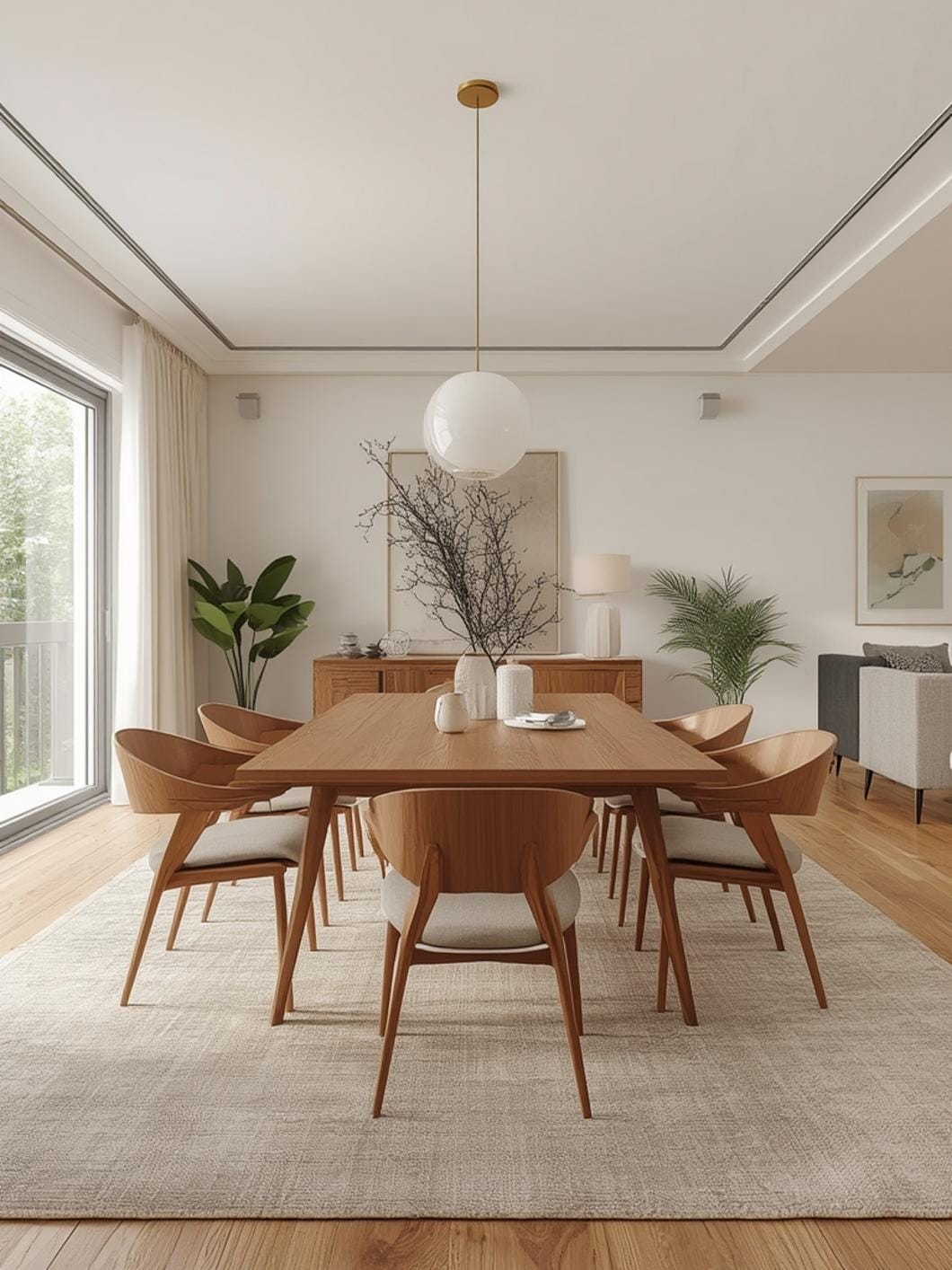
Learning from others’ missteps saves you frustration and money.
Mistake: Buying a table too large for your room. You need at least 36 inches of clearance on all sides for chairs to pull out comfortably. Measure your space carefully and mark the table dimensions on the floor with painter’s tape before purchasing.
Mistake: Choosing chairs without testing them first. Photos don’t reveal how a chair actually feels during a two-hour dinner party. Visit showrooms to sit in display models, paying attention to seat height, back support, and armrest placement.
Mistake: Skipping the leaf when you “never entertain.” Life changes—kids have friends over, relatives visit, you make new couple friends. An extendable table offers flexibility without permanently taking up more space, and you’ll use it more than you think.
Mistake: Using glass cleaner or all-purpose spray on wood. These products leave buildup that dulls the finish and can damage the protective coating over time. Stick to wood-specific cleaners or just water on a microfiber cloth for daily cleaning.
Mistake: Placing the table directly under HVAC vents. Constant air flow causes uneven drying that can lead to cracking or warping over time. Position your dining set away from direct heating and cooling sources whenever possible.
Mistake: Forgetting about chair width when calculating how many fit. Each person needs 24 inches of table edge space to eat comfortably. Measure your chair widths—some dining chairs are 22 inches wide, meaning fewer will fit than you expect around your table.
Avoiding these common errors ensures your walnut dining set looks and functions beautifully from day one.
Maintenance and Upkeep Tips
Keeping your walnut dining set looking showroom-fresh takes minimal effort with the right approach.
Daily Care: Wipe the table with a soft, dry microfiber cloth after meals to remove crumbs and dust. For sticky spots, barely dampen the cloth with water and dry immediately. This simple habit prevents buildup that requires deeper cleaning later.
Monthly Conditioning: Apply a quality furniture oil or wax designed for walnut every 4–6 weeks. Rub it in following the grain direction, let it penetrate for 15 minutes, then buff away excess. This maintains the wood’s natural moisture balance and enhances the finish.
Stain Emergency Response: For water rings, place a clean cloth over the mark and press with a warm (not hot) iron for a few seconds. The heat draws moisture out of the wood. For other spills, blot immediately rather than wiping, which can spread the stain.
Seasonal Adjustments: Wood expands and contracts with humidity changes. Use a humidifier in winter when heating dries the air, and a dehumidifier in humid summer months. This prevents gaps or cracks from developing in solid wood pieces.
Scratch Repair: Minor surface scratches often disappear by rubbing with a walnut meat directly on the mark—the natural oils fill and darken the scratch. For deeper gouges, walnut-colored fill sticks from hardware stores blend the damage.
Sun Protection: Rotate table centerpieces and placemats regularly to ensure even color aging. Walnut darkens gradually with sun exposure, and you don’t want permanent light patches where decor items always sit.
Chair Maintenance: Tighten screws on chair legs every six months. Loose joints cause wobbling that stresses the wood and can lead to breaks. Check upholstered seats for wear and vacuum crevices to prevent dust buildup.
These simple practices keep your investment looking beautiful for decades without requiring professional restoration.
Conclusion
Walnut dining room sets bring together beauty, durability, and timeless style in a way few furniture choices can match. The rich tones warm up any space while standing up to real family life better than you might expect.
Whether you choose solid walnut or veneer, modern or traditional styling, this hardwood adapts to your home’s unique personality. The maintenance requirements are honestly simpler than most homeowners fear, and the investment pays off in years of gorgeous, functional use.
Ready to transform your dining space? Explore more inspiring room ideas and practical decorating guides here at DecorKingdom.
FAQs
What’s the difference between American black walnut and other walnut types?
American black walnut comes from trees grown in North America and features darker, richer brown tones with more pronounced grain patterns. European walnut is typically lighter with more gray undertones, while Claro walnut from California has dramatic swirling patterns. American black walnut is generally considered the premium choice for furniture and is what you’ll find in most quality dining sets.
Can I mix a walnut dining table with different wood chairs?
Absolutely! Mixing wood tones creates visual interest and prevents that overly-matched showroom look. Walnut pairs especially well with lighter woods like oak or maple chairs, which create pleasing contrast. Just make sure the undertones work together—walnut’s warm browns look best with other warm-toned woods rather than pieces with orange or red undertones.
How do I know if I’m getting real walnut or a cheaper lookalike?
Check the edges and underside of the table where you can see the raw wood. Real walnut shows consistent color and grain pattern throughout, while printed laminate will have a repeating pattern or look flat and uniform. The weight also tells a story—solid walnut and even quality veneer pieces feel substantial, while laminate over particleboard feels noticeably lighter.
Will my walnut table change color over time?
Yes, walnut naturally darkens and develops a richer patina with age and sun exposure. This is actually considered desirable—the deepening color adds character and proves you have genuine wood. The change happens gradually over years, and UV-protective window treatments can slow the process if you prefer more consistency.
What size table fits six people comfortably?
A rectangular table should be at least 60 inches long and 36 inches wide for six people—that’s three on each long side. For more comfortable spacing that doesn’t feel crowded, look for 72 inches long. Round tables need a 48-inch diameter for six people with adequate elbow room. Remember to add your room clearance space when measuring to ensure chairs can pull out properly.
—
Meta Title: Walnut Dining Room Sets: Complete 2026 Guide
Meta Description: Choose the perfect walnut dining room sets for your home. Expert tips on styles, maintenance, and avoiding costly mistakes.