How to Choose High Table Dining Room Sets
You’ve walked past that empty corner in your kitchen a hundred times, imagining something better than the cramped table that barely seats four. Maybe you’ve admired the elevated dining setups in your favorite restaurants and wondered if that same energy could work in your home.
High Table Dining Room Sets bring that modern, social dining atmosphere right into your space. They’re perfect for open-concept homes where the dining area flows into the kitchen or living room, creating a casual yet sophisticated gathering spot your family and friends will naturally gravitate toward.
These elevated dining sets aren’t just about style—they transform how you use your space. Whether you’re sharing weeknight dinners or hosting weekend brunch, bar height tables create an inviting, energetic vibe that standard dining sets simply can’t match.
Table of Contents
What You’ll Need to Get the Look
Creating your elevated dining space starts with understanding what makes these sets work beautifully in real homes.
The Table Itself:
– Bar height table (40-42 inches tall) in wood, metal, or glass
– Pedestal base or four-leg design depending on your space shape
– Surface size ranging from 36-inch rounds to 60-inch rectangles
Seating Options:
– Counter-height stools or chairs (24-26 inch seat height)
– Upholstered seats for comfort during longer meals
– Backless stools for a streamlined look in tight spaces
– Swivel seats for easy movement in busy kitchens
Complementary Elements:
– Area rug sized to extend 24 inches beyond each side of the table
– Pendant lighting positioned 30-36 inches above the table surface
– Storage console or sideboard at standard height for serving pieces
– Wall art or mirror positioned to account for the elevated sightlines
Finishing Touches:
– Table runner or placemats scaled to the table dimensions
– Centerpiece that doesn’t obstruct conversation (under 12 inches tall)
– Bar cart for beverage service during gatherings
– Floor cushions or poufs for additional casual seating nearby
Finding Your Style and Season
The beauty of elevated dining sets is their versatility across different home styles and seasons.
Modern Minimalist Homes:
These sets shine in contemporary spaces with clean lines and neutral palettes. A sleek metal base with a wood or marble top creates visual interest without clutter. The elevated height naturally draws the eye upward, making rooms feel more spacious and architectural.
Farmhouse and Rustic Spaces:
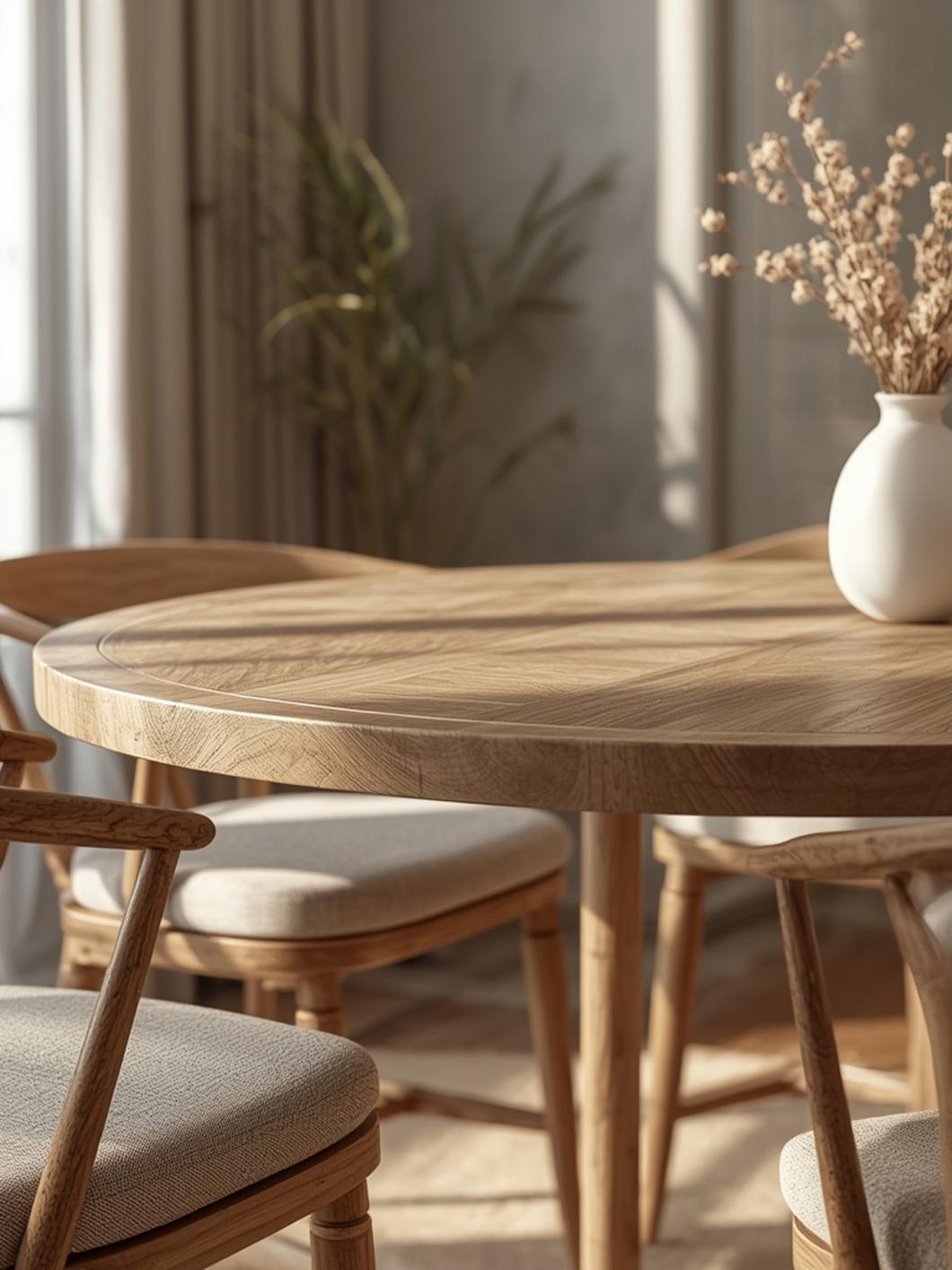
Reclaimed wood high tables with matching bench seating bring warmth while maintaining that elevated, casual gathering vibe. The combination of bar height with natural materials creates an approachable yet distinctive focal point.
Transitional and Eclectic Homes:
Mix materials freely here—a glass top with wood or metal legs allows your beautiful flooring and rugs to show through. This works especially well in smaller spaces where visual weight matters.
Seasonal Adaptability:
Spring and summer months call for lighter styling with bright textiles and fresh flowers at the right scale. Fall and winter invite richer textures like velvet seat cushions and deeper color palettes. The elevated height makes seasonal centerpieces more visible and impactful from across the room.
Occasion Considerations:
Daily family meals feel more special at bar height, turning ordinary dinners into engaging experiences. For entertaining, guests naturally stand and mingle around elevated tables, creating better flow than traditional seated arrangements. Holiday gatherings work beautifully when you need flexible seating that accommodates various ages and mobility levels.
7 Ideas to Try in Your Home
Kitchen Peninsula Extension:
Transform your existing peninsula into an integrated dining space by adding a bar height table that extends perpendicular from the counter. This creates an L-shaped dining and prep area that maximizes corner space. Choose stools that tuck completely underneath when not in use.
Window-Side Breakfast Nook:
Position a round high table near your best window view with two to three stools. This setup turns morning coffee into a moment you’ll actually look forward to. The elevation provides a perfect sightline to gardens or street scenes.
Open Concept Divider:
Use your high table set as a subtle room divider between kitchen and living spaces. The see-through nature of bar stools maintains openness while clearly defining each zone. This works especially well with pedestal base tables that don’t interrupt floor space visually.
Small Space Maximizer:
A 36-inch square high table with two backless stools can serve multiple purposes in apartments or condos. Understanding how to measure dining room space for bar height table sets ensures you maintain proper clearances—you’ll need 36 inches on each side where people will sit, and only 18 inches on sides against walls or where no seating goes.
Dual-Height Dining:
Pair your elevated table with a traditional height table nearby for gatherings that need flexibility. Kids and older family members appreciate having both options available. This arrangement also works beautifully for buffet-style entertaining.
Outdoor Transition Zone:
Place your high table set near patio doors to create an indoor-outdoor dining experience. The elevation naturally aligns with most deck and patio heights, making conversation flow easier during parties that span both spaces.
Multifunctional Work-Dine Area:
Bar height tables double as standing desks or homework stations during the day. Add a couple of task-friendly stools with good back support, and you’ve created a space that works morning till night without feeling too formal or too casual.
Benefits Your Home Will Love
The elevated perspective changes everything about how your dining space feels and functions.
Enhanced Social Connection:
Bar height seating puts everyone at eye level, whether they’re sitting or standing. This creates more engaging conversations during meals and makes it easy for the cook to chat with guests while preparing food. Your kitchen becomes the heart of the home in a whole new way.
Space Efficiency:
These sets occupy less visual bulk than traditional dining tables because the elevated legs create more perceived open space underneath. Your room instantly feels larger and less crowded, especially important in homes where every square foot counts.
Improved Posture and Comfort:
The higher seating position encourages better posture than standard dining chairs. Many people find bar height seating more comfortable for extended conversations because you can easily shift positions and move around without feeling trapped.
Increased Home Value Appeal:
Modern buyers love seeing contemporary dining solutions that maximize space functionality. High table dining areas photograph beautifully and signal that your home is updated and thoughtfully designed.
Better Room Proportions:
In homes with high ceilings or tall windows, standard dining tables can look lost and make rooms feel bottom-heavy. Elevated sets help balance vertical proportions and draw attention to your home’s best architectural features.
Options for Every Budget and Space
Budget-Friendly Choice ($300-600):
Start with a quality engineered wood table and simple metal stools. Look for sets with clean lines that won’t date quickly. You can always upgrade seating later while keeping the table base. Focus your budget on a stable table rather than trendy stools.
Mid-Range Selection ($600-1200):
Solid wood tables with upholstered seating offer durability and comfort worth the investment. This price range typically includes better construction with reinforced joints and commercial-grade fabrics that withstand daily family use.
Premium Investment ($1200-3000+):
Custom-height options, premium materials like marble or exotic hardwoods, and designer seating with memory foam cushioning justify the higher cost. These pieces often include extendable table features and adjustable-height mechanisms.
Small Space Adaptation:
Choose round or oval tables over rectangular ones—they seat the same number while taking up less floor space. Wall-mounted drop-leaf bar tables work brilliantly in extremely tight quarters. Transparent materials like glass or acrylic help tiny rooms feel more open.
Renter-Friendly Approach:
Freestanding sets that don’t require installation give you flexibility. Avoid built-in peninsula extensions or wall-mounted options. Stick with lighter-weight materials that make moving easier when your lease ends.
Common Mistakes to Avoid
Ignoring Ceiling Height:
Choosing bar height furniture in a room with 8-foot ceilings creates a cramped, uncomfortable feeling. Stick with counter height (36 inches) in lower-ceilinged rooms to maintain proper proportions and comfort.
Wrong Stool Height:
Buying 30-inch stools for a 42-inch table leaves too much gap and makes eating awkward. Always maintain 10-12 inches between the seat and table surface for comfortable dining and proper arm positioning.
Insufficient Clearance Space:
Pushing a high table too close to walls or islands prevents stools from pulling out properly. Measure and mark your floor with painter’s tape before purchasing to ensure you have adequate room for movement and seating.
Overlooking Footrest Importance:
Stools without footrests become uncomfortable after 20 minutes because your legs dangle without support. Always choose seating with built-in footrests positioned about 10 inches below the seat for optimal comfort during meals.
Mismatched Lighting Height:
Hanging your pendant or chandelier at standard dining height (30 inches above a 30-inch table) over a bar height table creates awkward proportions and potential head-bumping. Raise your lighting fixture accordingly to maintain that crucial 30-36 inch clearance from the table surface.
Keeping Your Elevated Set Beautiful
Simple routine care keeps your high table dining set looking showroom-fresh for years.
Daily Maintenance:
Wipe surfaces immediately after meals with a microfiber cloth slightly dampened with water. Bar height tables show crumbs and spills more readily because of their visibility, so quick cleanups make a big difference.
Weekly Deep Clean:
Use appropriate cleaners for your table material—wood soap for natural wood, glass cleaner for glass tops, and mild dish soap for laminate surfaces. Clean stool seats with upholstery cleaner or leather conditioner depending on material.
Hardware Checks:
Tighten stool legs and swivel mechanisms monthly since bar stools endure more stress than standard chairs. Check table base connections quarterly, especially important for pedestal bases that bear all the weight centrally.
Fabric Protection:
Apply fabric protector spray to upholstered seats every six months to prevent stains from setting. This simple step dramatically extends the life of your seating and makes cleanup easier.
Floor Protection:
Add felt pads to stool feet and replace them when they wear thin. This prevents scratches on hardwood and protects your flooring investment while reducing noise when stools move.
Make the Move to Elevated Dining
High table dining room sets offer a fresh perspective on how your family gathers and connects over meals. The elevated height creates energy, saves space, and brings contemporary style to homes of every size and budget.
Whether you’re redesigning your entire dining area or simply looking for a better solution in your kitchen corner, these versatile sets adapt to your lifestyle while making every meal feel a bit more special. Start measuring your space today and discover how much potential that overlooked area actually holds.
Explore more dining room inspiration and practical decorating advice at DecorKingdom, where we help you create spaces you’ll love coming home to.
FAQs
What’s the difference between bar height and counter height dining sets?
Bar height tables measure 40-42 inches tall with stools at 28-30 inch seat heights, while counter height tables are 36 inches tall with 24-26 inch stools. Counter height works better for shorter ceiling rooms and feels slightly less casual, while bar height creates a more energetic, social atmosphere perfect for modern open-concept homes. Choose based on your ceiling height and the formality level you want.
How many people can I seat at a bar height table?
A 36-inch round or square table comfortably seats two to three people, while a 48-inch round fits four. Rectangular tables follow the guideline of 24 inches per person along the length—so a 60-inch rectangle seats five, and a 72-inch table seats six. Always prioritize comfort over cramming in extra seats, especially since bar stools take up more visual space than standard chairs.
Can kids safely use bar height dining sets?
Children ages 8 and up typically use bar height seating safely, especially stools with footrests and backs. For younger children, keep a couple of adjustable-height stools on hand that grow with them, or designate one section of your table for booster seats on standard bar stools. Always supervise young children and teach them to climb up and down facing the stool rather than jumping.
Do high tables work in formal dining rooms?
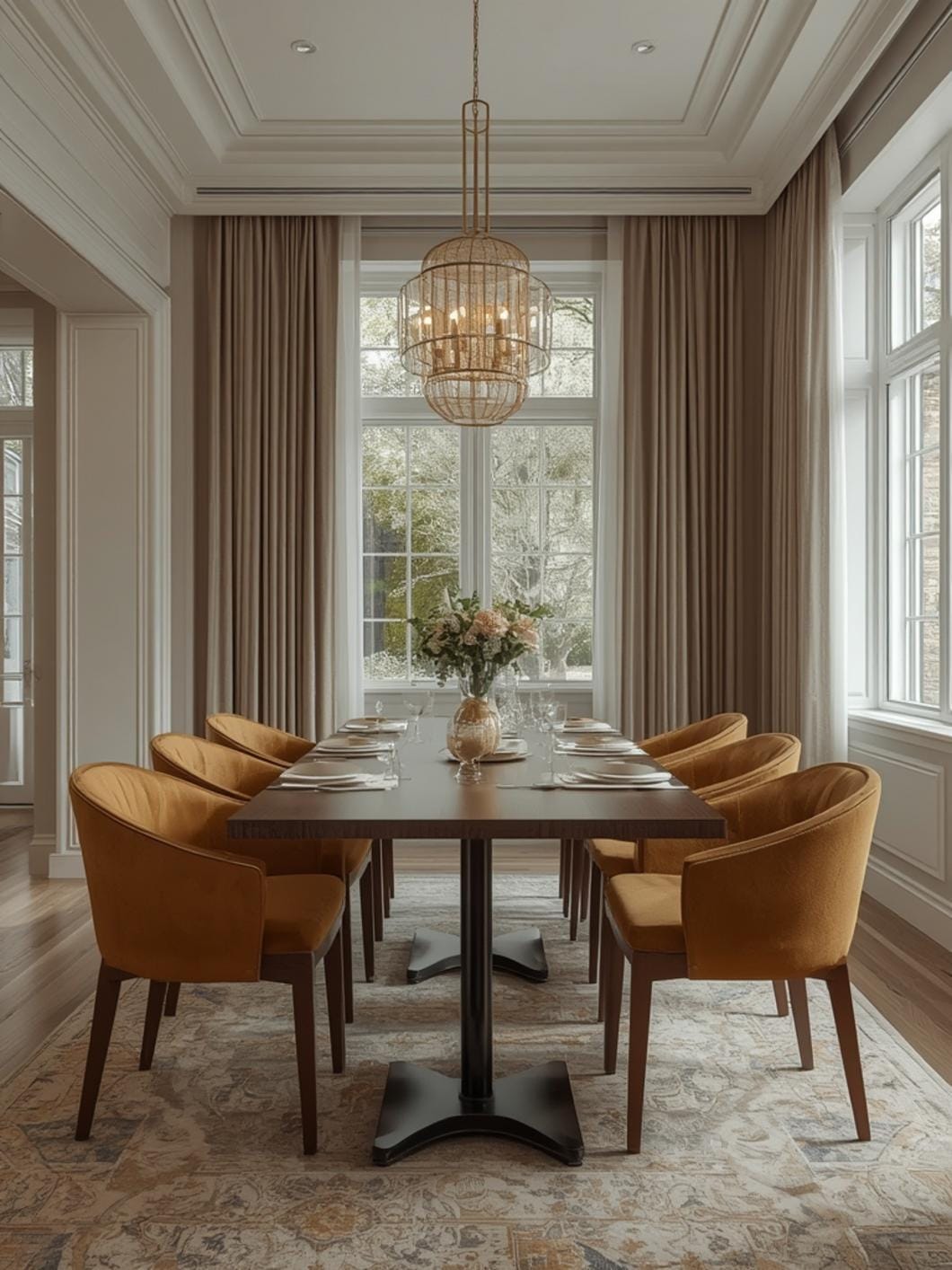
While bar height tables traditionally suit casual spaces, they absolutely work in formal settings when styled appropriately. Choose premium materials like marble or rich hardwoods, add upholstered high-back chairs instead of simple stools, and incorporate elegant lighting and table settings. The key is maintaining the elevated formality through your material choices and styling rather than the table height itself.
How do I choose between a round or rectangular high table?
Round tables excel in square rooms and small spaces because they eliminate corners and allow better traffic flow. They’re ideal for conversation since everyone faces each other equally. Rectangular tables maximize seating in narrow rooms and work better against walls or as room dividers. They also suit homes where you regularly host larger groups and need that extra seating capacity along the sides.
—
Meta Title: High Table Dining Room Sets: Fresh Ideas for 2026
Meta Description: Transform your dining space with high table dining room sets. Discover styles, sizing tips, and smart solutions for every home and budget.