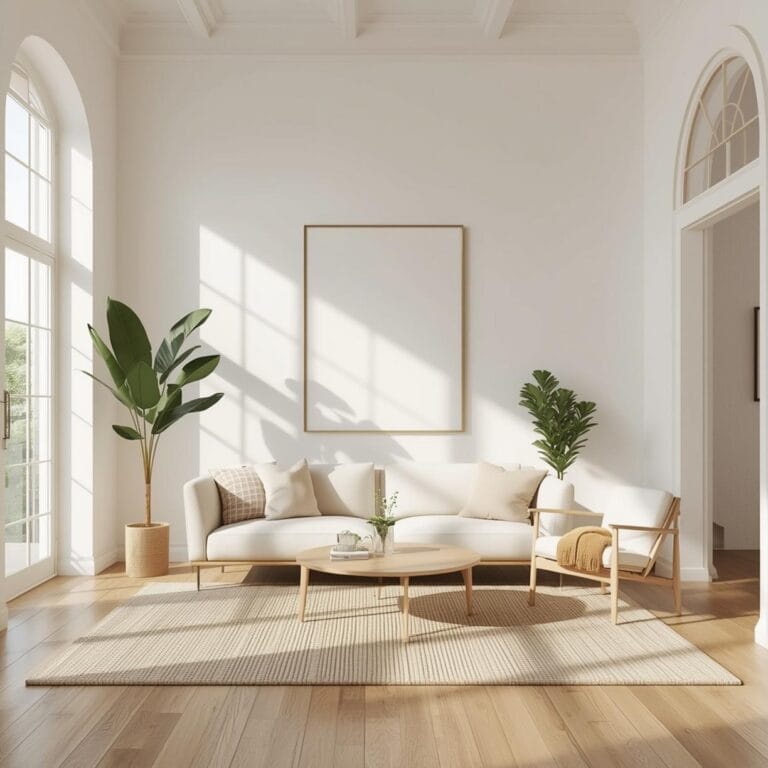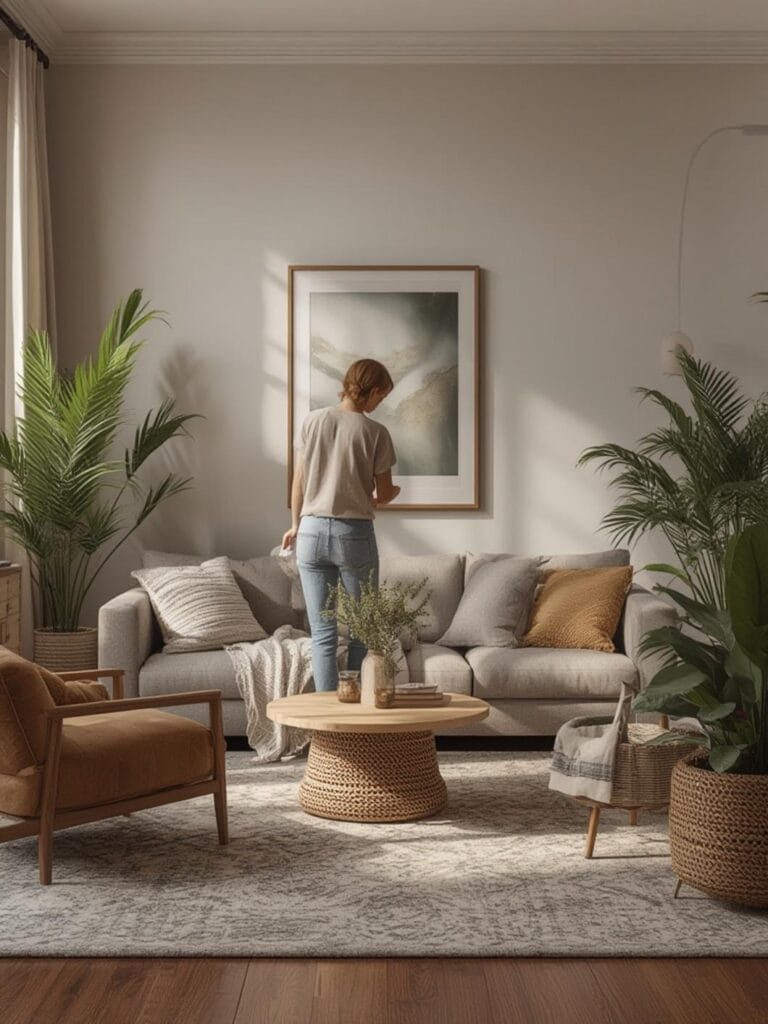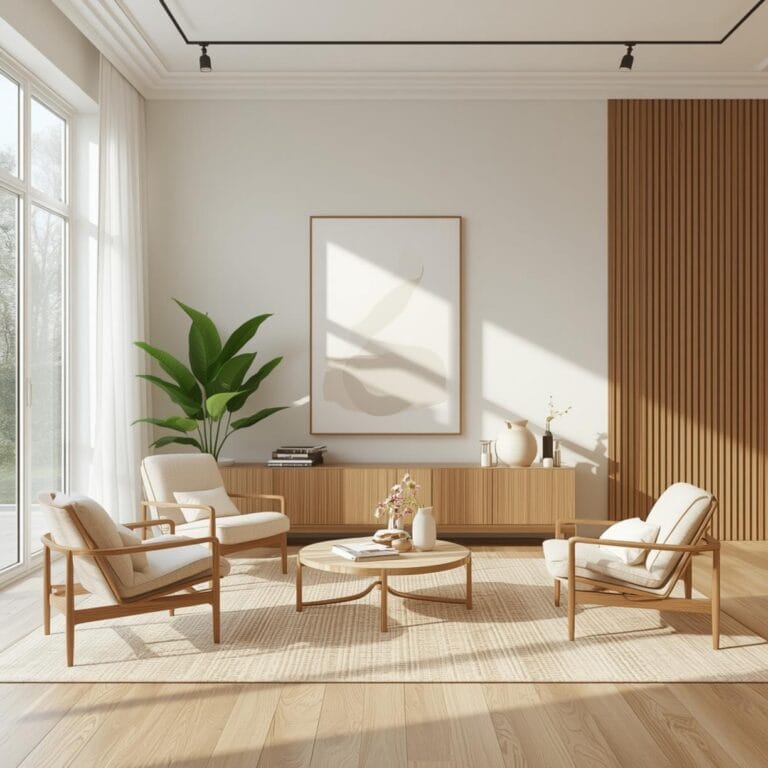
How to Choose Coastal Dining Room Sets
You walk into your dining room and feel… nothing. The space is functional, sure, but it doesn’t spark joy or make you want to linger over morning coffee. You’ve been dreaming of a room that feels like a breath of fresh ocean air—relaxed, inviting, and effortlessly beautiful.
Coastal Dining Room Sets can turn that dream into reality. These furniture collections capture the breezy elegance of seaside living, bringing light, texture, and calming colors into your home. Whether you live three blocks from the beach or three states away, you can create a dining space that feels like a permanent vacation.
The best part? You don’t need a designer’s budget or a contractor on speed dial. With the right pieces and a bit of styling know-how, your dining room can become the heart of your home—a place where family dinners feel special and weekend brunches stretch on for hours.
Table of Contents
What You’ll Need to Get the Look
Creating a coastal dining room starts with choosing the right foundational pieces and complementary decor. Here’s what goes into building this style:
Furniture essentials:
– A dining table in weathered wood, whitewashed finish, or natural teak
– Chairs with woven seats, slipcovered cushions, or painted wood frames
– A sideboard or buffet in distressed white, soft blue, or natural wood
– An open shelving unit or glass-front cabinet for display
Decorative elements:
– Woven seagrass or jute placemats and table runners
– White or cream linen napkins and table linens
– Clear glass or mercury glass hurricane candle holders
– Ceramic or wooden bowls in organic shapes
– Coral, driftwood, or shell accents (used sparingly)
– Woven baskets for storage and texture
– Nautical rope details on drawer pulls or light fixtures
– Area rug in natural fiber or soft blue tones
Color palette:
– Crisp whites and warm creams as your base
– Soft blues from pale sky to weathered denim
– Sandy beiges and warm taupes
– Seafoam greens and aqua accents
– Natural wood tones from light pine to honey oak
Choose materials that feel organic and slightly weathered rather than shiny and new. The coastal look thrives on texture and lived-in comfort.
Finding Your Style and Season
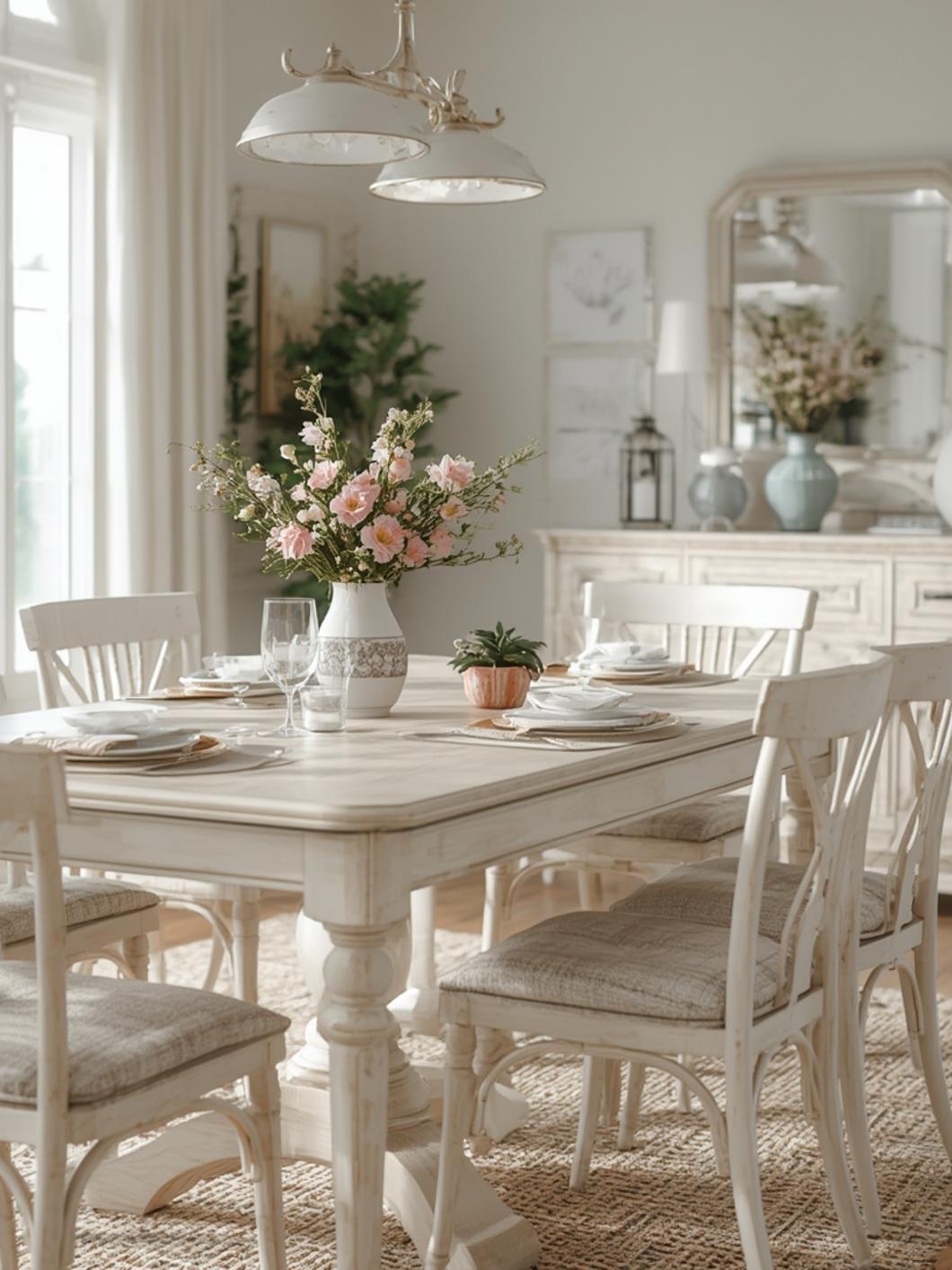
Coastal style isn’t one-size-fits-all. Your dining room can lean traditional nautical, modern minimalist beach house, or romantic cottage by the sea—it all depends on your personal taste and how you want the space to feel.
Consider your home’s natural light. Coastal dining rooms shine brightest in spaces with plenty of windows. Morning light makes white furniture glow, while afternoon sun warms up natural wood tones. If your dining room is on the darker side, opt for lighter furniture and add mirrors to bounce available light around.
Think about your entertaining style. Do you host formal dinner parties or casual weekend gatherings? A formal coastal look might include upholstered chairs and elegant table settings, while a casual approach embraces mix-and-match seating and relaxed linens.
Season matters less than you’d think. While coastal style feels most natural in spring and summer, you can easily adapt it for fall and winter. Swap lightweight linens for chunky knit throws, add candles in amber glass holders, and incorporate deeper blues and warm wood tones.
The beauty of this style is its flexibility. You’re creating a foundation that works year-round, then layering in seasonal touches that keep the space feeling fresh.
7 Ideas to Try in Your Home
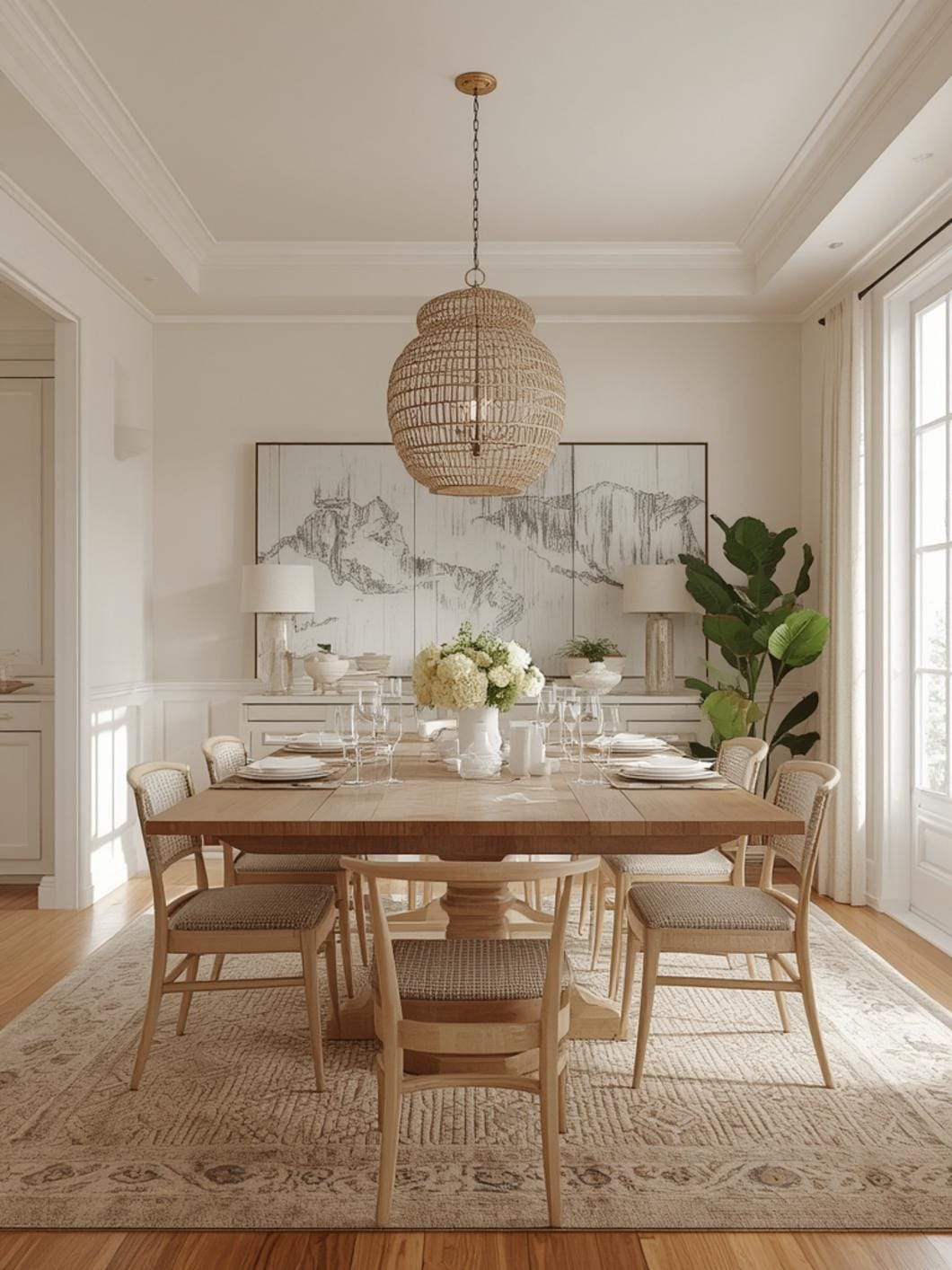
Start with an all-white foundation. Paint your walls a warm white and choose a dining set in whitewashed or painted white finishes. This creates a blank canvas that instantly feels brighter and more spacious. Layer in texture through woven placemats, linen curtains, and a jute rug. The monochromatic base prevents the room from feeling cluttered, even as you add decorative elements.
Mix wood tones for depth. Pair a natural wood table with painted white chairs, or combine a light pine table with darker walnut accents in your sideboard. This approach keeps the room from feeling flat or too matchy-matchy. How to style a coastal dining room on a budget often means working with what you already have—your existing wood furniture can absolutely fit into a coastal scheme with the right complementary pieces around it.
Embrace slipcovers for easy updates. Choose dining chairs with removable slipcovers in white or natural linen. This gives you flexibility to change the look seasonally and makes cleaning up after messy meals incredibly simple. You can find affordable slipcover chairs or add custom covers to existing chairs you already own.
Create a statement wall with shiplap. Adding horizontal wood planks to one wall instantly evokes beach house charm. Paint them white or leave them natural—both work beautifully. This DIY project takes a weekend and creates major impact without requiring professional help.
Layer in blue through accessories. Rather than committing to blue furniture, introduce the color through smaller elements. Try blue-and-white striped table runners, ceramic bowls in varying shades of aqua, or artwork featuring ocean scenes. This approach lets you adjust the intensity of color without repainting or replacing major pieces.
Install open shelving for display. Replace one section of upper cabinets or add floating shelves to display your prettiest dishes, glassware, and collected treasures. Style them with white dishes, clear glass pieces, and a few carefully chosen coastal accents. The open storage keeps the room feeling airy while adding personality.
Anchor the space with natural fiber. A large sisal or seagrass rug grounds the dining set and adds critical texture underfoot. These rugs are durable enough for high-traffic dining areas and instantly make the space feel more relaxed and organic. Choose a size that extends at least 24 inches beyond all sides of your table when chairs are pulled out.
Bring in woven elements everywhere. Seagrass placemats, rattan chargers, wicker baskets, and woven pendant lights all contribute to the coastal vibe. These textural pieces warm up painted furniture and prevent the room from feeling too stark or cold.
Keep it simple with minimal accessories. Coastal style works best when it doesn’t feel cluttered. Choose a few statement pieces—a large driftwood mirror, a collection of white ceramic vases, or a single dramatic coral branch—rather than covering every surface.
Benefits That Go Beyond Beautiful
The appeal of coastal dining rooms extends far past aesthetics. This style choice genuinely improves how you experience your home every single day.
Your space feels instantly more relaxing. The soft colors, natural materials, and uncluttered surfaces create a calming environment that helps you decompress after hectic days. Mealtimes become less rushed and more enjoyable when you’re sitting in a room that feels like a mini retreat.
Maintenance becomes surprisingly easy. Most coastal furniture features forgiving finishes that hide minor scratches and wear. Light colors and natural materials age gracefully, developing character rather than looking damaged. Slipcovers go straight in the washing machine, and simple decor means less dusting.
The style works with various budgets. You can create this look with thrift store finds, mid-range retailers, or high-end furniture makers. The emphasis on simplicity and natural materials means you’re not dependent on expensive trendy pieces to achieve the aesthetic.
Your home feels larger and brighter. The light color palette and strategic use of mirrors and glass make even small dining rooms feel more spacious. Natural light bounces around the room, creating an airy atmosphere that makes the space more inviting for both everyday meals and special occasions.
It never feels dated. While other trends come and go, coastal style has remained popular for decades because it’s rooted in timeless elements—natural materials, classic colors, and comfortable functionality. Your investment in these pieces will serve you well for years.
Tips, Alternatives, and Styling Advice
Budget-friendly approach: Start with affordable basics from major retailers and upgrade over time. A simple white-painted table and mismatched chairs from secondhand shops can look intentional and charming when unified with matching slipcovers or cushions. Add texture through inexpensive jute rugs and DIY rope-wrapped accessories.
Mid-range option: Invest in a quality solid wood dining set in a weathered or whitewashed finish. These pieces last for decades and serve as your room’s foundation. Splurge on comfortable upholstered chairs since you’ll use them daily. Save on decorative elements by shopping end-of-season sales for linens and accessories.
Premium choice: Choose handcrafted furniture in reclaimed wood or custom-finished pieces that perfectly fit your space. Invest in designer lighting fixtures and original coastal artwork. High-quality linen curtains and custom slipcovers add polish. These pieces become family heirlooms that grow more beautiful with age.
Small space adaptation: Scale down furniture proportions rather than abandoning the style. A round pedestal table takes up less visual space than a rectangular one. Choose chairs without arms to tuck completely under the table. Mount a narrow floating shelf instead of a bulky sideboard. Use mirrors strategically to expand the sense of space.
Color variations: Not everyone loves all-white rooms. Try soft gray as your base for a more sophisticated take, or embrace deeper navy blues for a bolder coastal statement. Warm whites with beige undertones work better in rooms with limited natural light than stark bright whites.
Mixing styles successfully: Coastal pairs beautifully with farmhouse, traditional, and even modern styles. The key is balancing the relaxed coastal elements with your preferred aesthetic. Add vintage finds to lean farmhouse, incorporate crystal chandeliers for traditional elegance, or choose streamlined furniture for modern coastal.
Common Mistakes to Avoid
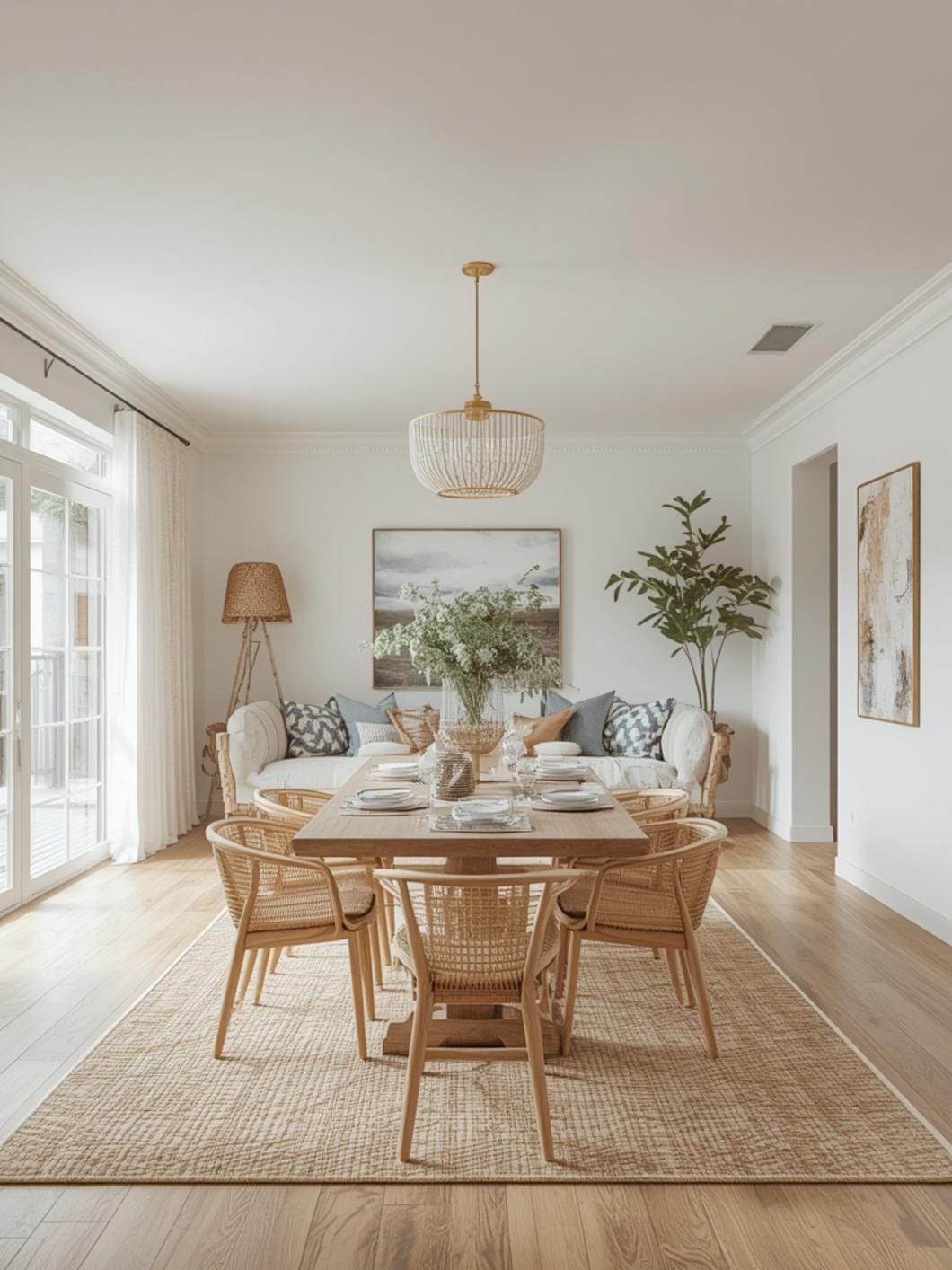
Overdoing the nautical theme makes your dining room feel like a seafood restaurant. Anchors, ship wheels, and obvious beach signs quickly cross the line from elegant to kitschy. Instead, suggest the coast through color, texture, and organic shapes rather than literal nautical symbols.
Choosing all-white everything without texture creates a sterile, uncomfortable space. The coastal look needs layers of natural materials to feel inviting. Add woven elements, varied linens, and wood tones to prevent the room from feeling cold and unwelcoming.
Buying furniture that’s too delicate for actual dining use leads to constant stress. Your dining chairs need to handle daily use, spills, and regular cleanings. Choose durable fabrics and finishes that can withstand real life, especially if you have kids or pets.
Ignoring proper rug sizing makes the room look awkward and poorly planned. Your rug should be large enough that chairs remain on it even when pulled out from the table. A too-small rug disrupts the flow and makes the space feel disjointed.
Matching everything too perfectly removes the relaxed, collected-over-time feel that defines coastal style. Mix finishes, combine different chair styles, and layer in vintage pieces alongside new purchases. The most beautiful coastal rooms look like they evolved naturally rather than being purchased all at once.
Maintenance and Upkeep Tips
Keep your coastal dining room looking fresh with these simple maintenance practices that take just minutes.
Protect wood surfaces from water rings and heat damage. Always use coasters under glasses and trivets under hot dishes. Wipe up spills immediately to prevent staining on light-colored finishes. These small habits preserve your furniture’s beauty for decades.
Vacuum under the table weekly to prevent grit from damaging your area rug. Natural fiber rugs can trap sand and dirt that gradually wears down the fibers. A quick vacuum after meals keeps both the rug and your floor underneath in good condition.
Wash slipcovers monthly or as needed. The beauty of slipcovered chairs is how easily they clean. Remove covers and machine wash according to the fabric care instructions. Put them back on chairs while still slightly damp to ensure a smooth, tailored fit.
Dust open shelving and displayed items every two weeks. A microfiber cloth makes quick work of removing dust from dishes, vases, and decorative objects. This prevents buildup that makes your carefully styled displays look neglected.
Refresh your look seasonally with simple swaps. Change out table linens, swap decorative pillows on a bench, or rotate displayed accessories. These small updates keep the room feeling current without requiring major investment.
Treat wood furniture to conditioning oil twice yearly. This keeps natural wood pieces from drying out and maintains their warm glow. Use products specifically designed for furniture rather than kitchen oils, which can turn rancid.
Create Your Coastal Retreat
Your dining room has the potential to become more than just a place to eat—it can be a daily dose of calm, a gathering space that feels effortlessly welcoming, and a reflection of your personal style. Coastal dining room sets provide the perfect foundation for building this kind of space.
The beauty of this approach is that you can start small and build over time. Begin with one key furniture piece, add texture through simple accessories, and gradually layer in the elements that speak to you. Your coastal dining room doesn’t need to happen overnight to be successful.
Ready for more ways to bring relaxed, beautiful style into every room of your home? Explore DecorKingdom for inspiration that fits your life and budget.
FAQs
What colors work best in a coastal dining room?
Stick with a foundation of whites, creams, and soft grays, then layer in blues from pale sky to deeper navy. Sandy beiges, warm taupes, and seafoam greens work beautifully as accent colors. Natural wood tones in lighter finishes complete the palette without adding heaviness.
Can I create a coastal look without buying all new furniture?
Absolutely! Paint existing wood furniture in white or soft blue, add slipcovers to chairs you already own, and introduce coastal elements through accessories, textiles, and smaller decor pieces. The style is more about the overall feeling than having matching furniture from a single collection.
How do I keep a coastal dining room from feeling too beachy or themed?
Focus on texture and natural materials rather than obvious beach symbols. Skip the seashell-covered picture frames and anchor decorations in favor of simple linen napkins, woven placemats, and organic shapes. Subtle coastal references always look more sophisticated than literal interpretations.
What’s the most important piece to invest in for a coastal dining room?
Your dining table deserves the biggest portion of your budget since it’s the room’s focal point and needs to withstand daily use. Choose solid wood in a finish you love—whether that’s natural, whitewashed, or weathered. Quality chairs come second, as comfort matters for furniture you sit in regularly.
Will coastal style work in a home that’s nowhere near the ocean?
Coastal style works beautifully anywhere because it’s really about creating a light, airy, relaxed atmosphere rather than literally recreating a beach house. The calming colors, natural materials, and uncluttered approach to decorating translate perfectly to homes in any location or climate.
—
Meta Title: Coastal Dining Room Sets: Fresh Ideas for 2026
Meta Description: Transform mealtimes with Coastal Dining Room Sets that bring breezy elegance home. Get styling tips and budget-friendly ideas today!