How to Paint a Dining Room Set Like a Pro
Your dining room set has seen better days. Maybe the wood finish is outdated, or scratches and wear are impossible to ignore. Perhaps the style just doesn’t match your home anymore, and replacing the whole set feels way too expensive.
A fresh coat of paint can completely change how your dining room looks and feels. This Painting a Dining Room Set Guide walks you through everything you need to know to tackle this project with confidence, even if you’ve never painted furniture before.
The process is more straightforward than you might think, and the results can be stunning when done right.
Table of Contents
Materials & Decor Elements
Gathering the right supplies makes all the difference. You don’t need a garage full of equipment—just quality basics that work well together.
Start with these essentials:
– Fine-grit sandpaper (120 and 220 grit) for smoothing surfaces
– Tack cloth or microfiber cloths for dust removal
– Primer designed for furniture (shellac-based or bonding primer)
– Quality furniture paint in your chosen finish
– Paint brushes in 2-inch and 1-inch sizes
– Small foam roller for flat surfaces
– Painter’s tape for protecting details
– Drop cloths to protect your workspace
– Optional: paint sprayer for a factory-smooth finish
Choose paint formulated specifically for furniture rather than wall paint. Furniture endures much more contact and stress than walls do.
Cabinet and furniture paints offer better adhesion and durability than standard interior paints. They resist chipping when dishes slide across the table or chairs get pulled in and out daily.
Consider picking up paint samples first. Test colors on the underside of a chair or table to see how they look in your lighting before committing to full cans.
Timing / Project Planning
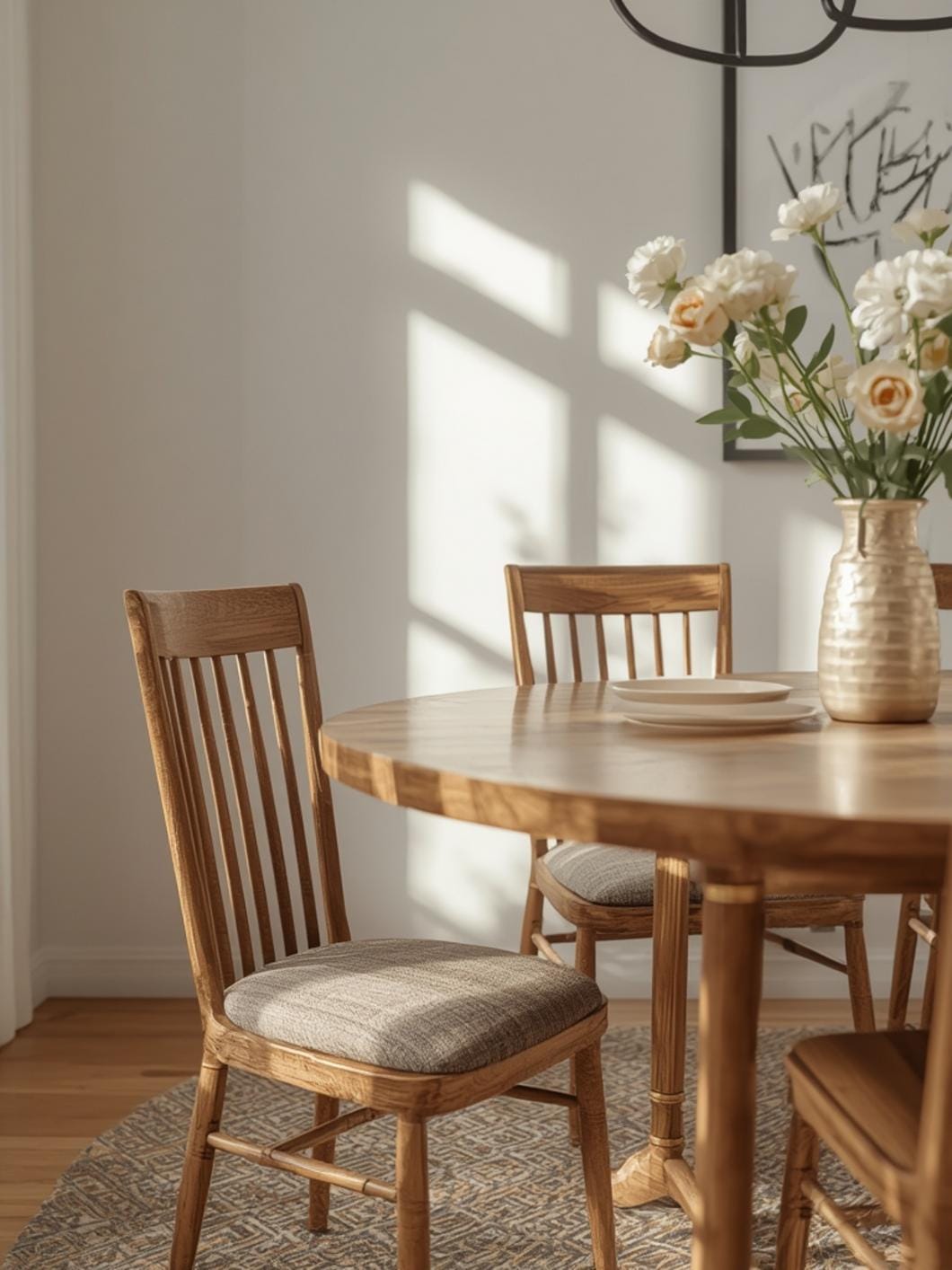
Plan for this project to take a full weekend, possibly longer depending on your set size. Rushing leads to drips, uneven coverage, and frustration.
Budget at least 4-6 hours for prep work alone. Proper preparation determines whether your paint job lasts five months or five years.
Each coat of primer and paint needs 4-6 hours to dry, though overnight drying works even better. You’ll apply at least one coat of primer and two coats of paint, plus optional topcoat.
Choose a well-ventilated workspace where your furniture can stay undisturbed between coats. A garage with the door open, a covered porch, or even your basement works well.
Spring and fall offer ideal conditions—mild temperatures and moderate humidity help paint cure properly. Avoid painting in extreme heat, cold, or humidity above 70%.
Set up a temporary dining area if needed. Your set will be out of commission for at least 3-4 days from start to full cure.
Step-by-Step Instructions
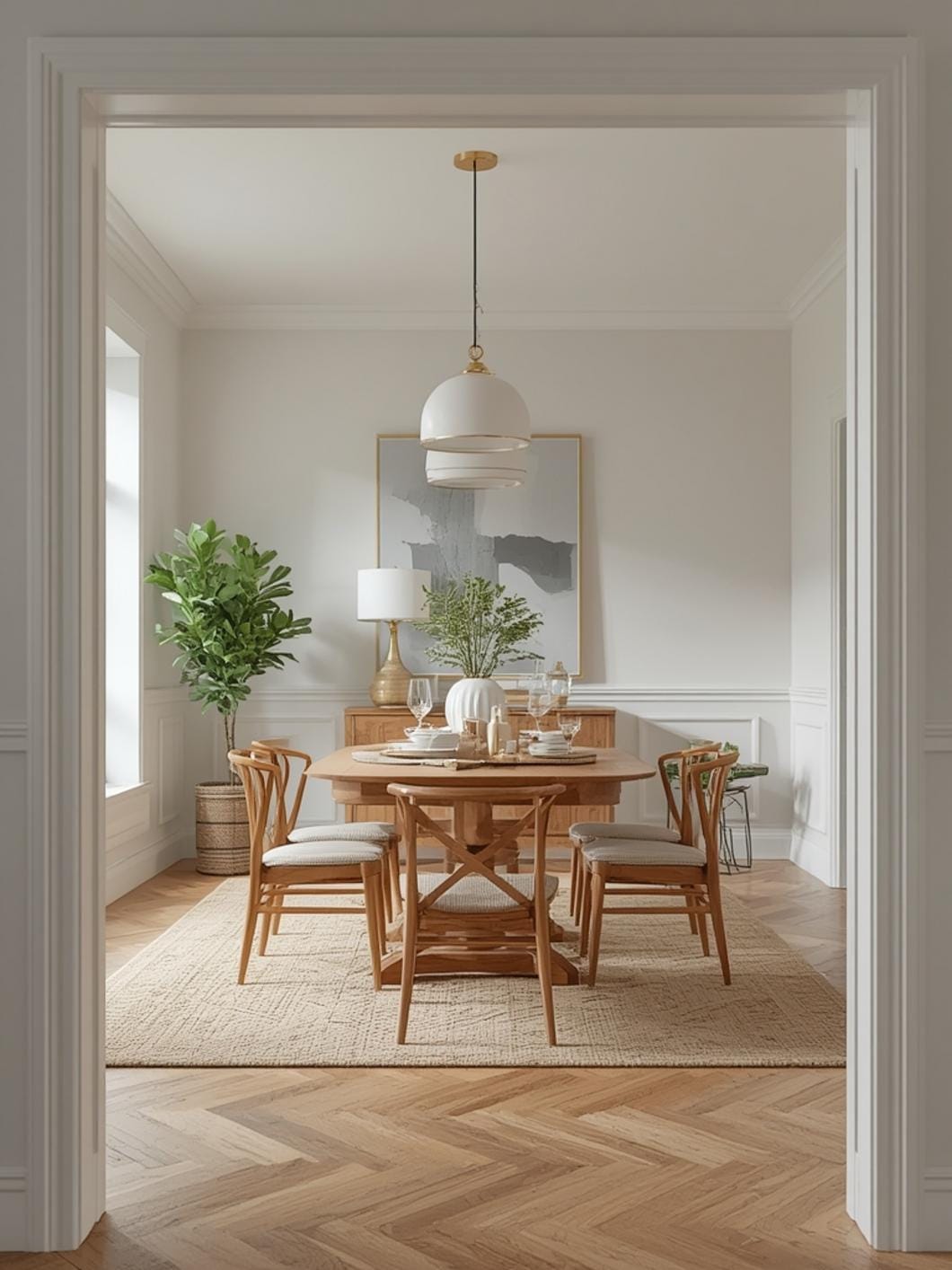
Clean thoroughly first. Remove years of cooking grease, polish buildup, and grime with a degreasing cleaner or TSP substitute. Rinse well and let everything dry completely overnight.
Sand all surfaces lightly. You’re not stripping the finish—just roughing up the surface so primer can grip. Use 120-grit sandpaper and work with the wood grain, not against it. Wipe away all dust with a tack cloth.
Apply bonding primer. This critical step ensures your topcoat actually sticks. Use thin, even coats rather than one thick coat. Cover all surfaces that will show, including table undersides and chair legs. Let dry completely.
Sand primer lightly. Once dry, smooth any drips or rough spots with 220-grit sandpaper. This creates the perfect surface for your topcoat. Remove all dust before painting.
Apply first paint coat. Work in long, smooth strokes following the wood grain. A foam roller works beautifully on flat surfaces like tabletops. Brushes handle spindles and carved details better. Keep a wet edge to avoid visible brush marks.
Apply second coat after full drying. Two thin coats always beat one thick coat. The Best paint finishes for wood furniture durability include satin and semi-gloss options, which hold up better to daily use than flat or matte finishes while remaining easy to clean.
Consider a protective topcoat. For tables especially, a clear polyurethane or polycrylic topcoat adds an extra layer of protection against spills and heat. This step is optional but recommended for high-use pieces.
Let everything cure for a full week before regular use. Paint feels dry to the touch within hours but needs time to fully harden.
Benefits / Advantages
Painting your dining set costs a fraction of replacement. A quality set can easily run $1,500 to $5,000, while paint and supplies typically cost under $150.
You get exactly the color you want. Stores rarely carry furniture in the specific shade that matches your vision, but paint offers unlimited possibilities.
The process feels incredibly satisfying. Watching tired, dated furniture transform into something fresh and current gives you a real sense of accomplishment.
Painted furniture adds character that mass-produced pieces lack. Each brushstroke becomes part of your home’s unique story.
Your newly painted set coordinates perfectly with your existing decor. You’re not trying to match mysterious “espresso” or “cherry” stains—you control the exact color.
This project builds confidence for future furniture updates. Once you see how well painting works, you’ll spot potential in thrift store finds and hand-me-downs everywhere.
Tips, Alternatives, Styling Advice
Budget-friendly approach: Use chalk paint, which requires minimal prep and no primer. It costs more per can but saves time and covers beautifully in two coats. Sand and seal with wax for a soft, matte look.
Mid-range option: Quality latex furniture paint with separate primer gives professional results at reasonable cost. This approach offers the best balance of durability and ease of application for most homeowners.
Premium choice: Cabinet-grade paint with built-in primer and a furniture topcoat creates an incredibly durable, smooth finish. Add a paint sprayer for factory-quality results. Worth the investment for heirloom pieces.
Small space strategy: Paint just the chairs and leave the table natural wood, or vice versa. This two-tone approach adds visual interest while requiring less work and drying space.
Consider painting just the table base and chair legs while refinishing the tabletop. This combination looks sophisticated and protects the most-used surface with durable wood finish.
Test your color choice on the least visible piece first—perhaps a chair back or table apron—before committing to the entire set.
Common Mistakes to Avoid
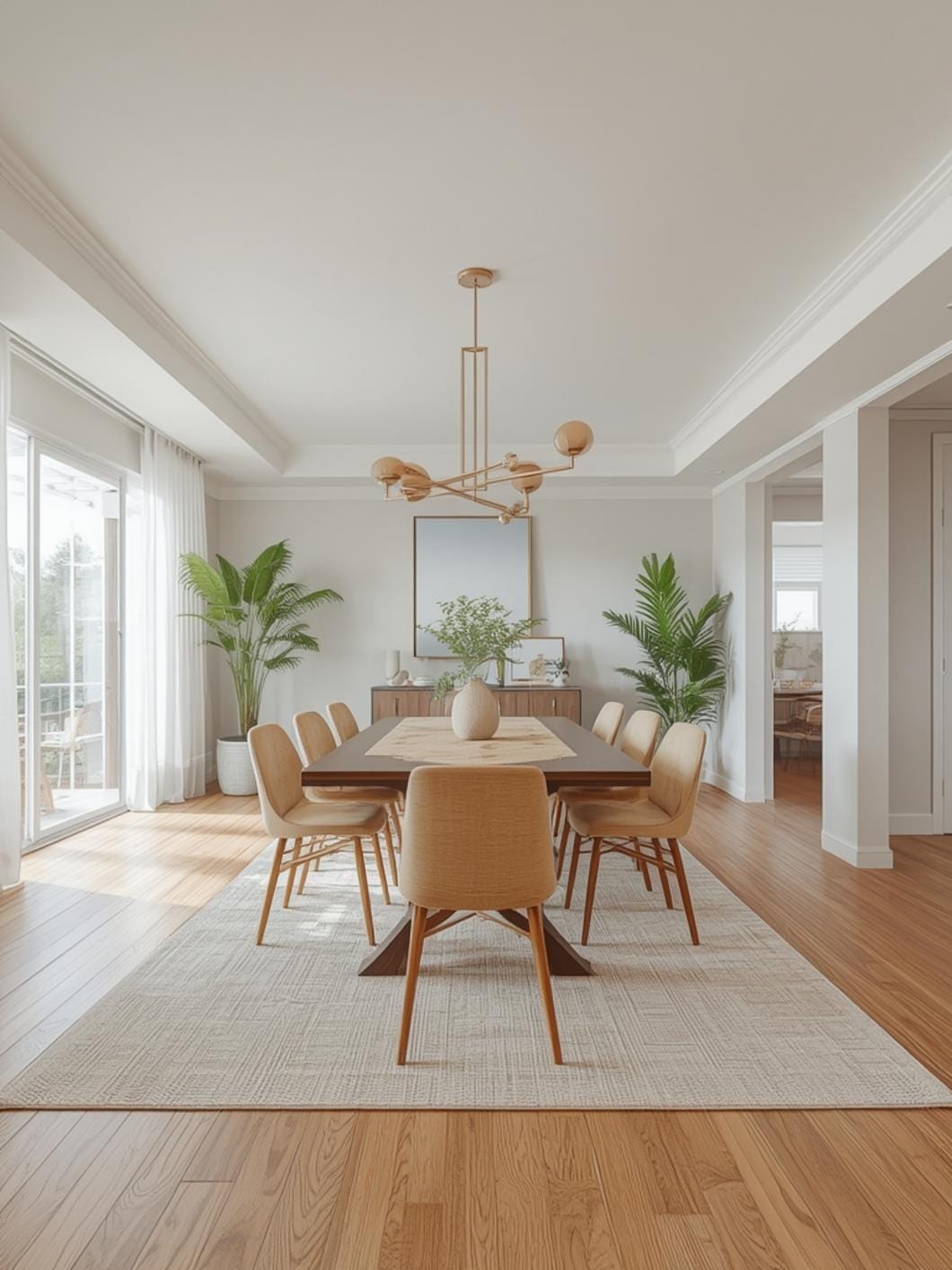
Skipping the cleaning step causes paint adhesion problems. Even invisible grease creates a barrier between wood and paint. Always degrease thoroughly first, especially on kitchen and dining furniture.
Using wall paint instead of furniture paint leads to rapid chipping and wear. Wall paint can’t handle the friction and contact that furniture endures daily. Invest in paint formulated specifically for furniture and cabinets.
Applying thick coats to speed up the process creates drips and extended drying times. Multiple thin coats always look better and cure faster than one thick coat. Patience pays off beautifully here.
Starting to use furniture before paint fully cures causes permanent marks. Paint may feel dry within hours, but full cure takes up to a week. Mark your calendar and wait the full time, especially for tabletops.
Painting in poor lighting makes imperfections invisible until it’s too late. Work in bright, even lighting so you can spot drips, holidays (missed spots), and uneven coverage while you can still fix them easily.
Maintenance / Upkeep Tips
Use placemats and coasters religiously for the first month. Your paint needs time to reach maximum hardness, and protection during this period prevents permanent marks.
Clean painted surfaces with a soft, damp cloth and mild dish soap. Avoid harsh cleaners, especially those containing ammonia or bleach, which can dull or damage paint over time.
Wipe up spills immediately rather than letting them sit. Even durable paint finishes appreciate prompt attention to moisture and acidic foods like tomato sauce or citrus juice.
Touch up small chips quickly before they spread. Keep leftover paint for easy repairs. Clean the damaged spot, apply paint with a small artist’s brush, and blend edges carefully.
Tighten any loose hardware every few months. The painting process requires removing and replacing knobs, handles, and screws, which may need adjustment as the furniture settles.
Consider reapplying topcoat every few years on heavily used tables. This protective layer takes the wear instead of your paint, and renewal is quick and easy.
Conclusion
Painting your dining room set breathes new life into furniture you already own and love. The process takes patience and proper technique, but the results rival anything you’d buy new.
Your refreshed dining set becomes a proud focal point rather than something you wish you could replace. The confidence you gain opens doors to countless other furniture makeover projects throughout your home.
Ready to transform more spaces? Explore DecorKingdom for inspiration, guides, and ideas that help you create the home you’ve always wanted.
FAQs
What type of paint works best for dining room tables?
Cabinet and furniture paint works best because it’s formulated to withstand daily friction and contact. Look for products specifically labeled for furniture or cabinets rather than walls. Satin or semi-gloss finishes offer the best balance of durability and easy cleaning for dining tables.
Do I really need to sand my furniture before painting?
Yes, light sanding is essential for paint adhesion. You’re not removing the finish entirely—just roughing up the surface so primer can grip properly. Skip this step and your beautiful paint job may peel off within months, especially on glossy or previously finished surfaces.
How long should I wait before using my painted dining set?
Wait at least 24-48 hours before gentle use, but a full week is ideal for complete curing. Paint feels dry to the touch within hours but continues hardening for days. Using furniture too soon can leave permanent marks, especially on tabletops where dishes and arms rest constantly.
Can I paint veneer or laminate dining furniture?
Yes, but you’ll need bonding primer designed for slick surfaces. Sand lightly to remove shine, clean thoroughly, then apply primer formulated for laminate and glossy surfaces. Two coats of primer may be necessary for proper adhesion. The paint will stick to primer rather than trying to grip the slick surface directly.
How do I get a smooth finish without brush marks?
Use high-quality brushes, thin your paint slightly if needed, and work in long strokes following the wood grain. A foam roller creates beautifully smooth surfaces on flat areas like tabletops. For the smoothest possible finish, consider using a paint sprayer, which eliminates brush marks entirely but requires more setup and practice.
—
Meta Title: Painting Dining Room Set Guide: Transform Wood Furniture 2026
Meta Description: Paint your dining set like a pro with our complete guide. Get durability tips, step-by-step instructions, and stunning results without replacement costs.