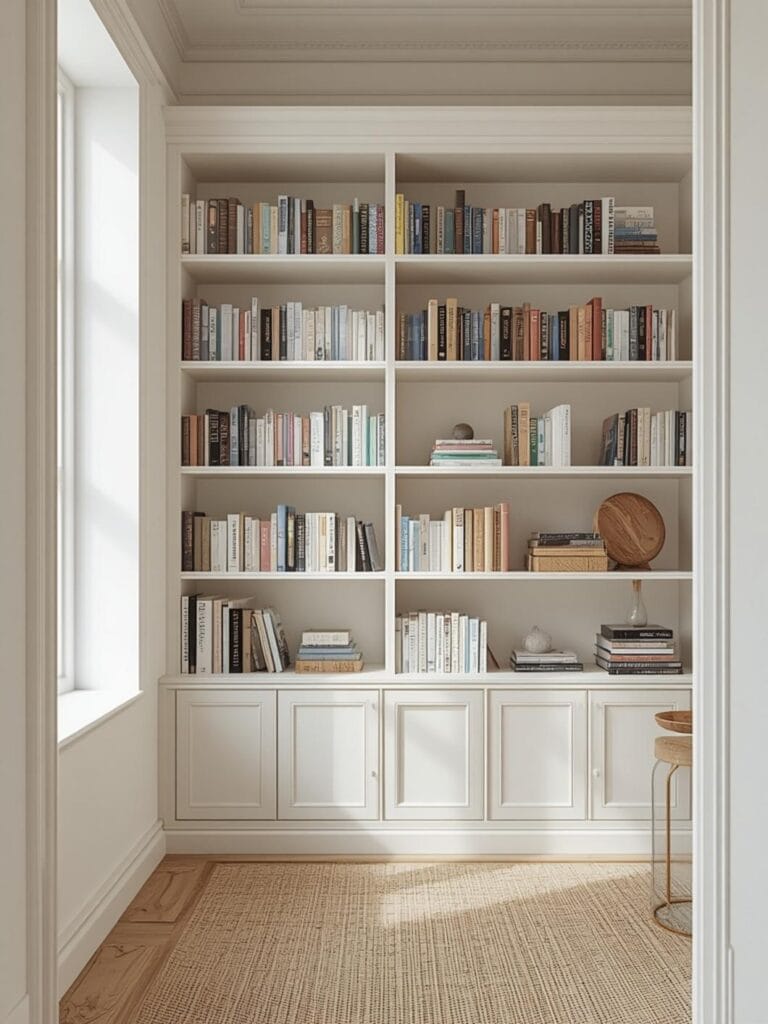
Fresh and Functional Laundry Room Wall Tile Ideas for Your Home
Your laundry room deserves more than builder-grade white paint. Between splashes from the sink, humidity from the dryer, and the occasional detergent spill, those walls take a beating. If you’ve been dreaming of a space that’s both beautiful and easy to clean, laundry room wall tile ideas might be exactly what you need to make that happen.
Tile transforms your laundry room from a forgotten corner into a space you actually enjoy spending time in. The right tile protects your walls while adding personality and style that makes folding laundry feel a little less like a chore.
Whether you’re drawn to classic subway tile, colorful patterns, or natural stone textures, there’s a tile solution that fits your home’s style and your budget. The best part? Once installed, tiled walls are incredibly low-maintenance and built to last for years.
Table of Contents
What You’ll Need to Get the Look
The materials for your laundry room tile project depend on which look you’re going for. Here’s what most homeowners work with:
Tile Options:
– Ceramic or porcelain tile in various sizes and finishes
– Glass mosaic tiles for accent areas
– Natural stone like marble or slate for a luxury feel
– Peel-and-stick tile for a budget-friendly DIY option
Supporting Materials:
– Waterproof membrane or backer board
– Tile adhesive or thinset mortar
– Grout in your chosen color
– Grout sealer for protection
– Tile spacers for even gaps
Finishing Touches:
– Edge trim or bullnose tiles
– Caulk for corners and edges
– Touch-up paint for adjacent walls
You’ll also want basic tools like a measuring tape, level, and sponges. If you’re hiring a professional, they’ll bring specialized cutting tools and ensure everything is perfectly aligned.
Finding Your Style and Season
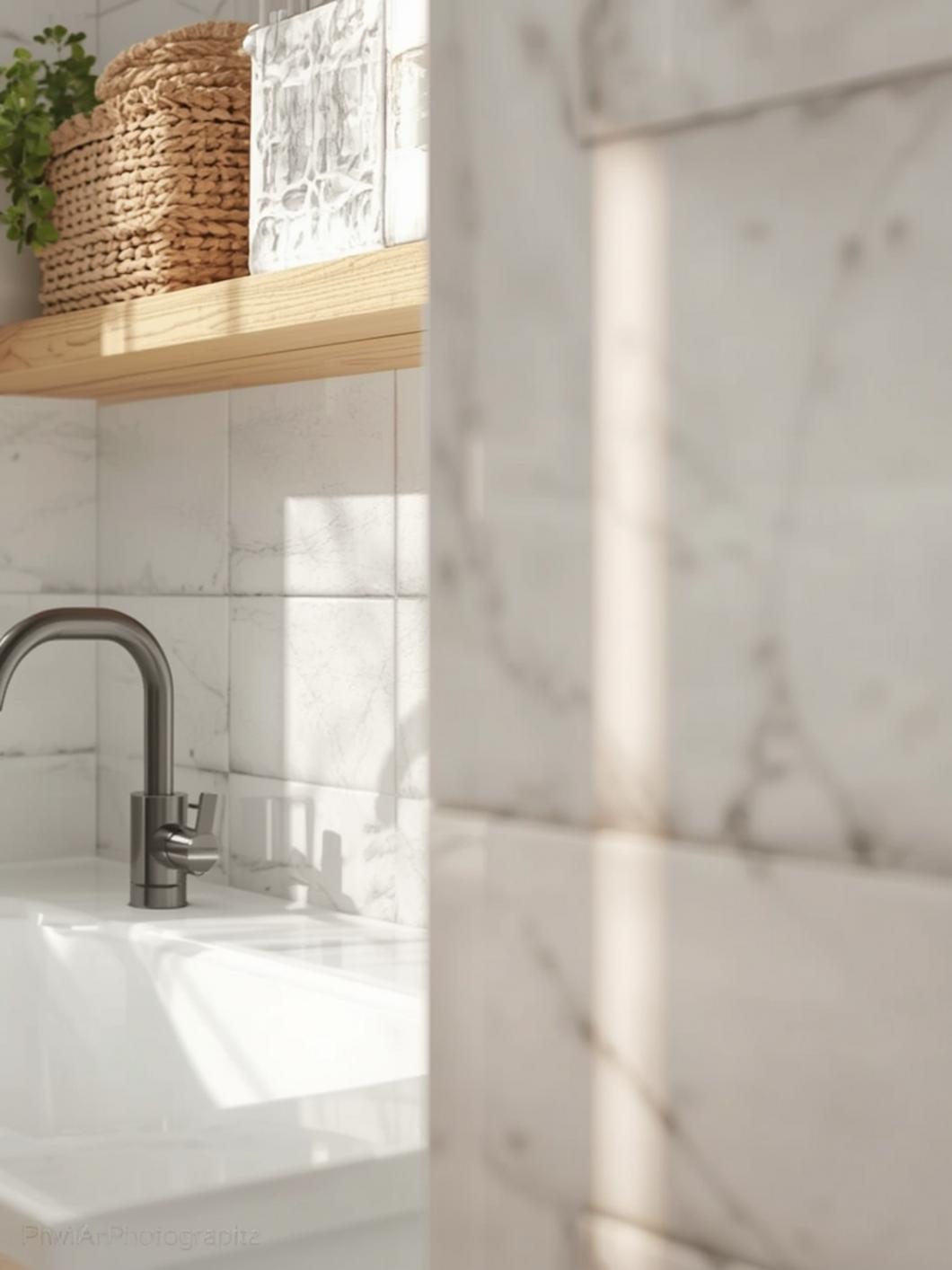
Tile is a year-round project, but timing matters for your schedule and budget. Spring and fall often bring contractor availability and sales at home improvement stores. Summer works well if you’re DIYing since you can keep windows open for ventilation while materials cure.
Think about the mood you want to create. Bright white subway tile feels fresh and timeless, perfect if your laundry room gets natural light. Darker tiles in navy or charcoal create a moody, sophisticated vibe that hides minor stains beautifully.
Pattern plays a huge role in the overall feel. Geometric patterns add energy and visual interest, while simple stacked layouts keep things calm and orderly. Consider where your eye naturally goes when you walk into the room.
The size of your space influences tile choice too. Large-format tiles make small laundry rooms feel bigger by reducing grout lines. Smaller mosaic tiles work wonderfully as an accent wall behind your washer and dryer.
7 Ideas to Try in Your Home
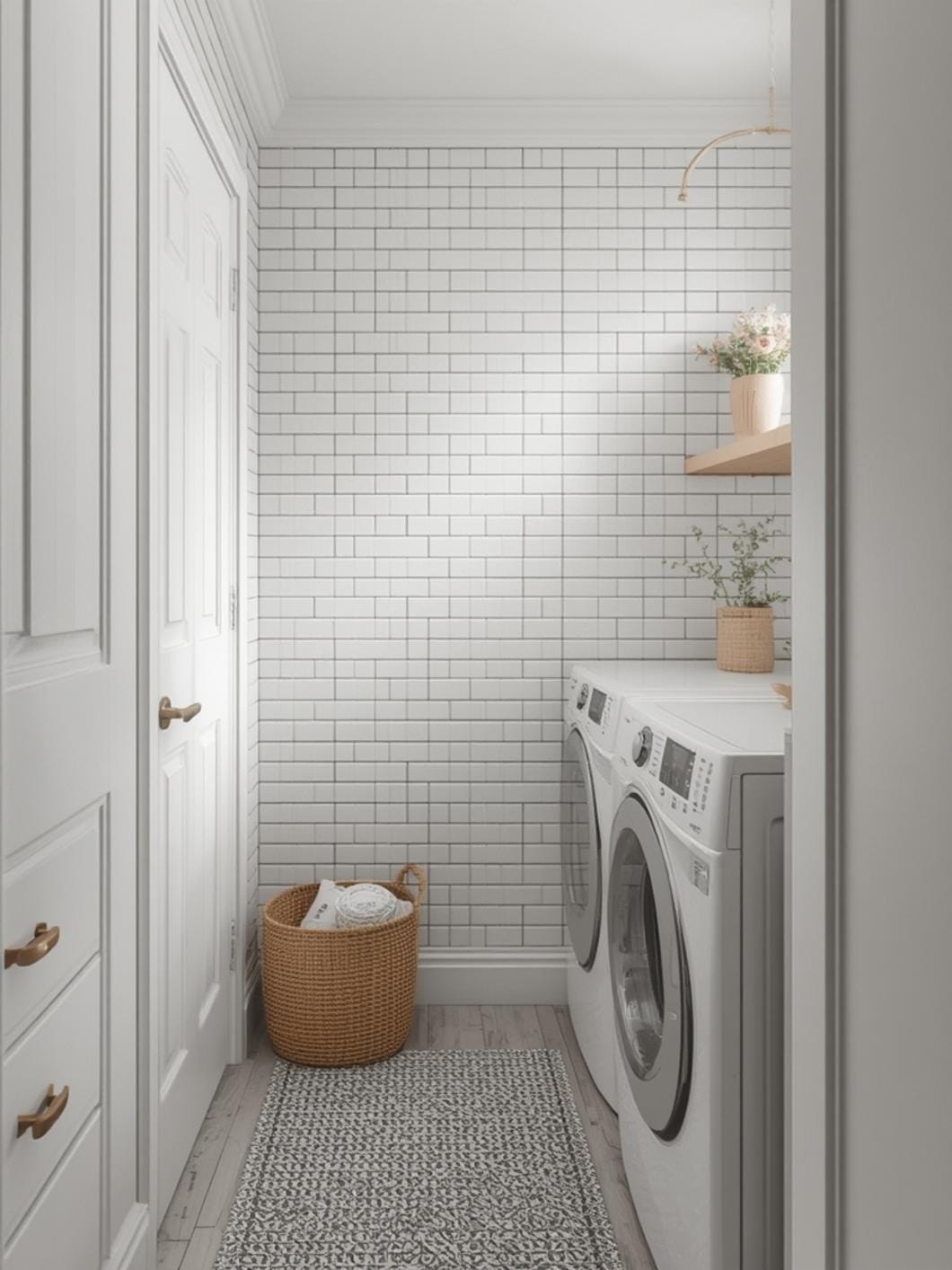
Classic White Subway Tile
This timeless option never goes out of style. White subway tiles in a traditional brick pattern brighten the space and pair with any cabinet color. Choose between glossy for easy cleaning or matte for a more modern look. Gray grout adds subtle definition without the maintenance issues of pure white.
Colorful Backsplash Behind the Sink
Add personality where you need protection most. A vibrant tile backsplash above your utility sink prevents water damage while injecting color into the space. Turquoise, sage green, or even coral can turn your laundry room into a space that makes you smile.
Textured Stone for Rustic Charm
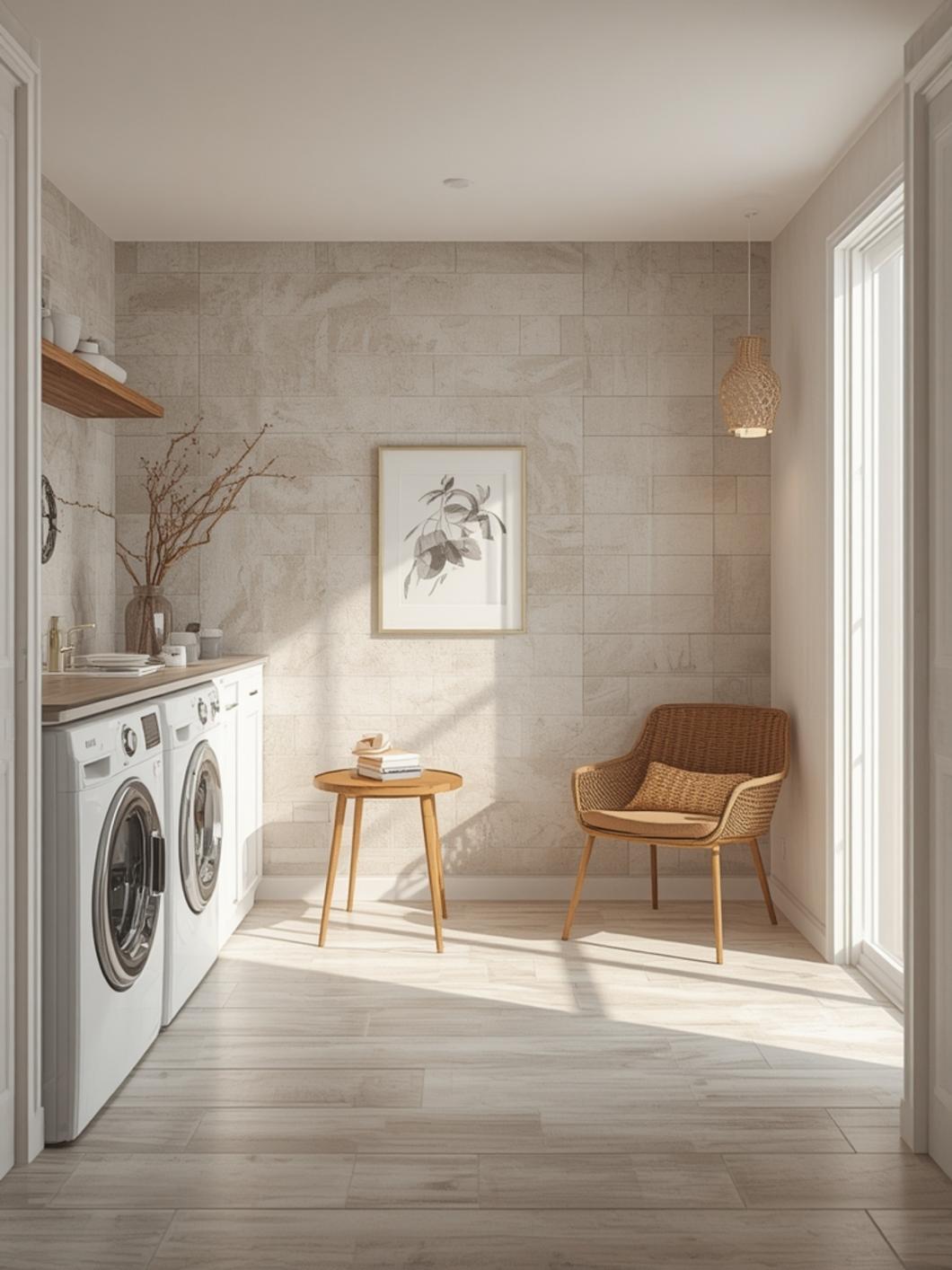
Natural stone tiles bring organic beauty and texture to your laundry room. Stacked stone or textured slate creates visual interest without overwhelming the space. This works especially well in farmhouse or transitional style homes where you want warmth and character.
Geometric Patterns for Modern Style
Hexagon tiles, chevron patterns, or Moroccan-inspired designs add instant personality. Use them on a single accent wall to avoid visual overload. Black and white geometric patterns create a striking focal point that photographs beautifully for those of you who love sharing home updates.
Waterproof Protection Done Right
Before any tile goes up, you need proper moisture protection. How to waterproof laundry room walls before tiling involves installing a waterproof membrane or cement backer board on walls that might get wet. This step prevents mold and water damage behind your beautiful tile work. Apply waterproofing particularly around the sink area and anywhere water might splash during loading and unloading.
Most professionals recommend extending tile at least four feet up from the floor in high-splash zones. The membrane creates a barrier that lets your walls breathe while blocking moisture from penetrating to the drywall underneath.
Half-Wall Tile with Paint Above
Save money and add visual interest by tiling only the lower portion of your walls. Stop tile at about 48 inches high, then paint the upper walls in a complementary color. This approach protects the areas most vulnerable to splashes while keeping costs manageable.
Vertical Stack for Height
Instead of the traditional offset brick pattern, stack rectangular tiles vertically. This layout draws the eye upward and makes standard-height ceilings feel taller. It works beautifully with 4×12 inch or 3×9 inch tiles in any color.
Benefits That Make Tile Worth It
Tiled laundry room walls eliminate the constant need to repaint. Water, detergent, and bleach splashes wipe away with a damp cloth instead of leaving permanent stains. You’ll spend less time cleaning and more time enjoying your freshly renovated space.
The moisture resistance keeps your walls healthy. Humidity from your dryer won’t cause paint to peel or mildew to grow behind the walls. This matters especially in homes without great ventilation where damp air tends to linger.
Tile adds real value to your home. Potential buyers notice upgraded laundry rooms because they signal that the home has been well-maintained. Even if you’re not selling soon, you get to enjoy that elevated look every single day.
The durability means this isn’t a project you’ll redo in five years. Quality tile properly installed can last decades with minimal maintenance. That makes the upfront investment much more reasonable when you calculate cost per year of use.
Tips, Alternatives, and Styling Advice
Budget-Friendly Option
Peel-and-stick tile has improved dramatically in recent years. Quality vinyl tile sheets or individual tiles can mimic the look of ceramic at a fraction of the cost. Apply them directly over clean, smooth painted walls. This works great for renters or anyone wanting to test a look before committing to permanent tile.
Mid-Range Option
Standard ceramic tile from home improvement stores offers excellent value. Choose simple white or neutral tiles and add personality with colored grout. A professional installation runs around $10-15 per square foot including materials. DIY cuts that cost significantly if you’re comfortable with the work.
Premium Option
Handmade artisan tiles or natural stone create a truly custom look. Consider using expensive tile as an accent with more affordable options filling larger areas. A stunning mosaic behind your folding station paired with simple subway tile elsewhere gives you luxury without breaking the budget.
Small Space Adaptation
In tiny laundry closets, tile just the backsplash area rather than full walls. A 12-inch high strip of tile above your machines provides practical protection where you need it most. Light-colored glossy tiles reflect light and prevent the space from feeling cramped.
Common Mistakes to Avoid
Skipping the Waterproof Membrane
Many homeowners tile directly over painted drywall to save money or time. This leads to mold growth and tile failure when moisture inevitably penetrates the grout. Always install proper moisture barriers in areas exposed to water, especially around sinks and behind washers.
Choosing Trendy Over Timeless
That ultra-bold pattern might feel exciting now but could look dated in three years. If you’re drawn to trendy designs, use them sparingly as accents you can easily change later. Stick with classic foundations and add personality through accessories and paint colors you can update affordably.
Ignoring Grout Color Impact
White grout shows every bit of dirt and requires constant cleaning in laundry rooms. Choose gray, beige, or a color-matched grout that hides normal wear and tear. Darker grout also provides visual contrast that makes lighter tiles pop.
Stopping Tile Too Low
Ending tile at just two or three feet leaves the upper walls vulnerable to splashes. Extend tile to at least four feet high, or better yet, go all the way to the ceiling in smaller rooms. The additional cost is minimal compared to repainting splashed walls every few years.
Forgetting About Outlets and Fixtures
Plan tile layout around electrical outlets, light switches, and any wall-mounted fixtures before you start. Professional installers cut tiles precisely to fit around these elements. If you’re DIYing, measure twice and cut carefully to maintain clean lines around obstacles.
Maintenance That Keeps Tile Looking New
Wipe down tiled walls weekly with a damp microfiber cloth. This prevents soap scum and detergent residue from building up in the grout lines. For deeper cleaning, use a mixture of warm water and mild dish soap rather than harsh chemicals that can damage grout over time.
Reseal grout lines annually to maintain their water resistance. This takes about 30 minutes and prevents staining while making regular cleaning easier. Apply grout sealer with a small brush or applicator bottle, wipe away excess, and let it cure overnight.
Address any cracked grout immediately before water seeps behind the tile. Remove damaged grout with a grout saw, clean the joint thoroughly, and apply fresh grout. This simple repair prevents much bigger problems down the road.
Clean up spills as they happen, especially bleach or harsh chemicals. While tile itself is highly resistant, some substances can discolor grout if left sitting. A quick wipe prevents permanent stains and keeps your walls looking fresh.
Your Laundry Room Transformation Awaits
Tile brings durability, style, and easy maintenance to one of the hardest-working rooms in your home. Whether you choose a full-wall installation or a practical backsplash, the right tile protects your investment while creating a space that feels intentional and beautiful.
Start by identifying which walls need the most protection, then select a tile style that complements your home’s overall aesthetic. With proper preparation and quality materials, your tiled laundry room will serve you beautifully for decades to come.
Ready to explore more ways to upgrade your home? Browse DecorKingdom for additional inspiration and practical advice that helps you create spaces you’ll love living in.
FAQs
What type of tile is best for laundry room walls?
Porcelain or ceramic tiles work best because they’re water-resistant, durable, and easy to clean. Porcelain offers slightly better moisture resistance, making it ideal for walls behind sinks or washing machines. Both options come in countless colors, patterns, and finishes to match any style preference.
Can I install tile over existing painted walls in my laundry room?
You can, but you shouldn’t skip the waterproof barrier step. Remove any loose or peeling paint first, then install cement backer board or apply a waterproof membrane before tiling. This prevents moisture from reaching your drywall and causing damage over time.
How high should I tile my laundry room walls?
Tile at least four feet high from the floor in areas near water sources like sinks or washing machines. Many homeowners choose to tile from floor to ceiling for complete protection and a polished look. Half-wall tiling offers a budget-friendly compromise that still protects high-splash zones.
Is tiling a laundry room a DIY project or should I hire a professional?
It depends on your skill level and the complexity of your design. Simple subway tile in a straight pattern is very DIY-friendly if you’re comfortable with basic tools and have patience. Complex patterns, large-format tiles, or waterproofing in high-moisture areas often benefit from professional installation to ensure proper technique.
How much does it cost to tile a laundry room?
Professional installation typically runs $10-20 per square foot including materials and labor. A standard 6×8 foot laundry room with half-wall tiling costs roughly $500-1200. DIY projects using mid-range materials cost about $3-8 per square foot for materials alone, making it significantly more affordable if you’re comfortable doing the work yourself.
—
Meta Title: Laundry Room Wall Tile Ideas That Last | 2026 Guide
Meta Description: Transform your laundry room with stylish wall tile ideas that protect against moisture and add lasting beauty to your hardest-working space.