Smart Ways to Hide Your Cat’s Litter Box in the Laundry Room
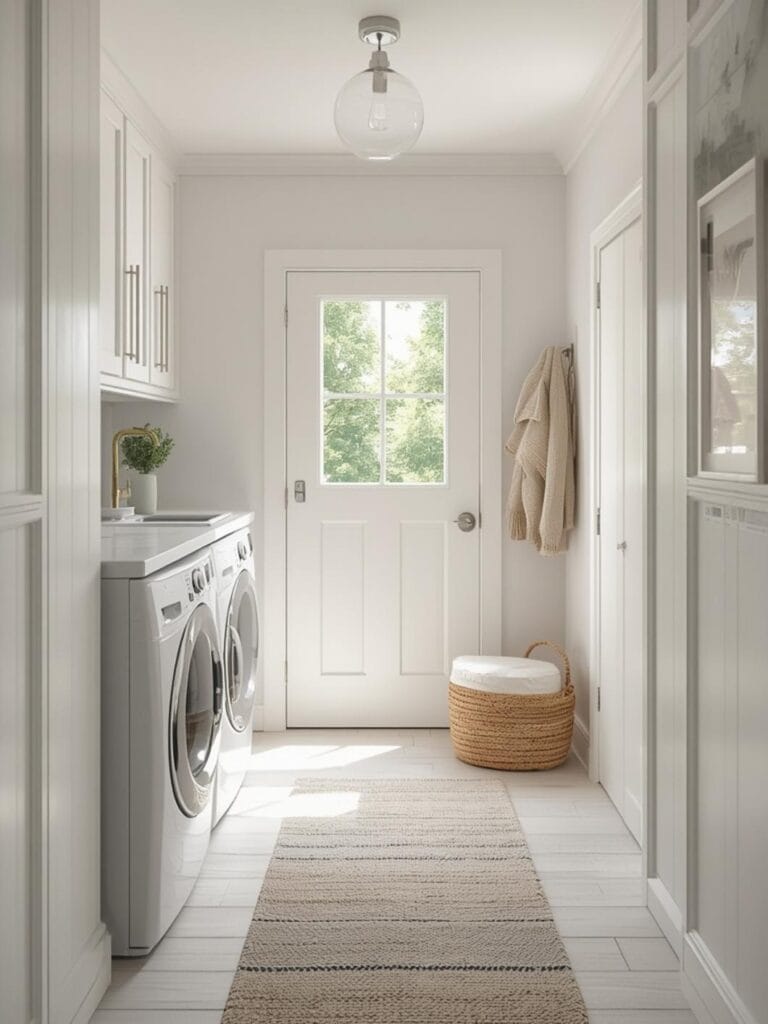
You love your cat, but you don’t love the litter box sitting out in plain sight. If your laundry room has become the default spot for kitty’s bathroom, you’re not alone. Many homeowners choose this space because it’s practical and out of the main living areas, but that doesn’t mean it has to look like a pet supply store exploded in there.
The good news? There are plenty of clever laundry room litter box ideas that keep everything tidy, accessible for your cat, and completely hidden from guests. You can transform this utilitarian space into something that works beautifully for both you and your feline friend.
Whether you’re working with a spacious laundry room or a compact closet setup, these ideas will help you create a discreet, functional spot that doesn’t compromise your home’s style.
Table of Contents
What You’ll Need to Get the Look
Creating a hidden litter box setup doesn’t require a complete renovation. Most solutions use simple furniture pieces and clever placement strategies that you can implement right away.
Cabinet and furniture options:
– Small entry console or bench with doors
– Vintage cabinet with bottom shelf removed
– IKEA-style storage cabinet adapted with a cat entry hole
– Custom cut-out in existing lower cabinetry
– Decorative storage trunk with ventilation
Screening and concealment materials:
– Tension curtain rods with washable fabric panels
– Decorative folding screens
– Sliding barn door hardware for cabinet fronts
– Louvered cabinet doors for airflow
– Lattice panels painted to match your walls
Practical accessories:
– Litter mat to catch tracking
– Small battery-powered motion sensor light
– Air purifying plants safe for cats (spider plants, Boston ferns)
– Washable storage baskets for supplies
– Charcoal odor absorbers
Finding Your Style and Season
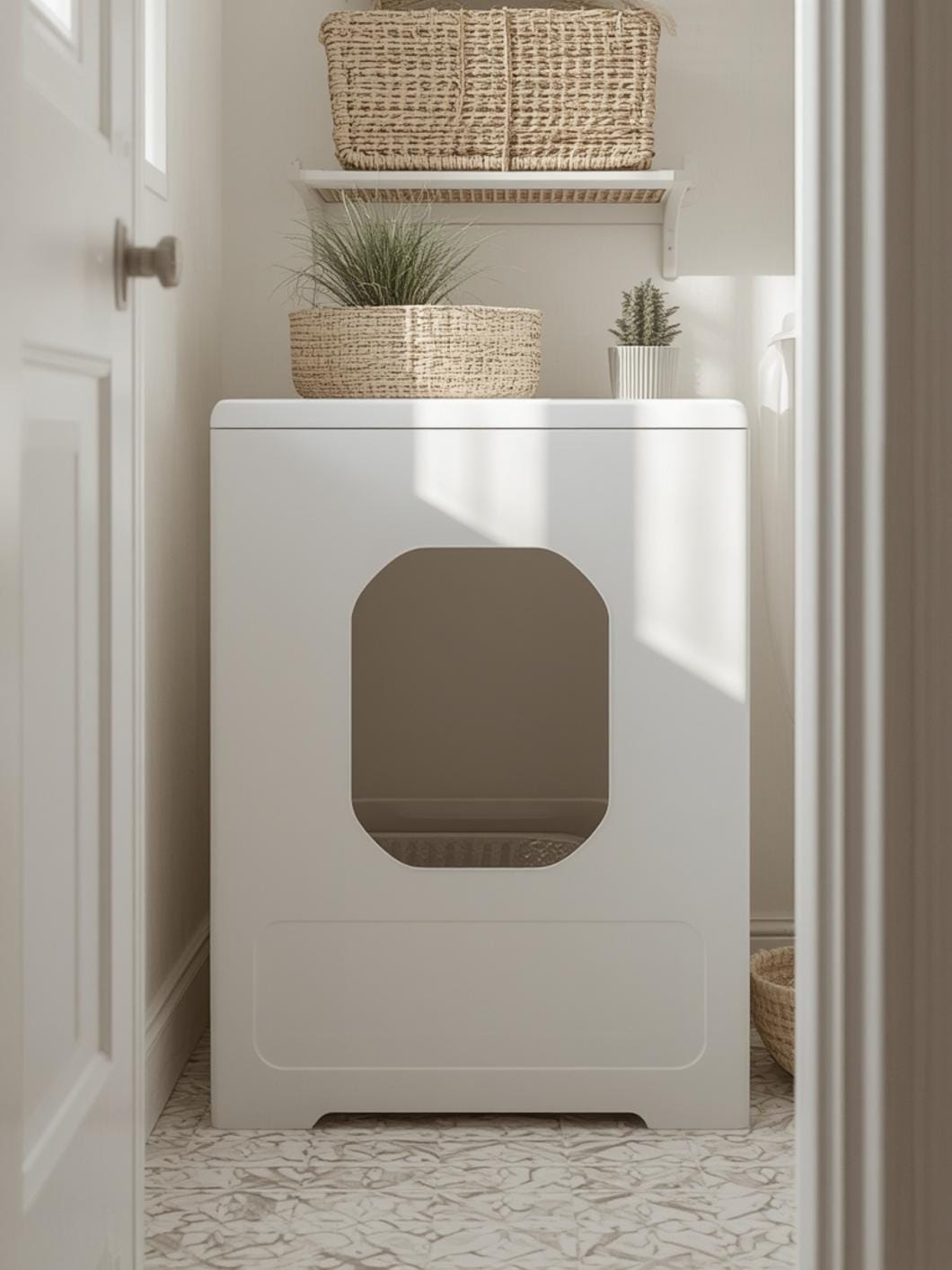
The beauty of laundry room litter solutions is that they work year-round. Unlike seasonal decor that you swap out, these setups become permanent fixtures that blend into your home’s aesthetic.
Consider your home’s overall style first. If you have a farmhouse vibe throughout, a distressed cabinet with chicken wire panels fits perfectly. Modern homes might benefit from sleek closed cabinets with minimal hardware. Traditional spaces can incorporate furniture pieces that look like they’ve always belonged there.
Think about accessibility too. Your cat needs easy 24/7 access, so if your laundry room door stays closed, you’ll need to add a pet door or commit to keeping it slightly ajar. Some homeowners install decorative baby gates that cats can jump over but keep dogs or toddlers out.
Ventilation matters more than aesthetics. Even the most beautiful setup fails if air can’t circulate. Your chosen solution should allow airflow while containing odors. This is especially important in smaller laundry rooms where moisture from washers and dryers already creates humidity challenges.
7 Ideas to Try in Your Home
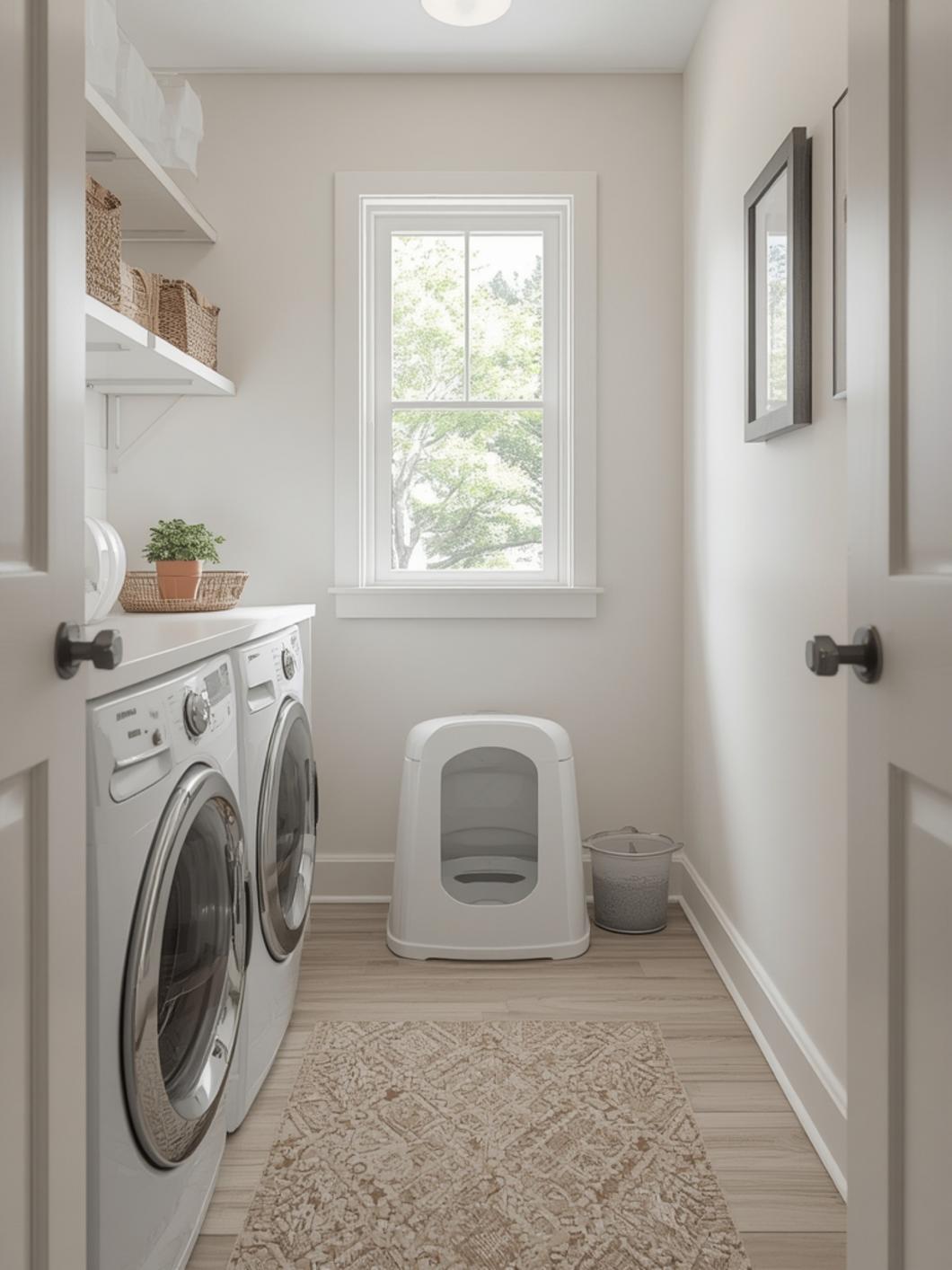
1. Under-Counter Cabinet Conversion
Remove the shelves from a lower cabinet and cut an entry hole in the side panel. This keeps everything completely hidden while using space you already have. Add a small LED puck light inside so your cat can see, and line the bottom with a washable mat. The cabinet door acts as your access point for cleaning.
2. Vintage Furniture Repurpose
Hunt thrift stores for old side tables, nightstands, or small dressers. Remove the back panel and one side, then add a decorative entry hole in the front. These pieces often have character that adds charm to your laundry room rather than screaming “pet furniture.” Paint or stain them to match your existing decor.
3. Top-Entry Box Inside a Bench
A hidden litter box enclosure furniture piece like a storage bench works brilliantly in larger laundry rooms. Place a top-entry litter box inside, and your cat jumps up and in through the bench seat opening. From the outside, it looks like extra seating or storage. This option contains litter tracking better than side-entry designs.
4. Behind a Decorative Screen
If you don’t want to invest in furniture, a three-panel folding screen creates instant privacy. Choose one with cutout patterns for airflow, or go with fabric panels you can wash. Position it in a corner with the litter box behind it. This works especially well if you’re renting and can’t modify existing cabinets.
5. Sliding Barn Door Cubby
Build or buy a simple open cube shelf unit and install a mini sliding barn door across the front. The door slides to reveal the litter box when you need to clean, but stays closed the rest of the time. The barn door hardware adds a trendy farmhouse touch that doesn’t look pet-related at all.
6. Lower Cabinet with Louvered Doors
Replace solid cabinet doors with louvered versions that allow air circulation. Cut an entry hole in the cabinet side panel that faces away from the main walkway. The louvers prevent odor buildup while maintaining a finished, built-in look. This option works best if you have existing cabinetry you can modify.
7. Curtained Alcove
If your laundry room has an awkward nook or space beside the washer, hang a tension rod with a decorative curtain. Choose a fabric that coordinates with your laundry room colors. The curtain pulls aside for cleaning access but stays closed to hide the box. Add a small plant or decorative object in front for a finished look.
8. Converted Linen Cabinet
Tall, narrow linen cabinets can house a litter box on the bottom shelf with cleaning supplies stored above. Cut an entry hole at the bottom, and keep the cabinet doors closed. Your cat gets privacy, and you get dual-purpose storage. This vertical solution works beautifully in compact spaces.
9. Under-Sink Integration
If your laundry room has a utility sink with open space underneath, add cabinet doors to enclose the area. Place the litter box under the sink, leaving room for plumbing access. This uses otherwise wasted space and keeps everything self-contained in one zone.
Benefits of a Hidden Laundry Room Setup
Moving your cat’s litter situation into the laundry room with proper concealment solves multiple problems at once. You’re not just hiding an eyesore—you’re creating a better environment for everyone in your home.
Visual peace matters more than you realize. When guests use your bathroom or walk through your home, they won’t spot litter boxes in corners or hallways. Your space feels more intentional and adult, less like a pet warehouse. This is especially valuable if you’re trying to sell your home or host frequently.
The laundry room location naturally contains odors better than other spaces. These rooms typically have good ventilation from dryer vents and are positioned away from main living areas. When you add proper furniture enclosures, you create a double barrier against smells escaping into your home.
Your cat benefits from the privacy too. Cats instinctively prefer discreet bathroom spots away from their food and busy household traffic. A quiet laundry room corner with enclosed sides gives them the security they’re looking for. Many cats who previously had litter box avoidance issues improve when given more private setups.
Cleaning becomes easier when everything is centralized. Keep supplies in the same cabinet or on a nearby shelf. The proximity to your utility sink makes refilling water for cleaning convenient. You’re more likely to maintain the box regularly when the process doesn’t involve carrying supplies across your house.
Tips, Alternatives, Styling Advice
Budget-Friendly Approach
Start with a simple folding screen from a discount home store and a basic litter mat. Paint the screen to match your laundry room if needed. This setup costs under $50 and can be implemented in an afternoon. Later, you can upgrade to furniture solutions as your budget allows.
Mid-Range Solution
Invest in a quality vintage cabinet from a consignment shop or online marketplace. Budget $100-200 for the piece itself, then spend another $50 on modifications like cutting the entry hole and adding interior lighting. This creates a custom look without custom prices.
Premium Option
Purchase purpose-built litter box furniture designed specifically for concealment. These pieces come in various styles from modern to traditional and include built-in ventilation systems. Expect to spend $200-400, but you’ll get furniture-quality construction that lasts for years. Some higher-end options include built-in odor filtration systems.
Small Space Adaptation
If your laundry room is barely bigger than a closet, look up instead of out. Wall-mounted cabinets installed at floor level can house litter boxes in tight spaces. Alternatively, use the space above your washer and dryer with a top-entry box placed on a secured shelf. Just ensure your cat can safely jump up and down.
Common Mistakes to Avoid
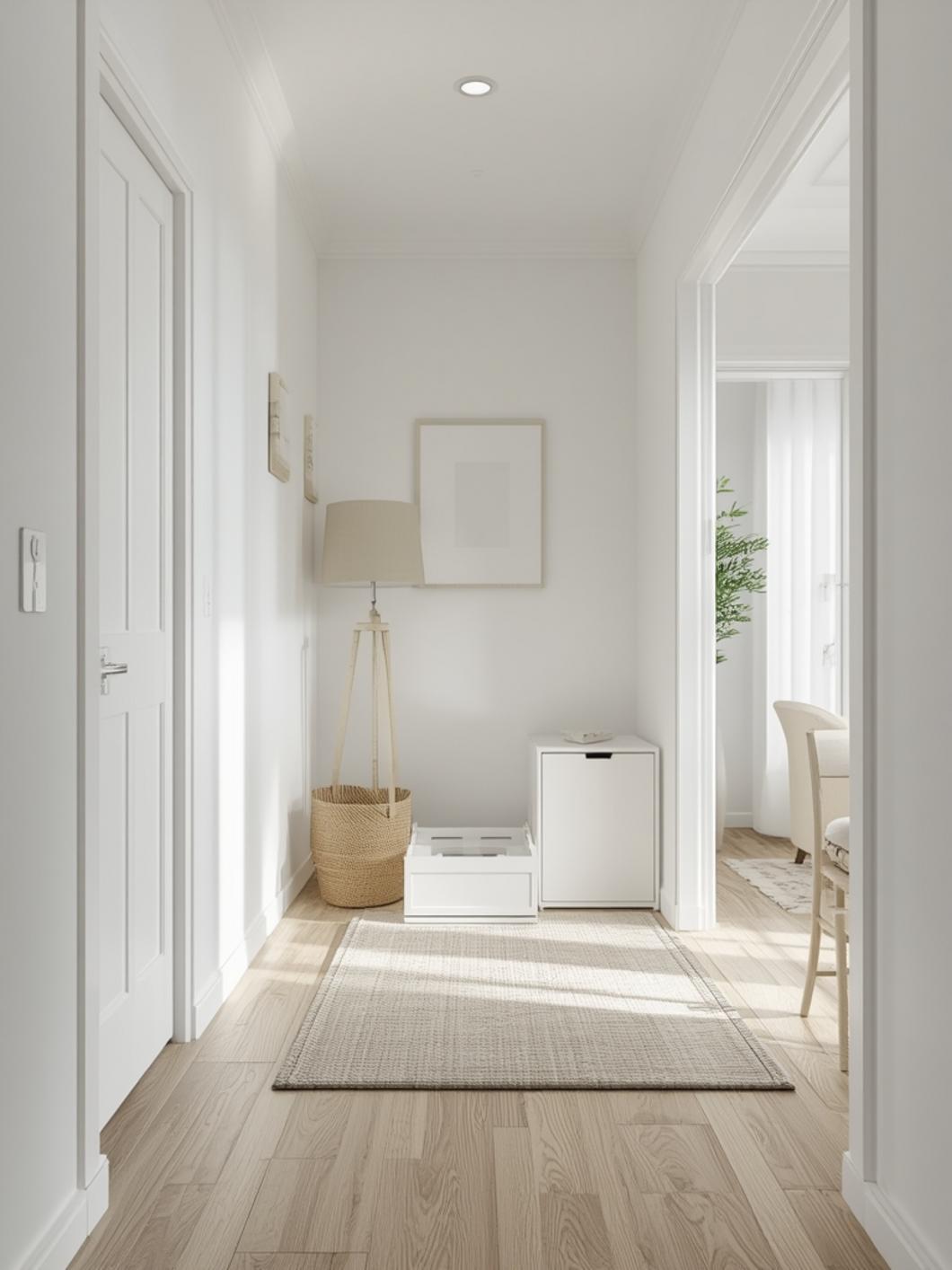
Creating an entry hole that’s too small leads to litter tracking and reluctant cats. Cut openings at least 7-8 inches in diameter so your cat can comfortably enter and turn around inside. Larger cats may need even bigger openings.
Forgetting about ventilation causes odor buildup no matter how often you scoop. Always include airflow through louvered doors, gaps at the bottom of curtains, or ventilation holes drilled in the back of cabinets. Stagnant air creates problems quickly.
Positioning the box too close to washer and dryer scares noise-sensitive cats. Leave at least two feet of buffer space if possible. The sudden sounds of spin cycles or buzzer alerts can startle cats during vulnerable bathroom moments, leading to avoidance behaviors.
Choosing decorative furniture without considering cleaning access frustrates you within days. Make sure you can easily reach inside for daily scooping without moving heavy furniture or contorting yourself. If accessing the box requires a ten-minute process, you won’t maintain it properly.
Using materials that absorb odors rather than repel them creates long-term problems. Avoid untreated wood, fabric on interior surfaces, or porous materials. Stick with painted or sealed surfaces that you can wipe down easily. Washable components should actually go in your washing machine regularly.
Maintenance and Upkeep Tips
Daily scooping remains your most important task regardless of how beautiful your setup looks. Hidden doesn’t mean forgotten. Set a phone reminder if you need help building this habit. Most homeowners find morning or evening routines work best.
Clean the enclosure surfaces weekly. Wipe down cabinet interiors, furniture sides, and any surrounding walls with pet-safe cleaner. Litter dust settles on surfaces even in enclosed spaces. This weekly wipe-down prevents buildup that leads to persistent odors.
Wash any fabric elements monthly at minimum. This includes curtains, decorative panels, and entry mats. Machine wash on hot with pet-safe detergent, then line dry to prevent shrinking. Keep a backup set so you’re never without coverage while washing.
Replace charcoal odor absorbers every 2-3 months. These lose effectiveness over time even if they look fine. Mark your calendar so you remember. Place them near but not inside the litter box for best results.
Check ventilation openings quarterly for blockages. Litter dust, pet hair, and lint from your dryer can clog louvers or small ventilation holes. A quick vacuum with a brush attachment keeps air flowing properly.
Deep clean the entire setup seasonally. Empty everything, wipe all surfaces with enzymatic cleaner, and inspect for any damage or wear. This is your chance to refresh the space and catch small problems before they become big ones.
Bringing It All Together
Creating a hidden litter box solution in your laundry room gives you the best of both worlds—a practical pet care station that doesn’t compromise your home’s appearance. Whether you choose a simple screen or invest in custom furniture, the key is finding an approach that works with your space, budget, and lifestyle.
Start with proper ventilation and easy cleaning access, then add style elements that make sense for your home. Your cat will appreciate the privacy, and you’ll love not seeing litter boxes every time you walk past.
Ready to tackle more home organization projects? DecorKingdom has dozens of practical ideas to help you create a home that works beautifully for your whole family—pets included.
FAQs
Will my cat actually use a hidden litter box in the laundry room?
Most cats adapt to laundry room setups within a few days, especially if the space is quiet and easily accessible. Place the hidden box in the same general area as their current box initially, then gradually move it to the laundry room over several days if needed. Leave the entry clearly visible and avoid blocking access with laundry baskets or other obstacles.
How do I prevent litter box odors in an enclosed space?
Combine daily scooping with proper ventilation through louvered doors or strategic gaps in your enclosure. Add charcoal odor absorbers near the box and consider switching to a clumping litter with baking soda if odors persist. The laundry room’s existing ventilation from dryer exhaust helps, but don’t rely on that alone. An air purifying plant nearby also makes a noticeable difference.
What size cabinet do I need for a standard litter box?
Plan for at least 24 inches wide by 18 inches deep for a standard litter box with some clearance around it. Your cat should be able to turn around comfortably inside the enclosure. For larger cats or multi-cat households, look for cabinets that are 30 inches wide or larger. Measure your current litter box before shopping for furniture pieces.
Can I use my existing laundry room cabinets for this project?
Yes, if you have lower cabinets with removable shelves, this works perfectly. Remove interior shelves to create open space, cut an entry hole in the side panel that’s least visible, and add a litter mat inside. This is one of the most cost-effective solutions since you’re using what you already have. Just make sure the cabinet isn’t needed for essential storage first.
How often should I replace the litter when using an enclosed setup?
Complete litter changes should happen every 2-3 weeks regardless of your enclosure type, though some clumping litters can stretch to four weeks with daily scooping. Enclosed spaces may need slightly more frequent changes since they hold humidity. If you notice odors persisting even after scooping, it’s time for a full change. Keep a sealed container of fresh litter in your laundry room for easy refills.
—
Meta Title: Laundry Room Litter Box Ideas That Hide Everything (2026)
Meta Description: Smart laundry room litter box ideas that completely hide your cat’s bathroom. Stylish furniture solutions and DIY setups for any space.