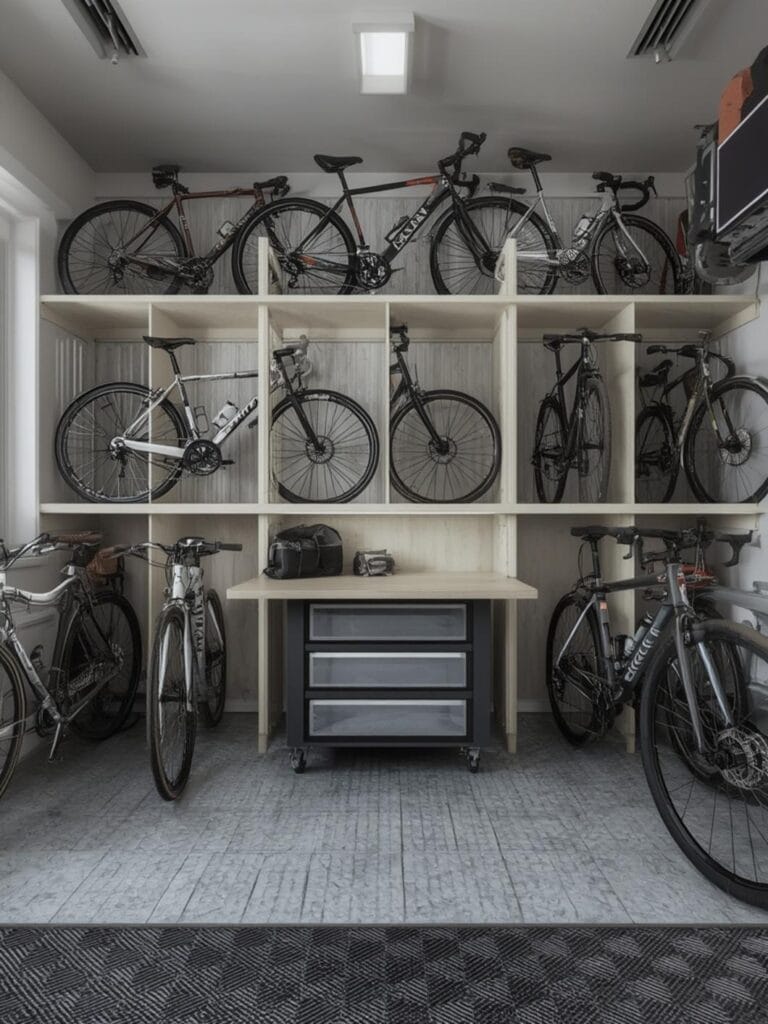
Creative Mudroom Ideas to Transform Your Entryway
You walk in from the grocery store, arms full of bags, and there’s nowhere to put anything. Shoes pile up by the door, coats end up draped over the couch, and backpacks seem to multiply on the floor. Sound familiar?
Your entryway doesn’t have to be chaos central. Even if you don’t have a traditional mudroom, you can create a functional space that keeps your home organized and welcoming. Whether you’re working with a grand foyer or a tiny corner by the back door, the right mudroom ideas can turn that high-traffic zone into your home’s hardest-working area.
The best part? You don’t need a complete renovation or a massive budget to make it happen. With some smart planning and creative thinking, you can design an entryway that actually works for your family’s daily routine.
Table of Contents
What You’ll Need to Get the Look
Creating a functional mudroom starts with choosing the right pieces for your space and lifestyle. You’ll want to consider what your family actually uses every day, not just what looks good in photos.
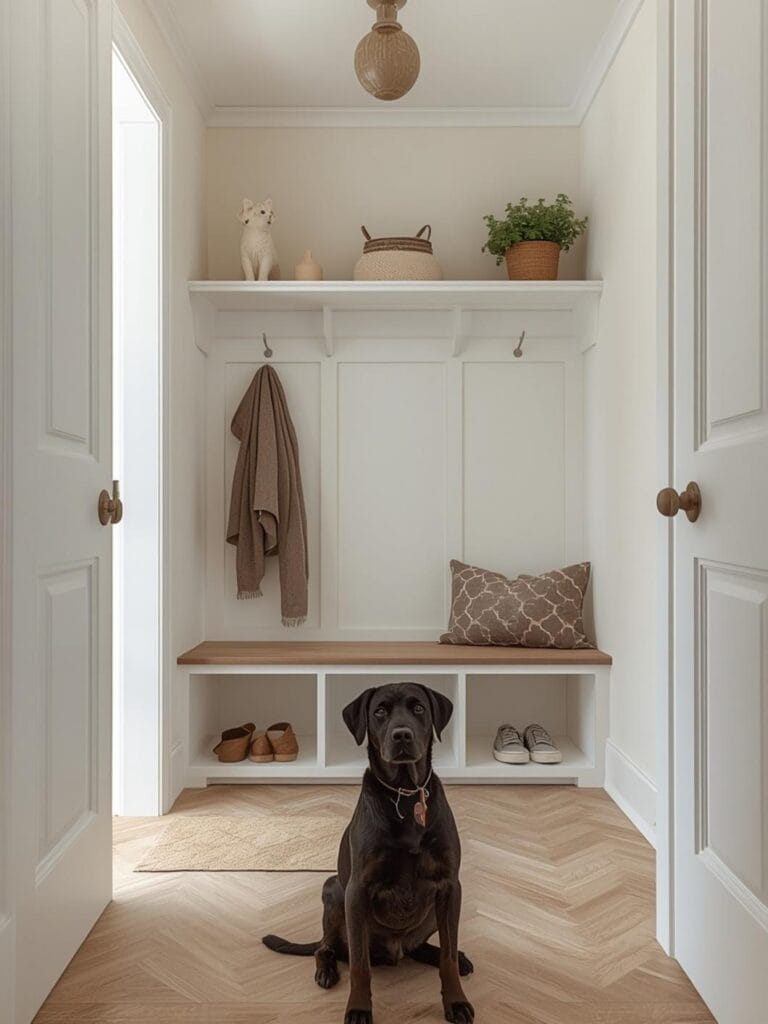
Storage benches or cubbies provide seating and hidden storage in one piece. Look for options with lift-up seats or pull-out drawers that can hide seasonal items, pet supplies, or shoes you don’t wear daily.
Hooks are your best friend in any mudroom setup. Choose sturdy wall-mounted hooks that can handle heavy winter coats, or install a coat rack if you prefer a freestanding option. Plan for at least one hook per family member, plus a few extras for guests.
Baskets and bins keep smaller items contained and easy to grab. Consider different sizes for various needs—larger bins for sports equipment or reusable shopping bags, smaller ones for gloves, hats, and dog leashes.
A shoe storage solution prevents the dreaded shoe pile. Options include:
– Open cubbies for everyday shoes
– Closed cabinets to hide clutter
– Boot trays for wet weather
– Slim shoe racks that fit in tight spaces
Don’t forget a mirror for last-minute appearance checks before heading out the door. A small shelf or tray near the door holds keys, sunglasses, and mail that needs to go out.
Finding Your Style and Season
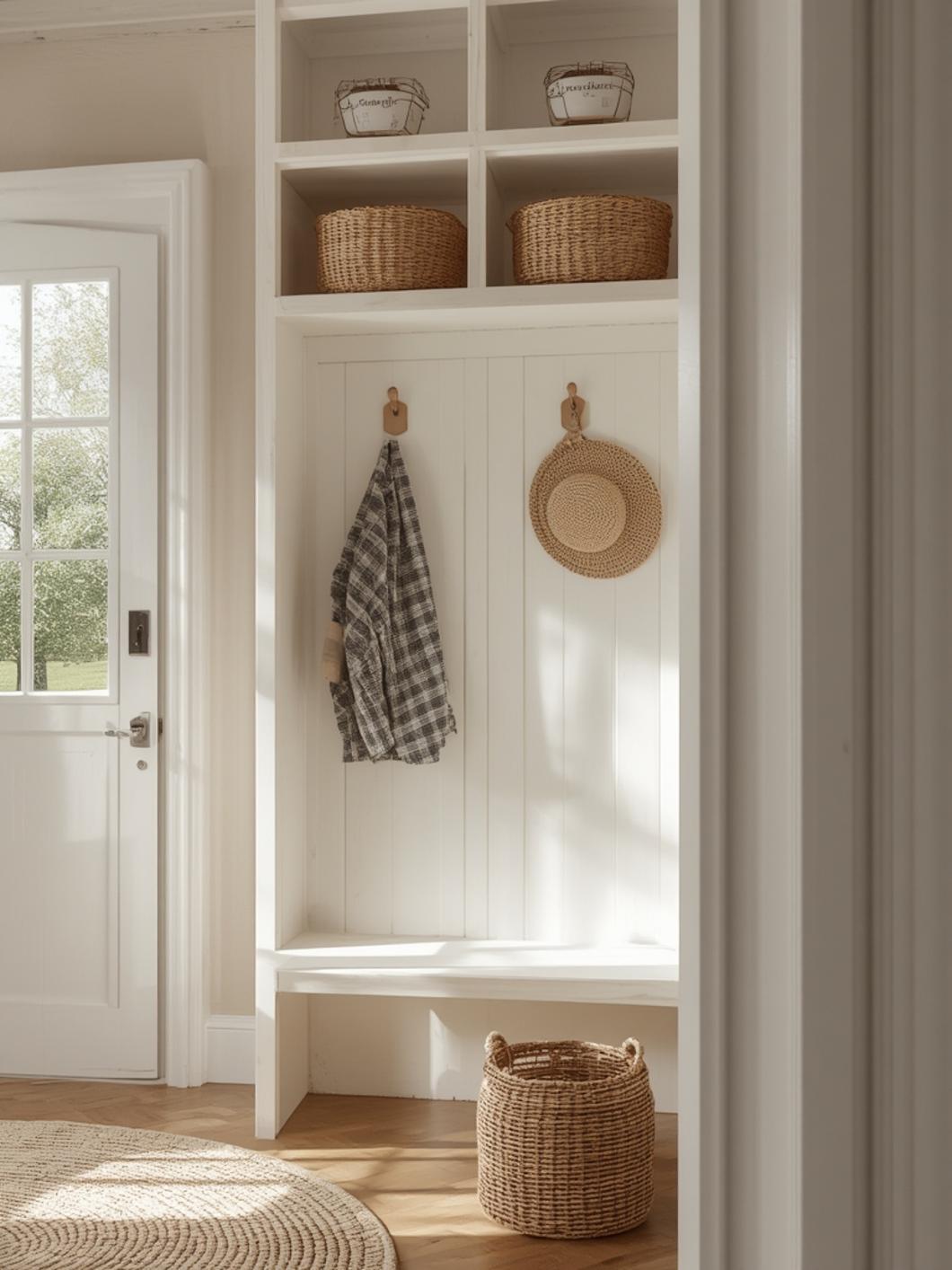
The beauty of mudroom design is that it can shift with your needs throughout the year. Your space should work harder during certain seasons while maintaining style year-round.
Fall and winter demand more storage for bulky coats, wet boots, and cold-weather accessories. This is when closed storage really earns its keep, hiding away the visual clutter that comes with layers upon layers of outerwear. Consider how your space will handle wet items—you might want to incorporate a boot tray or waterproof mat during these months.
Spring and summer allow you to scale back and showcase lighter, brighter elements. Swap heavy storage for open hooks and airy baskets. This is the perfect time to add fresh colors through accessories like cushions, wall art, or a new doormat.
Your mudroom should also reflect your household’s unique rhythm. If you have school-aged kids, back-to-school season means dedicated spots for backpacks, lunch boxes, and permission slips. Sports families need gear storage that’s accessible but contained.
Think about the mood you want to create. A mudroom can be purely functional with industrial-style metal lockers and concrete floors, or it can feel like an extension of your home’s warm aesthetic with wooden benches and soft textiles.
7 Ideas to Try in Your Home
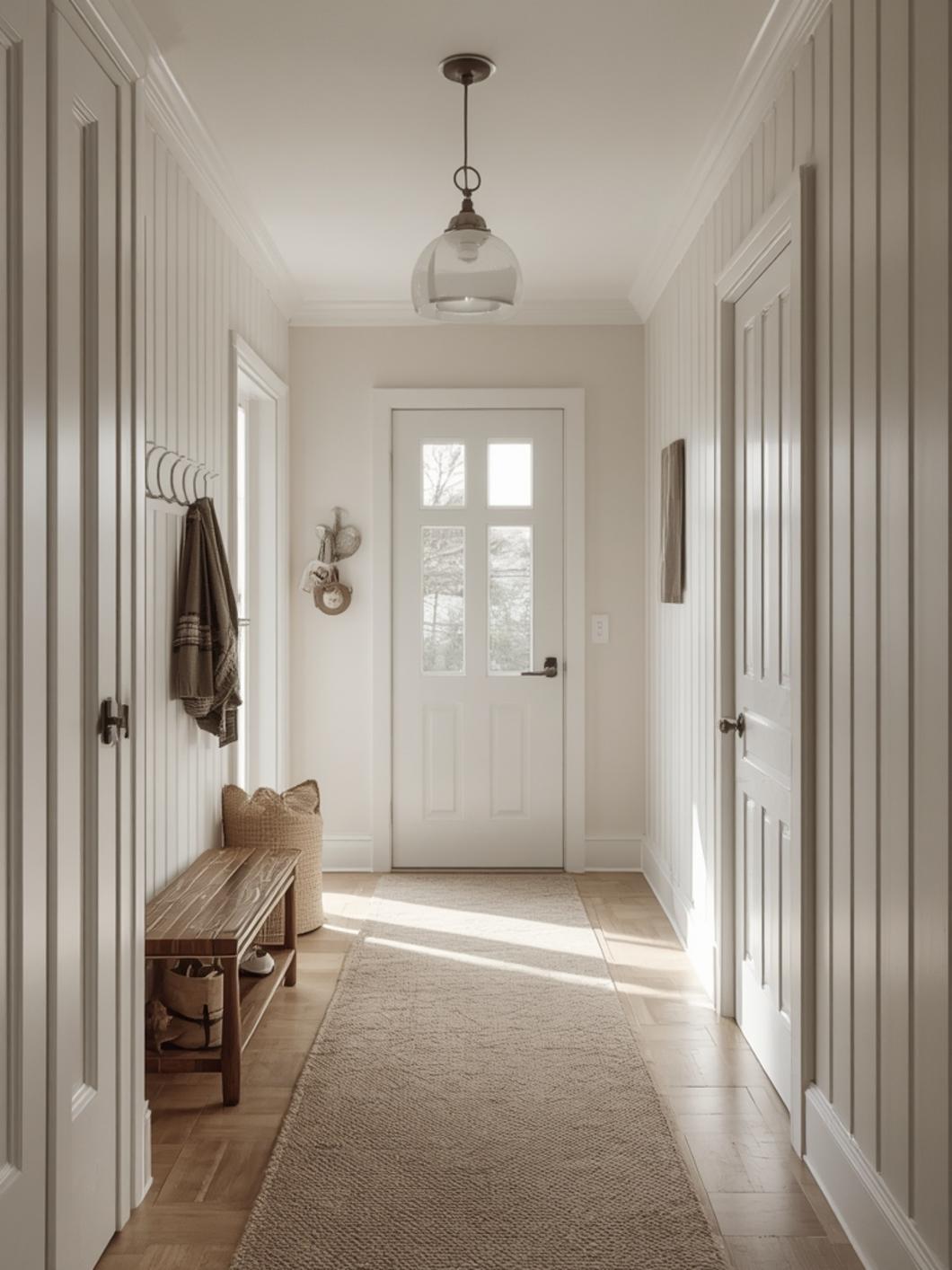
1. Create Individual Family Stations
Assign each family member their own designated area with a hook, cubby, and basket. Label them with names or photos for younger children. This approach teaches everyone to manage their own belongings and eliminates the “whose coat is this?” question. Each station becomes a mini command center for that person’s daily essentials.
2. Install a Command Center Wall
Turn one wall into your household headquarters with a combination of hooks, a mail organizer, a small bulletin board, and a calendar. Add a charging station for phones and tablets. This keeps everyone’s schedules visible and ensures devices are charged and ready each morning.
3. Build Vertical Storage in Small Spaces
When floor space is limited, think upward. Install floor-to-ceiling shelving units or tall lockers that maximize every inch. Use the top shelves for seasonal items you don’t need daily access to, and keep everyday essentials at eye level. This approach helps you figure out how to organize a mudroom on a budget by using affordable wall-mounted systems instead of expensive custom cabinetry.
4. Add a Pop of Personality with Color
Who says mudrooms have to be boring? Paint hooks in bright colors, choose patterned baskets, or install wallpaper on one accent wall. A cheerful mudroom sets a positive tone as you leave and welcomes you home with style. Even rental-friendly removable wallpaper can transform a builder-grade space.
5. Incorporate Hidden Storage Everywhere
Look for double-duty pieces that hide clutter while providing function. Benches with lift-up seats, ottomans with interior storage, and wall-mounted cabinets keep your space looking clean even when life gets messy. Under-bench drawers are perfect for shoes, while upper cabinets can store cleaning supplies or pet food.
6. Create a Pet-Friendly Zone
If you have dogs, dedicate a section to their needs. Install low hooks for leashes, add a drawer for treats and waste bags, and include a mat for wiping muddy paws. Some homeowners even incorporate a small dog washing station with a pull-out drawer that catches water. Your mudroom can serve as a pet command center that keeps all their gear in one place.
7. Design a Seasonal Swap System
Set up your mudroom with easily changeable elements. Use bins labeled by season that you can rotate in and out of closets. When winter arrives, swap the sunscreen and beach bags for scarves and mittens. This keeps your active storage streamlined to only what you actually need right now.
Benefits of a Well-Organized Mudroom
A thoughtfully designed mudroom does more than just store coats and shoes—it changes how your entire household functions.
You’ll spend less time searching for lost items when everything has a designated home. No more frantic morning hunts for car keys or that one specific shoe. Research shows that people spend an average of 2.5 days per year looking for misplaced items, and most of those items are things we use when leaving the house.
Your main living areas stay cleaner and more peaceful. When the mudroom catches dirt, clutter, and chaos at the door, it doesn’t spread throughout your home. You’re not tracking mud across the carpet or leaving coats on dining room chairs.
Morning routines become smoother and less stressful. Kids can grab their own backpacks, everyone knows where their shoes are, and you’re not running late because someone can’t find their jacket.
The psychological benefit of order shouldn’t be underestimated either. Coming home to an organized entryway instead of a chaotic mess helps you relax and transition from the outside world to your personal space.
Tips, Alternatives, and Styling Advice
Budget-Friendly Approach
You don’t need expensive custom built-ins to create an effective mudroom. Start with basic wall hooks from the hardware store, add a simple bench you might already own, and use decorative baskets from discount stores. Repurpose an old bookshelf laid on its side as cubby storage, or mount a coat rack you find at a thrift store. Total investment can stay under $100.
Mid-Range Option
Ready-made organizational systems from home stores offer great flexibility. Look for modular pieces you can combine to fit your exact space. A quality storage bench, coordinating baskets, and proper lighting fixtures will run between $300-$600. This range gives you durability and style without custom pricing.
Premium Investment
Custom built-ins designed specifically for your space offer maximum functionality and seamless style. Work with a carpenter to create lockers, benches, and cabinets that fit perfectly and match your home’s aesthetic. Expect to invest $1,500-$5,000 depending on size and materials. The advantage is permanent, beautiful storage that increases your home’s value.
Small Space Adaptation
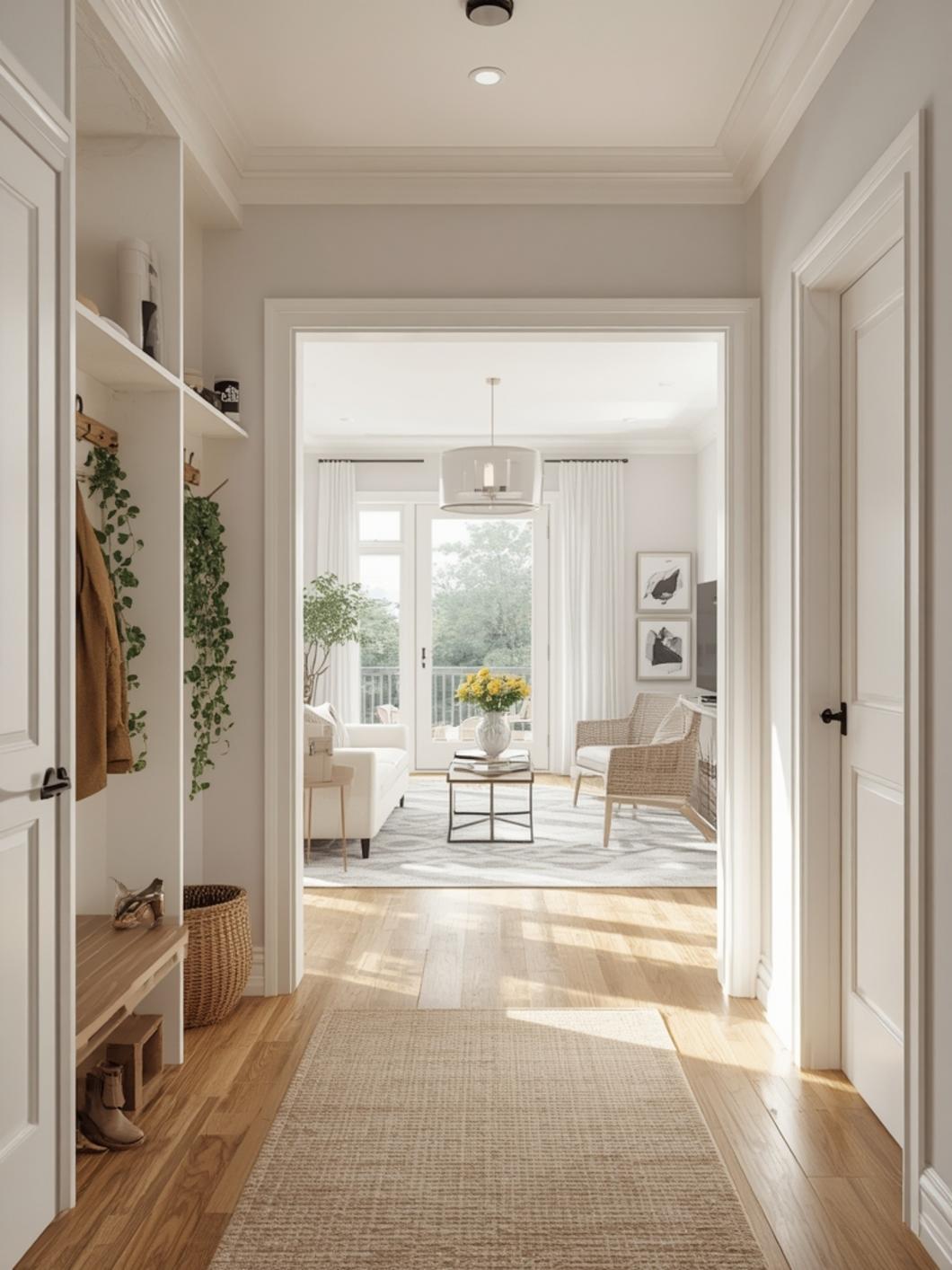
Even a narrow hallway can function as a mudroom. Install a slim wall-mounted coat rack with a narrow shelf above it. Place a small tray on the floor for shoes, and use over-the-door hooks on the back of your entry door for bags. Vertical storage is your solution when horizontal space is limited.
Common Mistakes to Avoid
Not Planning for Adequate Capacity
Many homeowners underestimate how much storage they actually need and end up with overflowing hooks and stuffed baskets. Count the number of people in your household and multiply by the items each person uses daily, then plan for 20% more capacity to handle guests and seasonal variations.
Choosing Style Over Function
That beautiful white bench might look stunning in the catalog, but will it hold up to daily use by muddy kids and dogs? Select materials and finishes that can handle your real life, not just look good in photos. Durability beats aesthetics when it comes to high-traffic areas.
Forgetting About Maintenance Access
Mudrooms get dirty by design, but some homeowners make them impossible to clean. Avoid furniture arrangements that trap dirt in corners you can’t reach. Choose flooring and materials you can easily wipe down, sweep, or vacuum without moving everything.
Ignoring Lighting Needs
A dark entryway makes finding items difficult and feels unwelcoming. Add proper overhead lighting plus task lighting near mirrors or the command center. Motion-sensor lights are especially helpful when you’re juggling bags and kids.
Skipping Weather-Resistant Elements
If your mudroom connects to an exterior door, it needs to handle temperature changes and moisture. Don’t install materials that will warp, fade, or mildew. Use weather-stripping, ensure proper ventilation, and choose water-resistant flooring options.
Maintenance and Upkeep Tips
Keep your mudroom functioning smoothly with these simple habits that take just minutes but make a huge difference.
Do a quick daily reset every evening. Spend five minutes hanging up items that got dropped, wiping down surfaces, and emptying the shoe tray of debris. This prevents small messes from becoming overwhelming disasters.
Conduct a weekly deeper clean by vacuuming or sweeping the floor thoroughly, wiping down hooks and benches, and checking baskets for items that don’t belong. Shake out mats and wipe down mirrors.
Schedule seasonal purges four times a year. Remove items you no longer need, rotate seasonal accessories in and out of storage, and assess whether your current system still works for your family’s needs. Kids grow, schedules change, and your mudroom should evolve with you.
Refresh your space annually with small updates. A new doormat, fresh baskets, or a coat of paint on old hooks keeps the area feeling intentional rather than tired. These minor investments maintain the space’s functionality and appeal.
Address wear immediately rather than letting it build up. If a hook is coming loose, tighten it now before it pulls out of the wall completely. If a basket is falling apart, replace it before contents start spilling everywhere.
Conclusion
Your mudroom doesn’t need to be perfect to be effective. The goal is creating a system that works for your family’s actual habits and needs, not achieving some magazine-ready ideal.
Start with one or two changes that will make the biggest impact on your daily routine. Maybe that’s adding hooks so coats stop ending up on the couch, or maybe it’s introducing a basket system so small items stop disappearing. Small improvements add up to significant changes in how your home functions.
Ready to tackle more home organization challenges? Explore DecorKingdom for more practical ideas that help your house work as beautifully as it looks.
FAQs
What’s the minimum space needed for a mudroom?
You don’t need a dedicated room to create mudroom function. Even a 2-foot-wide section of hallway can work with wall-mounted hooks and a small bench or shoe rack. The key is using vertical space efficiently and choosing appropriately scaled furniture for your area.
How do I keep my mudroom from smelling like wet shoes and sports gear?
Ventilation is crucial for odor control. Install a small fan or ensure your HVAC reaches the space. Use moisture-absorbing products like baking soda in shoe storage areas, and incorporate washable materials you can clean regularly. Allow wet items to dry before storing them in closed containers.
Should hooks be at different heights for kids and adults?
Absolutely. Install lower hooks that children can actually reach and use independently, typically around 36-40 inches for elementary-aged kids. Adult hooks should be 60-65 inches high. This two-tier approach teaches kids responsibility while keeping everything functional for grown-ups.
How many hooks do I really need per person?
Plan for at least two hooks per person—one for everyday coats and one for bags, scarves, or extra layers. Add a few guest hooks so visitors aren’t piling coats on your family’s spaces. Better to have slightly too many than not enough.
Can I create mudroom storage in a rental without drilling into walls?
Yes, several options work for renters. Over-the-door hook systems, freestanding coat racks, adhesive wall hooks rated for heavy loads, and furniture pieces with built-in storage all provide function without permanent installation. Leaning ladder shelves offer vertical storage without wall attachment.
—
Meta Title: 50 Mudroom Ideas That Actually Work in 2026
Meta Description: Smart mudroom ideas for every home size and budget. Get organized with practical storage solutions that keep chaos at bay.