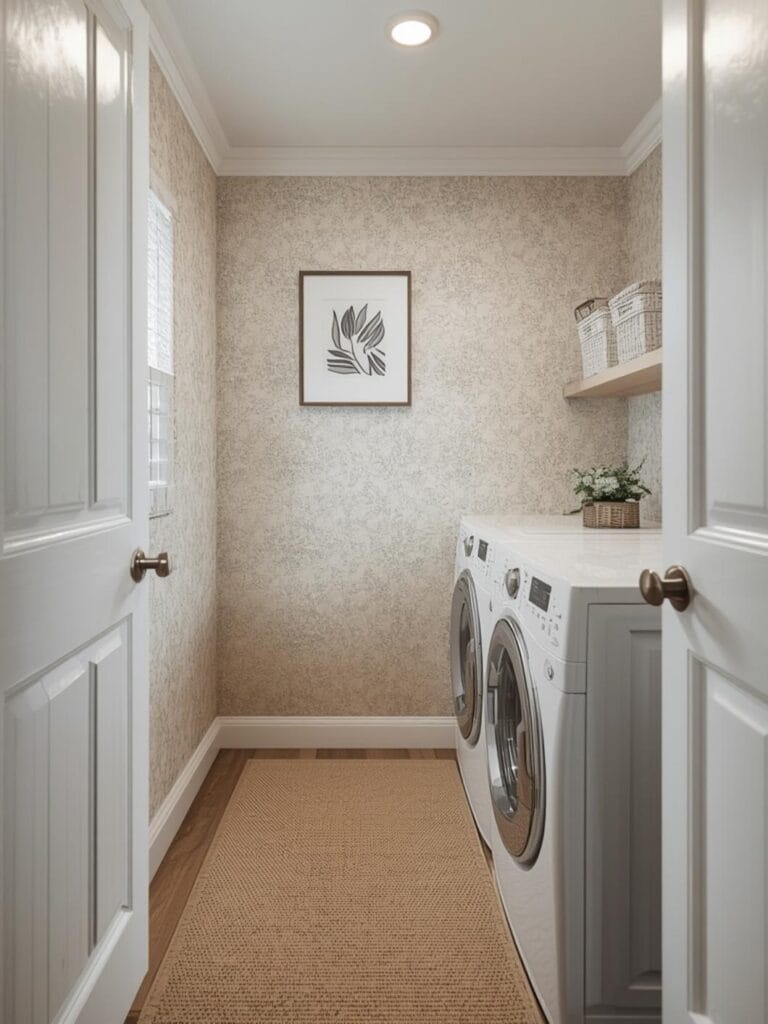
10 Mudroom Shelving Ideas to Maximize Your Entry Space
Your mudroom probably looks like a battlefield by 3 PM. Shoes scattered across the floor, coats draped over hooks, backpacks shoved into corners. You need a system that actually works, and that starts with smart mudroom shelving ideas that fit your real life.
The right shelving can turn chaos into calm. Whether you’re working with a tiny entryway or a dedicated mudroom space, the right storage approach makes every family member’s routine smoother. You’ll finally have a place for everything, and everything will actually stay in its place.
This isn’t about expensive custom built-ins or complicated installations. These are approachable ideas that transform how your household handles the daily rush, using shelving that works as hard as you do.
What You’ll Need to Get the Look
Creating an organized mudroom starts with the right pieces. You don’t need to buy everything at once, but having a clear shopping list helps you build a cohesive system.
Essential shelving components:
– Open shelving units (36–48 inches wide work well for most spaces)
– Storage bins or baskets that fit your shelf depth
– Wall-mounted hooks or pegboard systems
– Bench with underneath storage cubbies
– Label maker or tags for family organization
– Drawer dividers for smaller items
Decorative finishing touches:
– Coordinating storage containers in neutral tones
– Sturdy doormat or runner rug
– Small tray for keys and daily essentials
– Wall mirror above the bench area
– Bulletin board or family calendar
Choose materials that can handle moisture and daily wear. Metal, sealed wood, or durable laminate shelving holds up better than particle board in high-traffic areas.
Finding Your Style and Season
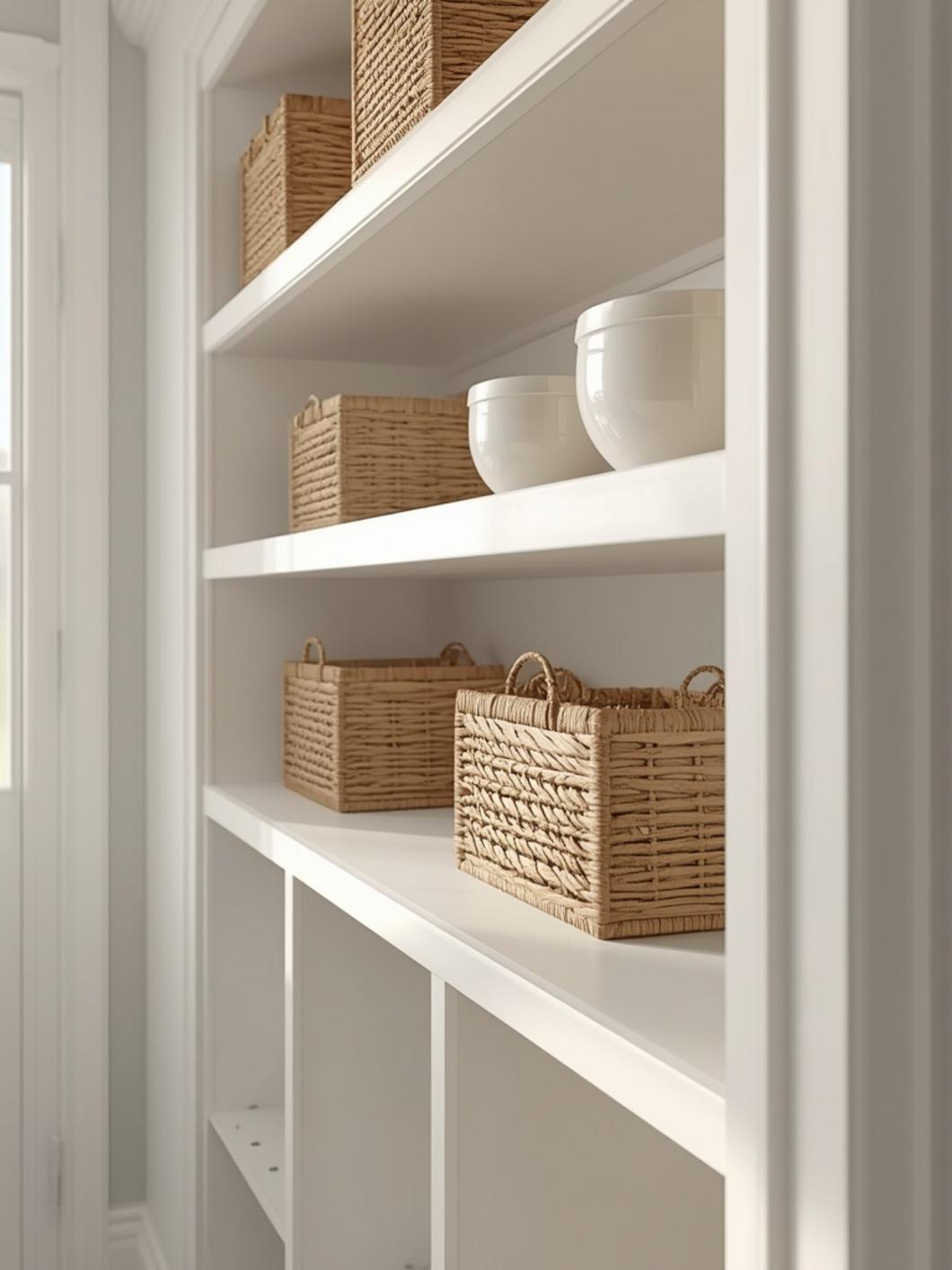
Your mudroom needs change throughout the year, and your shelving should adapt easily. The system you create now should flex with your family’s seasonal routines.
Spring and summer considerations:
This is when lightweight jackets, sunscreen, and sports equipment take over. You need open bins where kids can toss baseball gloves and swimming goggles. Upper shelves work perfectly for storing winter gear until next season.
Fall and winter planning:
Bulky coats, snow boots, and winter accessories need more space. Lower shelves become essential for heavy boots that kids can reach themselves. You’ll want deeper storage for hats, scarves, and gloves that seem to multiply overnight.
Year-round functionality:
Some items never leave the mudroom rotation. School bags, everyday shoes, pet leashes, and reusable shopping bags need permanent homes. Dedicate middle shelves to these daily essentials where everyone can access them easily.
Think about who uses your mudroom most. If you have young children, place their shelves at their eye level. Teenagers might need more privacy, so consider closed storage options for their section.
7 Ideas to Try in Your Home
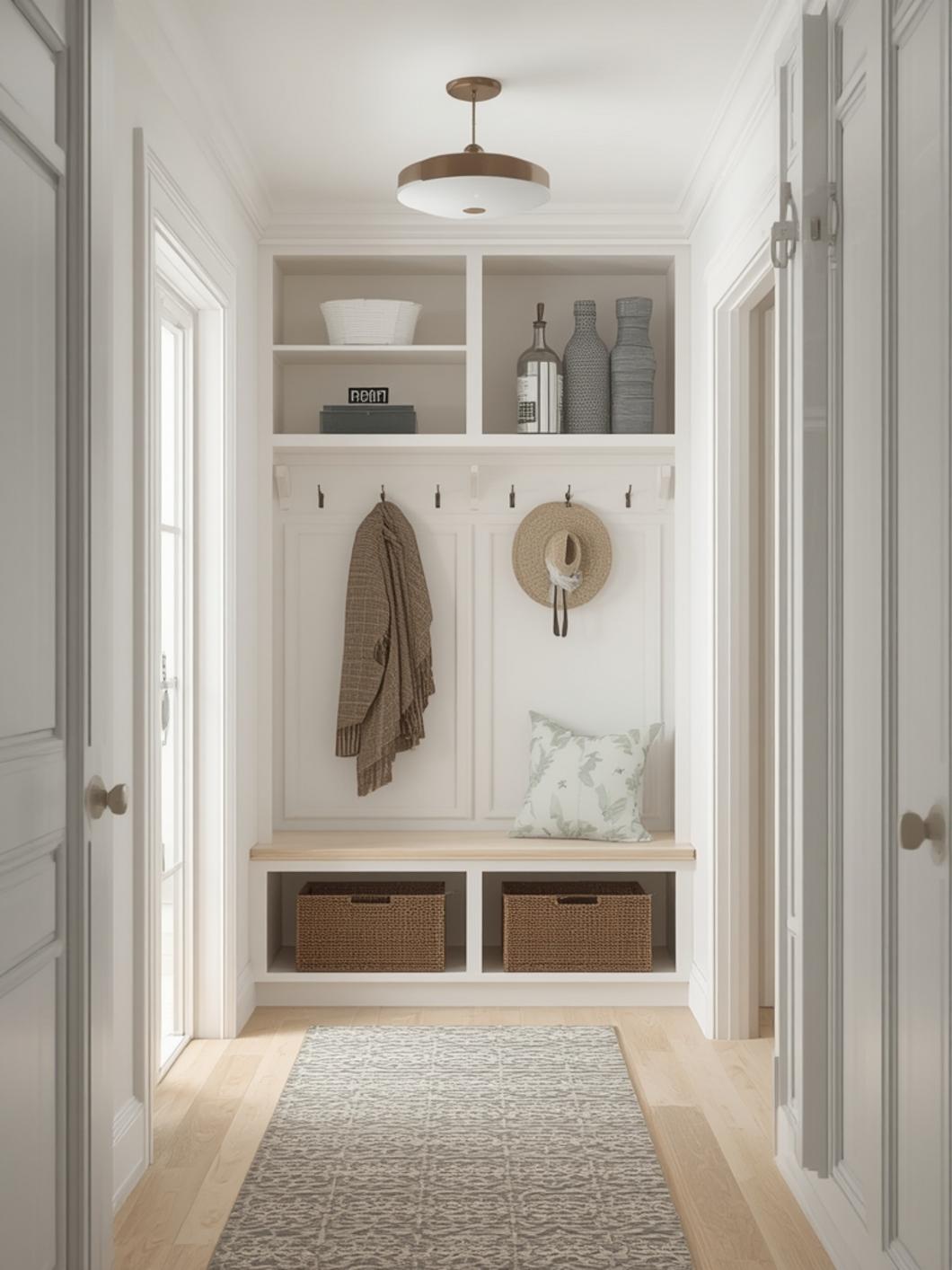
1. The cubby system with personality
Individual cubbies give each family member their own space. Install open shelf units with separate compartments, then personalize each with a family member’s name or photo. This eliminates the “that’s mine” arguments and teaches kids ownership of their belongings. Add a basket to each cubby for smaller items that tend to disappear.
2. Floor-to-ceiling maximizer
Use vertical space fully by stacking shelving units from floor to ceiling. Reserve bottom shelves for shoes in bins, middle shelves for daily grab-and-go items, and top shelves for seasonal storage. This approach works beautifully for narrow spaces where you can’t spread out horizontally. Keep a small step stool nearby for accessing those upper reaches.
3. The bench-and-shelf combo
Mount a sturdy shelf directly above a bench seat at exactly the right height for hanging coats underneath. The shelf itself holds hats and bags, while the bench provides seating for putting on shoes. Store shoes in roll-out bins under the bench. This creates three storage zones in one compact footprint.
4. Corner shelving solution
Don’t waste corner space in L-shaped mudrooms. Corner shelving units or floating corner shelves capture dead space beautifully. These spots work perfectly for items you need less frequently, like extra light bulbs, pet supplies, or craft materials that support school projects.
5. The pegboard-shelf hybrid
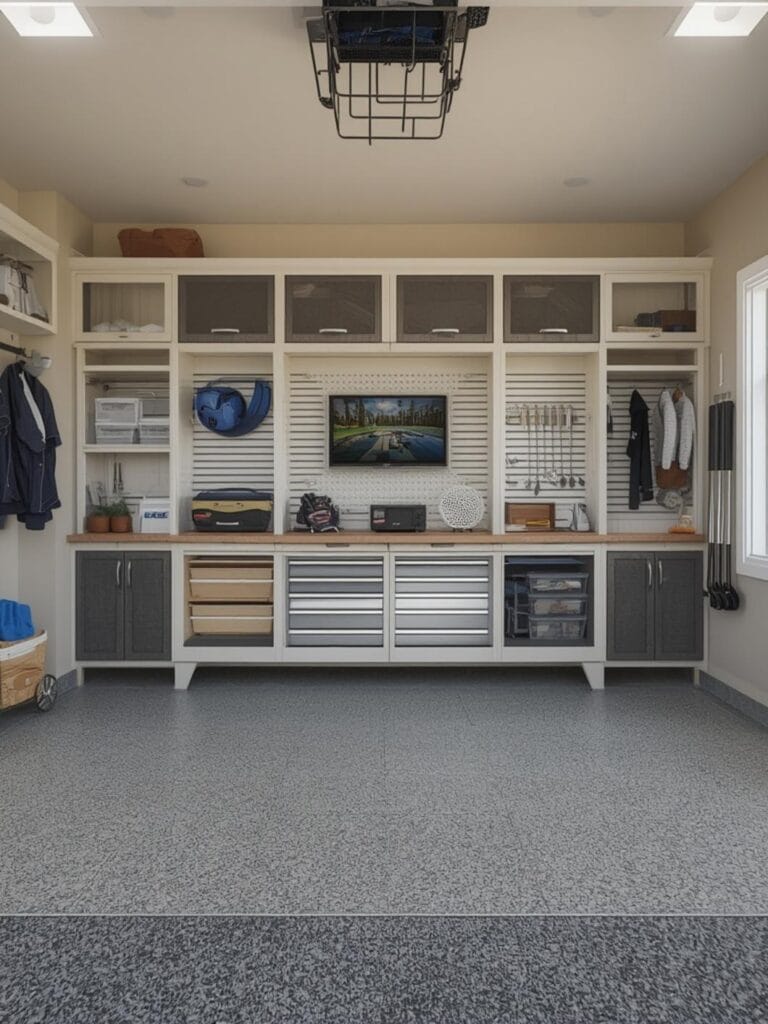
Install a pegboard backing behind open shelves for ultimate flexibility. Hooks on the pegboard hold bags and lightweight jackets, while the shelves themselves organize shoes and bins. When how to organize mudroom shelves for small spaces becomes your biggest challenge, this system lets you adjust hook placement as needs change without reinstalling anything.
6. Rolling cart supplement
Add a narrow rolling cart between fixed shelving units for items that move between rooms. Sports equipment that goes from mudroom to car, craft supplies heading to the dining table, or cleaning supplies you wheel out regularly all benefit from this mobile storage. can give you even more ways to blend mobile and fixed storage.
7. The labeled bin system
Create a shelf devoted entirely to clear or labeled bins that slide out like drawers. One bin for each category: sports, school papers, pet supplies, seasonal accessories, and repair items. This keeps visual clutter contained while making everything accessible. You’ll know exactly where things are, and putting items away becomes effortless.
Benefits of Smart Mudroom Shelving
The right shelving does more than organize stuff. It changes how your household functions every single day, especially during those hectic morning and evening transitions.
Mornings become calmer
When everyone knows exactly where their shoes and bags are, you eliminate the frantic searches. Kids can independently get ready, which means you’re not playing detective before the school bus arrives. That mental load reduction makes your entire morning routine more peaceful.
Coming home feels better
Walking into an organized space instead of a disaster zone improves your mood instantly. You have a designated spot to decompress, drop your belongings, and transition into home mode. This psychological boundary between outside chaos and indoor calm matters more than you might realize.
Guests feel welcome
An organized mudroom or entryway creates positive first impressions. When friends arrive and see a tidy, functional space, they immediately feel comfortable in your home. There’s no embarrassment about the mess or awkward moments clearing space for their coats. can help you create that welcoming feeling throughout your front entrance.
Smart Shelving Options for Every Budget
Budget-friendly approach ($100–200)
Wire shelving units from home improvement stores work perfectly well and cost significantly less than custom solutions. Add inexpensive fabric bins in coordinating colors, install basic wall hooks, and use a simple bench you already own. This approach prioritizes function over aesthetics but still looks neat and intentional.
Mid-range investment ($300–600)
Modular cube storage systems offer flexibility and style at reasonable prices. These units snap together in various configurations, so you can expand or rearrange as needs change. Pair them with higher-quality baskets and a proper mudroom bench with built-in storage. The finished look rivals custom installations at a fraction of the cost.
Premium solution ($800–1,500)
Custom-fitted shelving systems designed for your exact space maximize every inch. These often include built-in bench seating, integrated lighting, and specialized storage for specific needs. The quality materials and professional installation create a showroom-worthy space that adds value to your home.
Small space adaptation
When you’re working with a tiny entryway instead of a full mudroom, vertical shelving becomes essential. Mount narrow floating shelves up the wall, use over-the-door organizers for shoes, and install a fold-down bench that disappears when not in use. Every inch counts, so choose multi-purpose pieces like a bench that’s also a storage chest.
Common Mistakes to Avoid
Making shelves too deep for the space
Shelves deeper than 14 inches in a small mudroom create accessibility problems, and items get lost in the back. Stick with 10–12 inch depth for most mudroom applications, which provides enough storage without overwhelming the space.
Placing shelves at impractical heights
When you hang shelves too high for kids to reach, they won’t use them, and you’re stuck putting everything away yourself. Position the most-used shelves between 24–48 inches from the floor for household accessibility.
Choosing open shelving exclusively
All open shelves expose every bit of clutter, creating visual chaos even when organized. Mix open shelves with some closed storage options like bins or cabinet doors to hide less attractive but necessary items.
Forgetting about weight capacity
Shelving loaded with heavy boots, sports equipment, and bags needs proper support. Check weight ratings before buying, and always use wall anchors when mounting shelves, even if you’re attaching them to studs.
Skipping the planning phase
Installing shelves without measuring your family’s actual belongings leads to spaces that don’t work. Measure your tallest boots, bulkiest coats, and biggest bags before finalizing shelf spacing and depth.
Keeping Your Mudroom Shelves Functional
Maintenance makes the difference between shelving that works long-term and systems that fall apart within months. These simple habits keep everything running smoothly.
Weekly quick reset
Spend five minutes every Sunday evening returning misplaced items to their designated spots. Remove anything that doesn’t belong in the mudroom entirely. This prevents gradual clutter creep that makes the space unusable.
Monthly deep organization
Once a month, empty each shelf completely and wipe down surfaces. Check for items that need to move into storage, donations, or trash. Evaluate whether your current system still works or needs small adjustments.
Seasonal rotation
At the start of each season, swap out stored items for current-season needs. Box up winter gear in spring and summer items in fall. Label these boxes clearly and store them in the garage, basement, or top shelves.
Clean shelving materials properly
Wipe down wood or laminate shelves with a barely damp cloth and dry immediately. Metal shelving tolerates more moisture but still benefits from regular dusting. Vacuum or shake out fabric bins monthly to prevent dust buildup.
Your Mudroom Can Work Better
Smart shelving transforms your mudroom from a dumping ground into a functional space that supports your family’s daily routine. The ideas you’ve seen here work in real homes with real families, not just in magazine photos.
Start with one section or one idea that solves your biggest pain point. You don’t need to overhaul everything at once. Small improvements build momentum, and you’ll quickly see how much easier life becomes when everything has its place.
Explore more practical home organization solutions here at DecorKingdom, where we help you create spaces that look beautiful and work even better.
FAQs
What depth should mudroom shelves be for shoes and bags?
Most mudroom shelves work best at 12 inches deep, which accommodates average adult shoes and folded bags comfortably. If you have large boots or oversized athletic bags, consider 14-inch depth for those specific shelves. Shallower 10-inch shelves work perfectly for keys, mail, and small accessories.
How high should the lowest shelf be in a mudroom?
Position your lowest shelf about 6–8 inches off the floor to allow for easy cleaning underneath and to prevent moisture damage from wet shoes. If you’re creating cubbies for kids, their dedicated sections can start even lower, around 4 inches up, so little ones can access their belongings independently.
Can I mix open shelving with closed storage in a mudroom?
Absolutely, and you should. Use open shelves for items you grab daily like bags and shoes, while closed bins or cabinets hide less attractive necessities like cleaning supplies, pet items, or seasonal gear. This combination keeps the space functional without looking cluttered.
How do I stop mudroom shelves from looking messy all the time?
Use uniform containers or baskets on your shelves so even when items are tossed inside, the overall look stays neat. Label each container clearly so family members know where things belong. Limit each shelf to one or two item categories rather than mixing everything together.
What’s the best material for mudroom shelves that get wet?
Sealed wood, metal with powder coating, or heavy-duty plastic shelving holds up best against moisture from wet coats and shoes. Avoid particle board or unsealed wood, which warps and deteriorates quickly in humid conditions. Wire shelving also works well because it allows air circulation and doesn’t trap moisture.
—
Meta Title: 7 Mudroom Shelving Ideas That Finally Work (2026)
Meta Description: Transform entry chaos with mudroom shelving ideas that fit small spaces and busy families. Get organized today with DecorKingdom.