5 Ways to Style Your Bookshelf Decor
You’ve got the perfect bookshelf standing in your living room or home office, but something feels off. Maybe it’s too sparse, too cluttered, or just plain boring. You’re not alone in this struggle—most homeowners find that arranging books and decor on open shelving is trickier than it looks.
The good news? With the right bookshelf decor ideas, you can transform those bare shelves into a stunning focal point that reflects your personality. Whether you’re working with built-ins, floating shelves, or a freestanding unit, the secret lies in balancing books with decorative objects that add visual interest.
This guide walks you through everything you need to create beautifully styled shelves that look magazine-worthy without feeling fussy or overdone.
Table of Contents
What You’ll Need to Get the Look
Creating beautiful bookshelf displays doesn’t require expensive pieces or a degree in interior design. Here’s what works well for most styling projects:
– Books in various sizes: Hardcovers, paperbacks, and coffee table books in different heights
– Decorative objects: Small sculptures, framed photos, or collectibles that mean something to you
– Plants: Small potted succulents, trailing pothos, or faux greenery for low-maintenance options
– Baskets and boxes: Woven baskets or decorative storage boxes to hide clutter
– Artwork: Small framed prints or leaning art pieces
– Bookends: Functional and decorative pieces to hold books upright
– Layering pieces: Cutting boards, small trays, or decorative plates to create depth
– Lighting: Battery-operated string lights or small LED picture lights (optional)
You probably already own many of these items. Start by gathering everything you might want to display, then edit down to avoid overcrowding.
Finding Your Style and Season
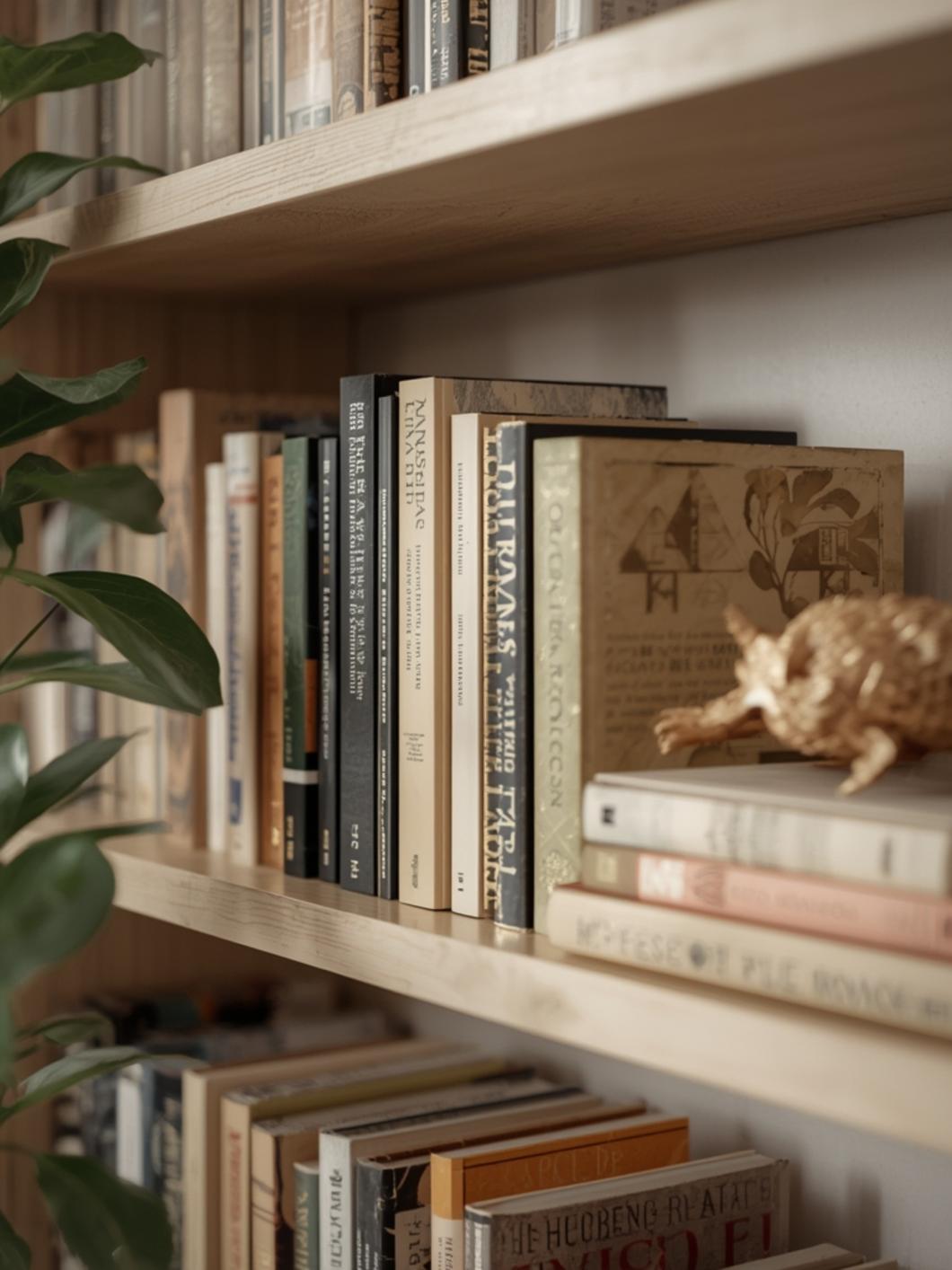
Your bookshelf styling should reflect the season and the overall mood of your room. Think about when you want to refresh your display and what feeling you’re after.
Spring and summer call for lighter, airier arrangements with fresh greenery and bright accessories. This is when trailing plants and botanical prints shine. Consider pulling out books with lighter-colored spines or white covers to create a breezier feel.
Fall and winter invite cozier, more layered looks. This is your chance to incorporate warmer metallics, darker book spines, and seasonal decor like small pumpkins or pinecones. You might also add in textured elements like small wooden objects or brass candlesticks.
Your personal style matters more than any trend. If you love minimalist spaces, stick with fewer objects and plenty of breathing room. If you’re drawn to maximalist interiors, embrace the chaos with colorful books and eclectic accessories.
7 Ideas to Try in Your Home
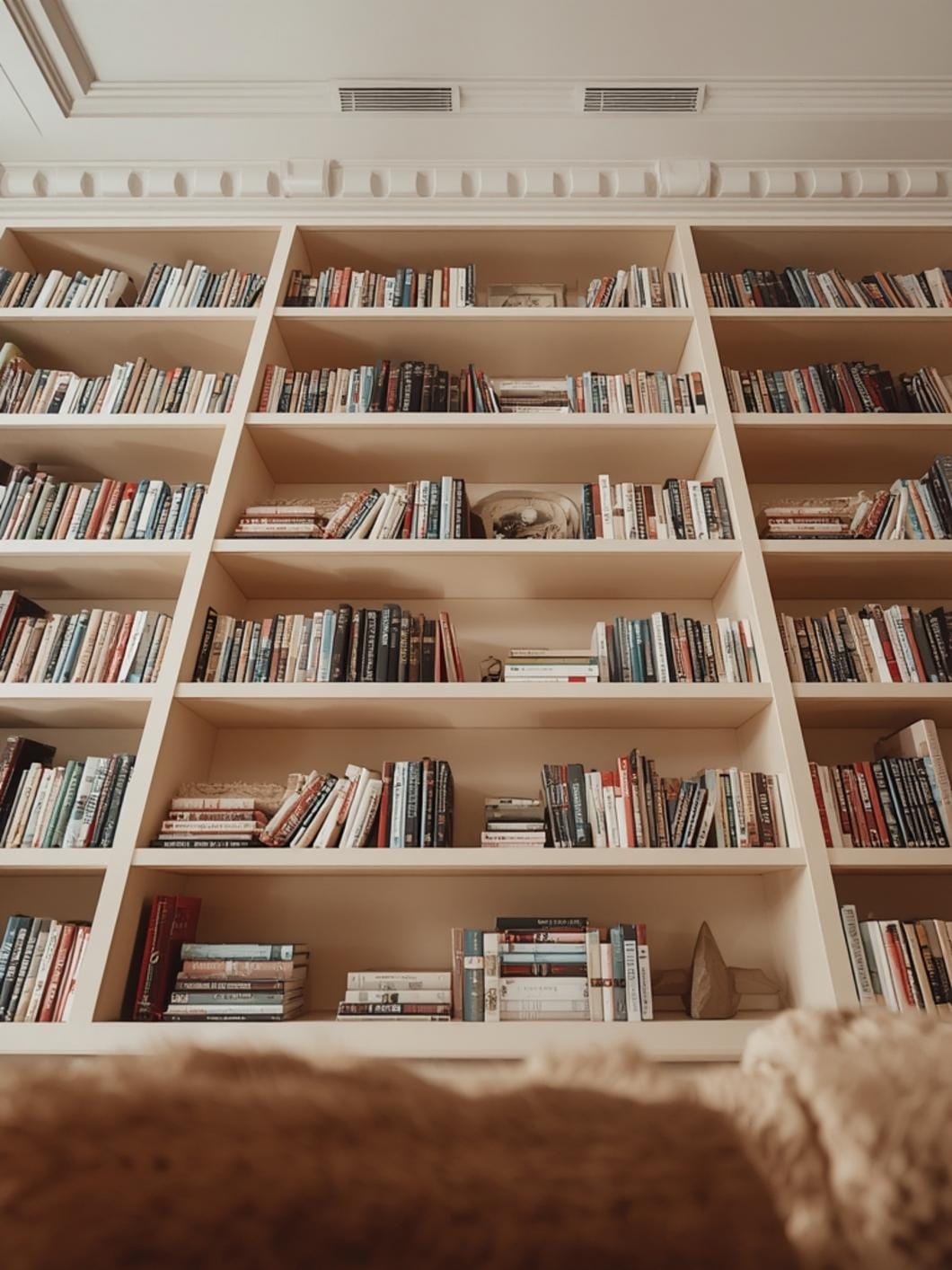
Ready to get styling? These approaches work beautifully in real homes and can be adapted to any shelf size or style.
The Rule of Threes
Group decorative objects in sets of three—three candlesticks, three small vases, or three framed photos. This creates visual balance without looking too matchy-matchy. Vary the heights within each grouping for added interest.
Horizontal and Vertical Stacking
Don’t stand all your books upright. Stack some horizontally to create platforms for small plants or decorative objects. This breaks up the vertical lines and gives your eye places to rest. Try stacking three to five books, then topping them with a small succulent or pretty box.
The Color Gradient Approach
Arrange your books by color to create a rainbow effect across your shelves. This works especially well with large book collections and creates an instant wow factor. Your guests will absolutely notice this artistic touch.
Asymmetrical Balance
Place a tall object on one side of a shelf and balance it with grouped smaller items on the other side. For example, a tall vase on the left might be balanced by a stack of books plus a small plant on the right. This creates visual interest while maintaining harmony.
Plant-Forward Design
When you’re figuring out how to style bookshelves with plants and accessories, consider making greenery your star player. Position plants at different heights throughout your shelving unit—trailing varieties look gorgeous cascading from upper shelves, while upright plants work well on middle or lower levels. Mix in your books and a few carefully chosen accessories, but let the plants take center stage.
The Breathing Room Method
Leave some shelves partially empty. This negative space gives your display a curated, intentional look rather than a cluttered one. You might style just one side of a shelf and leave the other completely bare, or skip styling every other shelf entirely.
Layered Depth Technique
Create depth by layering items front to back. Place smaller framed art pieces behind decorative objects, or position books at an angle against the back of the shelf with accessories in front. This adds dimension and makes your display feel more dynamic than if everything sits flush against the back wall.
Benefits of Thoughtfully Styled Shelves
Well-decorated bookshelves do more than just look pretty—they improve your entire living space in meaningful ways.
They create a personalized focal point that tells your story. Every object you choose reflects something about your interests, travels, or values. When guests visit, your shelves become natural conversation starters.
Styled shelving makes rooms feel finished and intentional. That half-empty bookshelf that’s been nagging at you? Once it’s beautifully arranged, the whole room feels pulled together. You’ll actually enjoy spending time in that space more.
The process itself is surprisingly therapeutic. Arranging and rearranging objects until they feel just right gives you creative control over your environment. It’s like creating a small art installation in your own home.
Tips for Every Budget and Space
Budget-Friendly Option
Shop your own home first. Gather items from other rooms—that decorative bowl from the kitchen, the small plant from your bedroom, framed photos from your desk. Thrift stores and yard sales are goldmines for unique bookends and vintage objects. Mix these finds with your existing books, and you’ve got a styled shelf for under $20.
Mid-Range Option
Invest in a few statement pieces that anchor your design. A beautiful ceramic vase ($30-50), a set of decorative boxes ($25-40), and two or three new plants with interesting pots ($15-25 each) will elevate your entire display. Add in what you already own, and you’ll have a professional-looking arrangement for around $100-150.
Premium Option
Splurge on museum-quality art books with stunning covers, designer bookends, and unique sculptural objects. Consider commissioning custom framed art or investing in a statement plant like a large fiddle leaf fig. A high-end bookshelf styling project might run $300-500, but these pieces become long-term investments in your home’s aesthetic.
Small Space Adaptation
Working with just one or two shelves? Apply the same principles on a smaller scale. Choose three to five key items that really matter to you, and give them plenty of breathing room. In tight spaces, less is definitely more.
Common Mistakes to Avoid
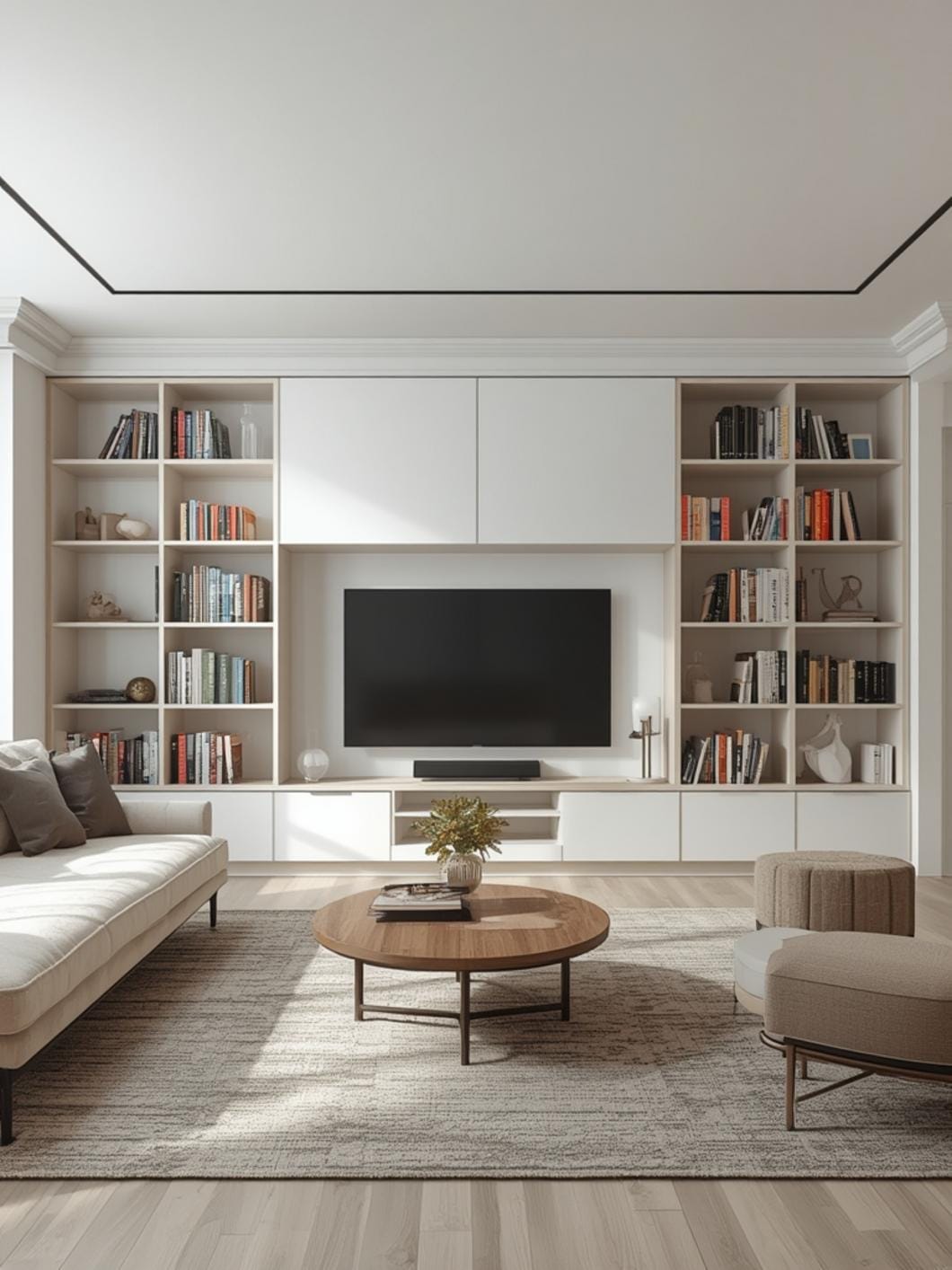
Overcrowding every inch of shelf space
When you cram too many items together, nothing stands out and the whole display looks chaotic. Leave at least 20-30% of each shelf empty to let individual pieces shine.
Ignoring scale and proportion
Placing tiny objects on massive shelves makes them disappear, while oversized items on small shelves overwhelm the space. Match the size of your decor to the size of your shelving unit.
Using only books
Shelves filled exclusively with books can look like a library rather than a styled living space. Break up the books with decorative objects, plants, and artwork to create visual variety.
Neglecting the backs of shelves
Leaving the back wall of your bookshelf plain white or wood-toned is a missed opportunity. Consider painting it a contrasting color or adding peel-and-stick wallpaper for extra impact.
Forgetting about lighting
Dark, shadowy shelves hide your beautiful styling work. If your bookshelf isn’t well-lit naturally, add battery-operated LED puck lights or a small lamp to highlight your display.
Keeping Your Shelves Looking Fresh
Styled bookshelves need occasional attention to maintain their beauty. Dust builds up quickly on books and decorative objects, so plan to dust your shelves thoroughly every two weeks.
Rotate your accessories seasonally to keep your display feeling current. Swap out summer’s light linens and bright florals for fall’s warmer textures and deeper colors. This doesn’t mean buying new items—just moving pieces between rooms or bringing out items you’ve stored away.
Water your plants according to their specific needs and remove any dead leaves promptly. If you’re using fresh flowers in vases, change the water every few days. Faux plants need dusting just like everything else.
Check that books remain upright and stacked neatly. Over time, books can start leaning or sliding. Quick adjustments every few weeks keep everything looking intentional rather than neglected.
Making Your Shelves Work for You
Beautifully styled bookshelves combine function and aesthetics in a way that makes your home feel uniquely yours. The key is balancing books with plants, accessories, and breathing room to create displays that catch the eye without overwhelming the space.
Start with what you have, experiment with different arrangements, and don’t be afraid to change things up when the mood strikes. Your bookshelves should evolve with you and your home.
Ready to explore more ways to elevate your home’s style? Browse our other guides at DecorKingdom for inspiration that fits your real life and budget.
FAQs
How many items should I put on each shelf?
Aim for three to five distinct groupings per shelf, with each grouping containing one to three items. This creates visual interest without crowding. A 36-inch shelf might hold two stacks of books, one plant, and one decorative object. Always leave some empty space—about 20-30% of each shelf should remain open.
Should I organize my books by color or by genre?
Both approaches work beautifully, so choose based on your priorities. Color-coding creates a striking visual impact and works well if you know your books well enough to find them without alphabetical organization. Genre organization is more functional if you reference your books frequently. You can also mix both methods by color-coding within genres.
What’s the best way to incorporate family photos without making shelves look cluttered?
Limit photos to one or two per bookshelf unit, and choose frames that complement each other. Mix photos in with other objects rather than grouping them all together. Consider leaning larger framed photos against the back of a shelf rather than standing them upright—this creates a more casual, collected look.
How do I style bookshelves if I don’t have many books?
Use what you have and fill gaps with decorative objects, plants, and artwork. Baskets and decorative boxes can store items while adding visual interest. You might also stack a few beautiful coffee table books horizontally on each shelf to create height variation without needing a large book collection.
Can I use fake plants on my bookshelves or will they look cheap?
High-quality artificial plants look surprisingly realistic and work perfectly on bookshelves, especially in rooms without natural light. Look for faux plants with varied leaf colors and realistic textures. Dust them regularly to keep them looking fresh. Mix one or two real plants with faux ones if you want the best of both worlds.
—
Meta Title: Bookshelf Decor Ideas That Transform Any Room (2026)
Meta Description: Simple bookshelf decor ideas using plants, books & accessories. Create stunning styled shelves in any room with our step-by-step guide.