7 Accent Wall Ideas That Make a Small Kitchen Feel Bigger, Not Busier
You walk into your kitchen every morning, and something feels off. The space works fine, but it lacks personality. Maybe the walls feel too plain, or the room just doesn’t reflect your style the way you’d hoped.
Adding an accent wall might be exactly what your kitchen needs. Small kitchen accent wall ideas can completely change how your space feels without requiring a full renovation or a massive budget. The right accent wall draws the eye, adds depth, and makes even the tiniest kitchen feel intentional and welcoming.
Your kitchen deserves to feel like more than just a functional space. A well-chosen accent wall turns it into a room you actually enjoy spending time in, whether you’re brewing morning coffee or cooking dinner for friends.
Table of Contents
What You’ll Need to Get the Look
Creating an accent wall doesn’t require a contractor or complicated tools. Most of these projects use materials you can find at any home improvement store or order online.
For painted accent walls:
– Interior paint in your chosen finish (matte, satin, or semi-gloss)
– Painter’s tape
– Paint rollers and brushes
– Drop cloths
For peel-and-stick options:
– Removable wallpaper or wall decals
– Smoothing tool
– Level and measuring tape
– Utility knife for trimming
For textured walls:
– Reclaimed wood planks or shiplap
– Adhesive squares or construction adhesive
– Wood stain or paint (optional)
– Nail gun (for permanent installations)
For tile or backsplash accent walls:
– Peel-and-stick tile sheets
– Grout pen (if needed)
– Cleaning supplies for wall prep
You’ll also want to keep paint samples handy. Testing colors on your actual wall in different lighting conditions prevents expensive mistakes and helps you commit to the right shade before you buy full gallons.
Finding Your Style and Season
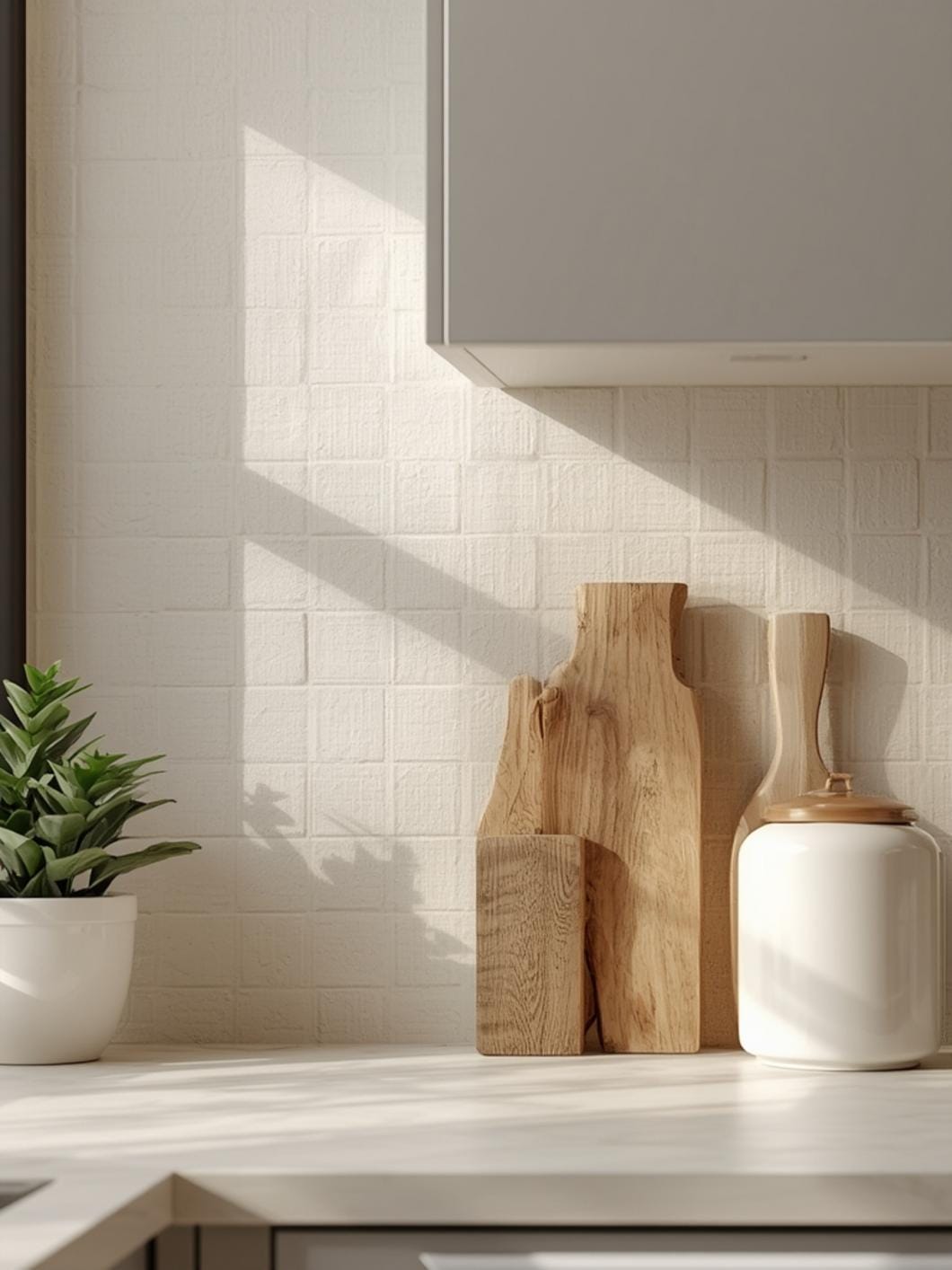
Timing matters less with accent walls than with major renovations, but certain seasons work better for specific styles. Spring and summer inspire lighter, brighter choices like soft blues or warm whites that make small kitchens feel airy.
Fall and winter invite richer tones. Deep greens, charcoal grays, or even dramatic blacks create cozy contrast during darker months. Your mood and the natural light in your kitchen should guide your timing more than any strict calendar rule.
Budget also plays a role in planning. Paint projects cost between $50 and $150 depending on quality and coverage. Peel-and-stick wallpaper ranges from $30 to $200 per roll. Real wood or tile installations might run $200 to $500 for materials if you install them yourself.
Start by identifying which wall gets the most attention. In most kitchens, that’s either the wall behind the stove or the wall facing the entry point. Placing your accent wall where eyes naturally land creates maximum impact without overwhelming the space.
7 Ideas to Try in Your Home
1. Bold Single Color
Paint one wall in a saturated color while keeping the others neutral. Navy blue, forest green, or terracotta create striking focal points in white or cream kitchens. The contrast makes your small kitchen feel purposefully designed rather than cramped. This works especially well on the wall behind open shelving, where the color peeks through dishes and glassware.
2. Two-Tone Split
Divide your accent wall horizontally with two complementary colors. Paint the bottom half in a darker shade and the top in something lighter. This technique draws the eye upward, making low ceilings feel higher. The division line should sit around 36 to 42 inches from the floor for the most balanced look.
3. Vertical Shiplap or Planks
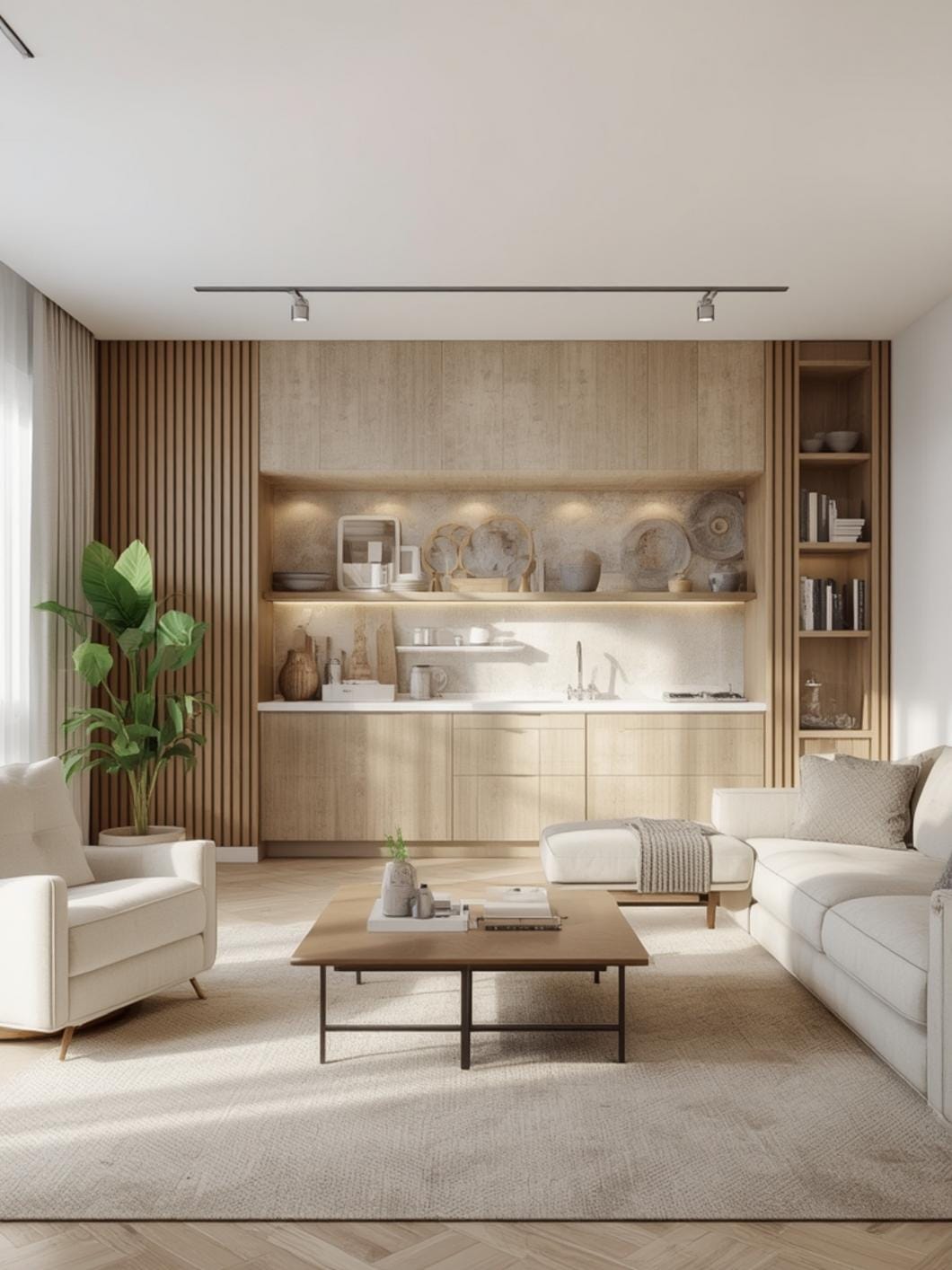
Install narrow wood boards vertically instead of the traditional horizontal direction. Vertical lines create the illusion of height, which benefits small kitchens with standard 8-foot ceilings. You can paint the wood in any color or leave it natural for warmth.
4. Peel-and-Stick Wallpaper Patterns
Modern removable wallpapers come in geometric patterns, botanical prints, and textured designs that add dimension without permanent commitment. Patterns with vertical elements or light backgrounds prevent small spaces from feeling closed in. Stick to one patterned wall and keep surrounding walls solid to avoid visual chaos.
5. Subway Tile Beyond the Backsplash
Extend classic white subway tile from your backsplash all the way to the ceiling on one wall. The repetitive horizontal lines and glossy finish reflect light, making your kitchen feel larger. Colored grout in gray or black adds contemporary edge without overwhelming the space.
6. Chalkboard or Magnetic Paint
Transform one wall into a functional surface with specialty paint. Chalkboard walls work beautifully for grocery lists, recipes, or family messages. Magnetic primer underneath lets you display artwork or photos. These work best on walls without upper cabinets where you have clear vertical space.
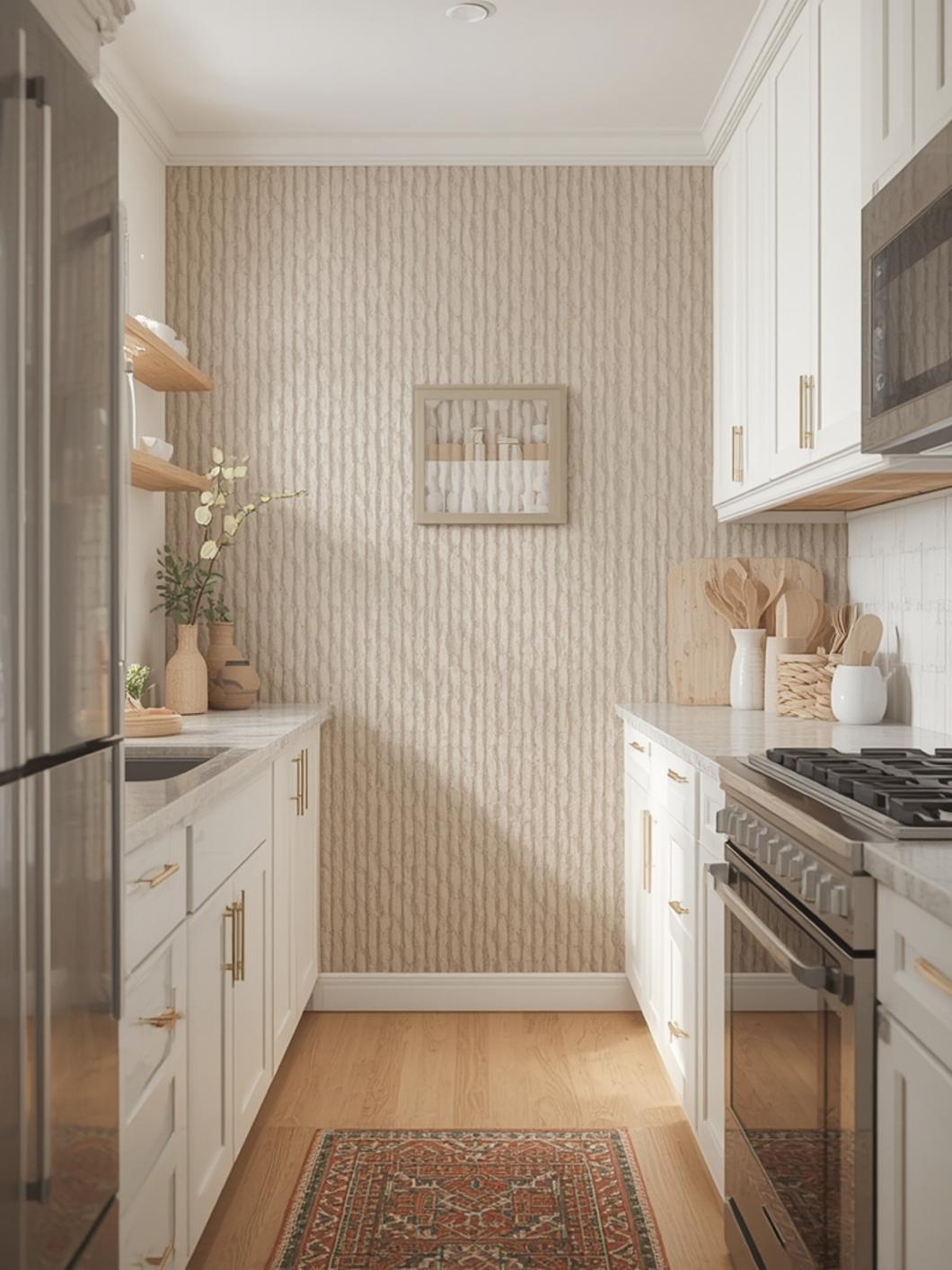
7. Textured Plaster or Limewash
Apply textured finish techniques for an organic, European-inspired look. Limewash paint creates soft, chalky depth that changes subtly in different lighting. Venetian plaster adds subtle dimension through layered trowel work. Both finishes work in neutral tones that complement small spaces without shrinking them visually.
When considering how to choose colors for small kitchen spaces, start with the amount of natural light your kitchen receives. North-facing kitchens benefit from warm yellows, peaches, or warm whites that compensate for cooler natural light. South-facing kitchens can handle cooler tones like soft grays or blues without feeling cold. East and west-facing kitchens change throughout the day, so test your samples in morning and evening light before committing.
Benefits of Adding an Accent Wall
Accent walls create visual interest without the cost or commitment of a full kitchen remodel. You’re investing a weekend and a few hundred dollars instead of months and thousands.
They help define your kitchen’s personality. If your cabinets and counters lean traditional, a bold modern accent wall bridges old and new. If everything feels too sterile, a textured wood wall adds warmth and character instantly.
Small kitchens especially benefit from the depth accent walls create. Rather than four identical walls closing you in, one distinctive wall gives your eye somewhere to focus. This psychological trick makes the entire room feel more spacious and deliberately designed.
Accent walls also hide imperfections. That one wall with the weird texture or the patched area that never quite matched? Cover it with something intentional, and no one will ever know what’s underneath.
The flexibility matters too. Painted accent walls take one weekend to change when you’re ready for something new. Removable wallpaper peels off in hours. You’re not locked into any decision, which makes experimenting with color or pattern much less intimidating.
Budget-Friendly to Premium Options
Budget-friendly approach ($50–$100):
Choose one gallon of quality interior paint in an accent color. Keep your existing walls neutral and paint just one wall for contrast. This works best with colors you already love wearing or decorating with, since you’re more likely to enjoy living with them long-term.
Mid-range option ($150–$300):
Invest in peel-and-stick wallpaper with a subtle pattern or texture. Quality removable wallpaper installs easily and removes cleanly, making it perfect for renters or anyone who likes changing their decor seasonally. Look for designs with light backgrounds in small kitchens to maintain that airy feeling.
Premium choice ($400–$800):
Install real shiplap, reclaimed wood, or authentic tile on your accent wall. These materials add genuine texture and value to your home. While they require more installation skill and time, they create permanent architectural interest that painted walls can’t match. Consider hiring a handyperson for installation if you’re not comfortable with nail guns or tile saws.
Small space adaptation:
In truly tiny kitchens under 80 square feet, consider a half-wall accent. Paint or wallpaper from counter height to the ceiling only, keeping the lower portion neutral. This creates impact without overwhelming limited square footage. Another option: accent just the wall section between upper and lower cabinets if you have traditional kitchen layouts.
Common Mistakes to Avoid
Choosing dark colors without considering your lighting makes small kitchens feel like caves. Test any bold color with large sample patches and live with them for several days before painting the entire wall.
Accenting too many walls defeats the purpose and creates visual confusion. One accent wall per room is the rule—adding more turns your design concept into a patchwork that lacks focus.
Forgetting to prep walls before applying anything leads to peeling wallpaper or uneven paint. Clean walls thoroughly, fill holes, and prime if you’re making a dramatic color change from dark to light or light to dark.
Installing horizontal elements in kitchens with low ceilings emphasizes the lack of height. Choose vertical planks, vertical tile patterns, or tall and narrow wallpaper designs instead to draw the eye upward.
Ignoring the color of your cabinets, counters, and floors creates clashing chaos. Your accent wall should complement at least two of these permanent elements, not fight against them for attention.
Keeping Your Accent Wall Looking Fresh
Painted accent walls need occasional touch-ups, especially in kitchens where grease and moisture accumulate. Keep leftover paint stored properly (sealed tight, in a cool place) for quick fixes when scuffs appear.
Wipe down painted walls monthly with a slightly damp microfiber cloth. For kitchens, use a gentle degreasing cleaner diluted according to package directions, but test it on an inconspicuous spot first.
Wallpapered accent walls handle differently. Never scrub them—instead, dust them gently or use a slightly damp cloth for spots. Most modern peel-and-stick wallpapers resist moisture better than traditional wallpaper, but they’re not waterproof.
Wood accent walls benefit from annual dusting with a dry microfiber cloth. If your wood is sealed or painted, you can use wood-specific cleaners sparingly. Unsealed wood should stay dry to prevent warping or water damage.
Tile accent walls are the easiest to maintain. Wipe them down like your backsplash with standard kitchen cleaners. Regrout or touch up grout lines every few years if they discolor from cooking splashes.
Making Your Kitchen Yours
Your small kitchen doesn’t need a complete gut to feel like a space you love. One well-chosen accent wall changes everything—from how the room feels when you walk in, to how much you enjoy cooking and gathering there.
The ideas you’ve explored here work because they’re designed for real homes and real budgets. You don’t need professional help or specialized skills to pull them off. Start with the style that speaks to you, test your colors, and give yourself a weekend to make it happen.
Browse more kitchen inspiration and step-by-step guides here at DecorKingdom to keep your entire home feeling as thoughtful as your newly transformed kitchen.
Frequently Asked Questions
What color accent wall makes a small kitchen look bigger?
Light colors with cool undertones—soft grays, pale blues, or warm whites—reflect more light and make small kitchens feel more spacious. Avoid very dark colors unless your kitchen has excellent natural light and white or light-colored cabinets to balance the darkness.
Can I put an accent wall in a galley kitchen?
Yes, accent one of the short end walls rather than the long side walls. This breaks up the tunnel effect of galley layouts and draws the eye to a focal point instead of emphasizing the narrow space. Keep the long walls neutral for best results.
Should my kitchen accent wall match my living room?
They don’t need to match exactly, but they should coordinate if your kitchen opens directly into your living space. Choose colors from the same family or use different shades of the same color to create flow between connected rooms without looking too matchy.
How do I choose between paint and wallpaper for my accent wall?
Paint works best for bold solid colors and costs less overall. Wallpaper adds pattern and texture that paint can’t achieve and works well if you’re renting since quality peel-and-stick options remove cleanly. Consider your skill level—painting is generally more forgiving for beginners.
What’s the easiest accent wall idea for renters?
Peel-and-stick removable wallpaper is ideal for renters because it installs without tools or permanent adhesive and removes without damaging walls. Choose light-colored patterns to keep your small kitchen feeling open, and always test a small corner first to ensure clean removal.
—
Meta Title: Small Kitchen Accent Wall Ideas That Work in 2026
Meta Description: Transform your compact kitchen with these small kitchen accent wall ideas. Get 7 budget-friendly styles that make small spaces feel bigger.