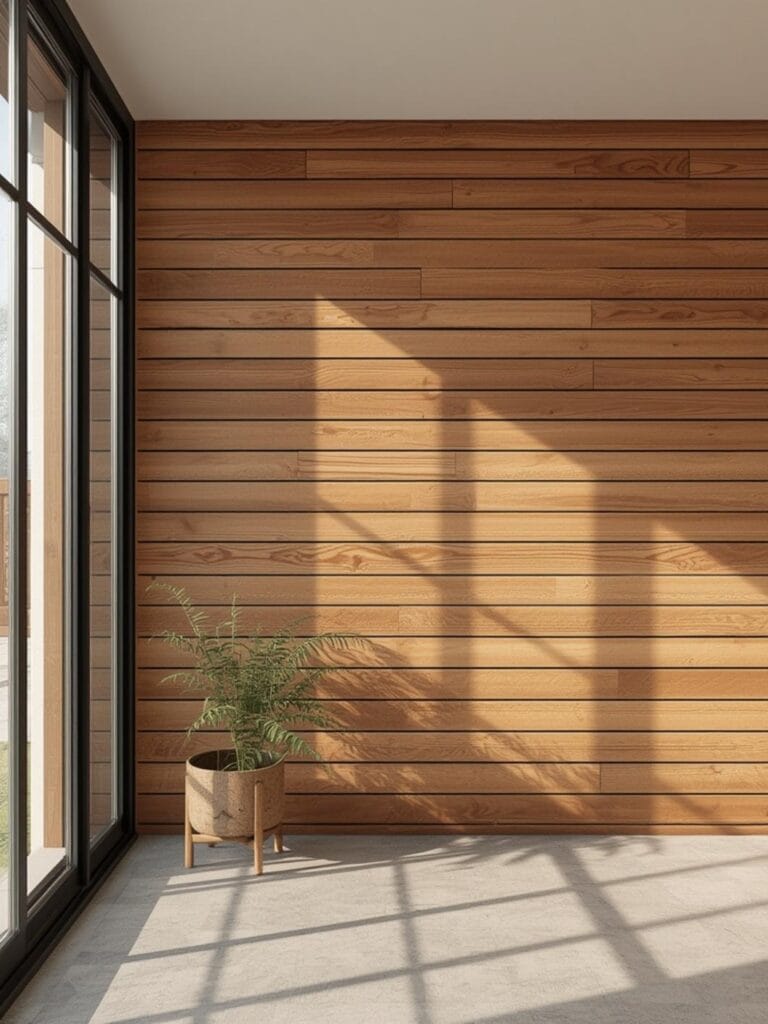
How to Choose Your Home Decor Style
You walk into your living room and something feels… off. The furniture doesn’t quite match. The colors clash in ways you didn’t notice at the store. Your Pinterest board is full of gorgeous rooms, but your own space looks like five different ideas that never came together.
If you’ve ever wondered what’s my home decor style, you’re not alone. Most homeowners struggle to name their aesthetic, which makes shopping for furniture and decor incredibly frustrating. You end up buying pieces you think you like, only to get them home and realize they don’t work with anything else.
The good news? Your personal style is already inside you. You just need the right framework to recognize it, name it, and bring it to life in every room of your home.
Table of Contents
Key Terms and Elements to Know
Before you can identify your style, you need to understand the building blocks that create any interior design aesthetic. These elements work together to create the overall feeling of a room.
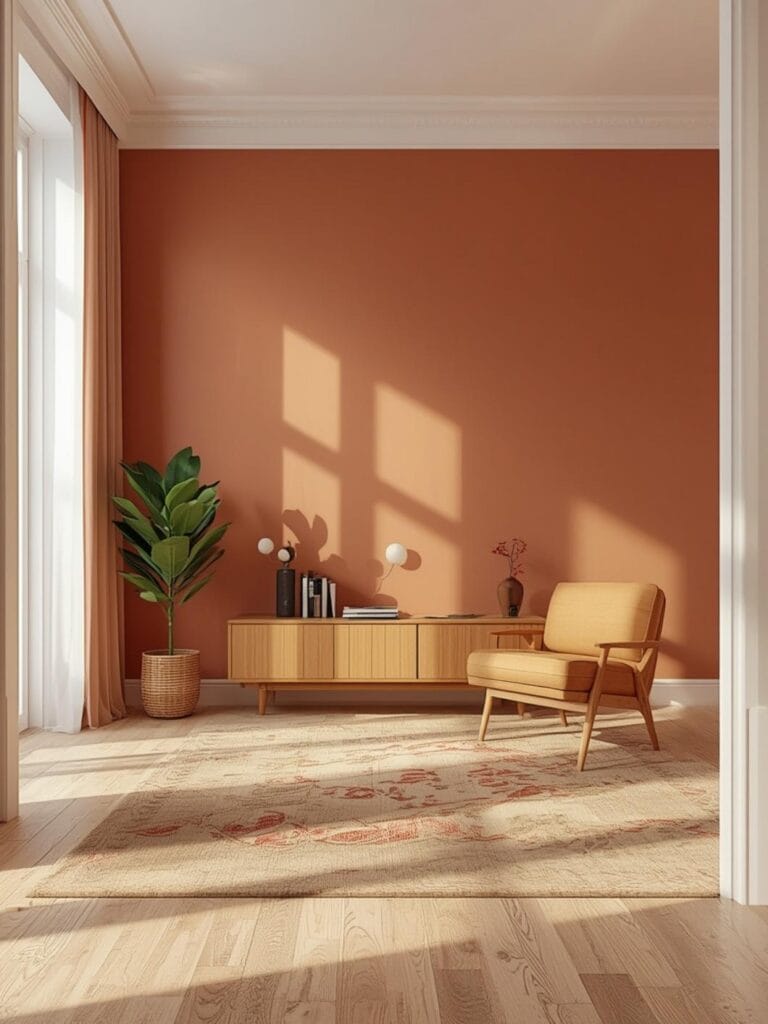
Color palette forms the foundation of your style. Some aesthetics rely on neutrals like beige and white, while others embrace bold jewel tones or soft pastels. Pay attention to the colors that make you feel calm, energized, or happy.
Furniture shapes tell a major part of your style story. Clean lines and geometric forms point toward modern styles, while curved edges and ornate details suggest traditional or romantic aesthetics.
Textures and materials add depth and personality. Natural wood, rattan, and linen create earthy, organic vibes. Glass, metal, and polished surfaces lean contemporary. Velvet, silk, and carved wood feel luxurious and classic.
Decorative patterns reveal your aesthetic personality. Geometric prints, florals, stripes, or abstract designs all point toward different style families. Some people mix patterns confidently, while others prefer solid colors with minimal visual noise.
Lighting fixtures often get overlooked, but they’re style indicators. Industrial metal pendants, crystal chandeliers, sculptural modern pieces, or simple recessed lighting each signal a different aesthetic direction.
Common Misconceptions to Clear Up First
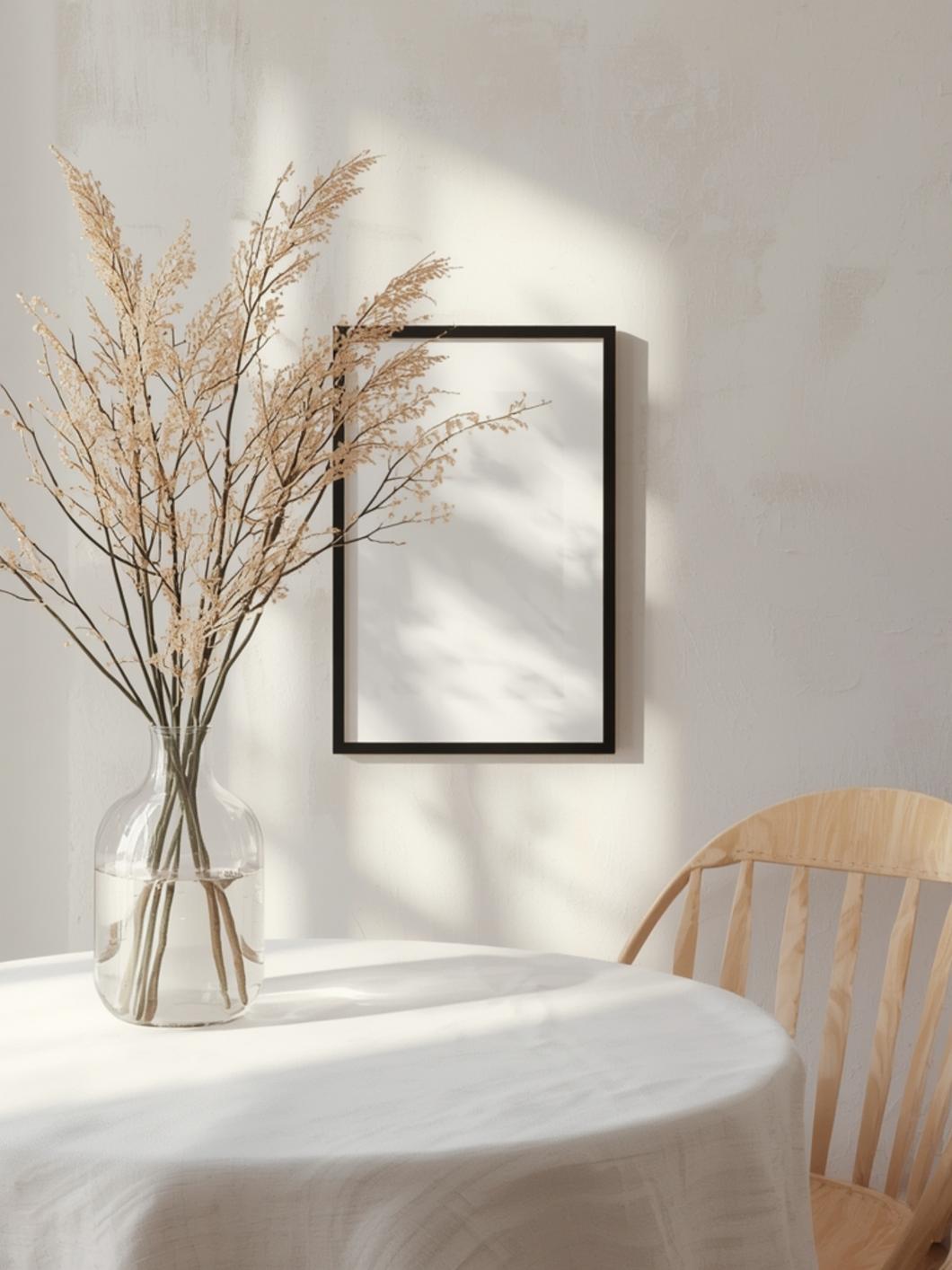
Many homeowners get stuck in their style journey because of myths that simply aren’t true. Understanding these misconceptions will free you to discover your authentic aesthetic.
You don’t have to pick just one style and stick with it forever. Your home can evolve as your tastes change. Many beautiful spaces blend two or three compatible styles, like modern farmhouse or coastal traditional. Your style can shift room by room or even season by season.
Expensive furniture doesn’t automatically mean better style. Some of the most stunning homes mix budget finds with investment pieces. Your aesthetic isn’t about how much you spend—it’s about choosing items that share common visual elements and create a cohesive feeling.
Following trends won’t help you find your true style. Instagram-worthy rooms might inspire you, but chasing every trend leaves your home feeling disjointed and impersonal. Your style should reflect who you are, not what’s popular this month.
You don’t need to hire a professional to have a beautiful home. Interior designers bring valuable expertise, but discovering your own aesthetic is absolutely something you can do yourself. Trust your instincts and pay attention to what consistently draws your eye.
Matching everything perfectly actually works against good design. Rooms that feel too coordinated often lack personality and depth. The most inviting spaces include some variety and unexpected elements that reflect real life.
How It Works in Real Homes
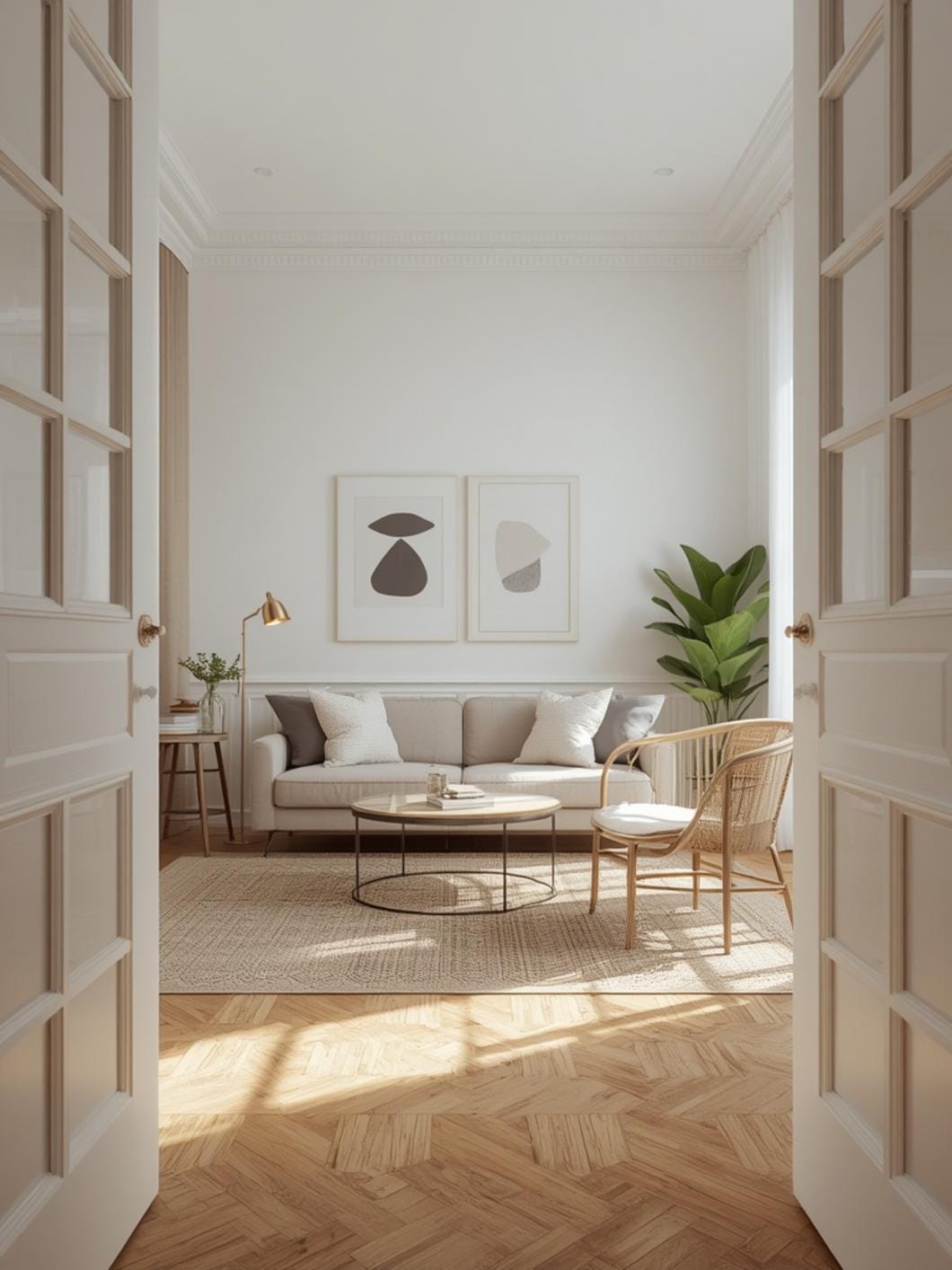
Understanding how to identify your interior design aesthetic becomes easier when you see how different styles actually look in everyday homes. These real-world examples will help you recognize patterns in your own preferences.
Modern style shows up in homes with clean lines, minimal ornamentation, and a focus on function. You’ll see open floor plans, neutral color schemes with bold accent colors, and furniture with simple geometric shapes. Materials include glass, steel, and smooth wood finishes. Homeowners who love modern style typically value simplicity and hate clutter.
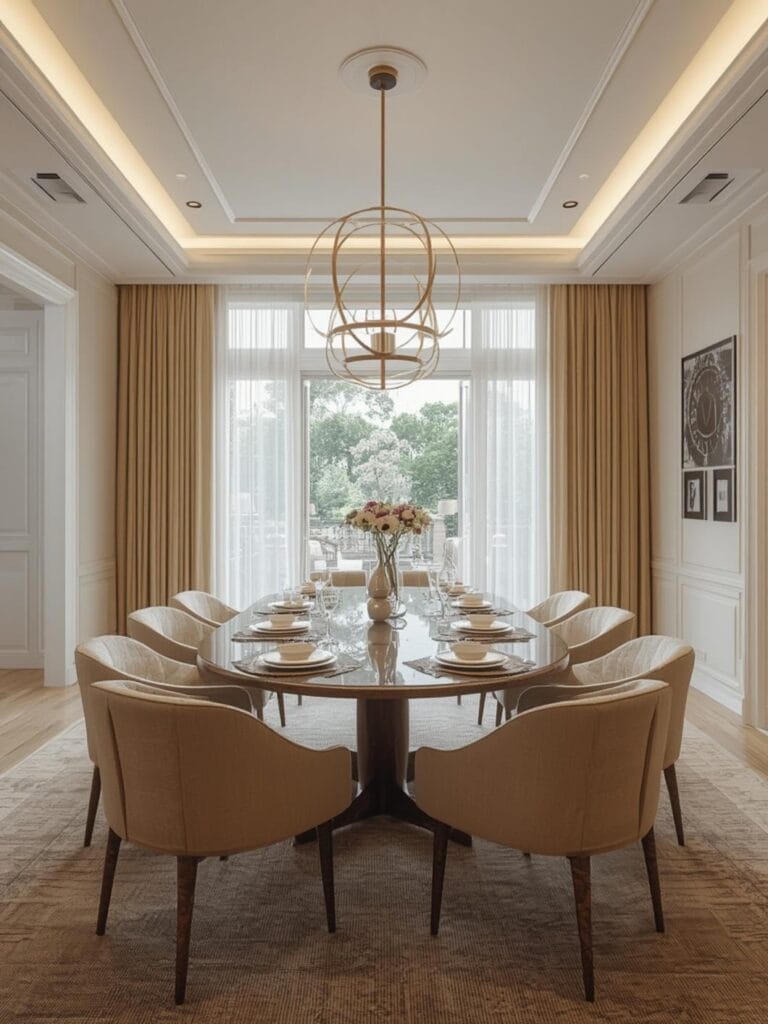
Traditional style creates warmth through classic furniture pieces, rich wood tones, and layered textiles. These homes feature symmetrical arrangements, detailed moldings, and time-tested color combinations like navy and cream or burgundy and gold. If you’re drawn to antique markets and appreciate craftsmanship, traditional style might be yours.
Farmhouse style brings rustic charm with shiplap walls, barn doors, and vintage-inspired fixtures. Color palettes stay soft and neutral, with lots of white, cream, and natural wood. Homeowners who choose farmhouse style love the cozy, lived-in feeling and often incorporate DIY projects and repurposed items.
Coastal style captures beach house relaxation through light, airy spaces and ocean-inspired colors. You’ll find lots of white, blue, and sandy neutrals, along with natural textures like jute, linen, and weathered wood. People drawn to coastal style typically want their homes to feel like a permanent vacation.
Bohemian style celebrates creativity and individuality through global-inspired textiles, plants, and collected treasures. These spaces mix patterns fearlessly, incorporate lots of natural materials, and feel personally curated rather than designed. Boho lovers value self-expression over rules.
Industrial style exposes architectural elements like brick walls, metal beams, and concrete floors. The color palette stays neutral with grays, blacks, and browns. Furniture tends toward sturdy, utilitarian pieces with visible metal hardware. This aesthetic appeals to homeowners who appreciate raw, unfinished materials and urban lofts.
Transitional style bridges traditional and contemporary by mixing classic furniture silhouettes with modern fabrics and finishes. These homes feel both comfortable and current, using neutral foundations with carefully chosen statement pieces. If you like classic looks but want them to feel fresh, transitional might be your sweet spot.
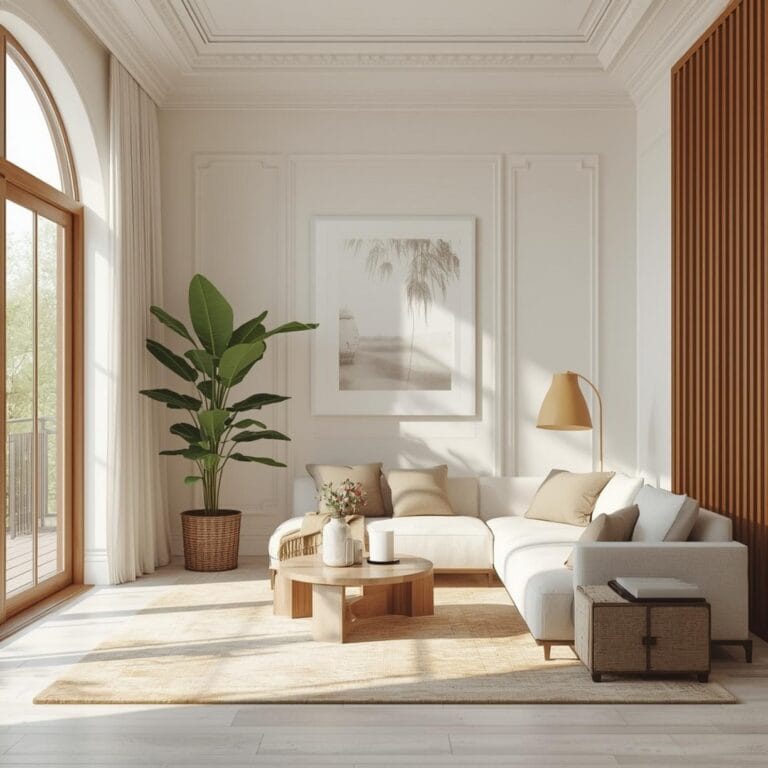
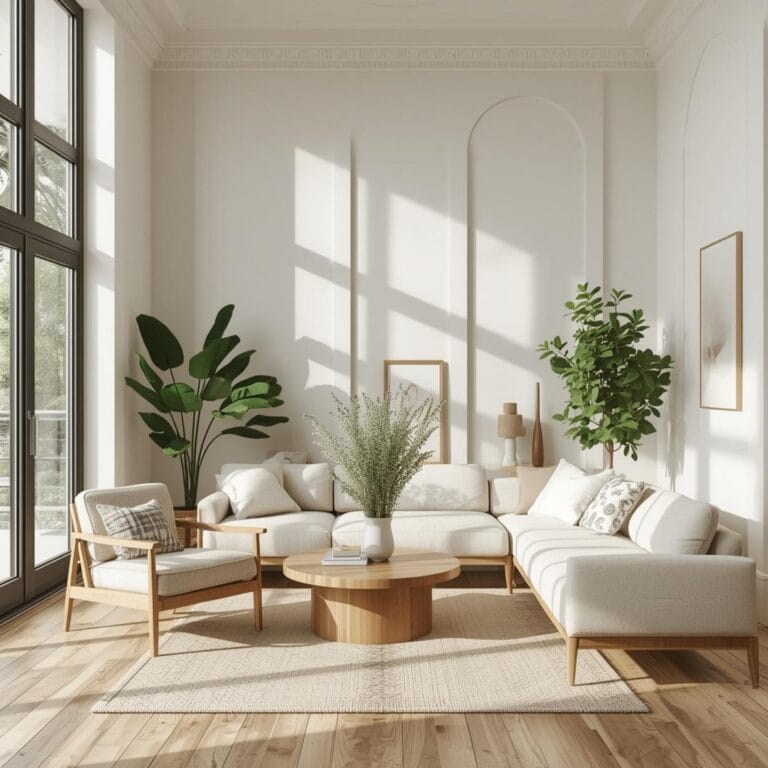
Scandinavian style prioritizes function, simplicity, and natural light. Color palettes center on white and light gray with warm wood accents. Furniture features clean lines with organic curves. Homeowners who gravitate toward Scandinavian design typically value minimalism and cozy comfort in equal measure.
Benefits of Knowing Your Personal Style
Once you identify your aesthetic, decorating your home becomes exponentially easier and more enjoyable. You’ll stop second-guessing every purchase and start creating spaces that truly feel like you.
Shopping becomes faster and more confident. When you know your style, you can walk into any store and immediately identify which pieces fit your aesthetic. You’ll waste less time browsing random items and spend less money on mistakes that end up in the garage.
Your home feels more cohesive and intentional. Rooms naturally flow together when they share an underlying aesthetic. Guests will notice that your space feels pulled together, even if you’ve collected pieces over many years from different sources.
You’ll enjoy your space more every single day. Living in a home that reflects your authentic taste reduces daily stress and increases happiness. Your environment affects your mood more than you realize, and a space that feels genuinely yours creates comfort and contentment.
Decorating becomes creative fun instead of overwhelming stress. Once you understand your aesthetic guidelines, you can experiment within those boundaries. You’ll have the confidence to try new things while maintaining your overall style vision.
Finding Your Style Through Different Approaches
Everyone discovers their aesthetic differently. Try several of these methods to pinpoint your personal style from multiple angles.
Create a visual collection. Start a Pinterest board or folder on your phone where you save every room image that makes you pause. Don’t overthink it—just save whatever appeals to you. After collecting 30-50 images, look for patterns. What colors appear repeatedly? What furniture shapes show up most? These commonalities reveal your aesthetic preferences.
Shop your own home. Walk through your space with fresh eyes and identify your five favorite items. What do these pieces have in common? Maybe they’re all natural materials, or perhaps they share curved lines or vintage charm. Your existing favorites often point toward your true style.
Notice what you criticize. Sometimes it’s easier to identify what you don’t like than what you do. When you visit friends or scroll through social media, pay attention to what makes you cringe. Too much pattern? Too sparse? Too formal? These reactions help eliminate styles that aren’t yours.
Consider your wardrobe. Your clothing choices often mirror your home style preferences. Someone who wears classic, tailored pieces typically gravitates toward traditional or transitional interiors. Flowing, eclectic fashion lovers often prefer bohemian or eclectic home styles.
Take a style quiz. While not definitive, online quizzes can give you vocabulary and categories to explore. Use quiz results as a starting point for research rather than a final answer. Your style might blend elements from several categories.
Visit showrooms and model homes. Walking through fully decorated spaces helps you experience different aesthetics in person. Pay attention to which rooms make you want to stay and which ones you rush through. Your physical responses reveal important preferences.
Tips for Every Budget and Space
Your aesthetic can come to life regardless of your financial situation or square footage. These approaches work for everyone from first-time renters to established homeowners.
Budget-friendly approach: Focus on paint, textiles, and small decor items to establish your style. A $30 can of paint in the right color creates more impact than a $300 furniture piece that doesn’t match your aesthetic. Thrift stores and online marketplaces offer style-specific pieces at accessible prices.
Mid-range approach: Invest in one or two key furniture pieces that anchor your style, then fill in with more affordable accessories. A quality sofa in your aesthetic’s signature style provides a foundation you can build around for years. Mix new purchases with existing pieces that fit your discovered style.
Premium approach: Work with your identified style to make investment purchases that will last decades. High-quality pieces in your authentic aesthetic bring daily joy and hold their value. Focus on timeless examples of your style rather than trendy interpretations.
Small space adaptation: Embrace your style through color, texture, and carefully chosen accessories rather than large furniture. In compact spaces, every item matters more, so each piece should clearly reflect your aesthetic. Use vertical space for style-appropriate artwork, shelving, and plants.
Rental-friendly options: Removable wallpaper, temporary backsplashes, and freestanding furniture let you express your style without permanent changes. Focus on movable elements like rugs, curtains, lighting, and decorative objects that travel with you to your next home.
Common Mistakes to Avoid
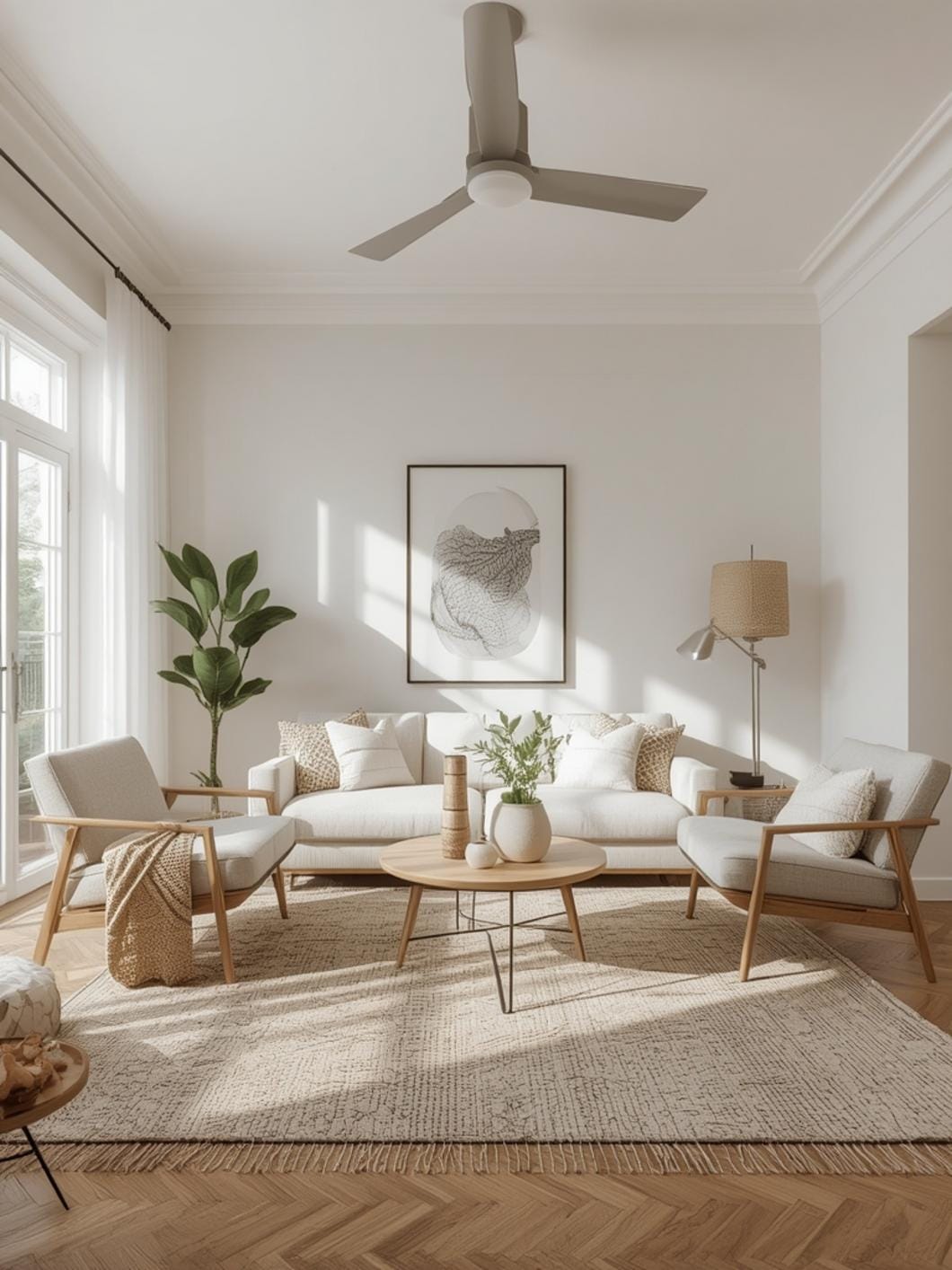
Even after identifying your style, homeowners often stumble in the execution phase. Avoid these pitfalls to create a truly cohesive aesthetic.
Copying rooms exactly from magazines or Pinterest creates spaces that feel staged rather than lived in. Instead, use inspiration images as guides while incorporating your personal items and family needs into the design.
Buying everything from one store or one collection makes your space feel like a showroom display. Mix sources and time periods within your aesthetic to create depth and genuine personality that reflects real life.
Ignoring your lifestyle in favor of your aesthetic leads to frustration and impractical rooms. A white linen sofa might fit your coastal style perfectly, but not if you have young kids and pets. Find style-appropriate solutions that actually work for your daily routine.
Rushing to complete your space results in purchases you’ll regret later. Take time to find the right pieces for your aesthetic rather than settling for close enough. An empty corner beats a piece that compromises your style vision.
Forgetting about scale and proportion ruins otherwise perfect style choices. A gorgeous farmhouse table that overwhelms your dining room doesn’t work, no matter how much it matches your aesthetic. Consider your space dimensions when selecting style-appropriate pieces.
Maintaining Your Style as It Evolves
Your aesthetic today might shift slightly as your life changes, and that’s completely normal. These habits keep your style authentic and current.
Audit your space seasonally. Every few months, walk through your home and remove items that no longer feel right. Your aesthetic might be sharpening, or certain pieces might have been transitional experiments. Don’t be afraid to let things go.
Keep your inspiration collection active. Continue adding images to your visual references even after identifying your style. This practice helps you notice if your preferences are shifting toward a related aesthetic or if you’re discovering new elements within your current style.
Buy with intention rather than impulse. Before purchasing any decor item, ask yourself if it truly fits your identified aesthetic or if you’re being tempted by a sale or trend. Intentional choices maintain cohesion as you add to your space.
Update in layers rather than complete overhauls. When your style evolves slightly, change accessories and textiles first. Paint comes next. Save major furniture investments for when you’re certain about your direction. This approach prevents costly mistakes and allows natural evolution.
Conclusion
Discovering your personal home decor style transforms decorating from a confusing chore into an enjoyable expression of who you are. By paying attention to the colors, shapes, and textures that consistently appeal to you, you can identify the aesthetic that makes you feel most at home.
Your style journey doesn’t end with identification—it’s an ongoing process of refinement and discovery. Start implementing your aesthetic one room at a time, and remember that your perfect home evolves at its own pace.
Ready to explore more style inspiration and practical decorating advice? Browse our other guides on DecorKingdom for room-specific ideas that bring your aesthetic to life.
FAQs
Can I mix different decor styles in one home?
Absolutely! Many successful homes blend two or three compatible styles, like coastal and modern or traditional and farmhouse. The key is finding common elements—perhaps a shared color palette or similar textures—that create visual connections between the different styles. Aim for about 70% of your dominant style and 30% of your secondary style for the most cohesive look.
How long does it take to figure out my decorating style?
Most people begin recognizing their aesthetic patterns after collecting inspiration images for about two weeks. However, truly refining your style and feeling confident in your choices often takes several months of living with different elements and noticing what brings you joy. Don’t rush the process—your authentic style reveals itself gradually through observation and experimentation.
What if my partner and I have completely different style preferences?
Start by identifying commonalities between your aesthetics—you might both love natural materials, or perhaps you share a preferred color temperature. Designate personal spaces where each person can express their individual style, like a home office or hobby room. For shared spaces, compromise by choosing pieces that incorporate elements from both aesthetics or by selecting a transitional style that bridges your preferences.
Should my entire house be the same style or can different rooms have different aesthetics?
Your home will feel most cohesive when rooms share underlying connections, but they don’t need to be identical. Consider carrying through a consistent color palette or material choice while allowing each room to have its own personality within your overall aesthetic. Bedrooms might be softer and more romantic while your kitchen leans more modern, all while staying within your broader style family.
How do I know if something fits my style before buying it?
Ask yourself three questions: Does this piece share color, material, or shape elements with my existing favorites? Can I picture exactly where this would go in my home? Will I still love this in five years, or does it feel trendy? If you answer yes to all three, it likely fits your aesthetic. When shopping online, save items to a wishlist and review them after a few days—pieces that still appeal after that cooling-off period usually align with your true style.
—
Meta Title: What’s My Home Decor Style? Discover Your Aesthetic 2026
Meta Description: Wondering what’s my home decor style? Learn to identify your interior design aesthetic with practical tips that work for any budget or space.