How to Choose Kids Room Accessories Like a Pro
You’ve just stepped into your child’s bedroom and it hits you — toys scattered across the floor, books piled in random corners, and not a single spot where anything seems to have a real home. Your child can’t find their favorite stuffed animal, and you’re wondering how a room this small ended up feeling so chaotic.
The truth is, it’s not about having too much stuff. It’s about choosing the right kids room accessories that actually work with your family’s daily routine. When you pick storage pieces and decor that fit both your child’s personality and your practical needs, the room transforms from a daily frustration into a space that works.
Whether you’re setting up a nursery or refreshing a grade-schooler’s space, the accessories you choose make all the difference. Smart choices mean less time cleaning up and more time enjoying that bedtime story together.
Table of Contents
What You’ll Need to Get the Look
Creating a functional and stylish kids room starts with the right mix of storage and decorative pieces. These accessories should work hard while looking great on your walls and shelves.
For storage solutions, consider fabric bins in various sizes, wall-mounted cubbies, under-bed rolling drawers, and over-the-door organizers. Floating shelves bring both storage and display space without eating up floor area. A toy chest or storage ottoman doubles as seating while hiding clutter.
Decorative elements add personality without adding mess. Peel-and-stick wall decals let you add character without damaging walls — perfect for renters or commitment-phobes. String lights or battery-operated fairy lights create cozy reading nooks. Wall hooks shaped like animals or fun characters give kids a designated spot for backpacks and jackets.
Organization-specific accessories include drawer dividers for clothes, clear bins for small toys (so kids can actually see what’s inside), label holders or chalkboard tags, and magazine racks that work beautifully for storing books. A pegboard system creates customizable storage that grows with your child’s changing interests.
Soft goods matter too. Storage pouches that hang on bed frames, stuffed animal hammocks for corner spaces, and laundry bags with fun prints make tidying up feel less like a chore.
Finding Your Style and Season
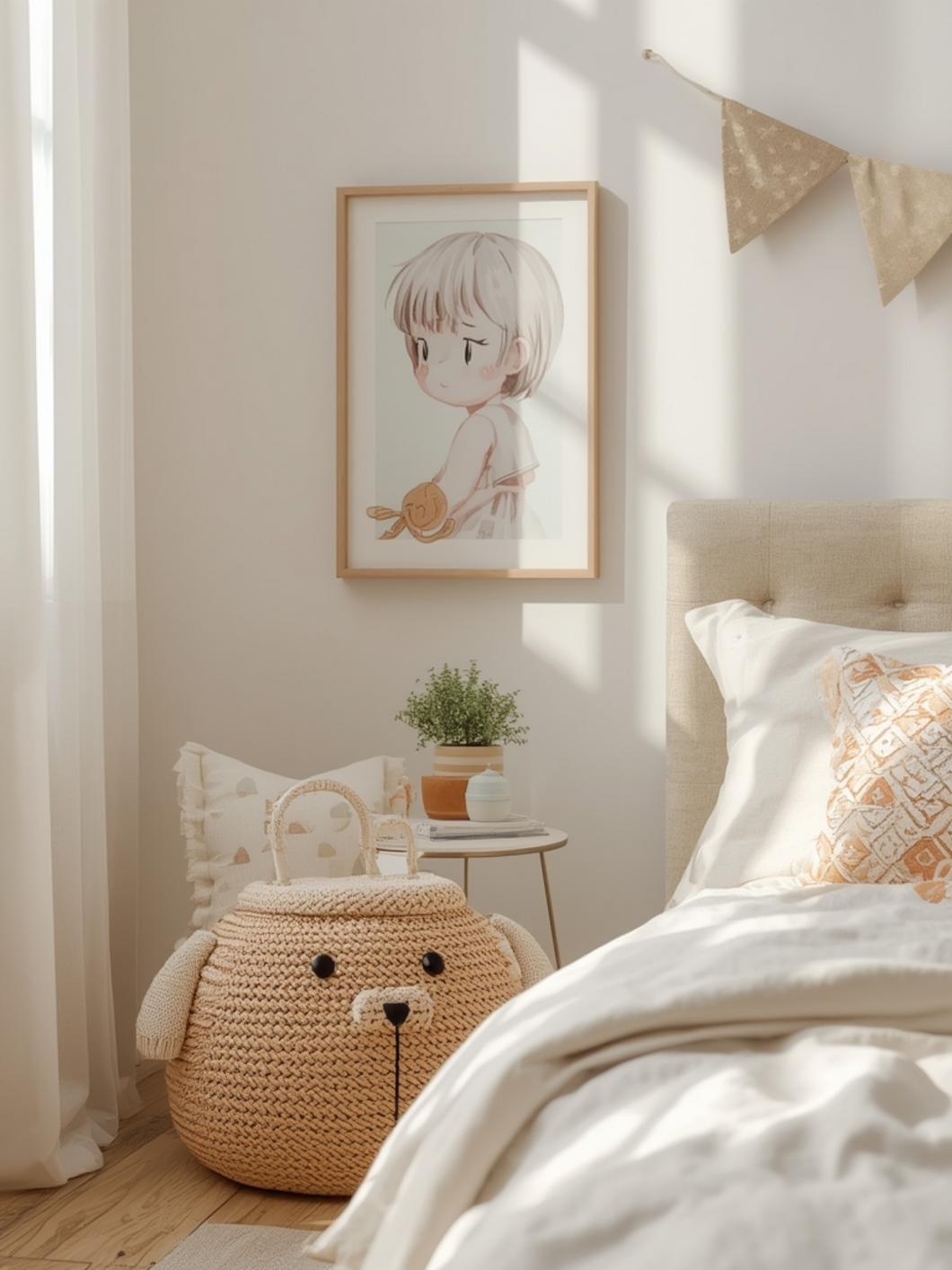
The best time to organize and accessorize your child’s room is during natural transition periods. Back-to-school season in late summer works perfectly because you’re already in the mindset of fresh starts and new routines.
Spring cleaning season offers another ideal window. The longer days and extra energy make it easier to tackle a room refresh. Your child might also be more willing to part with toys they’ve outgrown as they head outdoors more often.
Birthday time is surprisingly effective for room updates. As new toys and gifts arrive, it’s the perfect moment to reorganize existing storage and add accessories that accommodate the new items. Frame it as part of “becoming a big kid” and you’ll get more cooperation.
Consider your child’s current developmental stage. Toddlers need low-height storage they can reach independently. School-age kids benefit from homework stations and book displays. Teenagers want systems that respect their growing need for privacy and personal style.
Weather patterns matter more than you’d think. Hot summer months when kids are home all day reveal which storage solutions actually get used. Winter holidays often bring gift influxes that require storage adjustments.
7 Ideas to Try in Your Home
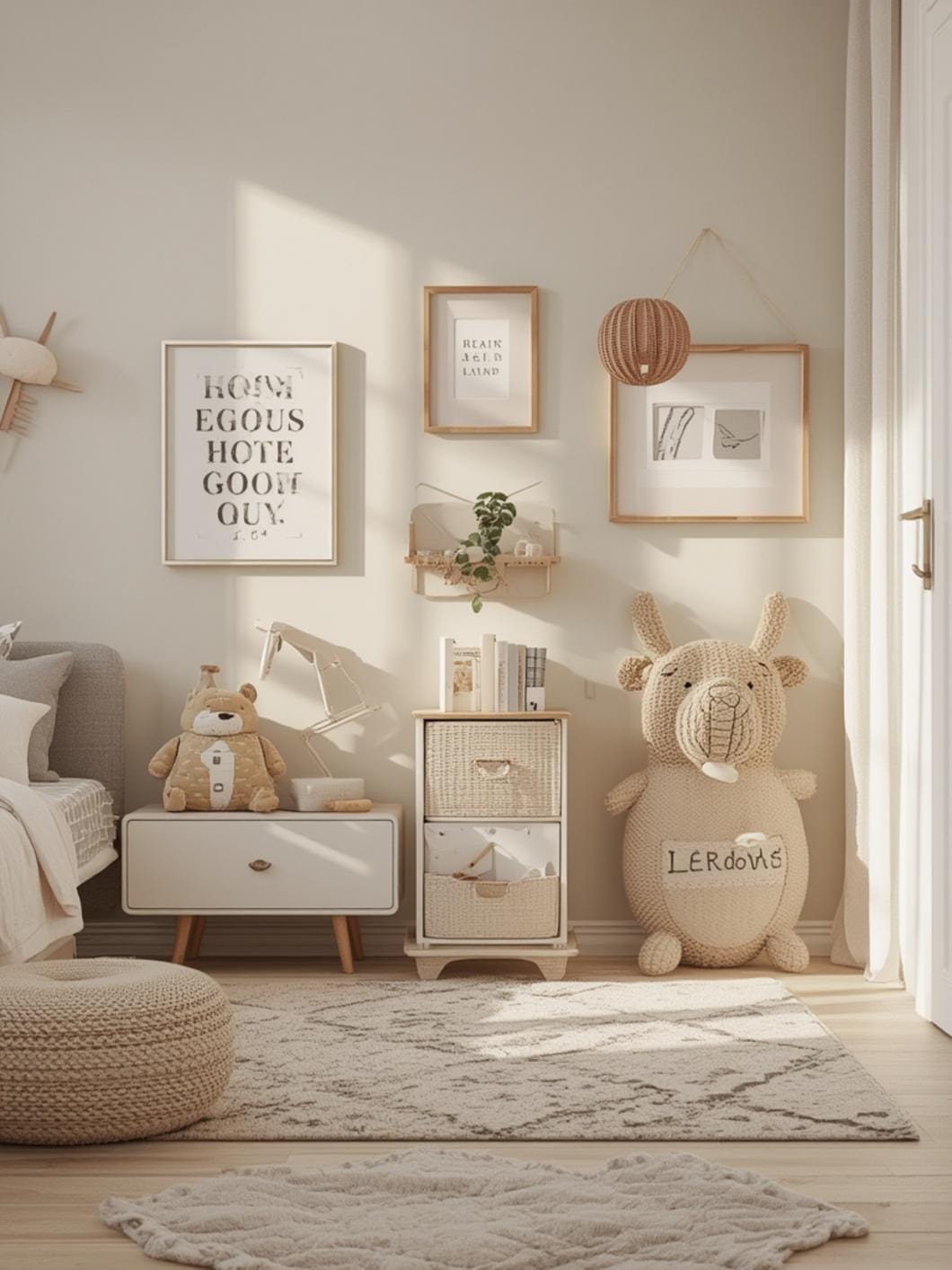
Start with a command center near the door. Mount a small bulletin board for artwork, add hooks at your child’s height for bags and jackets, and include a small basket for shoes. This creates an automatic drop zone that keeps the rest of the room clearer.
Create a reading corner that invites quiet time. A floor cushion or bean bag paired with a wall-mounted book ledge keeps favorite stories within reach. Add a clip-on book light and your child has a cozy retreat for bedtime reading.
Install a toy rotation system using matching bins on a low shelf. Keep half the toys accessible while storing the rest in a closet. Switch them out monthly and suddenly “old” toys feel new again. Label each bin with pictures for pre-readers.
If you’re figuring out how to organize children’s bedroom storage, vertical space is your best friend. Wall-mounted pegboards hold everything from art supplies to small toys. Your child can rearrange hooks themselves as interests change, giving them ownership of their space.
Design a craft station with all supplies contained. A rolling cart with clear drawers works beautifully because it tucks into a closet when not in use. Add a washable table mat and you’ve protected surfaces while encouraging creativity.
Transform the space under the bed into functional storage. Rolling bins or drawer units slide out easily for seasonal clothes or outgrown toys waiting to be donated. This hidden storage keeps the room looking spacious while maximizing every square foot.
Add a growth wall with interactive elements. A height chart combined with small shelves displaying current treasures creates a personalized display that celebrates your child’s journey. Rotate the small items seasonally to keep it fresh and meaningful.
Benefits / Advantages
The right accessories do more than just organize stuff — they teach your child valuable life skills. When everything has a designated spot, kids learn responsibility and develop habits that serve them into adulthood. They experience the satisfaction of finding exactly what they need without asking for help.
Your mornings become dramatically smoother. No more frantic searches for library books or that one specific toy needed for show-and-tell. Your child gains independence and confidence while you gain back precious time.
Safety improves significantly with proper storage. Toys off the floor mean fewer tripping hazards during those middle-of-the-night bathroom trips. Secured wall-mounted pieces prevent tip-overs that injure thousands of children annually.
The room actually becomes a space your child wants to spend time in. When a room feels organized and reflects their personality, kids naturally gravitate there for play, homework, and downtime. You’re creating positive associations with their personal space.
Flexibility is built in when you choose modular accessories. As interests change from dinosaurs to space exploration to anime, you can swap out decorative elements without replacing entire furniture pieces. This saves money and reduces waste over the years.
Tips, Alternatives, Styling Advice
Budget-friendly approaches work beautifully for kids rooms. Repurpose shoeboxes covered in wrapping paper as drawer organizers. Use tension rods inside closets to create double-hanging space for small clothes. Command strips and removable hooks eliminate the need for drilling.
Mid-range solutions offer durability without breaking the bank. Cube storage systems from home stores provide endless configuration options. Invest in one quality bookshelf that transitions from picture books to textbooks over the years. Cotton rope baskets bring texture and style while hiding toys.
Premium options make sense for pieces you’ll use across multiple children or many years. Solid wood toy chests become blanket storage in teen years. High-quality pegboard systems with designer accessories grow with changing needs. Custom closet systems maximize every inch of awkward spaces.
For small rooms, think double-duty constantly. Ottoman storage provides seating and toy hiding. Bed frames with built-in drawers eliminate the need for a separate dresser.
In shared rooms, give each child their own color-coded storage system. This prevents arguments over whose toy is whose and teaches respect for personal belongings. Separate zones with a bookshelf room divider that adds storage while creating privacy.
Common Mistakes to Avoid
Buying storage based on how you think your child should organize rather than how they actually play leads to systems that never get used. Watch how your child naturally groups toys and work with their logic, not against it.
Mounting shelves and hooks at adult height makes everything inaccessible for the person who’s supposed to use them. Install accessories at your child’s eye level and reach — they’ll actually put things away when it’s physically easy.
Choosing all closed storage means kids forget what they own and constantly ask you to find things. Mix closed cabinets with some open shelving or clear bins so favorite items stay visible and top-of-mind.
Overcrowding the room with too many accessories creates visual chaos even when things are technically organized. Leave breathing room and negative space — your child’s room isn’t a store display.
Skipping the labeling step because your child can’t read yet misses the point. Picture labels work perfectly for young children and teach early literacy skills. They create independence even during the preschool years.
Maintenance / Upkeep Tips
Build a five-minute pickup routine into your evening schedule. Set a timer and make it a game — can everyone pick up ten items before the buzzer goes off? This prevents overwhelming weekend clean-up sessions.
Wipe down bins and baskets monthly with a damp cloth. Fabric storage pieces can go in the washing machine every season if they’re looking dingy. Clean accessories make the whole room feel fresher.
Reassess what’s working quarterly. If certain bins stay empty while others overflow, adjust your system. Kids grow and change quickly, so their storage needs shift just as fast.
Involve your child in maintenance decisions. Ask which toys they’ve outgrown and would like to donate. This teaches decision-making skills and prevents you from accidentally giving away a secretly treasured item.
Check wall-mounted accessories every few months to ensure they’re still secure. A quick tug test on hooks and shelves takes seconds and prevents accidents. Tighten any loose screws before they become real problems.
Wrapping It All Together
The right accessories transform a kids room from a daily battle zone into a space that actually supports your family’s routine. When you combine storage pieces that match how your child naturally plays with decorative touches that reflect their personality, you create a room everyone feels good about.
Start with one small area — maybe just the closet floor or a single bookshelf. Once you see how much easier life becomes with proper organization in just that one spot, you’ll be motivated to tackle the rest. Your future self will thank you every single morning when everyone finds what they need without the drama.
Ready to create more organized, beautiful spaces throughout your home? DecorKingdom has hundreds of practical ideas waiting to inspire your next project.
FAQs
How many storage bins do I really need in a kids room?
Start with one bin per major category of toy — blocks in one, stuffed animals in another, dress-up clothes in a third. Most kids rooms function well with 4-6 bins depending on the room size and how many toys your child owns. You can always add more later, but starting with fewer helps you see what you actually need.
What’s the best height for hanging hooks in a child’s bedroom?
Install hooks at your child’s shoulder height so they can reach them independently without stretching. For a 4-year-old, that’s typically around 36 inches from the floor. For a 10-year-old, you’re looking at about 48 inches. Measure your own child standing naturally to get it exactly right.
Should I organize my kid’s toys or let them do it their way?
Create the system together and let your child have input on where different items go. You provide the tools and structure, but they decide if trains live with cars or separately. Kids are far more likely to maintain a system they helped design.
How do I keep wall-mounted accessories from damaging rental walls?
Command strips and 3M hooks hold more weight than you’d expect and remove cleanly when you move. For shelves, ask your landlord about filling small holes when you leave — most consider normal wear. Tension rods and over-door organizers require zero wall damage.
When should I replace kids room storage as they grow older?
Keep the bones of your storage system and swap out the decorative elements. That cube storage unit works for board books at age 3 and textbooks at age 13. Replace character bins with neutral baskets around age 7-8 when kids start caring about room appearance. The structure stays, the style evolves.
—
Meta Title: Kids Room Accessories That Actually Organize (2026 Guide)
Meta Description: Transform chaotic kids rooms with smart kids room accessories. Get storage ideas that work with your family’s routine, not against it.