Best Kitchen Ceiling Light Fixtures for Small Spaces
Your kitchen is the heart of your home, but if your lighting feels dim, outdated, or just not quite right, it can make everything from meal prep to morning coffee feel a little off. The truth is, the right best kitchen ceiling light fixtures can completely change how your space looks and feels without a full renovation.
Table of Contents
Whether you’re working with a cozy galley kitchen or a sprawling open-concept layout, choosing ceiling lights that balance style and function is easier than you think. You don’t need to hire a professional to find fixtures that brighten your workspace, highlight your design, and make your kitchen a place where everyone wants to gather.
What You’re Actually Comparing
When you’re shopping for kitchen ceiling light fixtures, you’re really choosing between a few key categories that each serve different needs. Understanding what makes each type unique will help you narrow down what works best for your space.
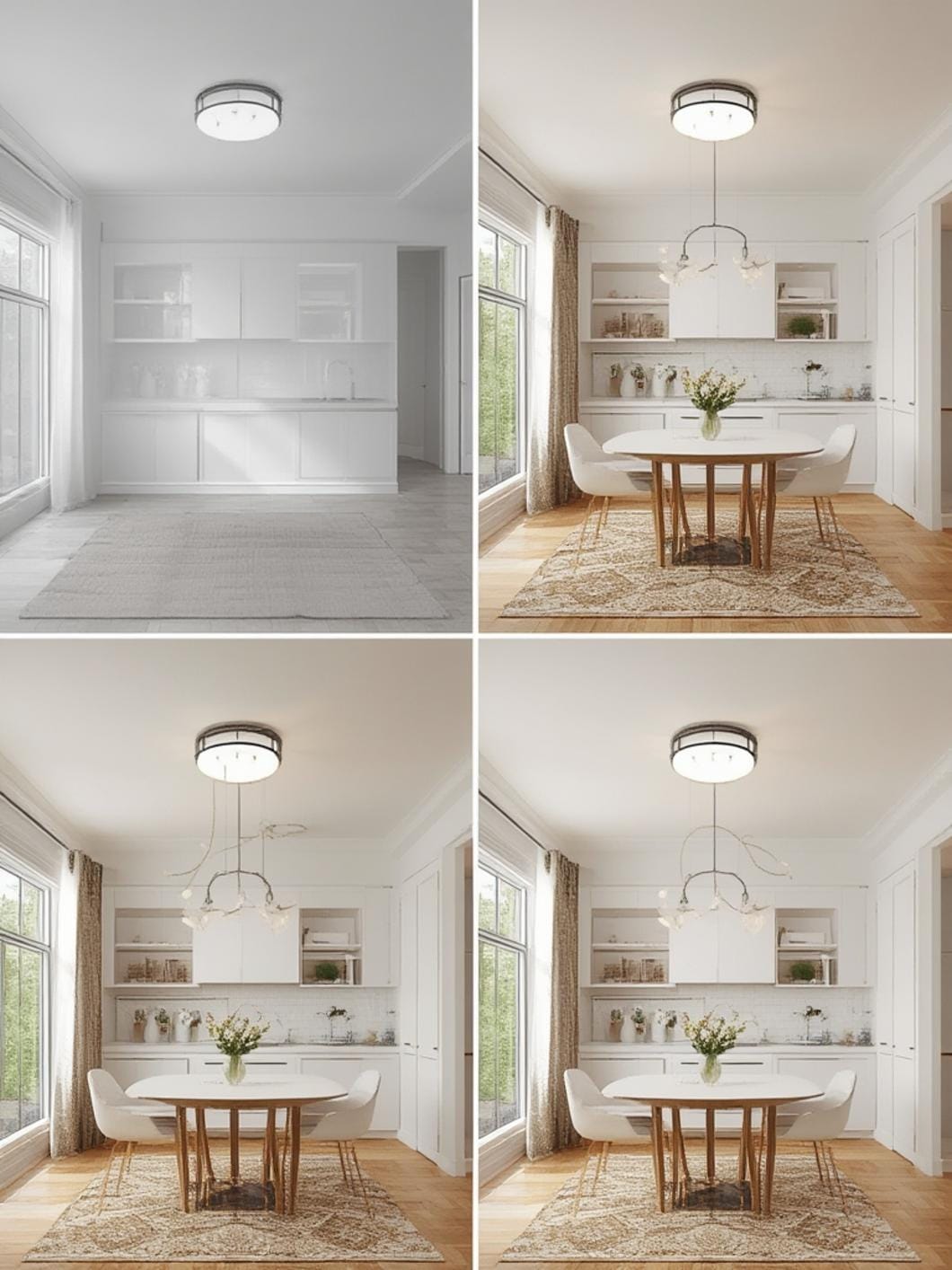
Flush mount fixtures sit close to the ceiling and work beautifully in kitchens with lower ceilings, typically under 8 feet. They provide even, ambient light without taking up vertical space, and they come in styles ranging from modern minimalist to farmhouse charm.
Semi-flush mount fixtures hang down just a few inches, offering a bit more visual interest while still staying out of the way. These are perfect if you want something that feels more designed than a basic flush mount but don’t have room for a full pendant.
Recessed lighting kits give you a clean, streamlined look that almost disappears into the ceiling. Many homeowners love these for task lighting over counters and islands, and you can find LED options that last for years with minimal maintenance.
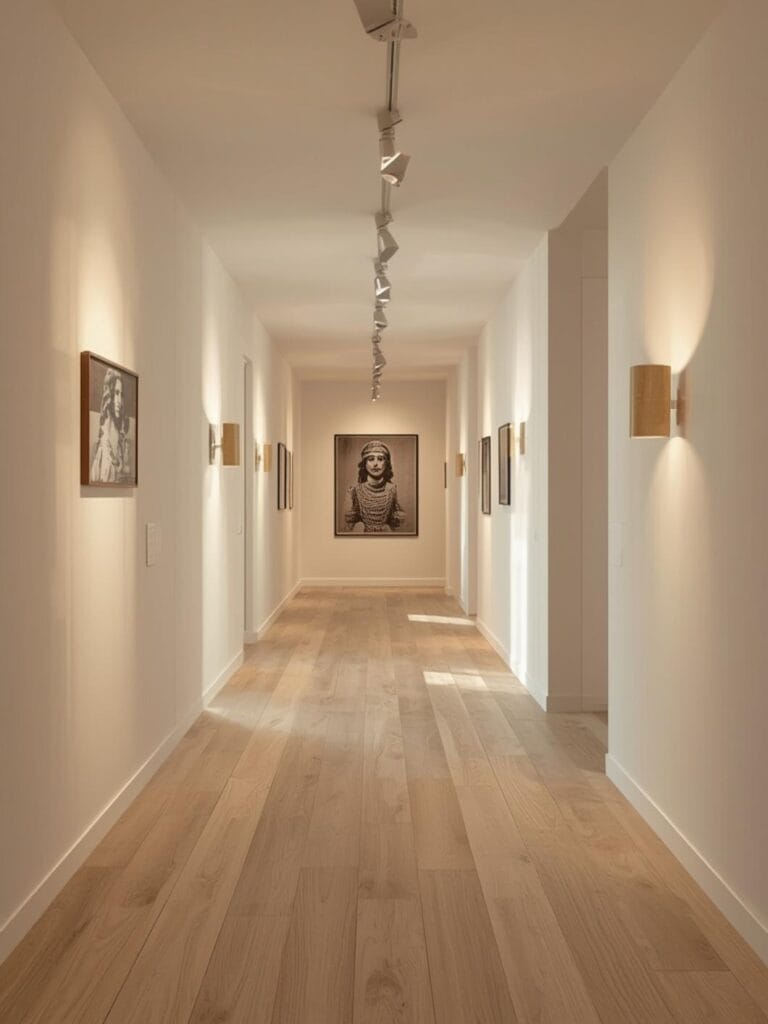
Track lighting systems let you direct light exactly where you need it, which is incredibly useful in kitchens where you’re chopping, cooking, and cleaning in different zones. You can adjust individual heads to highlight your backsplash, sink area, or dining nook.
Smart fixtures and remote-controlled options have become incredibly popular because they let you adjust brightness and sometimes even color temperature without getting up. This category includes kitchen ceiling lights with remote control that make it easy to set the perfect mood for breakfast or dinner parties.
The main differences come down to how much ceiling clearance you have, how much light coverage you need, and whether you want the fixture itself to be a design statement or blend into the background.
How to Decide Before You Buy
Before you fall in love with a specific fixture, take a moment to measure your ceiling height and note where your existing electrical boxes are located. Most kitchen ceiling lights are designed to work with standard electrical boxes, so you won’t need to make structural changes.
Think about how you actually use your kitchen throughout the day. If you’re in there early in the morning and late at night, dimmable fixtures or remote-controlled options will give you flexibility to adjust the light based on the time and task.
Consider the overall style of your home. A sleek modern fixture might look out of place in a cottage-style kitchen, while a rustic wood-and-metal piece could clash with contemporary cabinets. Your ceiling light should feel like a natural extension of your existing decor.
Budget matters, but don’t assume you need to spend a fortune to get quality lighting. Mid-range fixtures often offer the same LED technology and style as premium options, just without the designer name. Set a realistic budget that leaves room for bulbs if they’re not included.
Finally, think about maintenance. Some fixtures require special bulbs that are harder to replace, while others use standard LED bulbs you can pick up anywhere. Choose something that fits your lifestyle and how hands-on you want to be with upkeep.
Side-by-Side Comparison
Light Coverage and Brightness
Flush mount fixtures typically provide wide, diffused light that works well for general kitchen illumination. They’re ideal if your kitchen is under 150 square feet and you want one central fixture to do most of the work.
Recessed lighting gives you more control over exactly where light goes, but you’ll usually need multiple fixtures to fully light a kitchen. They’re excellent for task lighting but can feel sterile if they’re your only light source.
Track lighting offers the most flexibility because you can aim each light head independently. This makes it perfect for kitchens with challenging layouts or multiple work zones that need focused light.
Installation Simplicity
Flush and semi-flush mounts are the easiest to install if you’re replacing an existing ceiling fixture. They typically attach to a standard electrical box with just a few screws, and many homeowners feel comfortable doing this themselves.
Recessed lighting requires more planning because you need to ensure proper spacing and that your ceiling cavity can accommodate the housings. If your kitchen already has recessed lights, swapping them out is straightforward, but adding new ones from scratch is more involved.
Track lighting falls somewhere in the middle. The track itself mounts to the ceiling, and then you snap in the individual light heads. Some systems are plug-in, which can simplify installation considerably.
Style Impact
If you want your ceiling light to be a focal point, semi-flush mounts and track lighting with decorative heads give you the most visual impact. They add personality and can tie together your kitchen’s overall design theme.
Flush mounts and recessed lights take a more understated approach. They provide the function you need without demanding attention, which works beautifully if you want your cabinets, backsplash, or island to be the stars of the show.
Remote-controlled options, including many smart fixtures, often come in modern styles that complement contemporary kitchens.
Long-Term Value
LED fixtures cost more upfront but save money over time through lower energy bills and bulbs that can last 20 years or more. Almost all new kitchen ceiling lights now use LED technology, so this is becoming the standard rather than a premium feature.
Fixtures with remote controls or smart features add convenience but may require occasional battery changes for the remote or app connectivity for smart controls. These features can feel essential once you’ve experienced the ease of adjusting light without a switch.
Timeless designs in neutral finishes like brushed nickel, matte black, or oil-rubbed bronze tend to age better than trendy colors or overly ornate styles. Choose something you’ll still love in five years, not just what’s popular right now.

Benefits and Advantages
The right kitchen ceiling light transforms how your entire space feels from the moment you walk in. Good lighting makes colors look more vibrant, surfaces appear cleaner, and the room feel more inviting to family and guests alike.
Practical benefits matter just as much as aesthetics. Proper overhead lighting reduces eye strain when you’re reading recipes, makes food prep safer by eliminating shadows on your cutting board, and ensures you don’t miss spots when cleaning counters.
Modern fixtures with dimmable or remote features give you control over ambiance. Bright light for cooking Sunday dinner, softer light for a quiet weeknight meal, all without installing complicated multi-switch systems.
Energy-efficient LED fixtures lower your electricity bills month after month. The savings might seem small at first, but over years of daily use, they add up significantly compared to older incandescent or halogen fixtures.
Well-chosen ceiling lights also increase your home’s appeal if you ever decide to sell. Updated lighting is one of those details potential buyers notice immediately, and it signals that the home has been cared for and modernized.
Tips, Alternatives, and Styling Advice
Budget-friendly option: Look for simple flush mount LED fixtures in basic finishes. These typically cost between $40 and $80 and provide excellent light quality without premium design details. You can always dress them up later with decorative ceiling medallions if you want more visual interest.
Mid-range option: Semi-flush mounts with fabric drum shades or geometric metal designs offer style and substance in the $100 to $200 range. Many include dimming capabilities and come with LED bulbs included, so you’re getting complete functionality right out of the box.
Premium option: Designer fixtures with remote controls, color-changing LEDs, or artisan finishes can run $300 and up. These make sense if your kitchen is large, if lighting is a priority in your design plan, or if you want the convenience of smart home integration.
Small space adaptation: If your kitchen is compact, a single well-placed flush mount can provide all the light you need. Choose a fixture with a wide light spread and position it centrally over your main work area for the best coverage.
Layer your lighting whenever possible. Ceiling fixtures provide ambient light, but adding under-cabinet strips or pendant lights over an island creates depth and functionality that a single overhead fixture can’t achieve al
Consider color temperature carefully. Warm white LEDs (2700K-3000K) create a cozy, traditional feel, while cool white (4000K-5000K) provides brighter, more energizing light that’s excellent for detailed tasks.
Common Mistakes to Avoid
Choosing a fixture that’s too small for your kitchen is one of the most common mistakes homeowners make. A tiny flush mount in a large kitchen will leave corners dark and make the space feel poorly planned. Aim for fixtures that are proportional to your room size, generally at least 20 inches in diameter for kitchens over 100 square feet.
Installing non-dimmable fixtures and then wishing you had dimming capability happens more often than you’d think. Even if you don’t think you need it now, dimming adds flexibility for different times of day and activities, and it’s much easier to install a dimmable fixture from the start than to retrofit one later.
Forgetting about bulb replacement access is frustrating when it’s time to change a bulb. Some flush mounts require you to remove the entire fixture or have fiddly glass shades that take ten minutes to get back on correctly. Choose designs with simple access panels or magnetic attachments that make maintenance quick and painless.
Ignoring your ceiling height leads to fixtures that hang too low or sit awkwardly. For ceilings under 8 feet, stick with flush mounts. For 8 to 9-foot ceilings, semi-flush mounts work beautifully. Only go with hanging fixtures or chandeliers if you have 10-foot ceilings or higher and the fixture won’t interfere with movement.
Mixing too many finish types creates visual chaos in your kitchen. If your faucet is brushed nickel and your cabinet hardware is oil-rubbed bronze, choose a ceiling fixture that matches one of those finishes rather than introducing a third metal tone that makes the space feel disconnected.
Maintenance and Upkeep Tips
Dust your ceiling fixtures every few weeks with a microfiber cloth or duster to keep them looking bright and clean. Dust buildup not only dulls the appearance but can actually reduce light output by blocking the bulbs or diffuser.
Turn off the light and let bulbs cool completely before cleaning any fixture with a glass or acrylic shade. Use a damp cloth with a drop of dish soap for the exterior, and dry thoroughly to prevent water spots and streaks.
Check remote control batteries twice a year if you have fixtures with wireless controls. Dead batteries are the most common cause of “malfunctioning” remotes, and swapping them out takes just seconds.
LED bulbs last for years, but when they do need replacing, make sure you match the color temperature of the original bulbs. Mixing different color temperatures in the same fixture creates an uneven, patchy appearance that’s surprisingly noticeable.
Inspect mounting screws and hardware annually to ensure everything remains tight and secure. Kitchen vibrations from appliances and foot traffic can gradually loosen connections, so a quick check with a screwdriver keeps fixtures safely in place.
Conclusion
Choosing the best kitchen ceiling light fixtures for your home doesn’t have to be overwhelming when you focus on what matters most: the size of your space, how you use your kitchen, and the style that makes you happy every time you walk in the room. Whether you opt for the simplicity of a flush mount, the flexibility of track lighting, or the convenience of remote-controlled fixtures, the right choice will brighten both your kitchen and your daily routine.
Take your time exploring options that fit your ceiling height, budget, and design vision. Your kitchen deserves lighting that works as hard as you do, and finding that perfect fixture is easier than you think.
Ready to upgrade more than just your lighting? Explore DecorKingdom for more ideas to make every room in your home feel exactly the way you’ve always wanted.
FAQs
What size ceiling light do I need for my kitchen?
For most kitchens, choose a fixture with a diameter between 18 and 30 inches depending on your room size. A good rule of thumb is to add your kitchen’s length and width in feet, then convert that number to inches for your fixture diameter. So a 10×12 kitchen (22 feet total) would work well with a 22-inch fixture.
Can I install kitchen ceiling lights myself?
If you’re replacing an existing fixture with a similar type, many homeowners feel comfortable doing this themselves by following the manufacturer’s instructions carefully. Always turn off power at the circuit breaker first. If you’re adding new fixtures where none existed before, or if you’re uncomfortable working with electrical connections, it’s best to consult a licensed electrician.
How bright should kitchen ceiling lights be?
Kitchens typically need 50-75 lumens per square foot for comfortable working conditions. A 100-square-foot kitchen would need 5,000 to 7,500 total lumens from all light sources combined. LED fixtures make it easy to achieve this brightness while using minimal energy.
Do remote control kitchen lights need special wiring?
Most remote control ceiling lights work with standard electrical wiring and don’t require any special setup beyond what a regular fixture needs. The remote communicates with a receiver built into the fixture, so as long as you have a standard ceiling electrical box, installation is straightforward.
How do I clean kitchen ceiling light fixtures without damaging them?
Always turn off the light and let it cool completely before cleaning. Use a soft, slightly damp cloth with mild dish soap for the exterior, avoiding harsh chemicals that can damage finishes or diffusers. For fixtures with removable glass or acrylic shades, take them down carefully and wash them in warm soapy water before drying thoroughly and reattaching.
—
Meta Title: Best Kitchen Ceiling Light Fixtures That Transform Spaces 2026
Meta Description: Find the best kitchen ceiling light fixtures for your home. Compare styles, features, and benefits to brighten your space perfectly.