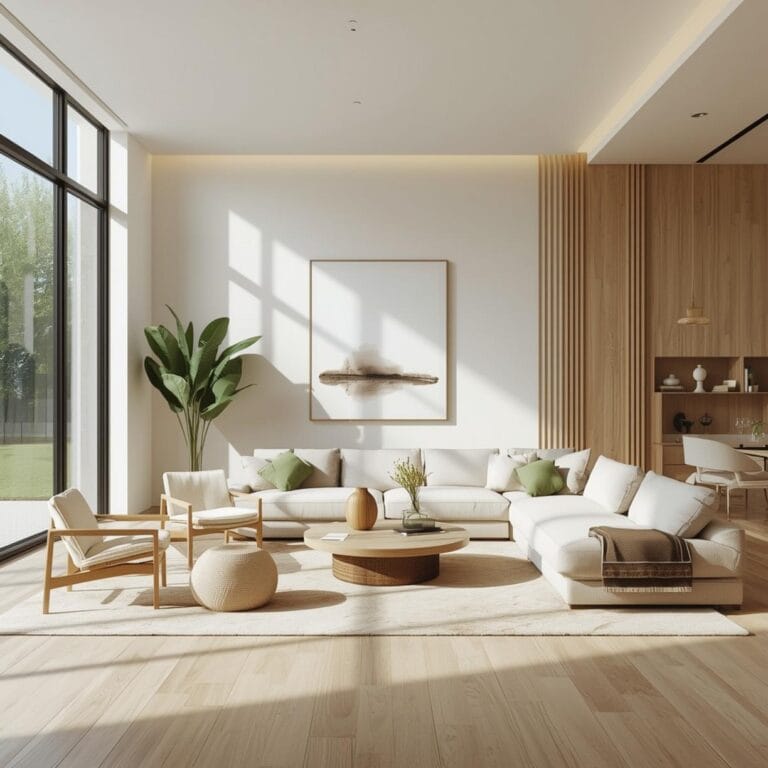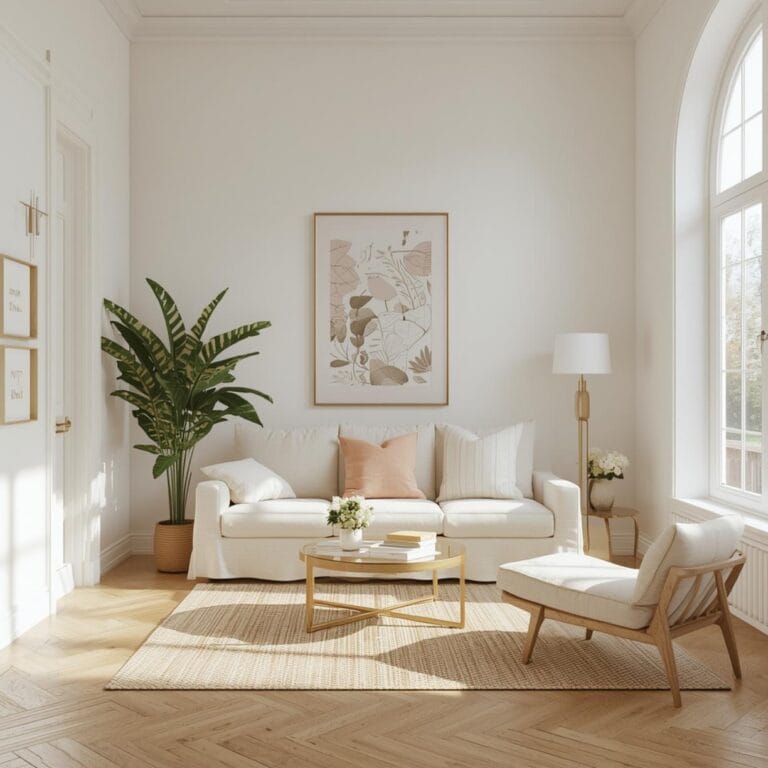
How to Choose Coastal Living Room Furniture
Your living room should feel like a breath of fresh ocean air every time you walk in. Yet so many of us struggle to find furniture that captures that breezy, relaxed vibe without looking too theme-park or nautical. You want the ease of coastal style with the sophistication of a space that feels current and collected.
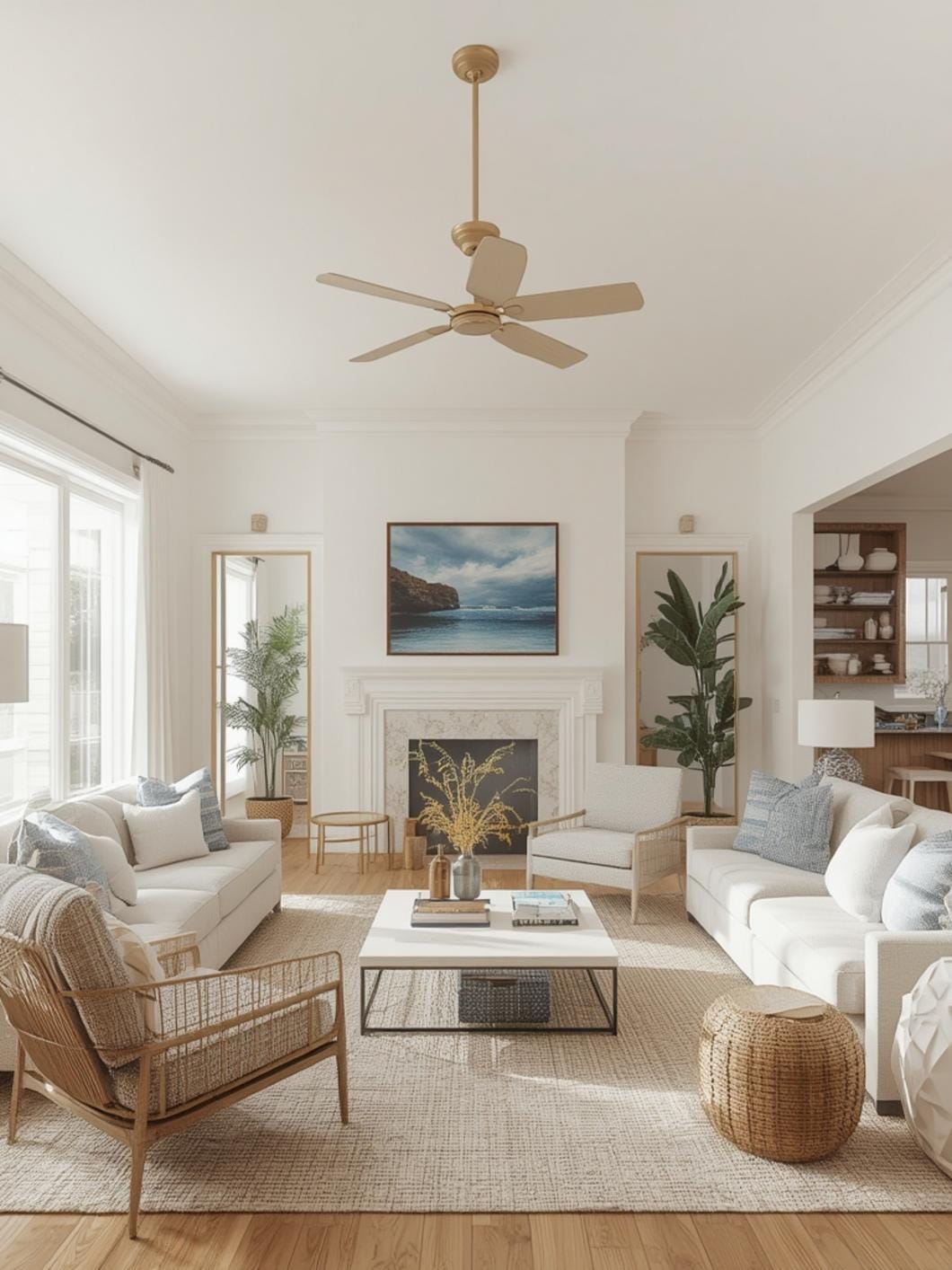
That’s where Coastal Living Room Furniture comes in. This approach gives you the light, airy feeling of a beachside retreat while working beautifully in any home—whether you’re miles from the shore or steps away from the sand. The key is choosing pieces that blend natural textures, soft colors, and comfortable shapes without relying on obvious beach décor.
In this guide, you’ll discover how to select coastal furniture that feels fresh and timeless. We’ll walk through practical furniture choices, styling tips, and ways to adapt this style to your space and budget.
Table of Contents
What You’ll Need to Get the Look
Creating a coastal living room starts with choosing the right furniture and accent pieces. Here’s what works beautifully in this style:
Seating:
– Slipcovered sofas in white, cream, or soft gray linen
– Rattan or wicker accent chairs with cushions
– Upholstered armchairs in natural fabrics like cotton or linen
– Ottomans that double as extra seating
Tables:
– Coffee tables in whitewashed wood or natural driftwood finish
– Side tables with rope details or weathered wood
– Console tables in light oak or painted white
Storage & Display:
– Open shelving units in natural wood or white
– Woven baskets for blankets and magazines
– Glass-front cabinets to display collections
– Low credenzas in light finishes
Textiles & Layers:
– Jute or sisal area rugs
– Striped or solid throw pillows in blues, whites, and sandy tones
– Lightweight cotton or linen throws
– Sheer white curtains or natural woven shades
Decorative Elements:
– Table lamps with ceramic or rope-wrapped bases
– Mirrors with driftwood or rope frames
– Artwork featuring abstract water scenes or neutral botanicals
– Potted greenery like palms or fiddle leaf figs
Finding Your Style and Season
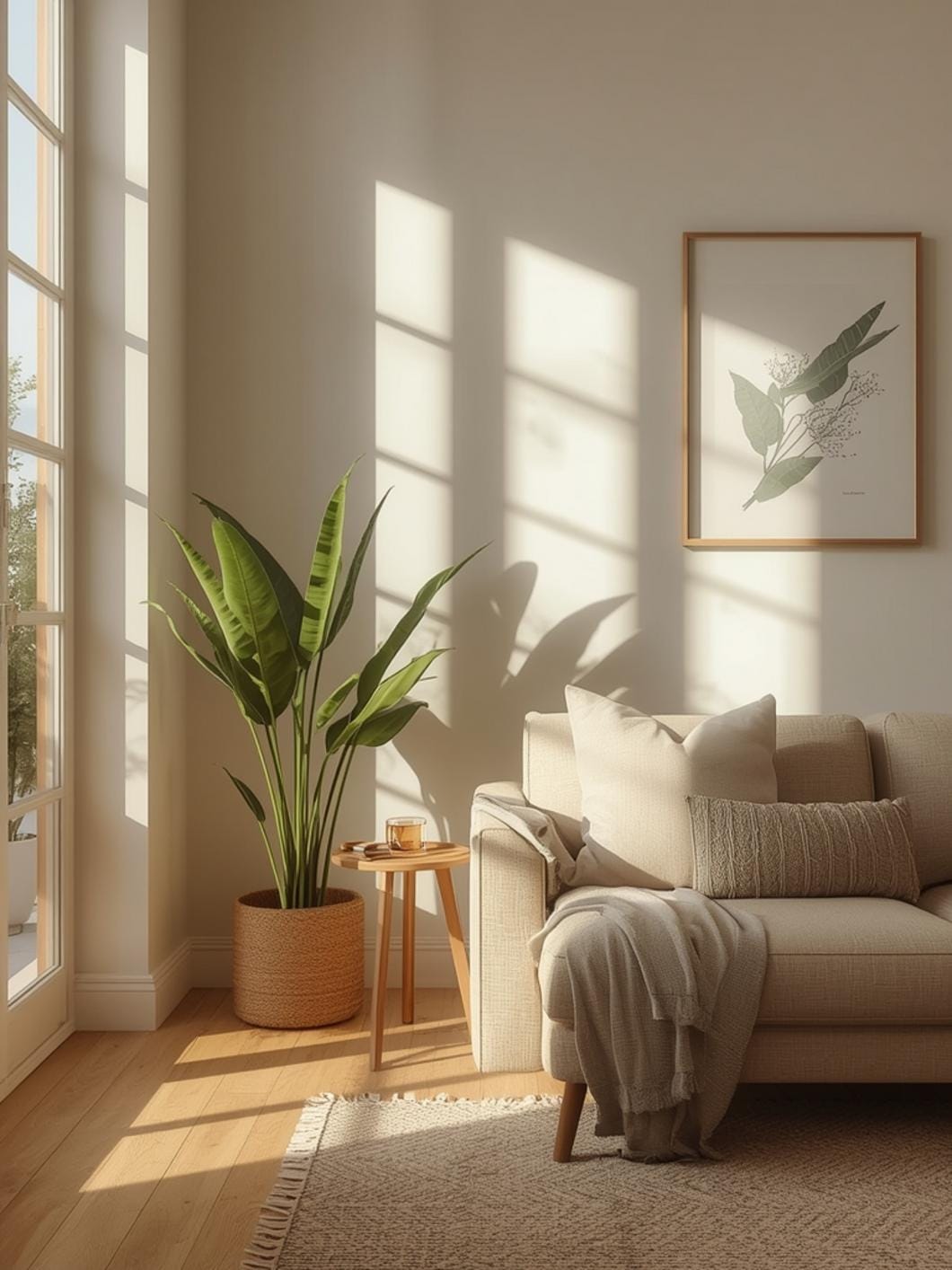
Coastal furniture works year-round, but certain times bring out its best qualities. Spring and summer are natural fits when you crave lighter, airier spaces. The bright daylight shows off white and cream upholstery beautifully, and open windows bring in breezes that complement the relaxed style.
Fall and winter offer surprising opportunities too. Coastal furniture provides a calm backdrop when you layer in cozy textures. Add chunky knit throws, warmer metallics, and deeper blues to shift the mood without changing your main pieces.
Consider your home’s natural light when planning this style. Rooms with lots of windows handle bright whites and light woods effortlessly. Spaces with less natural light benefit from warmer coastal tones—think sand, taupe, and soft grays instead of stark white.
Your lifestyle matters just as much as the season. If you have kids or pets, prioritize durable slipcovers you can wash and furniture with distressed finishes that hide wear. If you love hosting, focus on modular seating that rearranges easily and plenty of surface space for drinks and snacks.
7 Ideas to Try in Your Home
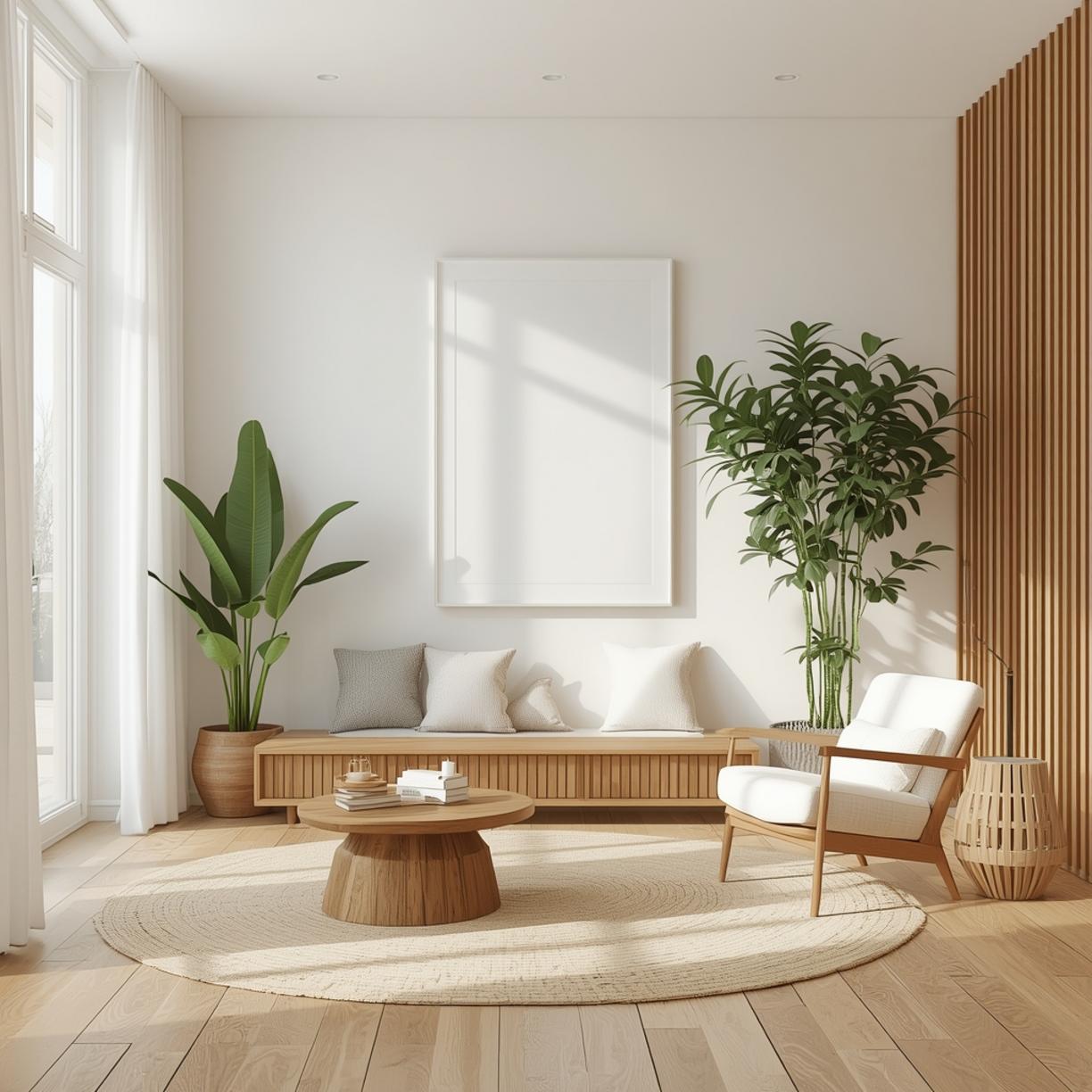
1. The Modern Coastal Foundation
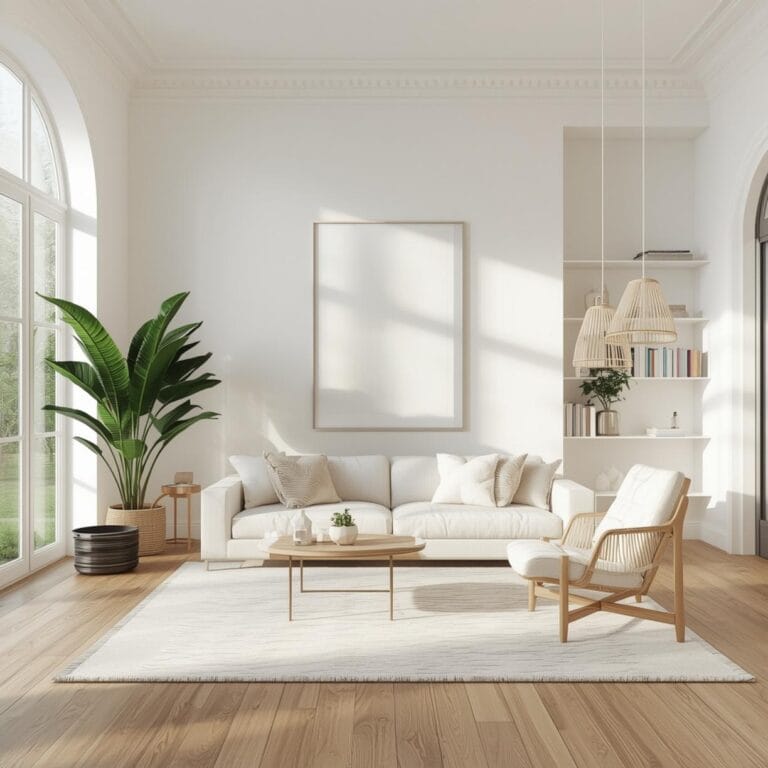
Start with a neutral linen sofa as your anchor piece. Choose clean lines over fussy details—think track arms or simple rolled arms. This gives you the coastal softness while keeping the silhouette contemporary. How to blend coastal and modern furniture styles begins with this balance: natural fabrics meet streamlined shapes.
Pair your sofa with a sleek coffee table in light wood with metal legs. The combination of organic material and modern hardware creates that perfect hybrid aesthetic.
2. The Textured Seating Mix
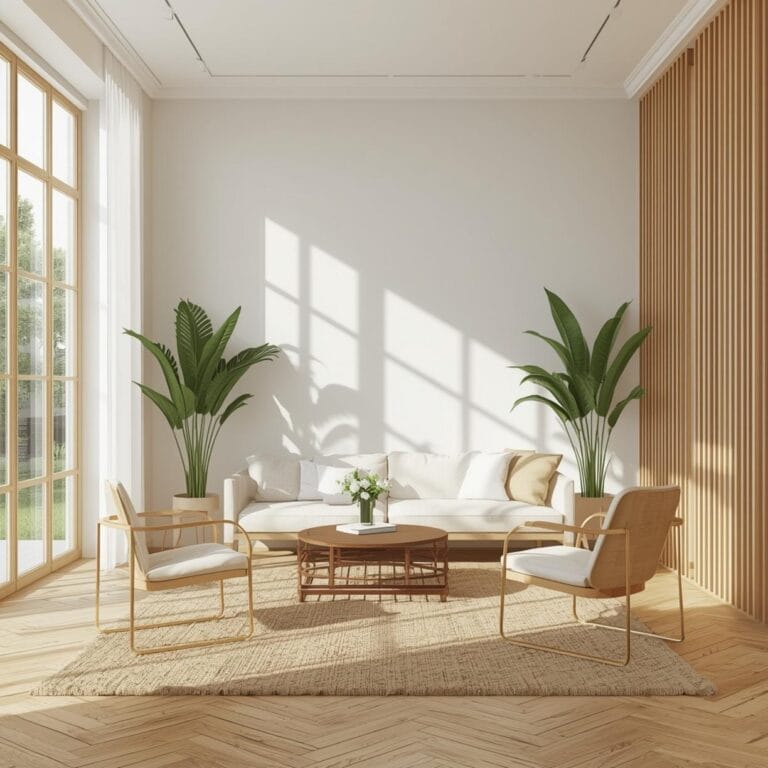
Skip matching furniture sets entirely. Instead, combine a upholstered sofa with two different wicker or rattan chairs. The varied textures add visual interest while maintaining the coastal feeling. This approach feels collected rather than catalog-purchased.
Position the chairs at angles to create conversation areas and improve traffic flow. Add coordinating cushions to tie the pieces together without being too matchy.
3. The Sophisticated Neutral Palette
Move beyond basic blue and white. Try a palette of warm whites, taupes, sage greens, and soft grays. These colors still feel coastal but read more refined. Your furniture in these tones works in any room year-round without feeling seasonal.
Choose furniture with natural wood tones in light oak or whitewashed finishes. These add warmth while keeping the airy coastal vibe intact.
4. The Layered Texture Approach
Select furniture that showcases different natural materials. A jute rug grounds the space, a linen sofa provides softness, and wooden side tables add organic structure. Woven baskets and rope-detailed mirrors complete the layered look.
This texture-forward approach creates depth without relying on color. Your room feels intentional and pulled together through material variation alone.
5. The Flexible Modular Setup
Choose sectional pieces or multiple smaller sofas instead of one large piece. Coastal style embraces relaxed, informal seating arrangements. Modular furniture lets you reconfigure your layout for different occasions—movie nights, game days, or intimate gatherings.
Look for pieces on legs rather than skirted bottoms. This keeps sight lines open and makes your space feel larger and breezier.
6. The Indoor-Outdoor Connection
Select furniture that could work equally well on a covered porch. Weather-resistant wicker, teak accents, and performance fabrics designed for outdoor use now come in beautiful indoor-appropriate styles. These pieces handle real life better while maintaining the coastal aesthetic.
This approach works especially well if you have French doors or large windows connecting to outdoor spaces. The visual flow becomes seamless.
7. The Curated Vintage Mix
Hunt for vintage rattan chairs, weathered wood tables, or mid-century pieces in light finishes. Mixing these finds with new coastal furniture creates a collected-over-time feeling. Your space tells a story instead of looking like everything arrived in one delivery.
Refinish or paint older pieces in whites, soft blues, or natural wood stains to tie them into your coastal palette.
Benefits of Coastal Living Room Furniture
The greatest advantage of coastal furniture is how it makes your home feel lighter and more spacious. The pale colors and natural materials reflect light beautifully, opening up even smaller living rooms. You’ll notice your space feels more breathable and less cluttered.
This style promotes genuine relaxation in ways other aesthetics don’t. The soft fabrics, comfortable cushions, and casual arrangements invite you to actually use your living room. No one worries about messing up the sofa or moving a pillow out of place.
Coastal furniture adapts remarkably well to life’s changes. The neutral foundations work with different accent colors as your taste evolves. You can shift from blues to greens to corals simply by changing throw pillows and accessories. Your major furniture pieces remain timeless.
The natural materials in coastal furniture often age beautifully rather than just wearing out. Distressed wood develops more character, linen softens with washing, and rattan gains a lovely patina. Your furniture looks better with time rather than worse.
Tips, Alternatives, and Styling Advice
Budget-Friendly Option:
Start with one statement piece like a slipcovered sofa or rattan chair. Build your coastal look around this anchor with affordable finds. Target and IKEA offer excellent wicker baskets, jute rugs, and white side tables that capture the style without the premium price.
Paint existing furniture in coastal whites or soft blues. A can of paint transforms dark wood into beach-house chic for under fifty dollars.
Mid-Range Option:
Invest in quality upholstered seating in performance fabrics that handle daily life. These pieces typically range from eight hundred to fifteen hundred dollars but last years longer than budget alternatives. Combine these investments with moderately priced accent chairs and tables.
Look for sales at stores specializing in coastal style during off-season months. January and September often bring significant discounts on summer-associated furniture.
Premium Option:
Splurge on custom slipcovered pieces in Belgian linen or high-end performance fabrics. These run two thousand dollars and up but offer perfect fit and exceptional quality. Pair custom upholstery with handcrafted rattan chairs from artisan makers and solid wood tables in premium finishes.
Premium coastal furniture often comes from brands specializing in beach resort furnishings. The quality justifies the investment if your budget allows.
Small Space Adaptation:
Choose furniture with exposed legs rather than skirted bases. This creates visual space underneath, making your room feel larger. Select a loveseat instead of a full sofa, and use one larger chair instead of two smaller ones.
Opt for nesting tables and ottomans with storage. These pieces multitask beautifully in compact living rooms while maintaining coastal style. Keep your color palette light and monochromatic to maximize the sense of space.
Common Mistakes to Avoid
Going too nautical with obvious beach symbols. Anchors, ships’ wheels, and literal seashell motifs make your space feel themed rather than sophisticated. Instead, stick to natural textures, soft colors, and organic shapes that suggest the coast without spelling it out.
Choosing all-white furniture without considering practicality. Pure white shows every spill and stain, creating stress rather than relaxation. Opt for creams, off-whites, and performance fabrics designed to resist stains while still looking light and airy.
Forgetting about comfort in favor of looks. Some rattan chairs and benches look beautiful but feel uncomfortable after twenty minutes. Always test seating before buying, especially accent chairs. Your coastal living room should invite long conversations and lazy afternoons.
Mixing too many wood finishes without a plan. Three or four different wood tones create chaos instead of the calm coastal feeling you want. Pick two complementary finishes—perhaps whitewashed oak and natural driftwood—and stick with them throughout your furniture choices.
Overlooking scale and proportion in smaller rooms. Oversized sectionals and bulky coffee tables overwhelm coastal style’s inherent airiness. Choose appropriately sized pieces with slimmer profiles and raised legs that maintain sight lines and keep your space feeling open.
Maintenance and Upkeep Tips
Keep slipcovered furniture looking fresh by removing and washing covers seasonally. Most quality slipcovers handle machine washing on gentle cycles. Wash in cool water and line dry to prevent shrinkage. Iron while slightly damp for the easiest wrinkle removal.
Vacuum upholstered pieces weekly using your furniture attachment. This prevents dust and dirt from embedding into fabric fibers. Treat spills immediately by blotting—never rubbing—with a clean cloth and mild soap solution.
Protect natural wood furniture from water rings by using coasters and trivets. Dust weekly with a soft cloth, and apply furniture wax or oil twice yearly to maintain the finish. This keeps lighter woods from yellowing and preserves their beautiful natural color.
Clean rattan and wicker furniture with a damp cloth and gentle soap. Use an old toothbrush for detailed areas where dust accumulates. Vacuum first to remove loose dirt before wiping. Keep these pieces away from direct heat sources that can dry out and crack the natural materials.
Rotate cushions and pillows monthly so they wear evenly. Fluff them daily to maintain their shape. Take outdoor-safe cushions outside on sunny days to naturally freshen and sanitize them. The sun acts as a natural deodorizer and brightener.
Bringing It All Together
Coastal living room furniture creates the relaxed, welcoming space you’ve been craving. By choosing pieces that balance natural materials with clean lines, you’ll build a room that feels both beachy and sophisticated. The key is selecting quality furniture in light colors and organic textures, then layering them thoughtfully.
Start with your largest piece—typically your sofa—and build from there. Remember that coastal style works best when it feels effortless rather than overthought.
Ready to create more beautiful spaces throughout your home? Explore DecorKingdom for inspiring ideas that help you design rooms you’ll love living in every single day.
FAQs
What colors work best for coastal living room furniture?
Stick with a foundation of whites, creams, and soft grays for your main furniture pieces. These neutrals create the airy feeling coastal style is known for. Add pops of color through accessories in soft blues, seafoam greens, sandy beiges, and warm corals. This approach lets you change your accent colors seasonally while your furniture remains timeless.
Can coastal furniture work if I don’t live near the beach?
Absolutely—coastal style translates beautifully to any location. The emphasis on natural materials, comfortable fabrics, and light colors creates a relaxed atmosphere anywhere. Think of it as bringing vacation vibes home rather than literal beach décor. Many landlocked homes embrace coastal furniture because it makes everyday life feel more peaceful and less formal.
How do I keep white coastal furniture clean with kids and pets?
Choose performance fabrics specifically designed for high-traffic homes. Brands now offer stain-resistant, water-repellent fabrics in beautiful coastal colors that look like natural linen. Alternatively, select slipcovered furniture with removable, washable covers. Keep a good fabric cleaner on hand for quick spot treatments, and establish house rules about eating on the furniture.
What’s the difference between coastal and beach house furniture?
Beach house furniture often includes literal nautical elements and bold navy-and-white stripes. Coastal furniture takes a more subtle approach with natural textures, softer color palettes, and organic materials that merely suggest seaside living. Coastal feels more refined and works better in non-vacation homes. It’s the difference between displaying a ship’s wheel versus choosing a driftwood-framed mirror.
Should all my coastal furniture match or coordinate?
Coordination beats matching for authentic coastal style. Mix different natural materials like rattan, wood, and linen rather than buying matching sets. Keep your color palette cohesive—all whites and naturals or all soft blues and grays—but vary the textures and furniture styles. This collected approach feels more relaxed and personal than perfectly matched pieces.
—
Meta Title: Coastal Living Room Furniture Ideas & Styling Guide 2026
Meta Description: Create a breezy retreat with Coastal Living Room Furniture. Get modern styling tips, budget options & expert design ideas for your relaxed home.