How to Plan Living Room Layout for Maximum Comfort
You’re staring at your living room, wondering why it never quite feels right. Maybe the sofa blocks the natural flow, or your favorite chair sits in an awkward corner where no one ever uses it. You know the space has potential, but figuring out where everything should actually go feels overwhelming.
Learning How to Plan Living Room Layout doesn’t require hiring an interior designer or moving furniture around endlessly until something clicks. With a few smart strategies and some thoughtful measuring, you can create a layout that makes your room feel bigger, more inviting, and perfectly suited to how your family actually lives.
Whether you’re working with a spacious great room or trying to make a compact apartment living area work harder, the right layout planning approach makes all the difference. Let’s walk through exactly how to map out a living room that works beautifully for your daily life.
Table of Contents
Materials & Decor Elements
Before you start moving heavy furniture, gather these essential planning tools:
Measuring and Planning:
– Tape measure (at least 25 feet long)
– Graph paper or free online room planner tool
– Pencil and eraser for sketching
– Painter’s tape to mark floor positions
Furniture Pieces to Consider:
– Sofa or sectional as your anchor piece
– Accent chairs or loveseats
– Coffee table with appropriate clearance space
– Side tables for lamps and drinks
– TV stand or media console if needed
– Bookshelf or storage units
Decorative Elements:
– Area rug to define conversation zones
– Floor lamps and table lamps for layered lighting
– Artwork sized appropriately for wall space
– Throw pillows and blankets for comfort
– Plants or decorative objects for personality
Optional Extras:
– Ottoman that doubles as seating or coffee table
– Console table behind sofa for tight spaces
– Poufs or floor cushions for flexible seating
Having your room dimensions and furniture measurements written down before you move a single piece saves hours of frustration and backache.
Timing / Project Planning
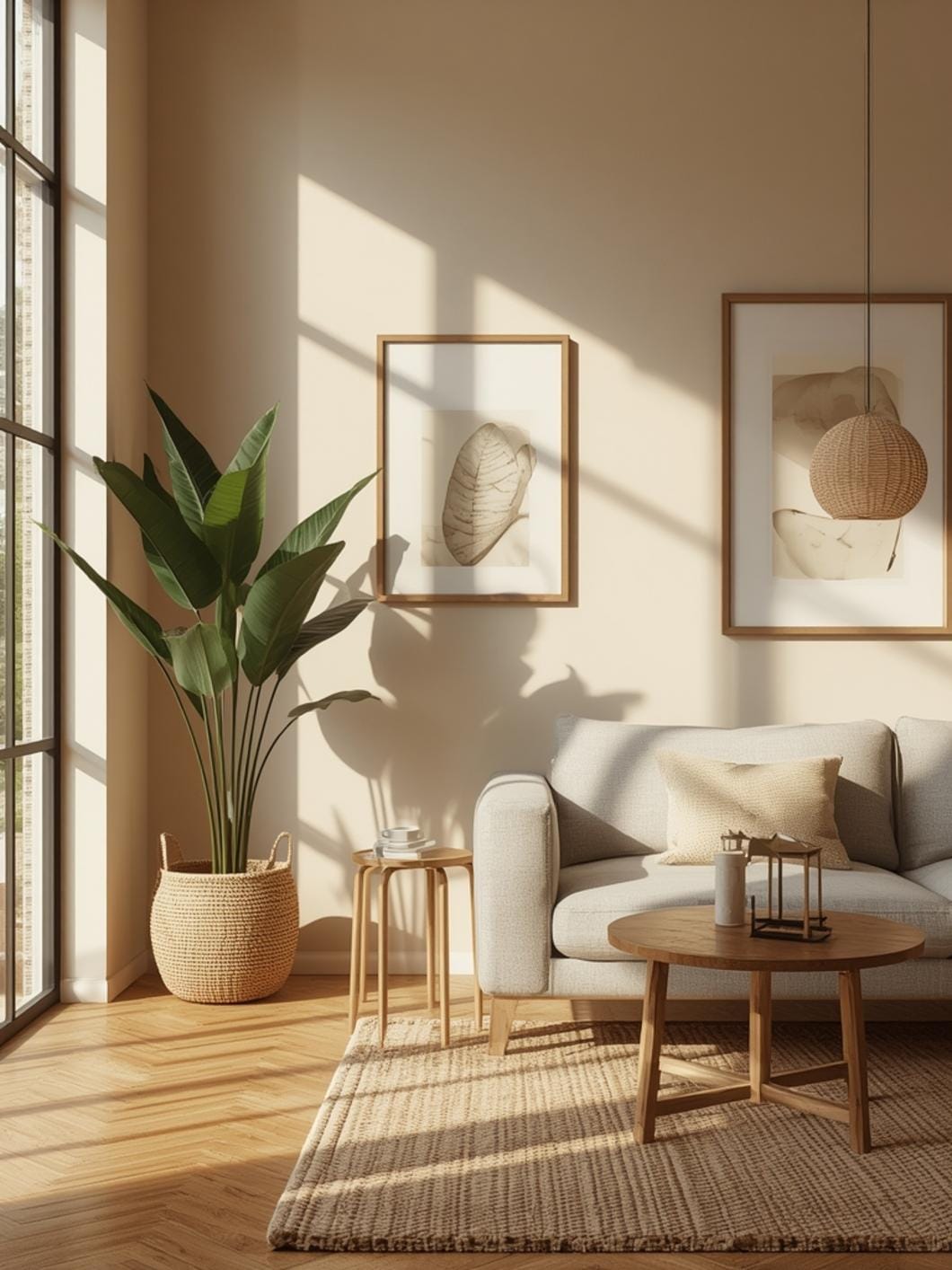
Planning your living room layout works best when you’re not rushed or under pressure. Give yourself a full weekend to measure, sketch, and experiment with arrangements before committing to one final setup.
Best Times to Tackle Layout Planning:
Spring and fall offer ideal conditions since you can open windows while moving furniture without extreme temperatures making you miserable. Natural daylight helps you see how the space truly functions throughout the day.
If you’re planning around a specific event like hosting family for holidays or a big game day, start your layout planning at least three weeks ahead. This gives you time to identify any furniture gaps you need to fill and allows for delivery delays.
Budget Considerations:
You might discover you don’t actually need new furniture—just a better arrangement of what you already own. However, if you do need to purchase pieces, plan for:
– Budget approach: $200–600 for one accent chair or small side table
– Mid-range solution: $800–2,000 for a quality sofa or sectional
– Investment pieces: $2,500+ for custom or designer furniture that’ll last decades
Many homeowners find that spending on one excellent anchor piece, then filling in with budget-friendly accents, creates the most balanced result.
Step-by-Step Instructions
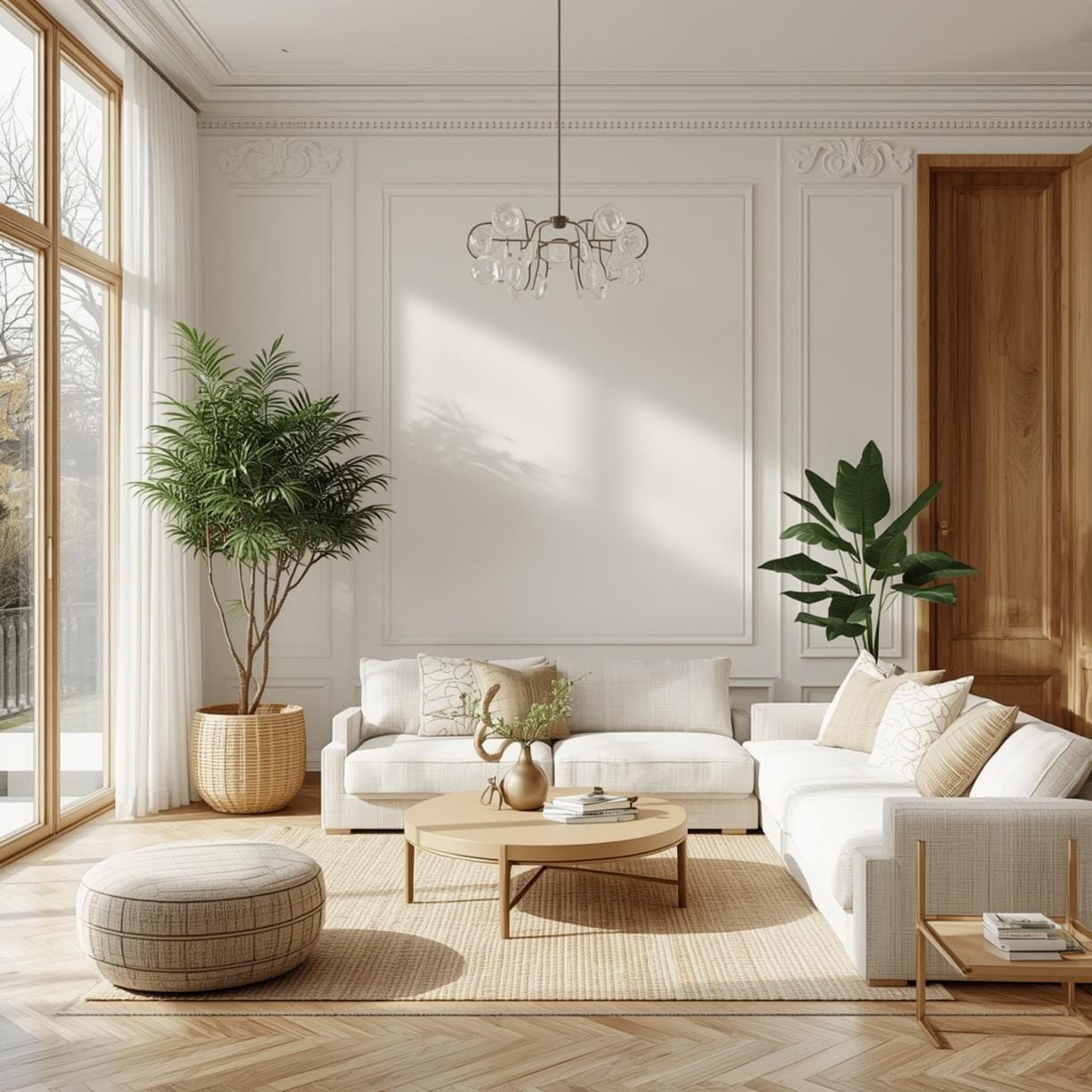
Measure Your Space Accurately
Start by measuring the room’s length and width at floor level, not just eyeballing it. Note the location of windows, doors, electrical outlets, and any architectural features like fireplaces or built-in shelving.
Measure each doorway’s swing radius—you need to ensure furniture placement doesn’t block doors from opening fully. Write down everything, including ceiling height and the distance from floor to windowsills.
Identify Your Room’s Focal Point
Every well-planned living room centers around one primary focal point. This might be a fireplace, a large window with a beautiful view, or your TV and media center.
Once you identify this focal point, orient your main seating to face it directly or at a comfortable angle. Fighting against your room’s natural focal point creates awkward sightlines that never feel quite right.
Create a Floor Plan on Paper First
Draw your room to scale on graph paper, with each square representing one foot. Cut out scale representations of your furniture pieces so you can move them around without lifting anything heavy.
This paper planning phase reveals problems before they happen—like discovering your dream sectional is actually six inches too long for the wall you wanted it on. Digital room planner apps work great too if you prefer working on your tablet.
Apply the Traffic Flow Rule
People need clear pathways through your living room, with at least 30 inches of walking space between furniture pieces. The main traffic path should never force people to walk between someone sitting on the sofa and the TV or focal point.
Map out how people will enter the room and where they naturally need to walk to reach other areas of your home. Your furniture arrangement should guide traffic around the conversation area, not through the middle of it.
Master the Conversation Zone
Position seating pieces no more than 8 feet apart so people can comfortably chat without shouting. This creates an intimate, welcoming atmosphere that encourages actual conversation.
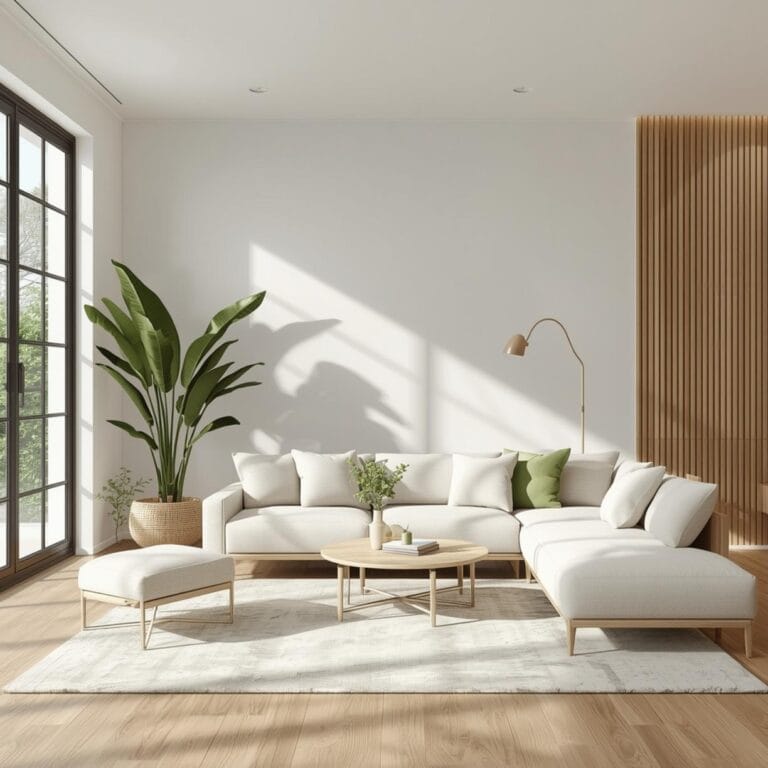
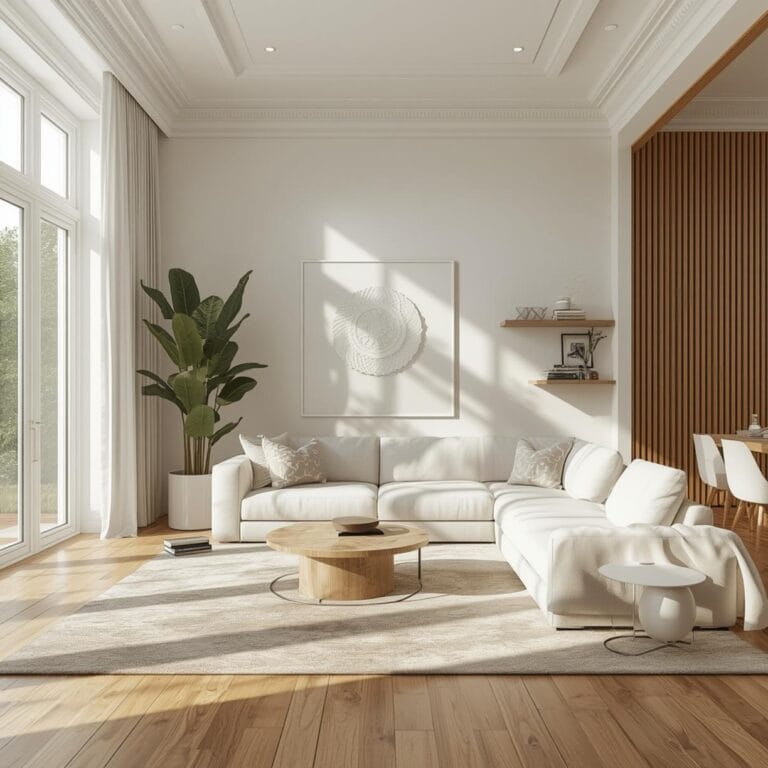
For Small living room furniture arrangement for maximum space, try floating your sofa a few inches away from the wall rather than pushing it flush against it. This counterintuitive trick actually makes rooms feel larger by creating visual breathing room and allowing you to tuck a narrow console table behind the sofa for extra surface space.
Leave Proper Clearance Distances
Your coffee table should sit 14–18 inches from the sofa—close enough to reach your drink but far enough that you don’t bang your shins when standing up. Side tables should align with or sit slightly lower than sofa armrests for easy lamp access.
If you’re including a TV, position it so the center of the screen sits at eye level when you’re seated. This usually means the TV center should be about 42 inches from the floor for standard sofa heights.
Test Your Layout Before Committing
Use painter’s tape on the floor to mark where each furniture piece will sit. Live with these taped outlines for a day or two, walking through the space and imagining daily activities.
Does the layout interfere with how you actually use the room? Can you still reach all the outlets you need for lamps? Make adjustments to your tape marks until the flow feels natural before moving the real furniture into place.
Benefits / Advantages
A thoughtfully planned living room layout makes your entire home feel more welcoming and functional. You’ll notice family members naturally gathering in the space more often because the seating arrangement invites conversation and connection.
Proper furniture placement improves the perceived size of your room significantly. Even the smallest living rooms feel spacious when furniture is arranged to maximize traffic flow and avoid visual clutter in sightlines.
You’ll also protect your furniture investment by ensuring pieces fit properly before purchasing. Nothing’s more disappointing than discovering your new sofa overwhelms the room or blocks access to windows that provide your best natural light.
The right layout adapts as your needs change too. A well-planned base arrangement makes it easy to swap seasonal decor, add extra seating when guests visit, or reconfigure slightly as your family grows and evolves.
Tips, Alternatives, Styling Advice
Budget-Friendly Approach:
Work with furniture you already own first, experimenting with new arrangements before buying anything. Add affordable accent pieces like floor poufs ($40–80) or a new area rug ($150–300) to refresh the layout’s look without major investment.
Consider multi-functional furniture like storage ottomans that serve as coffee tables, extra seating, and hidden storage all at once. These pieces maximize utility in tight spaces without the cost of buying multiple items.
Mid-Range Solution:
Invest in one high-quality anchor piece—typically the sofa—then surround it with a mix of vintage finds and budget accent pieces. A $1,500 sofa paired with thrifted side tables and affordable lighting creates a curated, designer-inspired look.
Add a properly sized area rug that extends beyond furniture edges by at least 6 inches on each side. This grounds your seating arrangement and makes the entire layout feel intentional and complete.
Premium Option:
Work with a professional designer for a custom furniture plan, or invest in modular sectional pieces that can reconfigure as your needs change. High-end sectionals ($3,000–6,000) often include movable components that adapt to different layout requirements over time.
Premium window treatments and custom built-ins maximize your layout by eliminating the need for freestanding storage units that eat up floor space. This creates a seamless, architectural approach to living room planning.
Small Space Adaptation:
Choose apartment-scale furniture explicitly designed for compact rooms—these pieces offer the same comfort as full-size furniture but with dimensions reduced by 6–12 inches. This slight difference dramatically improves traffic flow in tight quarters.
Mount your TV on the wall instead of using a media console to save precious floor space. Use nesting tables that tuck away when not needed rather than a permanent coffee table that can overwhelm small layouts.
Common Mistakes to Avoid
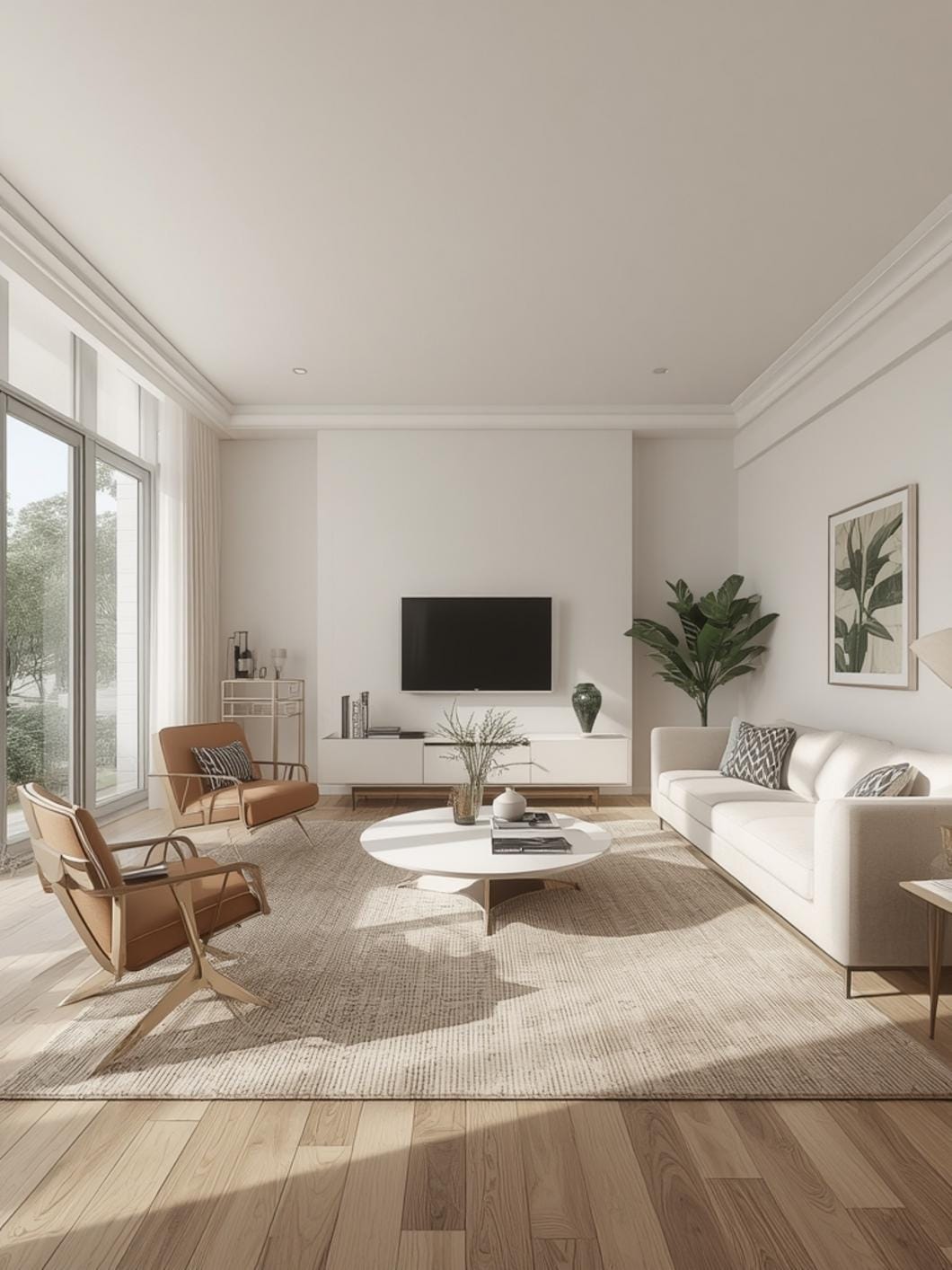
Pushing All Furniture Against Walls
Many homeowners instinctively shove everything against the walls, thinking this maximizes floor space. Actually, floating furniture away from walls by even 6–12 inches makes rooms feel larger and creates a more sophisticated, designer-approved look.
Choosing Oversized Furniture for the Space
That massive sectional looks amazing in the showroom’s huge display area, but it might dwarf your actual living room. Always measure both the furniture and your room before purchasing, checking clearances from all angles including doorways you’ll need to move it through.
Ignoring Traffic Patterns
Arranging furniture to look pretty on paper means nothing if people constantly bump into chair corners or squeeze awkwardly between pieces. Watch how your family naturally moves through the space and design pathways that support rather than fight these patterns.
Blocking Natural Light Sources
Positioning tall furniture in front of windows makes rooms feel dark and cramped no matter how many lamps you add. Keep window areas clear with low-profile furniture, or angle pieces to direct light further into the room rather than blocking it.
Forgetting About Electrical Access
You plan the perfect layout only to discover you can’t reach any outlets without running extension cords across walkways. Map electrical outlet locations during your planning phase and position table lamps and floor lamps where you can actually plug them in safely.
Maintenance / Upkeep Tips
Once you’ve created your ideal living room layout, maintain it by doing a quick furniture alignment check every few months. Over time, pieces naturally shift from daily use—especially lighter items like accent chairs and side tables.
Vacuum underneath and behind furniture at least quarterly to prevent dust buildup that can damage flooring and upholstery. This regular cleaning also lets you spot any issues with your layout, like furniture leaving marks on floors or rugs bunching in high-traffic areas.
Rotate area rugs and furniture cushions seasonally to ensure even wear patterns. If your layout includes a sofa facing windows, rotate the cushions regularly so sun exposure doesn’t fade just one side.
Reassess your layout annually, especially if your household needs have changed. That media console that worked perfectly when kids were little might now need replacement with storage for gaming equipment or homework supplies.
Keep felt pads under all furniture legs and replace them when they wear thin. These inexpensive protectors (about $8 for a set) prevent scratches and make it easy to slide furniture slightly when vacuuming or adjusting the layout.
Conclusion
Planning your living room layout with intention creates a space your family will actually want to spend time in. By measuring carefully, considering traffic flow, and arranging furniture to support conversation and comfort, you’ll transform your living room from awkward to inviting.
The key is starting with your room’s natural focal point and building your layout around how your household truly lives. Whether you’re working with a sprawling great room or a cozy apartment, these strategies help you make the most of every square foot.
Ready to tackle more rooms in your home with the same thoughtful approach? Explore more practical decorating guides and layout inspiration on DecorKingdom to bring beauty and function to every corner of your space.
FAQs
What’s the ideal distance between a sofa and coffee table?
Keep 14 to 18 inches between your sofa and coffee table for comfortable leg room and easy access to drinks or remotes. This distance lets you reach items on the table without straining, while giving you enough space to stand up without banging your shins on the table edge.
Should I arrange furniture before or after buying an area rug?
Always plan your furniture layout first, then choose a rug sized to fit that arrangement. Measure your furniture grouping and select a rug large enough so all front furniture legs sit on it—at least the front legs of sofas and chairs should rest on the rug to anchor the seating area properly.
How do I arrange furniture in a long narrow living room?
Create two separate zones in a long narrow room rather than lining furniture along the long walls. Position one seating area at one end, then use a console table or bookshelf as a visual divider, creating a second zone for reading, workspace, or additional seating at the other end.
Can I put my sofa in front of a window?
You can place a sofa in front of windows if it’s low-backed and doesn’t block significant natural light or your view. Choose a sofa no taller than the windowsill, and leave a few inches between the sofa back and window to allow curtains or blinds to function properly and prevent fabric damage from sun exposure.
What furniture pieces do I absolutely need in a living room?
The essential pieces include a sofa or loveseat for seating, a coffee table or ottoman for functionality, and at least one side table with a lamp for task lighting. Everything else—accent chairs, media consoles, bookshelves—depends on your specific needs and how you actually use your living room daily.
—
Meta Title: How to Plan Living Room Layout: Ultimate Guide (2026)
Meta Description: Learn How to Plan Living Room Layout with expert tips for furniture placement, traffic flow, and maximizing space in any sized room.