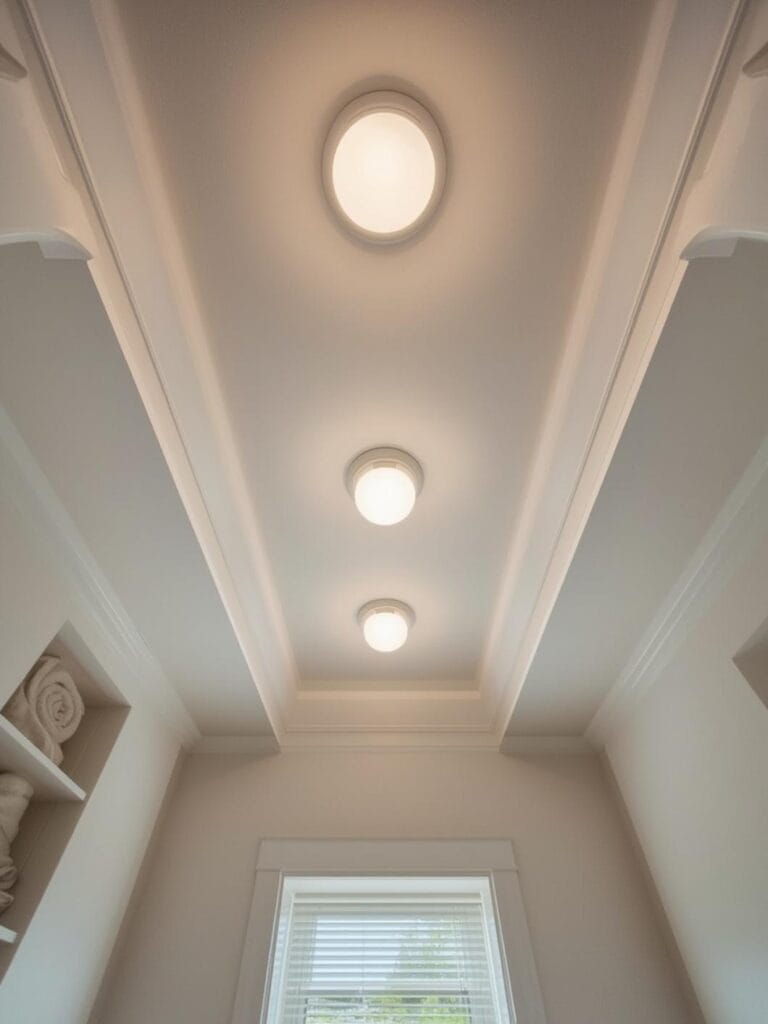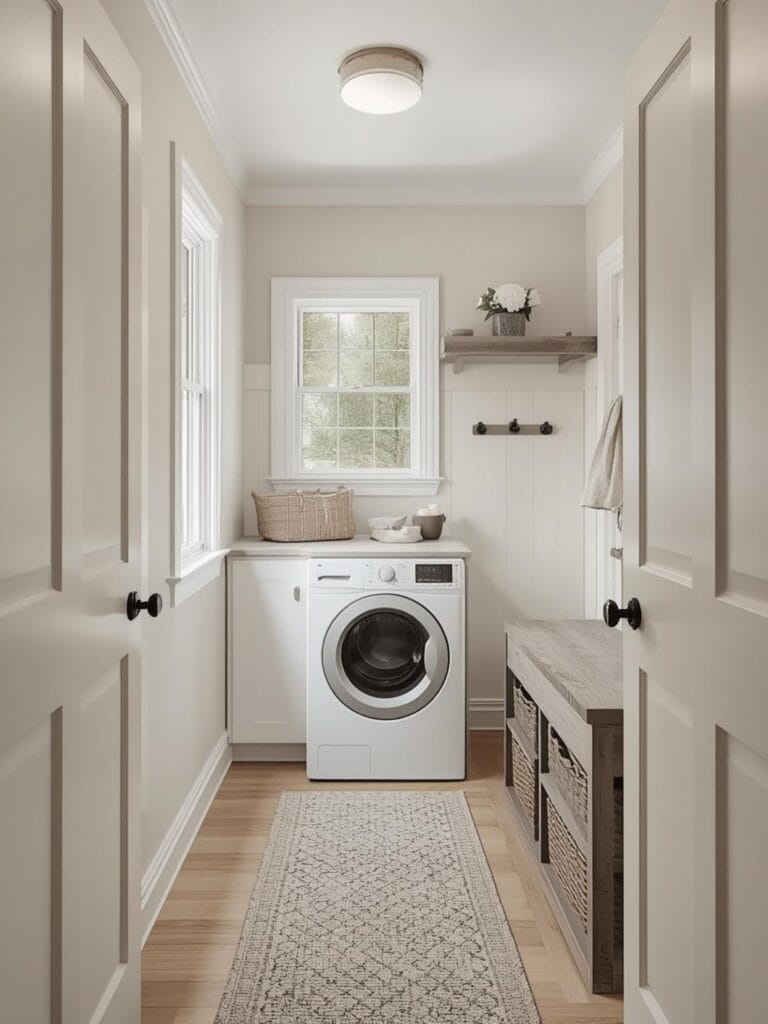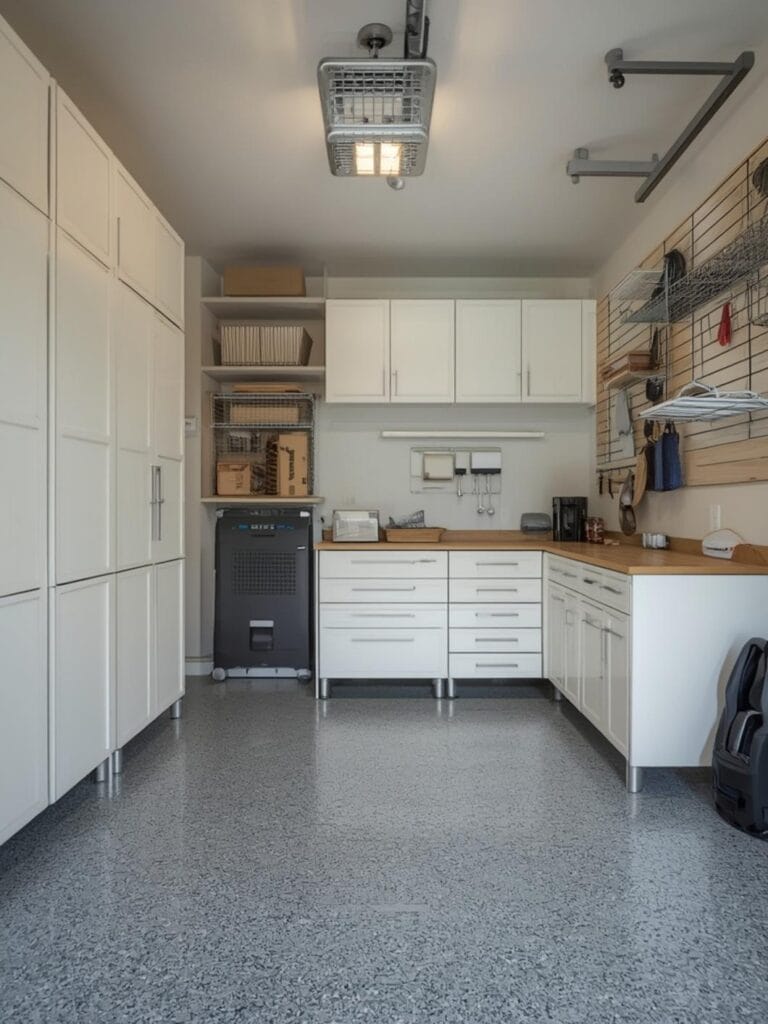
Hall Laundry Room Ideas That Make the Most of Every Inch
Finding room for laundry in a hallway can feel like a puzzle with no solution. You need machines, storage, detergent, dryer sheets, and somehow enough space to actually move through the hallway without turning sideways. It’s a challenge thousands of homeowners face, especially in older homes or apartments where dedicated laundry rooms weren’t part of the original floor plan.
The good news? Hall laundry room ideas have evolved far beyond cramming machines into closets and hoping for the best. With smart planning and creative storage solutions, your hallway laundry setup can be both functional and surprisingly stylish. You can create a space that handles every wash day need without sacrificing your home’s flow or aesthetic.
This guide walks you through everything from choosing the right setup to maximizing storage in tight quarters. Whether you’re working with a narrow corridor or converting a closet, these strategies will help you design a laundry area that works hard and looks great.
Table of Contents
What You’ll Need to Get the Look
The foundation of any successful hall laundry setup starts with the right equipment and storage pieces. Stackable washers and dryers are often the first choice for hallway installations since they take up minimal floor space. Front-loading models work best because they open toward you rather than requiring clearance on the sides.
For storage, consider these essential elements:
– Wall-mounted cabinets that extend to the ceiling for maximum vertical storage
– Rolling carts that can tuck beside machines and pull out when needed
– Slim shelving units that fit in gaps between machines and walls
– Hanging rods mounted on walls for air-drying delicates
– Pull-out hampers or laundry sorters that hide behind cabinet doors
Think about practical surfaces too. A small countertop or fold-down table gives you somewhere to sort, fold, and treat stains. Even a narrow ledge makes a difference on laundry day. Baskets and bins keep supplies contained and accessible without creating visual clutter.
Lighting matters more than you might expect in hallway spaces. Battery-operated LED strips or puck lights can brighten dark corners without requiring any installation beyond peel-and-stick adhesive.
Finding Your Style and Season
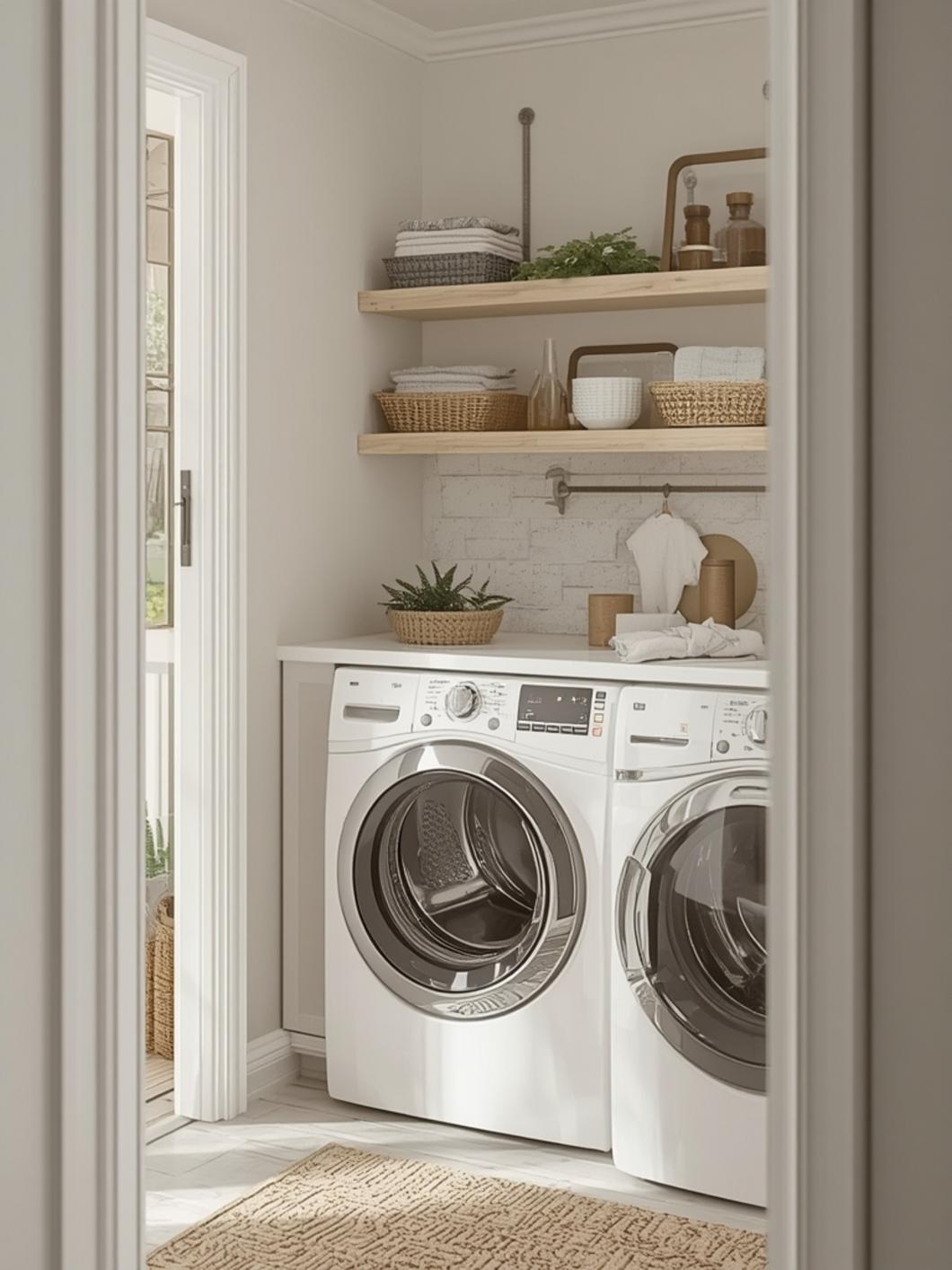
Hallway laundry areas work year-round, but certain times make more sense for installation or renovation. Spring and fall offer moderate temperatures that make it easier to have windows open while paint or adhesive cures. If you’re planning significant changes, avoid major holiday seasons when you’ll need full access to your home.
Consider your household’s laundry patterns too. Families with young children might prioritize lower storage for easy access to everyday items. Empty nesters might want sleeker, more decorative elements since the space sees less heavy use. Your lifestyle shapes what you actually need versus what looks good in photos.
Style-wise, hallway laundries benefit from cohesive design that blends with adjacent spaces. If your home skews modern, continue that clean-lined aesthetic. Traditional homes can incorporate beadboard or classic cabinet hardware. The goal is making the laundry area feel intentional rather than like an afterthought squeezed into available space.
Color choices matter in tight spaces. Lighter shades reflect light and make narrow hallways feel more open. That doesn’t mean everything needs to be white—soft blues, greens, or warm neutrals can create the same spacious effect while adding personality.
7 Ideas to Try in Your Home
1. The Closet Conversion
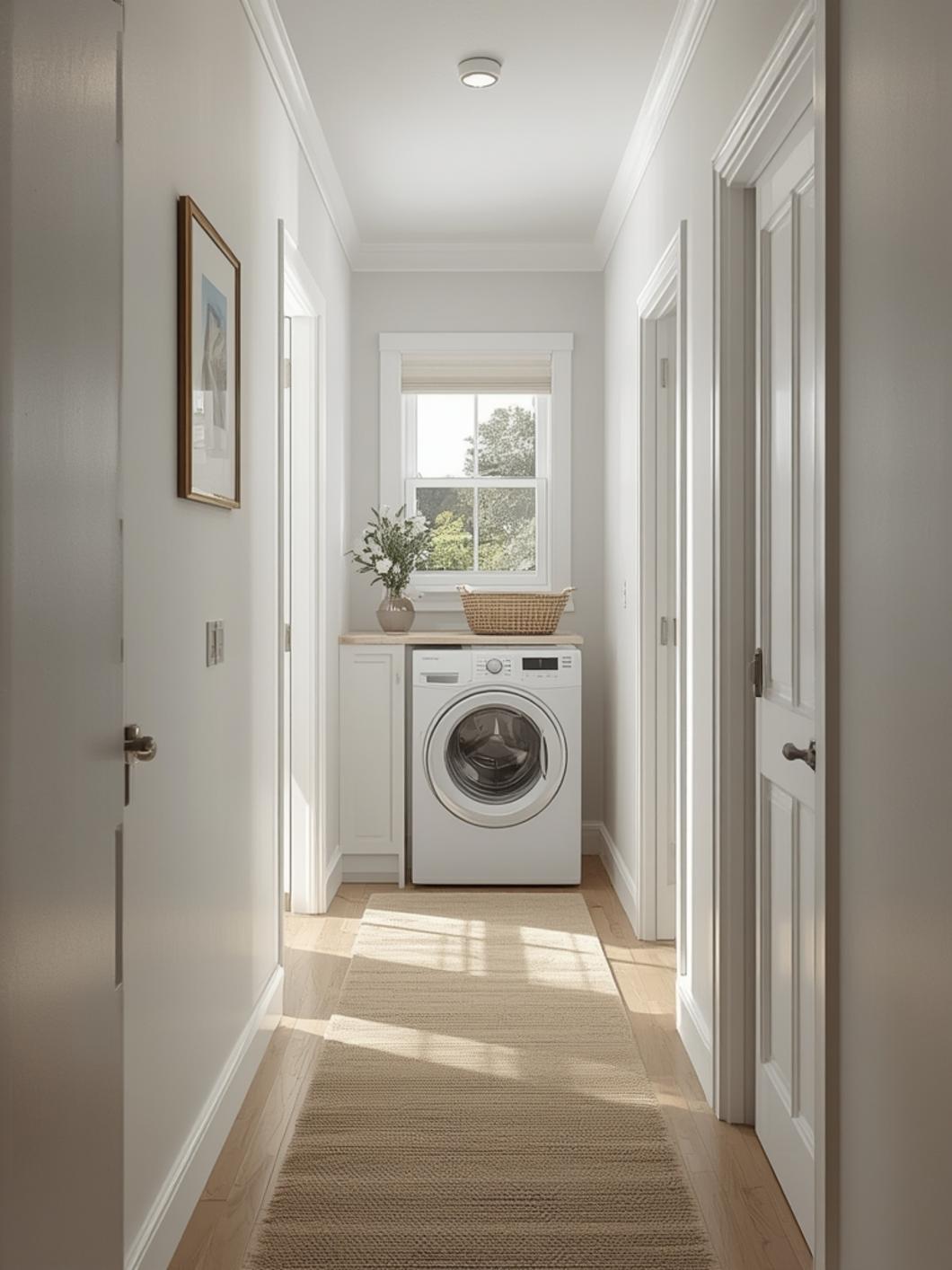
Transform a standard hallway closet into a compact laundry center by installing stackable machines and adding shelves above. Remove the closet doors and replace them with a sliding barn door or curtain panel that hides the machines when not in use. This approach keeps laundry completely concealed while maintaining easy access.
2. The Niche Setup
If your hallway has a recessed area or alcove, use it as a built-in laundry nook. Frame it with trim or molding to make it look purposefully designed. Add a tension rod near the top for hanging items and install floating shelves on the sides. This setup works beautifully in homes with architectural quirks that create irregular wall spaces.
3. The Bifold Door Solution
Install bifold doors that open to reveal your laundry machines while taking up minimal swing space. Paint the doors the same color as your hallway walls so they disappear when closed. Add magnetic catches to keep them neatly folded back during use. This works especially well in hallways where swinging doors would block traffic flow.
4. The Open Concept Approach
Embrace exposed machines by treating them as design elements rather than hiding them. Choose matching or coordinating washer and dryer finishes that complement your hallway decor. Surround them with attractive storage like woven baskets and ceramic canisters for detergent. This honest approach works in casual, lived-in home styles.
5. The Vertical Storage Strategy
When floor space is precious, how to maximize small laundry room storage becomes critical—and going vertical is your best friend. Install floor-to-ceiling cabinetry on one or both sides of your machines. Use the topmost shelves for seasonal items like beach towels or winter linens, keeping everyday supplies at arm level. Add hooks on cabinet sides for hanging bags, lint rollers, or stain treatment brushes.
6. The Counter Overlay
If you have side-by-side machines, build or install a countertop that spans both units. This creates a continuous work surface for folding and gives the area a more finished, kitchen-like appearance. Choose a material that can handle moisture and occasional heat from the dryer. Laminate, sealed butcher block, or solid surface materials all work well.
7. The Rolling Cart System
Install a slim rolling cart between or beside your machines that slides out when you need it and tucks away when you don’t. Use it to hold laundry baskets during sorting or as a mobile station for supplies. Choose one with multiple tiers to maximize vertical storage within its small footprint. This flexibility is invaluable in truly tight hallways.
Benefits of a Well-Planned Hall Laundry
A thoughtfully designed hallway laundry area transforms a household chore from a frustration into a manageable task. When everything has a designated spot and you can reach what you need without contortion, laundry day loses much of its stress. You spend less time searching for supplies or dealing with clutter.
The convenience factor shouldn’t be underestimated either. Having laundry on your main living level means you’re more likely to stay on top of it rather than letting baskets pile up. You can start a load while making dinner or switch clothes over without going to the basement. This integration into your daily routine makes the task feel less like a separate project.
From a home value perspective, adding laundry capability where none existed before or improving a cramped, dated setup can be a selling point. Modern buyers appreciate thoughtful space usage and updated laundry facilities. Even if you’re not planning to sell soon, knowing you’ve maximized your home’s functionality feels satisfying.
The visual benefit of a well-organized laundry area extends to your whole hallway. When machines and supplies are neatly contained rather than spilling out into view, your entire home feels more pulled together. It’s one less source of visual chaos competing for your attention as you move through your space.
Tips, Alternatives, Styling Advice
Budget-Friendly Option
Start with just the essentials if funds are tight. Install a tension rod above your machines for hanging clothes and use inexpensive fabric bins on existing shelves for supply storage. A fresh coat of paint on surrounding walls can make the entire area feel refreshed without touching the machines themselves.
Mid-Range Option
Add semi-custom storage solutions like wire shelving systems or ready-to-assemble cabinets from home improvement stores. Include a fold-down drying rack mounted to the wall and better task lighting. Consider a countertop kit designed for laundry room installation—these come in standard sizes that fit most machines and require minimal customization.
Premium Option
Invest in custom cabinetry built to fit your exact hallway dimensions and accommodate your specific machines. Include pull-out hampers, built-in ironing boards, and dedicated cubbies for each family member’s clean laundry. Add specialty features like a sink for hand-washing or treating stains. Premium countertop materials like quartz offer both beauty and extreme durability.
Small Space Adaptation
In the tightest hallways, every inch counts. Measure carefully and choose the most compact machines available—some manufacturers make units specifically for small spaces. Use the machine tops as temporary surfaces rather than building over them. Mount magnetic containers on the sides of machines for small items like dryer balls or stain sticks.
Common Mistakes to Avoid
Blocking Emergency Exits or Pathways
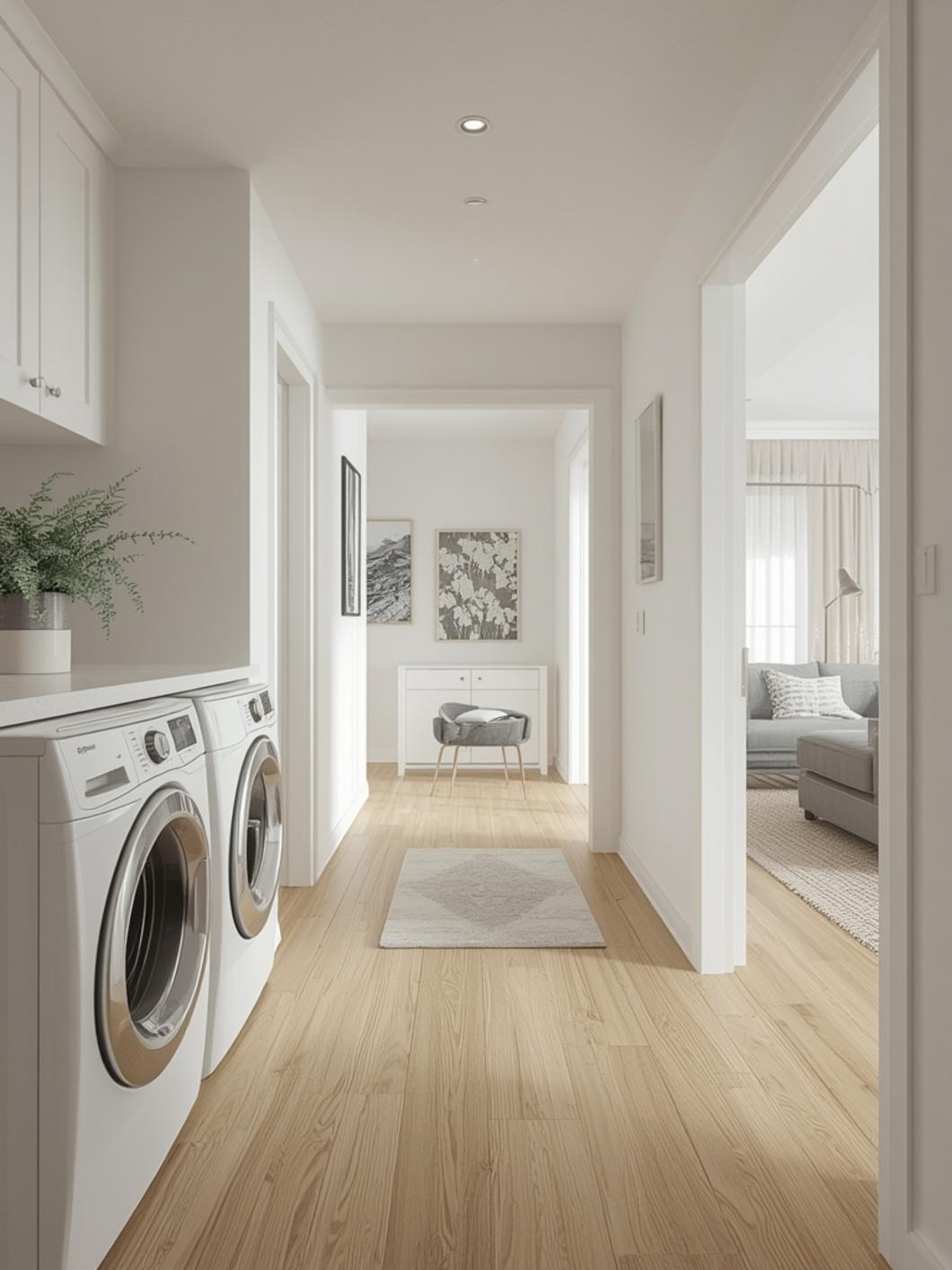
Placing machines where they obstruct safe passage through your home creates both a safety hazard and daily frustration. Always maintain clear walkways and ensure your setup doesn’t block any windows or doors that might serve as emergency exits.
Ignoring Ventilation Requirements
Dryers need proper airflow to function safely and efficiently, but many hallway installations overlook vent routing. Work with the constraints of your space but never compromise on proper venting—poor airflow creates fire risks and leaves clothes damp.
Choosing the Wrong Door Style
Installing swinging doors that open into a narrow hallway forces you to stand in an awkward position every time you load laundry. Opt for sliding, bifold, or pocket doors that don’t require clearance space when opening.
Forgetting About Noise
Machines running in a hallway are much more audible to the rest of your home than those tucked in a basement or dedicated room. Look for models with good vibration control and consider adding a rubber mat underneath to dampen noise and prevent walking.
Skimping on Lighting
Hallways are notoriously dim, and trying to sort darks from colors in poor light leads to laundry mishaps. Install adequate overhead lighting or add task lights specifically aimed at your work area.
Maintenance and Upkeep Tips
Keep your hall laundry area functioning smoothly with regular attention to a few key tasks. Wipe down machine exteriors weekly to prevent dust buildup and keep surfaces looking fresh. The visible location of hallway laundries means grime shows more than it would in a basement, so quick weekly cleaning makes a difference.
Check and clean your dryer vent every few months. Lint buildup reduces efficiency and creates fire hazards. In a hallway installation where venting may run a longer distance than typical, this maintenance becomes even more important. Pull the dryer away from the wall occasionally to vacuum the area behind it.
Organize and purge your supplies seasonally. Discard empty bottles, consolidate partially used products, and check expiration dates on stain treatments. This prevents cabinets from becoming overstuffed with products you’ll never use.
Address any moisture issues immediately. If you notice water pooling, unusual dampness, or musty smells, investigate the source right away. Hallway spaces often have less air circulation than dedicated rooms, making them more prone to moisture problems if leaks occur.
Wrapping Up Your Perfect Hall Laundry
Creating a functional and attractive hall laundry area comes down to thoughtful planning and smart use of vertical space. By choosing appropriately sized machines, maximizing storage opportunities, and selecting finishes that coordinate with your home’s style, you can turn a challenging space into a hardworking asset.
The most successful hallway laundries balance practical needs with visual appeal—they handle the dirty work of laundry day while maintaining your home’s aesthetic flow. With the ideas and strategies outlined here, you have everything needed to design a setup that serves your household well for years to come.
Ready to reimagine other challenging spaces in your home? Explore more creative solutions and inspiring ideas at DecorKingdom, where every square foot has potential.
FAQs
What’s the minimum width needed for a hallway laundry area?
Most standard washers and dryers measure 27 inches wide, so you’ll need at least 30 inches of width to accommodate side-by-side machines with minimal clearance. For stackable units, you can work with spaces as narrow as 28 inches. Always measure your specific machines before committing to a hallway location, as some compact models are slightly smaller while others run larger.
Can I install laundry machines in any hallway, or are there restrictions?
Your hallway needs access to water supply lines, drainage, and electrical outlets appropriate for your machines. It also needs proper ventilation for the dryer, which may limit where you can install. Some homes have hallways that meet these requirements naturally, while others need modifications. Consult with a plumber and electrician to assess your specific situation before purchasing machines.
How do I prevent my hallway from feeling cramped with machines in it?
Choose machines in lighter colors that blend with your walls rather than creating visual weight. Install the smallest machines that meet your household’s capacity needs. Use mirrors, adequate lighting, and consistent paint colors throughout the hallway to maintain a sense of openness. Keeping machines behind doors when not in use also helps the hallway feel more spacious.
What’s the best way to hide laundry supplies in a hall setup?
Wall-mounted cabinets with solid doors completely conceal supplies while keeping them easily accessible. Decorative baskets on open shelving can hold products while looking intentional rather than cluttered. Some homeowners install a narrow vertical cabinet between stacked machines specifically for supply storage. The key is giving every item a designated home so nothing sits out on machine tops.
Should I match my hall laundry design to my kitchen or bathroom style?
Generally, it makes sense to coordinate with whichever space is most visible from your hallway laundry area or to follow your home’s overall design theme. If your laundry area sits between your kitchen and bedrooms, pulling elements from your kitchen often works well since both spaces are utility-focused. The goal is creating visual continuity rather than having the laundry area feel disconnected from the rest of your home.
—
Meta Title: Hall Laundry Room Ideas That Maximize Space (2026)
Meta Description: Transform tight hallways into functional laundry spaces with these hall laundry room ideas. Smart storage solutions for every home style.