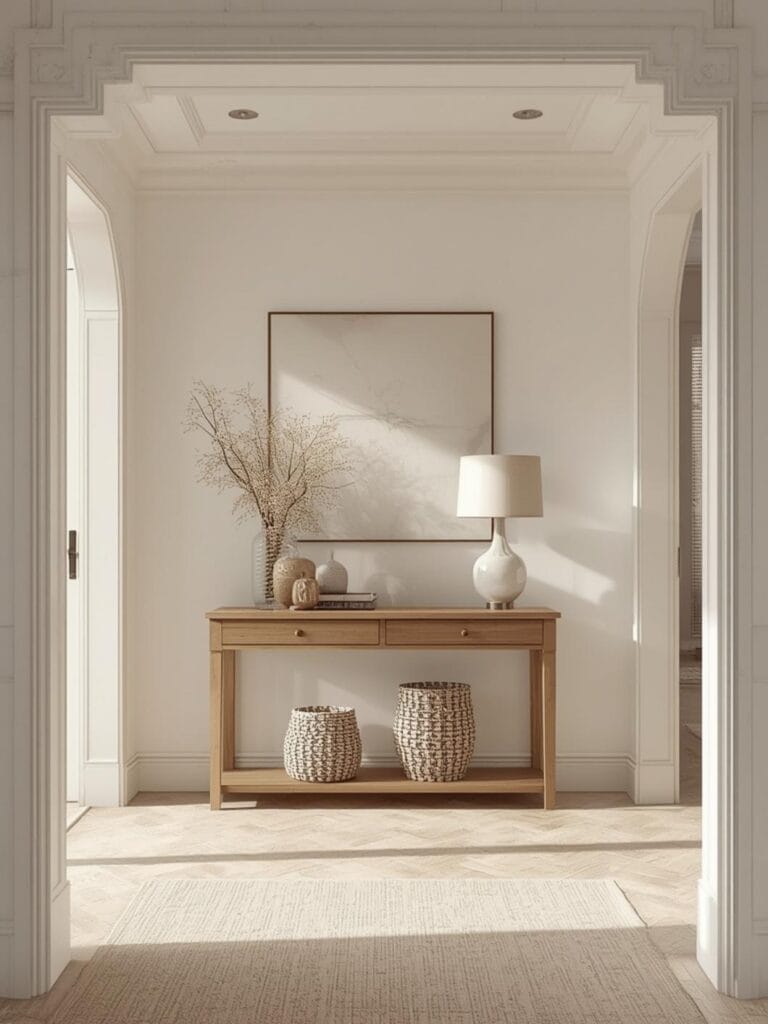
How to Choose Living Room Furniture Sets
When you walk into your living room after a long day, does it feel like something’s missing? Maybe your sofa doesn’t quite match the chairs, or everything seems to float in the middle of the room without purpose. You’re not alone—choosing furniture piece by piece often leaves homes feeling disconnected, even when each item looks great on its own.
That’s where Living Room Furniture Sets make all the difference. Instead of guessing which pieces work together, you get a curated collection designed to complement each other in style, scale, and color. Whether you’re starting fresh in a new home or finally replacing that mismatched collection, a coordinated set gives your space instant polish without the guesswork.
Table of Contents
The best part? You don’t need an interior designer’s eye to create a room that feels intentional and inviting. With the right approach, even the smallest living room can feel perfectly balanced and beautifully yours.
What You’ll Need to Get the Look
Creating a cohesive living room starts with understanding what actually comes in a typical furniture set and what you might need to add:
Core Furniture Set Pieces:
– Sofa (usually a three-seater as the anchor piece)
– Loveseat or two accent chairs
– Coffee table or ottoman centerpiece
– End tables or side tables (often sold separately)
– Console table or media stand in coordinating finish
Complementary Decor Elements:
– Area rug that extends beyond the furniture edges
– Table lamps or floor lamps for layered lighting
– Throw pillows in coordinating colors and textures
– Window treatments that tie into your color palette
– Wall art or mirrors to complete the visual story
Functional Additions:
– Storage baskets or decorative boxes for clutter control
– Coasters and trays for coffee table styling
– Blankets draped over seating for warmth and texture
– Greenery or fresh flowers to bring life into the space
The key is balance—your furniture set provides the foundation, while your personal touches make it feel like home.
Finding Your Style and Season

Timing your furniture investment isn’t just about budget—it’s about matching your lifestyle and when you’ll actually use the space most.
Seasonal Shopping Patterns:
Late winter and early fall offer the best deals as retailers clear inventory for new collections. President’s Day and Labor Day sales particularly shine for furniture shoppers. If you’re not in a rush, waiting for these windows can save you hundreds of dollars on quality sets.
Spring brings fresh collections perfect for lighter fabrics and brighter colors. If your living room gets lots of natural light, this season showcases how different materials look in bright conditions. Summer focuses on durable, family-friendly options as showrooms prepare for back-to-school shopping.
Lifestyle Timing Considerations:
If you entertain during holidays, aim to have your new furniture settled at least six weeks before your first gathering. This gives you time to adjust the layout and add finishing touches without stress. For families with young children, consider waiting until after messy toddler years or choose performance fabrics from the start.
Moving into a new home? Order your set before closing if possible, scheduling delivery for two weeks after move-in. This prevents living with boxes while waiting for furniture and lets you enjoy your space immediately.
7 Ideas to Try in Your Home

Create a Conversation-Focused Layout
Position your sofa and chairs facing each other rather than all pointing toward the TV. This arrangement encourages actual interaction and makes your living room feel like a gathering place. Add the coffee table in the center to anchor the grouping and provide a natural place for drinks and snacks.
Float Your Furniture Away from Walls
Don’t push everything against the perimeter—that actually makes rooms feel smaller and awkward. Pull your sofa at least 12 inches from the wall and arrange other pieces to create an intimate seating area. This approach works beautifully with furniture sets because the coordinated pieces naturally define the space boundaries.
Master the Art of Traffic Flow
How to arrange living room furniture for small spaces starts with mapping walkways before placing a single piece. Leave at least 30 inches between furniture for comfortable passage—this is especially critical between the sofa and coffee table. In compact rooms, choose a loveseat instead of a full sofa and opt for armless chairs that take up less visual space.
Anchor with an Area Rug
Your furniture set will look instantly more expensive when grounded by the right rug. The front legs of all seating should rest on the rug, even if the back legs don’t. This creates visual cohesion and makes your coordinated pieces feel even more intentional.
Balance Symmetry with Asymmetry
While matching furniture sets provide built-in symmetry, your arrangement shouldn’t be too rigid. Try placing matching end tables on either side of the sofa, but then add an asymmetrical floor lamp on just one side. This prevents the room from feeling like a showroom while maintaining the polished look you want.
Layer Your Lighting at Three Levels
Use your furniture arrangement to support varied lighting heights. Place table lamps on end tables at eye level when seated, add a floor lamp behind a reading chair, and consider uplighting from behind the sofa. Your furniture set’s finish should complement your lamp bases—warm wood tones with bronze or brass, cool grays with nickel or chrome.
Define Zones in Open Spaces
If your living room flows into the dining area, use your furniture set to create subtle boundaries. Position the sofa back as a divider between spaces, or angle chairs to face inward toward your main seating area. This works especially well in studio apartments or loft-style homes where walls don’t define separate rooms.
Benefits Beyond Just Looking Good
The right furniture set does more than fill your living room—it actually changes how you experience your home every single day.
Instant Design Confidence
You’ll never second-guess whether pieces clash or wonder if you should keep shopping. Everything works together from day one, giving you the confidence to invite friends over without worrying about your space. That peace of mind is worth more than you might expect, especially if decorating doesn’t come naturally to you.
Better Furniture Proportions
Sets are designed with scale in mind, so you won’t accidentally pair an oversized sofa with tiny accent chairs. This matters more than most homeowners realize—poorly scaled furniture makes rooms feel cramped or awkwardly empty, even when the individual pieces are beautiful. Coordinated sets solve this problem before it starts.
Simplified Maintenance and Replacement
When one piece eventually needs replacing, you know exactly which color and finish to match. Many manufacturers keep popular collections in production for years, making it easy to add or swap pieces later. This long-term advantage saves both time and frustration down the road.
Improved Resale Value
Staged homes sell faster and for more money—and a cohesive living room is the foundation of good staging. Even if you’re not selling soon, a well-furnished living room photographs beautifully for holiday cards and social media. Your space simply looks more polished and intentional to everyone who sees it.
Tips, Alternatives, and Styling Advice
Budget-Friendly Approach:
Look for three-piece sets (sofa, loveseat, chair) without tables included. You can add mismatched vintage tables later for character while keeping the upholstered pieces coordinated. Microfiber and performance fabrics offer durability at lower price points than leather. Shop floor models during clearance events for 40-50% savings on display pieces.
Mid-Range Smart Choice:
Invest in a sofa-and-chair set with neutral upholstery, then mix in one bold accent chair from a different collection. This gives you coordination where it matters most while adding personality. Choose sets with removable cushion covers for easy cleaning and longer life. Consider sectional sets that let you rearrange pieces as your needs change.
Premium Investment:
Splurge on sets with eight-way hand-tied springs and kiln-dried hardwood frames—these last 15-20 years with proper care. Top-grain leather or high-end performance fabrics like Crypton resist stains while aging beautifully. Look for sets from manufacturers offering free lifetime frame warranties and customization options for fabric and finish.
Small Space Adaptation:
Choose apartment-scale sets specifically designed for compact rooms—these feature shallower seat depths (30-32 inches versus standard 36 inches) and lower backs that don’t overwhelm. Skip the loveseat and opt for two accent chairs instead for more flexible arrangements. Glass or acrylic coffee tables maintain the coordinated look while taking up less visual space.
Multi-Functional Options:
Sleeper sofas in coordinated sets provide guest accommodations without sacrificing style. Storage ottomans that match your furniture finish hide blankets and remotes while serving as extra seating. Nesting tables give you flexibility for entertaining while taking up minimal floor space day-to-day.
Common Mistakes to Avoid
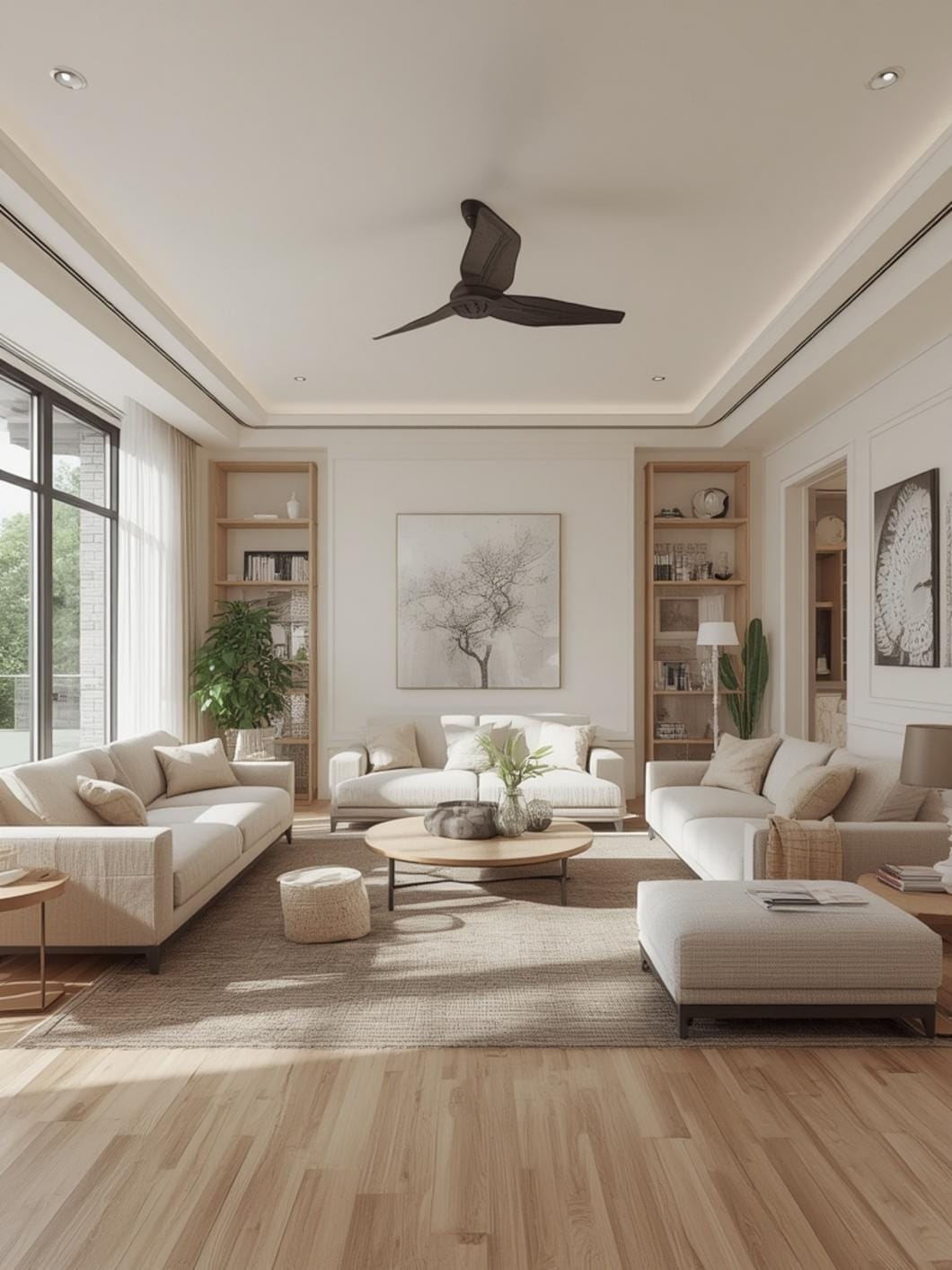
Choosing Style Over Comfort
That gorgeous modern set might look amazing in the showroom, but if the seat depth is wrong for your height or the cushions feel too firm, you won’t actually use the room. Always test-sit every piece for at least five minutes before buying—your daily comfort matters more than any design trend.
Ignoring Your Room’s Actual Measurements
Furniture sets come in standard sizes that don’t always fit standard rooms perfectly. Measure your space including doorways and hallways the furniture must pass through, then compare against actual product dimensions—not showroom spacing. Leave that 30-inch clearance for traffic flow or you’ll regret it every time you navigate around the coffee table.
Forgetting About Your Existing Pieces
Your new furniture set needs to work with the rug, curtains, and wall color you already have. Bring paint chips and fabric samples when shopping, or use your phone to reference photos of your actual space. What looks perfect in isolation might clash terribly with your home’s existing elements.
Overlooking Fabric Durability Needs
Beautiful cream linen sounds lovely until your dog jumps on the sofa or a glass of red wine tips over. Match your fabric choice to your real life—performance fabrics for families and pet owners, delicate materials only if you live alone or have a formal-only living room. Sets are investments, so choose materials that will still look good in five years.
Rushing the Delivery Timeline
Quality furniture often takes 8-12 weeks for delivery, and sets may arrive in multiple shipments. Don’t schedule your housewarming party for three weeks after ordering, and don’t get rid of your old furniture until the new set is confirmed in transit. Patient planning prevents living with camping chairs longer than necessary.
Maintenance and Upkeep Tips
Weekly Quick Care:
Vacuum upholstered pieces using the brush attachment to remove dust and pet hair before it works into the fabric. Fluff and rotate cushions weekly so they wear evenly—this single habit extends furniture life by years. Wipe wood and metal surfaces with a dry microfiber cloth to maintain the finish without buildup.
Monthly Deep Attention:
Check all visible screws and bolts, tightening any that have loosened from regular use. Vacuum under cushions to remove crumbs and debris that can attract pests or create odors. Condition leather pieces with manufacturer-approved products to prevent cracking and maintain suppleness.
Seasonal Protection:
Rotate your furniture placement slightly every season to prevent uneven sun fading, especially near windows. Apply wood polish or conditioner to tables and exposed wood frames twice yearly. Consider professional upholstery cleaning annually for high-traffic pieces, or spot-clean immediately after spills using appropriate cleaners for your specific fabric type.
Long-Term Preservation:
Use arm covers and furniture throws in high-wear areas if your set features light-colored fabrics. Keep your furniture away from heat vents and direct sunlight to prevent premature aging. Save all care instructions and warranty information in a household binder—you’ll thank yourself when you need to reference them years later.
Making Your Living Room Work for You
Your living room should welcome you home every single day, not stress you out with mismatched pieces or awkward arrangements. Furniture sets take the guesswork out of creating a space that actually works—where everything fits together visually and functionally from the moment it arrives.
Whether you’re furnishing your first real living room or finally upgrading from college furniture, the right set gives you a foundation to build on. Add your personal touches, arrange pieces for your lifestyle, and enjoy a room that feels pulled together without the years of trial and error.
Ready to transform your space? Explore more living room inspiration and practical decorating advice right here on DecorKingdom, where beautiful, functional homes are always within reach.
FAQs
Should I buy a furniture set or individual pieces?
Sets offer instant coordination and often cost less than buying pieces separately, making them perfect if you need to furnish quickly or lack confidence in mixing styles. Individual pieces give you more flexibility and personality but require a good eye for scale and style compatibility. If you’re starting from scratch or replacing everything at once, a set is usually the smarter choice.
How do I know if a furniture set will fit in my living room?
Measure your room’s length and width, then subtract six feet from each dimension—this gives you your maximum furniture footprint while leaving clearance space. Compare this to the set’s total dimensions including all pieces arranged with proper spacing. Most retailers provide room planning tools online, or you can tape out furniture dimensions on your floor before buying.
What’s the best furniture set material for homes with kids and pets?
Performance fabrics like Crypton, Sunbrella, or microfiber offer the best stain resistance and durability for active households. Leather also works well since spills wipe off easily, though it can scratch—look for distressed or top-grain finishes that hide wear better than smooth leather. Avoid light colors, delicate weaves, and velvet unless you’re prepared for frequent professional cleaning.
How long should a quality furniture set last?
Budget sets typically last 5-7 years with normal use, mid-range quality should give you 10-12 years, and premium sets with hardwood frames and eight-way hand-tied springs can last 15-20 years or more. Your actual mileage depends on household traffic, maintenance habits, and whether you have pets or children. Proper care and cushion rotation significantly extend any set’s lifespan.
Can I add pieces to my furniture set later?
Many manufacturers keep popular collections in production for several years, making it possible to add matching pieces as your needs or budget grows. When purchasing, ask about the collection name and how long it will remain available—write this information down with your purchase receipt. Some retailers also offer custom ordering in discontinued fabrics for an additional fee if you need to match older pieces.
—
Meta Title: Living Room Furniture Sets That Transform Homes in 2026
Meta Description: Choose Living Room Furniture Sets that actually work for your space. Get layout tips, style ideas, and smart shopping advice for homeowners.