How to Choose Small Living Room Rugs Like a Pro
Table of Contents
You’ve found the perfect sofa for your cozy living room, but something feels off. The space looks bare, and every footstep echoes. A rug can tie everything together, but in a small room, choosing the wrong size or style can make your space feel even more cramped.
This Small Living Room Rugs Guide will walk you through everything you need to know about selecting, sizing, and styling rugs for compact spaces. You’ll discover how to make your room feel larger, not smaller, while adding warmth and personality. Whether you’re working with a 10×10 room or an awkward rectangular layout, the right rug can completely change how your space feels.
Let’s explore how to find a rug that fits your room perfectly and complements your existing decor.
Key Terms and Elements to Know
Before you start shopping, it’s helpful to understand what makes a rug work in a small living room. These are the essential elements that affect both function and appearance.
Rug materials: Wool adds softness and durability, cotton works well for casual spaces and easy cleaning, jute brings natural texture but can feel rough underfoot, and synthetic blends offer budget-friendly stain resistance.
Pile height: Low-pile rugs sit flat and make rooms feel more spacious. High-pile or shag rugs add coziness but can visually shrink a small space.
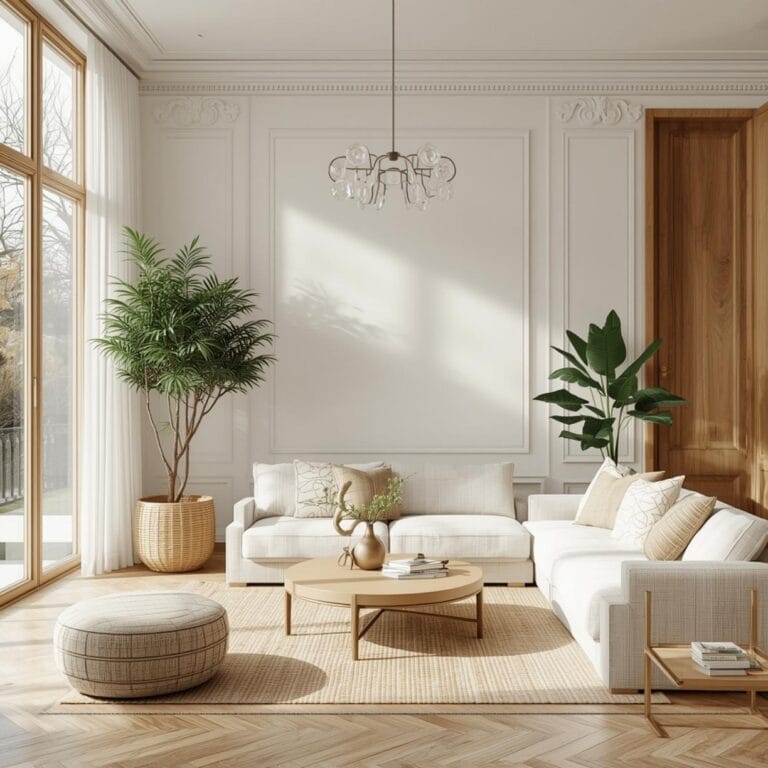
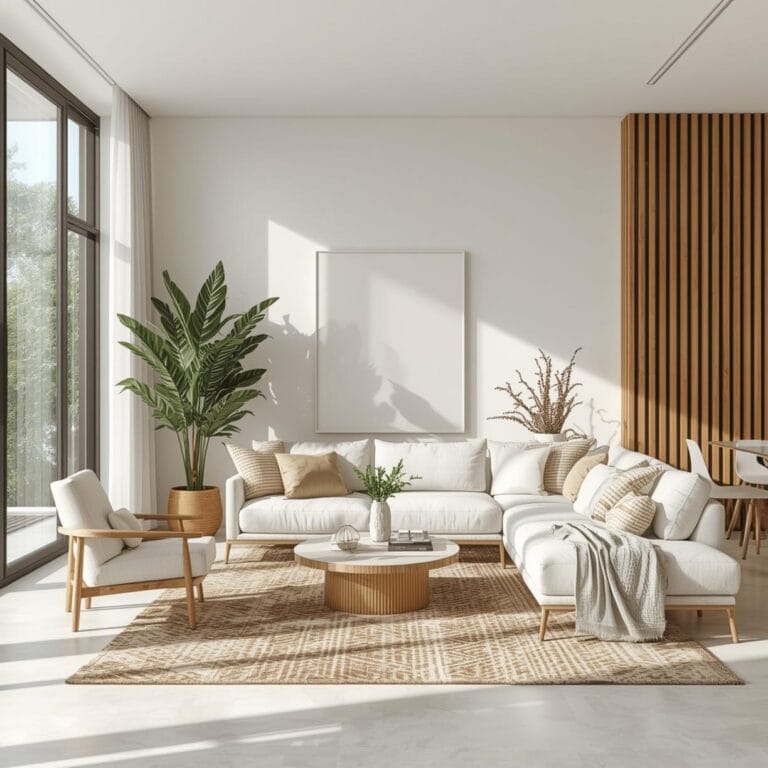
Standard small room sizes: A 5×7 rug fits under a coffee table with furniture legs off the rug. A 6×9 works when you want front furniture legs on the rug. An 8×10 allows all furniture to sit completely on the rug in most small living rooms.
Pattern scale: Small, busy patterns can make a compact room feel cluttered. Large-scale patterns or solid colors typically work better in tight spaces.
Rug pad: This goes under your rug to prevent slipping, add cushioning, and protect your floors. It’s essential for safety and extends your rug’s life.
Common Misconceptions to Clear Up First
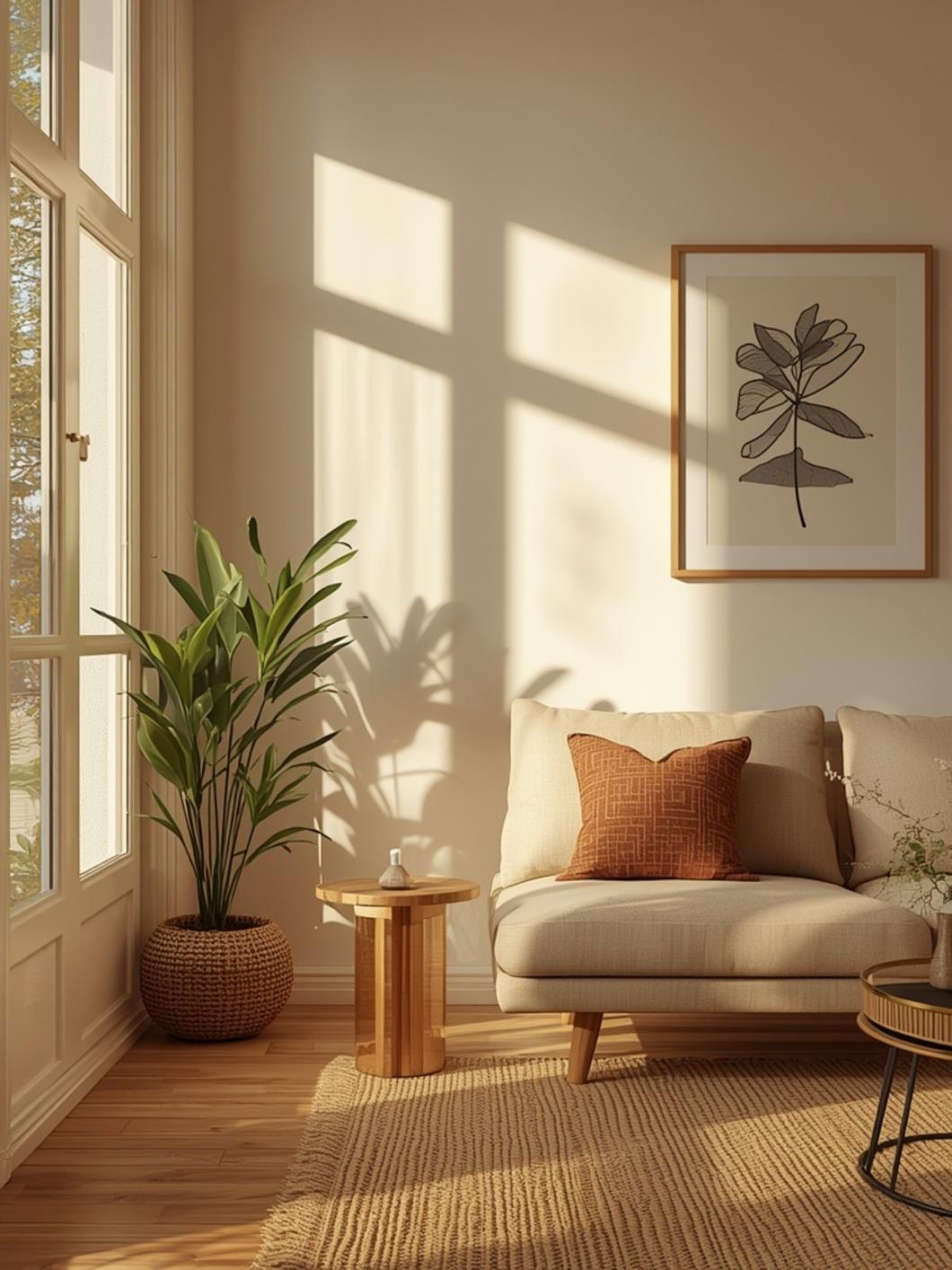
Many homeowners make sizing decisions based on outdated advice or showroom displays that don’t reflect real small-space living. Let’s clear up what actually works.
Myth: Smaller rooms need smaller rugs. Actually, a too-small rug floating in the middle of your floor makes the room look disjointed. A properly sized rug that reaches closer to the walls creates visual continuity and makes your space feel larger.
Myth: Dark rugs make small rooms feel darker. Dark rugs can actually anchor a space beautifully when you have light walls and furniture. The contrast adds depth rather than closing in the room.
Myth: You need furniture completely off the rug. This vintage decorating rule doesn’t apply to modern small-space living. Having at least the front legs of your furniture on the rug creates a cohesive seating area.
Myth: Round rugs don’t work in small rectangular rooms. Round rugs can actually soften the boxy feel of a small rectangular space, especially under a coffee table or in a conversation area.
Understanding these realities helps you make confident choices that work for your actual space, not an imaginary ideal room.
How It Works in Real Homes
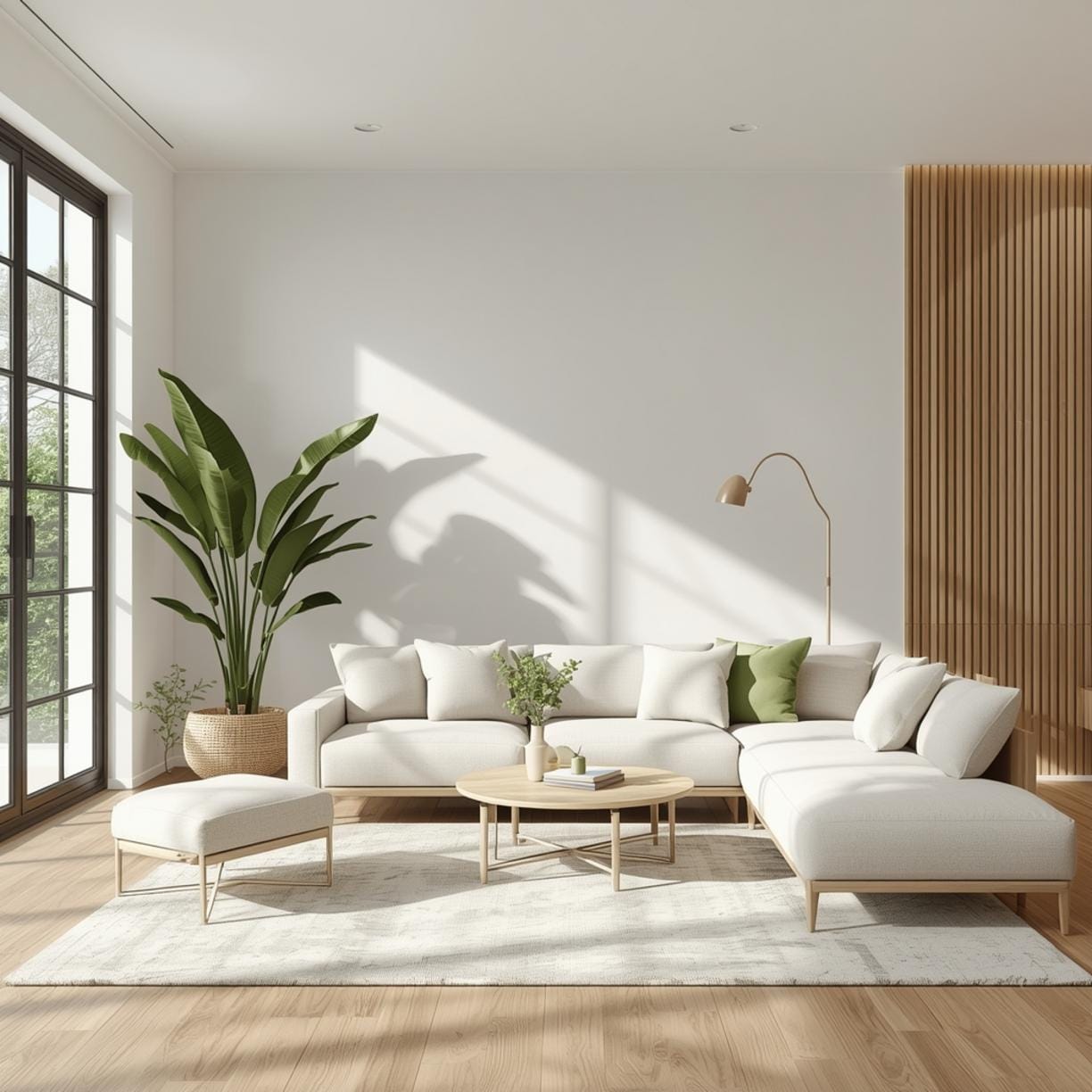
Let’s walk through the practical considerations that determine which rug works best for your specific living room layout and lifestyle.
Understanding the 18-Inch Rule
Professional designers often mention leaving 18 inches of bare floor between your rug edge and the walls. In very small living rooms, this isn’t always possible. You can leave as little as 6-12 inches and still achieve a balanced look. The key is maintaining equal spacing on all sides rather than pushing the rug against one wall.
The Front-Legs-On Approach
This is the most popular configuration for small living rooms. Your sofa and chairs have their front legs resting on the rug while back legs stay on the floor. This approach creates a defined seating area without requiring a massive rug that dominates your entire space.
Measuring Your Furniture Footprint
How to measure rug size for small spaces starts with mapping your furniture arrangement. Measure from the front edge of your sofa to the front edge of your opposite seating. Add 24 inches to account for front legs sitting on the rug. Then measure the width of your seating area and add 18-24 inches.
For example, if your sofa and chair are 6 feet apart, you’d want at least an 8-foot length. If your seating spans 5 feet wide, look for a 6-7 foot width.
Accounting for Coffee Table Placement
Your coffee table should sit entirely on the rug with 12-18 inches of rug visible beyond it on all sides. Measure your coffee table dimensions and add 24-36 inches to find your minimum rug size. This ensures you have landing space when you set down a drink or book.
Testing Visual Balance
Before buying, use painter’s tape to outline your intended rug size on the floor. Live with this outline for a few days. Walk around it, arrange furniture, and see if the proportions feel right. You’ll quickly notice if the size feels too small or overwhelming.
Considering Traffic Patterns
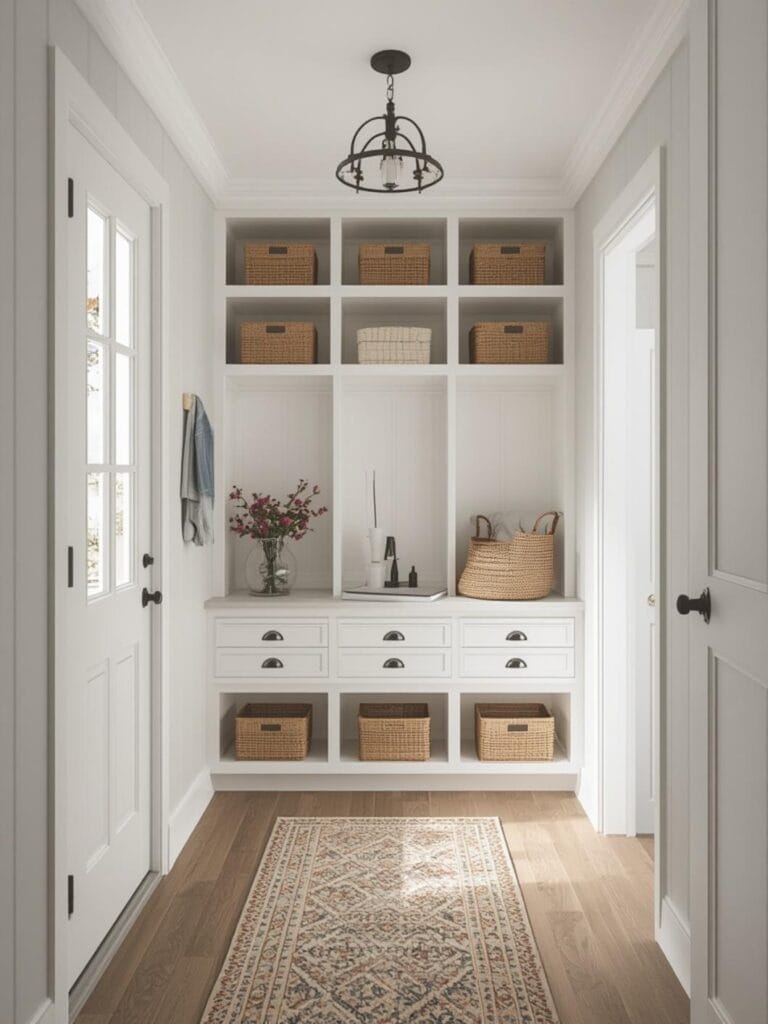
Think about how you move through your living room. Your rug shouldn’t create a tripping hazard where it meets hard flooring. If your main walkway cuts across where a large rug would sit, consider a smaller rug that defines just the seating area or a runner along the side.
Working with Awkward Layouts
Not every living room is a perfect rectangle. If you have an L-shaped space or an area with a fireplace bump-out, you might need a runner plus a smaller rug to define different zones. This layered approach can actually make an odd layout feel intentional rather than awkward.
Benefits of Getting Rug Size Right
When you choose the correct rug size for your small living room, the benefits extend far beyond just covering your floor.
Your room feels more spacious. A properly sized rug creates visual boundaries that actually make your space feel larger and more organized. Your eye reads the room as one cohesive area rather than scattered furniture floating on bare floor.
Conversations feel more intimate. A rug that unites your seating creates a natural gathering spot. Everyone feels connected when they’re sitting on the same defined surface, making your small living room perfect for hosting.
Your decor looks intentional. Even budget furniture appears more expensive and curated when anchored by an appropriately sized rug. The rug signals that you’ve thoughtfully designed your space rather than just filling it with furniture.
Noise levels decrease. Rugs absorb sound that would otherwise bounce off hard floors. This makes your living room feel calmer and more comfortable, especially in apartments or homes with open floor plans.
Your floors stay protected. Rugs prevent scratches from furniture legs and reduce wear patterns in high-traffic areas. This protection saves you money on floor refinishing down the road.
Tips, Alternatives, and Styling Advice
Different budgets and style preferences call for different approaches. Here’s how to make the right choice for your situation.
Budget-friendly option: Look for indoor/outdoor rugs in solid colors or simple patterns. These synthetic rugs cost $100-200 for a 6×9 and resist stains beautifully. They work especially well if you have pets or kids. Machine-washable cotton dhurrie rugs also deliver great value.
Mid-range option: Invest in a wool or wool-blend rug with a low pile for $300-600. These last 10-15 years with proper care and feel more luxurious underfoot. Choose neutral colors if you like changing your decor frequently, or pick a patterned rug as your room’s focal point.
Premium option: Hand-tufted or hand-knotted rugs in natural fibers range from $800-2000 but become treasured pieces you’ll keep for decades. These rugs often improve with age, developing a beautiful patina that adds character to your home.
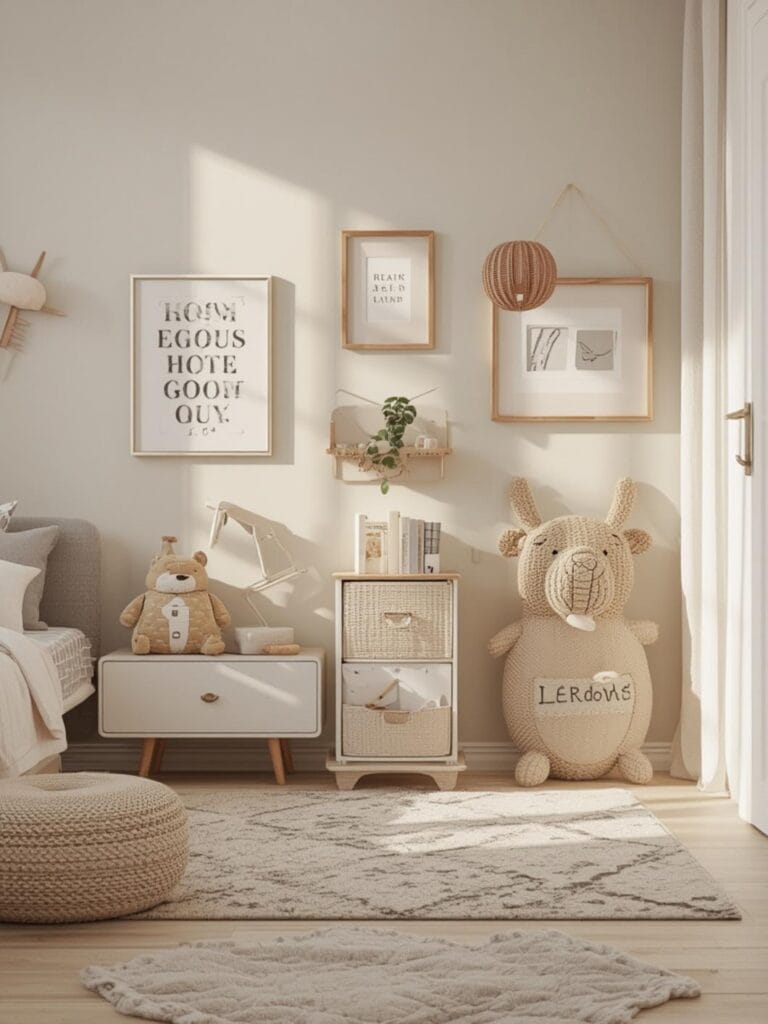
Small space adaptation: If your living room is extremely tight, consider a 4×6 rug placed horizontally under just your coffee table. This adds color and texture without overwhelming your floor space. Layer it over a larger natural fiber rug for added dimension.
Color strategy: Light or medium-toned rugs reflect more light and make small rooms feel airier. If you prefer dark rugs, balance them with light walls and plenty of ambient lighting.
Pattern mixing: If you have patterned furniture, choose a solid rug. If your furniture is solid, a patterned rug adds visual interest without creating chaos in a small space.
Common Mistakes to Avoid
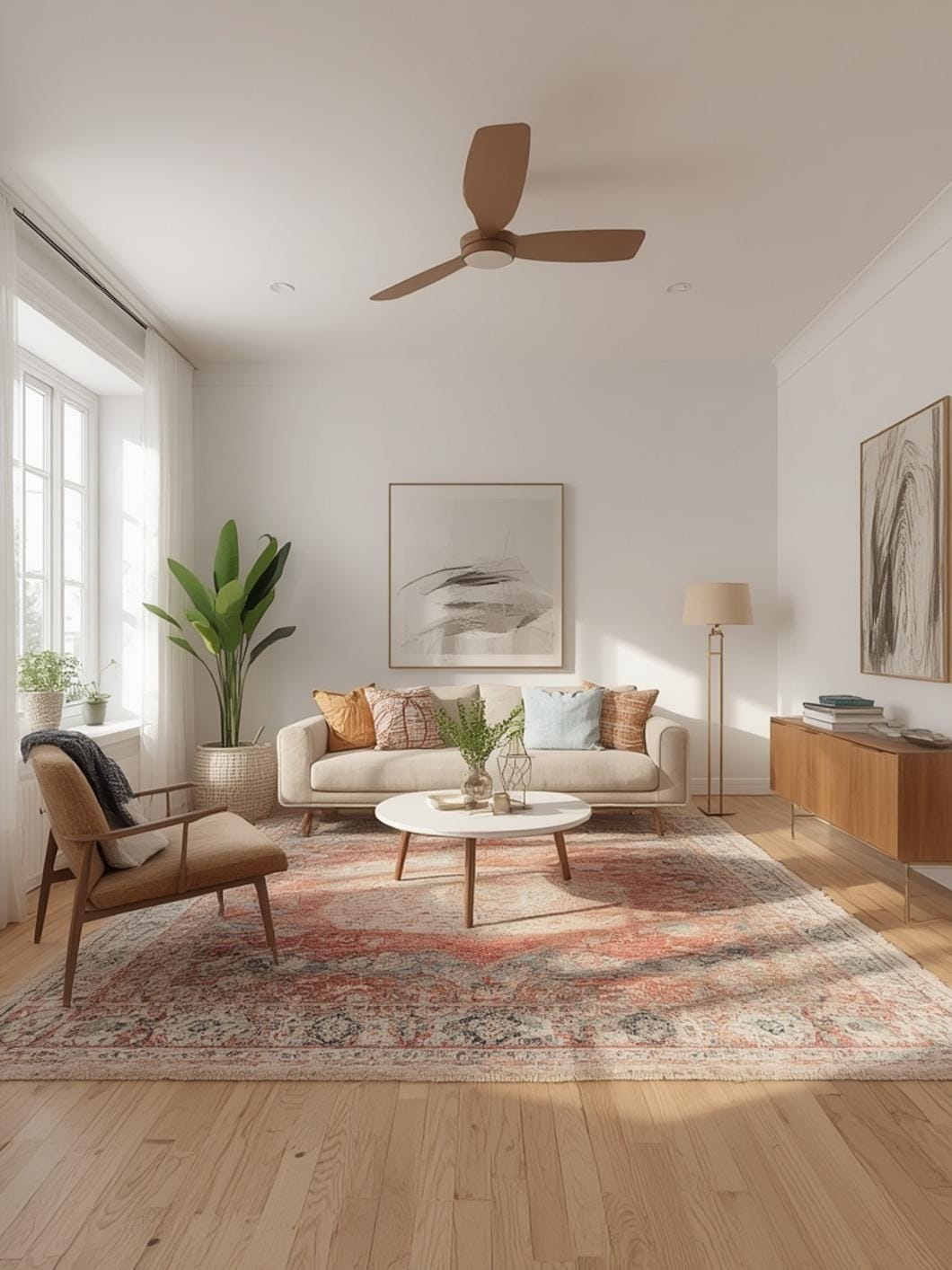
Learning from others’ mistakes saves you time and money when selecting your living room rug.
Buying a rug before arranging furniture. Decide on your furniture layout first, then choose a rug to fit that arrangement. Otherwise, you’ll end up forcing furniture into awkward positions to accommodate the rug.
Choosing a rug based only on online photos. Colors and textures look completely different in person versus on a screen. Order samples when possible, or visit a store to see and feel the rug before committing.
Ignoring your rug pad. Skipping the rug pad to save $30 means your rug will slip, wear unevenly, and potentially cause someone to trip. Always factor a quality rug pad into your budget.
Selecting high-pile rugs for small, busy spaces. Thick, plush rugs feel luxurious but show every footprint and vacuum track. They also make your space feel more crowded. Save these for bedrooms and choose low-pile options for living rooms.
Forgetting about doorway clearance. Measure the height of your new rug plus pad before buying. If it creates a ledge taller than half an inch where it meets your doorway, you’ll have a tripping hazard or doors that won’t open properly.
Maintenance and Upkeep Tips
Keeping your living room rug clean and fresh doesn’t require professional services for everyday care.
Vacuum weekly. Run your vacuum over the rug once a week to prevent dirt from settling deep into the fibers. Use the hose attachment around furniture legs where the vacuum head doesn’t reach.
Rotate every six months. Flip your rug end-to-end twice a year so it wears evenly. This prevents permanent traffic patterns and sun fading in one area.
Address spills immediately. Blot liquids with a clean white cloth, working from the outside in. Never rub, which pushes the spill deeper. For solid messes, let them dry then vacuum up the pieces.
Use furniture pads. Place felt pads under all furniture legs sitting on your rug. This prevents crushing and makes it easier to move furniture when cleaning without snagging the rug fibers.
Deep clean annually. Once a year, take your rug outside and beat it to remove embedded dust, or use a carpet cleaner designed for your rug’s material. Check the care label before using any water or cleaning solutions.
Protect from sunlight. Direct sun fades rug colors over time. Use curtains or blinds during peak sun hours, or rotate your rug more frequently if it sits in a sunny spot.
Conclusion
Choosing the right rug for your small living room transforms your space from a collection of furniture into a cohesive, inviting room where you love spending time. By understanding proper sizing, measuring your space accurately, and selecting materials that fit your lifestyle, you’ll find a rug that makes your room feel larger and more complete.
Remember that the goal isn’t to follow rigid rules but to create a space that works beautifully for your daily life. Start by measuring your furniture arrangement, consider your traffic flow, and don’t be afraid to test sizes with painter’s tape before committing.
Ready to explore more ways to maximize your small living spaces? Visit DecorKingdom for design inspiration, styling tips, and practical advice that makes decorating approachable and fun.
FAQs
What size rug should I get for a 10×12 living room?
For a 10×12 living room, an 8×10 rug typically works best. This size allows you to place all your main seating furniture with at least front legs on the rug while maintaining 12-24 inches of bare floor around the perimeter. If you have minimal furniture, a 6×9 can work for defining just the seating area.
Should my sofa sit completely on the rug or just the front legs?
In small living rooms, having just the front legs of your sofa on the rug is perfectly acceptable and often preferred. This approach defines your seating area without requiring an oversized rug. The “all on” or “all off” rule applies more to larger spaces where you have room for bigger rugs.
Can I use a runner instead of a traditional rug in my small living room?
Yes, a runner can work well in narrow living rooms or to define a walkway. However, you’ll still want a separate rug under your main seating area. Runners work best as supplementary pieces rather than your only rug, unless your living room is an unusual long, narrow shape.
What color rug makes a small living room look bigger?
Light and medium tones in beige, gray, or soft blue make small living rooms feel more spacious by reflecting light. However, don’t rule out darker rugs if they match your style. The key is choosing a color that contrasts enough with your flooring to define the space without creating harsh visual breaks.
How do I keep a rug from sliding on hardwood floors?
Always use a quality rug pad specifically designed for hardwood floors. Look for pads made from natural rubber or felt that grip both the floor and rug without leaving residue. Avoid vinyl or plastic pads on hardwood as these can damage the finish over time.
—
Meta Title: Small Living Room Rugs Guide: Perfect Sizing Tips 2026
Meta Description: Find the perfect rug for your compact space. Our Small Living Room Rugs Guide shows you how to measure, style, and choose rugs that make rooms feel bigger.